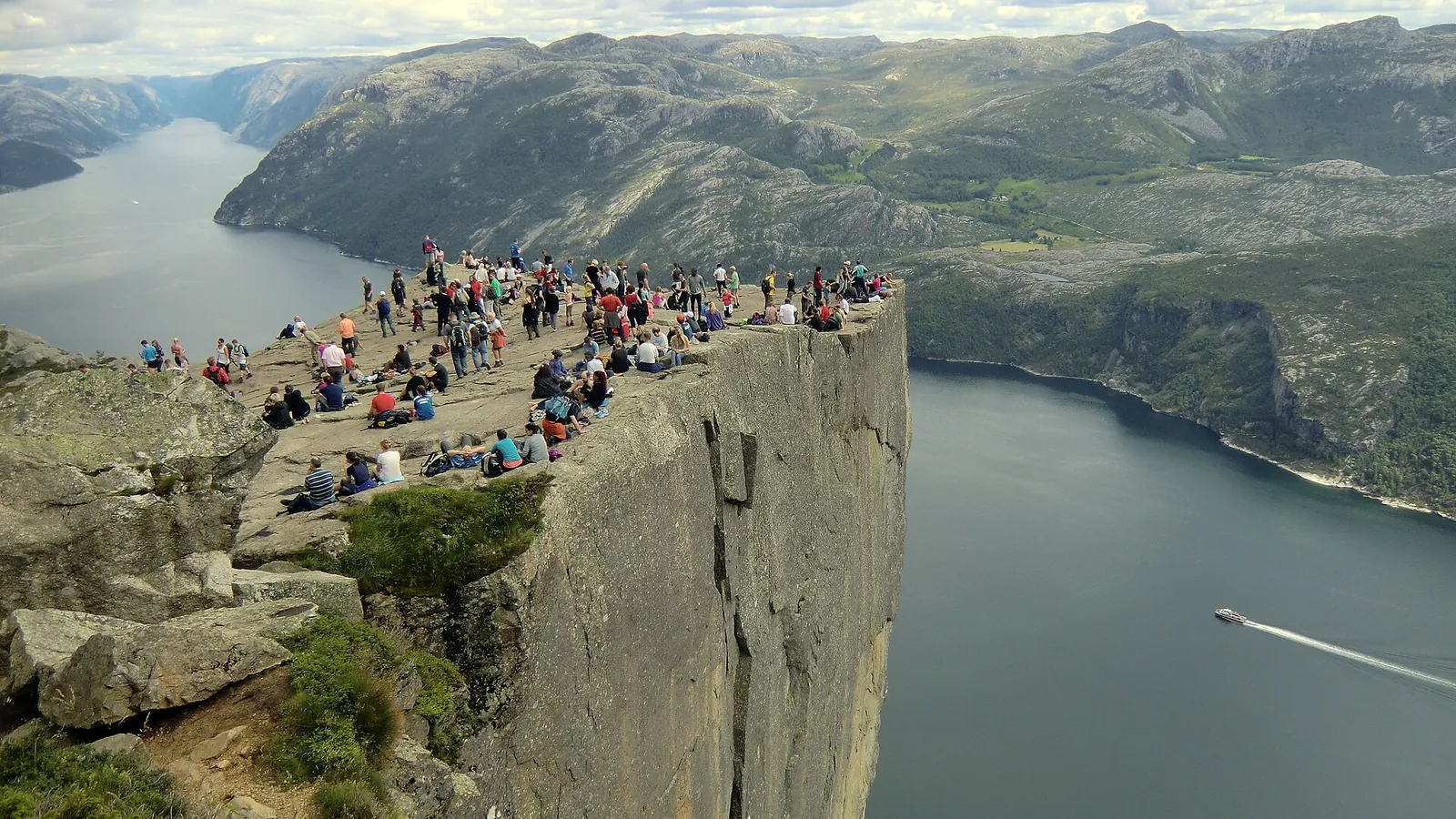
Preikestolen, a flat cliff plateau high above Lysefjord in Norway

Rogaland, Southwestern Norway · Norway

Stavanger & Preikestolen

Norway's food-forward oil capital, and the launch point for the country's single most famous hike, out to a cliff plateau 604 metres above the fjord.

  • Best time May to September for the Preikestolen and Kjerag hikes
  • Stay 2-3 days
  • Good for Hiking, day trips, a food-forward city

Photo: jace48 · CC BY-SA 3.0

Welcome to Stavanger & Preikestolen

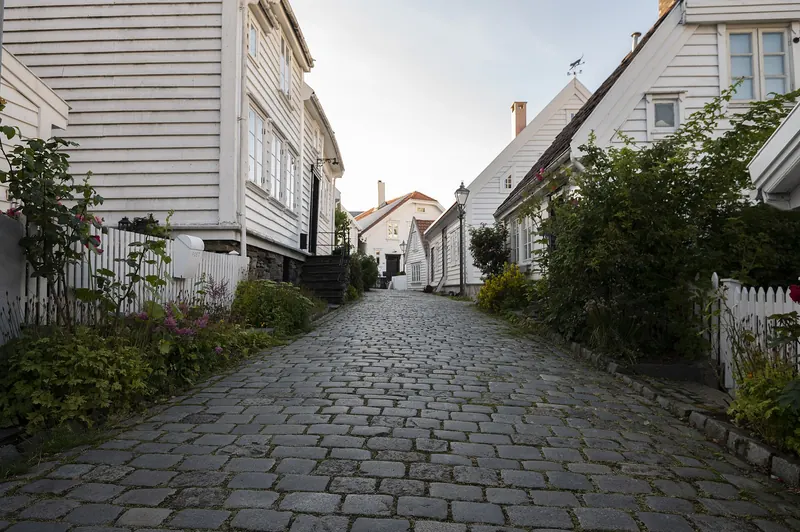
Stavanger is one of Norway's most food-forward cities, a compact harbour town whose oil-industry wealth has funded a restaurant scene punching well above its size, all wrapped around Gamle Stavanger's rows of immaculately preserved white wooden houses.

It's also the launch point for Norway's single most iconic day hike — Preikestolen, a flat rock plateau jutting 604 metres straight above Lysefjord, reached by a well-marked but strenuous trail that rewards the effort with one of the most photographed views in the whole country.

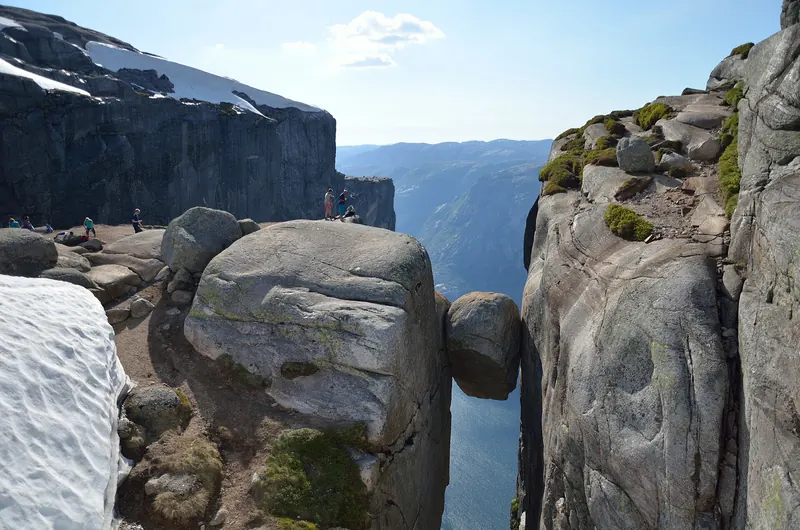
For those wanting to go further, Kjeragbolten — a boulder famously wedged in a crevasse even higher above the same fjord — pushes the drama further still, for visitors willing to commit to a longer, tougher day.

  • Hiking
  • City
  • Nature & Wildlife
  • Food

Why visit

Why visit Stavanger & Preikestolen?

Stavanger's case rests on combining a food-forward, walkable city with one of Norway's most famous hikes on its doorstep.

  • Preikestolen is Norway's most iconic hike

    A flat cliff plateau 604 metres above Lysefjord, reached by a well-marked trail accessible to most reasonably fit hikers.

  • Stavanger is Norway's food capital

    Oil-industry wealth has funded a restaurant scene that punches well above the city's modest size.

  • Gamle Stavanger is one of Europe's best-preserved wooden old towns

    Over 170 white wooden houses, still lived in rather than purely for show.

  • Lysefjord is dramatic from the water too

    A fjord cruise beneath Preikestolen and Kjerag's cliffs offers a completely different perspective on the same scenery.

  • It's a manageable size

    Small enough to explore on foot, with Preikestolen and Lysefjord both easy day trips from the centre.

Main attractions

Top things to see in Stavanger & Preikestolen

Stavanger's essential sights combine its historic old town with two of Norway's most dramatic natural landmarks nearby.

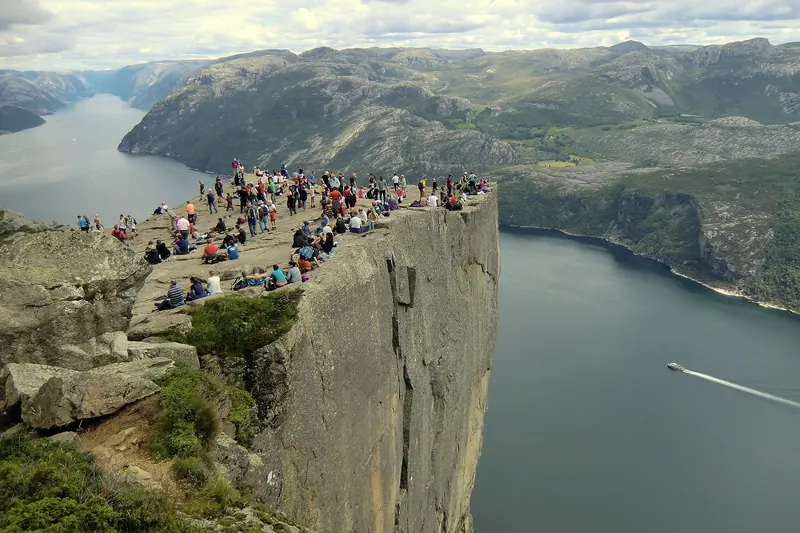
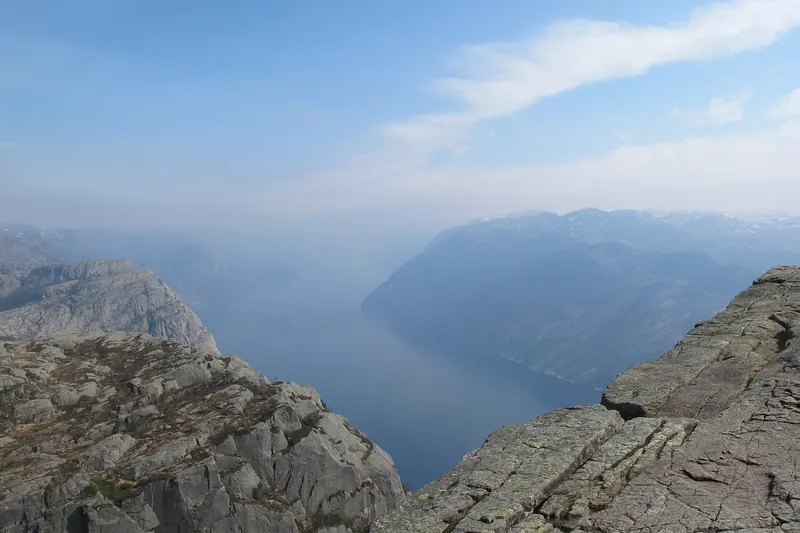
  1. Preikestolen's flat cliff plateau above Lysefjord

    Preikestolen (Pulpit Rock)

    Norway's most iconic hike, a flat rock plateau standing 604 metres above Lysefjord with no railing at the edge.

    Tip The round trip takes 4-5 hours — start early to avoid both crowds and afternoon weather changes.

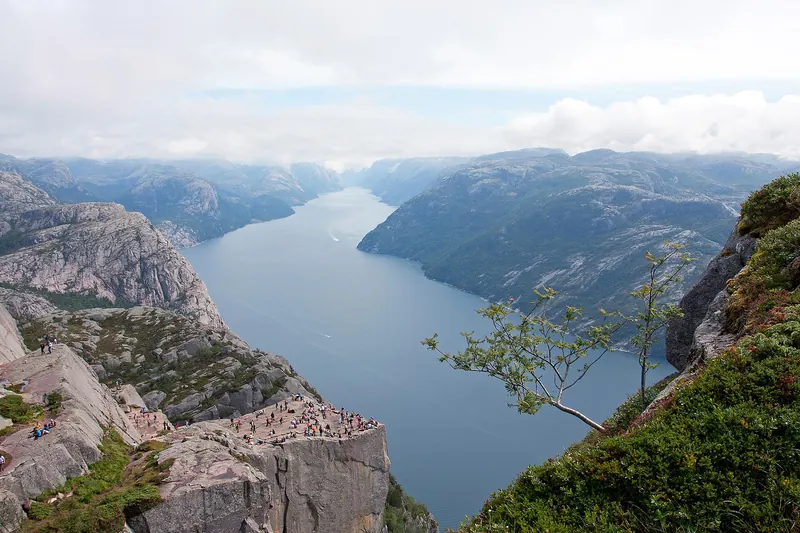
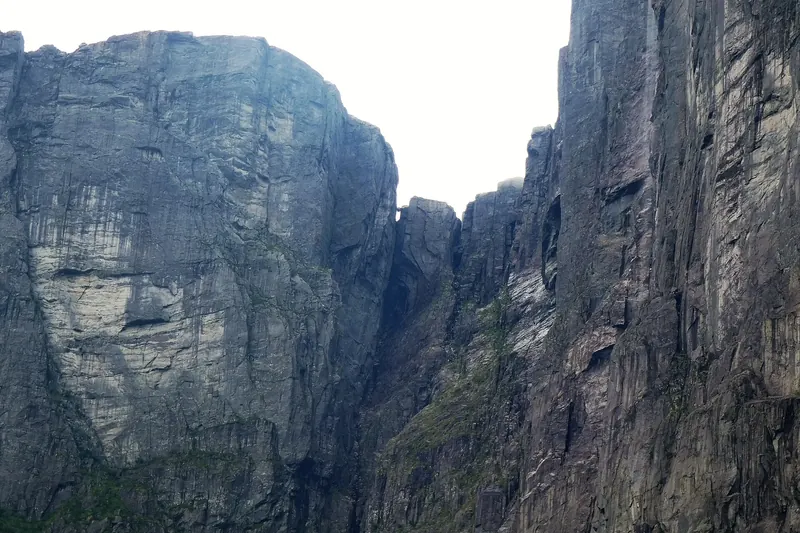
  2. Lysefjord seen from beneath Preikestolen's cliffs

    Lysefjord

    The dramatic fjord beneath both Preikestolen and Kjerag, its steep granite walls among the most striking in Norway.

    Tip A fjord cruise gives a completely different perspective, looking up at the cliffs you might otherwise look down from.

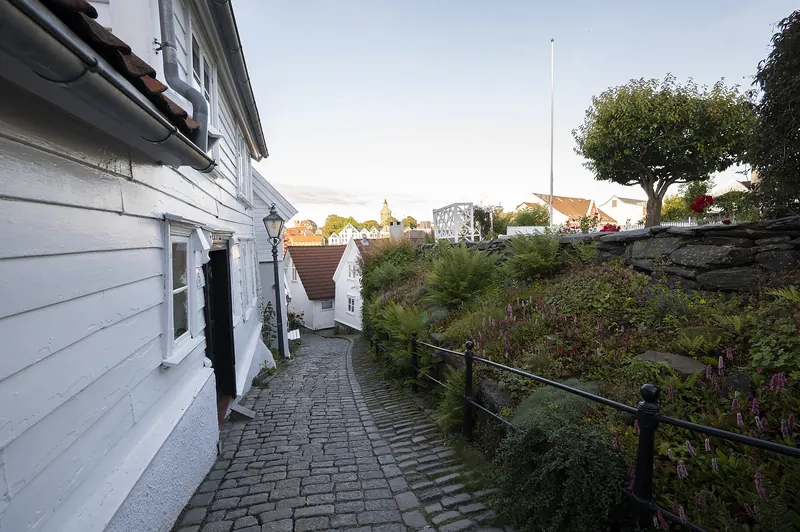
  3. The white wooden houses of Gamle Stavanger's old town

    Gamle Stavanger

    One of Europe's best-preserved wooden towns, over 170 white 18th and 19th-century houses still lived in today.

    Tip The cobbled streets are especially atmospheric in early morning, before the day's visitors arrive.

  4. Kjeragbolten, a boulder wedged in a crevasse above Lysefjord

    Kjeragbolten

    A famous boulder wedged tightly in a crevasse nearly 1,000 metres above Lysefjord, a bucket-list photo spot for serious hikers.

    Tip This hike is significantly tougher and longer than Preikestolen — only attempt it if properly prepared.

  5. Stavanger Cathedral, Norway's oldest cathedral

    Stavanger Cathedral

    Norway's oldest cathedral, consecrated around 1125 and still in active use at the heart of the city centre.

    Tip The interior's medieval and baroque details reward a slower, quieter visit outside service times.

  6. The distinctive drum-shaped Norwegian Petroleum Museum in Stavanger

    Norwegian Petroleum Museum

    A well-presented museum explaining how North Sea oil transformed Stavanger from a quiet fishing town into a wealthy modern city.

    Tip Worth an hour even for visitors not usually drawn to industrial history — the exhibits are engaging.

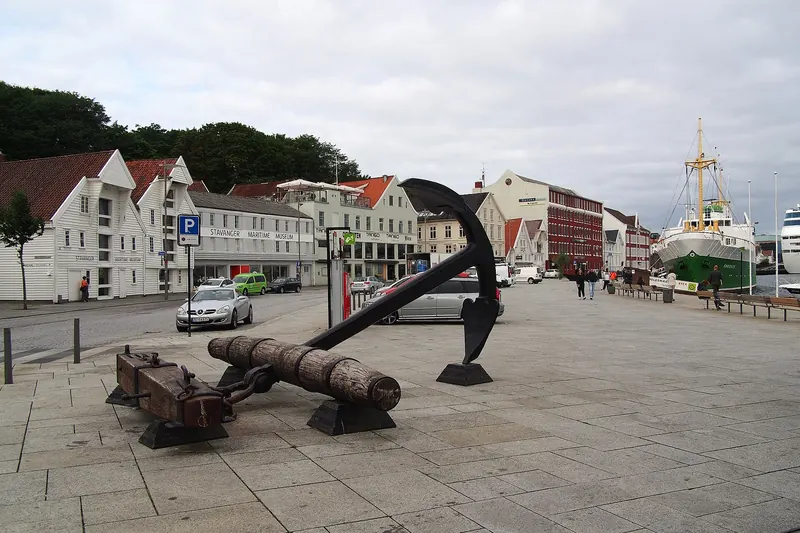
  7. Boats moored in Stavanger's harbour

    Stavanger Harbour

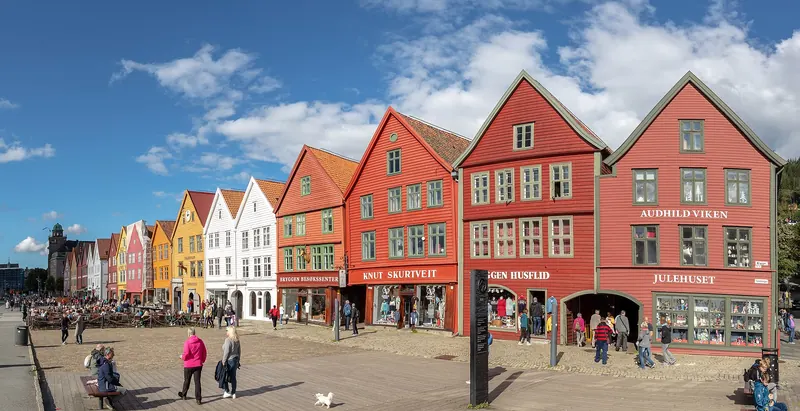
    The city's lively waterfront, lined with restaurants and bars and busy with fishing boats and fjord cruise departures.

    Tip Evening brings the harbourfront restaurants to life, especially in summer.

Things to do

Best things to do in Stavanger & Preikestolen

Stavanger rewards combining serious hiking with the city's own food and history.

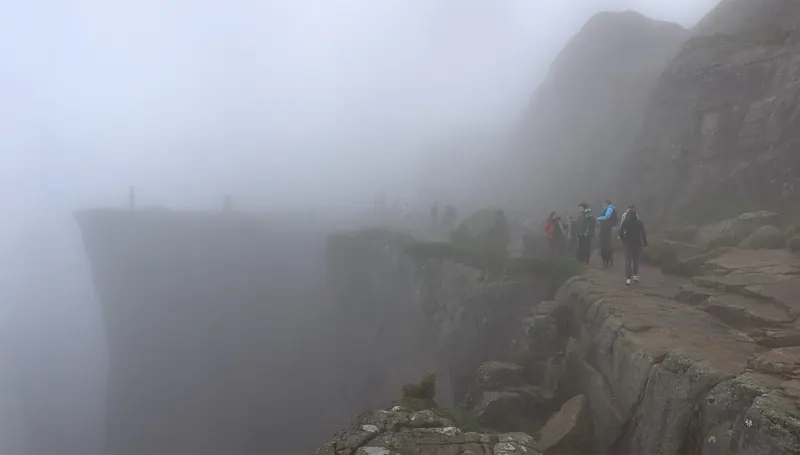
  1. Hikers approaching the edge of Preikestolen through morning fog

    Hike to Preikestolen's edge

    The essential Stavanger-area experience, a well-marked but strenuous trail to one of Norway's most photographed views.

    Tip Check the weather forecast — the view is dramatically better on a clear day.

  2. A boat cruising beneath the cliffs of Lysefjord

    Cruise Lysefjord beneath the cliffs

    A relaxed alternative or complement to the hikes, taking in Preikestolen and Kjerag's scale from the water.

    Tip Cruises often point out waterfalls and wildlife not visible from the clifftop trails above.

  3. A hiker standing on the Kjeragbolten boulder above Lysefjord

    Stand on Kjeragbolten

    A serious bucket-list challenge for experienced hikers, standing on a boulder wedged nearly 1,000 metres above the fjord.

    Tip This hike involves chains and steep sections — only for properly prepared, experienced hikers.

  4. Cobbled streets among the white houses of Gamle Stavanger

    Wander Gamle Stavanger's cobbled streets

    A peaceful wander through Europe's best-preserved wooden old town, with small galleries and cafés tucked among the houses.

    Tip Many of the houses have small gardens worth a glance as you pass.

  5. The interior of the Norwegian Petroleum Museum in Stavanger

    Learn about Norway's oil history

    A worthwhile rainy-day option, explaining how North Sea oil reshaped both Stavanger and the whole Norwegian economy.

    Tip The museum's own café and gift shop are better than average for a museum of this kind.

  6. Wander the harbour at sunset

    A relaxed way to end a day, with the harbourfront's restaurants and bars filling up as the light softens.

    Tip Summer's long evenings give a wide window for a leisurely harbourside dinner.

Local food

What to eat in Stavanger & Preikestolen

Stavanger's well-earned reputation as Norway's food capital is backed up by a real concentration of excellent restaurants.

  • Gravlax, cured salmon, a Norwegian specialty

    Salmon (gravlax)

    Excellent in Stavanger, reflecting the city's food-forward restaurant scene.

    Where to try it Restaurants throughout the harbour and Gamle Stavanger areas.

  • Brunost, Norway's caramel-coloured brown cheese

    Brunost (brown cheese)

    A reliable breakfast staple at hotels and cafés throughout the city.

    Where to try it Cafés and hotel breakfasts throughout Stavanger.

  • Fårikål, Norway's national lamb and cabbage stew

    Fårikål

    Found on traditional menus across the city, a hearty option after a long day on the Preikestolen trail.

    Where to try it Traditional restaurants in Stavanger's city centre.

  • Lapskaus

    A humble, comforting Norwegian meat and vegetable stew, a real contrast to the city's fine-dining reputation.

    Where to try it Traditional restaurants throughout Stavanger.

  • Fresh North Sea seafood

    Central to Stavanger's food identity, with excellent shellfish and fish landed close to the city.

    Where to try it Harbourside restaurants throughout Stavanger.

  • Stavanger's coffee culture

    Serious about coffee, with a strong independent café scene throughout the city centre.

    Where to try it Independent cafés around Gamle Stavanger and the centre.

Accommodation

Where to stay in Stavanger & Preikestolen

Stavanger offers accommodation across every budget, concentrated within a compact, walkable city centre.

  • City centre and harbour

    The most convenient base, close to Gamle Stavanger and the harbourfront restaurants.

    Best for: Being central and walkable to major sights

  • Near the Preikestolen trailhead

    A short drive from the city, useful if prioritising an early, uncrowded ascent.

    Best for: An early start on the hike

What a night costs

Hostel or guesthouse
NOK 400–800 per night
Mid-range hotel
NOK 1,300–2,500 per night
Preikestolen shuttle bus (return)
About NOK 400–500
Lysefjord cruise
About NOK 800–1,200

Transport

Getting to and around Stavanger & Preikestolen

Stavanger is well connected by air, with the Preikestolen trailhead a short drive or ferry away.

Getting there

  • Flight to Stavanger Airport, Sola

    Well connected to Oslo and other major European cities, about 30 minutes from the city centre.

    A direct bus and train connect the airport to central Stavanger.

  • Ferry to the Preikestolen trailhead

    A scenic way to reach the trail, crossing the fjord from central Stavanger.

    Combined ferry-and-bus tickets are widely available in summer.

  • Coastal ferry or train from other Norwegian cities

    Connects Stavanger to Bergen and other southwestern towns.

    Useful for combining Stavanger with a wider Norway itinerary.

Getting around

Stavanger's compact centre is easily walkable, with organised transport handling the Preikestolen and Lysefjord trips.

  • On foot

    Covers Gamle Stavanger, the cathedral and the harbour easily.

    Central Stavanger's main sights sit within a comfortable walking radius.

  • Shuttle bus to Preikestolen

    The standard way to reach the trailhead without a rental car.

    Runs regularly in season, combined with a short ferry crossing.

  • Rental car

    Useful for reaching Kjerag and exploring the wider region at your own pace.

    Roads to trailheads are well maintained but can be busy in peak summer.

When to go

Best time to visit Stavanger & Preikestolen

Both major hikes require snow-free trails, making the warmer months the only realistic window for either.

  • Summer (June–August)

    Best time

    The most reliable hiking conditions and longest daylight, also the busiest trail season.

  • Shoulder months (May, September)

    Good

    Good hiking conditions with noticeably thinner crowds on the trails.

  • Winter (November–March)

    Good

    Hazardous for Preikestolen and Kjerag without full winter mountaineering experience — most visitors skip the hikes.

  • Any season for the city

    Good

    Stavanger's food scene and Gamle Stavanger work well year-round, independent of hiking conditions.

Worth planning around: Avoid attempting Preikestolen or Kjerag in icy or snowy conditions without proper winter hiking experience and gear.

Itinerary

Two days in Stavanger

Built around the Preikestolen hike on day one, the city and its food scene on day two.

  1. Day1

    Preikestolen

    Norway's most iconic hike, start to finish.

    • Morning Ferry and bus to the Preikestolen trailhead.
    • Afternoon The hike out to Pulpit Rock and back.
    • Evening A well-earned dinner back in Stavanger.
  2. Day2

    The city

    Gamle Stavanger, the cathedral and the harbour.

    • Morning Wander Gamle Stavanger's old town.
    • Afternoon Stavanger Cathedral and the Norwegian Petroleum Museum.
    • Evening Dinner at the harbourfront.

Travel tips

Stavanger & Preikestolen travel tips

A handful of practical notes make a Stavanger and Preikestolen trip go far more smoothly.

  • Check the weather forecast before committing to the Preikestolen or Kjerag hike.
  • Wear proper hiking boots and bring layers, even in summer.
  • Start early to beat both crowds and any afternoon weather changes.
  • Book the Preikestolen shuttle bus ahead in peak summer.
  • Bring plenty of water and snacks — there are no facilities on the trail itself.
  • Budget for Stavanger's excellent but not cheap restaurant scene.

FAQ

Stavanger & Preikestolen: frequently asked questions

How hard is the Preikestolen hike?

Moderate — about 3.8km each way with real elevation gain, manageable for most reasonably fit hikers in 4-5 hours round trip.

Is Kjeragbolten harder than Preikestolen?

Yes, significantly so — it's longer, steeper and involves chain-assisted sections, suited to experienced hikers only.

How do you get to the Preikestolen trailhead?

By ferry and shuttle bus from central Stavanger, or by rental car directly to the trailhead car park.

Is Stavanger worth visiting beyond Preikestolen?

Yes — Gamle Stavanger's old town and the city's food scene are both worthwhile in their own right.

When can you hike Preikestolen?

Best May to September — winter conditions make the trail hazardous without proper mountaineering experience.

How many days do you need in Stavanger?

Two to three days covers the Preikestolen hike and the city's own sights at a comfortable pace.

Read next

Related travel articles

Where to go

Beyond the Big Names: Places Worth the Detour

The most visited place in a country is rarely its best, and it is almost never its best value. This is a method for finding the destinations that do not make the postcards — and a set of examples from five of the 50 countries on this site.

Practical

Packing by Season and Trip Type

Most packing advice is a list of things. This is the opposite: the small number of decisions that determine whether your luggage helps or hinders, organised by the kind of trip you are actually taking.

Advertisement