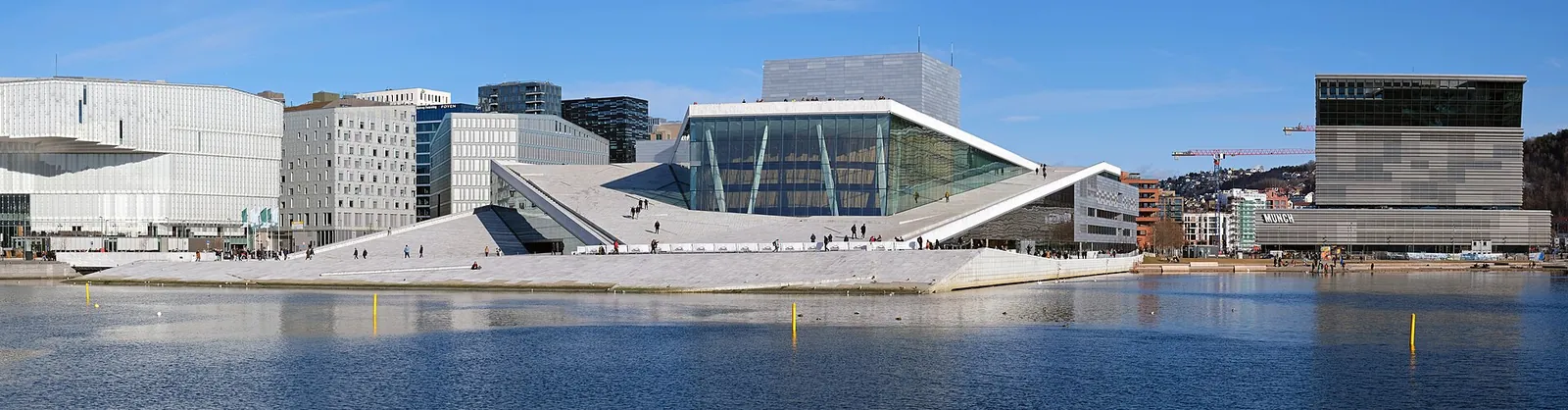
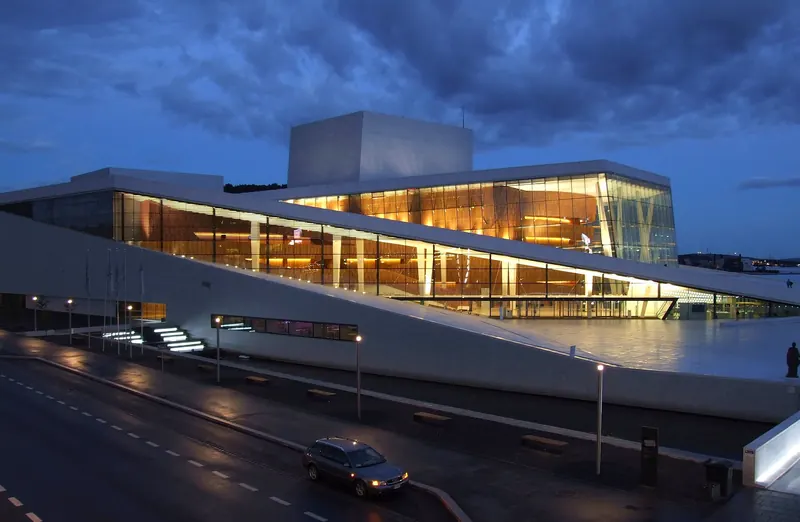


The Oslo Opera House rising from the harbour like a sheet of ice

Eastern Norway · Norway

Oslo

Norway's compact, walkable capital, ringed by forest and fjord, with world-class museums and a real design sensibility.

  • Best time May to September for the best weather, though Oslo works well year-round
  • Stay 2-3 days
  • Good for City culture, museums, an easy first stop

Photo: kallerna · CC BY-SA 4.0

Welcome to Oslo

Oslo is one of Europe's most compact and walkable capitals, a city ringed by forested hills on one side and the Oslofjord on the other, small enough to cross on foot in an afternoon but packed with world-class museums.

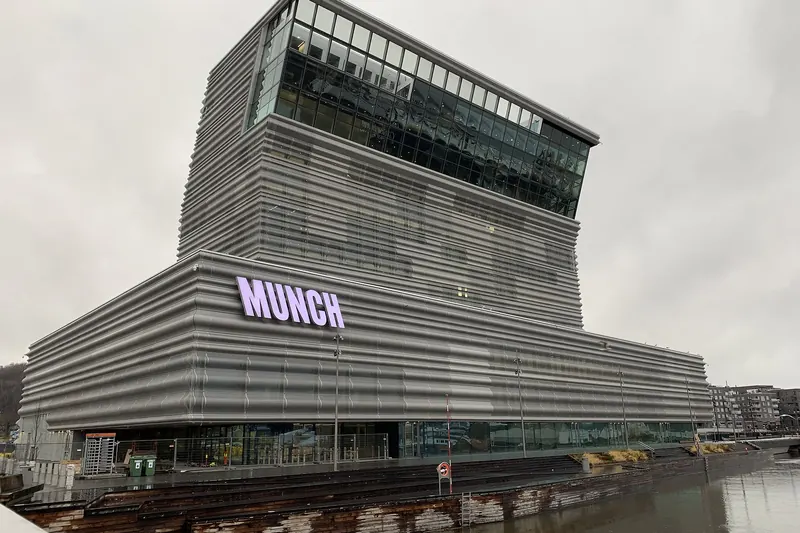
It's also a city confident in modern design — the Opera House's sloping marble roof, the Munch Museum's twisting tower and the harbourside developments around Aker Brygge all sit comfortably beside a Viking history that runs far deeper, preserved in the actual ships buried and excavated a thousand years after they sailed.

Most visitors use Oslo as a first or last stop on a wider Norway trip, and it earns that role — a couple of days here gives real context for the fjords and mountains still to come.

  • City
  • Culture
  • Museums
  • History

Why visit

Why visit Oslo?

Oslo's case rests on world-class museums packed into a small, easy-to-navigate city.

  • Vigeland Park is unlike anywhere else

    Over 200 sculptures by a single artist, Gustav Vigeland, depicting the full span of human life in bronze and granite.

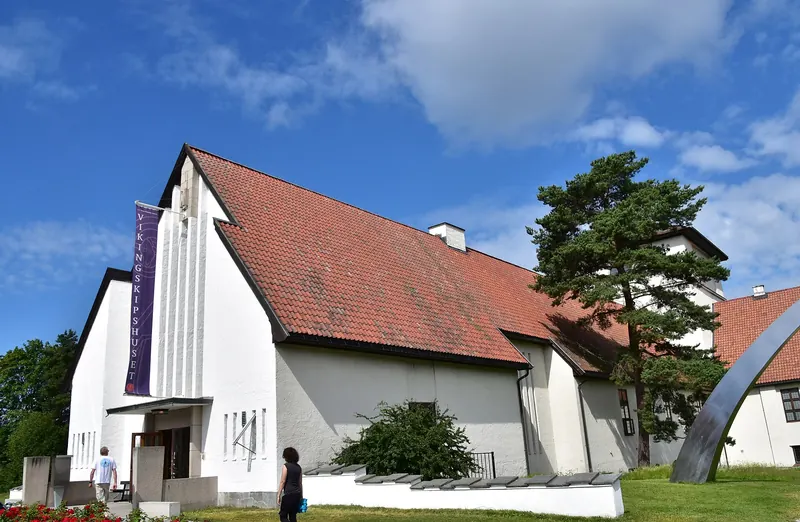
  • The Viking Ship Museum holds real Viking ships

    Not replicas — actual 9th-century burial ships, remarkably well preserved after a millennium underground.

  • The Opera House is climbable

    Its sloping marble roof rises straight from the harbour and visitors are encouraged to walk right up it.

  • It's compact and walkable

    Most major sights sit within a comfortable walk or short transit ride of the city centre.

  • It works well as a gateway to the rest of Norway

    The Bergen Line and domestic flights to the fjords and far north both start here.

Main attractions

Top things to see in Oslo

Oslo's essential sights combine world-class museums with striking modern and historic architecture.

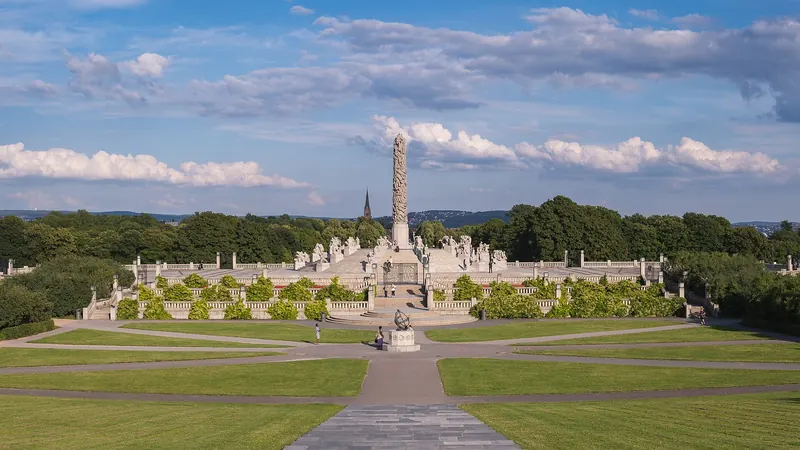
  1. The Monolith and surrounding sculptures at Vigeland Park in Oslo

    Vigeland Sculpture Park

    The world's largest sculpture park by a single artist, over 200 bronze and granite works by Gustav Vigeland depicting human life from birth to death.

    Tip The central Monolith, carved from a single block of granite, rewards a slow walk around its full circumference.

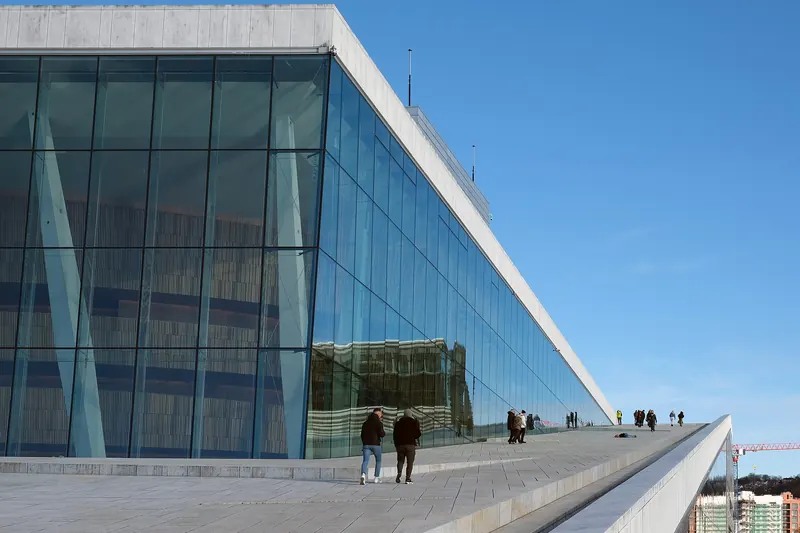
  2. The sloping marble roof of the Oslo Opera House

    Oslo Opera House

    A striking modern landmark, its sloping white marble roof rising directly from the harbour and designed for the public to walk right up.

    Tip Sunset offers the best light for photos, with the roof glowing against the harbour.

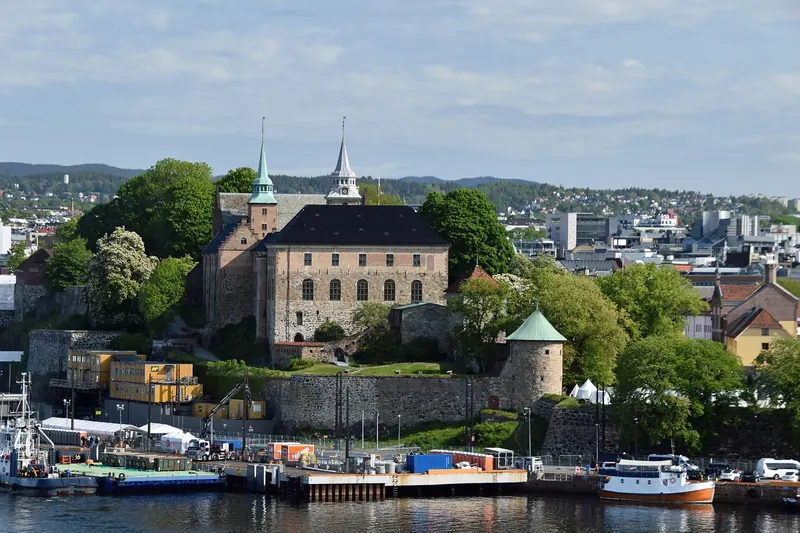
  3. The medieval walls of Akershus Fortress overlooking Oslo's harbour

    Akershus Fortress

    A still-functioning medieval fortress and royal residence, its grounds offering some of the best harbour views in the city.

    Tip The fortress grounds are free to explore, even without paying for the museum interiors.

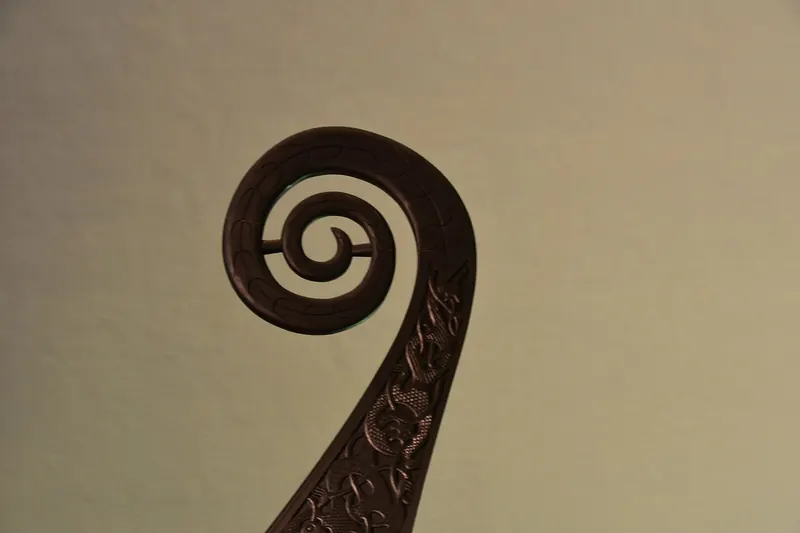
  4. A genuine 9th-century Viking ship on display at the Viking Ship Museum

    Viking Ship Museum

    Home to real Viking burial ships, remarkably preserved after being buried in clay for over a thousand years.

    Tip Check ahead — the museum periodically closes for renovation as it moves to a larger new building.

  5. The modern twisting tower of Oslo's Munch Museum

    Munch Museum

    A striking modern museum dedicated to Edvard Munch, holding the world's largest collection of his work including versions of 'The Scream.'

    Tip The upper floors offer panoramic views over the harbour and city as a bonus.

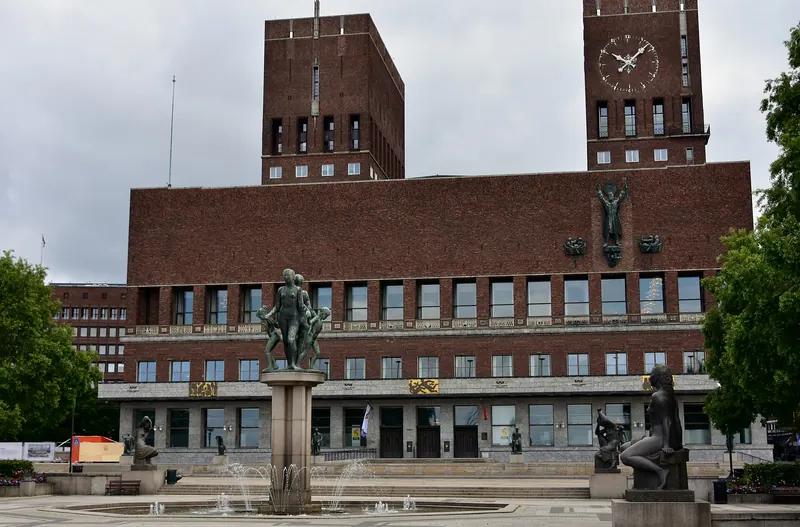
  6. Oslo City Hall's twin brick towers overlooking the harbour

    Oslo City Hall

    A significant civic building, its twin towers a defining part of the skyline and the annual venue for the Nobel Peace Prize ceremony.

    Tip The free interior murals depicting Norwegian history and mythology are well worth a look.

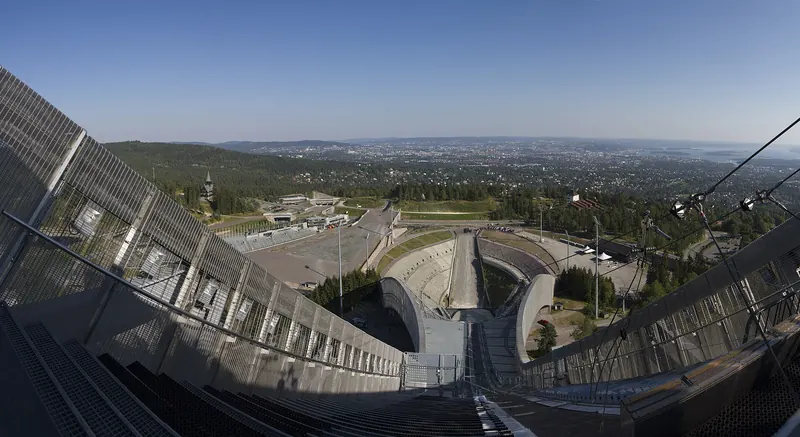
  7. The Holmenkollen ski jump overlooking Oslo and the fjord

    Holmenkollen Ski Jump

    A dramatic ski jump tower on a forested hillside above the city, with a small museum and sweeping views from the top.

    Tip The observation deck at the top gives one of Oslo's best panoramic views, fjord included.

Things to do

Best things to do in Oslo

Oslo rewards mixing its major museums with a wander through its more relaxed neighbourhoods.

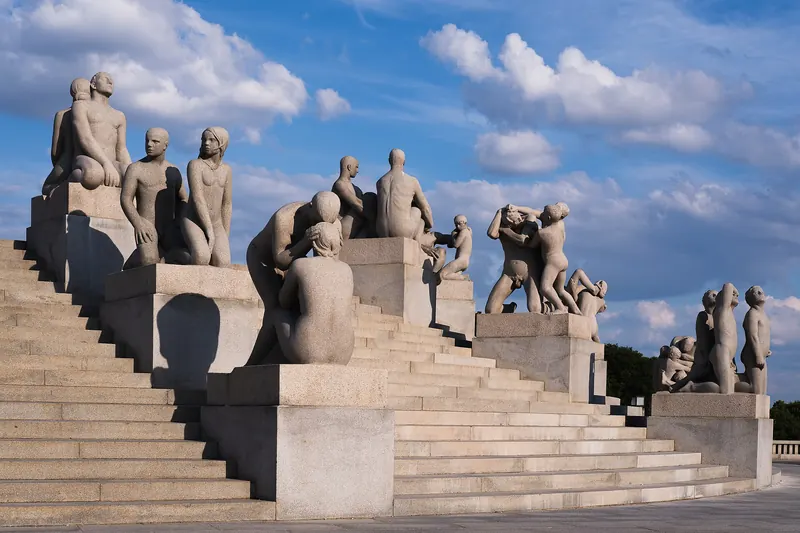
  1. Granite sculptures lining the staircase at Vigeland Park

    Wander Vigeland Park's sculptures

    An absorbing afternoon, following the park's sculptures from the entrance bridge to the Monolith and beyond.

    Tip The park is free and open year-round, making it a good option regardless of weather.

  2. Visitors walking on the sloping roof of the Oslo Opera House

    Climb the Opera House's roof

    An unusual way to experience a building, walking right up its sloped marble exterior for harbour views.

    Tip The roof can be slippery when wet or icy — take care in poor weather.

  3. A Viking ship on display inside Oslo's Viking Ship Museum

    See the Viking ships up close

    A rare chance to see real, excavated Viking ships rather than reconstructions, preserved in remarkable detail.

    Tip Check current opening status before visiting, given the ongoing move to a new museum building.

  4. The Holmenkollen ski jump tower above Oslo

    Ride the funicular to Holmenkollen

    An easy transit ride up into the forested hills above the city, ending at the dramatic ski jump tower.

    Tip Combine with a short forest walk — Oslo's surrounding hills (the Marka) are excellent for hiking.

  5. Explore Grünerløkka's cafés and shops

    A trendy, relaxed neighbourhood of independent boutiques, cafés and a lively riverside park.

    Tip Sunday brings a popular flea market to the neighbourhood's main square.

  6. Take a fjord ferry to the islands

    An easy, cheap way to see the Oslofjord, with public ferries running to several small islands right from the city harbour.

    Tip Hovedøya offers ruins, beaches and a short walking loop, all within 15 minutes of the harbour.

Local food

What to eat in Oslo

Oslo's food spans serious New Nordic dining and simple harbourside classics at every price point.

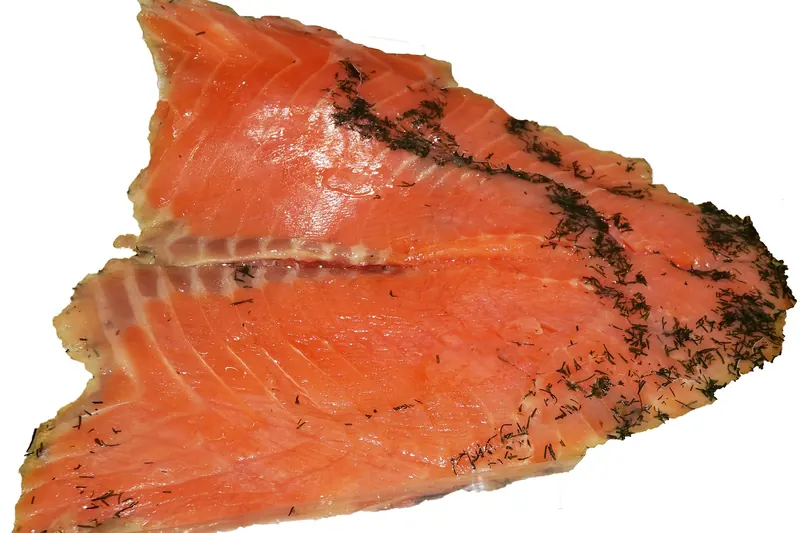
  • Gravlax, cured salmon, a Norwegian specialty

    Salmon (gravlax)

    Excellent in Oslo, whether as a starter at a fine-dining restaurant or a simple open sandwich at a café.

    Where to try it Restaurants and cafés throughout the city, especially near the harbour.

  • Brunost, Norway's caramel-coloured brown cheese

    Brunost (brown cheese)

    An essential taste of Norway, found on breakfast tables at nearly every hotel and café in the city.

    Where to try it Cafés and hotel breakfasts throughout Oslo.

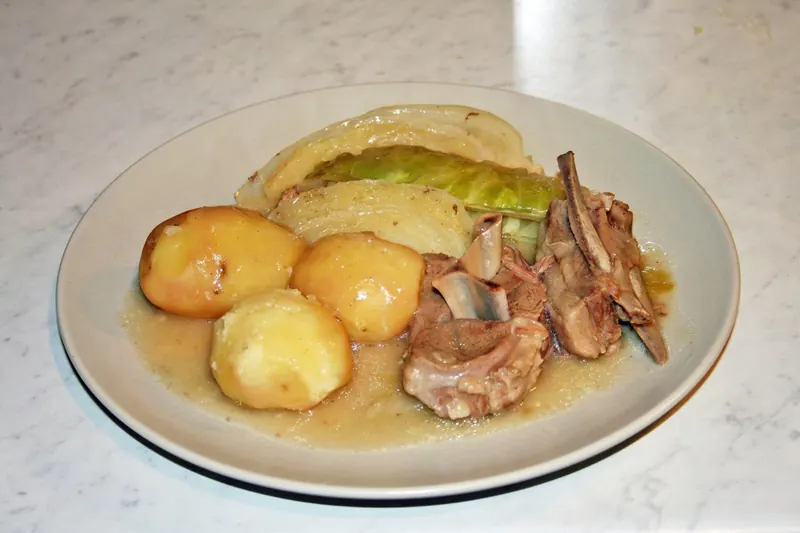
  • Fårikål, Norway's national lamb and cabbage stew

    Fårikål

    Worth seeking out at a traditional restaurant, Norway's official national dish of slow-cooked lamb and cabbage.

    Where to try it Traditional Norwegian restaurants around the city centre.

  • Shrimp at the harbour

    A beloved Oslo summer tradition, buying fresh shrimp straight off a boat at the harbour and peeling them right there on the dock.

    Where to try it Fishing boats moored at Aker Brygge and the harbour front.

  • Kanelboller (cinnamon buns)

    An essential Norwegian bakery treat, softer and less sweet than many international versions.

    Where to try it Bakeries and cafés throughout the city.

  • Oslo's coffee culture

    Serious about coffee, with a strong independent café scene rivalling any major European city.

    Where to try it Independent cafés throughout Grünerløkka and the city centre.

Accommodation

Where to stay in Oslo

Oslo offers accommodation across every budget, concentrated within a compact, walkable city centre.

  • City centre (Sentrum)

    The most convenient base, close to the harbour, Akershus Fortress and the main shopping street.

    Best for: Being central and walkable to major sights

  • Grünerløkka

    A short tram or walk from the centre, with excellent cafés and a livelier evening scene.

    Best for: A trendier, more local neighbourhood feel

What a night costs

Hostel or guesthouse
NOK 400–800 per night
Mid-range hotel
NOK 1,200–2,500 per night
Oslo Pass (museum entry, 24hr)
About NOK 495
Dinner at a mid-range restaurant
About NOK 300–500 per person

Transport

Getting to and around Oslo

Oslo is Norway's main international gateway, well connected by air and rail.

Getting there

  • Flight to Oslo Gardermoen

    Most international routes into Norway land here, about 45 minutes from the city centre.

    A direct airport express train connects Gardermoen to central Oslo.

  • The Bergen Line train

    A spectacular way to arrive from or continue on to Bergen and the western fjords.

    One of the world's great scenic rail journeys, crossing the mountains directly.

  • Ferry from Denmark or Germany

    A relaxed overnight option for visitors arriving from continental Europe.

    Ferries dock directly at Oslo's harbour, close to the city centre.

Getting around

Oslo is compact enough to explore mostly on foot, with excellent public transport for the rest.

  • On foot

    Covers the harbour, Akershus Fortress and much of the city centre easily.

    Central Oslo's main sights sit within a comfortable walking radius of each other.

  • Trams and the metro (T-bane)

    Reliable and efficient for reaching Vigeland Park, Holmenkollen and Grünerløkka.

    A single ticket type covers trams, buses, the metro and local ferries.

  • Public ferries

    A scenic, practical way to reach the Oslofjord's islands and the Opera House waterfront.

    Included within the standard public transport ticket system.

When to go

Best time to visit Oslo

Oslo's museum-heavy, walkable character makes it a viable destination in any season, though summer brings the best outdoor conditions.

  • Summer (June–August)

    Best time

    Long daylight and the best weather for walking and harbour time, also the busiest season.

  • Shoulder months (May, September)

    Good

    Good weather odds with thinner crowds than peak summer.

  • Winter (November–February)

    Good

    Atmospheric with the possibility of snow, and museums make a good indoor escape from the cold.

  • Christmas season (December)

    Good

    Charming with markets and festive lighting throughout the city centre.

Worth planning around: Nothing strongly — Oslo's museum-rich, compact character makes it a workable destination in any season.

Itinerary

Two days in Oslo

Built around the Vigeland Park and Viking history on day one, modern architecture and the harbour on day two.

  1. Day1

    Sculptures and Vikings

    Vigeland Park and the Viking Ship Museum.

    • Morning Vigeland Sculpture Park.
    • Afternoon The Viking Ship Museum.
    • Evening Dinner in Grünerløkka.
  2. Day2

    The harbour and heights

    The Opera House, City Hall and Holmenkollen.

    • Morning The Oslo Opera House and Munch Museum.
    • Afternoon Akershus Fortress and Oslo City Hall.
    • Evening Funicular up to Holmenkollen for sunset views.

Travel tips

Oslo travel tips

Practical notes that make an Oslo stay noticeably smoother.

  • Consider the Oslo Pass if visiting several museums — it covers entry and public transport.
  • Book Bergen Line train tickets well ahead for the best fares and window seats.
  • Budget for high restaurant prices — cooking or eating supermarket food helps stretch a budget.
  • Wear comfortable shoes — Oslo's compact centre still adds up to real walking distances.
  • Check the Viking Ship Museum's opening status ahead, given its ongoing renovation.
  • Bring layers regardless of season — Oslo's weather can shift quickly.

FAQ

Oslo: frequently asked questions

How many days do you need in Oslo?

Two to three days covers the major museums and sights at a comfortable, unrushed pace.

Is Oslo worth visiting before heading to the fjords?

Yes — its museums add real context, and it's the natural gateway for the Bergen Line and domestic flights onward.

Is Oslo expensive?

Yes, one of the more expensive European capitals — supermarket meals and a hostel or guesthouse help manage costs.

Is Oslo walkable?

Yes — most major sights sit within a comfortable walk of the city centre, with excellent public transport for the rest.

What is Oslo famous for?

Its museums — Vigeland's sculptures, the Viking ships, the Munch collection — alongside striking modern architecture like the Opera House.

Is the Viking Ship Museum open?

Check ahead — it periodically closes as part of its move to a larger, purpose-built museum home.

Read next

Related travel articles

Where to go

Beyond the Big Names: Places Worth the Detour

The most visited place in a country is rarely its best, and it is almost never its best value. This is a method for finding the destinations that do not make the postcards — and a set of examples from five of the 50 countries on this site.

Transport

Getting Around Europe by Train

European rail is excellent and confusing — six national operators, three completely different pricing models, and a rail pass that is either a bargain or a waste depending on where you are going. Here is how to work out which.

Advertisement