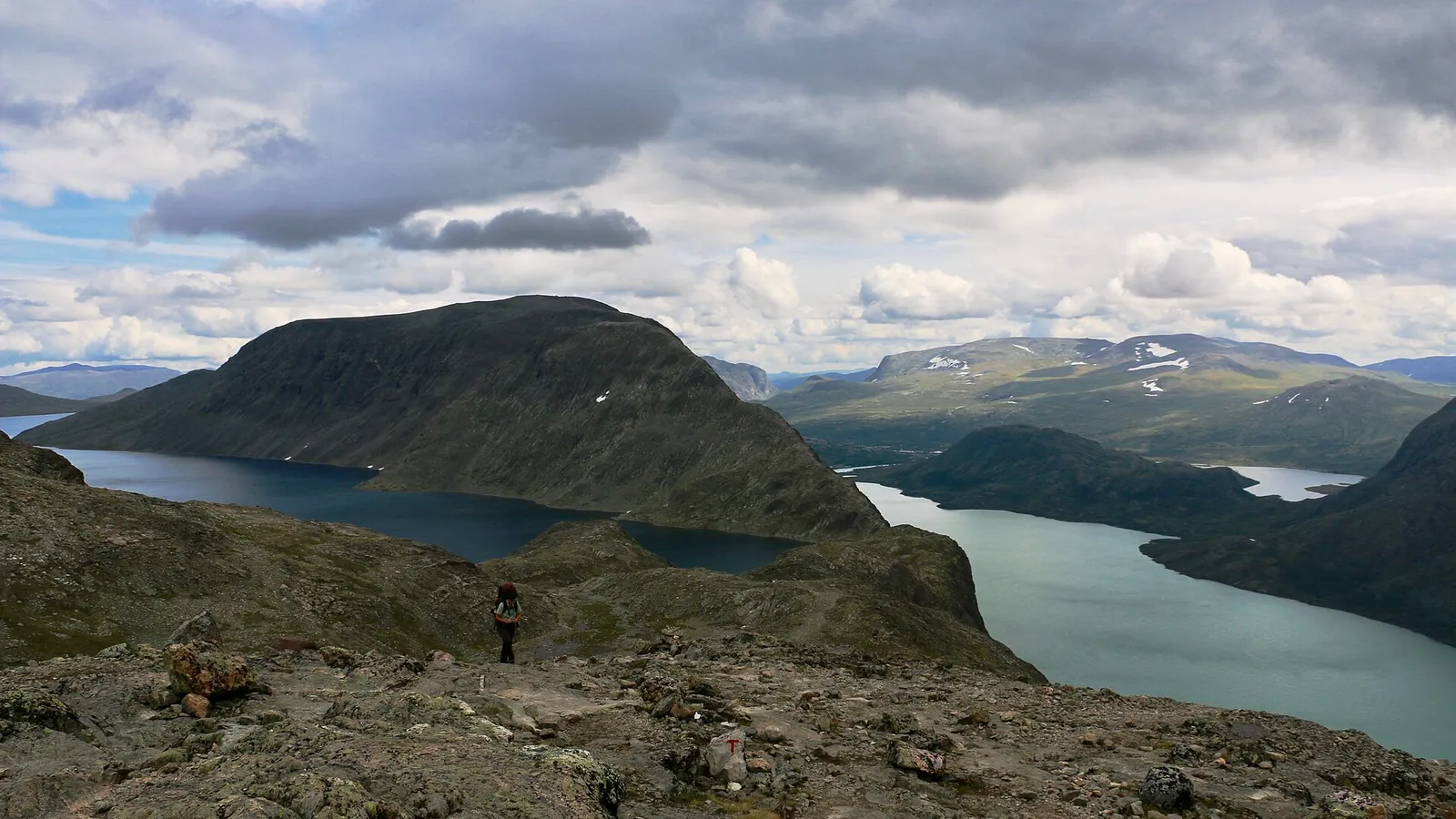
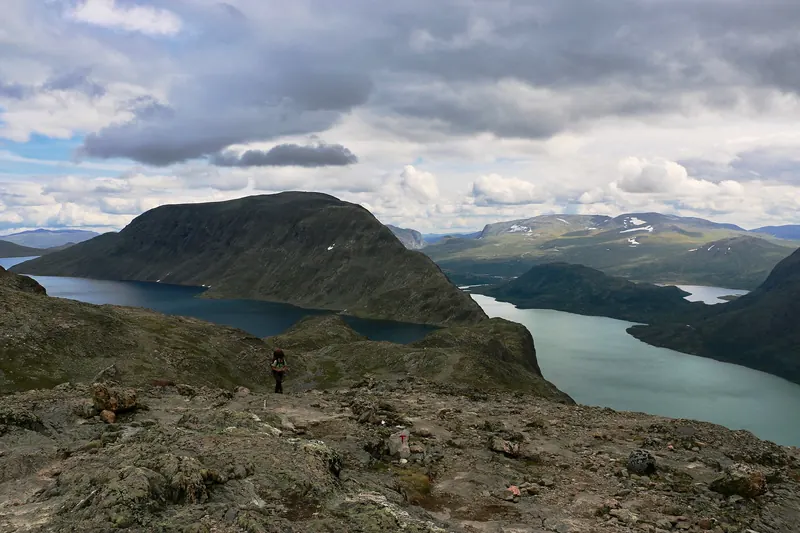
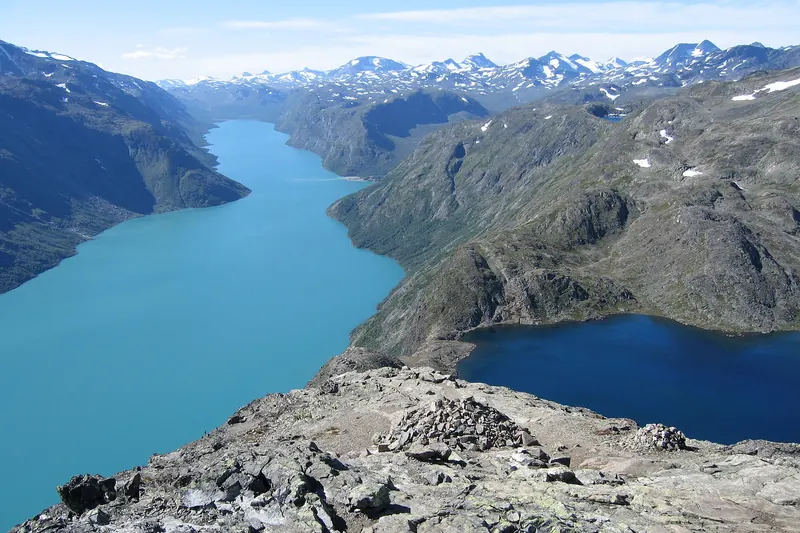

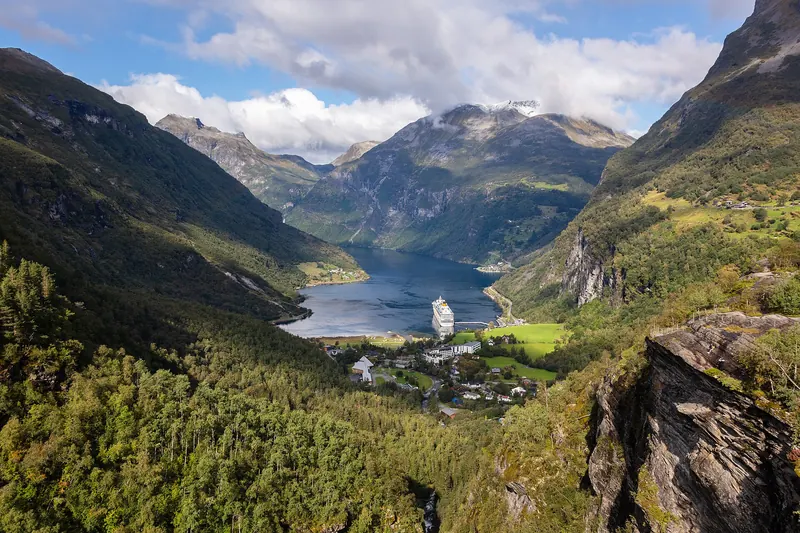
The Besseggen ridge above Lake Gjende in Jotunheimen

Innlandet, Central Norway · Norway

Jotunheimen

Norway's highest mountains, home to the country's most famous day hike and a network of trails linking staffed huts across real high-alpine terrain.

  • Best time Mid-June to September, when snow has cleared from the main trails
  • Stay 2-4 days
  • Good for Serious hiking, mountain scenery, DNT hut trekking

Photo: Silverkey (Mickaël Delcey) · CC BY-SA 4.0

Welcome to Jotunheimen

Jotunheimen, literally 'home of the giants,' holds all of Norway's peaks over 2,300 metres, including Galdhøpiggen, the country's highest point, and a landscape of real high-alpine terrain rare this far north in Europe.

It's also home to the Besseggen ridge, widely considered Norway's most famous single-day hike — a narrow ridge walk with two differently coloured lakes visible on either side, popular enough that it can draw real crowds in peak summer.

Beyond Besseggen, Jotunheimen rewards those with more time: a network of staffed DNT mountain huts links multi-day routes across the range, and Sognefjellet, Northern Europe's highest mountain pass road, gives access to dramatic scenery without technical climbing.

  • Hiking
  • Mountains
  • Nature & Wildlife
  • Off the Beaten Path

Why visit

Why visit Jotunheimen?

Jotunheimen's case rests on serious mountain scenery and hiking, rare at this latitude in Europe.

  • Besseggen is Norway's most famous hike

    A narrow ridge with two differently coloured lakes on either side, an unforgettable full-day walk.

  • It's home to Norway's highest peaks

    Galdhøpiggen and Glittertind both exceed 2,400 metres, serious mountains by any European standard.

  • The DNT hut network is excellent

    Staffed mountain huts link multi-day routes across the range, hot meals and a bed included.

  • Sognefjellet is Northern Europe's highest mountain road

    Dramatic high-alpine scenery accessible by car, no technical hiking required.

  • It's less crowded than the fjord regions

    Distance from the coast keeps visitor numbers noticeably lower than Geirangerfjord or Bergen.

Main attractions

Top things to see in Jotunheimen

Jotunheimen's essential sights span its highest peaks, its most famous ridge walk, and the road connecting them.

  1. The narrow Besseggen ridge with Lake Gjende below

    Besseggen Ridge

    Norway's most famous day hike, a narrow ridge with turquoise Lake Gjende on one side and deep blue Lake Bessvatnet on the other.

    Tip Take the boat across Lake Gjende to start the hike from Memurubu, making the route one-way and downhill-heavy.

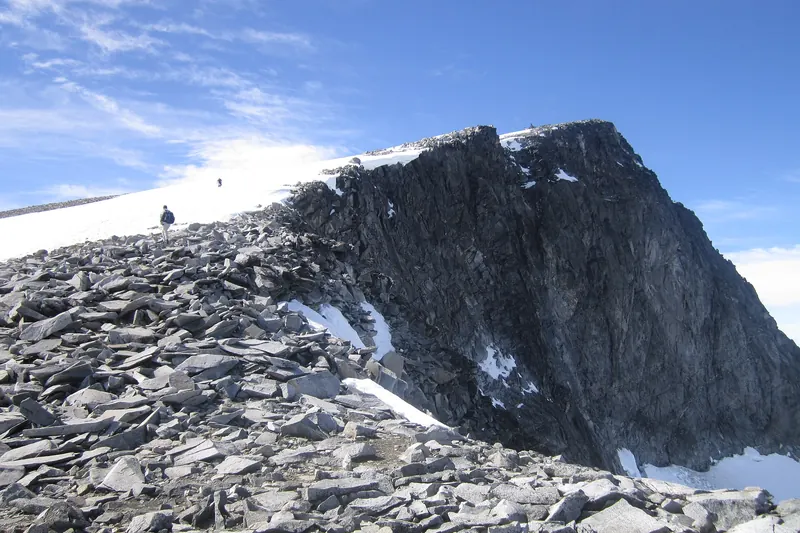
  2. The summit of Galdhøpiggen, Norway's highest mountain

    Galdhøpiggen

    Norway's highest peak at 2,469 metres, reachable by a demanding but non-technical hike in summer, including a glacier crossing.

    Tip The glacier crossing near the summit requires a guide — never attempt it independently.

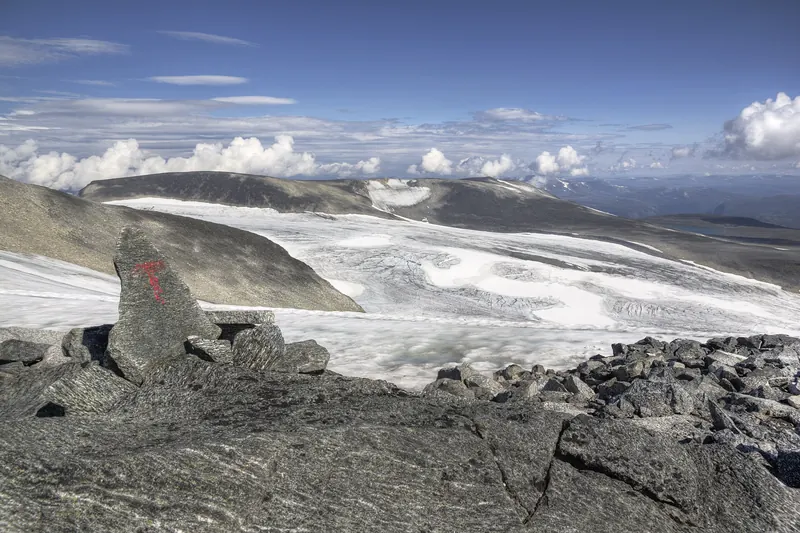
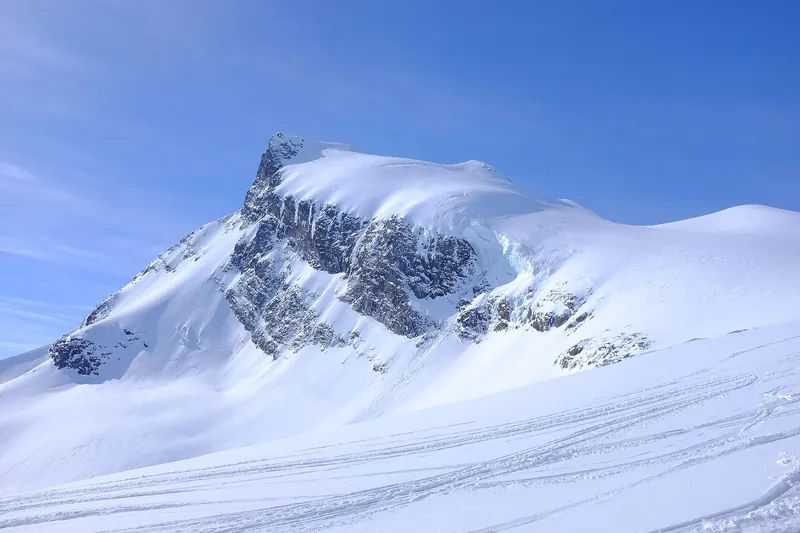
  3. Storebjørn mountain in Jotunheimen National Park

    Storebjørn

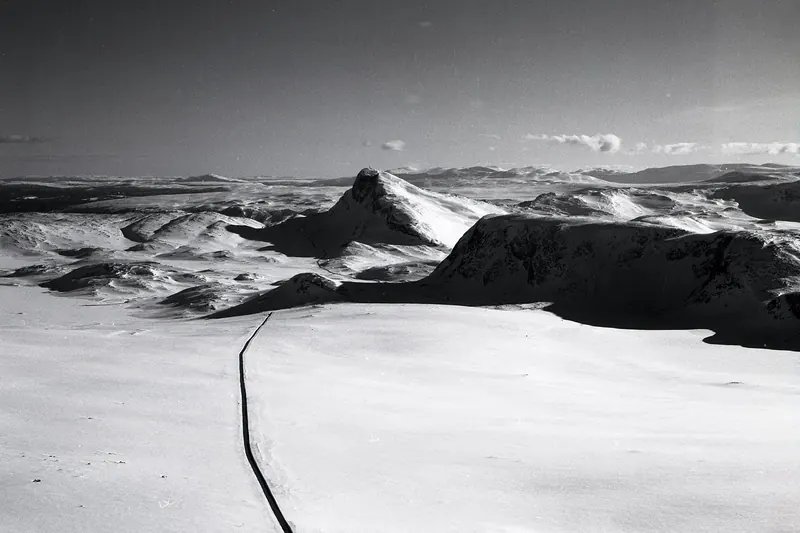
    One of Jotunheimen's striking peaks, its name meaning 'big bear,' visible across much of the central park.

    Tip Several trailheads offer good views of Storebjørn without requiring a summit attempt.

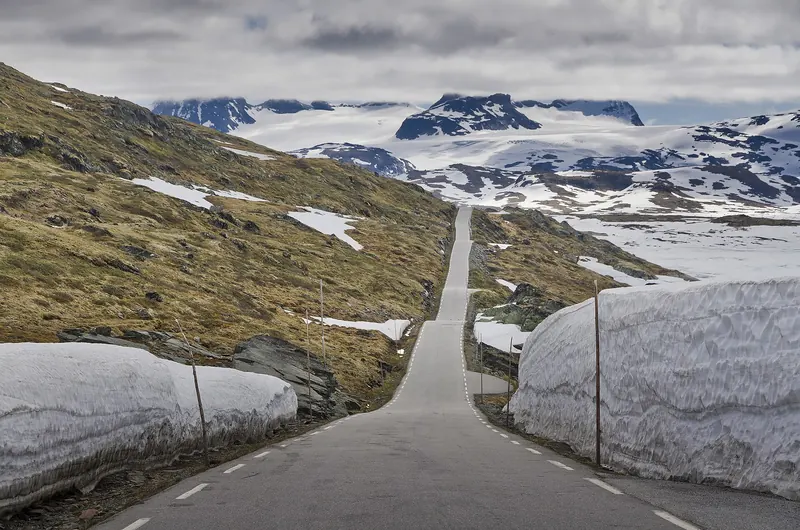
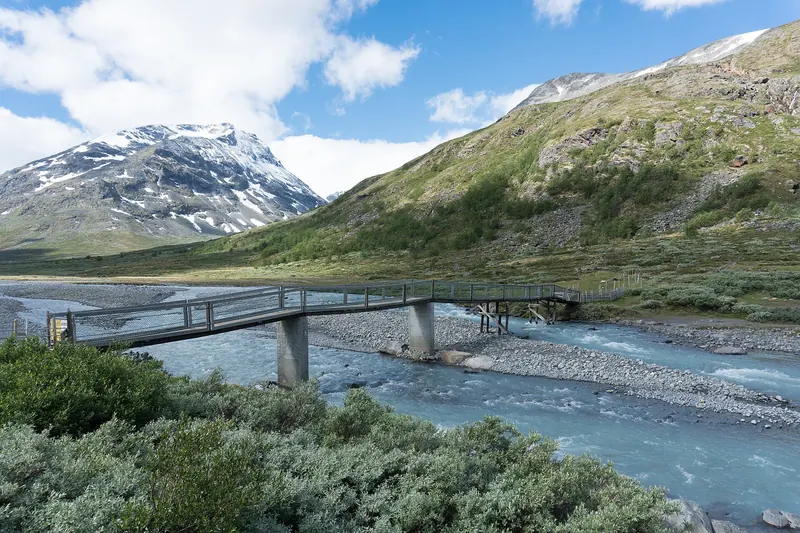
  4. The Sognefjellet mountain road crossing Jotunheimen's high peaks

    Sognefjellet Road

    Northern Europe's highest mountain pass road, crossing dramatic high-alpine terrain between Jotunheimen and the Sognefjord region.

    Tip The road is open only from around May to October — check current status before planning a crossing.

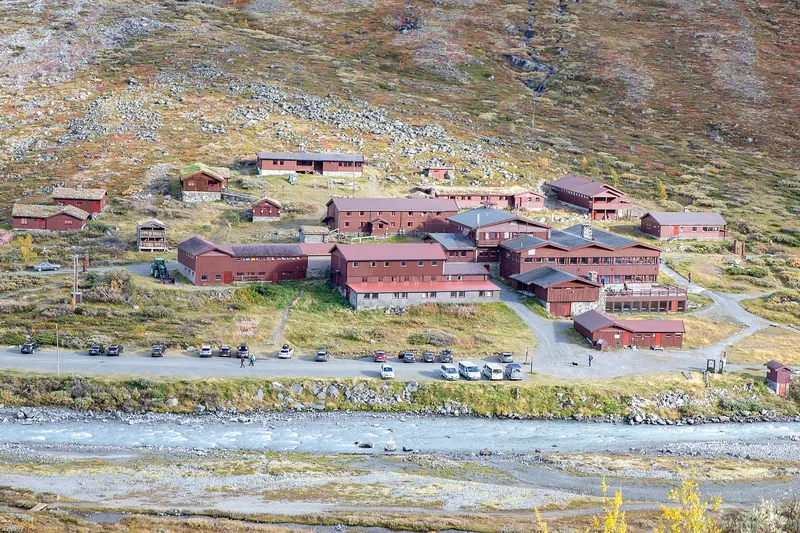
  5. Spiterstulen mountain lodge in Jotunheimen

    Spiterstulen

    A popular mountain lodge and trailhead, the most common starting point for Galdhøpiggen ascents.

    Tip Book accommodation here well ahead in peak summer — it's a busy trailhead hub.

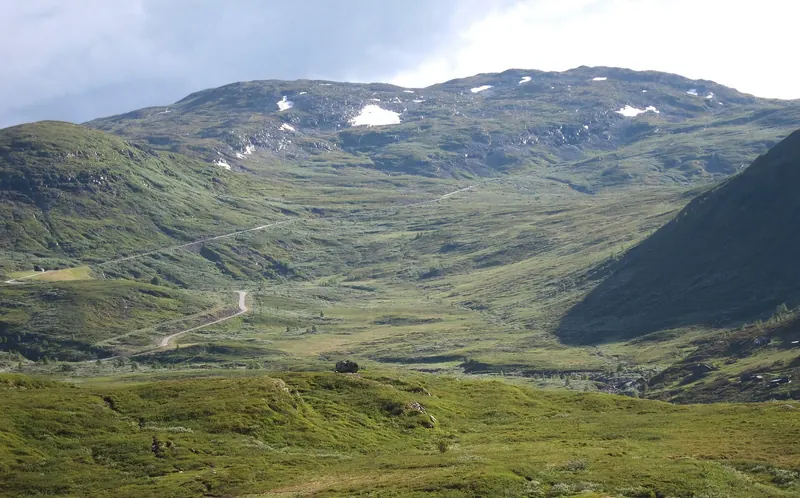
  6. The high mountain plateau of Valdresflya in Jotunheimen

    Valdresflya

    A vast, open high mountain plateau, crossed by a scenic road with sweeping views and a real chance of wild reindeer sightings.

    Tip The plateau's open scale is best appreciated by stopping at one of several roadside viewpoints.

  7. Loftet, a peak in Jotunheimen National Park

    Loftet

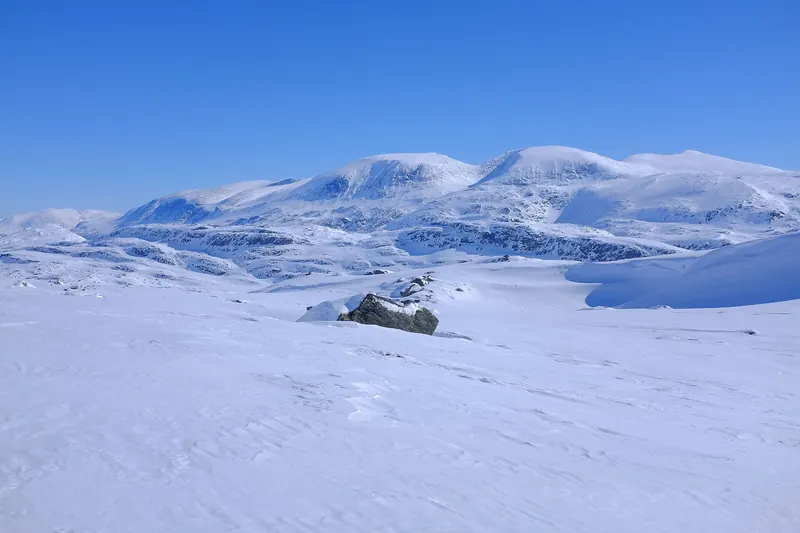
    One of the range's many striking, less-visited peaks, offering a quieter alternative to the busier Besseggen trail.

    Tip Quieter trails like this reward hikers willing to research beyond the single most famous route.

Things to do

Best things to do in Jotunheimen

Jotunheimen rewards serious hiking, whether a single iconic day route or a multi-day hut-to-hut trek.

  1. Hikers on the narrow Besseggen ridge trail

    Hike the Besseggen Ridge

    The essential Jotunheimen experience, a demanding but non-technical full-day hike with unforgettable views throughout.

    Tip Allow 6-8 hours and start early — the trail can get crowded by midday in peak summer.

  2. Hikers approaching the summit of Galdhøpiggen

    Summit Galdhøpiggen

    A serious full-day undertaking to stand on Norway's highest point, including a guided glacier crossing.

    Tip Book a certified glacier guide through Spiterstulen or Juvasshytta — never cross independently.

  3. The Sognefjellet mountain road through Jotunheimen

    Drive Sognefjellet's high mountain pass

    A spectacular way to see Jotunheimen's high peaks without hiking, crossing Northern Europe's highest road pass.

    Tip Several viewpoints along the road make worthwhile stops even on a through-drive.

  4. Cross Lake Gjende by boat

    A popular way to shorten or extend the Besseggen hike, with a scenic boat service running the length of the lake.

    Tip Book boat tickets ahead in peak summer — services can fill up on busy days.

  5. A DNT mountain lodge in Jotunheimen

    Stay at a DNT mountain lodge

    A comfortable way to experience multi-day hiking, with staffed huts offering hot meals and real beds along the trail network.

    Tip Membership in the Norwegian Trekking Association (DNT) gets you discounted hut rates.

  6. Spot wild reindeer on the high plateaus

    A real possibility across Jotunheimen's open highland areas, particularly around Valdresflya.

    Tip Bring binoculars and keep a respectful distance if you do spot a herd.

Local food

What to eat in Jotunheimen

Jotunheimen's food is simple, hearty mountain-lodge fare, with a distinctive regional specialty worth trying.

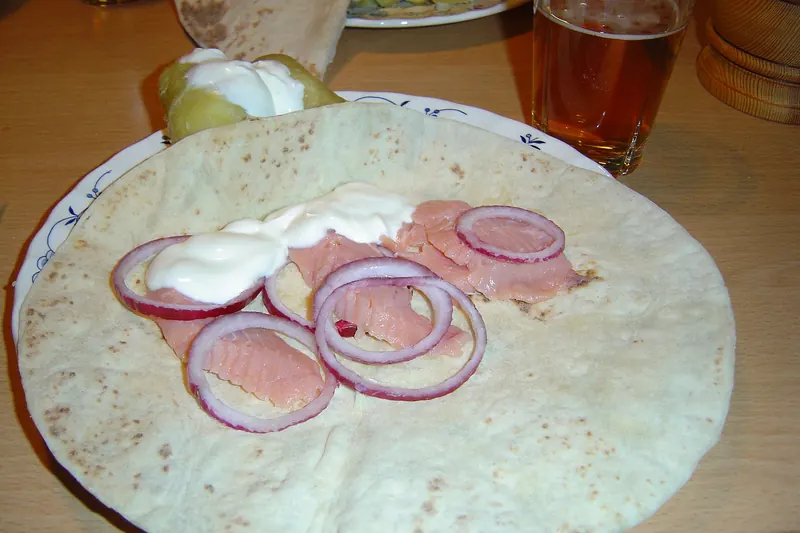
  • Rakfisk, fermented trout, a specialty of the region near Jotunheimen

    Rakfisk

    A distinctive regional specialty, trout fermented for months, traditionally eaten with flatbread, onion and sour cream.

    Where to try it Traditional restaurants in Valdres and Gudbrandsdalen, near Jotunheimen's edges.

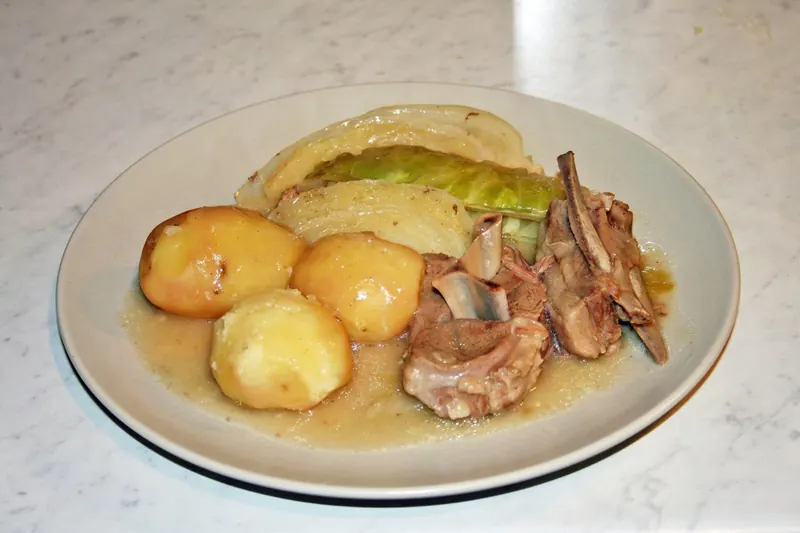
  • Fårikål, Norway's national lamb and cabbage stew

    Fårikål

    Hearty mountain-lodge fare, a welcome hot meal after a long day's hike.

    Where to try it DNT mountain lodges and restaurants around Jotunheimen.

  • Brunost, Norway's caramel-coloured brown cheese

    Brunost (brown cheese)

    A reliable trail food, energy-dense and a breakfast staple at mountain lodges.

    Where to try it DNT mountain lodges and guesthouses around Jotunheimen.

  • Reindeer

    Found on some mountain-lodge menus, a rich, traditional dish suited to the high-altitude setting.

    Where to try it Mountain lodges and restaurants around Jotunheimen.

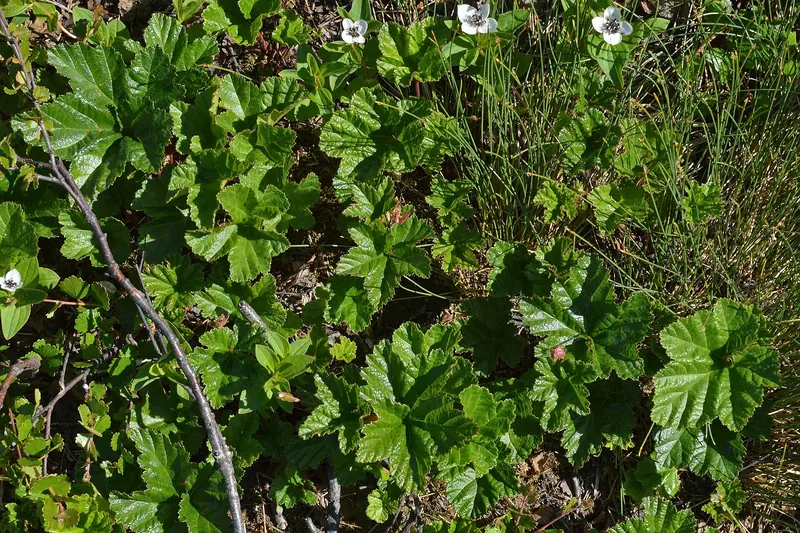
  • Cloudberries, a prized wild Norwegian berry

    Cloudberries (molter)

    A prized wild berry found across Norway's highlands including Jotunheimen, in late summer.

    Where to try it Mountain lodges around Jotunheimen in late summer.

  • Waffles at mountain lodges

    A welcome treat after a long hike, heart-shaped and simply topped with sour cream and jam.

    Where to try it DNT mountain lodges throughout Jotunheimen.

Accommodation

Where to stay in Jotunheimen

Jotunheimen's defining accommodation is the DNT mountain hut network, alongside a handful of larger lodges at main trailheads.

  • Gjendesheim or Memurubu

    Lodges at either end of the classic Besseggen route, connected by the Lake Gjende boat.

    Best for: The genuine Besseggen trailheads

  • Spiterstulen or Juvasshytta

    The main trailhead lodges for Norway's highest peak.

    Best for: Reaching Galdhøpiggen

What a night costs

DNT hut bed (per night)
NOK 300–500 (member rate)
Mountain lodge room
NOK 900–1,800 per night
Lake Gjende boat (one-way)
About NOK 250–350
Guided Galdhøpiggen glacier crossing
About NOK 600–900 per person

Transport

Getting to and around Jotunheimen

Jotunheimen is reached by a scenic drive from Oslo or Bergen, with no airport of its own within the park.

Getting there

  • Rental car from Oslo

    The most flexible way in, about 4-5 hours to the main trailheads.

    Route E6 and Route 51 connect Oslo to Jotunheimen's eastern trailheads.

  • Rental car from Bergen via Sognefjellet

    A spectacular approach, crossing Northern Europe's highest mountain pass road directly into the range.

    Only open roughly May to October — check current status.

  • Bus to Otta or Lom

    A workable option for visitors without a car, with onward local transport to trailheads.

    Connects to Oslo and other major towns, though less flexible than driving.

Getting around

Within Jotunheimen, getting around means hiking, with the Lake Gjende boat and mountain roads connecting trailheads.

  • On foot

    The only way to reach the range's interior — this is a hiking destination, not a drive-through one.

    A well-marked trail network connects trailheads and DNT huts throughout the park.

  • Lake Gjende boat

    Essential for many Besseggen hikers, shortening or extending the classic route.

    Runs regularly between Gjendesheim and Memurubu in season.

  • Rental car between trailheads

    Necessary for reaching different parts of the park, since trailheads are spread across a wide area.

    Roads connecting trailheads are well maintained but seasonal at higher elevations.

When to go

Best time to visit Jotunheimen

Jotunheimen's high elevation means a shorter hiking season than lower-lying parts of Norway, with snow lingering into early summer some years.

  • Mid-summer (July–August)

    Best time

    The safest window, with snow cleared from most trails and DNT huts fully staffed.

  • Late June and September

    Good

    Quieter, though some snow can linger on higher routes into late June.

  • Winter (October–May)

    Good

    For experienced winter mountaineers only — most facilities and roads close for the season.

  • Any summer weekday

    Good

    Quieter than weekends on the Besseggen trail specifically, worth considering if your schedule allows.

Worth planning around: Avoid attempting Besseggen or Galdhøpiggen outside roughly late June to September, when snow and ice make both routes hazardous.

Itinerary

Two days in Jotunheimen

Built around the classic Besseggen hike, with Sognefjellet's mountain road as a scenic complement.

  1. Day1

    The Besseggen ridge

    Norway's most famous day hike, start to finish.

    • Morning Boat across Lake Gjende to Memurubu.
    • Afternoon Hike the Besseggen ridge back to Gjendesheim.
    • Evening A well-earned dinner and rest at your lodge.
  2. Day2

    Sognefjellet and the highlands

    A scenic high-mountain drive and Valdresflya's plateau.

    • Morning Drive the Sognefjellet mountain road.
    • Afternoon Stop at Valdresflya's viewpoints.
    • Evening Onward travel toward Bergen or back to Oslo.

Travel tips

Jotunheimen travel tips

Jotunheimen demands more preparation than Norway's coastal regions — plan accordingly.

  • Book DNT hut beds and Lake Gjende boat tickets well ahead in peak summer.
  • Never attempt a Galdhøpiggen glacier crossing without a certified guide.
  • Pack full hiking gear, even for a single day route — mountain weather changes fast.
  • Check Sognefjellet's seasonal opening status before planning your route around it.
  • Bring more cash and supplies than expected — facilities are limited outside main lodges.
  • Consider a DNT membership if planning multiple hut stays — it pays for itself quickly.

FAQ

Jotunheimen: frequently asked questions

Is the Besseggen ridge hike dangerous?

Not for reasonably fit hikers on a clear day, though the narrow ridge sections and real elevation gain demand respect and proper gear.

How long is the Besseggen hike?

About 14km one-way, taking 6-8 hours for most hikers, often shortened using the Lake Gjende boat.

Do you need a guide to climb Galdhøpiggen?

Yes, for the standard glacier-crossing route — never attempt this section independently.

When is Jotunheimen open for hiking?

Roughly late June to September for the main routes, with snow often lingering into early summer at altitude.

How do you get to Jotunheimen?

By rental car from Oslo or Bergen, or by bus to a gateway town like Otta or Lom with onward local transport.

Is Jotunheimen good for multi-day trekking?

Yes, excellent — the DNT staffed hut network links multi-day routes across the range for hikers of varying experience.

Read next

Related travel articles

Where to go

Beyond the Big Names: Places Worth the Detour

The most visited place in a country is rarely its best, and it is almost never its best value. This is a method for finding the destinations that do not make the postcards — and a set of examples from five of the 50 countries on this site.

Practical

Packing by Season and Trip Type

Most packing advice is a list of things. This is the opposite: the small number of decisions that determine whether your luggage helps or hinders, organised by the kind of trip you are actually taking.

Advertisement