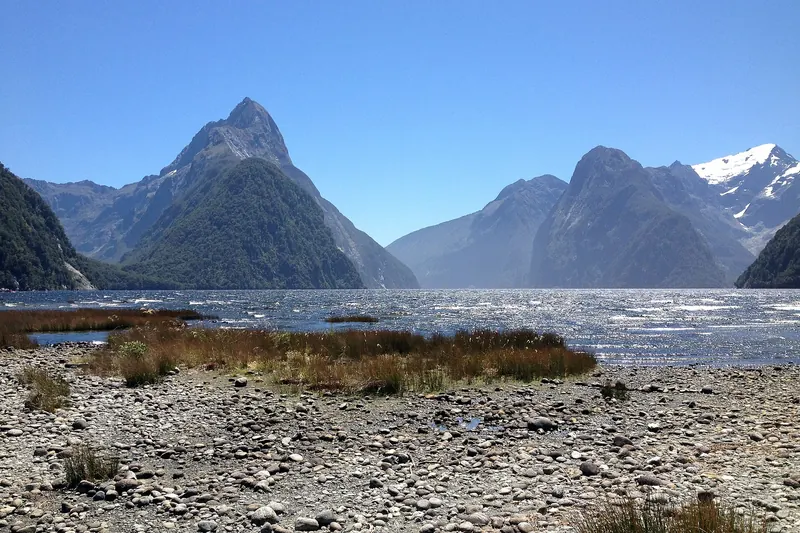
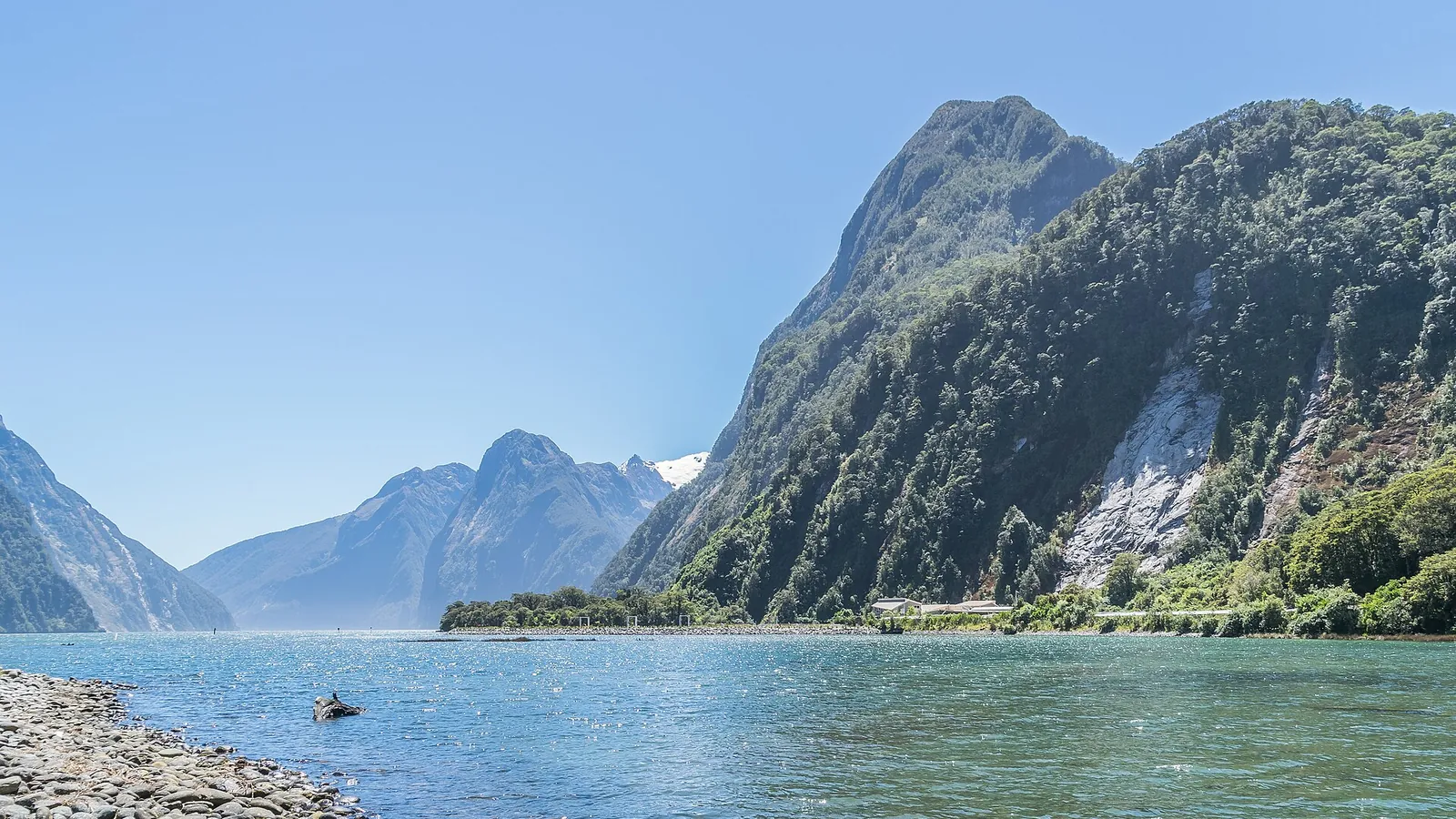
Mitre Peak rising above the still waters of Milford Sound

New Zealand · Travel guide

The Complete New Zealand Travel Guide

Fjords, glaciers, geothermal fields and Maori culture across two dramatic islands

  • Reading time 13 min read
  • Covers 10 destinations
  • Updated 2026

Photo: Krzysztof Golik · CC BY-SA 4.0

How to plan a New Zealand trip: which island to prioritise, how to get around by car and domestic flight, when to go, what it costs, and a practical eighteen-day itinerary.

How New Zealand divides

New Zealand splits cleanly into two main islands with distinct characters, and treating them as a single undifferentiated trip is the most common mistake first-time visitors make in planning.

The North Island. Auckland, the country's largest city, Wellington, the capital, Rotorua's geothermal fields and Maori cultural centres, Tongariro National Park's volcanic alpine crossing, and the Bay of Islands in the far north.

The South Island. Christchurch, the gateway city, Queenstown's adventure sports and lake scenery, Milford Sound's fjords, Franz Josef and Fox Glacier on the West Coast, and Abel Tasman National Park's coastal walks.

Getting between them. The Interislander ferry crosses Cook Strait between Wellington and Picton, a scenic journey through the Marlborough Sounds; a domestic flight is faster if time is tight.

Worth knowing: The South Island holds most of the dramatic mountain and fjord scenery that dominates New Zealand's international image; the North Island holds most of the population and the strongest Maori cultural experiences. A first trip of two weeks or more benefits from covering both rather than choosing just one.

Choosing between the ten destinations

  • If this is your first trip

    Auckland, Rotorua and Queenstown, connected by domestic flight or a long drive. It covers a major city, genuine Maori cultural experiences and the country's adventure-sports capital without attempting the full length of both islands.

  • If you want the classic fjord and mountain scenery

    Milford Sound and Queenstown, the most photographed landscapes in the country, both reachable from a single South Island base.

  • If you want real Maori culture

    Rotorua, home to the country's most established Maori cultural centres, hangi feasts and haka performances.

  • If you want a serious hike

    Tongariro's Alpine Crossing, one of the world's great single-day hikes across active volcanic terrain.

  • If you want glaciers and coastal walks

    Franz Josef and Fox Glacier on the West Coast, or Abel Tasman National Park's beaches and coastal track further north.

  • If you want a quieter, sailing-focused trip

    The Bay of Islands in the far north, New Zealand's founding site and a beautiful, less-rushed alternative to the South Island's bigger-name sights.

Getting around: driving, flying, and one common mistake

New Zealand's road network connects everywhere in this guide, but distances and winding mountain roads take longer than a map suggests.

Rent a car for real flexibility. It's the standard way to see the country — Queenstown, Milford Sound and the glaciers all reward being able to stop and set your own pace.

Don't underestimate driving times. A route that looks like two hours on a map can take three or four on narrow, winding South Island roads — build in real buffer time.

Fly between islands, or the main hubs, on a tighter schedule. Domestic flights between Auckland, Wellington and Queenstown save significant time on an 18-day or shorter trip.

Book the Interislander ferry ahead in summer. Vehicle space across Cook Strait sells out in the December–February peak.

Consider a guided tour if mountain roads feel daunting. Multi-day coach tours cover the highlights without requiring you to drive unfamiliar terrain yourself.

Worth knowing: Book your last inter-city leg back to Auckland or Christchurch with real slack before an international departure — winding roads and changeable weather can add hours to a planned journey.

When to go

New Zealand's seasons run opposite the Northern Hemisphere's, which makes 'the best time' more about specific activities than any universal answer. Two windows generally work best: December to February and March to May.

Summer brings the warmest, most reliable weather for hiking, the Great Walks and beaches — also the busiest and most expensive season, particularly around Queenstown and Milford Sound.

Autumn, especially March and April, offers mild, settled weather and spectacular colour in Central Otago's vineyards, with noticeably thinner crowds than summer.

Winter stays cold, especially in the South Island, but is excellent for skiing around Queenstown and Wanaka, while the North Island remains comparatively mild.

Spring, particularly October and November, brings lambing season and increasingly mild weather, though mountain conditions remain unpredictable this early in the season.

Worth knowing: Book Great Walks huts, Milford Sound cruises and Queenstown accommodation many months ahead for the December–February peak — this is the busiest and most tightly booked window of the year.

Costs and what you must book

Mid-range travel in New Zealand runs roughly NZ$220–350 per person per day, with a rental car and accommodation the two biggest costs. Backpacking works at NZ$100–150; comfortable travel with lodges and guided tours runs NZ$450–700+.

Rent your car and book accommodation well ahead for summer. Popular routes and towns sell out months in advance during the December–February peak.

Book ahead, without exception: Great Walks huts, Milford Sound cruises, Hobbiton tickets, and Interislander ferry vehicle space for summer travel.

Budget realistically for adventure activities. Bungee jumping, skydiving and glacier walks all carry significant price tags — decide priorities ahead rather than trying to do everything.

Small savings that add up: cooking your own food from supermarkets, camping or hostels over hotels, and travelling in March–May rather than peak summer for meaningfully lower prices.

Culture, Maori heritage and how outdoor safety actually works

New Zealand culture is shaped by a genuine, living Maori heritage alongside a relaxed, outdoorsy national character, with a handful of broadly shared norms holding nationwide.

Maori culture deserves genuine, informed respect. A hangi feast or haka performance at a proper cultural centre is a real encounter with a living tradition, not a costume show.

New Zealanders are informal. First names and a relaxed, direct manner are the norm in almost every context, from restaurants to business.

Take mountain and coastal weather seriously. Conditions change fast — check forecasts before any hike, and never underestimate an alpine crossing or coastal track.

Tipping isn't customary. Menu prices already reflect fair wages, and leaving a tip can seem unusual to service staff.

Finally, take biosecurity rules seriously at the border — declare all food, plants and outdoor equipment, and clean hiking boots before arrival, since New Zealand's controls are strict.
Four routes that work

  1. Ten days: the South Island loop

    Christchurch, Queenstown, Milford Sound and the glaciers, the single most popular South Island route and still the right choice for a first, shorter trip.

    Tip Book Milford Sound cruise tickets and a glacier walk slot online well ahead, especially in summer.

  2. Eighteen days: north and south

    The itinerary on the New Zealand country page: Auckland, Rotorua, Wellington, then Christchurch, Queenstown, Milford Sound and the glaciers. Adds genuine Maori cultural depth and the capital to the classic South Island route.

    Tip Fly between the islands rather than driving and ferrying the full length, to keep this itinerary realistic in the time available.

  3. A week focused on Maori culture and the North Island

    Auckland, Rotorua and Tongariro, covering the country's major city, its strongest Maori cultural centres and one of the world's great day hikes.

    Tip Book a proper marae-based cultural experience in Rotorua rather than a generic hotel dinner show.

  4. A quieter week in the far north

    The Bay of Islands as a self-contained trip of sailing, history and beaches, distinct enough from the more-visited South Island route to justify dedicated time.

    Tip Combine with a visit to the Waitangi Treaty Grounds for real historical context alongside the sailing and beaches.

Reference

The 10 destinations in this guide

Every place named above has its own detailed guide — attractions, food, where to stay, how to get around and a suggested day-by-day plan.

Major CityCoast Beaches

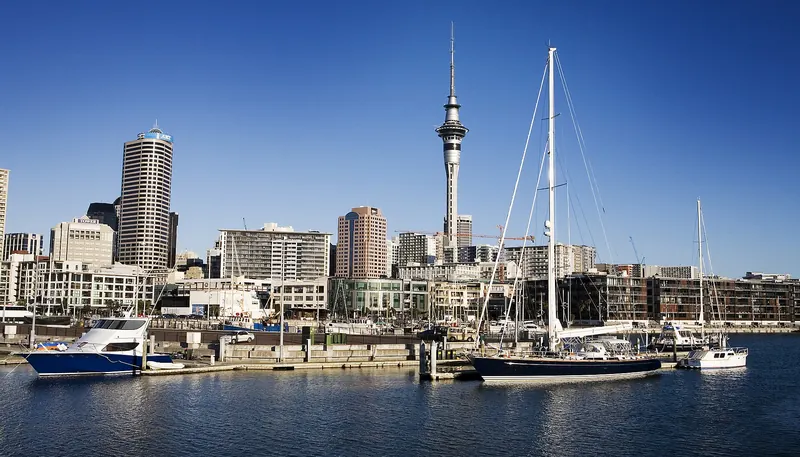
Auckland

North Island

New Zealand's largest city, built across a volcanic isthmus between two harbours, with island vineyards and hiking cones a short trip from downtown.

Don't miss The view from the Sky Tower at sunset, two harbours and a scatter of volcanic islands spreading out in every direction.

Explore Destination — Auckland
Capital CityMajor City

Wellington

North Island

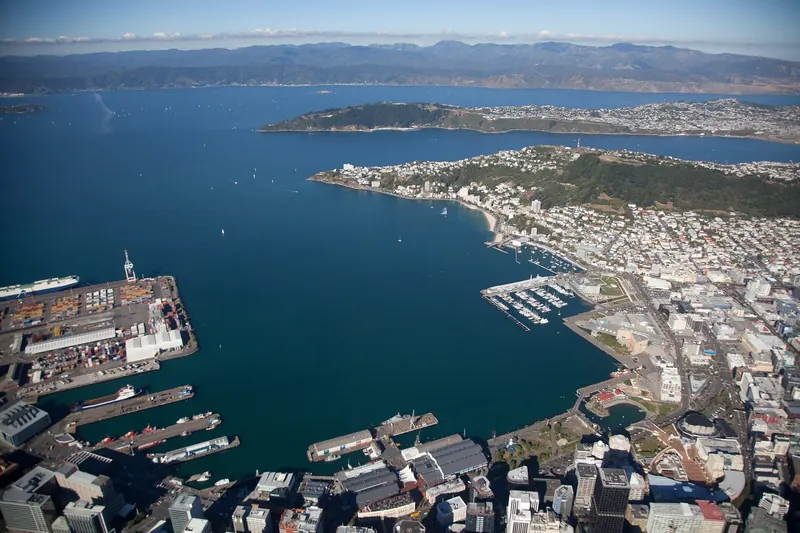
New Zealand's compact, hilly capital, its café culture, film industry and predator-free wildlife sanctuary packed into a walkable harbour city.

Don't miss A native bird calling from the bush at Zealandia at dusk, inside a predator-fenced sanctuary a ten-minute drive from Parliament.

Explore Destination — Wellington
Major CityCulture Arts

Christchurch

South Island

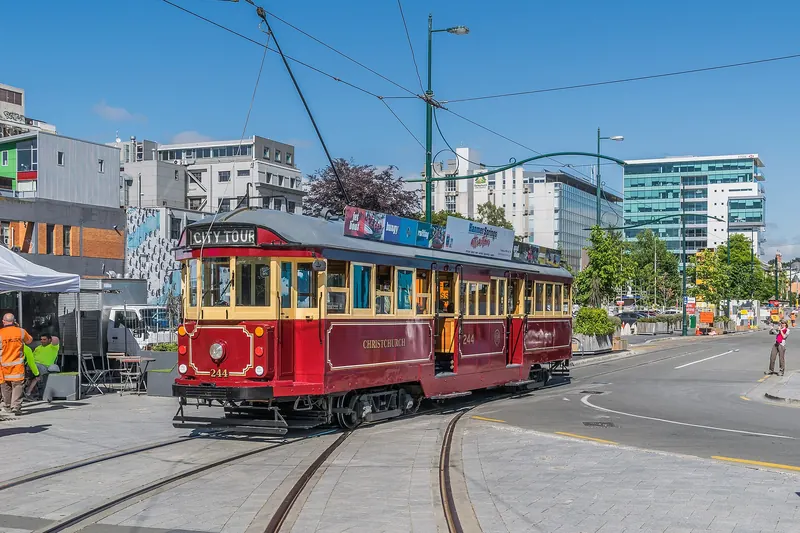
The South Island's gateway city, rebuilt after 2011's earthquakes, its parks, river and Antarctic connections making it more than just a transit stop.

Don't miss Punting slowly down the Avon River through the Botanic Gardens, willows trailing in the water as the city's rebuilt skyline rises beyond the trees.

Explore Destination — Christchurch
MountainsNature & Wildlife

Queenstown

South Island (Otago)

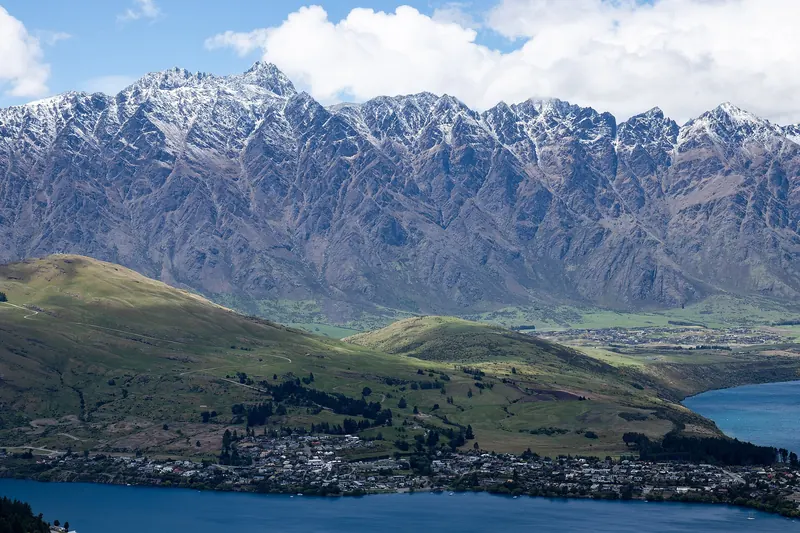
New Zealand's adventure capital, a lakeside town beneath the jagged Remarkables range, the birthplace of commercial bungee jumping.

Don't miss The view of The Remarkables from the Skyline Gondola at sunset, jagged peaks turning pink above Lake Wakatipu's still water.

Explore Destination — Queenstown
Nature & WildlifeCulture Arts

Rotorua

North Island (Bay of Plenty)

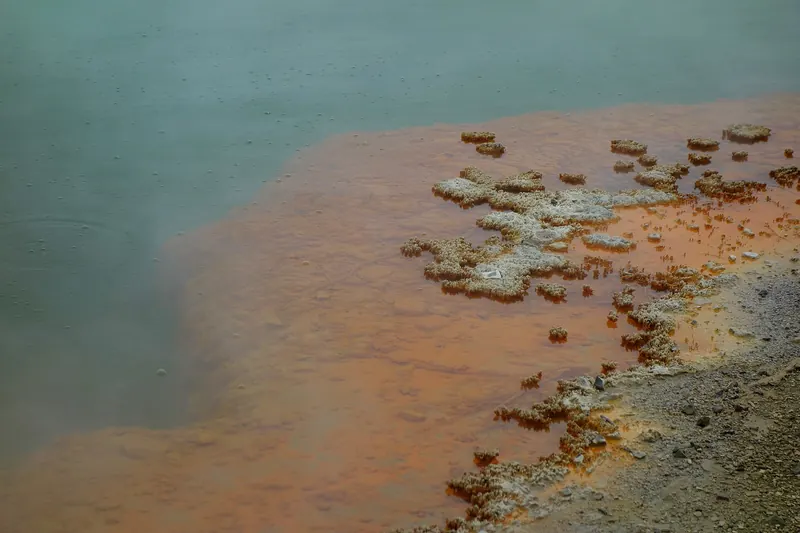
New Zealand's geothermal heart, its bubbling mud pools and colourful thermal fields sitting alongside the country's strongest Maori cultural centres.

Don't miss The Pohutu Geyser erupting at Te Puia, water jetting up to 30 metres above the same ground Maori guides have lived and worked on for generations.

Explore Destination — Rotorua
Nature & WildlifeFjord

Milford Sound

South Island (Fiordland National Park)

New Zealand's most famous fjord, its sheer rock walls, permanent waterfalls and resident seal colony reached by one of the world's great scenic drives.

Don't miss Standing on a cruise boat deck as Mitre Peak's near-vertical face rises 1,692 metres directly from the dark water beside you.

Explore Destination — Milford Sound
Coast & BeachesHistoric Site

Bay of Islands

North Island (Northland)

A sheltered coastline of 144 islands in New Zealand's far north, central to the country's history and its sailing culture alike.

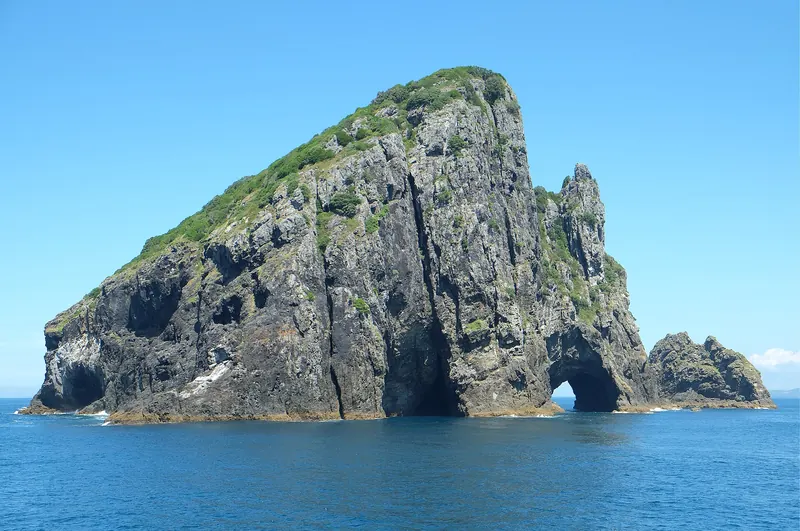
Don't miss Cruising out through the Hole in the Rock, a natural arch worn clean through Motukokako Island by the sea.

Explore Destination — Bay of Islands
Coast & BeachesNature & Wildlife

Abel Tasman National Park

South Island (Tasman)

New Zealand's smallest national park, its golden beaches, sheltered bays and coastal track making it the country's easiest wilderness to enjoy.

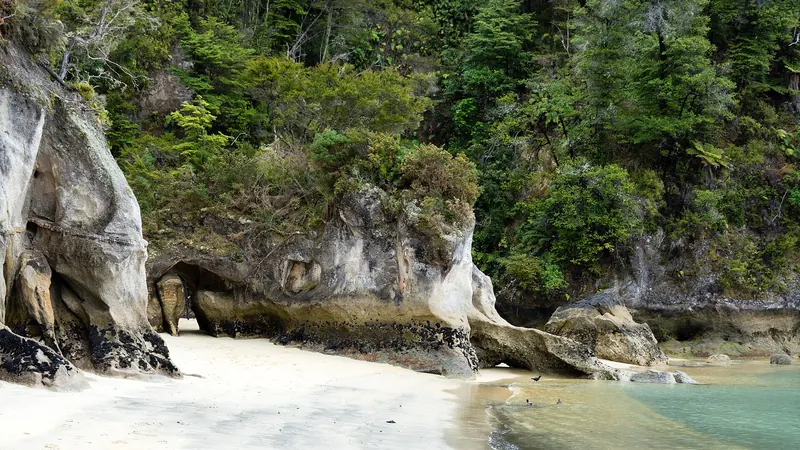
Don't miss Stepping off a water taxi onto an empty golden-sand beach reachable no other way, with native bush rising straight behind it.

Explore Destination — Abel Tasman National Park
Nature & WildlifeHiking

Tongariro National Park

North Island (Central Plateau)

New Zealand's oldest national park, its active volcanic peaks and the world-famous Alpine Crossing making it a genuine highlight of any North Island trip.

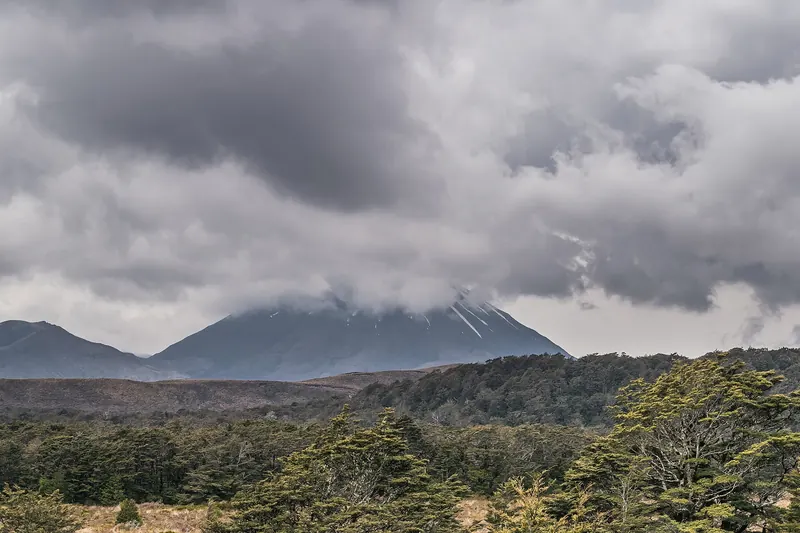
Don't miss Reaching the Red Crater's summit ridge on the Alpine Crossing, the neon Emerald Lakes spread out below and Ngauruhoe's perfect cone rising behind.

Explore Destination — Tongariro National Park
Nature & WildlifeGlacier

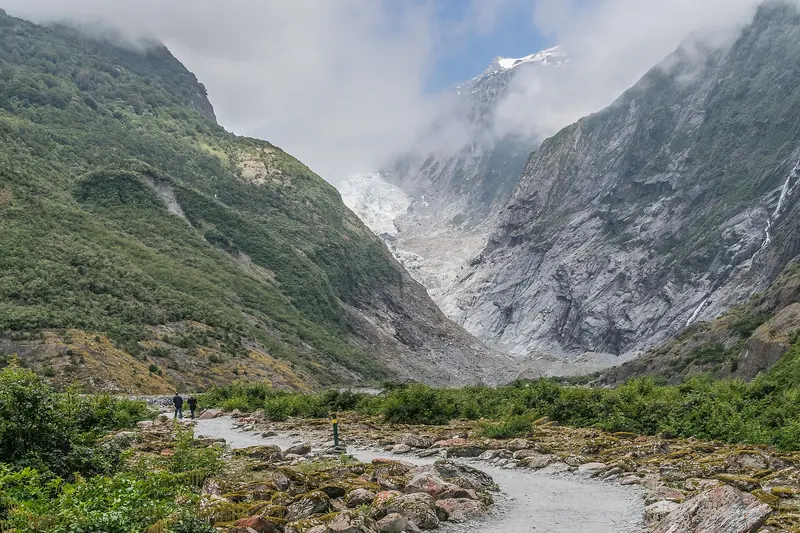
Franz Josef and Fox Glacier

South Island (West Coast)

Twin glaciers on New Zealand's West Coast, their ice descending unusually close to rainforest and coastline for a rare landscape combination.

Don't miss Standing on Franz Josef's ice by helicopter, the glacier's crevassed surface spread out beneath you and dense rainforest visible in the valley below.

Explore Destination — Franz Josef and Fox Glacier

Back to the New Zealand country page

FAQ

Planning a trip to New Zealand

How many days do you need in New Zealand?

Two weeks covers one island properly. Eighteen days to three weeks allows the fuller North-and-South itinerary in this guide, covering both the country's major cities and its most dramatic natural scenery.

What's the best first-time New Zealand itinerary?

Auckland, Rotorua and Queenstown, connected by domestic flight — it covers a major city, genuine Maori cultural experiences and the country's adventure-sports capital without attempting the full length of both islands in too little time.

Do you need a car in New Zealand?

Yes, for most itineraries. Public transport between towns is limited, and a rental car gives the flexibility needed to reach Milford Sound, the glaciers and smaller towns on your own schedule.

Should I fly or drive between the North and South Islands?

The Interislander ferry across Cook Strait is scenic and worth doing at least once, but a domestic flight saves considerable time — on an 18-day or shorter trip, flying between the islands is usually the better trade-off.

Advertisement