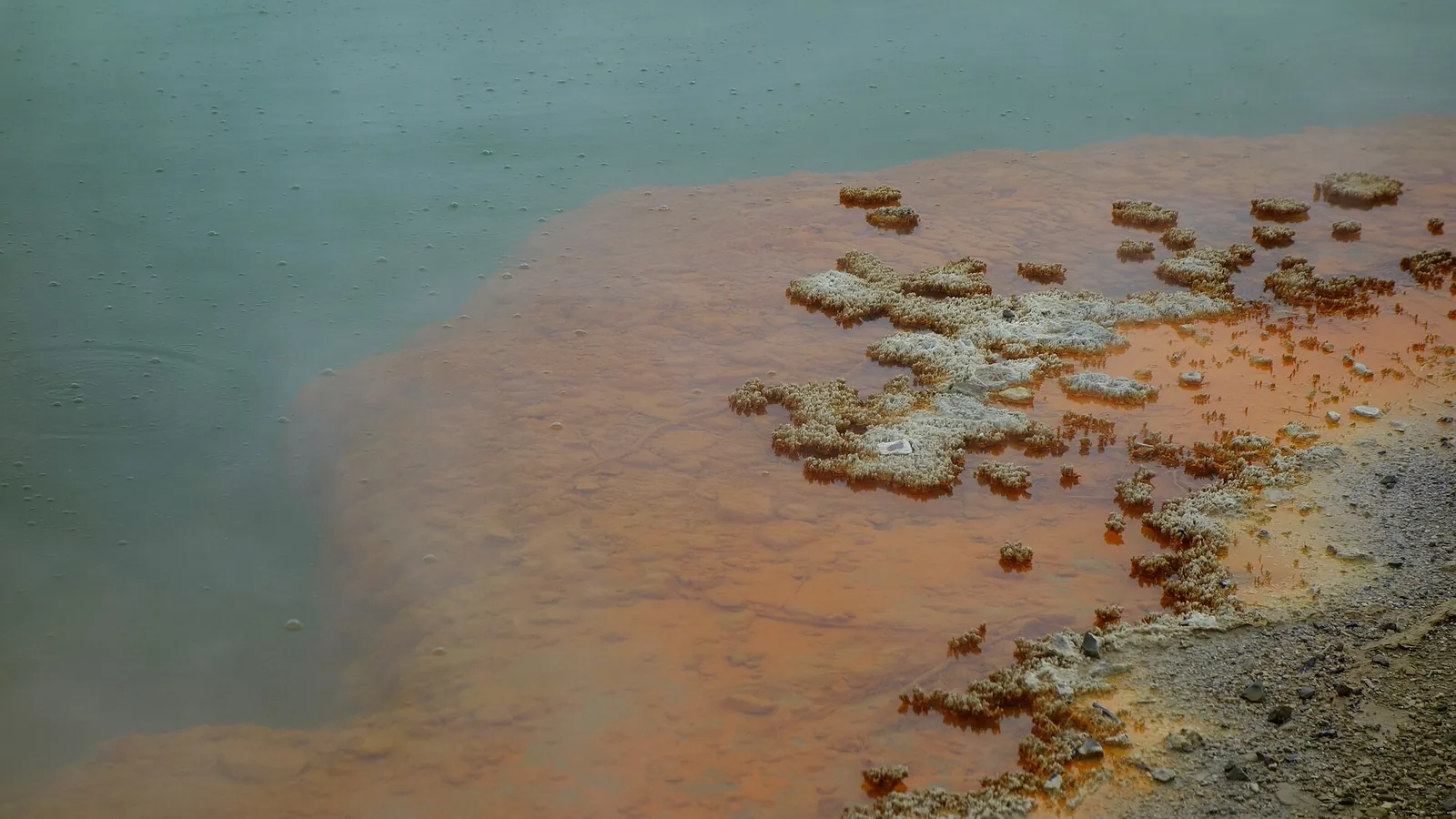
The vividly coloured Champagne Pool at Wai-O-Tapu Thermal Wonderland near Rotorua

North Island (Bay of Plenty) · New Zealand

Rotorua

A still-active geothermal town, its bubbling mud, steaming streets and colourful thermal pools sitting alongside New Zealand's strongest living Maori culture.

  • Best time Any season, though summer suits outdoor geothermal walking best
  • Stay 2 days
  • Good for Maori culture, geothermal landscapes, a genuine cultural experience

Photo: Daderot · CC0

Welcome to Rotorua

Rotorua sits directly on the Taupo Volcanic Zone, and the ground here never stops reminding you of that — steam rises from storm drains and public parks, sulphur hangs faintly in the air, and just outside town, geysers, bubbling mud pools and vividly coloured thermal pools make up one of the most active geothermal landscapes on Earth.

That same volcanic ground has made Rotorua a genuine centre of Maori settlement for centuries, and today it holds New Zealand's strongest concentration of authentic Maori cultural experiences — living villages, carving and weaving schools, and hangi feasts cooked the traditional way, using the earth's own heat rather than a staged reenactment.

The combination of raw geology and living culture gives Rotorua a different character from New Zealand's more scenery-focused destinations — this is a place to slow down and actually learn something, not just photograph a view.

  • Nature & Wildlife
  • Culture Arts
  • Onsen

Why visit

Why visit Rotorua?

Rotorua's case is a rare combination of still-active geothermal landscape and New Zealand's strongest living Maori cultural centres.

  • The geothermal activity is still active

    Geysers, bubbling mud and steaming ground aren't a historic curiosity here — they're a real, ongoing feature of daily life in the town.

  • The Maori cultural experiences are among the country's best

    Living villages, traditional carving schools and proper hangi feasts offer real depth, not a staged tourist show.

  • Wai-O-Tapu is one of the most colourful landscapes in New Zealand

    Mineral-stained pools in shades of orange, green and turquoise make it one of the country's most photographed natural sights.

  • The Polynesian Spa is a real geothermal spa

    Natural hot mineral pools on the lakefront, not a manufactured wellness experience.

  • It's a manageable, well-organised day-trip or short-stay destination

    The main sights sit close together, making even a short visit worthwhile.

Main attractions

Top things to see in Rotorua

Rotorua's essential sights span its still-active geothermal fields and its living Maori cultural centres.

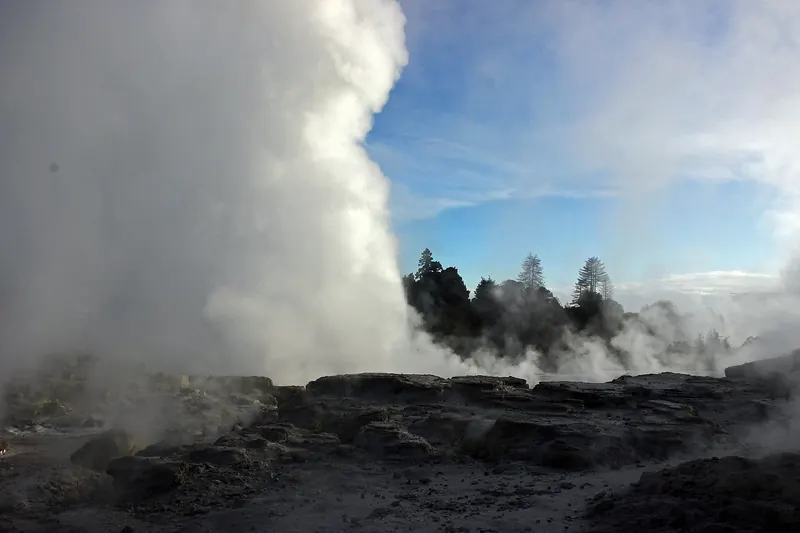
  1. The Pohutu Geyser erupting at Te Puia near Rotorua

    Te Puia and Pohutu Geyser

    A genuine geothermal and Maori cultural centre in one, home to Pohutu Geyser, which erupts up to 30 metres high, alongside a working traditional carving and weaving school.

    Tip Pohutu erupts unpredictably but frequently — allow at least an hour on site to catch it.

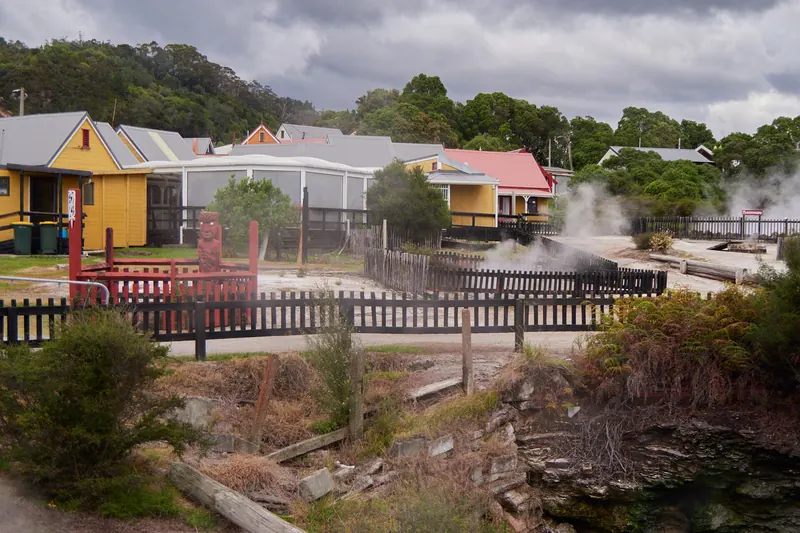
  2. The Whakarewarewa living Maori village, built among active geothermal features

    Whakarewarewa Living Maori Village

    An inhabited Maori village built directly among active hot springs and mud pools, its residents still cooking with geothermal steam much as their ancestors did.

    Tip A guided tour led by a village resident offers more insight than a self-guided walk.

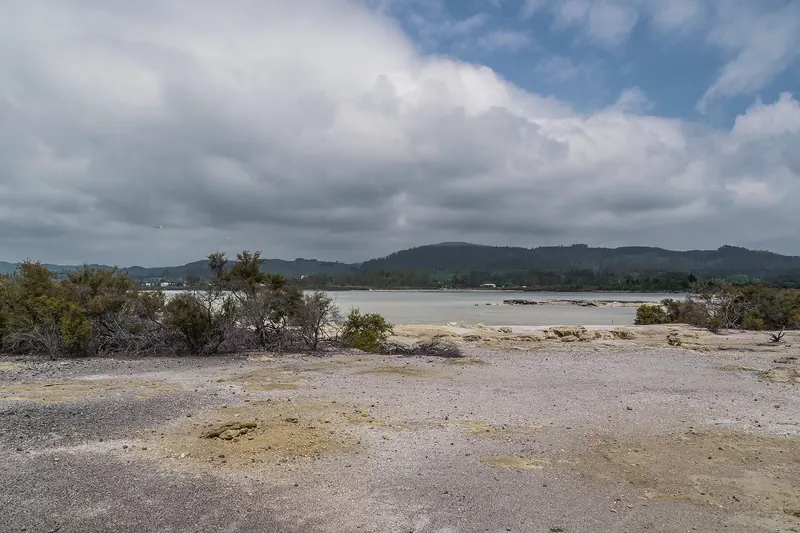
  3. The vividly coloured Champagne Pool at Wai-O-Tapu Thermal Wonderland

    Wai-O-Tapu Thermal Wonderland

    A surreal geothermal park about 30 minutes from town, its Champagne Pool and other features stained vivid orange, green and turquoise by mineral deposits.

    Tip Time your visit for the Lady Knox Geyser's daily scheduled eruption, typically mid-morning — check current timing when booking.

  4. Lake Rotorua, the volcanic lake at the heart of the town

    Lake Rotorua

    A large volcanic lake forming the town's northern edge, its lakefront promenade and Mokoia Island offering a calmer counterpoint to the geothermal fields.

    Tip A boat trip to Mokoia Island adds genuine Maori legend and history to a simple lake visit.

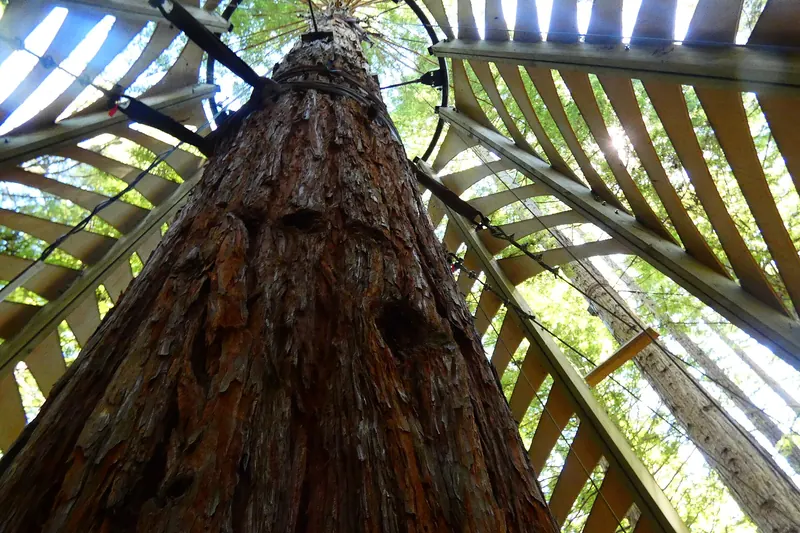
  5. Towering Californian redwood trees in Rotorua's Whakarewarewa Forest

    The Redwoods (Whakarewarewa Forest)

    A striking forest of towering Californian redwoods planted in 1901, now over 60 metres tall, with an elevated treewalk and extensive ground-level trails.

    Tip The treewalk is magical after dark, when the platforms are lit with soft lanterns strung through the canopy.

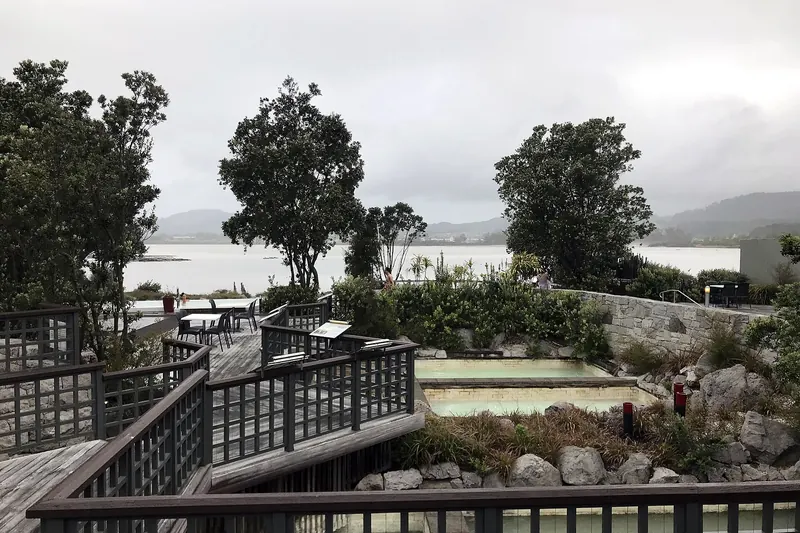
  6. Natural hot mineral pools at the lakefront Polynesian Spa in Rotorua

    The Polynesian Spa

    A genuine geothermal spa on the shore of Lake Rotorua, its natural hot mineral pools drawing on two distinct springs with different mineral properties.

    Tip The adults-only Deluxe Lake Spa pools offer the most relaxed, least crowded soaking experience.

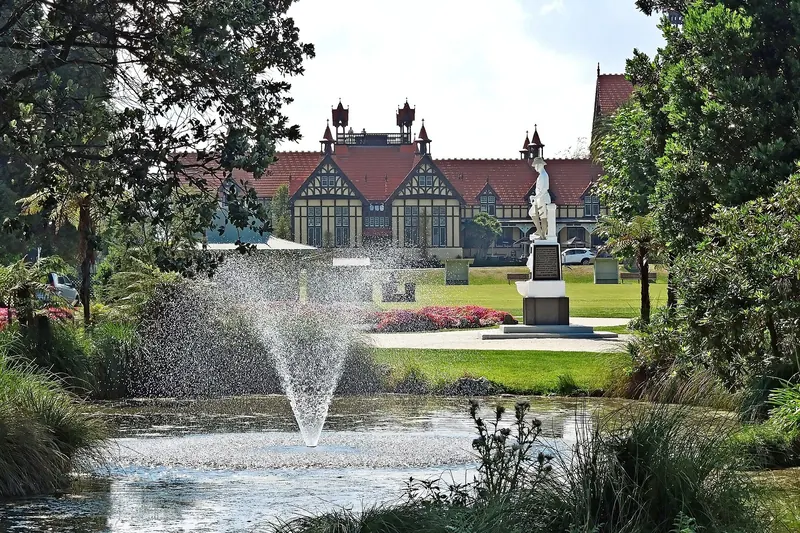
  7. The historic Bath House building in Rotorua's Government Gardens

    Government Gardens and the Rotorua Museum

    An elegant Edwardian bathhouse building set within formal gardens, its history as a spa resort now told through the museum housed inside.

    Tip The gardens themselves are free to walk through, pleasant even without visiting the museum.

Things to do

Best things to do in Rotorua

Rotorua's geothermal landscape and Maori culture reward slow, hands-on exploration.

  1. Pohutu Geyser erupting at Te Puia

    Watch Pohutu Geyser erupt

    One of the most reliable major geysers in the Southern Hemisphere, erupting multiple times daily to heights of up to 30 metres.

    Tip Arrive with patience — eruptions are frequent but not on a fixed schedule.

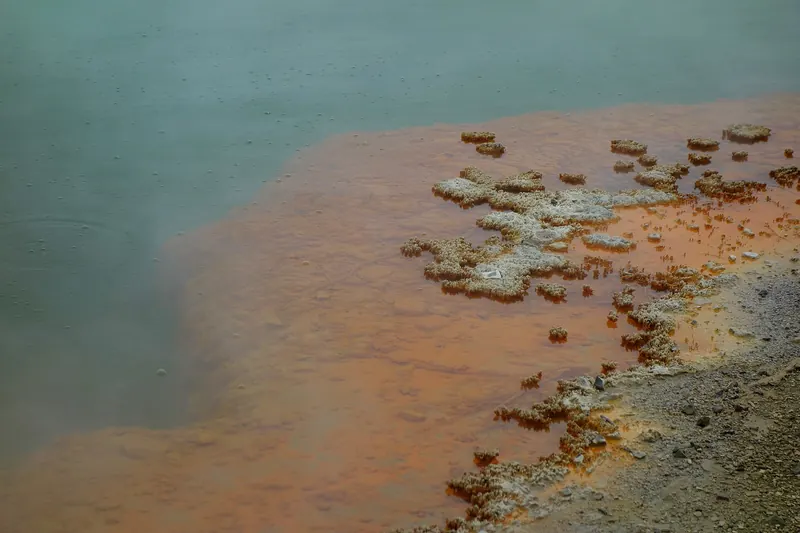
  2. The vividly coloured Champagne Pool at Wai-O-Tapu

    See Wai-O-Tapu's colourful thermal pools

    An otherworldly landscape of mineral-stained pools, craters and bubbling mud, among the most photographed natural sights in New Zealand.

    Tip Allow at least 90 minutes to walk the full loop of marked trails through the park.

  3. The towering redwood forest canopy in Rotorua's Whakarewarewa Forest

    Walk the Redwoods Treewalk

    An elevated network of suspension bridges winds through the redwood canopy, 20 metres above the forest floor.

    Tip The night-lit version of the walk, with lanterns strung through the trees, is a completely different experience from daytime.

  4. Natural hot mineral pools at the Polynesian Spa on Lake Rotorua

    Soak in the Polynesian Spa

    A relaxing way to spend an afternoon, soaking in naturally heated mineral water directly on the lakefront.

    Tip Visit at sunset for the best light over the lake from the pools.

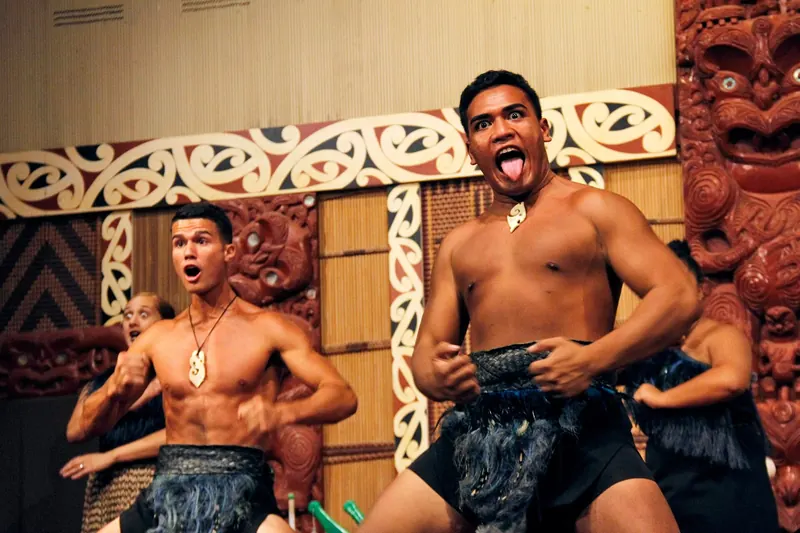
  5. A Maori cultural performance including the haka, part of a traditional hangi evening

    Attend a hangi and Maori cultural evening

    A proper hangi evening, with food cooked in an earth oven and a genuine cultural performance including the haka, is the single best Maori cultural experience in the country.

    Tip Choose an iwi-run or marae-based experience over a generic hotel version for more authentic depth.

  6. Mountain bike Whakarewarewa Forest

    The Redwoods forest holds one of the world's best-regarded mountain biking trail networks, with well over 100km of purpose-built single-track for all skill levels.

    Tip Bike hire and guided rides are available right at the forest entrance — no need to bring your own equipment.

Local food

What to eat in Rotorua

Rotorua's food is defined by its Maori hangi tradition, cooked using the town's own geothermal heat, alongside standard New Zealand classics.

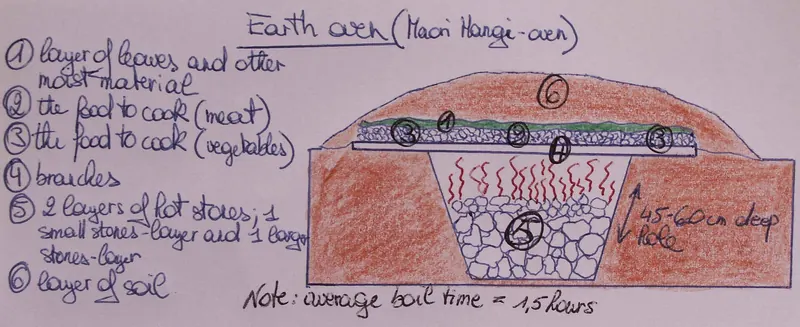
  • A traditional Maori hangi, food cooking in an earth oven near Rotorua

    Hangi

    A traditional Maori method of cooking meat and vegetables in a pit oven heated by hot stones — at its most authentic in Rotorua, where some experiences use actual geothermal steam rather than a wood fire.

    Where to try it Maori cultural centres and marae-based experiences throughout Rotorua.

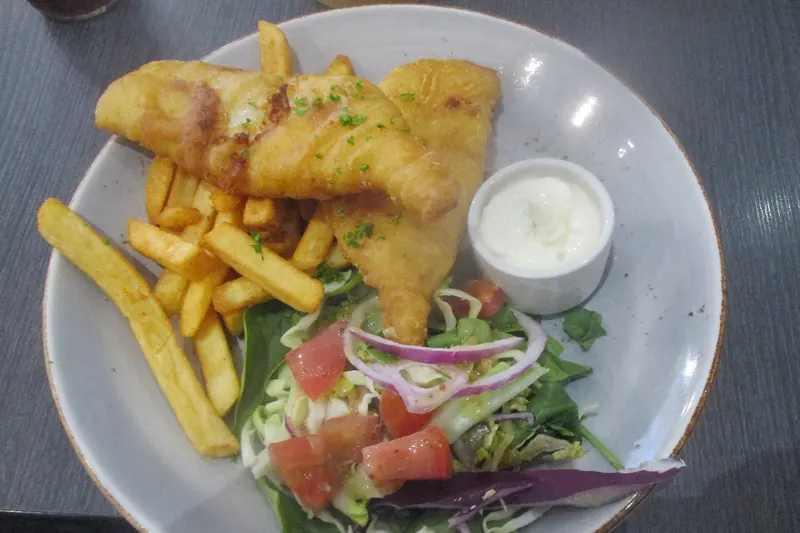
  • A classic New Zealand fish and chips takeaway

    Fish and chips

    A beloved national tradition, a reliable option between geothermal sightseeing stops.

    Where to try it Independent fish and chip shops throughout the town centre.

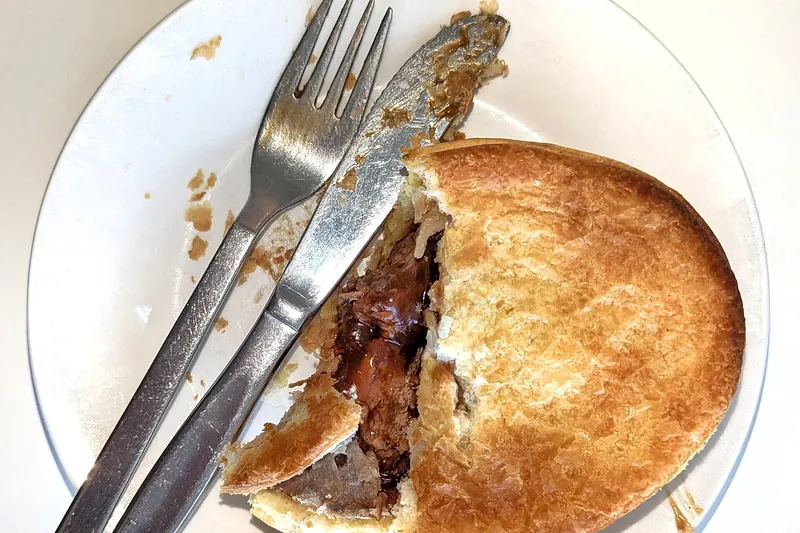
  • A classic New Zealand meat pie

    Meat pie

    A serious national obsession — flaky pastry filled with steak, mince or other fillings, sold at bakeries citywide.

    Where to try it Independent bakeries throughout Rotorua.

  • A pavlova dessert topped with cream and fresh fruit

    Pavlova

    A meringue-based dessert with a crisp shell and marshmallow centre, a beloved national favourite found on café menus.

    Where to try it Cafés throughout the town centre.

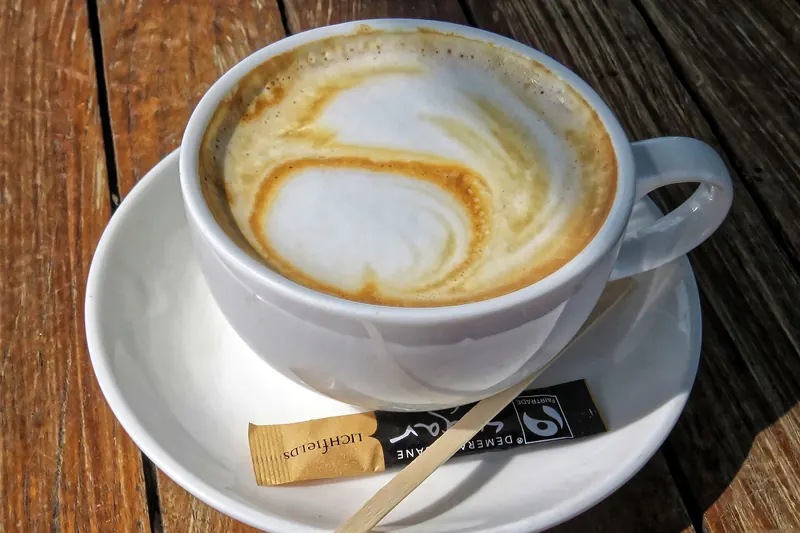
  • A flat white coffee, a New Zealand café staple

    Flat white

    New Zealand's café culture treats the flat white as a serious daily ritual, and Rotorua's cafés keep pace with steady visitor demand.

    Where to try it Independent cafés throughout the town centre.

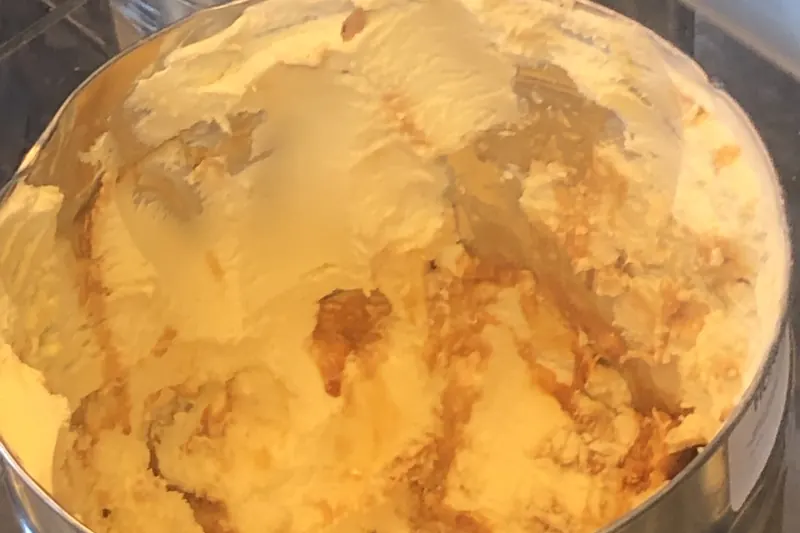
  • Hokey pokey ice cream, a New Zealand favourite with honeycomb toffee pieces

    Hokey pokey ice cream

    Vanilla ice cream studded with honeycomb toffee pieces, one of the most beloved local flavours nationwide.

    Where to try it Ice cream parlours throughout the town centre and lakefront.

Accommodation

Where to stay in Rotorua

Rotorua's town centre and lakefront both work well as bases for most visits.

  • Town centre

    The most convenient base, close to the Government Gardens and lakefront.

    Best for: Walking distance to restaurants and the Polynesian Spa

  • Lakefront

    A short walk or drive from the centre, pleasant for visitors prioritising the lake over nightlife.

    Best for: Views and a quieter, more scenic stay

What a night costs

Budget hotel
NZ$110–170 per night
Mid-range hotel
NZ$190–300 per night
Te Puia entry
About NZ$65
Hangi and cultural evening
About NZ$130–160

Transport

Getting to and around Rotorua

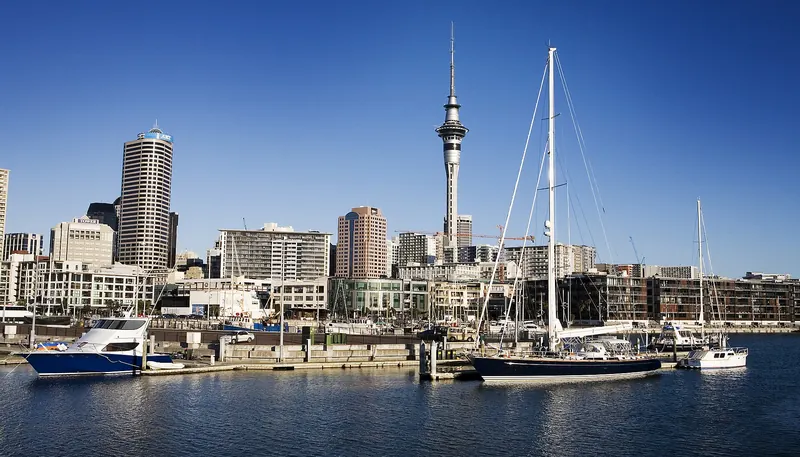
Rotorua sits an easy drive south of Auckland, and forms a natural link between Auckland and Wellington on a North Island road trip.

Getting there

  • Rental car from Auckland

    About 2h45 drive from Auckland, the most flexible way to arrive.

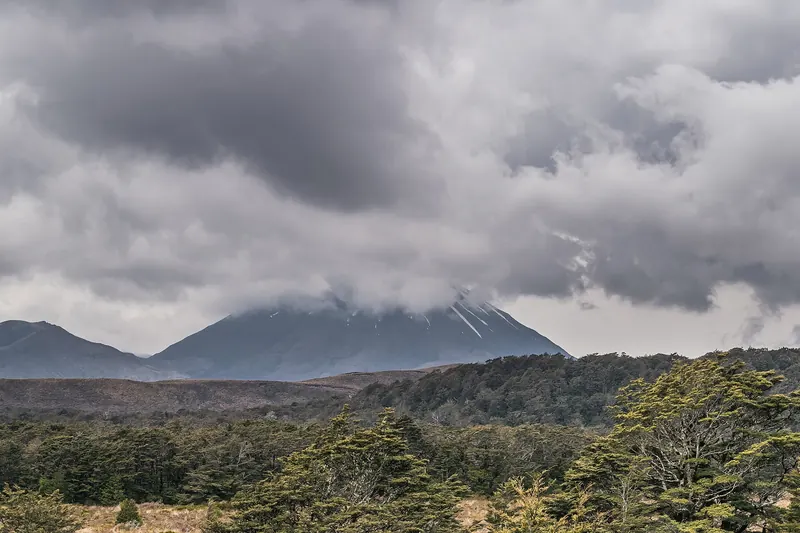
    A good stop en route toward Tongariro and Wellington further south.

  • Domestic flights

    Rotorua Airport connects to Auckland with regular short flights.

    A quick option if driving isn't part of your itinerary.

  • Bus

    InterCity coaches connect Rotorua to Auckland, Wellington and other North Island towns.

    A workable, if slower, budget option for visitors without a car.

Getting around

Rotorua's town centre is walkable, though a car helps reach the wider geothermal sights.

  • Walking

    The Government Gardens, Polynesian Spa and lakefront are all within a compact central area.

    Whakarewarewa and Te Puia are a short drive or bus ride from the centre.

  • Rental car

    Useful for reaching Wai-O-Tapu and the wider geothermal sights independently.

    Most major sights sit within a 30-minute drive of the town centre.

  • Organised tours and shuttles

    Widely available for Wai-O-Tapu, Te Puia and hangi evenings, handling transport for visitors without a car.

    An easy option, particularly for an evening hangi experience involving alcohol.

When to go

Best time to visit Rotorua

Rotorua's geothermal sights work year-round, since the main activity is walking between outdoor thermal features.

  • Summer (December–February)

    Best time

    Warm, settled weather, ideal for walking Wai-O-Tapu and the Redwoods forest.

  • Autumn (March–May)

    Best time

    Mild and settled, with noticeably thinner crowds than summer.

  • Winter (June–August)

    Good

    Cold, though the geothermal steam is more dramatic against cool air, and the Polynesian Spa feels especially good.

  • Spring (September–November)

    Good

    Increasingly mild, a good transitional season before the summer peak.

Worth planning around: Nothing strongly — Rotorua's mix of outdoor geothermal walking and indoor cultural experiences works reasonably well across the seasons.

Itinerary

Two days in Rotorua

Built around the geothermal fields and a proper Maori cultural evening.

  1. Day1

    Geothermal Rotorua

    The town's essential geothermal sights.

    • Morning Wai-O-Tapu Thermal Wonderland.
    • Afternoon Te Puia and Pohutu Geyser.
    • Evening A hangi feast and Maori cultural performance.
  2. Day2

    Forest and lake

    A calmer day of nature and relaxation.

    • Morning The Redwoods Treewalk.
    • Afternoon A walk around Lake Rotorua and the Government Gardens.
    • Evening A soak at the Polynesian Spa.

Travel tips

Rotorua travel tips

Practical notes on booking, timing and transport that make a real difference to a Rotorua trip.

  • Book a proper hangi and cultural evening ahead — the best marae-based experiences fill up in peak season.
  • Check Lady Knox Geyser's scheduled eruption time at Wai-O-Tapu before planning your visit around it.
  • Bring a light jacket even in summer — geothermal steam can make some areas cooler and damper than expected.
  • Choose an iwi-run cultural experience over a generic hotel version for a more authentic encounter.
  • Combine Rotorua with Tongariro or Auckland on a North Island road trip rather than treating it as an isolated stop.
  • Try the Redwoods Treewalk after dark at least once — the lantern-lit version is a different experience.

FAQ

Rotorua: frequently asked questions

How many days do you need in Rotorua?

Two days covers Te Puia, Wai-O-Tapu and a hangi evening comfortably. A day trip from Auckland or Tongariro is workable but rushed given how much there is to see.

Is Rotorua worth visiting for Maori culture?

Yes — it holds New Zealand's strongest concentration of authentic Maori cultural experiences, from living villages to proper hangi feasts and traditional carving schools.

Does Rotorua smell like sulphur?

Yes, in parts of town close to geothermal features — it's a real, ongoing feature of the geology here rather than an occasional inconvenience, though most visitors adjust to it quickly.

What is Wai-O-Tapu?

A geothermal park about 30 minutes from Rotorua, one of the most colourful natural landscapes in New Zealand, with mineral-stained pools including the famous Champagne Pool.

Is a hangi worth doing in Rotorua?

Yes, one of the best cultural experiences in the country — choose an iwi-run or marae-based version over a generic hotel dinner show for real depth and authenticity.

Do you need a car in Rotorua?

It helps for reaching Wai-O-Tapu and the wider geothermal sights, though the town centre itself, along with Te Puia and Whakarewarewa, are reachable by taxi, shuttle or organised tour.

Read next

Related travel articles

Where to go

Beyond the Big Names: Places Worth the Detour

The most visited place in a country is rarely its best, and it is almost never its best value. This is a method for finding the destinations that do not make the postcards — and a set of examples from five of the 50 countries on this site.

Practical

Packing by Season and Trip Type

Most packing advice is a list of things. This is the opposite: the small number of decisions that determine whether your luggage helps or hinders, organised by the kind of trip you are actually taking.

Advertisement