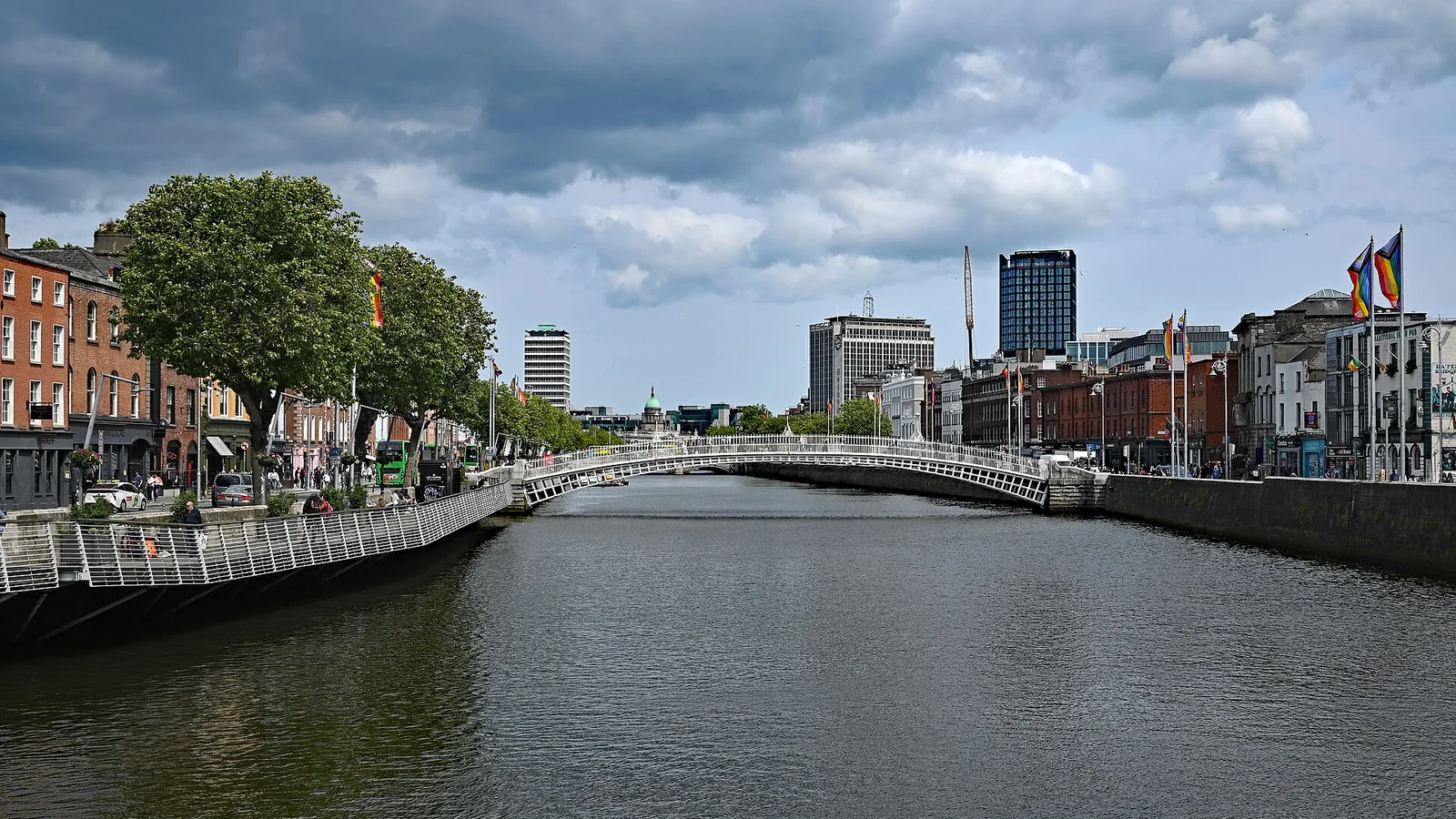
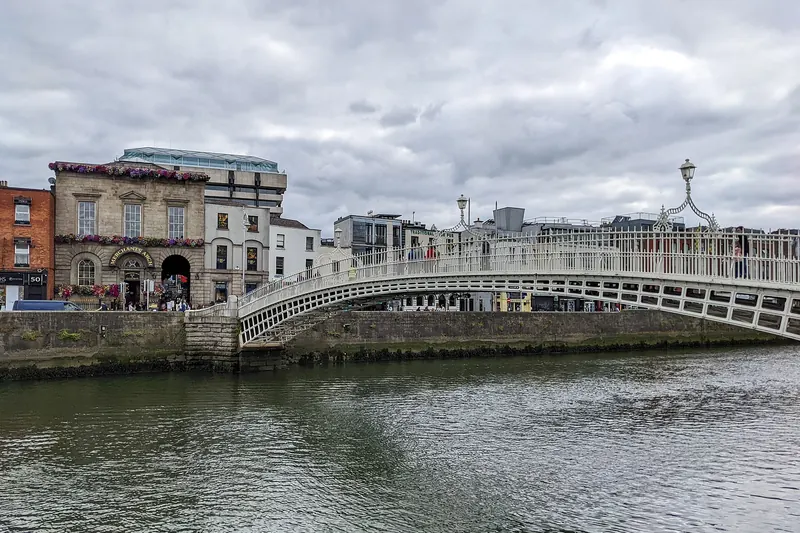

The River Liffey and the Ha'penny Bridge in central Dublin

Leinster · Ireland

Dublin

Ireland's compact, literary capital, where medieval history, world-class museums and a legendary pub culture sit within an easy walk of each other.

  • Best time May to September for the best weather, though Dublin works well year-round
  • Stay 2-3 days
  • Good for City culture, history, nightlife and live music

Photo: P. Hughes · CC BY 4.0

Welcome to Dublin

Dublin is one of Europe's most compact capital cities, small enough to cross on foot in under an hour, yet packed with a literary and musical reputation far larger than its size would suggest.

It's also a city of contrasts — a working medieval castle and a Georgian university sit blocks from buzzing Temple Bar pubs, while the Guinness Storehouse and Kilmainham Gaol tell two very different stories about the same small island.

Most visitors use Dublin as the start or end of a wider Ireland trip, and a couple of days here earns that role, offering real context — historical, literary and culinary — for everywhere else on the itinerary.

  • City
  • Culture
  • History
  • Nightlife

Why visit

Why visit Dublin?

Dublin's case rests on world-class museums and history packed into a small, easy-to-navigate city.

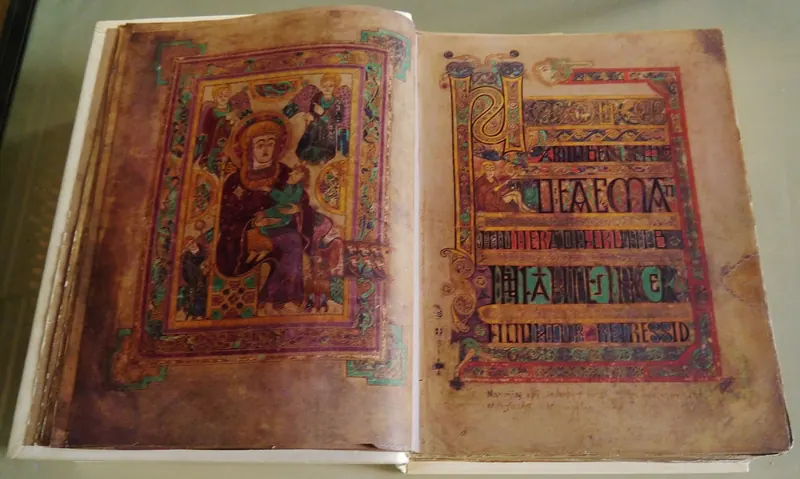
  • Trinity College holds an extraordinary manuscript

    The 9th-century Book of Kells and the Old Library's Long Room are among Europe's most atmospheric sights.

  • The Guinness Storehouse is a full sensory experience

    Seven floors built around a single pint, ending with panoramic city views from the rooftop Gravity Bar.

  • Kilmainham Gaol tells essential Irish history

    The site of the 1916 Rising leaders' executions, and one of the country's most moving museum experiences.

  • It's compact and walkable

    Most major sights sit within a comfortable walk of the city centre, either side of the River Liffey.

  • The pub and music culture is the real thing

    Live traditional sessions happen nightly, not just as a tourist performance.

Main attractions

Top things to see in Dublin

Dublin's essential sights combine genuine medieval and Georgian history with world-class museums.

  1. The Long Room of the Old Library at Trinity College Dublin

    Trinity College & the Book of Kells

    Ireland's oldest university, home to the illuminated 9th-century Book of Kells and the barrel-vaulted Long Room lined with ancient volumes.

    Tip Book timed tickets online ahead — the Long Room sells out, especially in summer.

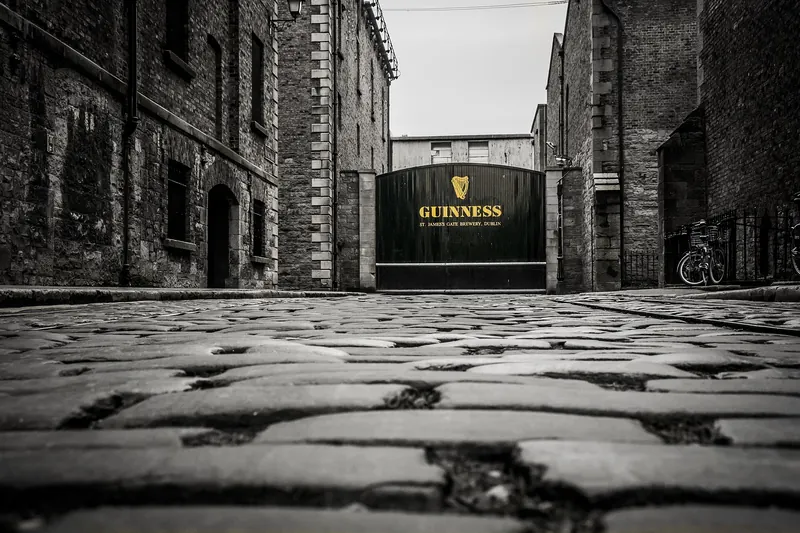
  2. The Guinness Storehouse building in Dublin

    Guinness Storehouse

    An immersive seven-floor experience built around Ireland's most famous export, ending with a pint and a view from the rooftop Gravity Bar.

    Tip The rooftop bar offers one of Dublin's best panoramic views, included with entry.

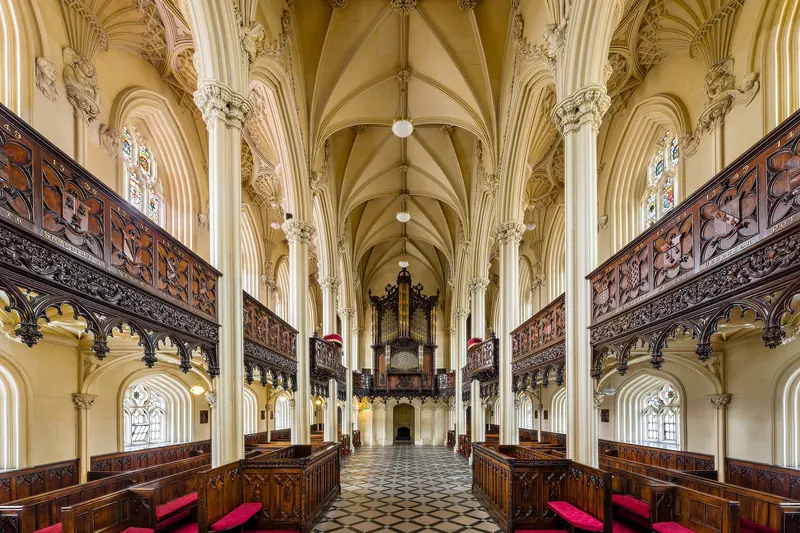
  3. The ornate interior of the Chapel Royal at Dublin Castle

    Dublin Castle

    A still-functioning seat of Irish state ceremony, its state apartments and Chapel Royal open to visitors between official events.

    Tip Check ahead — the state apartments occasionally close for official functions.

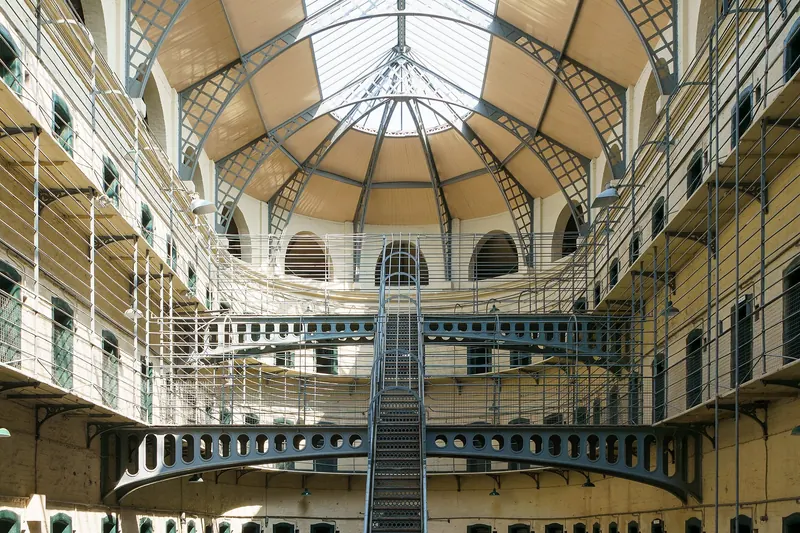
  4. The vaulted main hall of Kilmainham Gaol in Dublin

    Kilmainham Gaol

    A powerful former prison where leaders of the 1916 Easter Rising were executed, now a museum central to modern Irish history.

    Tip Book well ahead — tours are guided-only and regularly sell out days in advance.

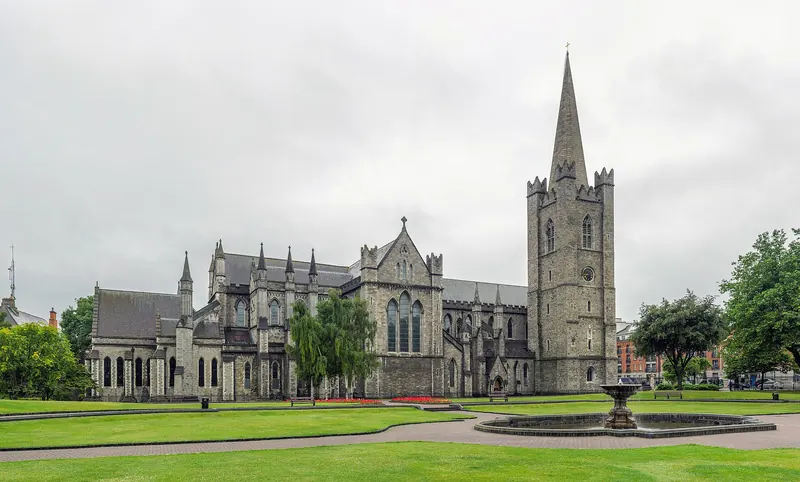
  5. The exterior of St Patrick's Cathedral in Dublin

    St Patrick's Cathedral

    Ireland's largest church, founded in 1191, with connections to Jonathan Swift, who served as dean here for over 30 years.

    Tip The choral evensong, held most weekdays, is free and atmospheric.

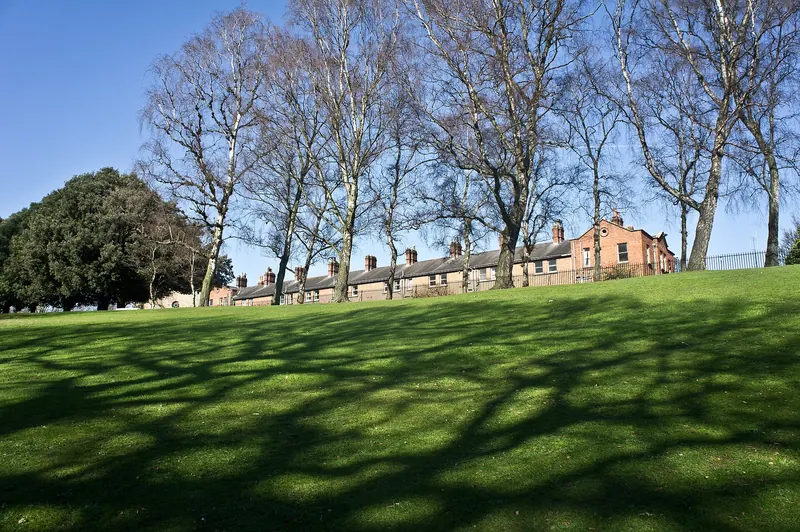
  6. The open parkland of Phoenix Park in Dublin

    Phoenix Park

    A vast city park, more than twice the size of New York's Central Park, home to a herd of wild fallow deer and the President's residence.

    Tip Rent a bike to cover the park's full size — it's larger than it first appears.

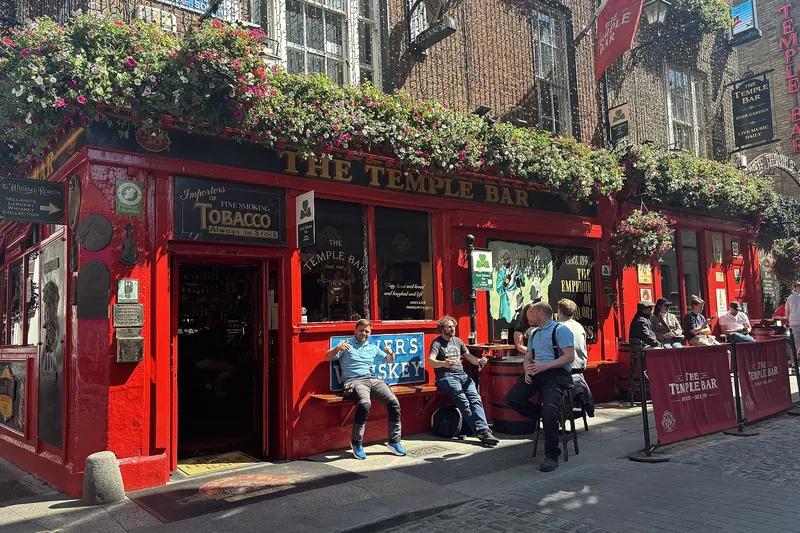
  7. The colourful Temple Bar pub in Dublin's Temple Bar district

    Temple Bar

    Dublin's best-known nightlife quarter, cobbled lanes packed with pubs, live music and a lively, touristy energy after dark.

    Tip Prices run higher here than elsewhere — a few streets over often means a quieter, cheaper pint.

Things to do

Best things to do in Dublin

Dublin rewards mixing its major museums with a wander through its riverside and parkland.

  1. The Ha'penny Bridge over the River Liffey in Dublin

    Cross the Ha'penny Bridge

    An essential Dublin moment, crossing the elegant cast-iron footbridge that has linked the city's two halves since 1816.

    Tip The bridge and riverbanks are especially atmospheric lit up after dark.

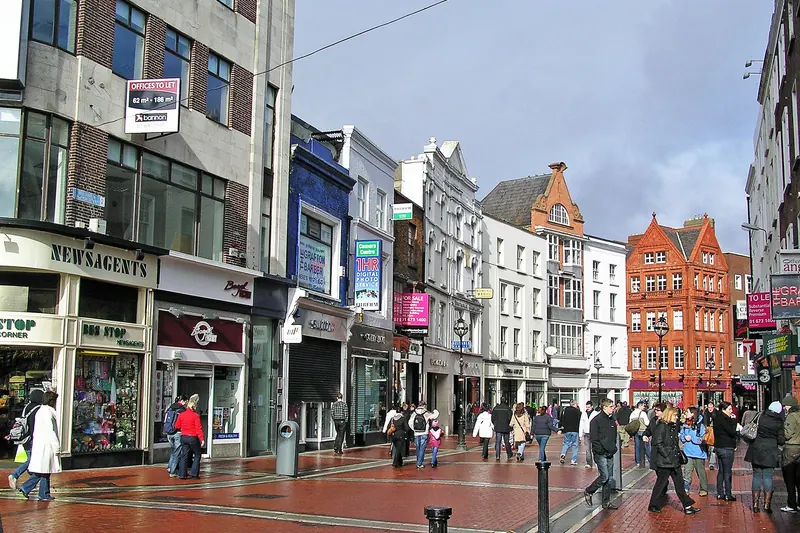
  2. Grafton Street, Dublin's pedestrianised shopping street

    Shop and stroll Grafton Street

    A lively pedestrianised street of shops, cafés and buskers, running from Trinity College to St Stephen's Green.

    Tip Street performers here are often excellent — worth stopping for a few minutes.

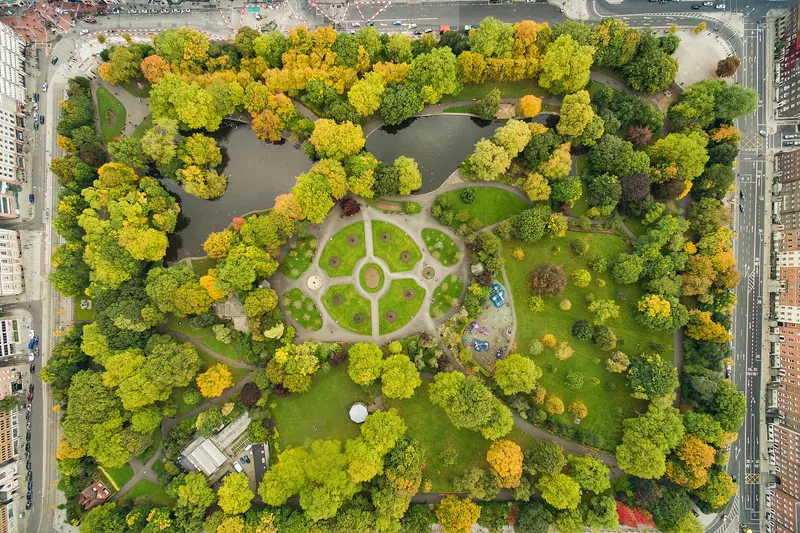
  3. St Stephen's Green, a Victorian park in central Dublin

    Relax in St Stephen's Green

    A peaceful Victorian park right in the city centre, a good spot to pause between museums and shopping streets.

    Tip Free and open year-round, with a bandstand hosting occasional summer concerts.

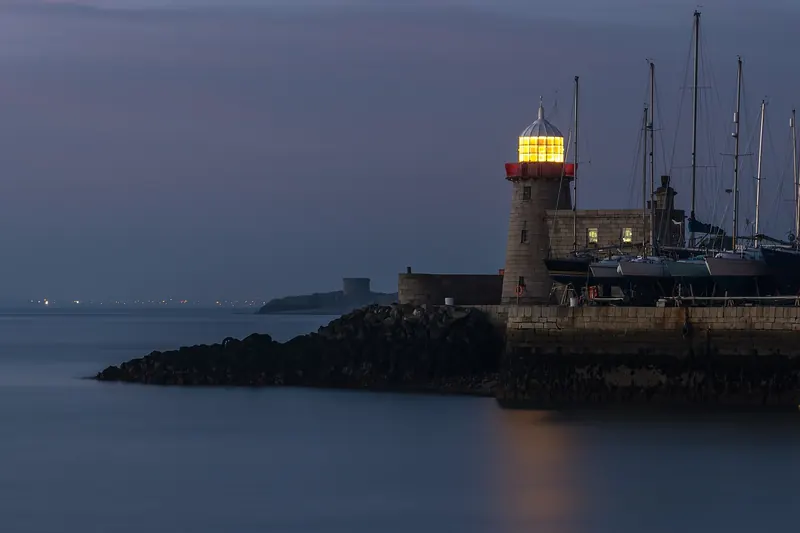
  4. Howth Harbour lighthouse near Dublin

    Day-trip to Howth

    An easy DART train ride to a working fishing village with cliff walks, seafood and views back across Dublin Bay.

    Tip The cliff path loop takes about two hours and needs no special gear.

  5. Catch a live trad session

    A nightly occurrence in pubs across the city, informal sessions of fiddle, bodhrán and tin whistle open to anyone who wanders in.

    Tip Arrive early for a seat near the musicians in the more popular venues.

  6. Explore Dublin's literary history

    A rich trail connecting Joyce, Wilde, Beckett and Yeats, from statues and plaques to the Dublin Writers Museum.

    Tip A literary pub crawl combines the theme with a proper night out.

Local food

What to eat in Dublin

Dublin's food spans serious modern Irish dining and simple, hearty pub classics at every price point.

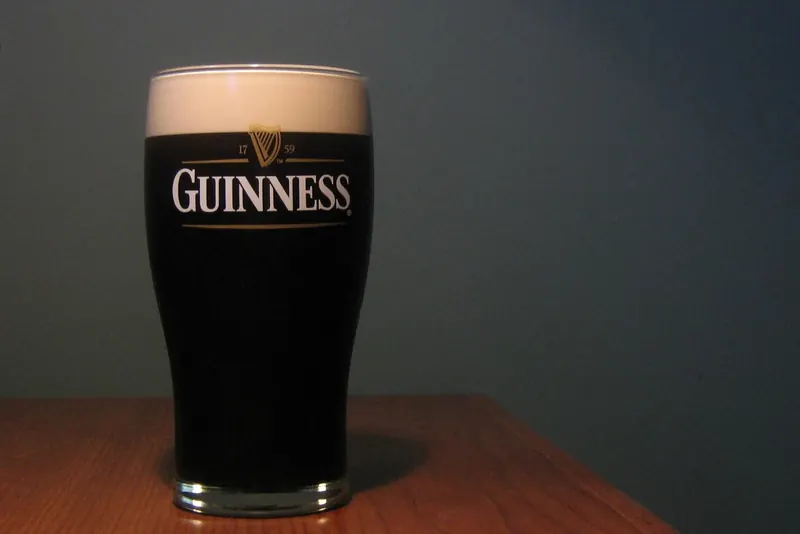
  • A freshly poured pint of Guinness stout

    A pint of Guinness

    Tastes different at the source, poured fresh with the traditional two-part method across the city's pubs.

    Where to try it Traditional pubs citywide, plus the Guinness Storehouse itself.

  • A bowl of hearty Irish stew

    Irish stew

    Worth seeking out at a traditional pub, a simple, slow-cooked stew of lamb, potatoes and root vegetables.

    Where to try it Traditional pubs and restaurants throughout the city centre.

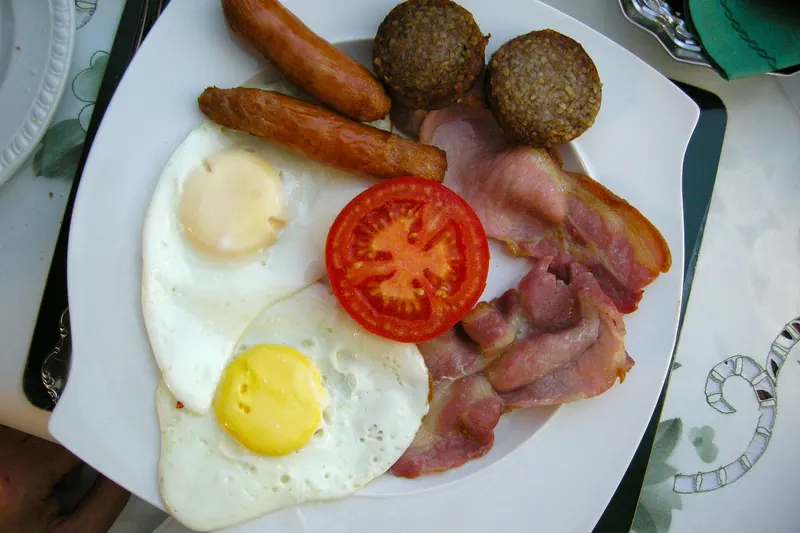
  • A full Irish breakfast with rashers, sausages, egg and black pudding

    Full Irish breakfast

    A substantial start to the day, found on nearly every café menu across the city.

    Where to try it Cafés and hotel breakfasts throughout Dublin.

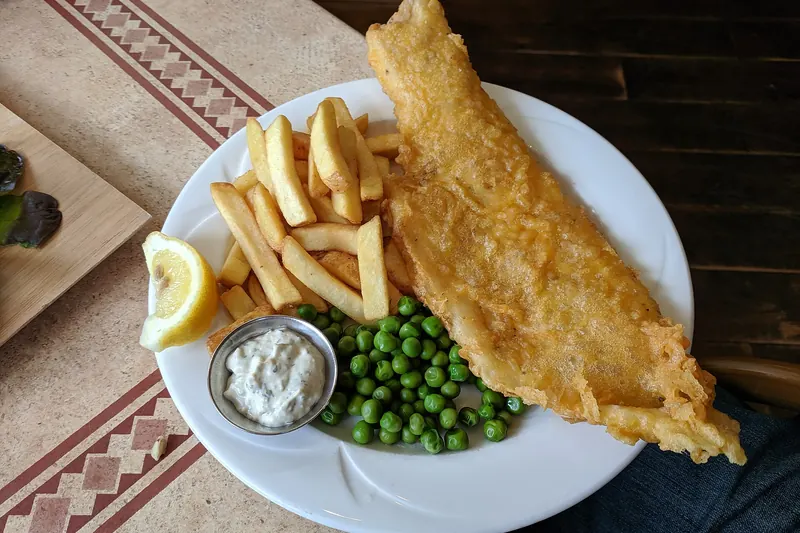
  • A plate of fish and chips

    Fish and chips

    A reliable, hearty classic, sold at chippers across the city, especially popular after a night out.

    Where to try it Chip shops citywide, particularly around Temple Bar and the north city centre.

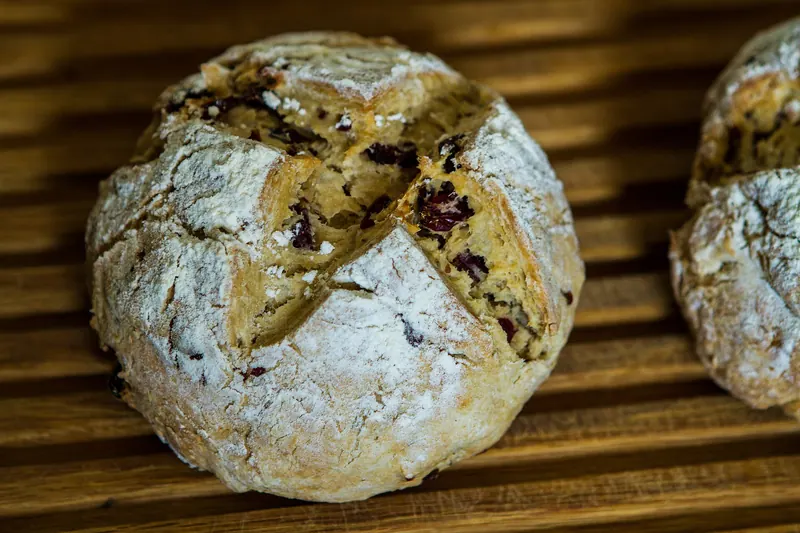
  • A loaf of traditional Irish soda bread

    Irish soda bread

    A daily staple, dense and slightly sweet, served alongside soup, stew or a simple breakfast.

    Where to try it Cafés and bakeries throughout the city.

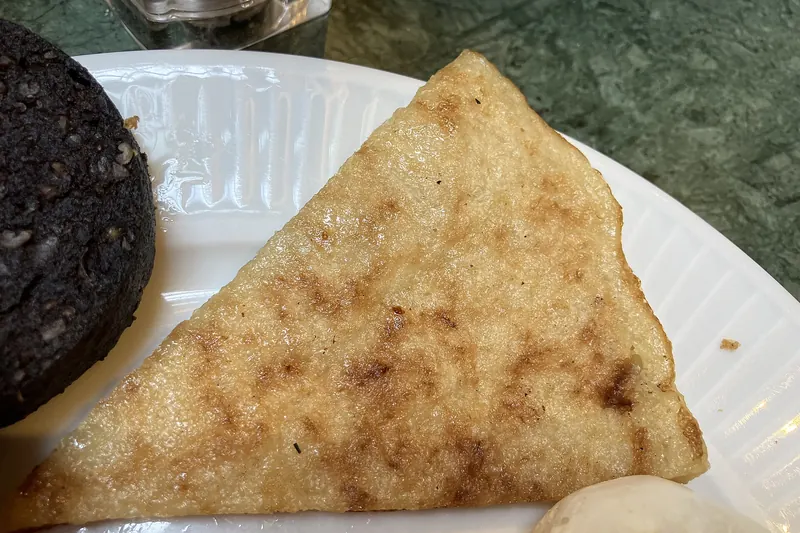
  • Boxty, a traditional Irish potato pancake

    Boxty

    A traditional potato pancake, crisp outside and soft within, often served wrapped around a savoury filling.

    Where to try it Traditional Irish restaurants around Temple Bar.

Accommodation

Where to stay in Dublin

Dublin offers accommodation across every budget, concentrated within a compact, walkable city centre.

  • City centre (south of the Liffey)

    The most convenient base, close to Trinity College, Grafton Street and Temple Bar.

    Best for: Being central and walkable to major sights

  • Docklands and north city centre

    A short walk or tram ride from the centre, with good access to Phoenix Park and the main train stations.

    Best for: A quieter, often better-value stay

What a night costs

Hostel or guesthouse
€35–70 per night
Mid-range hotel
€130–220 per night
Guinness Storehouse entry
About €30
Dinner at a mid-range restaurant
About €25–40 per person

Transport

Getting to and around Dublin

Dublin is Ireland's main international gateway, well connected by air and sea.

Getting there

  • Flight to Dublin Airport

    Most international routes into Ireland land here, about 30 minutes from the city centre.

    Frequent express buses connect the airport to central Dublin around the clock.

  • Ferry from the UK

    A popular option for visitors bringing a car from Britain, docking at the nearby port of Dublin.

    Routes run from Holyhead and other UK ports.

  • Intercity train

    Fast and direct from Cork, Galway, Kilkenny and other major towns.

    Trains arrive at Heuston or Connolly station, both close to the city centre.

Getting around

Dublin is compact enough to explore mostly on foot, with good public transport for the rest.

  • On foot

    Covers Trinity College, Temple Bar, Dublin Castle and most of the city centre easily.

    Central Dublin's main sights sit within a comfortable walking radius of each other.

  • The Luas tram and buses

    Reliable for reaching Phoenix Park, the docklands and other outer neighbourhoods.

    A single Leap Card covers trams, buses and the DART train.

  • The DART train

    The easiest way to reach Howth and the coastal suburbs.

    Runs frequently along the coast, both north and south of the city centre.

When to go

Best time to visit Dublin

Dublin's museum-heavy, walkable character makes it a viable destination in any season, though summer brings the mildest outdoor conditions.

  • Late spring (May–June)

    Best time

    Mild weather and long daylight hours, with fewer crowds than midsummer.

  • Summer (July–August)

    Good

    The warmest and busiest season, with festivals and outdoor events, also the priciest time to visit.

  • Autumn (September–October)

    Good

    Mild with thinner crowds than summer, a good balance for museum-heavy sightseeing.

  • Winter (November–February)

    Good

    Short days and frequent rain, though atmospheric, with cosy pubs and lower prices.

Worth planning around: Nothing strongly — Dublin's museum-rich, compact character makes it a workable destination in any season.

Itinerary

Two days in Dublin

Built around Trinity College and Georgian Dublin on day one, Guinness and Irish history on day two.

  1. Day1

    Trinity and the Georgian quarter

    Trinity College, Grafton Street and St Stephen's Green.

    • Morning Trinity College and the Book of Kells.
    • Afternoon Grafton Street and St Stephen's Green.
    • Evening Dinner and a trad session in Temple Bar.
  2. Day2

    Guinness and Irish history

    The Guinness Storehouse, Kilmainham Gaol and Dublin Castle.

    • Morning The Guinness Storehouse.
    • Afternoon Kilmainham Gaol and Dublin Castle.
    • Evening A final Dublin dinner near the Liffey.

Travel tips

Dublin travel tips

Practical notes that make a Dublin stay noticeably smoother.

  • Book Guinness Storehouse and Kilmainham Gaol tickets well ahead — both regularly sell out.
  • Get a Leap Card for easy, discounted travel on trams, buses and the DART.
  • Budget for high restaurant and pub prices, especially around Temple Bar.
  • Wear comfortable shoes — Dublin's compact centre still adds up to real walking distances.
  • Pack a proper waterproof layer regardless of season — Dublin's weather shifts fast.
  • Walk a few streets beyond Temple Bar for a quieter, cheaper, and often better pint.

FAQ

Dublin: frequently asked questions

How many days do you need in Dublin?

Two to three days covers the major museums and sights at a comfortable, unrushed pace.

Is Dublin worth visiting before heading to the rest of Ireland?

Yes — its museums and history add real context, and it's the natural gateway for trains and buses onward.

Is Dublin expensive?

Yes, one of the more expensive parts of Ireland — self-catering and a guesthouse help manage costs.

Is Dublin walkable?

Yes — most major sights sit within a comfortable walk of the city centre, with good public transport for the rest.

What is Dublin famous for?

Its literary history, Trinity College and the Book of Kells, the Guinness Storehouse, and a legendary pub and live music culture.

Do I need to book the Book of Kells in advance?

Yes, strongly recommended — timed tickets for the Long Room and Book of Kells sell out, especially in summer.

Read next

Related travel articles

Where to go

Beyond the Big Names: Places Worth the Detour

The most visited place in a country is rarely its best, and it is almost never its best value. This is a method for finding the destinations that do not make the postcards — and a set of examples from five of the 50 countries on this site.

Transport

Getting Around Europe by Train

European rail is excellent and confusing — six national operators, three completely different pricing models, and a rail pass that is either a bargain or a waste depending on where you are going. Here is how to work out which.

Advertisement