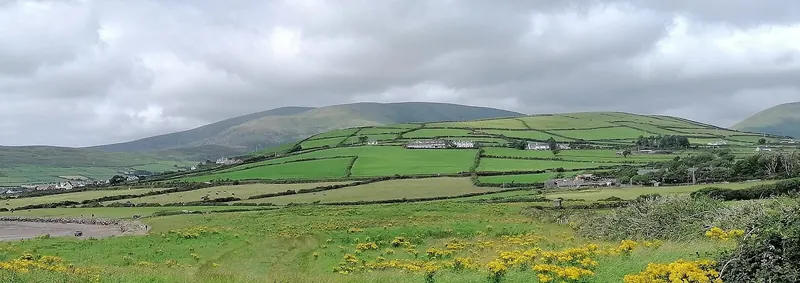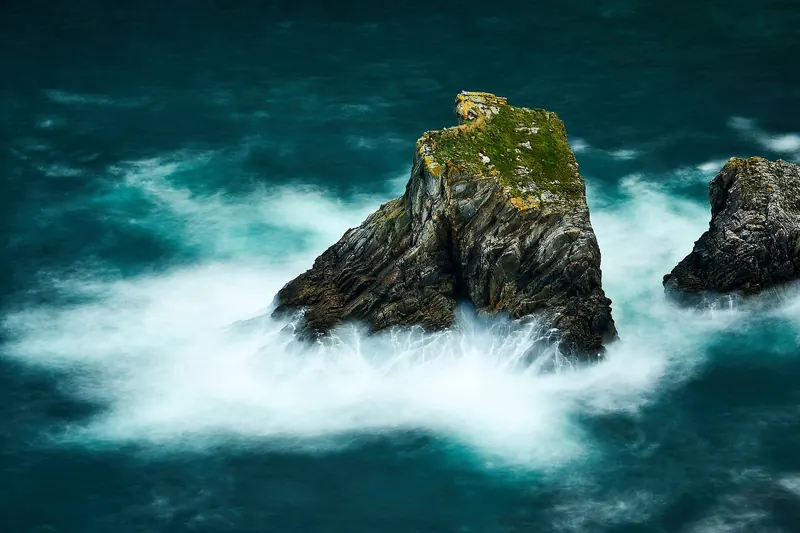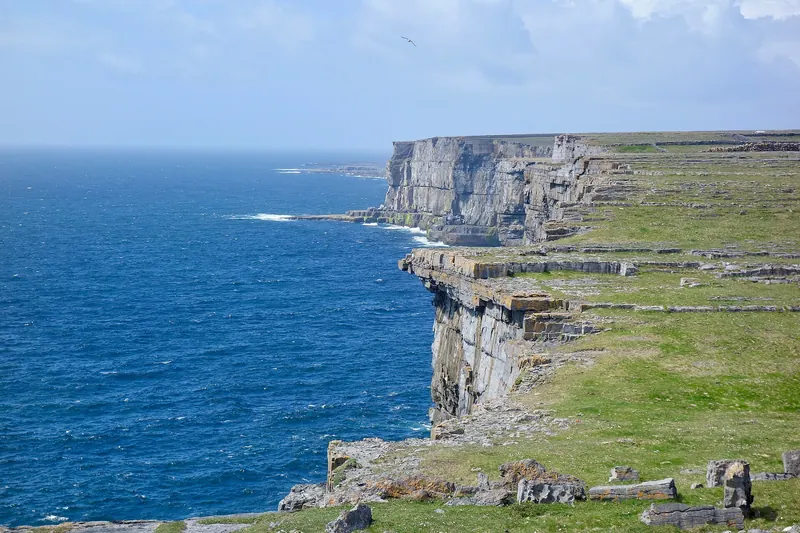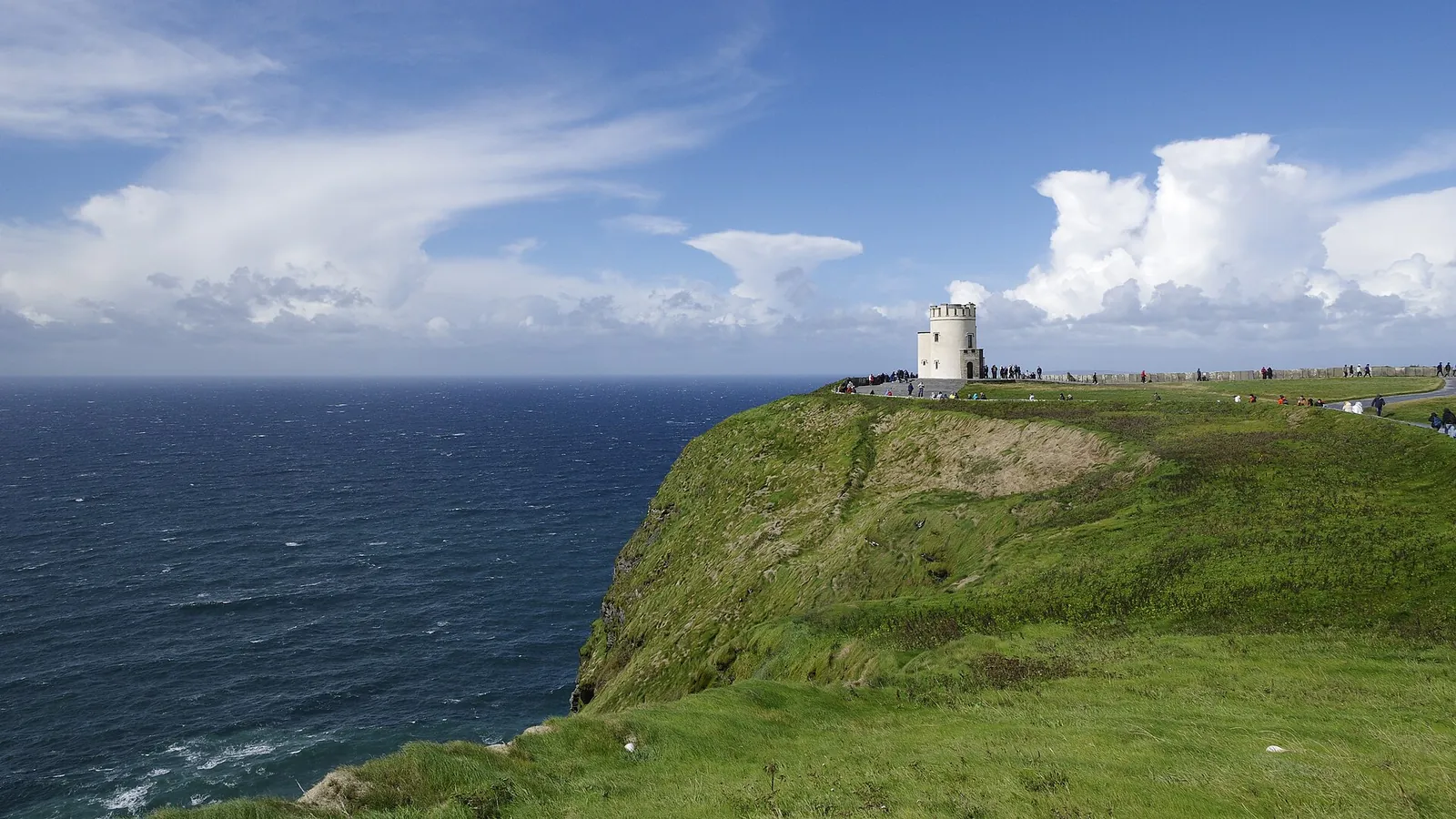
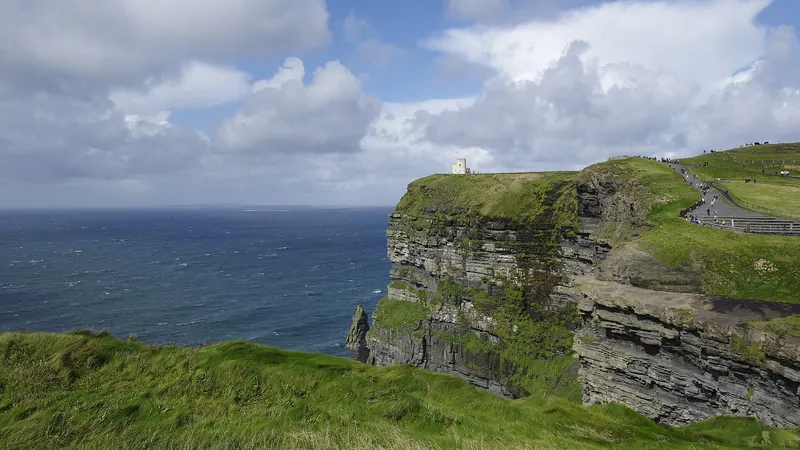
The Cliffs of Moher rising sheer from the Atlantic in County Clare, Ireland

Ireland · Travel guide

The Complete Ireland Travel Guide

Cliffs, castles and music-filled pubs across a small island built for slow, scenic travel

  • Reading time 12 min read
  • Covers 10 destinations
  • Updated 2026

Photo: Berthold Werner · CC BY-SA 4.0

How to plan an Ireland trip: whether to focus on Dublin, the southwest or the west coast, when to go for the best weather odds, what it costs, and a practical nine-day itinerary.

How Ireland divides

Ireland divides into a compact set of regions, each with a distinct feel — its small size means a first trip can realistically cover several without feeling rushed.

The east. Dublin and Kilkenny — the capital's museums and pubs, and a well-preserved medieval town within easy reach.

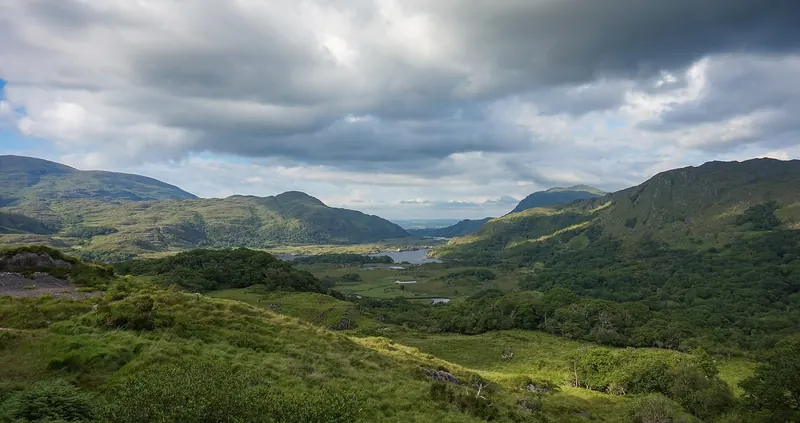
The southwest. Cork and Cobh, Killarney and the Ring of Kerry and the Dingle Peninsula — Ireland's most famous scenic driving country, and the reason many people visit.

The west. the Cliffs of Moher and the Burren, Galway and Connemara — dramatic Atlantic coastline and a lively university city.

The northwest and islands. Donegal and the Aran Islands are both spectacular but sit further off the classic first-timer route.

Worth knowing: Most first-time visitors combine Dublin with the southwest and west coasts in a single loop. Donegal and the Aran Islands are where a longer or second trip belongs.

Choosing between the ten destinations

  • If this is your first trip

    Dublin, the natural starting point, with world-class museums and the best transport links.

  • If you want the classic scenic drives

    Killarney and the Ring of Kerry plus the Dingle Peninsula, Ireland's most celebrated coastal driving country.

  • If you want dramatic cliffs in a shorter trip

    The Cliffs of Moher and the Burren, reachable as a long day trip from Galway or Dublin.

  • If you want a lively, walkable city

    Galway, famous for its music-filled streets and easy access to the west coast.

  • If you want real remoteness

    The Aran Islands, still Irish-speaking, reachable only by ferry or small plane.

  • If you want the far northwest's wild cliffs

    Donegal, home to Slieve League, among Europe's highest sea cliffs and far quieter than the southwest.

Getting around: driving, trains, and one common mistake

Ireland's small size disguises how slow its roads actually are — a mix of rental car for the coast and train for the main towns is the standard approach.

Rent a car for the west and southwest. It's the most flexible way to see the Ring of Kerry, Dingle and Connemara at your own pace.

Don't underestimate driving times. A route that looks like ninety minutes on a map can take three hours on narrow, winding coast roads.

Take the train between the bigger towns. Dublin, Cork, Galway and Kilkenny are well connected without a car.

Book island ferries around the weather. Sailings to the Aran Islands depend on conditions and can be cancelled at short notice.

Drive on the left, and take single-track roads slowly. Rural roads are narrower, and hedges taller, than most visitors expect.

Worth knowing: Book your rental car and west-coast accommodation well ahead for a June–August trip — Ireland's small hotel and guesthouse stock sells out early in peak season.

When to go

Ireland's weather is famously changeable in every season, so 'the best time' is really about balancing crowds against the odds of a dry day. May, June and September generally work best.

Late spring brings the best odds of mild, dry weather with long daylight and thinner crowds than midsummer.

Summer is warmest and busiest, with the longest days — also the most expensive and crowded season, especially along the west coast.

Early autumn is an underrated window, often mild with noticeably fewer visitors than summer.

Winter brings short days and frequent rain, but is atmospheric, with cosy pubs, fewer crowds and lower prices.

Worth knowing: Pack a proper waterproof jacket regardless of when you go — a sunny forecast in Ireland offers no guarantee by the afternoon.

Four routes that work

  1. Four days: Dublin alone

    Dublin's museums, castle and pubs, enough for a satisfying short city break.

    Tip Add a single day trip to Kilkenny by train if you have a fifth day free.

  2. Nine days: the classic loop

    The itinerary on the Ireland country page: Dublin, Kilkenny, Cork, Killarney, Dingle, the Cliffs of Moher and Galway. A complete first look at Ireland's classic highlights.

    Tip Break up the longer driving days with an early start — west-coast light is best in the morning.

  3. A week focused on the west coast

    Galway, Connemara and the Cliffs of Moher as a self-contained trip, skipping the long transit south.

    Tip Base yourself in Galway and take day trips rather than changing accommodation each night.

  4. A Donegal and Aran Islands add-on for a second trip

    Donegal's Slieve League cliffs and the Aran Islands, two of Ireland's most remote and rewarding corners.

    Tip Rent a bike on Inis Mór rather than joining a minibus tour for a slower, quieter visit.

Reference

The 10 destinations in this guide

Every place named above has its own detailed guide — attractions, food, where to stay, how to get around and a suggested day-by-day plan.

CityCulture

Dublin

Leinster

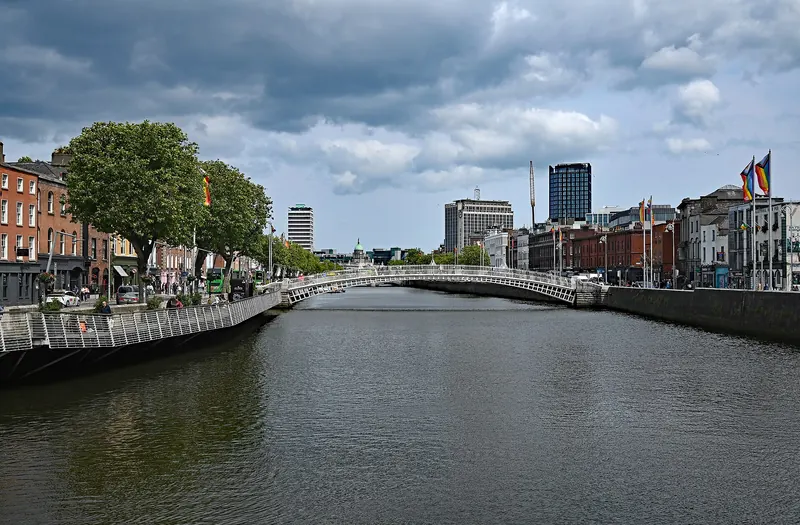
Ireland's capital, a compact, walkable city of medieval castles, world-class museums and a legendary pub and music culture.

Don't miss Standing in the Long Room of Trinity College's Old Library, beneath its barrel-vaulted ceiling and thousands of ancient volumes, feet from the Book of Kells.

Explore Destination — Dublin
CityCulture

Galway

County Galway

A compact, music-filled city on Galway Bay, known for its medieval Latin Quarter, festivals and easy access to Connemara and the west coast.

Don't miss Standing on the Spanish Arch as the tide comes in off Galway Bay, with a fiddle session already starting up in a pub across the street.

Explore Destination — Galway
CityHistory

Cork & Cobh

County Cork

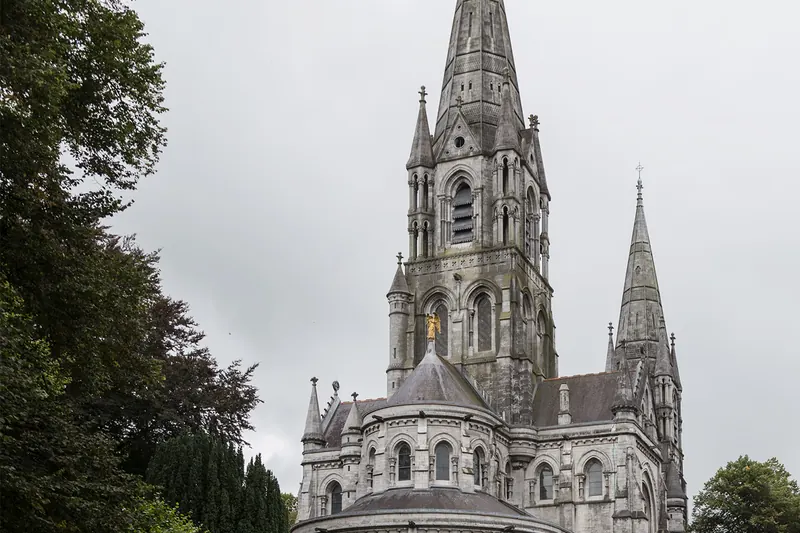
Ireland's food-loving second city and the historic harbour town of Cobh, the Titanic's last port of call and the departure point for millions of Irish emigrants.

Don't miss Standing at the rail of Cobh's harbourfront, looking out at the exact spot where the Titanic made her final stop before crossing the Atlantic.

Explore Destination — Cork & Cobh
Nature & WildlifeScenic Drive

Connemara

County Galway

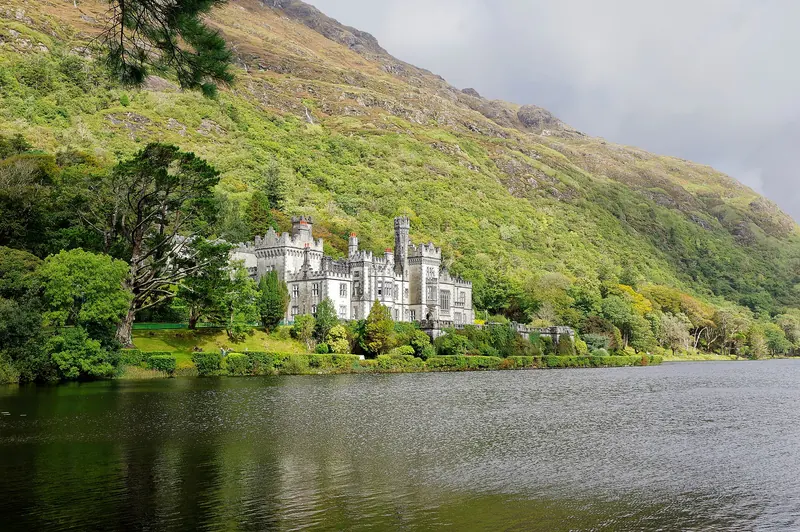
A wild stretch of bogland, mountains and jagged coastline west of Galway, home to Kylemore Abbey, wild ponies and some of Ireland's emptiest, most dramatic scenery.

Don't miss Rounding a bend on the Sky Road outside Clifden to a sudden, sweeping view of the Atlantic and its scattering of small green islands.

Explore Destination — Connemara
HistoryCulture

Kilkenny

County Kilkenny

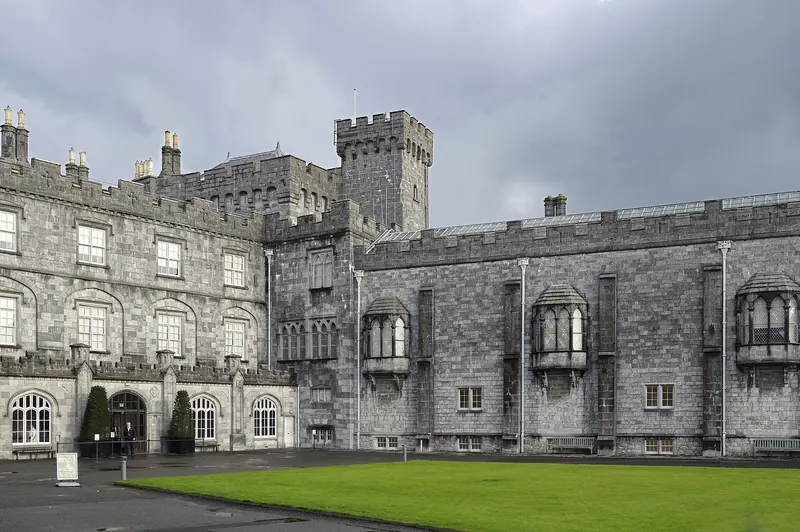
A compact, exceptionally well-preserved medieval city in southeast Ireland, anchored by its castle, a 6th-century round tower and a genuine brewing heritage.

Don't miss Walking the Medieval Mile from the castle to St Canice's Cathedral as the round tower comes into view above the rooftops.

Explore Destination — Kilkenny
Scenic DriveNature & Wildlife

The Dingle Peninsula

County Kerry

A compact peninsula of ancient beehive huts, a dramatic mountain pass and Dingle town, one of Ireland's most beloved harbour towns for food and music.

Don't miss Cresting Conor Pass and seeing the whole peninsula spread out below, mountains dropping straight into the Atlantic on both sides.

Explore Destination — The Dingle Peninsula
Nature & WildlifeCoast & Beaches

Donegal

County Donegal

Ireland's remote northwestern county, home to Slieve League's towering sea cliffs, Glenveagh National Park and some of the country's least-visited coastline.

Don't miss Standing at the top of Slieve League as the cliffs drop 600 metres straight to the Atlantic, with barely another visitor in sight.

Explore Destination — Donegal
IslandsCulture

The Aran Islands

County Galway

Three small, Irish-speaking islands off Galway Bay, criss-crossed with stone walls and home to Dún Aengus, a dramatic Iron Age cliff-edge fort.

Don't miss Standing at the unguarded edge of Dún Aengus, a 2,000-year-old fort perched on a sheer 100-metre cliff, with nothing but a drop to the Atlantic below.

Explore Destination — The Aran Islands

Back to the Ireland country page

FAQ

Planning a trip to Ireland

How many days do you need in Ireland?

Nine to twelve days covers Dublin and a loop through the south and west coast at a reasonable pace, which is the itinerary in this guide. Four to five days is enough for Dublin and one nearby region, and still worthwhile on its own.

Is the west coast worth the extra driving time?

Yes — the Ring of Kerry, Dingle and the Cliffs of Moher are a large part of why people visit, and the slower pace is part of the experience rather than a drawback.

Do you need a car in Ireland?

For the west and southwest coasts, yes — though trains and buses cover Dublin, Cork, Galway and Kilkenny well without one.

What is the best time of year to visit for good weather?

May, June and September offer the best odds of mild, dry weather with thinner crowds than July and August, though no season in Ireland guarantees a dry day.

Advertisement