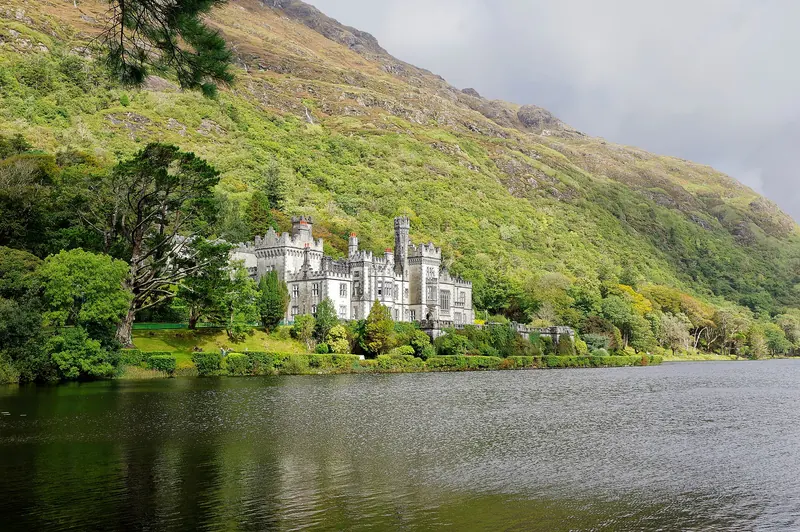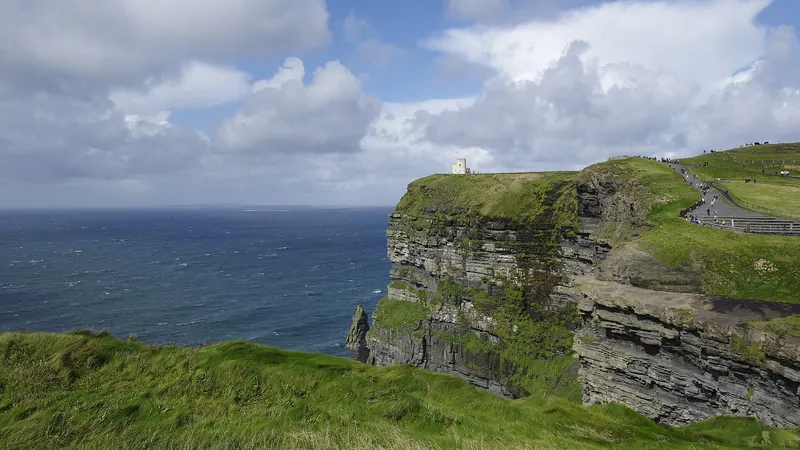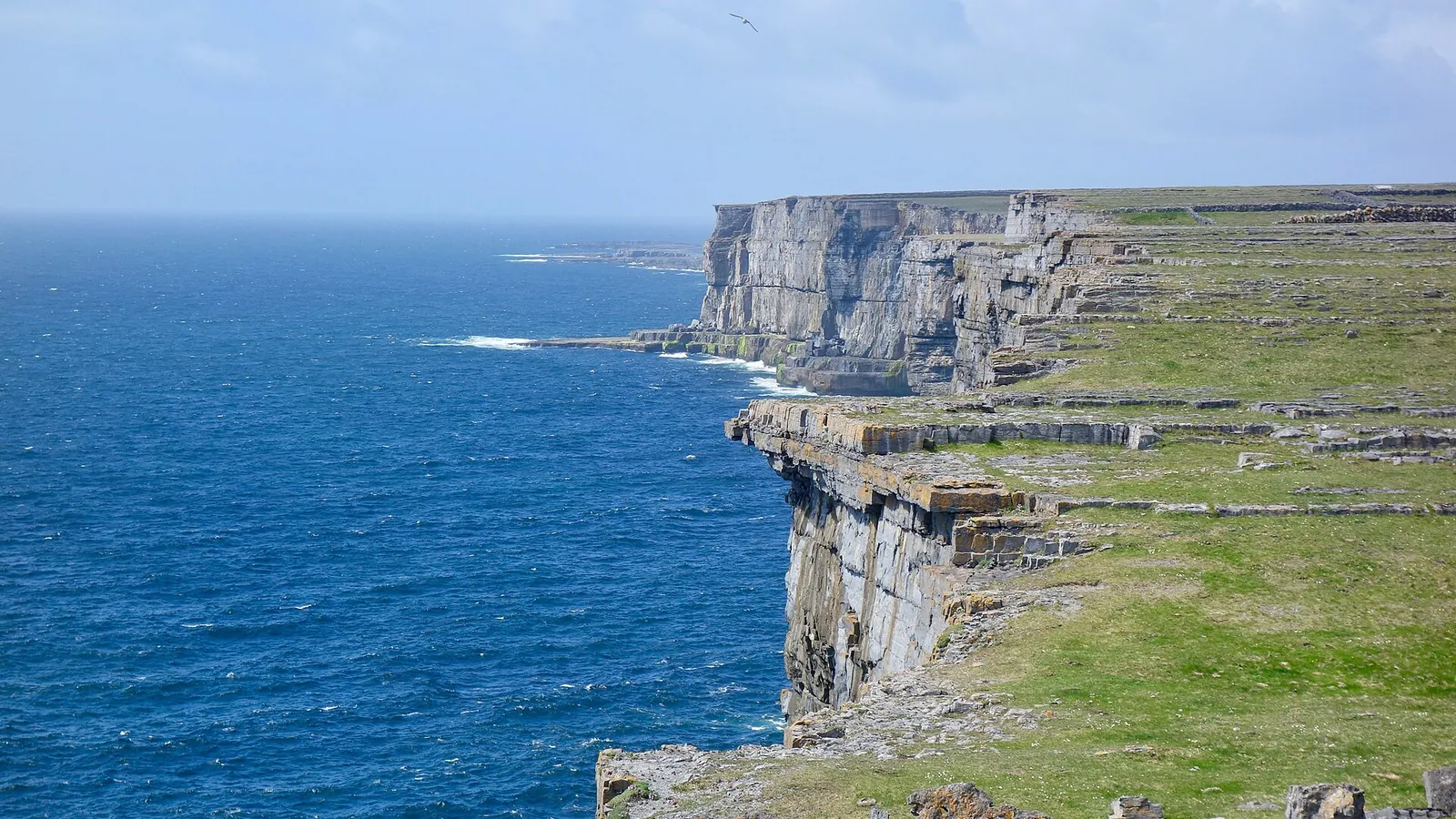
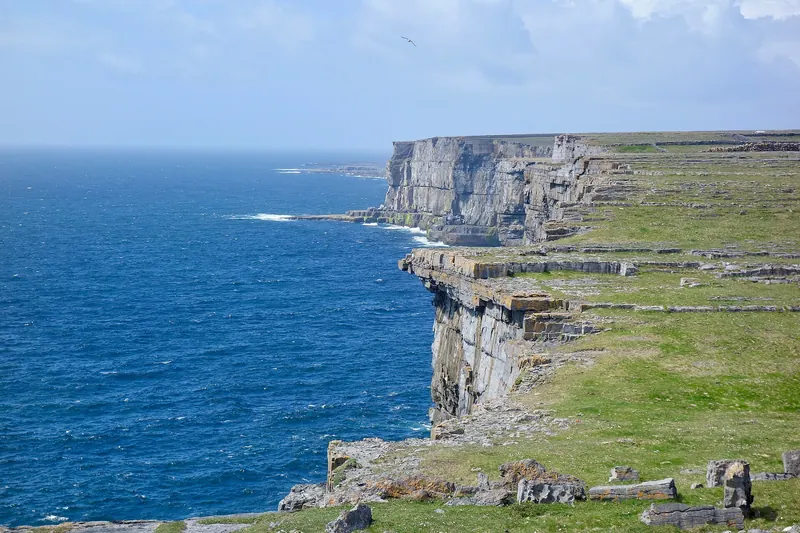
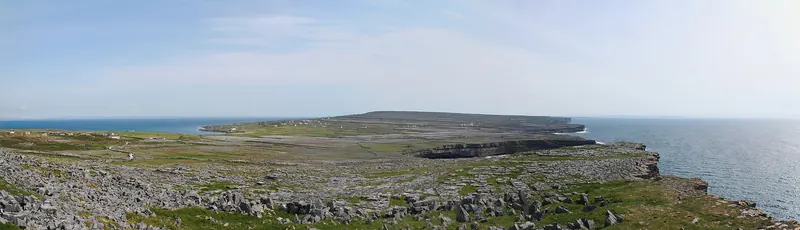
The cliffs at Dún Aengus, an Iron Age fort on Inis Mór

County Galway · Ireland

The Aran Islands

Three small, wind-scoured islands off Galway Bay, still Irish-speaking, still walled in stone, and still a step back in time.

  • Best time May, June and September for good weather and thinner crowds
  • Stay 1-2 days
  • Good for Cycling, ancient sites, real remoteness

Photo: Sonse · CC BY 2.0

Welcome to the Aran Islands

The Aran Islands are a step back in time, three small islands off Galway Bay where Irish remains the everyday language and a dense network of stone walls still divides the fields, built by hand over centuries from cleared limestone.

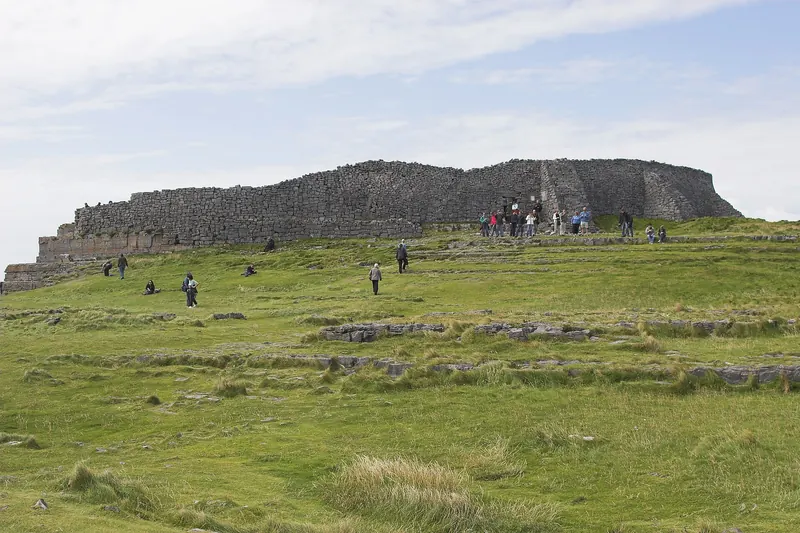
Inis Mór, the largest, is home to Dún Aengus, a dramatic Iron Age stone fort perched right on the edge of a sheer 100-metre cliff, with no barrier between visitors and the drop.

Most visitors take the ferry from Galway or Doolin as a day trip, though staying overnight allows real time to cycle the island's quiet lanes at an unhurried pace, well after the day-trippers have left.

  • Islands
  • Culture
  • Nature & Wildlife
  • Remote

Why visit

Why visit the Aran Islands?

The Aran Islands' case rests on real remoteness and a living connection to old Irish culture found nowhere else.

  • Dún Aengus is one of Ireland's most dramatic ancient sites

    A 2,000-year-old fort on a sheer cliff edge, with no barrier between visitors and the Atlantic below.

  • Irish is still the everyday language here

    One of Ireland's strongest Gaeltacht regions, not a tourist performance of the language.

  • The stone walls are a landscape in themselves

    Thousands of kilometres of hand-built walls dividing tiny fields cleared from bare limestone.

  • It's quiet once the day-trip ferries leave

    An overnight stay reveals a much slower, quieter island than the daytime crowds suggest.

  • The traditional Aran sweater originates here

    A distinctive hand-knit style with patterns once said to identify individual island families.

Main attractions

Top things to see in the Aran Islands

Inis Mór's essential sights combine ancient forts with a still-living traditional culture.

  1. Dún Aengus, an Iron Age stone fort on Inis Mór

    Dún Aengus

    One of Ireland's most dramatic ancient sites, a 2,000-year-old fort on the edge of a sheer 100-metre cliff, with the semicircular walls open to the drop.

    Tip Stay well back from the unguarded cliff edge — there is no barrier at all.

  2. The sheer cliffs below Dún Aengus on Inis Mór

    The cliffs at Dún Aonghasa

    A vertigo-inducing view straight down the cliff face from the fort's edge, among Ireland's most striking natural drops.

    Tip Lie flat and crawl to the very edge if you want the full drop in view — many visitors do.

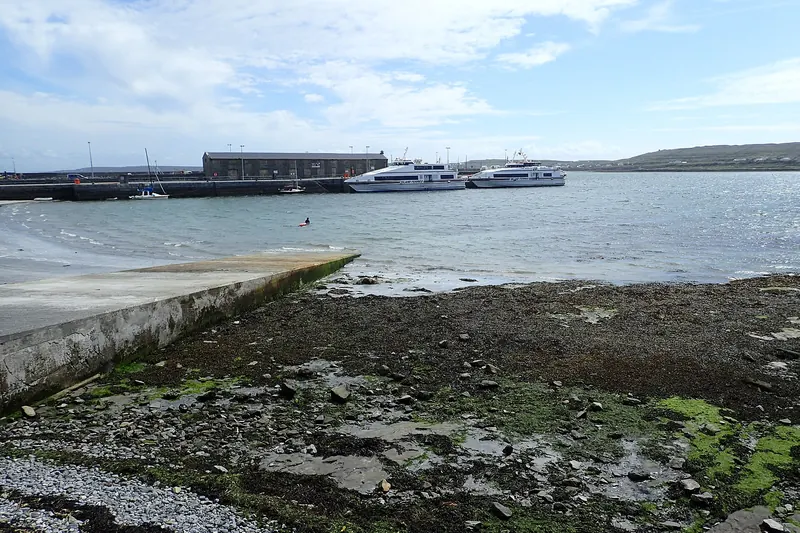
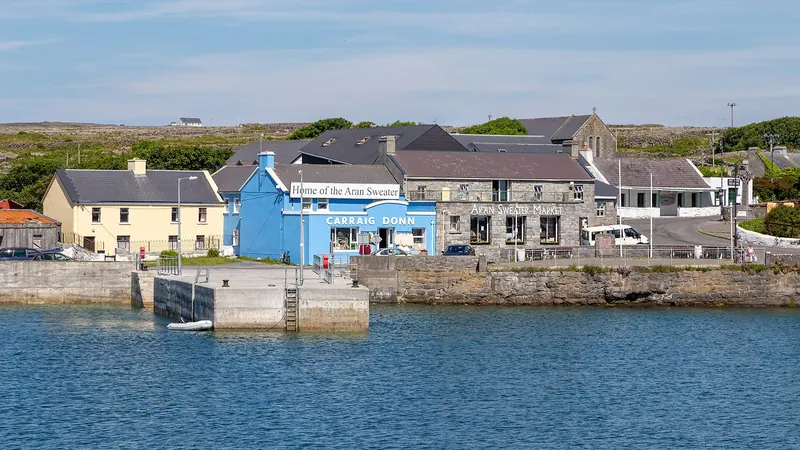
  3. Kilronan harbour, the main village on Inis Mór

    Kilronan village

    The islands' main village and ferry port, a small, easy base with shops, pubs and bike rental right at the harbour.

    Tip Rent a bike here on arrival — it's the best way to see the rest of the island.

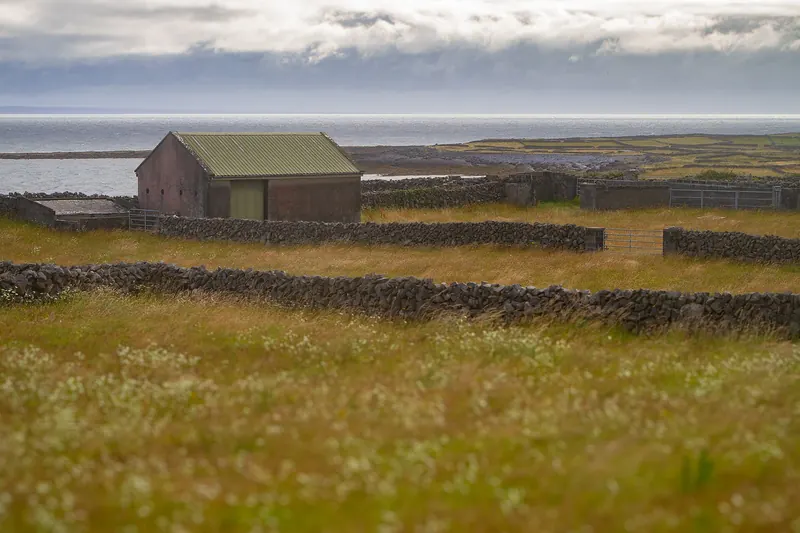
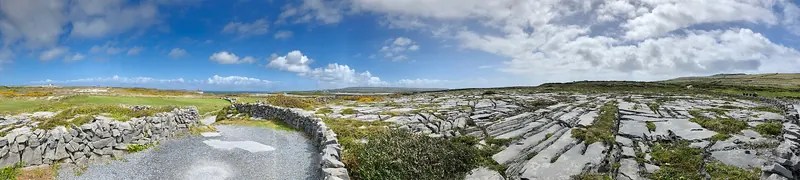
  4. The dense network of stone walls covering Inis Mór

    Inis Mór's stone walls

    A landscape in themselves, thousands of kilometres of hand-built dry-stone walls dividing tiny fields cleared from bare limestone.

    Tip Look closely at the wall construction — many are loosely stacked on purpose, to let storm winds pass through.

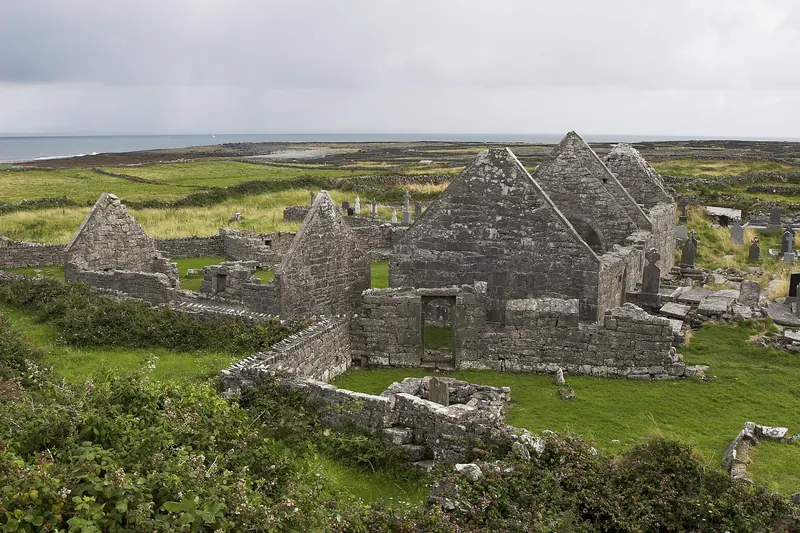
  5. The ruins of the Seven Churches on Inis Mór

    The Seven Churches

    An atmospheric early Christian monastic site, despite the name actually comprising two churches and several other ruined structures.

    Tip Quieter than Dún Aengus — a peaceful stop away from the main crowds.

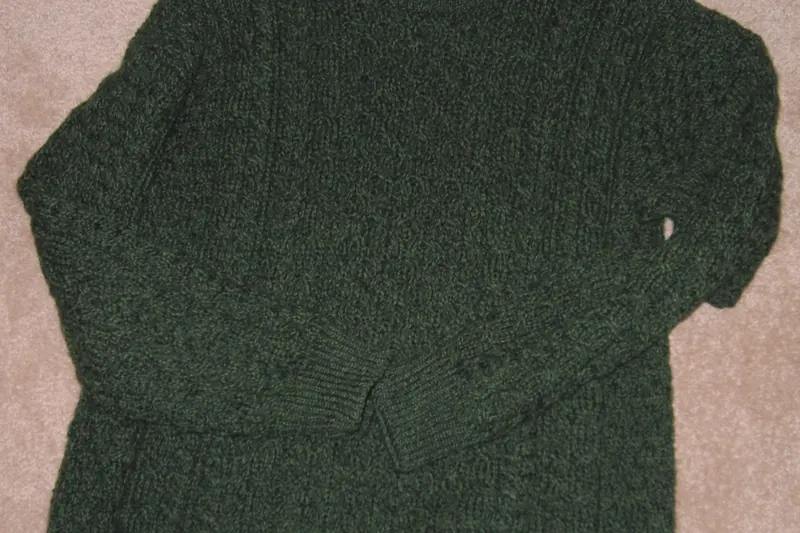
  6. A shop selling traditional Aran sweaters in Kilronan

    Aran sweater shops

    The origin of the famous hand-knit style, with distinctive stitch patterns and a history tied closely to the islands.

    Tip Look for a hand-knit label if authenticity matters to you — many cheaper versions are machine-made elsewhere.

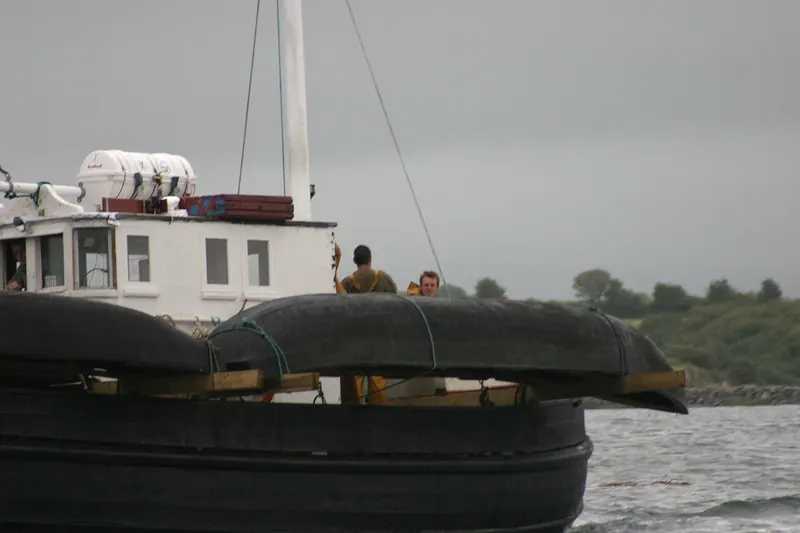
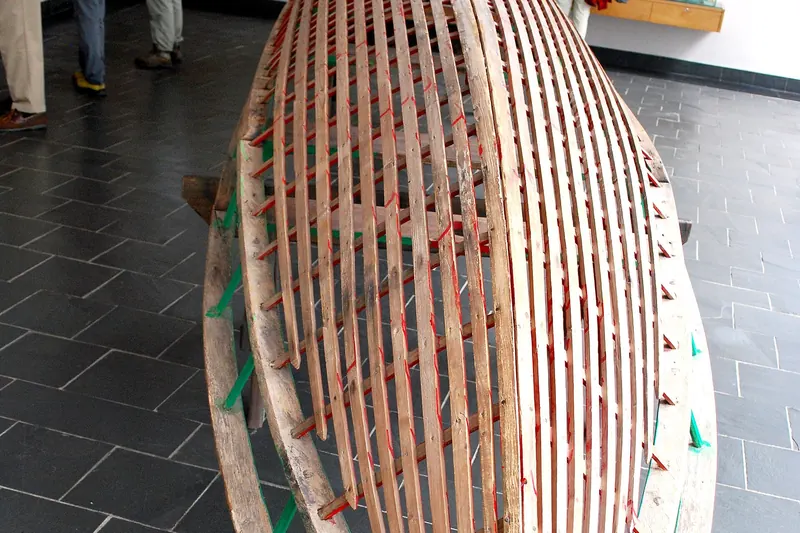
  7. A traditional currach boat on the Aran Islands

    Traditional currach boats

    Still used by some island fishermen, lightweight canvas-and-tar boats built to a design centuries old.

    Tip Look for currachs drawn up near Kilronan harbour or smaller landing spots around the island.

Things to do

Best things to do in the Aran Islands

Inis Mór rewards a full day on a bike, covering the island at an unhurried, human pace.

  1. A quiet road crossing the centre of Inis Mór

    Cycle Inis Mór's quiet lanes

    The best way to see the island, pedalling between stone-walled fields with barely any traffic to worry about.

    Tip Rent a bike at Kilronan harbour on arrival — no booking needed outside peak summer.

  2. The path leading up to Dún Aengus fort

    Walk up to Dún Aengus

    A moderate uphill walk from the visitor centre, rewarded by one of Ireland's most dramatic ancient sites.

    Tip Wear sturdy shoes — the final stretch crosses uneven limestone.

  3. The ruined Seven Churches monastic site on Inis Mór

    Explore the Seven Churches

    A quieter, atmospheric stop away from the main Dún Aengus crowds, easily reached by bike.

    Tip Combine with a stop at the nearby beach for a full, relaxed afternoon.

  4. A traditional hand-knit Aran sweater

    Shop for a genuine Aran sweater

    A worthwhile souvenir with real history, distinctive stitch patterns once said to identify individual families.

    Tip Ask about hand-knit versus machine-made if authenticity and craft matter to your purchase.

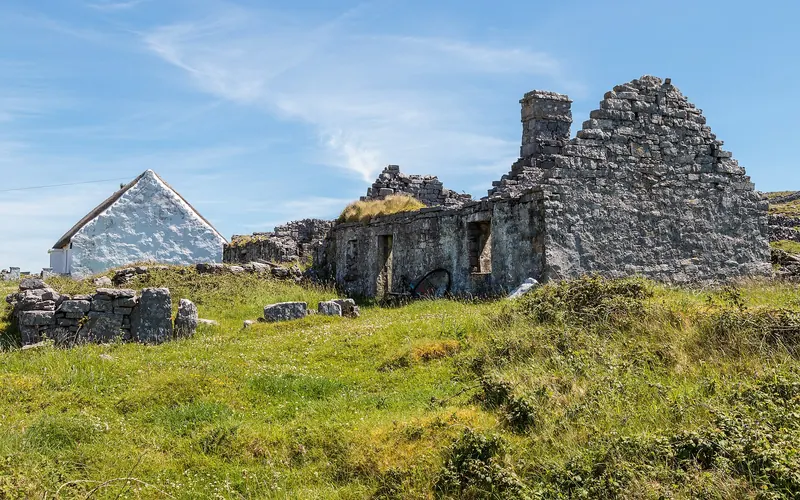
  5. An abandoned stone cottage on Inis Mór

    Photograph the island's abandoned cottages

    An evocative, if slightly melancholy, part of cycling the island, passing stone cottages left empty by past emigration.

    Tip Respect that these are on private land — photograph from the road rather than entering.

  6. A traditional Irish currach boat on the water

    Watch a traditional currach on the water

    A rare, living link to the islands' fishing heritage, still occasionally seen worked by local rowers.

    Tip Ask locally about any currach races timed around your visit, held some summer weekends.

Local food

What to eat in the Aran Islands

Food on the islands leans on fresh Galway Bay seafood, served simply in Kilronan's small harbourside spots.

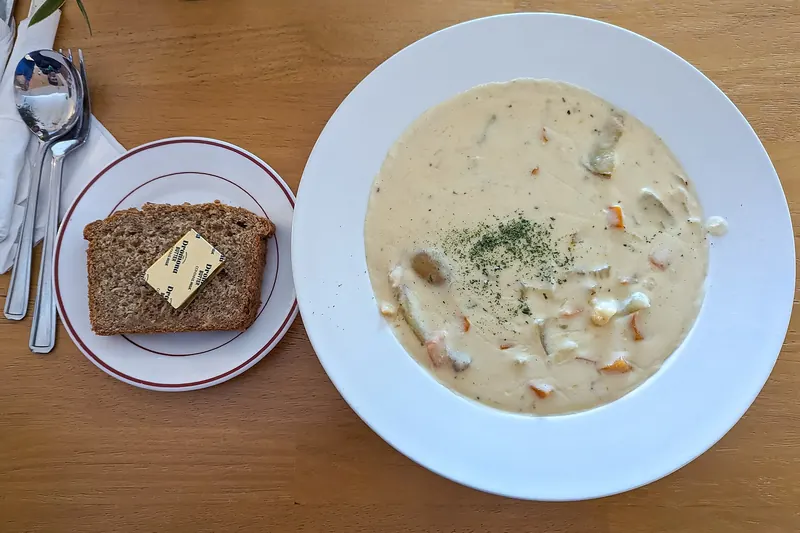
  • A bowl of creamy Irish seafood chowder

    Seafood chowder

    An essential warming stop after a day cycling the island, made with the day's local catch.

    Where to try it Pubs and cafés around Kilronan harbour.

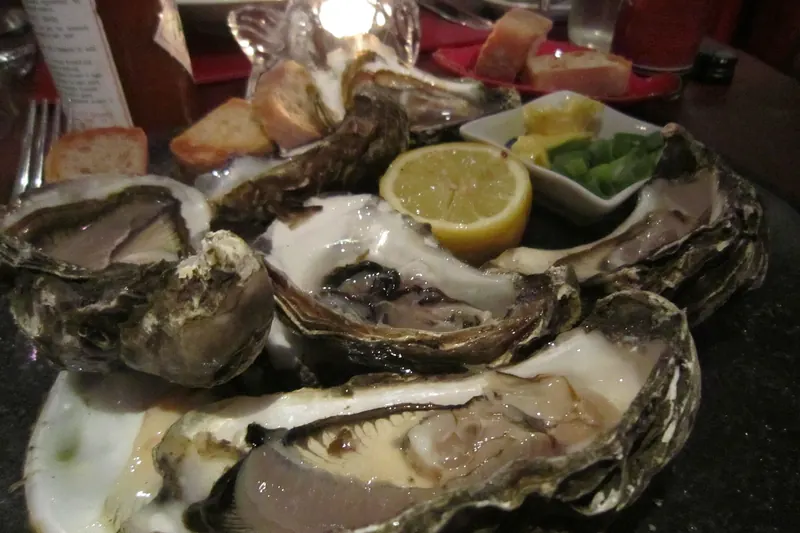
  • Fresh oysters from Galway Bay

    Fresh oysters

    Excellent given the islands' position right in Galway Bay's oyster-growing waters.

    Where to try it Seafood restaurants and pubs in Kilronan.

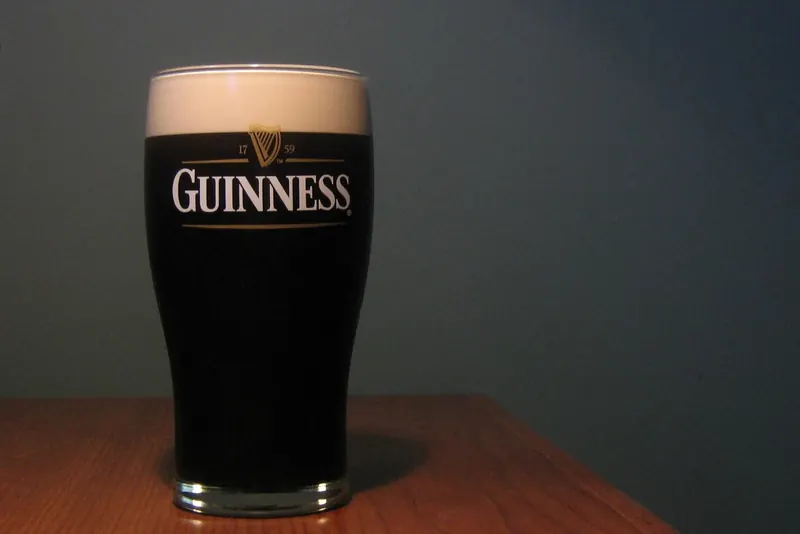
  • A freshly poured pint of Guinness stout

    A pint of Guinness

    Well earned after a day cycling the island's stone-walled lanes.

    Where to try it Traditional pubs in Kilronan.

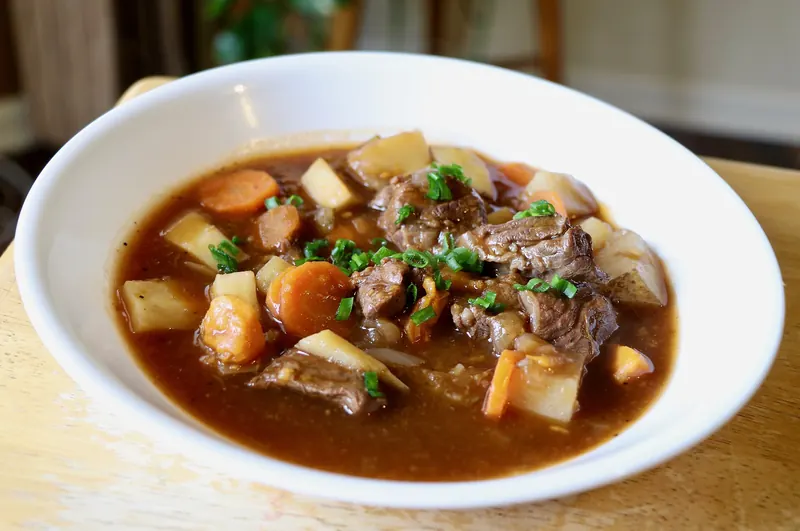
  • A bowl of hearty Irish stew

    Irish stew

    A warming classic, welcome after a windy day exploring Dún Aengus or the Seven Churches.

    Where to try it Pubs and restaurants throughout Kilronan.

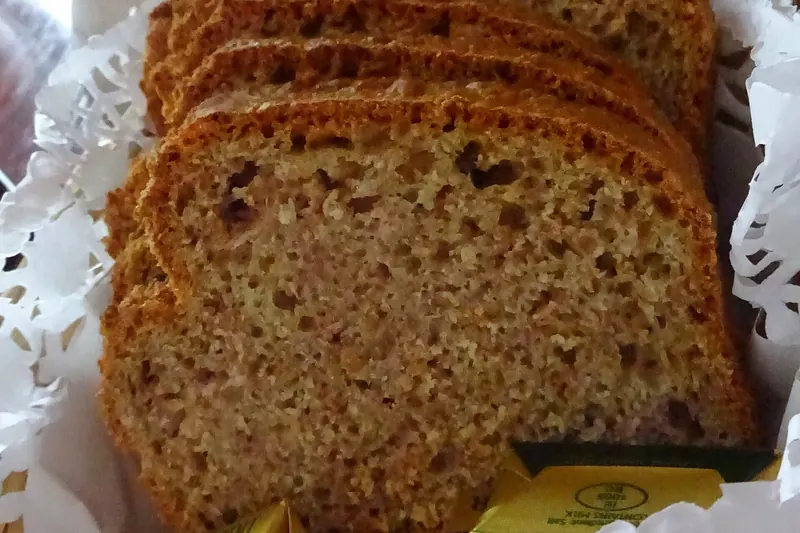
  • Traditional Irish brown bread with butter

    Brown bread and butter

    A simple staple, especially good alongside chowder or fresh oysters.

    Where to try it Cafés and restaurants around Kilronan.

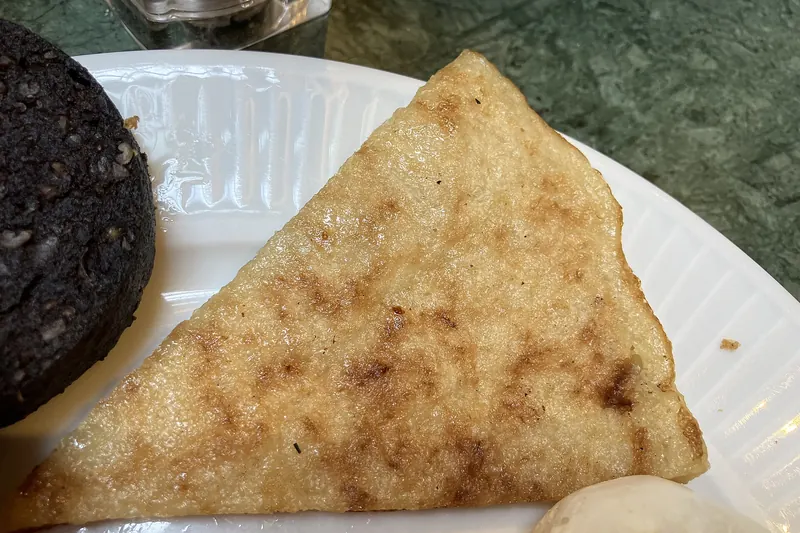
  • Boxty, a traditional Irish potato pancake

    Boxty

    A hearty, traditional option, good fuel for a day of cycling the island.

    Where to try it Traditional restaurants in Kilronan.

Accommodation

Where to stay in the Aran Islands

Kilronan serves as the islands' main base, small but sufficient for an overnight stay.

  • Kilronan

    The most practical base, with the islands' main concentration of guesthouses and restaurants.

    Best for: Being close to the ferry and bike rental

  • Elsewhere on Inis Mór

    A handful of guesthouses further from Kilronan offer real solitude, reachable by bike or the island's minibus.

    Best for: A quieter, more remote stay

What a night costs

Hostel or guesthouse
€30–60 per night
Mid-range guesthouse
€80–140 per night
Ferry round trip
About €30–40
Dinner at a mid-range restaurant
About €20–35 per person

Transport

Getting to and around the Aran Islands

The Aran Islands are reachable only by ferry or small plane, never by road.

Getting there

  • Ferry from Galway or Rossaveal

    The most common route, with regular sailings, especially in summer.

    Crossing takes around 40 minutes to an hour and a half depending on departure point.

  • Ferry from Doolin

    A popular option for visitors coming from the Cliffs of Moher direction.

    A seasonal route, weather-dependent like all island sailings.

  • Small plane from Connemara Airport

    A fast, scenic alternative, taking only a few minutes in the air.

    A memorable, if pricier, way to reach the islands.

Getting around

Inis Mór is best explored by bike, with a few alternatives for those who prefer not to cycle.

  • Bike rental

    The most popular and rewarding way to see the island, available right at Kilronan harbour.

    Covers Dún Aengus, the Seven Churches and the island's main sights comfortably in a day.

  • Minibus tours

    A practical option for those unable or unwilling to cycle.

    Widely available at the harbour, covering the main sights with a local driver-guide.

  • On foot

    Fine for exploring Kilronan itself.

    The island's spread-out sights are better covered by bike or minibus beyond the village.

When to go

Best time to visit the Aran Islands

The islands are visitable through the warmer months, with far fewer sailings and services outside the main season.

  • Late spring (May–June)

    Best time

    Mild weather with noticeably thinner crowds than midsummer.

  • Summer (July–August)

    Good

    The busiest season, with the widest choice of ferry sailings and the most day-trippers.

  • Early autumn (September)

    Good

    A quiet, often mild window with fewer visitors than summer.

  • Winter (November–February)

    Good

    Limited ferry services and a real chance of sailings being cancelled for weather.

Worth planning around: Booking a winter day trip without a flexible schedule — check ferry status closely, since sailings are weather-dependent.

Itinerary

Two days on Inis Mór

Built around Dún Aengus and Kilronan on day one, the island's quieter corners on day two.

  1. Day1

    Dún Aengus and Kilronan

    The ferry over, Dún Aengus and the harbour village.

    • Morning Ferry to Kilronan and rent a bike.
    • Afternoon Cycle to Dún Aengus and walk up to the fort.
    • Evening Dinner in Kilronan.
  2. Day2

    The island's quieter corners

    The Seven Churches and stone-walled lanes.

    • Morning Cycle out to the Seven Churches.
    • Afternoon Explore the island's quiet lanes and stone walls at an easy pace.
    • Evening Ferry back to the mainland.

Travel tips

The Aran Islands travel tips

Practical notes that make an Aran Islands visit noticeably smoother.

  • Book ferry tickets ahead in summer, and check the weather — sailings depend on conditions.
  • Rent a bike right at Kilronan harbour on arrival, no advance booking usually needed.
  • Stay well back from Dún Aengus's unguarded cliff edge.
  • Consider an overnight stay to see the island once the day-trip crowds leave.
  • Pack a proper windproof layer regardless of season — the islands are exposed.
  • Bring some cash — card acceptance is less consistent than on the mainland.

FAQ

The Aran Islands: frequently asked questions

How many days do you need on the Aran Islands?

A single day covers Kilronan and Dún Aengus, though an overnight allows for a much quieter, more relaxed visit.

Can you visit the Aran Islands as a day trip?

Yes — it's a popular day trip from Galway or Doolin, with regular ferries in season.

Is Dún Aengus safe to visit?

Yes, with sensible caution — the cliff edge itself is unguarded, so visitors need to stay well back and supervise children closely.

Do people still speak Irish on the Aran Islands?

Yes — the islands are one of Ireland's strongest Gaeltacht, or Irish-speaking, regions, with the language used in daily life.

What is the best way to get around Inis Mór?

By bike, rented right at Kilronan harbour — it covers the island's main sights comfortably in a day.

Where does the Aran sweater come from?

From these islands — the distinctive hand-knit style originates here, with stitch patterns historically tied to individual island families.

Read next

Related travel articles

Where to go

Beyond the Big Names: Places Worth the Detour

The most visited place in a country is rarely its best, and it is almost never its best value. This is a method for finding the destinations that do not make the postcards — and a set of examples from five of the 50 countries on this site.

Heritage

UNESCO Sites Worth Planning a Trip Around

A UNESCO listing tells you a place matters; it does not tell you whether it is worth two days and a detour. This is how to read the list usefully — and which sites reward building a trip around them.

Advertisement