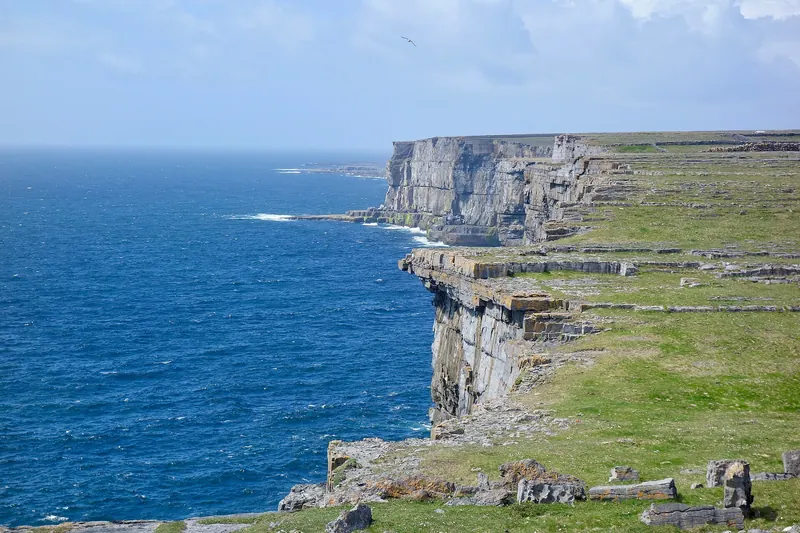
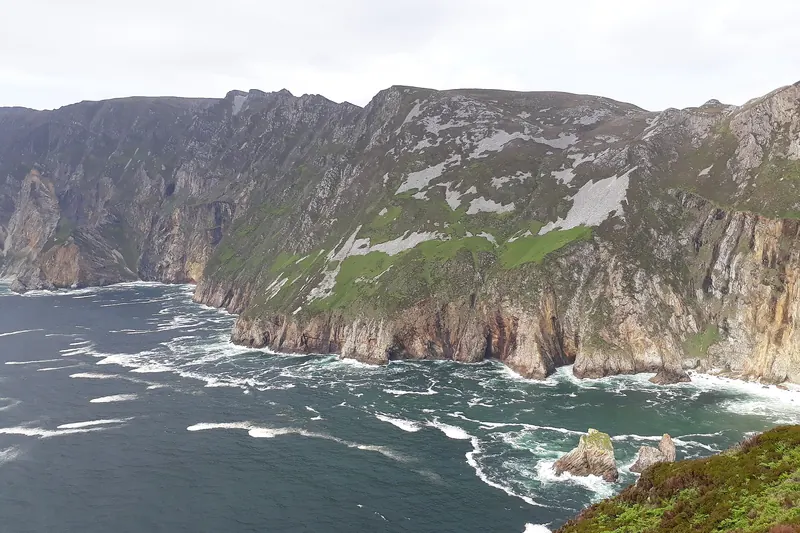
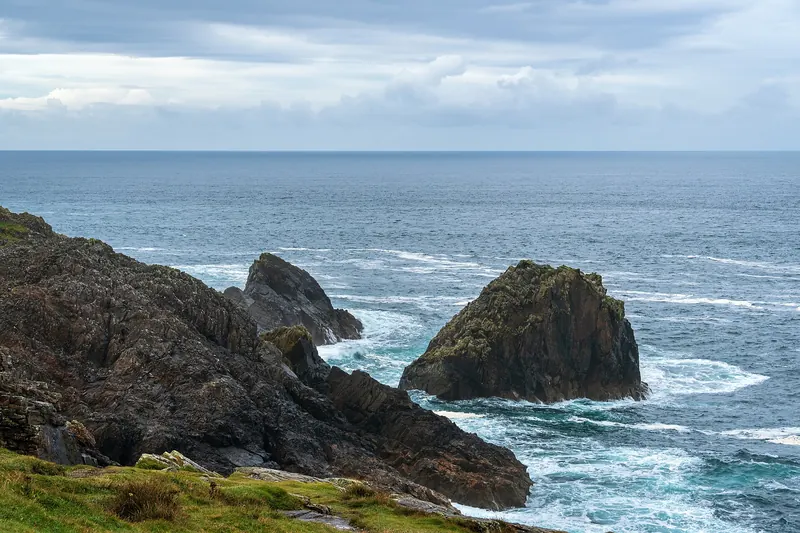
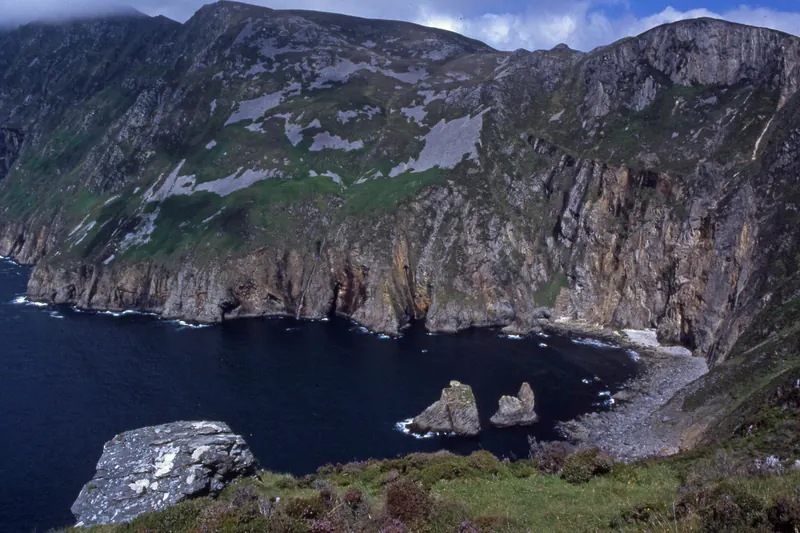
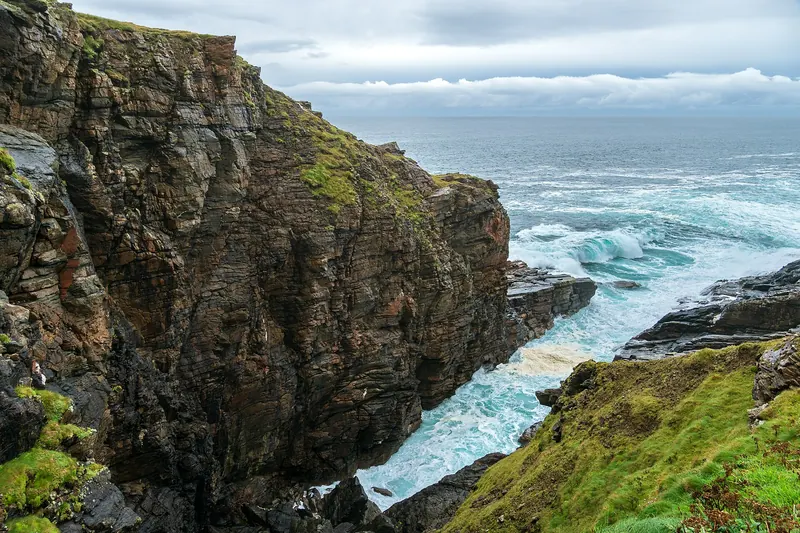


The sea cliffs of Slieve League in County Donegal

County Donegal · Ireland

Donegal

Ireland's wild, sparsely visited far northwest, home to Europe's highest sea cliffs and some of the country's emptiest coastline.

  • Best time May, June and September for the clearest views and mildest weather
  • Stay 2 days
  • Good for Remote hiking, dramatic coastline, real solitude

Photo: Thomas Fuhrmann · CC BY-SA 4.0

Welcome to Donegal

Donegal is Ireland's wild northwestern edge, a county of sea cliffs, empty beaches and mountains that sees a fraction of the visitors drawn to the southwest's Ring of Kerry or Dingle.

Its centrepiece is Slieve League, among the highest sea cliffs in Europe at nearly 600 metres, reached by a road and trail with barely a fraction of the Cliffs of Moher's crowds.

Most visitors combine a couple of days here with Glenveagh National Park's mountains and lakes further north, rewarding those willing to travel further off Ireland's classic first-timer route.

  • Nature & Wildlife
  • Coast & Beaches
  • Hiking
  • Remote

Why visit

Why visit Donegal?

Donegal's case rests on dramatic natural scenery with a fraction of the visitors seen elsewhere in Ireland.

  • Slieve League is taller than the Cliffs of Moher

    Among the highest sea cliffs in Europe, at nearly three times the height, with far fewer visitors.

  • Glenveagh National Park is one of Ireland's wildest

    A remote valley of lakes and mountains, home to a genuine reintroduced golden eagle population.

  • Malin Head is Ireland's most northerly point

    A dramatic, windswept headland with real end-of-the-world character.

  • The coastline here is emptier than the southwest

    Long stretches of beach and cliff with real solitude, even in peak summer.

  • It rewards visitors willing to travel further

    A real sense of discovery for those who make the trip north.

Main attractions

Top things to see in Donegal

Donegal's essential sights are spread across a large, sparsely populated county best explored by car.

  1. The towering sea cliffs of Slieve League in County Donegal

    Slieve League Cliffs

    Among the highest sea cliffs in Europe, rising nearly 600 metres straight from the Atlantic, with a fraction of the Cliffs of Moher's crowds.

    Tip Park at Bunglass viewpoint for the best views without a long hike.

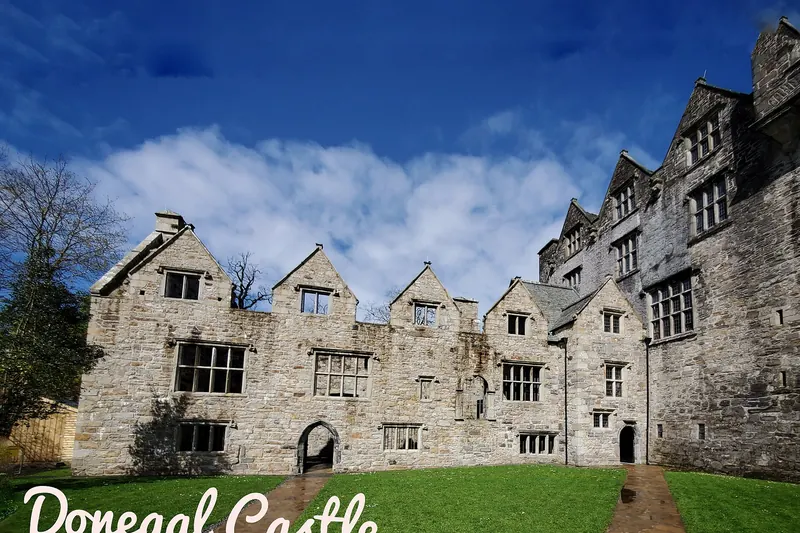
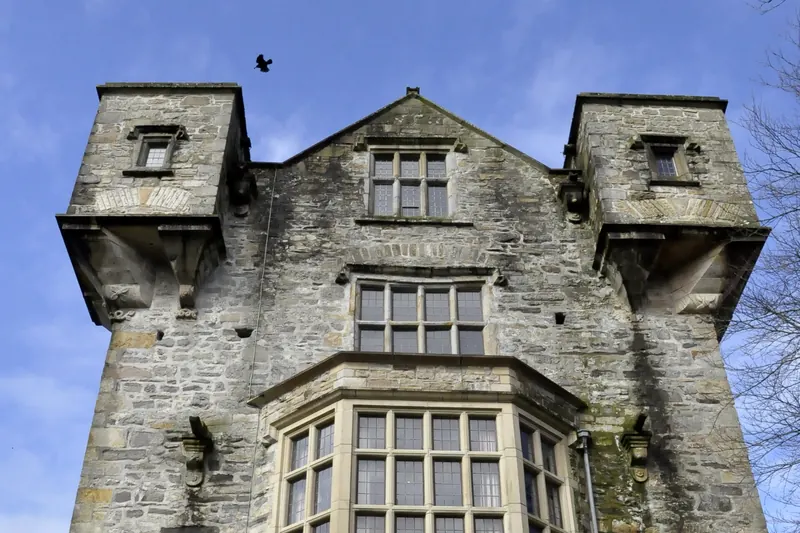
  2. Donegal Castle in Donegal town

    Donegal Castle

    A well-restored 15th-century Gaelic chieftain's castle right in Donegal town, combining Irish and later Jacobean architecture.

    Tip The guided tour is worth the extra time for the castle's layered history.

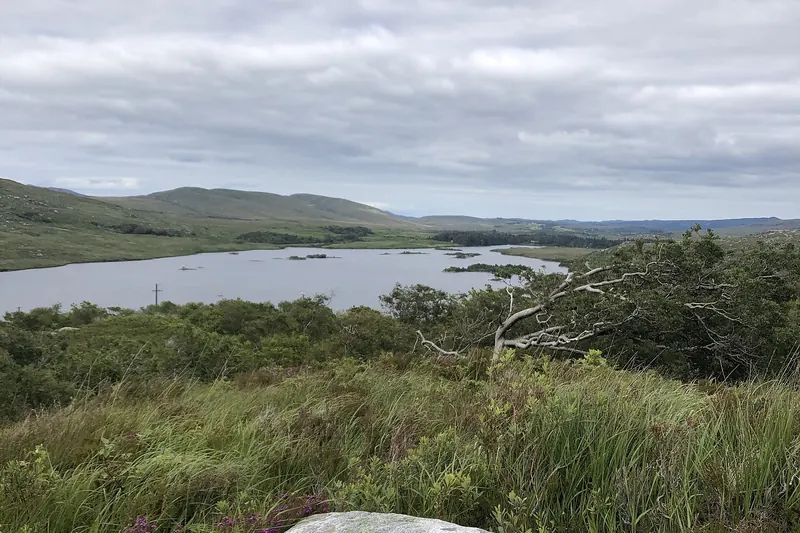
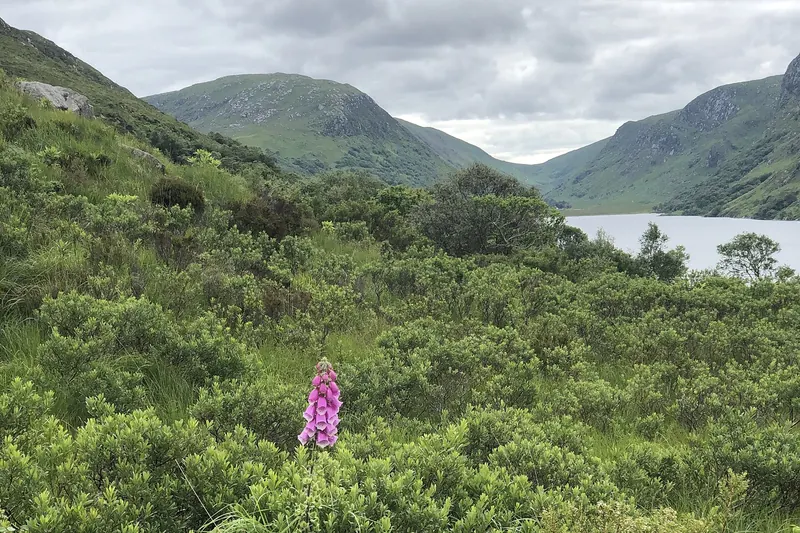
  3. Lough Beagh in Glenveagh National Park, County Donegal

    Glenveagh National Park

    A remote, wild valley of lakes and mountains, one of Ireland's largest national parks and home to a reintroduced golden eagle population.

    Tip The shuttle bus from the visitor centre to the castle saves a long walk in.

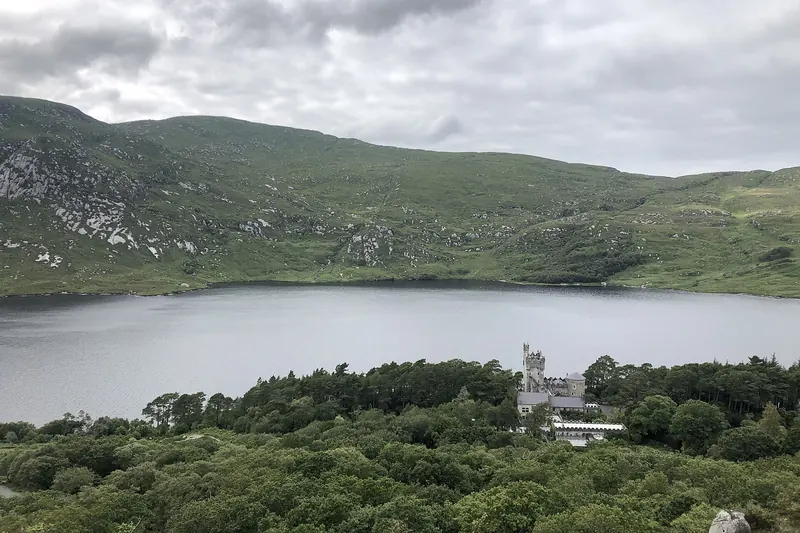
  4. Glenveagh Castle beside Lough Beagh in County Donegal

    Glenveagh Castle

    A romantic 19th-century castle on the shore of Lough Beagh, with elaborate gardens sheltered within the wild valley.

    Tip The walled garden is a surprising, sheltered contrast to the open mountains around it.

  5. Malin Head, the most northerly point in Ireland

    Malin Head

    Ireland's most northerly point, a dramatic, windswept headland with real end-of-the-world character.

    Tip Look for Banba's Crown, the old signal tower at the headland's tip.

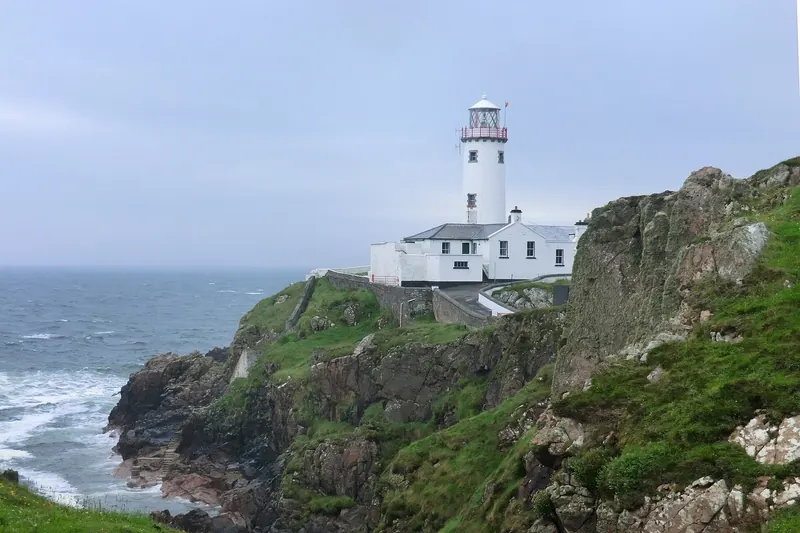
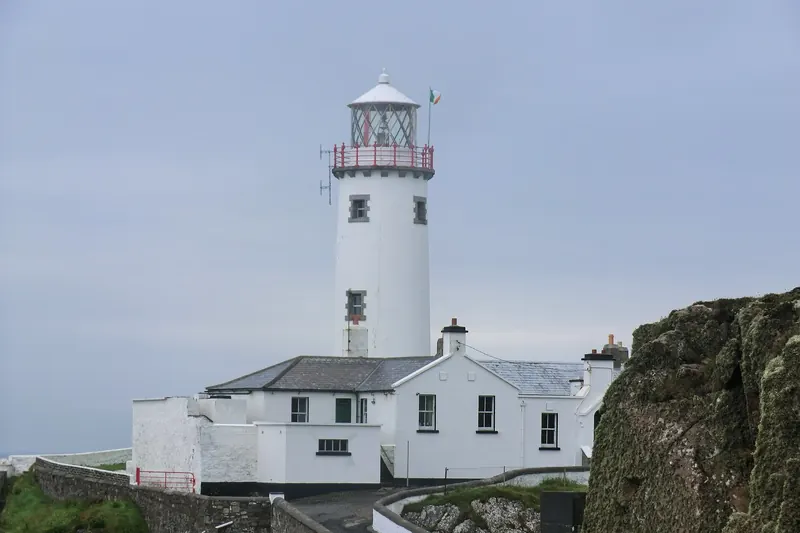
  6. Fanad Head Lighthouse on the Donegal coast

    Fanad Head Lighthouse

    Regarded as one of the world's most beautiful lighthouses, perched dramatically above Lough Swilly's entrance.

    Tip Book ahead to stay overnight in the lighthouse keeper's cottages for a truly remote experience.

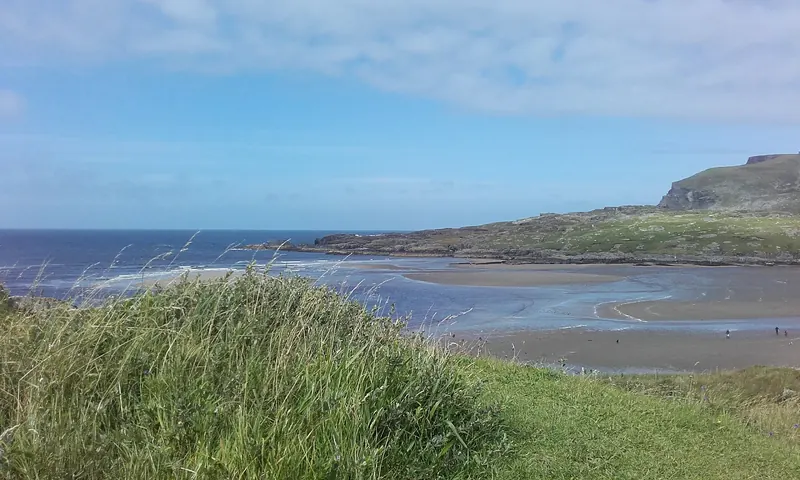
  7. The remote valley of Glencolmcille in County Donegal

    Glencolmcille

    A remote Irish-speaking valley, home to a folk village museum recreating centuries of rural Donegal life.

    Tip One of the further-flung stops in the county, rewarding those who make the drive out.

Things to do

Best things to do in Donegal

Donegal rewards slower, more independent travel than the busier southwest.

  1. The cliff-edge hiking path at Slieve League

    Hike Slieve League's cliff path

    A rewarding, if exposed, trail beyond the Bunglass car park toward the cliffs' higher sections.

    Tip Stay well back from the edge — the path narrows considerably beyond the main viewpoint.

  2. The interior of Donegal Castle

    Explore Donegal Castle

    A worthwhile hour in Donegal town, exploring the restored castle's Gaelic and Jacobean history.

    Tip Combine with a wander around Donegal town's compact centre and Diamond square.

  3. The gardens at Glenveagh Castle in County Donegal

    Walk Glenveagh's castle gardens

    A sheltered, cultivated contrast to the wild valley around it, walled gardens set against open mountains.

    Tip Combine with a longer lakeside walk if time allows.

  4. The dramatic headland at Malin Head, Ireland's most northerly point

    Stand at Ireland's most northerly point

    A bucket-list stop for many Irish road-trippers, standing at the true northern tip of the island.

    Tip Bring a proper windproof layer — Malin Head lives up to its exposed reputation.

  5. Fanad Head Lighthouse overlooking Lough Swilly

    Visit Fanad Head Lighthouse

    A dramatic, photogenic stop, with guided tours of the lighthouse itself available in season.

    Tip The surrounding coast road offers some of Donegal's best, least-visited coastal views.

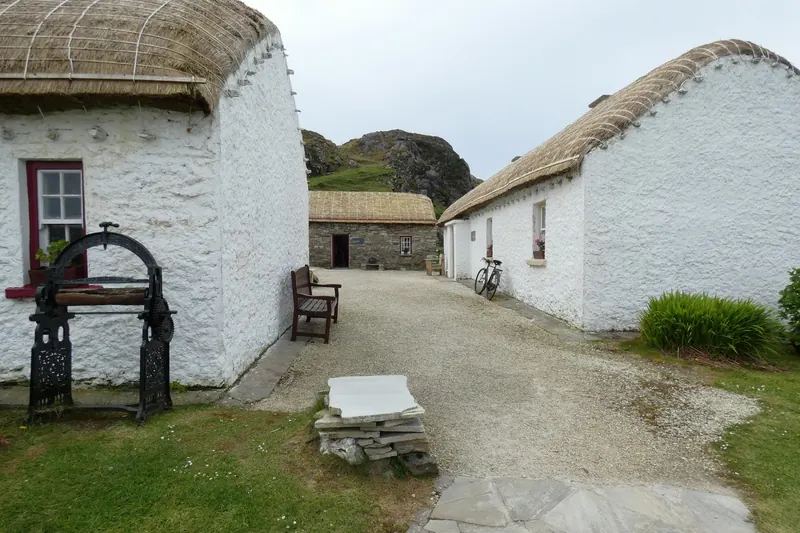
  6. Traditional thatched cottages at Glencolmcille Folk Village Museum

    Learn traditional life at Glencolmcille Folk Village

    An engaging open-air museum of recreated cottages, tracing rural Donegal life across three centuries.

    Tip Combine with the valley's own craft shops, including a working weaver's cottage.

Local food

What to eat in Donegal

Donegal's food leans on the county's own seafood and dairy, served in a quieter, less touristy setting than the southwest.

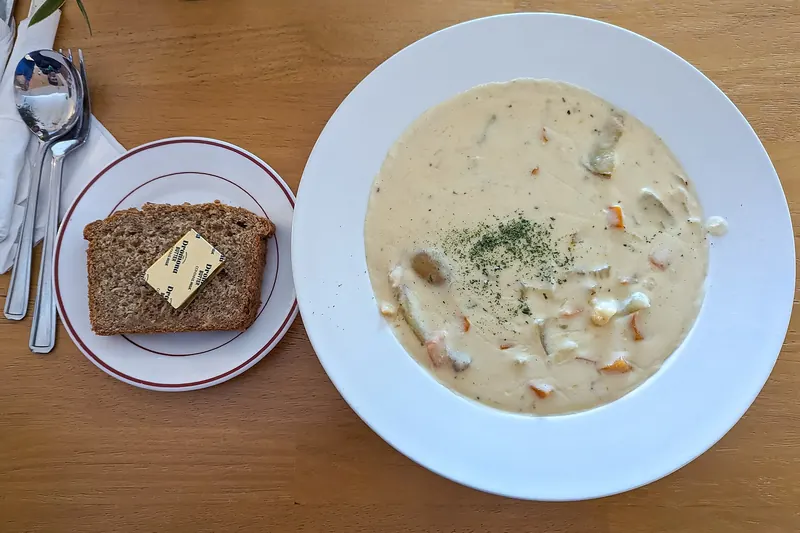
  • A bowl of creamy Irish seafood chowder

    Seafood chowder

    An essential warming stop after a windy day at Slieve League or Malin Head.

    Where to try it Pubs and cafés throughout Donegal town and the coast.

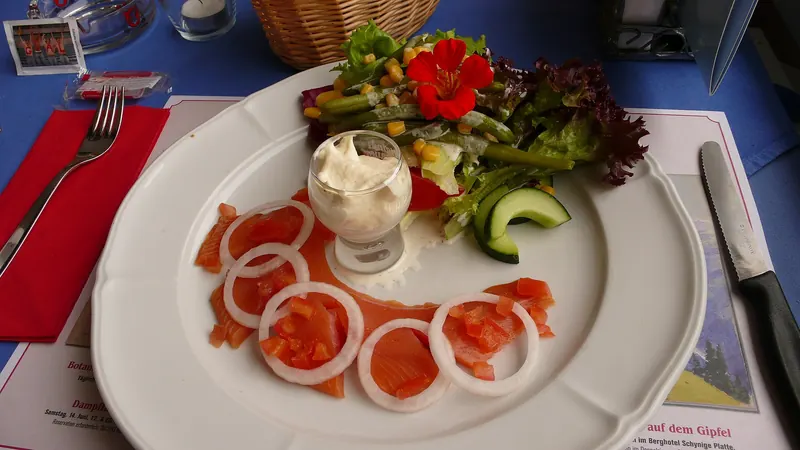
  • Traditionally smoked salmon from Donegal Bay

    Donegal Bay smoked salmon

    Well regarded nationally, traditionally smoked along the bay and served simply with brown bread.

    Where to try it Restaurants and delis throughout Donegal town.

  • A freshly poured pint of Guinness stout

    A pint of Guinness

    Well earned after a day exploring Slieve League or Glenveagh's trails.

    Where to try it Traditional pubs throughout Donegal town.

  • A bowl of hearty Irish stew

    Irish stew

    A warming classic after a day outdoors in Donegal's exposed, changeable weather.

    Where to try it Traditional pubs and restaurants throughout the county.

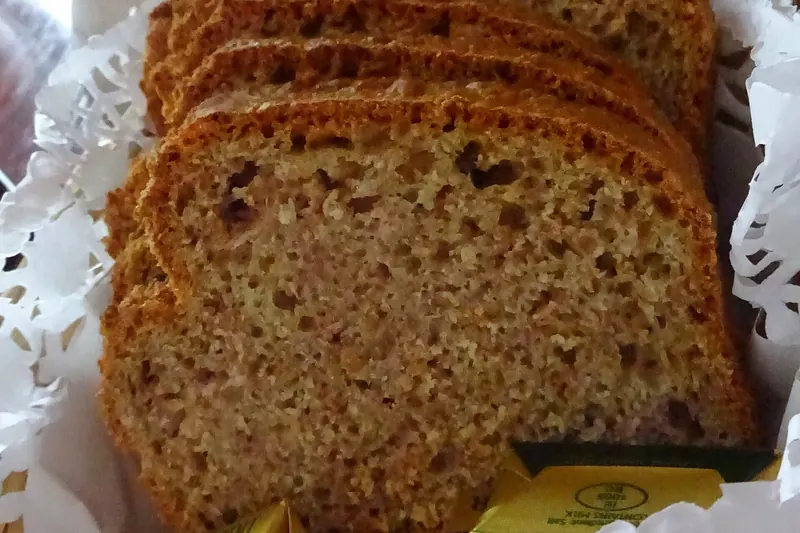
  • Traditional Irish brown bread with butter

    Brown bread and butter

    A simple staple, especially good alongside chowder or smoked salmon.

    Where to try it Cafés and restaurants throughout Donegal town.

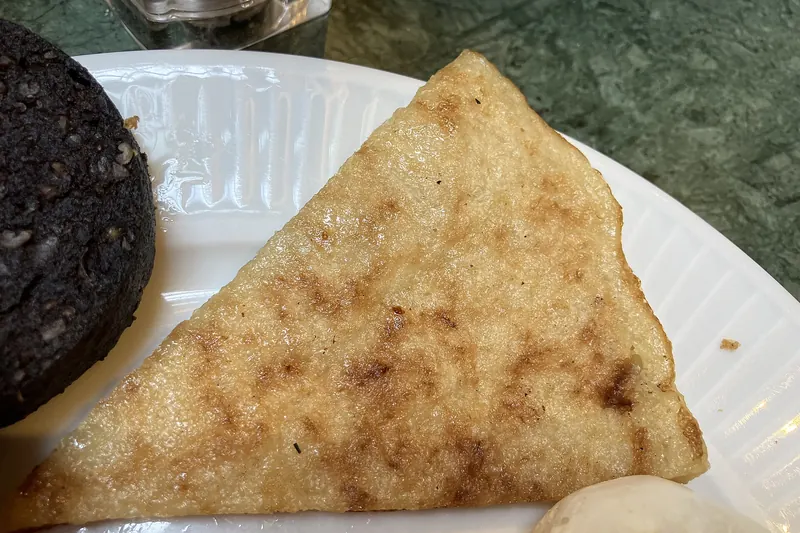
  • Boxty, a traditional Irish potato pancake

    Boxty

    A traditional dish across the northwest, a hearty potato pancake good after a day outdoors.

    Where to try it Traditional restaurants throughout the county.

Accommodation

Where to stay in Donegal

Donegal town serves as the county's main base, with smaller guesthouses scattered across the wider region.

  • Donegal town

    The most practical base, with the widest choice of guesthouses and restaurants.

    Best for: Being central and well-equipped for a first stop

  • Near Glencolmcille or Slieve League

    Small guesthouses closer to the cliffs and the far southwestern coast, for a slower pace.

    Best for: A remote, scenic overnight

What a night costs

Hostel or guesthouse
€30–55 per night
Mid-range hotel
€85–150 per night
Donegal Castle entry
About €7
Dinner at a mid-range restaurant
About €20–35 per person

Transport

Getting to and around Donegal

Donegal requires more travel time than the southwest, given its remote northwestern position.

Getting there

  • Rental car from Dublin or Galway

    The most practical way in, though a real time commitment given the distance.

    About three and a half hours from Dublin, or two and a half from Galway.

  • Flight to Donegal Airport

    A scenic small regional airport with limited routes, mainly to Dublin.

    Widely considered one of the world's most scenic runways, landing beside the Atlantic.

  • Intercity bus

    A workable, if slow, option from Dublin, Galway and other major towns.

    A practical budget alternative given limited flight and no direct train options.

Getting around

A car is essential for exploring Donegal's spread-out, sparsely populated landscape.

  • Rental car

    Essential for reaching Slieve League, Glenveagh and Malin Head at a flexible pace.

    Distances here are longer than in the more compact southwest.

  • On foot in Donegal town

    Easy — the town itself is small and walkable.

    Wider county sights all require a car or organised tour.

  • Local tours

    Limited compared to the southwest, given lower visitor numbers.

    Worth booking ahead if travelling without your own car.

When to go

Best time to visit Donegal

Donegal is visitable year-round, though its exposed cliffs and headlands are far more pleasant outside winter storms.

  • Late spring (May–June)

    Best time

    Good odds of clear visibility at Slieve League and Malin Head.

  • Summer (July–August)

    Good

    The warmest season, though still far quieter than the southwest's peak crowds.

  • Early autumn (September)

    Good

    A quiet, often mild window with good weather odds.

  • Winter (November–February)

    Good

    Dramatic but often severe, with real risk of exposed cliff paths closing in storms.

Worth planning around: Exposed coastal walks at Slieve League or Malin Head in high wind — a serious hazard on Donegal's most dramatic stretches.

Itinerary

Two days in Donegal

Built around Slieve League and Donegal town on day one, Glenveagh and the far north on day two.

  1. Day1

    Slieve League and Donegal town

    The Slieve League cliffs and Donegal Castle.

    • Morning Drive to Slieve League and walk the Bunglass viewpoint.
    • Afternoon Donegal Castle and the town centre.
    • Evening Dinner in Donegal town.
  2. Day2

    Glenveagh and the far north

    Glenveagh National Park and Malin Head or Fanad Head.

    • Morning Glenveagh National Park and Glenveagh Castle.
    • Afternoon Drive north to Malin Head or Fanad Head Lighthouse.
    • Evening Return to Donegal town or overnight further north.

Travel tips

Donegal travel tips

Practical notes that make a Donegal visit noticeably smoother.

  • Budget more driving time than expected — Donegal's distances are longer than the southwest's.
  • Check wind conditions before any cliff-edge walk at Slieve League or Malin Head.
  • Fill up on fuel before heading into remote parts of the county — stations are sparse.
  • Book Fanad Head Lighthouse tours or overnight stays well ahead.
  • Pack a proper windproof layer regardless of season — Donegal's coast is exposed.
  • Allow extra time versus the map distance — rural roads here are slow, much like elsewhere in Ireland.

FAQ

Donegal: frequently asked questions

How many days do you need in Donegal?

Two days covers Slieve League, Donegal town and Glenveagh National Park comfortably; more time allows a trip to Malin Head or Fanad Head.

Is Slieve League better than the Cliffs of Moher?

Different rather than better — Slieve League is taller and far less crowded, though its viewpoints and facilities are more basic than the Cliffs of Moher's visitor centre.

Is Donegal worth the extra travel time?

Yes, for visitors with time for a longer trip — its scenery rivals the southwest with a fraction of the visitors.

What is Donegal known for?

Its dramatic, sparsely visited coastline, including Slieve League's cliffs and Malin Head, Ireland's most northerly point.

Do you need a car in Donegal?

Yes, essential — the county's sights are spread across a large, sparsely populated area with limited public transport.

Is Glenveagh National Park worth visiting?

Yes — it's one of Ireland's wildest national parks, with a romantic castle and real chances to spot golden eagles.

Read next

Related travel articles

Where to go

Beyond the Big Names: Places Worth the Detour

The most visited place in a country is rarely its best, and it is almost never its best value. This is a method for finding the destinations that do not make the postcards — and a set of examples from five of the 50 countries on this site.

Practical

Packing by Season and Trip Type

Most packing advice is a list of things. This is the opposite: the small number of decisions that determine whether your luggage helps or hinders, organised by the kind of trip you are actually taking.

Advertisement