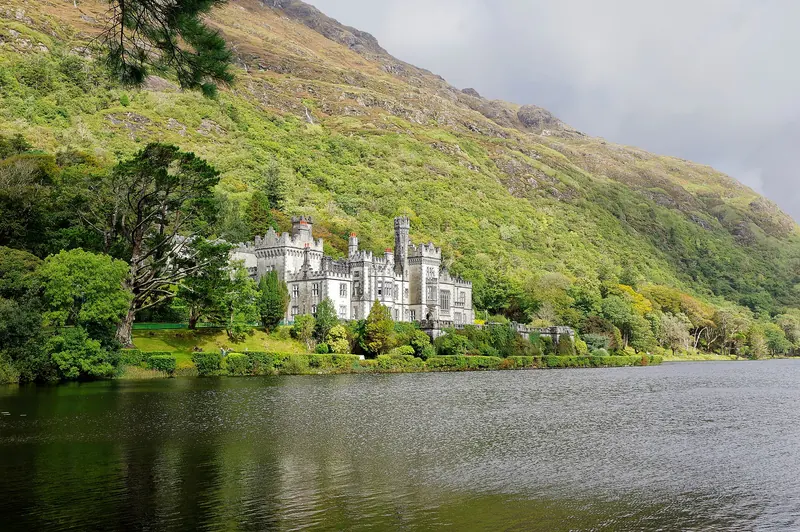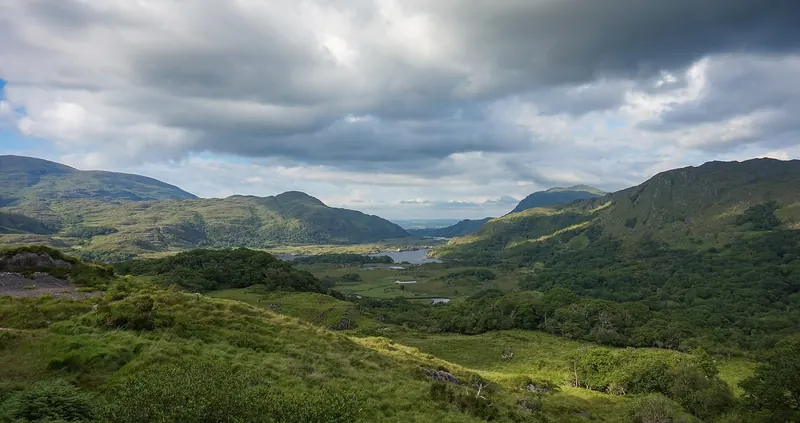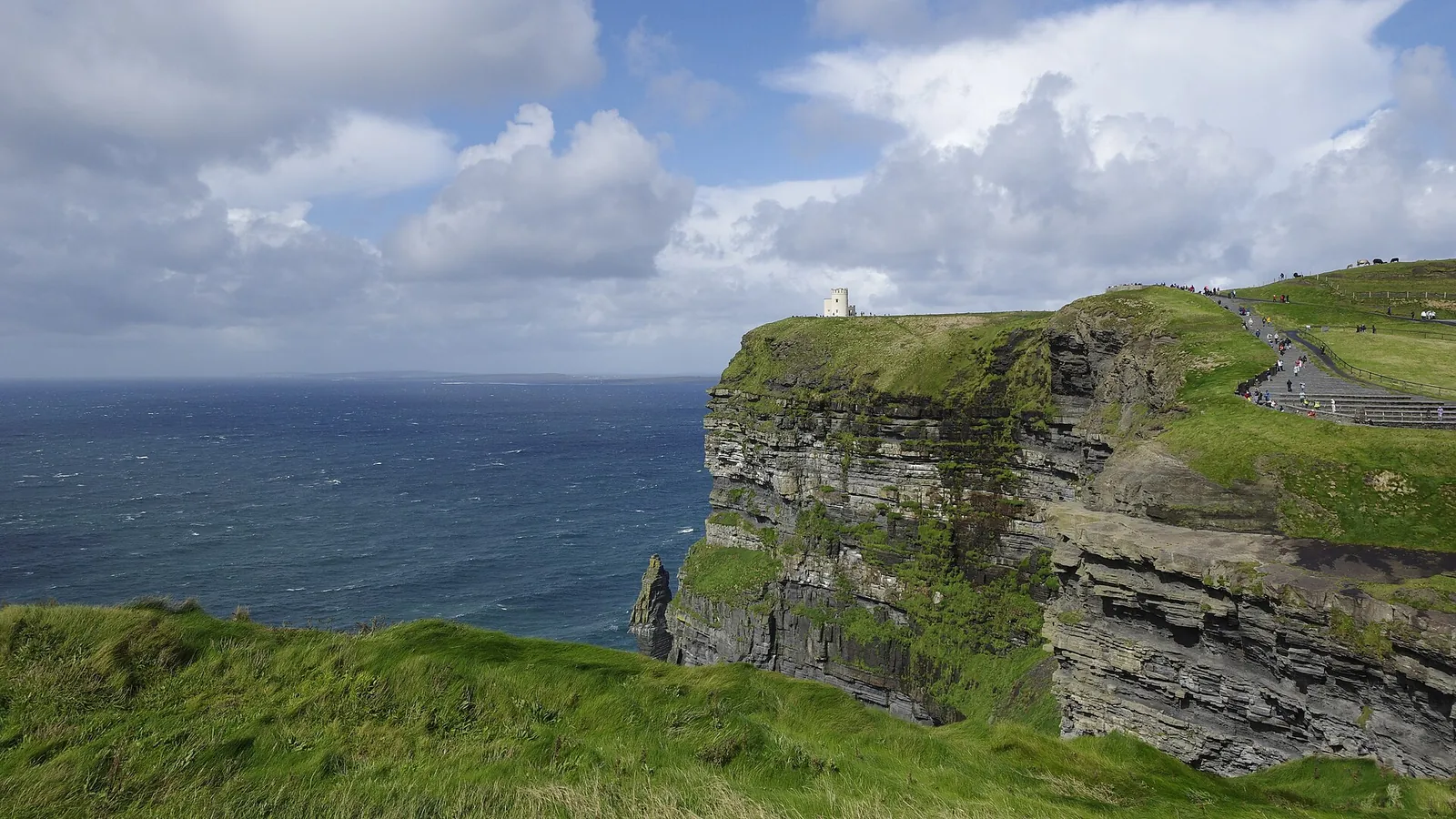
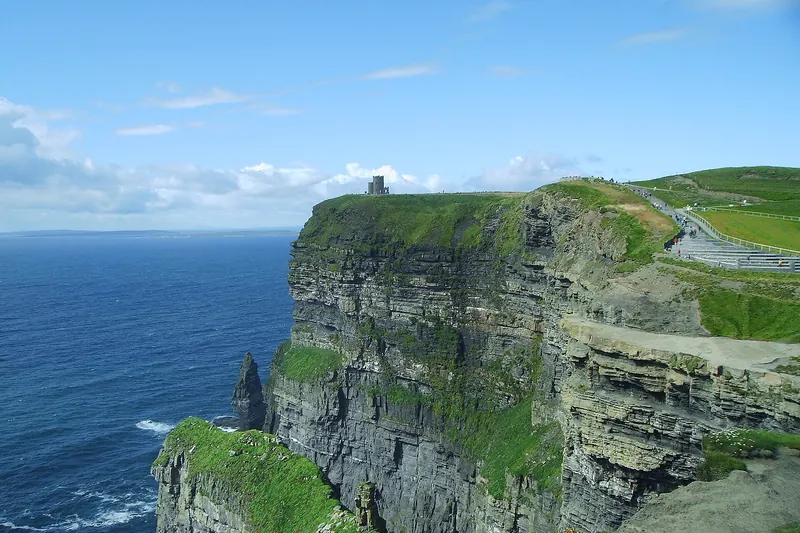


The Cliffs of Moher rising sheer from the Atlantic Ocean

County Clare · Ireland

The Cliffs of Moher & the Burren

Ireland's most famous sea cliffs and a strange, beautiful limestone landscape found almost nowhere else in Europe.

  • Best time May, June and September for the clearest views and thinner crowds
  • Stay 1-2 days
  • Good for Coastal walks, geology, scenic drives

Photo: Berthold Werner · CC BY-SA 4.0

Welcome to the Cliffs of Moher & the Burren

The Cliffs of Moher are Ireland's most photographed natural landmark, rising up to 214 metres straight out of the Atlantic along an eight-kilometre stretch of County Clare's coastline.

Just inland lies the Burren, a strange and beautiful limestone karst landscape unlike anywhere else in Ireland, its bare grey pavement hiding rare Arctic and Mediterranean wildflowers in its cracks alongside one of Europe's densest concentrations of ancient tombs.

Most visitors combine the two as a single day trip or overnight from Galway or the Dingle Peninsula, basing themselves in the small music-pub village of Doolin at the region's edge.

  • Nature & Wildlife
  • Coast & Beaches
  • Hiking
  • Geology

Why visit

Why visit the Cliffs of Moher & the Burren?

The Cliffs of Moher and the Burren's case rests on dramatic, easily accessible natural scenery unlike anywhere else on the island.

  • The cliffs are as dramatic as the photos suggest

    A sheer 214-metre drop to the Atlantic, with a well-built cliff-edge path running the full length.

  • The Burren is unlike anywhere else in Ireland

    A bare limestone karst landscape hiding rare wildflowers and one of Europe's densest concentrations of ancient tombs.

  • Poulnabrone Dolmen is older than Stonehenge

    A Neolithic portal tomb dating back roughly 5,800 years, standing alone in the open karst.

  • Doolin's pub sessions are among Ireland's best

    A tiny village with an outsized reputation for authentic, nightly traditional music.

  • It works well as a day trip or a slower overnight

    Reachable from Galway or the Dingle Peninsula in either direction.

Main attractions

Top things to see in the Cliffs of Moher & the Burren

The essential sights split between the Atlantic drama of the cliffs and the quiet strangeness of the Burren just inland.

  1. The sheer Atlantic cliffs of the Cliffs of Moher

    The Cliffs of Moher

    Ireland's best-known natural landmark, rising up to 214 metres above the Atlantic along an eight-kilometre stretch of coastline.

    Tip Visit early morning or late afternoon for softer light and noticeably thinner crowds.

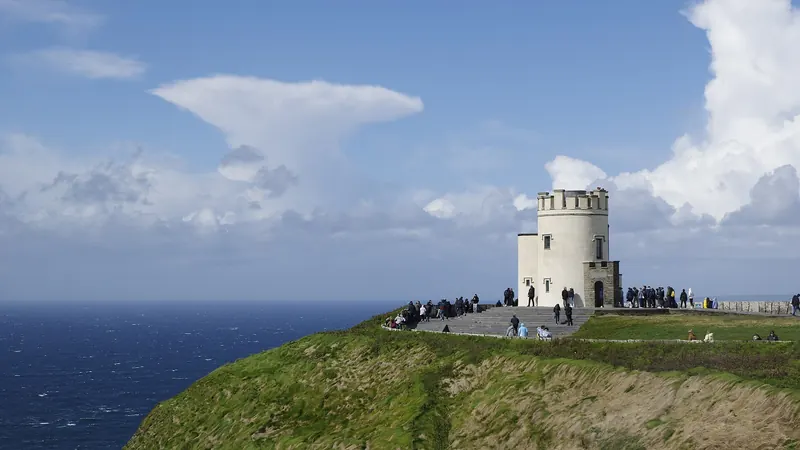
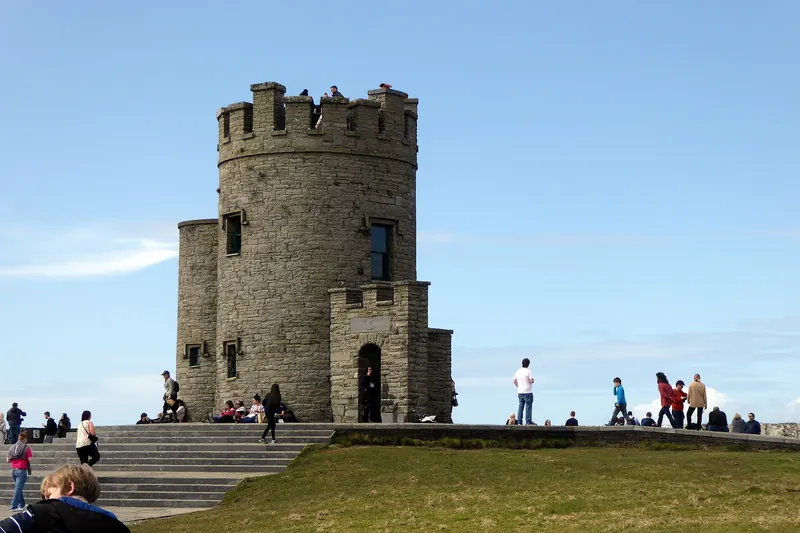
  2. O'Brien's Tower at the highest point of the Cliffs of Moher

    O'Brien's Tower

    A photogenic 19th-century viewing tower at the cliffs' highest point, built in 1835 for Victorian-era tourists.

    Tip Climb to the top for the single best panoramic view of the full cliff line.

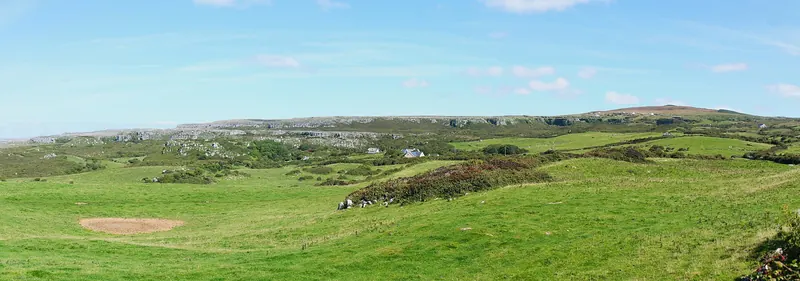
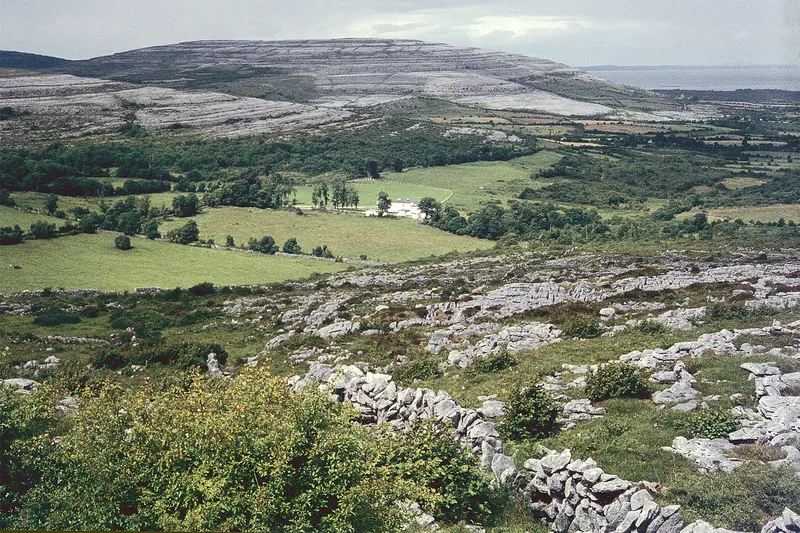
  3. The limestone karst landscape of the Burren in County Clare

    The Burren

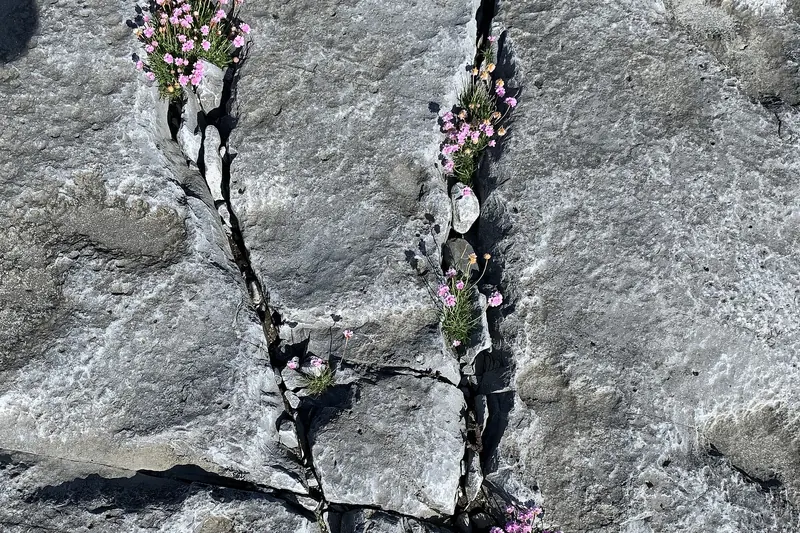
    A strange, beautiful limestone karst landscape found almost nowhere else in Europe, its cracks sheltering rare Arctic and Mediterranean plants side by side.

    Tip Look closely at the limestone cracks (grikes) — the rare wildflowers hide in their sheltered microclimate.

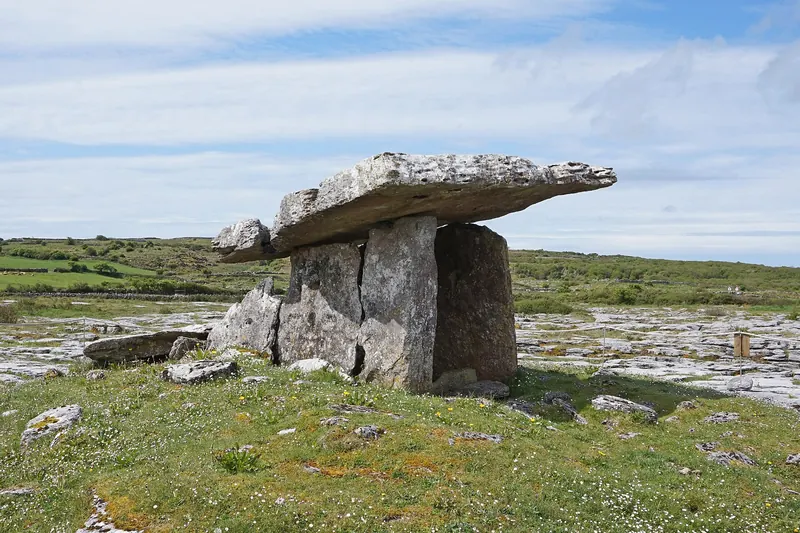
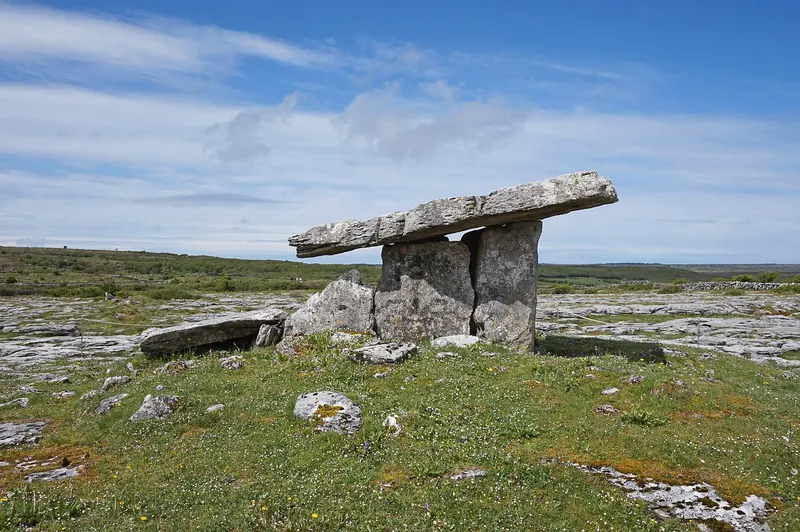
  4. Poulnabrone Dolmen, a Neolithic portal tomb in the Burren

    Poulnabrone Dolmen

    A striking Neolithic portal tomb standing alone in the open karst, dating back roughly 5,800 years, older than Stonehenge.

    Tip Free to visit, with a small roadside car park and a short walk across the limestone.

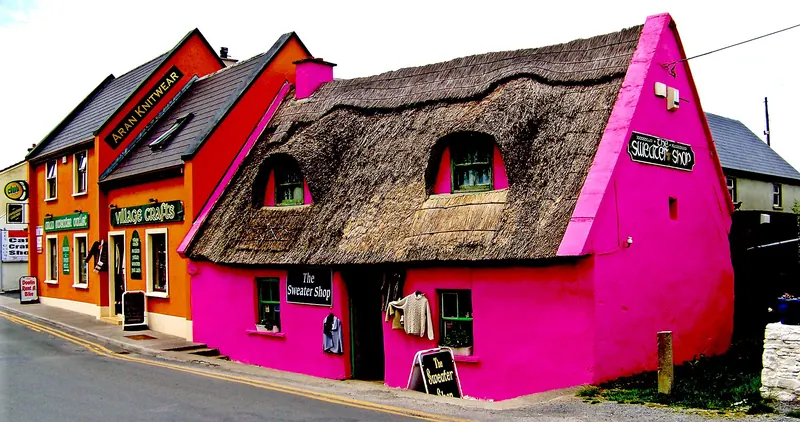
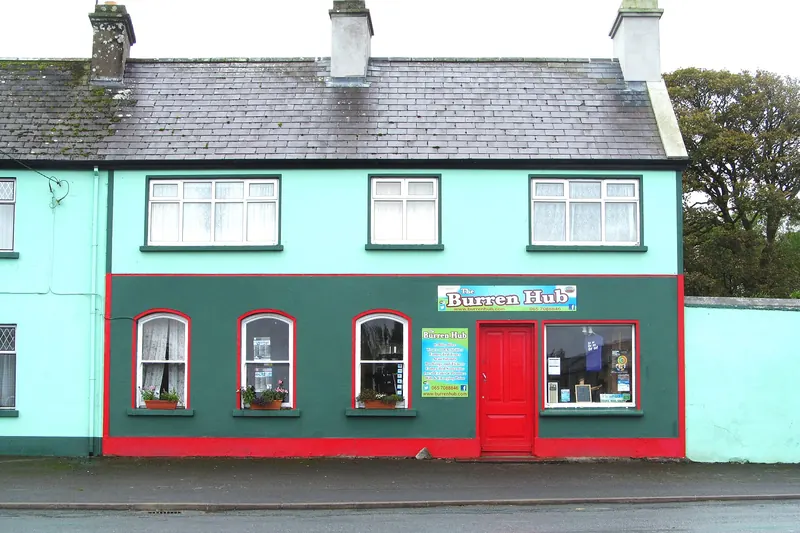
  5. The colourful village of Doolin in County Clare

    Doolin village

    A tiny village with an outsized reputation as one of Ireland's best spots for authentic traditional music sessions.

    Tip Book accommodation well ahead in summer — Doolin's small size means it fills fast.

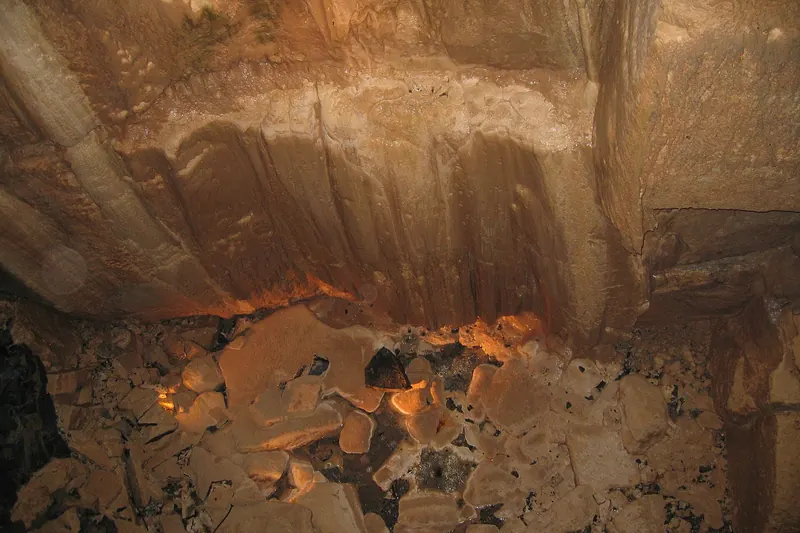
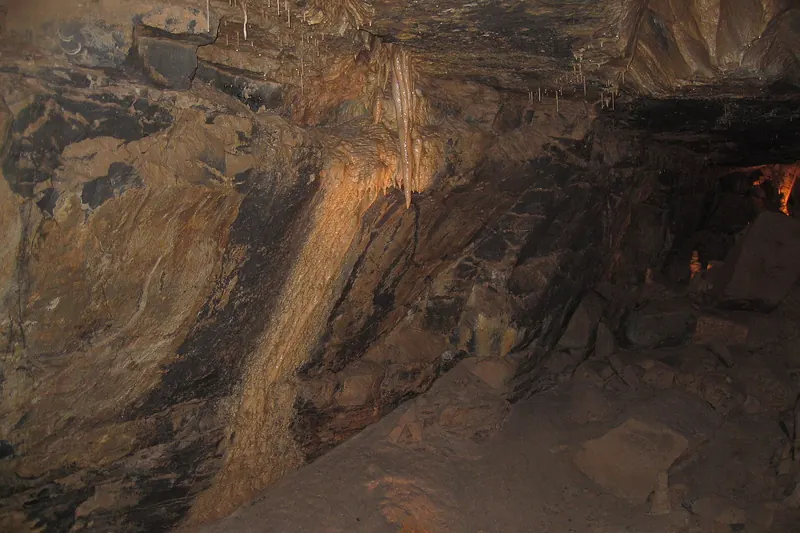
  6. The underground passages of Aillwee Cave in the Burren

    Aillwee Cave

    An accessible show cave running deep into the Burren's limestone, with guided tours past underground waterfalls and ancient bear pits.

    Tip Bring a light jacket — the cave stays a constant, cool temperature year-round.

  7. The Burren Centre in Kilfenora, County Clare

    Kilfenora & the Burren Centre

    A small village anchoring the Burren, home to a cathedral with High Crosses and an interpretive centre explaining the region's unique geology.

    Tip Worth a stop to understand the Burren's landscape before exploring it further.

Things to do

Best things to do in the Cliffs of Moher & the Burren

The region rewards a mix of cliff-edge walking and slower time in the Burren's quieter landscape.

  1. Walkers on the coastal path at the Cliffs of Moher

    Walk the Cliffs of Moher coastal path

    A well-maintained path runs the length of the cliffs, with the quieter southern stretch toward Hag's Head often less crowded.

    Tip Stay behind the safety fencing — the cliff edges are a real, serious hazard in wind.

  2. Poulnabrone Dolmen standing in the open Burren landscape

    Explore Poulnabrone Dolmen up close

    A short, easy walk across open limestone to one of Ireland's most photographed ancient monuments.

    Tip Visit early or late in the day to have the site largely to yourself.

  3. A guided tour inside Aillwee Cave

    Go underground at Aillwee Cave

    An accessible guided tour into the Burren's underground world, good for a rainy-day alternative to the cliffs.

    Tip Combine with the on-site farm shop's cheese, made from the surrounding Burren pasture.

  4. Wildflowers growing in the limestone cracks of the Burren

    Spot rare Burren wildflowers

    An unusual botanical mix of Arctic, alpine and Mediterranean species growing side by side, found almost nowhere else on Earth.

    Tip Late spring brings the widest variety of Burren wildflowers into bloom.

  5. A traditional music pub in Doolin village

    Hear trad music in a Doolin pub

    An essential Doolin evening, with several small pubs hosting some of Ireland's most respected nightly sessions.

    Tip Arrive early for a seat near the musicians — Doolin's sessions draw a loyal crowd.

  6. A road crossing the open limestone plateau of the Burren

    Drive the Burren's open karst plateau

    An otherworldly drive across bare grey limestone terraces, unlike any other landscape in Ireland.

    Tip Stop often — the Burren's scale and strangeness are best appreciated slowly, not from a moving car.

Local food

What to eat in the Cliffs of Moher & the Burren

Food here leans on County Clare's seafood and the Burren's own artisan cheese and dairy producers.

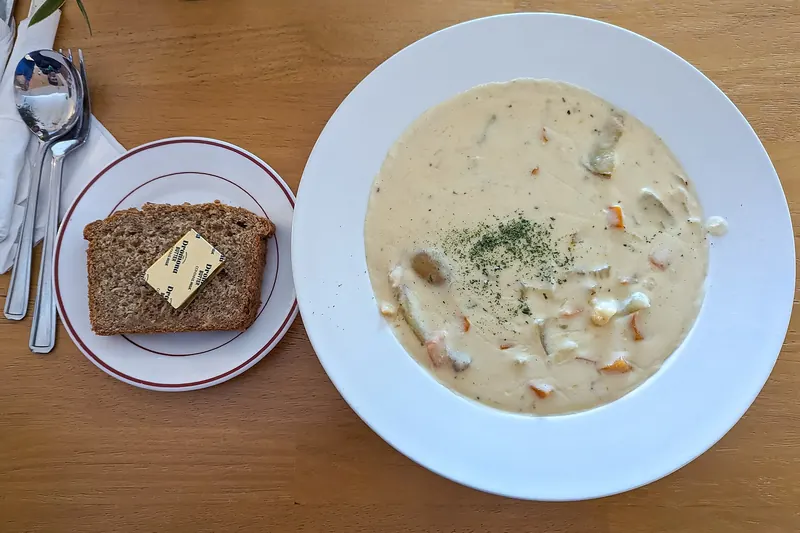
  • A bowl of creamy Irish seafood chowder

    Seafood chowder

    An essential warming stop after a windy cliff walk, made with the day's local catch.

    Where to try it Pubs and cafés throughout Doolin and along the coast.

  • A freshly poured pint of Guinness stout

    A pint of Guinness

    Well poured in Doolin's traditional pubs, best enjoyed alongside a live music session.

    Where to try it Doolin's traditional music pubs.

  • Burren farmhouse cheese

    Distinctive artisan cheese made from cattle grazing the Burren's unusual limestone pasture.

    Where to try it Farm shops and delis throughout the Burren, including at Aillwee Cave.

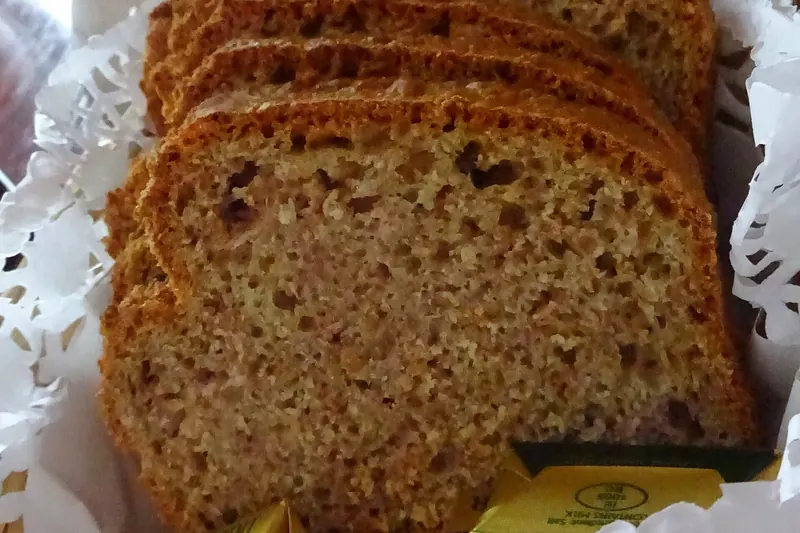
  • Traditional Irish brown bread with butter

    Brown bread and butter

    A simple staple served alongside chowder and seafood throughout the region.

    Where to try it Cafés and restaurants throughout Doolin and Clare.

  • A traditional Irish coffee with cream

    Irish coffee

    A welcome warm-up after a blustery cliff walk, whiskey and coffee under a layer of cream.

    Where to try it Pubs and cafés throughout Doolin and the Cliffs of Moher visitor centre.

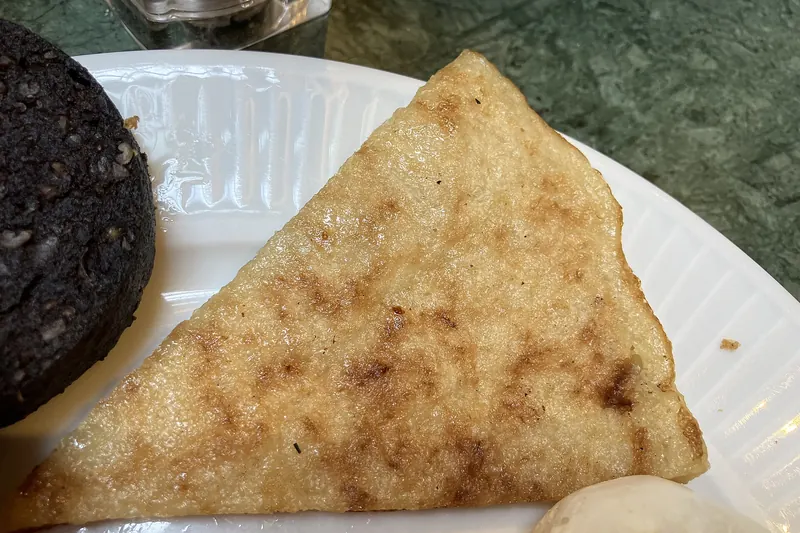
  • Boxty, a traditional Irish potato pancake

    Boxty

    A hearty traditional potato pancake, a good filling option after a day outdoors.

    Where to try it Traditional restaurants throughout the region.

Accommodation

Where to stay in the Cliffs of Moher & the Burren

Doolin serves as the region's main base, small but well set up for travellers visiting the cliffs and the Burren.

  • Doolin

    The most atmospheric base, though it books up fast given its small size.

    Best for: Being close to both the cliffs and the Burren, with excellent music pubs

  • Ennis or Lisdoonvarna

    Short drives from both the cliffs and the Burren, with more availability than tiny Doolin.

    Best for: A wider choice of accommodation nearby

What a night costs

Hostel or guesthouse
€30–60 per night
Mid-range hotel
€100–180 per night
Cliffs of Moher visitor centre entry
About €10–12
Dinner at a mid-range restaurant
About €20–35 per person

Transport

Getting to and around the Cliffs of Moher & the Burren

The Cliffs of Moher and the Burren sit within easy reach of Shannon, Galway and the wider west coast.

Getting there

  • Flight to Shannon Airport

    The closest airport, about an hour's drive from the cliffs.

    Well connected to the UK, mainland Europe and North America.

  • Rental car

    The most flexible way to combine the cliffs, the Burren and Doolin in one visit.

    Roads here are relatively straightforward compared to the Ring of Kerry or Dingle.

  • Day tour from Galway

    A popular no-driving option, widely available as a full-day coach trip.

    Covers the cliffs and often a stop in the Burren, returning to Galway by evening.

Getting around

A car is the most practical way to see both the cliffs and the Burren in the same visit.

  • Rental car

    Essential for covering the cliffs, Poulnabrone Dolmen and the Burren's wider sights at a flexible pace.

    Distances are short but the sights are spread across open countryside.

  • On foot in Doolin

    Easy — the village itself is small and walkable.

    The Cliffs of Moher are also reachable on foot via a scenic coastal trail from Doolin.

  • Organised day tours

    A relaxed option from Galway, Limerick or the Dingle Peninsula.

    A practical choice for visitors without a rental car.

When to go

Best time to visit the Cliffs of Moher & the Burren

The cliffs are visitable year-round, though clear days for the best views are far more likely outside midsummer.

  • Late spring (May–June)

    Best time

    Good odds of clear visibility and the Burren's wildflowers in full bloom.

  • Summer (July–August)

    Good

    The busiest season at the cliffs, with the visitor centre car park often at capacity by midday.

  • Early autumn (September)

    Good

    A quieter window with still-decent weather odds.

  • Winter (November–February)

    Good

    Dramatic but often wet and windy, with real risk of the cliff path partially closing in storms.

Worth planning around: Expecting clear visibility on any given day — check the forecast, since low cloud can hide the cliffs entirely.

Itinerary

Two days at the Cliffs of Moher and the Burren

Built around the cliffs themselves on day one, the Burren's ancient landscape on day two.

  1. Day1

    The Cliffs of Moher

    The cliff-edge path and O'Brien's Tower.

    • Morning Arrive early and walk the full cliff path.
    • Afternoon O'Brien's Tower and the visitor centre.
    • Evening Dinner and live music in Doolin.
  2. Day2

    The Burren

    Poulnabrone Dolmen, Aillwee Cave and Kilfenora.

    • Morning Poulnabrone Dolmen and the open karst landscape.
    • Afternoon Aillwee Cave and Kilfenora's Burren Centre.
    • Evening A final night of music in Doolin.

Travel tips

The Cliffs of Moher & the Burren travel tips

Practical notes that make a Cliffs of Moher and Burren visit noticeably smoother.

  • Visit early morning or late afternoon to avoid the busiest midday tour bus crowds.
  • Check the weather forecast before going — low cloud can hide the cliffs completely.
  • Stay behind the safety fencing at all times — the cliff edges are a real, serious hazard.
  • Book Doolin accommodation well ahead in summer given the village's small size.
  • Wear sturdy shoes and a windproof layer, even on an apparently calm day.
  • Combine the cliffs with the Burren rather than choosing one — they're a short drive apart.

FAQ

The Cliffs of Moher & the Burren: frequently asked questions

How many days do you need for the Cliffs of Moher and the Burren?

One to two days covers both comfortably, and the cliffs alone are an easy half-day visit.

Can you visit the Cliffs of Moher as a day trip from Galway?

Yes — it's about a ninety-minute drive each way, and organised day tours run regularly.

Is the Cliffs of Moher walk difficult?

No, accessible — the main path is well maintained and mostly flat, though the full length is a few hours round trip.

What is the Burren known for?

Its unusual limestone karst landscape, hiding rare Arctic and Mediterranean wildflowers alongside one of Europe's densest concentrations of ancient tombs.

Is Doolin worth staying in?

Yes — it's small, but its traditional music pubs are among Ireland's most respected, and it sits close to both the cliffs and the Burren.

How old is Poulnabrone Dolmen?

Around 5,800 years old, a Neolithic portal tomb older than Stonehenge and England's other famous prehistoric monuments.

Read next

Related travel articles

Heritage

UNESCO Sites Worth Planning a Trip Around

A UNESCO listing tells you a place matters; it does not tell you whether it is worth two days and a detour. This is how to read the list usefully — and which sites reward building a trip around them.

Where to go

Beyond the Big Names: Places Worth the Detour

The most visited place in a country is rarely its best, and it is almost never its best value. This is a method for finding the destinations that do not make the postcards — and a set of examples from five of the 50 countries on this site.

Advertisement