Welcome to Normandy
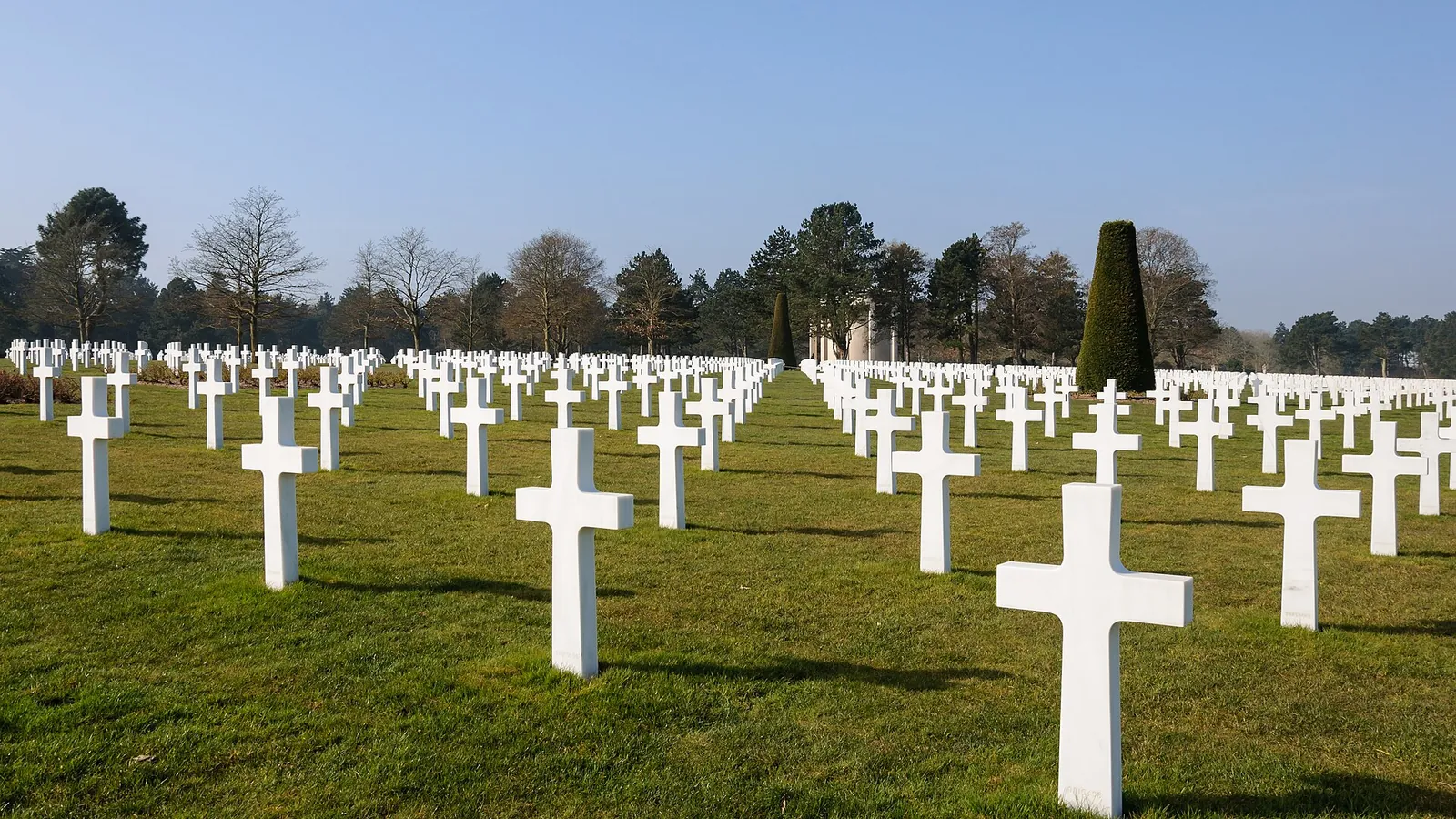
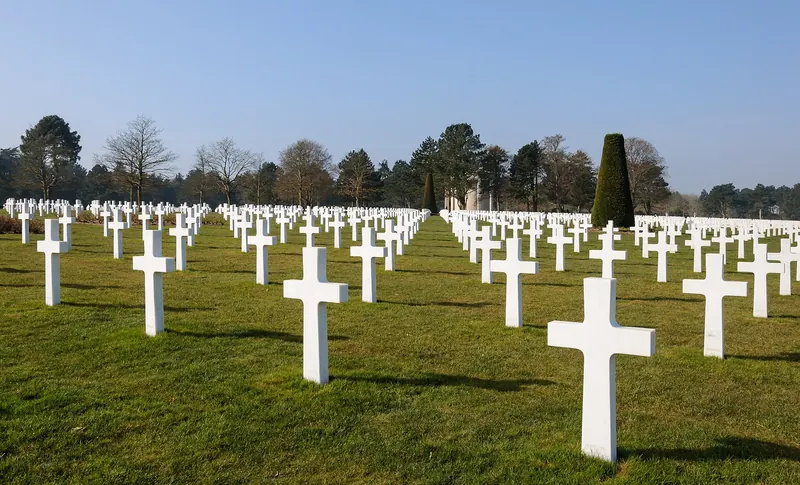
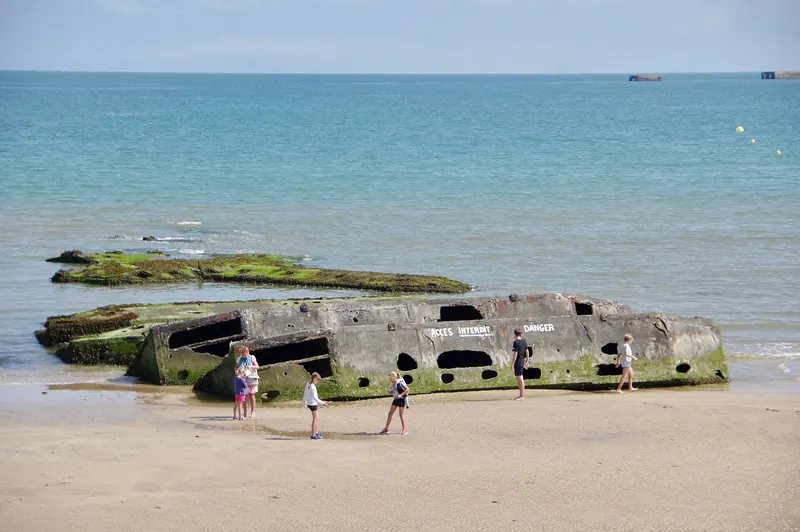
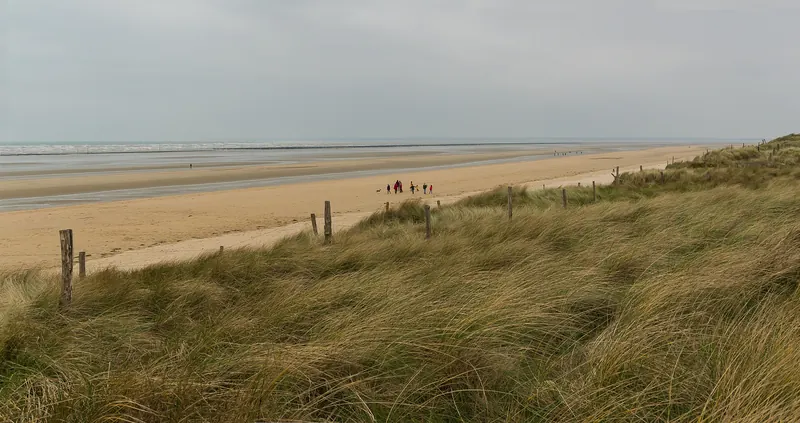
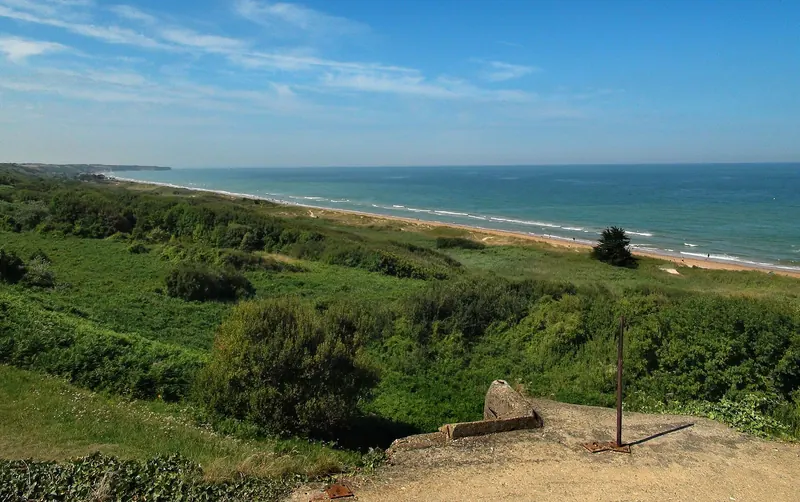
On 6 June 1944, around 156,000 Allied troops came ashore along eighty kilometres of Norman coast in the largest amphibious operation ever attempted. The five landing beaches — Utah, Omaha, Gold, Juno and Sword — are still there, and the disconcerting thing about visiting them is how ordinary they look. Wide, flat, sandy beaches with a village behind them and people walking dogs.
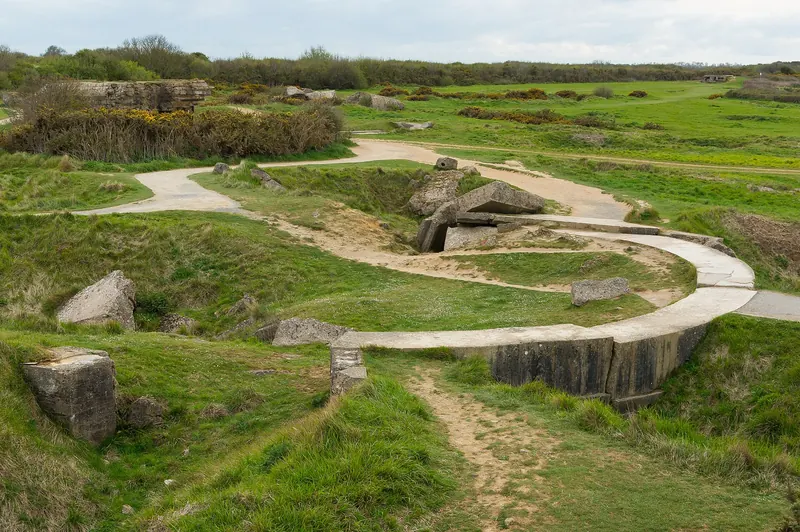
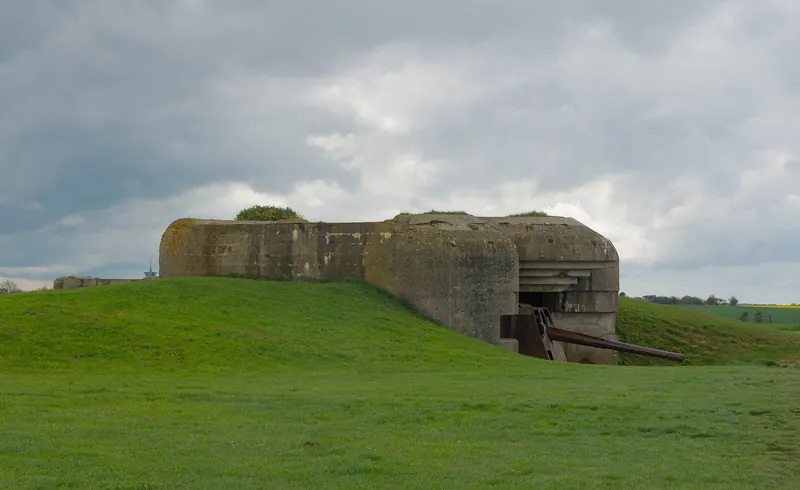
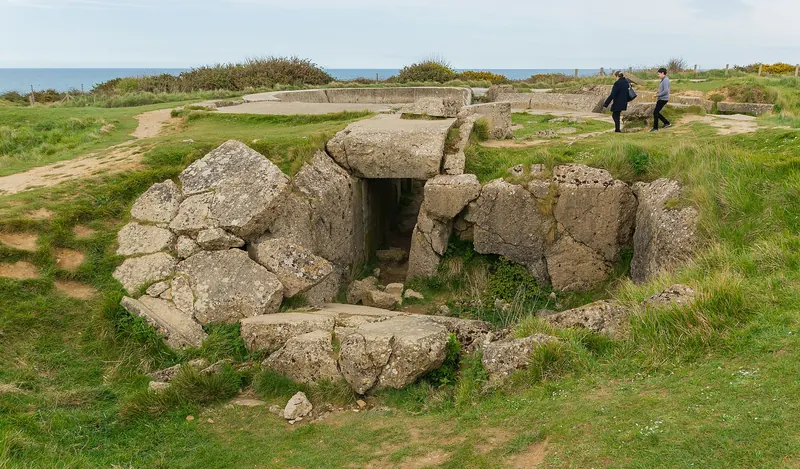
That ordinariness is what makes the visit work. Standing on Omaha Beach and looking up at the bluff where the German positions were, or walking through the crater field at Pointe du Hoc where the ground is still torn open eighty years later, does something that no amount of reading achieves. The region has around thirty museums and memorials, and the challenge is choosing between them rather than finding them.
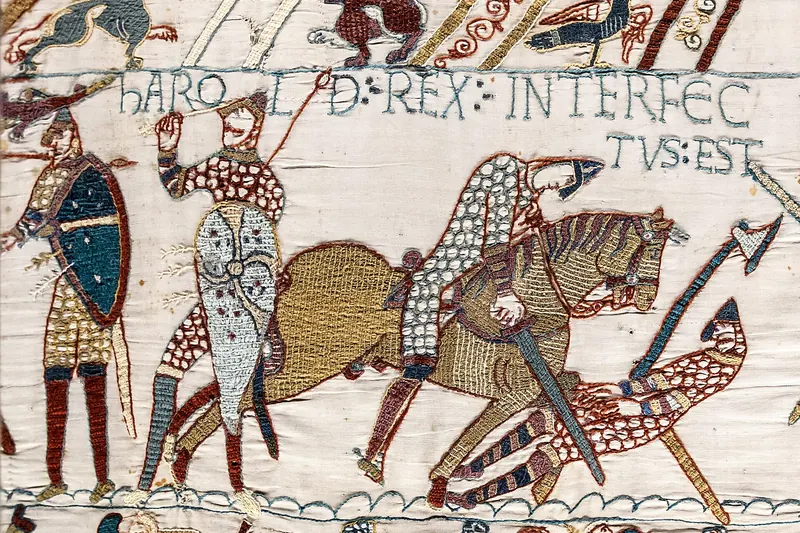
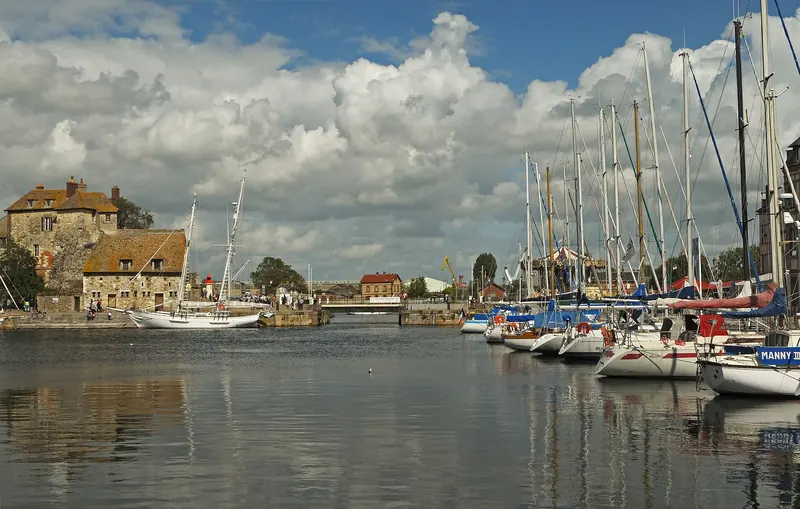
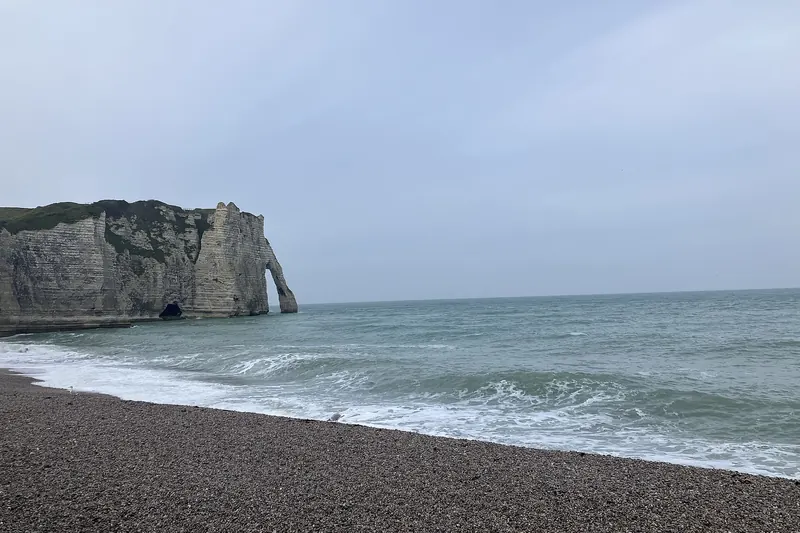
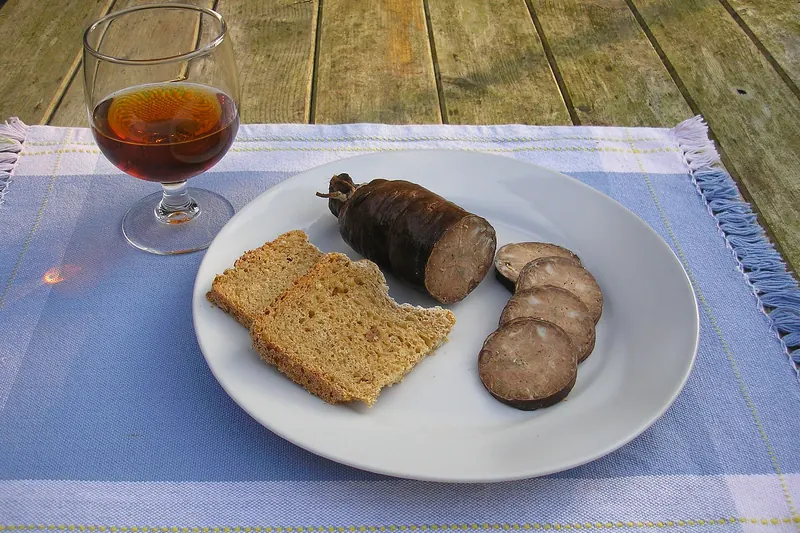
Normandy is also a region in its own right, and it would be a mistake to treat it purely as a battlefield. Bayeux escaped the fighting almost untouched and holds an 11th-century embroidery 70 metres long that tells the story of the last successful invasion in the other direction. The countryside behind the coast produces Camembert, Livarot, cider and Calvados, and the Channel ports of Honfleur and Étretat are among the prettiest in France.
- Historic Site
- Coast & Beaches
- Culture & Arts