France is roughly 1,000 km from north to south and the same across, which makes it about the size of Texas or twice the size of the United Kingdom. That sounds manageable, and thanks to the TGV it mostly is — but only along the lines that radiate out from Paris. Travelling between two provincial cities without passing through the capital is often slow and sometimes awkward.
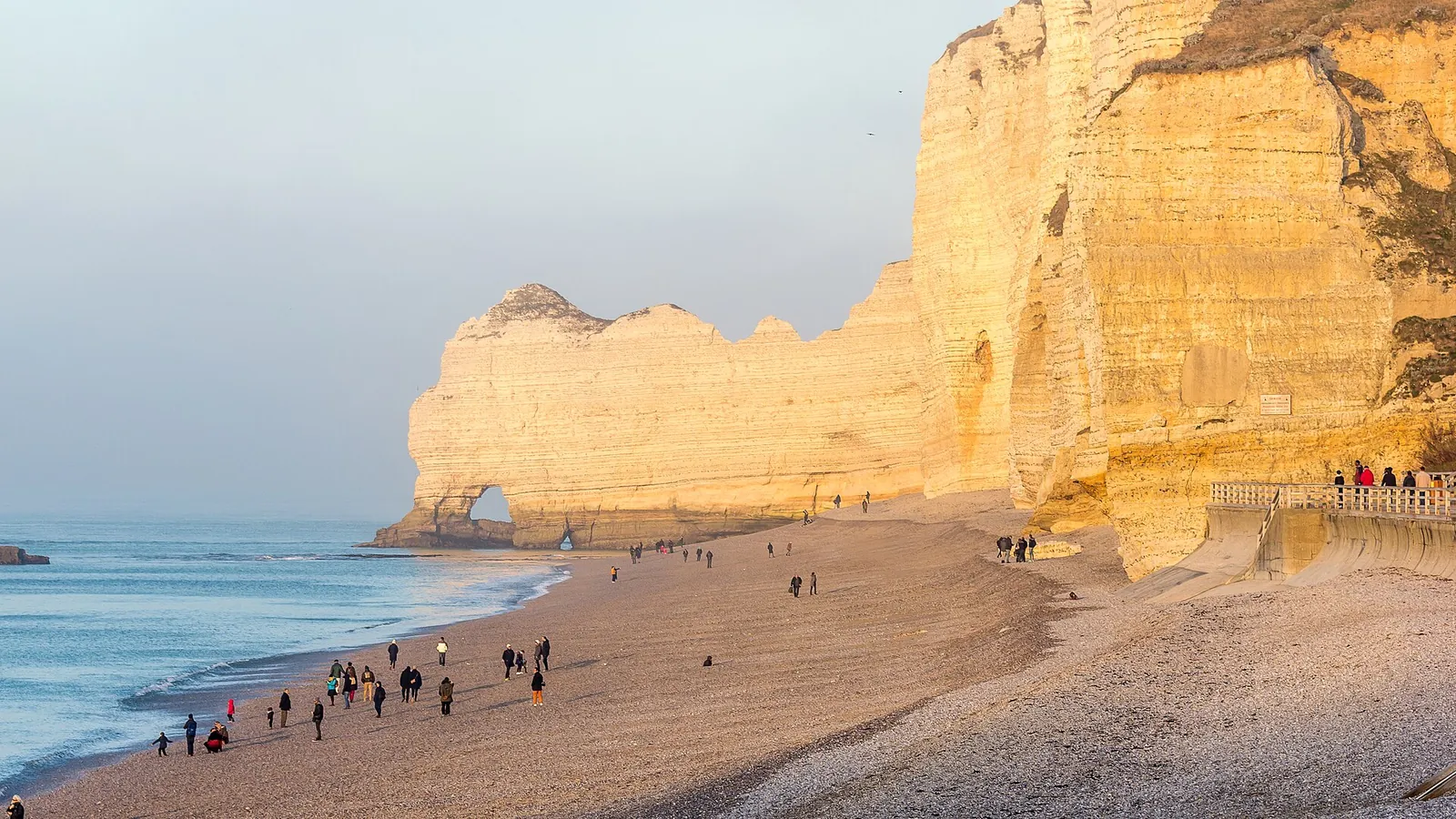
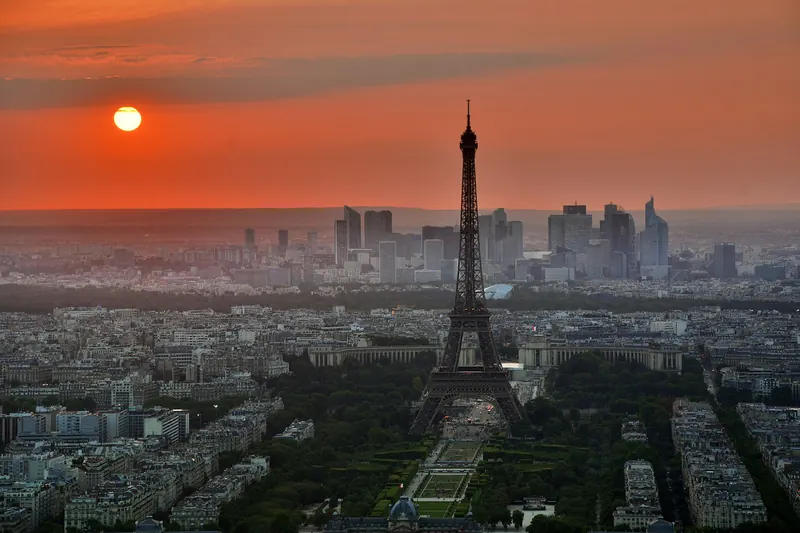
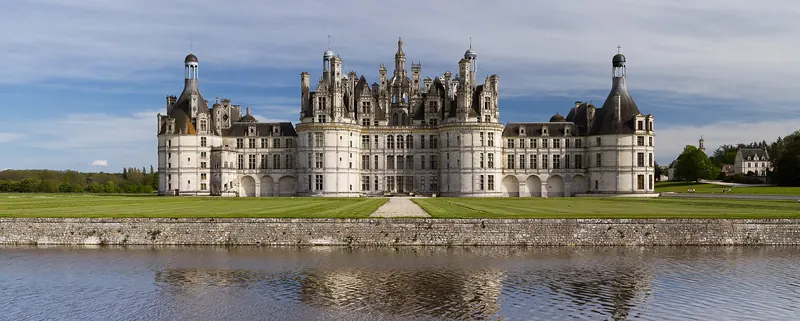
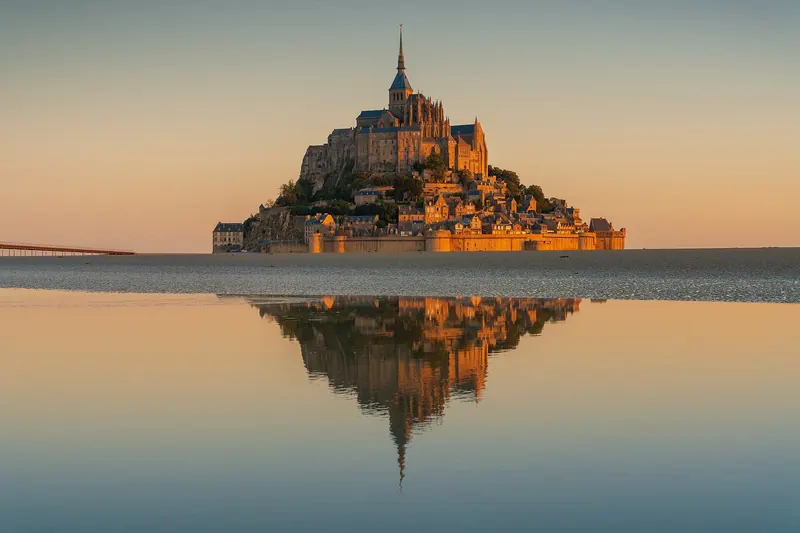
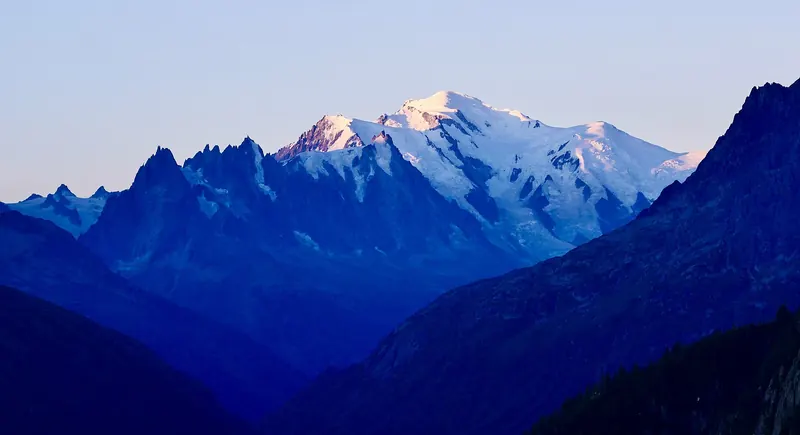
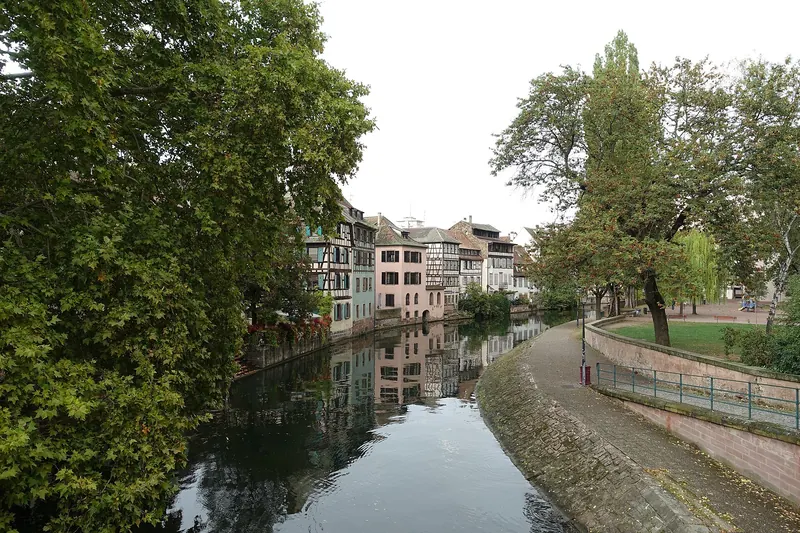
It helps to think of France as five broad zones. The north — Paris, Normandy, Brittany and the Channel coast — is green, cool and historically dense, with the highest concentration of things that changed European history. The centre-west, along the Loire, is château country: flat, gentle, and the easiest region in France to travel in. The east — Alsace, Burgundy, the Alps — is the German-influenced, mountainous half, with the best wine villages and the only high-altitude landscape in the country.
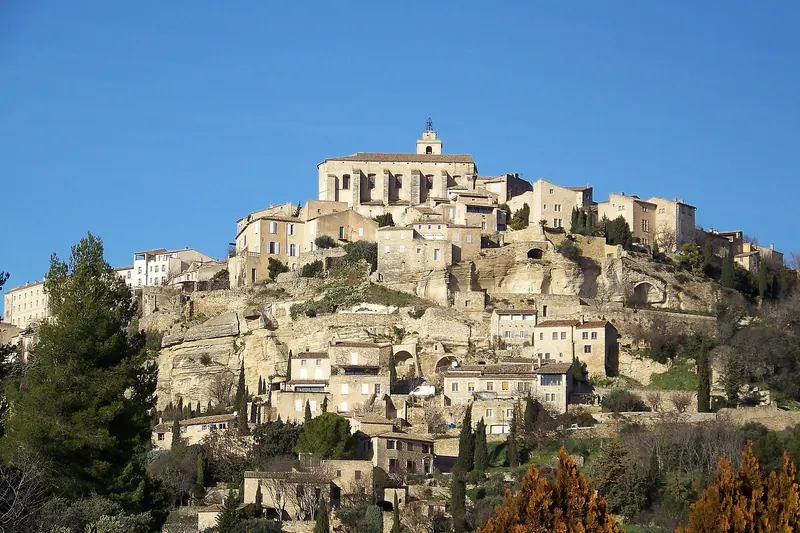
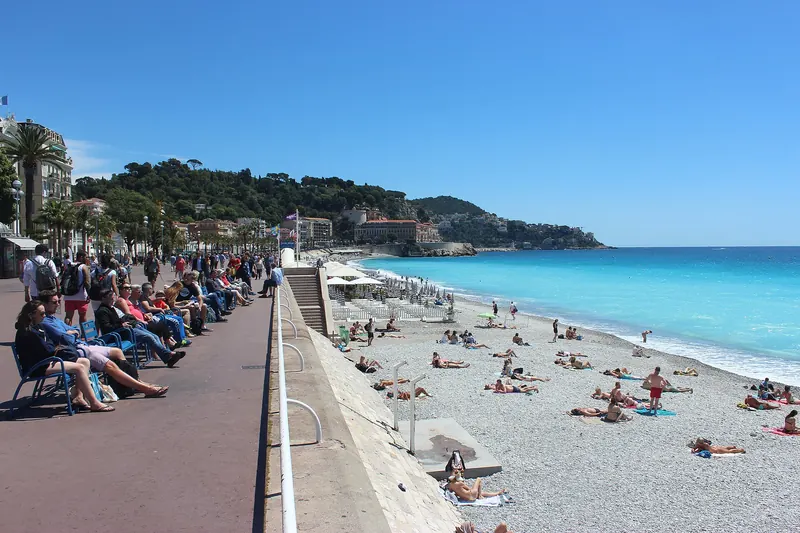
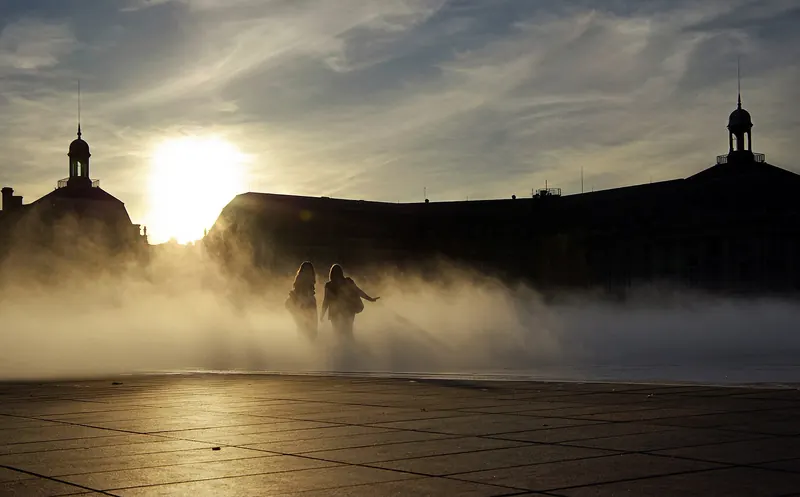
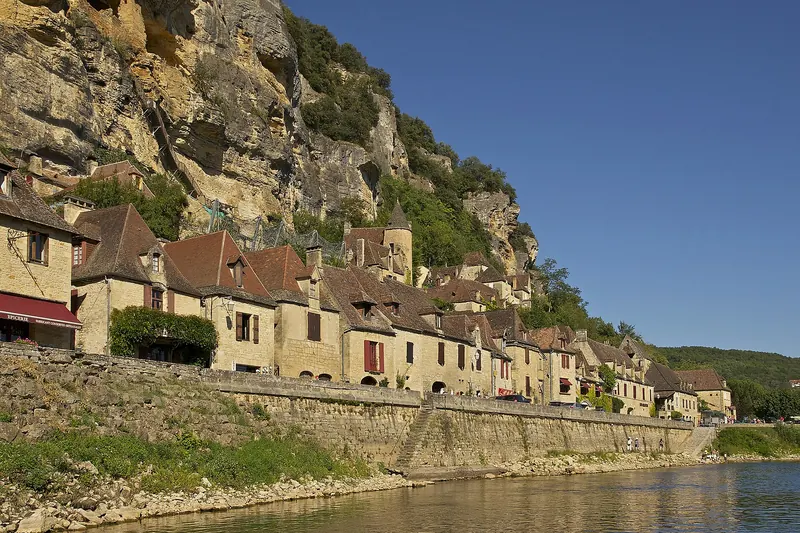
The southwest, running from Bordeaux through the Dordogne to the Pyrenees, is the France of duck, walnuts, prehistoric caves and Atlantic surf beaches — warmer than the north, far quieter than the Mediterranean. And the south proper, from Provence across to the Riviera, is the Mediterranean France of olive trees, Roman ruins and lavender, which is also where everyone else goes in August.
You cannot do all five in under three weeks, and attempting even three in a week is the mistake that ruins the most French trips. Pick two adjacent zones and go deep.