Welcome to Bordeaux
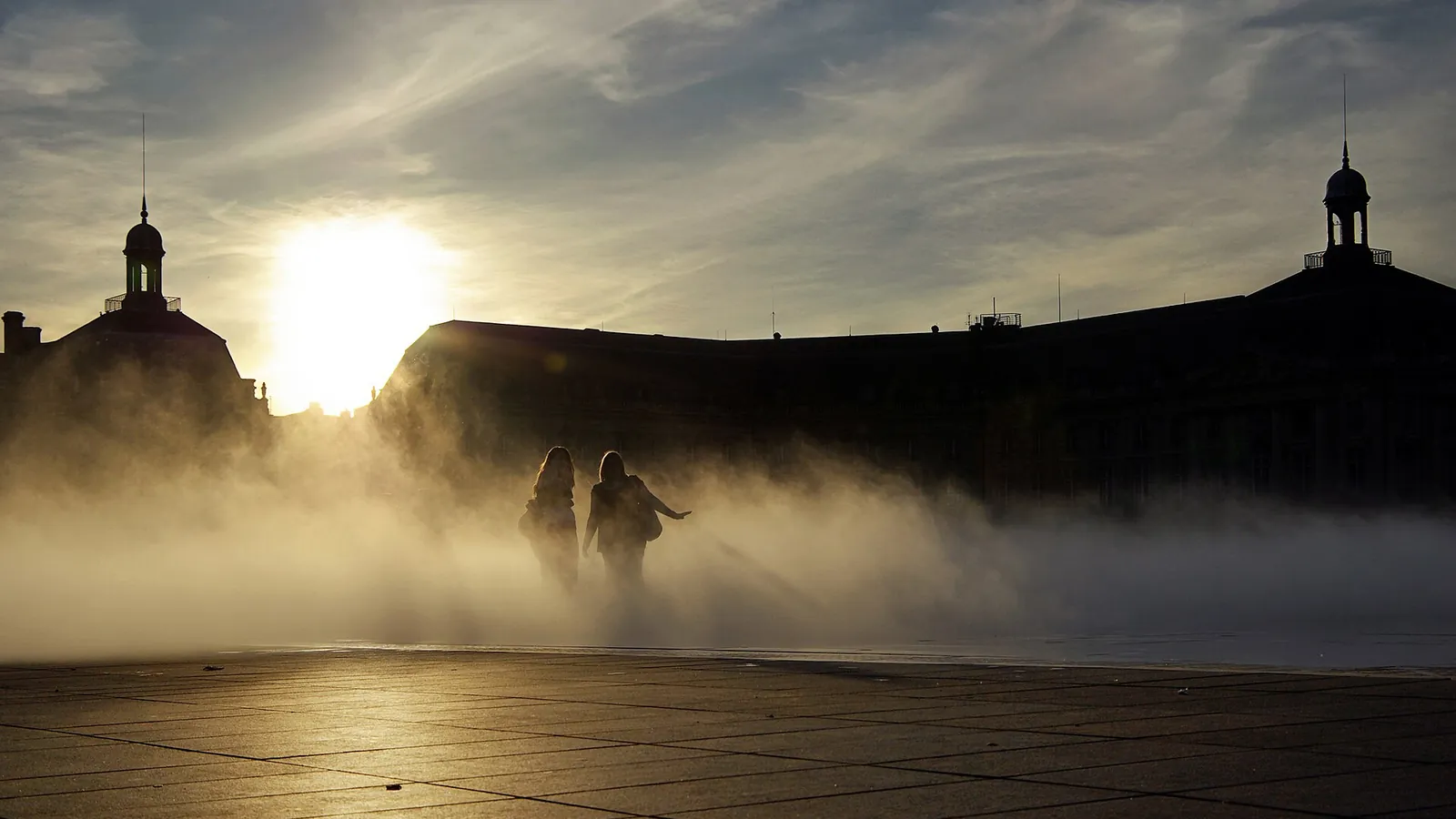
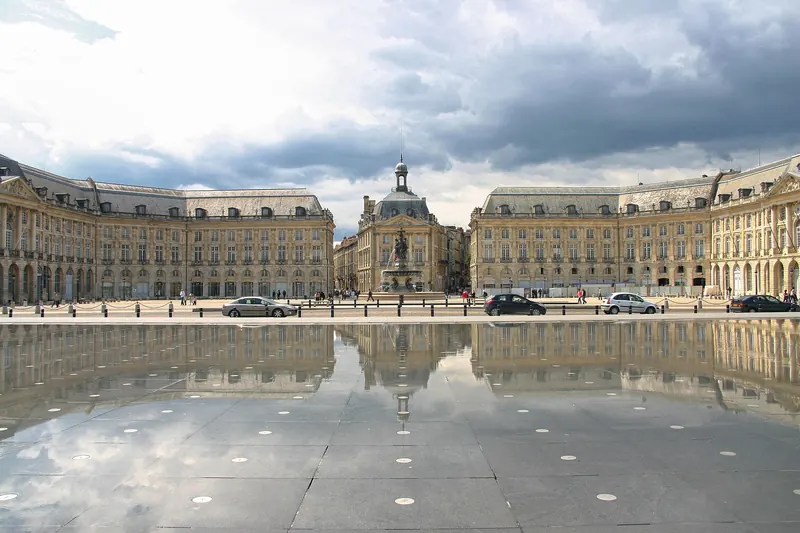
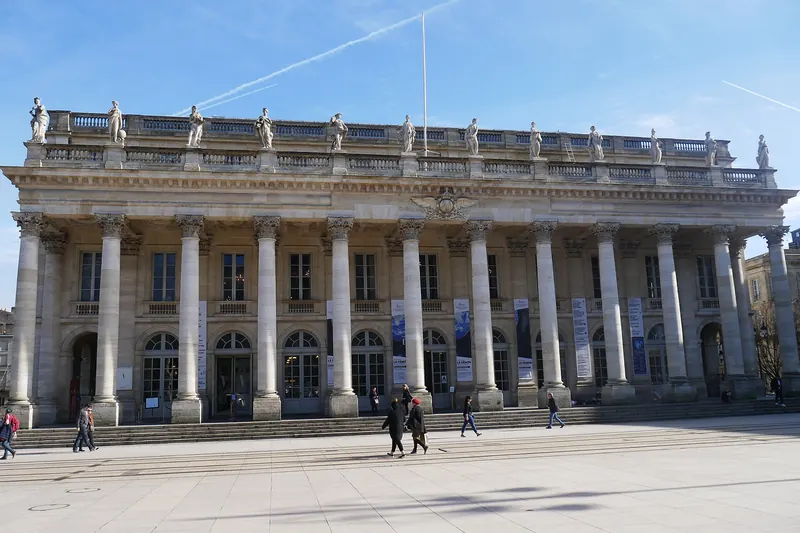
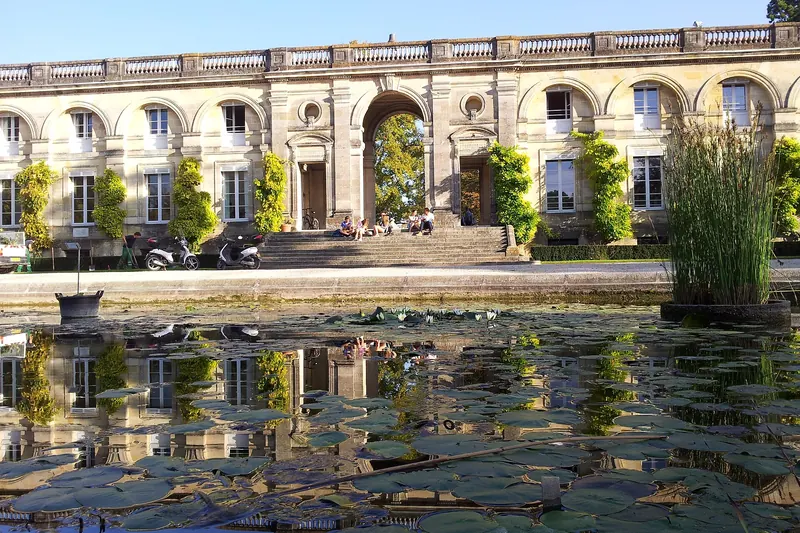
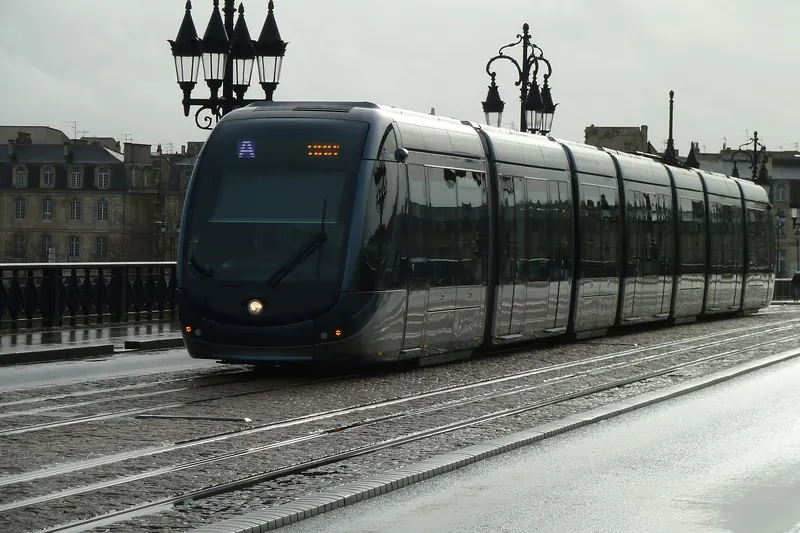
Bordeaux spent most of the 20th century as a byword for a handsome city that had let itself go — the limestone black with soot, the riverfront a working dock, the centre choked with traffic. Then, from about 1995, it was systematically cleaned, pedestrianised and given a tram network, and what emerged was the largest ensemble of 18th-century urban architecture in Europe outside Paris. UNESCO listed 1,810 hectares of it, making the city the biggest urban World Heritage site anywhere.
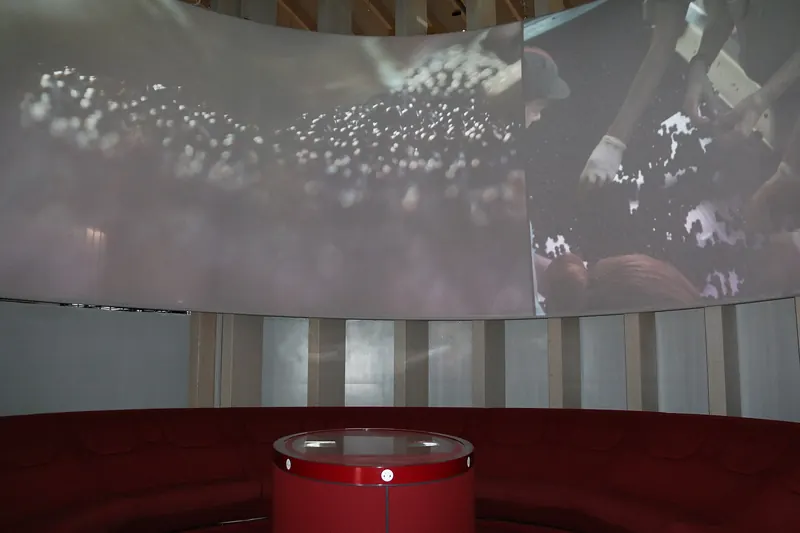
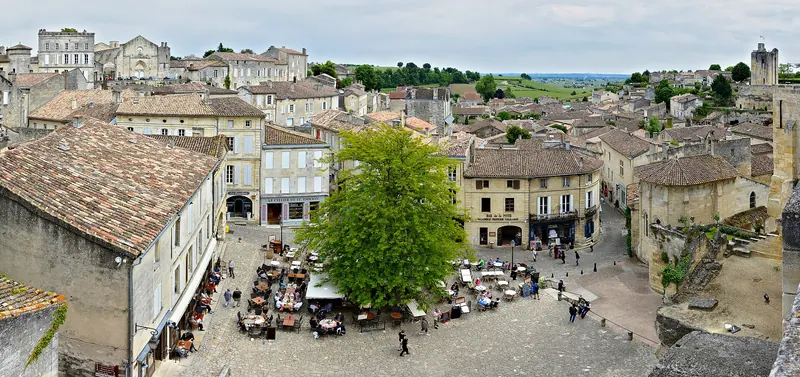
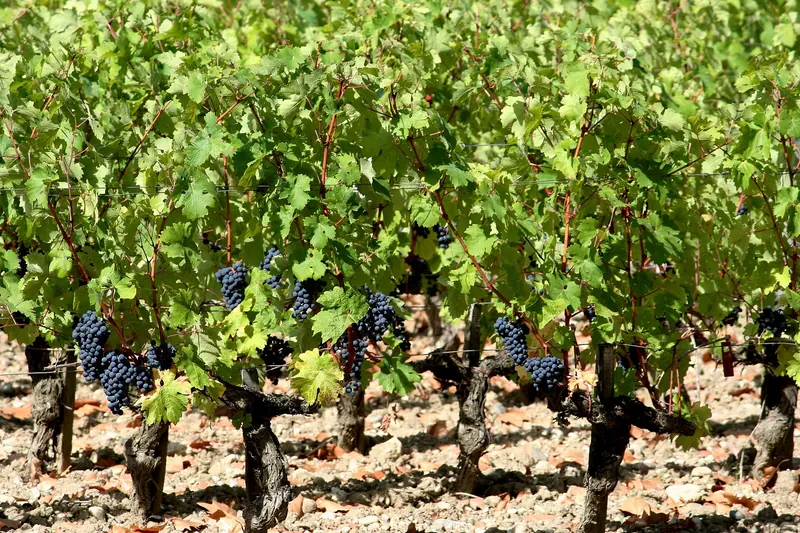
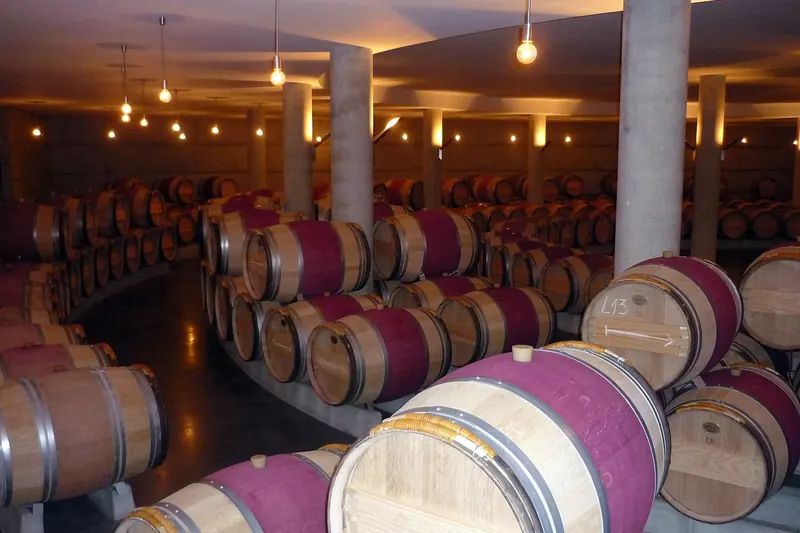
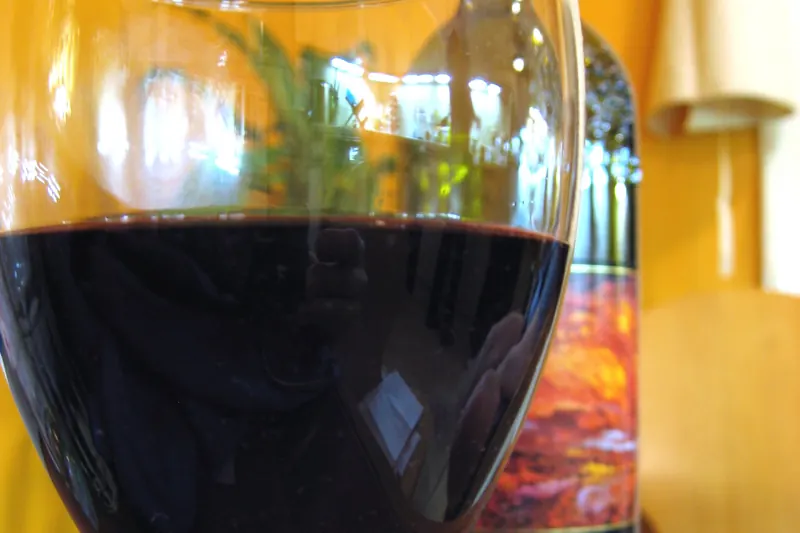
The other reason to come is obvious from the name. The Gironde department has roughly 5,600 wine-producing châteaux across 110,000 hectares, and the appellations that surround the city — Médoc, Saint-Émilion, Pomerol, Graves, Sauternes — are the reference points against which most of the world's red wine is still measured. Almost all of them are within an hour's drive.
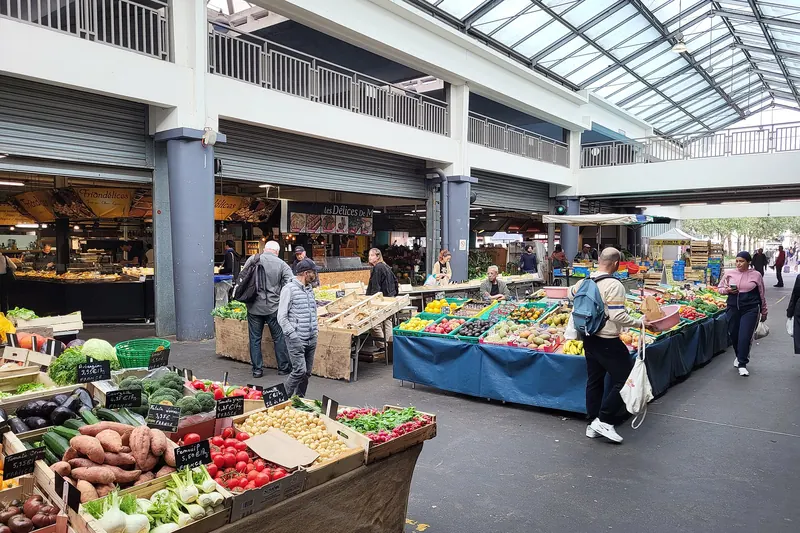
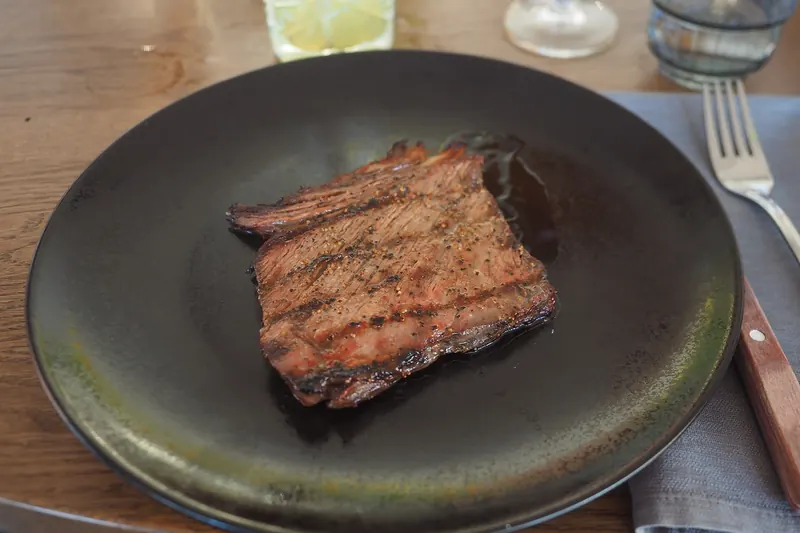
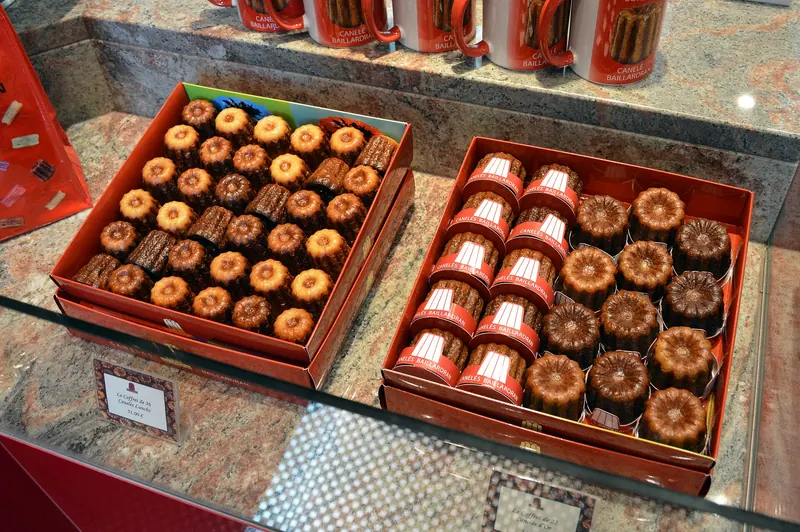
What makes Bordeaux unusually good to visit, though, is that it is a proper city rather than a wine theme park: 260,000 people, a large student population, one of the best food markets in France, and a two-hour TGV ride from Paris. You can spend three days here and drink very little wine and still have a full trip.
- Major City
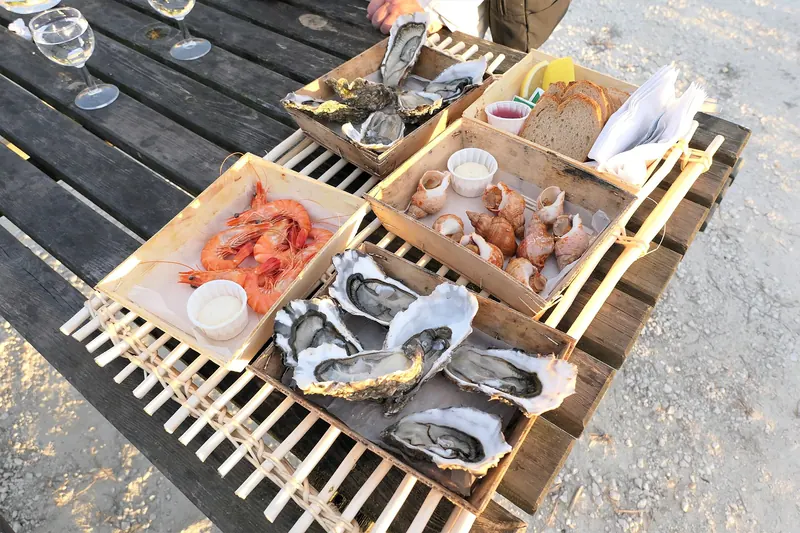
- Food & Wine
- UNESCO Site
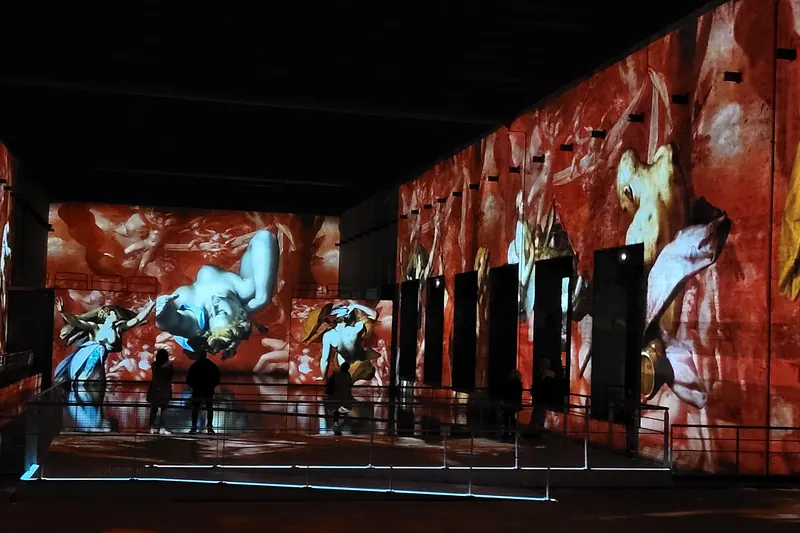
- Culture & Arts