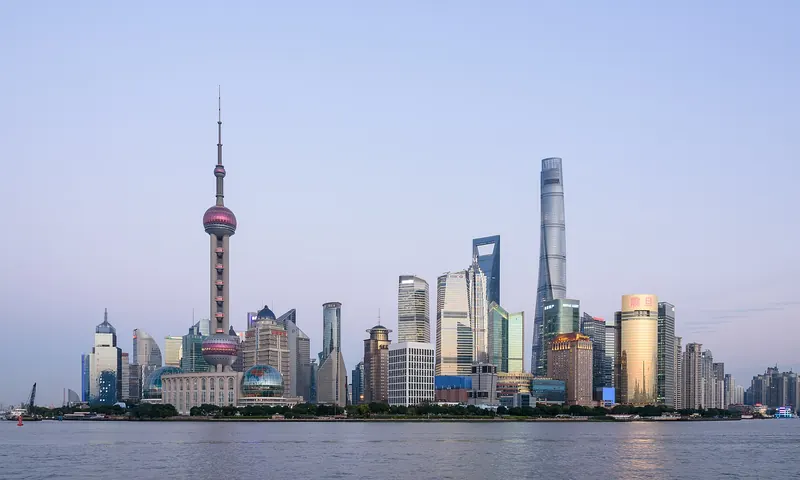
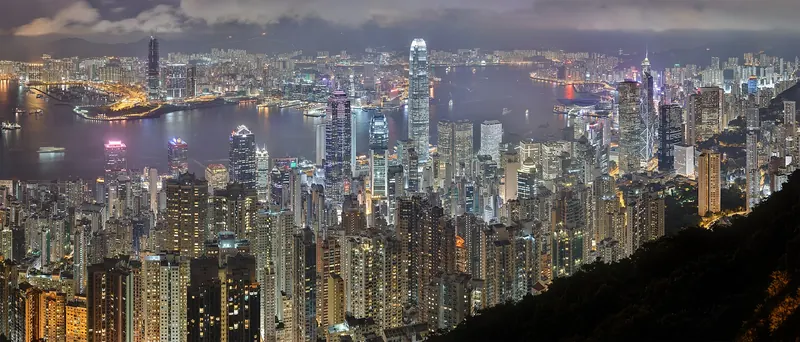
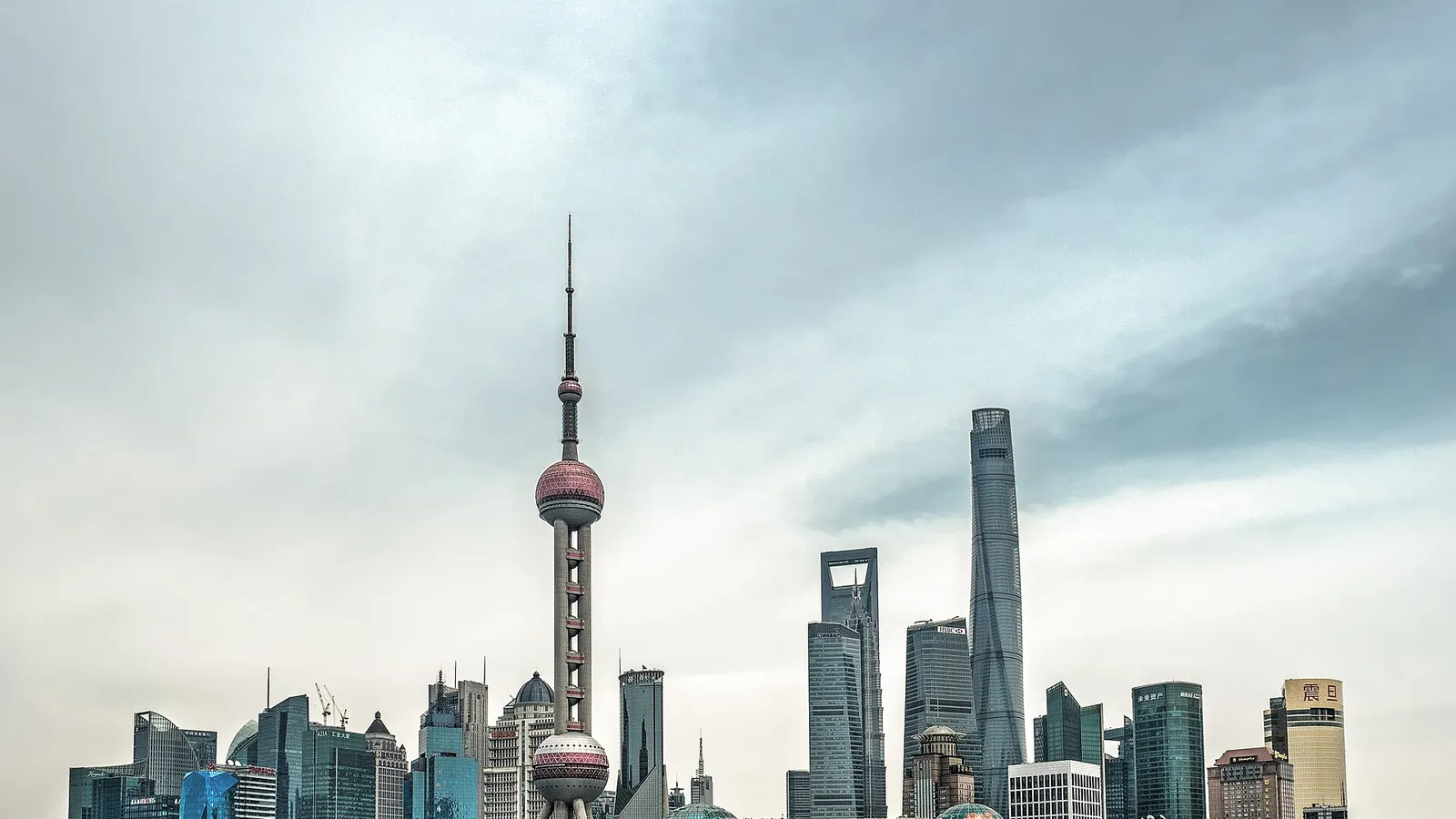
The futuristic skyline of Pudong, Shanghai, across the Huangpu River

China · Travel guide

The Complete China Travel Guide

How the country divides, why the bullet trains change everything, and what to prepare before you land rather than after.

  • Reading time 15 min read
  • Covers 10 destinations
  • Updated 2026

Photo: Ermell · CC0

China is large enough that its high-speed rail network — the biggest in the world — does for a first trip what a single flight can't: it turns Beijing's palaces, Xi'an's buried army, Shanghai's skyline and the karst country of the south into one connected route instead of four separate holidays. This guide covers how the regions differ, what the trains actually get you, what to set up before you leave home, and the two mistakes — connectivity and payments — that catch almost every first-time visitor.

How China divides

China is roughly the size of Europe, and a useful first mental model is to treat it the same way: several different countries sharing one government, one script and, increasingly, one rail network.

The historic north. Beijing and Xi'an, the imperial and ancient capitals, five hours apart by bullet train. This is where the Forbidden City, the Great Wall and the Terracotta Army all sit, and it is the natural spine of a first trip.

The modern east. Shanghai and the canal towns and gardens of Suzhou and Hangzhou, all within ninety minutes of each other by rail. Glass towers, historic gardens and the country's wealthiest, most cosmopolitan corridor.

The dramatic southwest and south. Guilin and Yangshuo's karst rivers, Zhangjiajie's sandstone pillars, Chengdu's pandas and hotpot, and Yunnan's old towns and terraced mountains. Greener, slower and where China's most striking landscapes are.

The south coast. Hong Kong, a former British territory still run under its own laws and currency, reached easily from Guangdong or by direct flight — a different city from anywhere else on this list.

The classical southeast. Huangshan and the Anhui villages — misty granite peaks and Ming-dynasty villages that inspired centuries of Chinese landscape painting.

Worth knowing: The practical unit for a first trip is the north plus one other region, not all five. The high-speed spine makes the north and east effortless; the southwest rewards more time, not more ground covered.

Choosing between the ten destinations

  • If this is your first trip

    Beijing, Xi'an and Shanghai, connected by high-speed rail. Four nights in Beijing, two in Xi'an, three in Shanghai with a day out to Suzhou. It is the standard route because it delivers imperial history, ancient history and modern China in one trip with minimal logistics.

  • If you want dramatic landscape

    Guilin and Yangshuo for karst rivers by boat and bicycle, or Zhangjiajie for sandstone pillars rising straight out of forest — both feel like a different country from the historic cities and both work as a four- or five-day add-on.

  • If you want food as the main event

    Chengdu for hotpot, pandas and a slower pace, or Hong Kong for dim sum and a different, English-friendly city with its own currency and transit system.

  • If you want fewer crowds and a different China

    Lijiang and Yunnan for old towns, terraced mountains and a strong ethnic-minority culture distinct from the Han-majority east, or Huangshan and the Anhui villages for misty peaks and centuries-old villages most first-time visitors skip entirely.

  • If you have a long weekend from Shanghai

    Suzhou and Hangzhou, both under an hour and a half away by bullet train — classical gardens, canal streets and West Lake, and together the easiest short trip in the country.

  • If you want the deepest single site

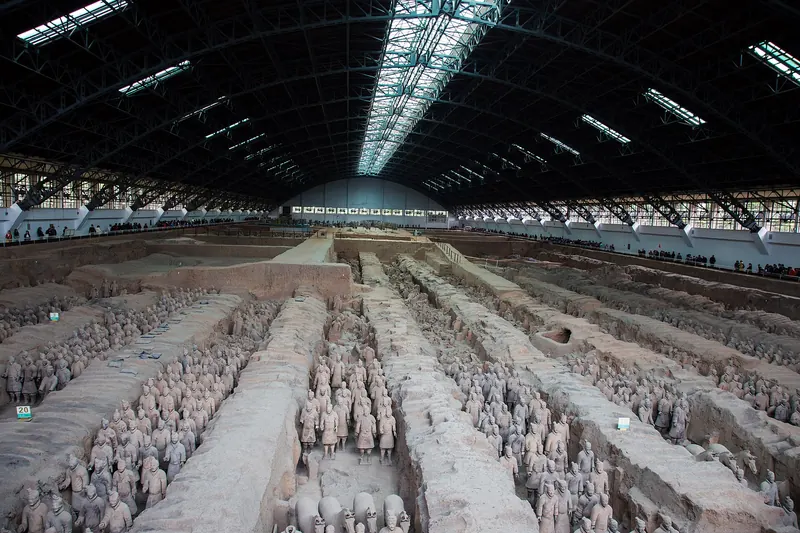
    Xi'an's Terracotta Army first, then the Shaanxi History Museum for context — the single most impressive archaeological site most visitors will ever see, and worth building a whole stop around.

Getting around: bullet trains, flights and one essential setup

China built the world's largest high-speed rail network from almost nothing since 2008, and it is now the best reason to visit multiple cities in one trip. Beijing to Xi'an is 4h30, Beijing to Shanghai under five hours, Shanghai to Hangzhou under ninety minutes — all in clean, punctual, comfortable carriages that land you in city centres.

Book through Trip.com or the official 12306 app, both available in English, and carry your passport — you need it to purchase a ticket and to pass through station security, which functions much like an airport.

Domestic flights fill the gaps the rail network has not reached, including Zhangjiajie and Lijiang from most other cities. They are cheap and frequent but delay-prone, especially in summer thunderstorm season.

Within cities, metro systems in Beijing, Shanghai, Hong Kong and Chengdu are extensive, cheap and signed in English as well as Chinese. Didi, the local ride-hailing app, works well once linked to a foreign card, though having your destination's address in Chinese characters ready helps enormously since most drivers cannot read romanised pinyin.

A car is essentially never the right choice for a foreign visitor. Chinese roads use different rules, signage is overwhelmingly in Chinese, and every destination in this guide is reachable by rail, flight or metro.
Worth knowing: Buy high-speed rail tickets a few weeks ahead in peak season, and always further ahead around the two big holiday weeks — see When to go below.

What to set up before you land

China's two most disruptive surprises for first-time visitors are both entirely avoidable with ten minutes of preparation each, done before departure rather than on arrival.

A VPN. Google, Gmail, Google Maps, WhatsApp, Instagram, Facebook, X and most Western news sites are blocked by the Great Firewall. Choose a paid VPN with a China-specific mode, install it and test it at home — VPN provider websites and many app stores are themselves affected once you are inside the country, so a last-minute install routinely fails.

Alipay or WeChat Pay. China is close to cashless, and both apps now allow a foreign Visa or Mastercard to be linked directly, working almost everywhere from taxis to noodle stalls. Set this up with your passport and card ready before you fly; struggling to pay for basic things on day one is the single most common frustration reported by first-time visitors.

A local map app — Amap (Gaode) or Baidu Maps — works far better than any Western alternative, VPN or not, since neither Google Maps nor Apple Maps has reliable Chinese street-level data. Both have English-language modes.

When to go

China runs from subtropical Hainan to the sub-Arctic northeast, so 'the best time' depends on which China, but two windows work almost everywhere: April to May and September to October.

Spring is comfortable across the eastern and central cities and in the karst country of the south, though the first week of May is a national holiday and crowded everywhere.

Summer is hot and often humid in the east and centre — Xi'an and Chengdu regularly pass 35°C — and the wettest season in the south. Zhangjiajie's mountains and the far northeast are the exceptions and are at their best.

Autumn is widely considered the finest season nationally: clear skies, comfortable heat and striking colour in the north. The first week of October, Golden Week, is the single most crowded week of the year and worth avoiding.

Winter is cold and dry in the north, mild in Hong Kong and the south, and quiet and cheap almost everywhere — except during Chinese New Year, when the largest human migration on earth makes travel difficult.

Worth knowing: Chinese New Year (dates vary, late January to mid-February) and Golden Week (1–7 October) are the two weeks to build a trip around avoiding, not visiting during.

Costs and what to book ahead

Mid-range travel in China runs roughly ¥700–1,200 per person per day, broadly comparable to Western Europe. Backpacking works at ¥350–550; comfortable travel with four- and five-star hotels runs ¥1,400–2,500.

Beijing, Shanghai and Hong Kong are where the money goes; inland cities and rural regions are noticeably cheaper for similar quality, and high-speed rail is excellent value for its speed and comfort.

Book ahead, without exception: the Terracotta Army, the popular Great Wall sections at Mutianyu and Jinshanling, and any high-speed rail travel during a national holiday week — all three sell out.

Tipping is not part of the culture and is neither expected nor always understood outside hotels catering to foreign visitors. It is one genuine saving compared with many other long-haul destinations.

Culture, face and how meals work

China places more visible weight on hierarchy, hospitality and face (mianzi) than most visitors expect, and a little awareness smooths almost every interaction.

Avoid public confrontation. Criticising or contradicting someone in front of others, including service staff, causes a loss of face for everyone involved. Disagreements are far better handled quietly and indirectly.

Meals are shared. Dishes arrive in the centre of the table rather than individually plated, eaten with chopsticks or serving spoons. Wait for the host to begin, and never leave chopsticks standing upright in a bowl of rice — it echoes a funeral offering.

Gifts and cards are given and received with both hands, a small but consistently noticed mark of respect across the country.

Tipping is not expected and can visibly confuse restaurant and taxi staff outside tourist-facing businesses — it is one of the few things in China that costs you nothing to skip.

Finally, queuing has improved sharply but is not universal. Major cities have made real progress at metro gates and attractions, but crowding around ticket barriers still happens. Staying calm rather than confrontational is the right response.

Three routes that work

  1. Ten to twelve days: the classic north-and-east

    Beijing for four nights including the Great Wall, Xi'an for two, Shanghai for three with a day trip to Suzhou, all by high-speed rail. Imperial history, ancient history and modern China in one connected route.

    Tip Book the Terracotta Army and a Great Wall section before you leave home. Both sell out in peak season.

  2. Two weeks: north to the karst south

    The itinerary on the China country page: Beijing and Xi'an by rail, then Guilin and Yangshuo's karst rivers, then Shanghai. Adds a landscape completely unlike the historic cities, with one internal flight.

    Tip Fly Xi'an to Guilin rather than backtracking through Beijing — it saves the better part of a day.

  3. Three weeks: add the southwest

    Extend the two-week route with Chengdu for pandas and hotpot, and Lijiang and Yunnan for old towns and terraced mountains — a different, slower-paced China that most first-time visitors never reach.

    Tip Yunnan rewards a full week of its own rather than a rushed three-day add-on. Consider it a reason to come back.

Reference

The 10 destinations in this guide

Every place named above has its own detailed guide — attractions, food, where to stay, how to get around and a suggested day-by-day plan.

Capital CityHistoric Site

Beijing

Beijing Municipality

China's capital for most of the last eight centuries, where a walled Ming palace, tai-chi parks and some of the country's best duck sit inside a modern megacity of 22 million.

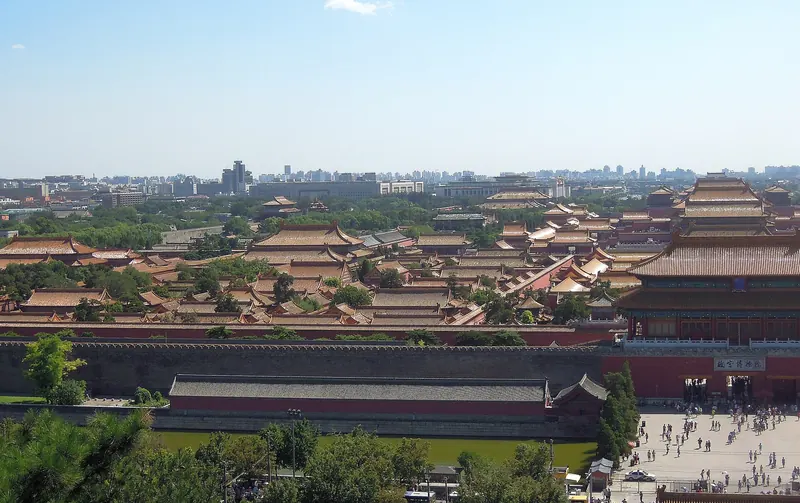
Don't miss The Forbidden City — 980 buildings and nearly 9,000 rooms, the seat of Chinese emperors for nearly five hundred years.

Explore Destination — Beijing
Historic SiteArchaeology

Xi'an

Shaanxi

China's ancient capital for eleven dynasties and over a thousand years, where an emperor's buried army meets a walled old city and the best street food in the country.

Don't miss The Terracotta Army — over 8,000 individually sculpted life-size warriors, discovered by farmers digging a well in 1974.

Explore Destination — Xi'an
Major CityCoast Beaches

Shanghai

Shanghai Municipality

China's financial capital and its most international city, where a preserved 1920s waterfront stares across the river at a skyline that is barely three decades old.

Don't miss The Bund at dusk — a row of 1920s European banking houses facing the futuristic towers of Pudong across the Huangpu River.

Explore Destination — Shanghai
Scenic RegionNature Wildlife

Guilin & Yangshuo

Guangxi

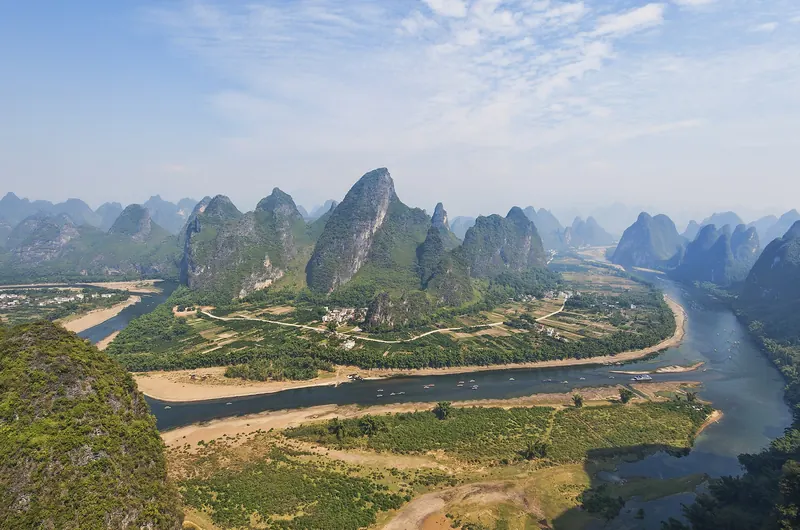
China's most photographed landscape: limestone karst peaks by the thousand, a slow river cruise between two towns, and rice-paddy cycling at the quieter end.

Don't miss The Li River cruise from Guilin to Yangshuo — four hours drifting between thousands of forested karst peaks rising straight out of the water.

Explore Destination — Guilin & Yangshuo
National ParkNature Wildlife

Zhangjiajie

Hunan

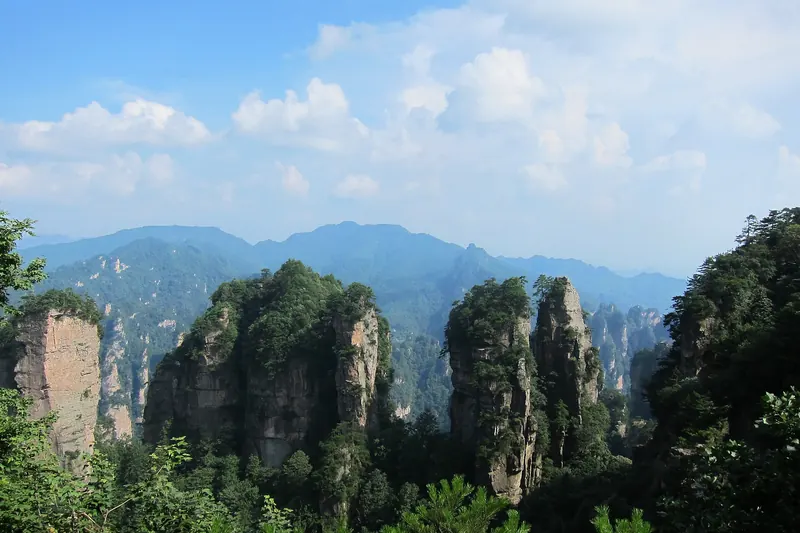
China's strangest national park: over three thousand sandstone pillars, a glass bridge slung between two cliffs, and the tallest outdoor elevator on earth.

Don't miss The Avatar Hallelujah Mountain — a needle-thin sandstone pillar wreathed in cloud that directly inspired the floating mountains of Avatar.

Explore Destination — Zhangjiajie
Major CityNature Wildlife

Chengdu

Sichuan

Sichuan's capital, where giant pandas, the country's spiciest food and an unhurried pace of life make the case for slowing an itinerary down.

Don't miss The Chengdu Research Base of Giant Panda Breeding — dozens of pandas, from newborn cubs to full-grown adults, in naturalistic enclosures best seen at their most active in the early morning.

Explore Destination — Chengdu
Major CityCoast Beaches

Hong Kong

Hong Kong Special Administrative Region

A Special Administrative Region of China with its own laws, currency and border, where dense high-rise city meets green mountains, fishing villages and some of the best dim sum on earth.

Don't miss The Star Ferry crossing Victoria Harbour at dusk — the cheapest, best view in the city, skyscrapers lighting up on both shores at once.

Explore Destination — Hong Kong
Historic SiteNature Wildlife

Lijiang & Yunnan

Yunnan

China's most ethnically diverse province, where a UNESCO-listed canal town, snow-capped mountains and terraced valleys sit far from the country's historic east-coast centres.

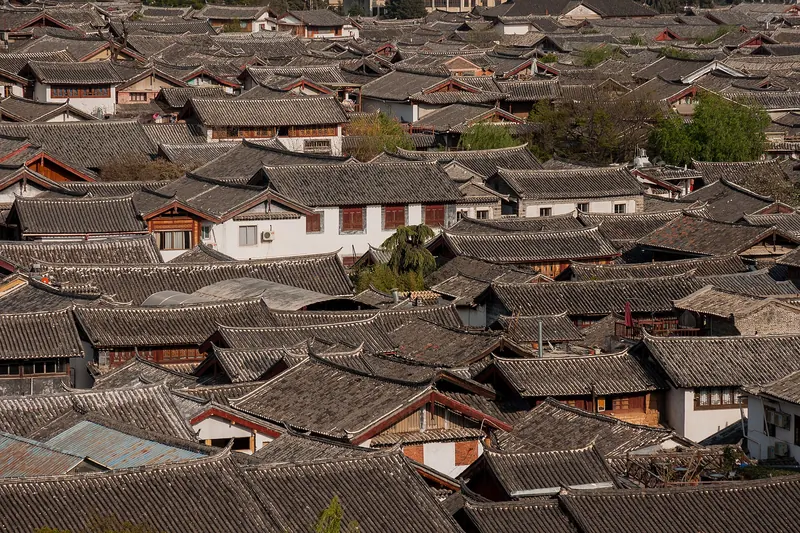
Don't miss Lijiang's Old Town at dawn — canal-lined cobbled lanes and Naxi-style wooden houses, quiet before the day's crowds arrive.

Explore Destination — Lijiang & Yunnan
Nature WildlifeHistoric Site

Huangshan & the Anhui Villages

Anhui

The mountain that shaped a thousand years of Chinese landscape painting, with Ming and Qing-dynasty villages preserved almost untouched at its base.

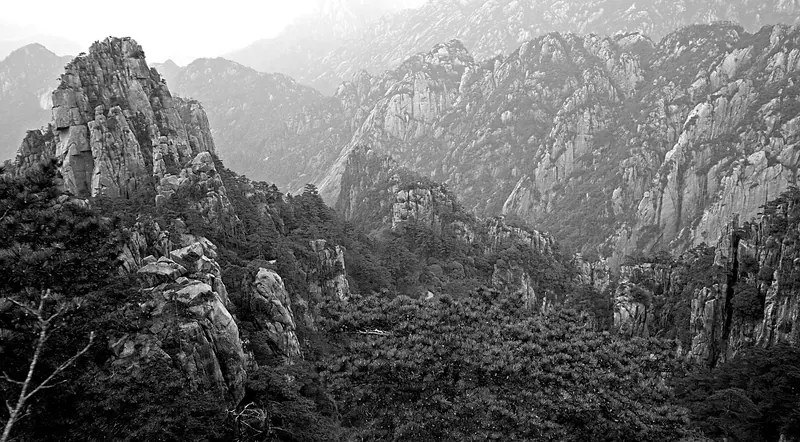
Don't miss Sunrise over Huangshan's sea of clouds — granite peaks breaking through mist below the summit hotels, the single image most associated with classical Chinese landscape painting.

Explore Destination — Huangshan & the Anhui Villages
Historic SiteScenic Region

Suzhou & Hangzhou

Jiangsu & Zhejiang

Two canal-and-lake cities under ninety minutes from Shanghai, one built around the most celebrated classical gardens in China, the other around a lake that has shaped a thousand years of poetry.

Don't miss The Humble Administrator's Garden in Suzhou — the largest and most celebrated classical garden in China, its pavilions, ponds and rockeries composed like a three-dimensional painting.

Explore Destination — Suzhou & Hangzhou

Back to the China country page

FAQ

Planning a trip to China

How long do I need in China?

Twelve to sixteen days for a first trip. Ten to twelve covers Beijing, Xi'an and Shanghai properly by high-speed rail; fourteen to eighteen lets you add a landscape destination like Guilin's karst country. Five or six days is enough for Beijing and Xi'an alone, which together justify a trip on their own.

What should I set up before I leave home?

A VPN, tested and working, and Alipay or WeChat Pay linked to a foreign card. Both take about ten minutes to arrange and solve the two problems — blocked apps and difficulty paying for anything — that disrupt most first-time visitors daily if left until arrival.

Is the high-speed rail network worth planning a trip around?

Yes. It is the best and often cheapest way to move between China's major cities, at up to 350 km/h in clean, comfortable carriages that land you in city centres rather than airports. Book through Trip.com or the 12306 app, and carry your passport, which is required to purchase and board.

When should I avoid visiting China?

Chinese New Year, which moves between late January and mid-February, and Golden Week, the first week of October. Both see the largest human migrations on earth, with trains, flights and hotels selling out or spiking in price months ahead. Neither is a reason to cancel a trip, but both are reasons to shift the dates if you can.

Advertisement