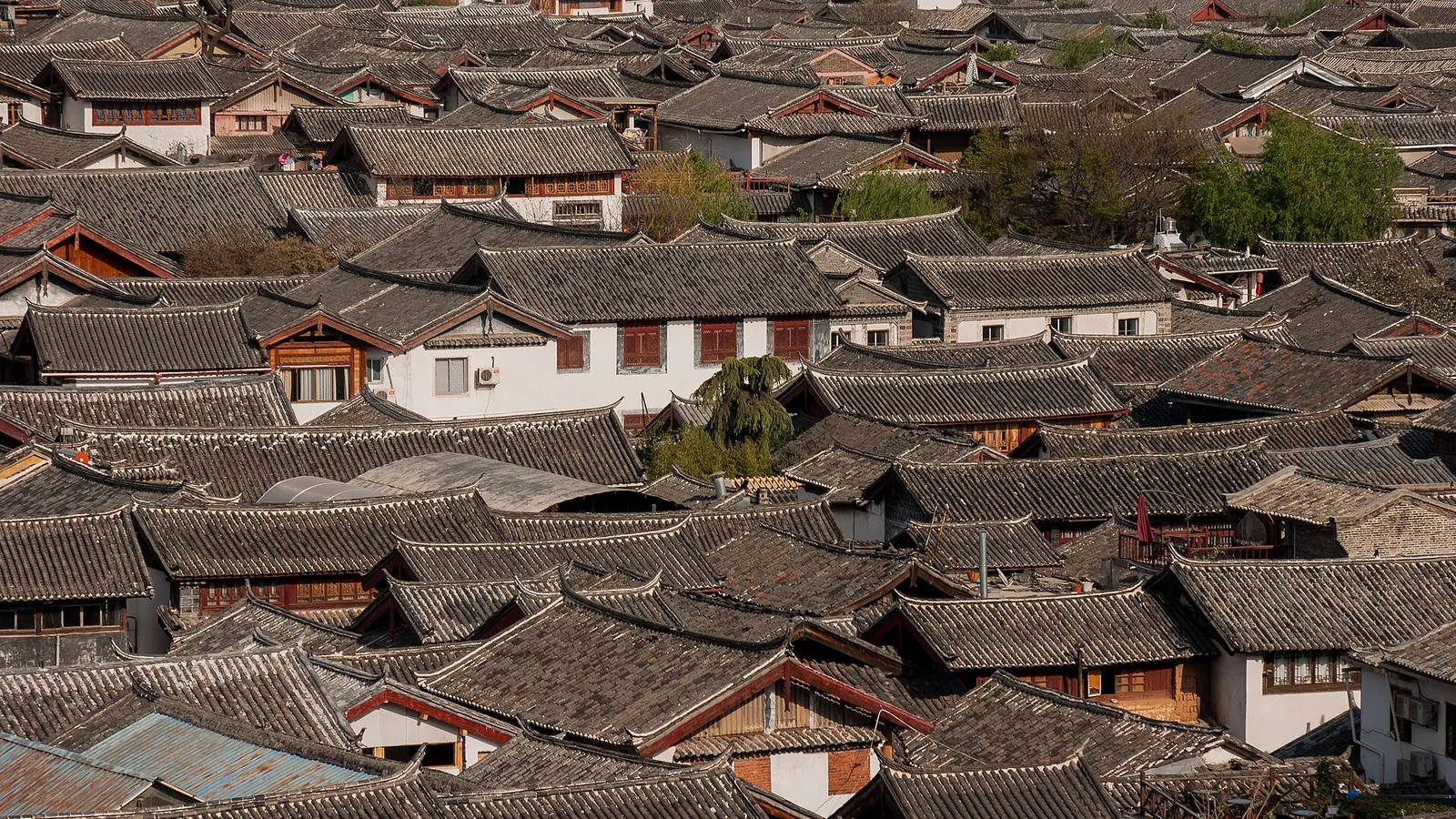
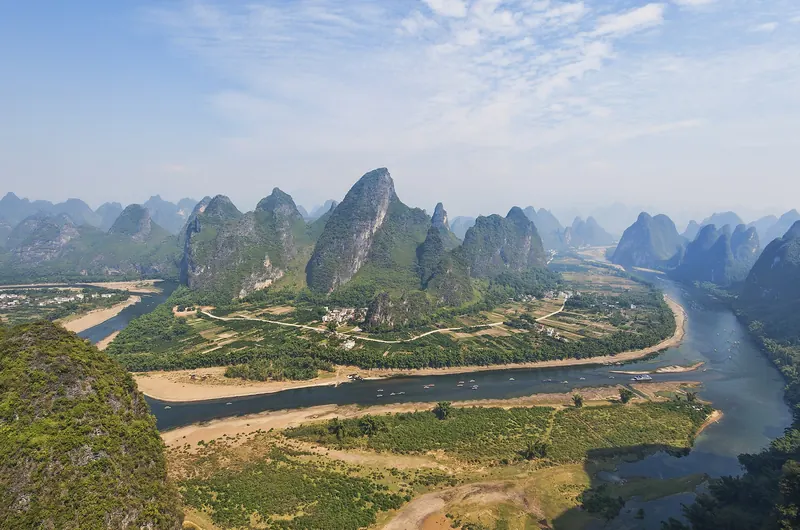
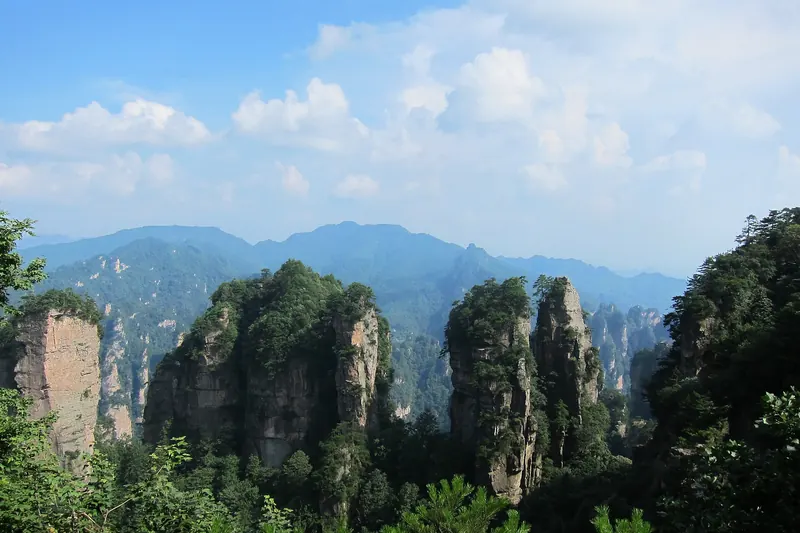
The canal-lined rooftops of Lijiang's Old Town seen from above

Yunnan · China

Lijiang & Yunnan

A UNESCO-listed old town of canals and cobbled lanes at the foot of the Himalayan foothills, and a province where more than two dozen ethnic minority cultures live in mountains most of China never sees.

  • Best time March–May and September–November
  • Stay 4–5 days
  • Good for Culture, nature, hiking, slower travel

Photo: CEphoto, Uwe Aranas · CC BY-SA 3.0

Welcome to Lijiang & Yunnan

Yunnan sits at China's southwestern edge, bordering Myanmar, Laos and Vietnam, and it is home to more than two dozen officially recognised ethnic minority groups — a different demographic and cultural picture from the Han-majority cities of the east coast. The province's name translates roughly to 'south of the clouds', and its geography backs that up: a dramatic drop from Tibetan-adjacent peaks in the north to subtropical valleys in the south, all within a single province.

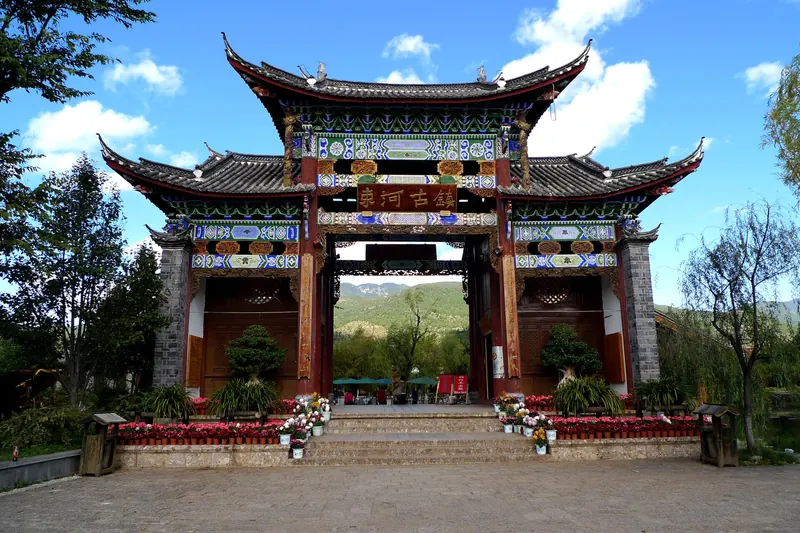
Lijiang's Old Town, a UNESCO World Heritage Site since 1997, is the region's best-known anchor — a maze of canals, cobbled lanes and Naxi-style wooden houses built on a network of waterways diverted from the nearby mountains, largely spared the wholesale demolition-and-rebuild that erased comparable old towns elsewhere in China. The Naxi people, one of Yunnan's most visible minority cultures, maintain their own pictographic writing system, Dongba, believed to be the world's last living pictographic script still in active use.

Beyond Lijiang, the wider region rewards more time: Jade Dragon Snow Mountain rising directly behind the old town, Tiger Leaping Gorge cutting one of the world's deepest river canyons a few hours north, and Dali's own old town and Erhai Lake offering a calmer, less-visited alternative nearby. This is a region built for slowing down rather than checking off sights.

  • Historic Site
  • Nature Wildlife
  • Off Beaten Path

Why visit

Why visit Lijiang & Yunnan?

Lijiang and Yunnan's case is that it shows a different China — ethnically, geographically and culturally distinct from the historic east-coast centres most first trips focus on.

  • Lijiang's Old Town survived intact

    A UNESCO-listed canal town of wooden Naxi architecture, spared the demolition that erased comparable historic quarters in many other Chinese cities.

  • The ethnic diversity is genuine and visible

    Naxi, Bai, Yi and dozens of other minority cultures maintain distinct languages, architecture and traditions across the province, unlike the more culturally homogeneous east.

  • The landscape rivals anywhere in this guide

    Jade Dragon Snow Mountain and Tiger Leaping Gorge offer dramatic Himalayan-foothill scenery unlike anything in eastern or northern China.

  • It rewards slowing down

    Terraced rice paddies, quiet lakeside towns and mountain villages make this one of the few stops in this guide built around unhurried travel rather than sightseeing checklists.

  • It pairs well as a counterpoint to the historic-cities route

    A different landscape and culture from a Beijing-Xi'an-Shanghai itinerary, without requiring an entirely separate trip.

Main attractions

Top things to see in Lijiang & Yunnan

Lijiang itself rewards a couple of unhurried days; the wider region's mountains and gorges deserve at least one more.

  1. Lijiang Old Town's lanes and rooftops lit up at night

    Lijiang Old Town

    A UNESCO-listed maze of canals, cobbled lanes and Naxi wooden architecture dating largely to the Song and Yuan dynasties, atmospheric at dawn before the day's visitors fill the lanes.

    Tip Stay inside the old town itself for at least one night to experience it after the day-trip crowds leave.

  2. The snow-capped peaks of Jade Dragon Snow Mountain

    Jade Dragon Snow Mountain

    A snow-capped peak rising to over 5,500 metres directly behind Lijiang, reachable by cable car to a high viewing platform with views over glaciers and, on clear days, an alpine landscape.

    Tip Altitude affects some visitors even at the viewing platform — move slowly and carry water. Book cable car tickets in advance in peak season.

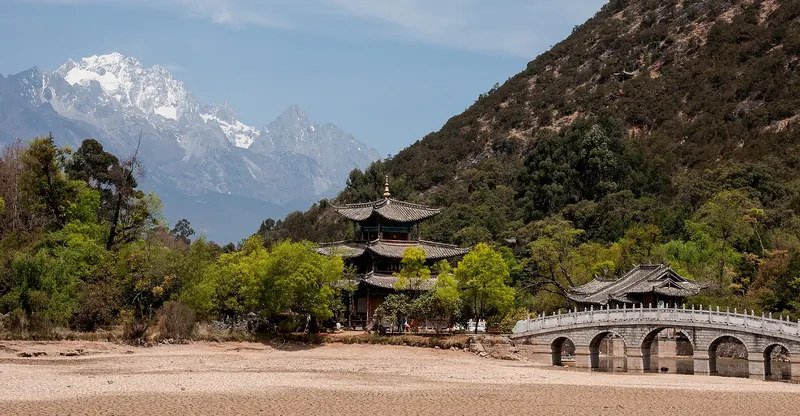
  3. Black Dragon Pool with Jade Dragon Snow Mountain reflected behind it

    Black Dragon Pool Park

    A park at the edge of Lijiang Old Town with a classical pond reflecting Jade Dragon Snow Mountain behind it on a clear day — one of the most photographed views in the region for good reason.

    Tip Early morning offers the calmest water and the best chance of a clear mountain reflection.

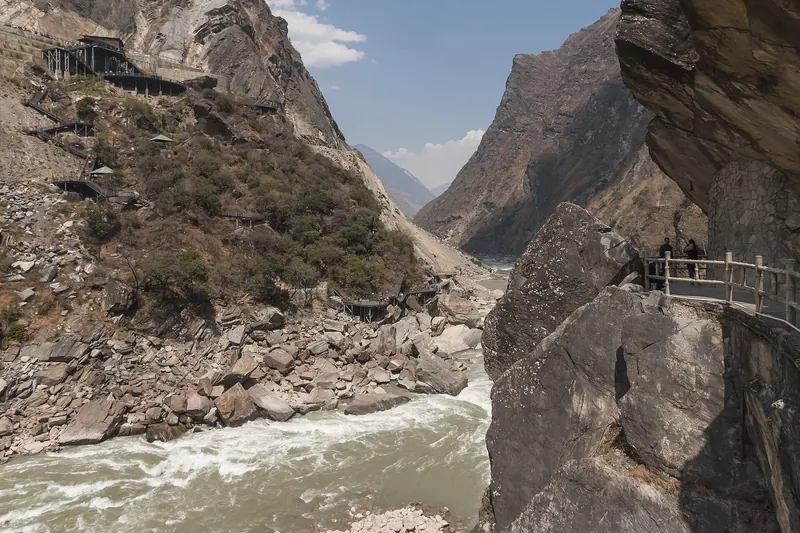
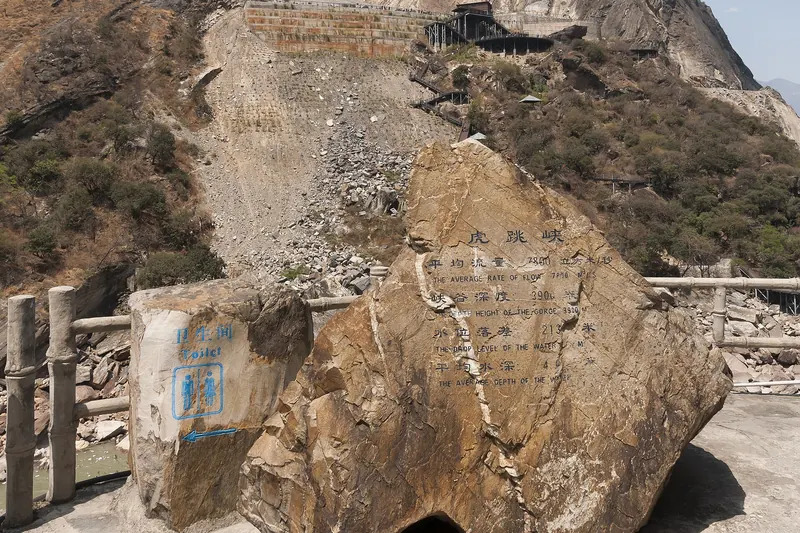
  4. The steep walls of Tiger Leaping Gorge above the Jinsha River

    Tiger Leaping Gorge

    One of the deepest river canyons on earth, the Jinsha River roaring through a gap barely 25 metres wide at its narrowest point, with a multi-day hiking trail along the upper gorge for those with time.

    Tip The high trail is a genuine multi-day trek; a shorter lower-gorge walk from the main viewing platform suits a single day.

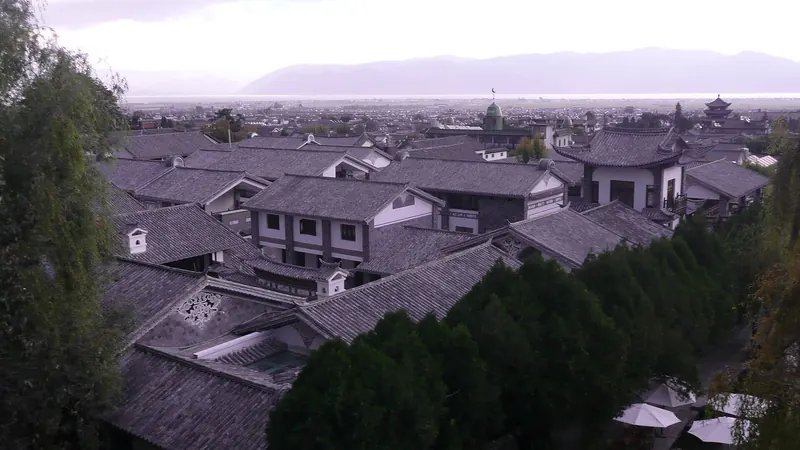
  5. The wide waters of Erhai Lake near Dali

    Dali Old Town and Erhai Lake

    A second, calmer historic town a few hours from Lijiang, home to the Bai minority, with its own old city walls and the large Erhai Lake nearby, increasingly popular for cycling its shoreline.

    Tip Worth a separate overnight if time allows — Dali has its own distinct atmosphere rather than being simply a smaller Lijiang.

  6. The quieter canal lanes of Shuhe Old Town near Lijiang

    Shuhe Old Town

    A smaller, quieter neighbour to Lijiang's Old Town, similarly built around canals and Naxi architecture but with noticeably fewer visitors, a genuine alternative base or half-day escape.

    Tip Walkable or a short taxi ride from Lijiang Old Town — worth an afternoon even if you are based in the main town.

Things to do

Best things to do in Lijiang & Yunnan

The region rewards splitting time between Lijiang's old town, the surrounding mountains, and at least a partial visit to the wider Yunnan landscape.

  1. Walk Lijiang's Old Town before sunrise

    The single best way to experience the canals and lanes without crowds — vendors setting up, mist over the water, and a genuine sense of the town before it becomes a day-trip destination.

    Tip Even staying just outside the old town, an early walk in is worth the alarm clock.

  2. Take the Jade Dragon Snow Mountain cable car

    A ride up to over 4,500 metres for glacier and alpine views, among the highest cable car rides in China, with the option of a shorter, gentler section for those affected by altitude.

    Tip Layer up regardless of the season in Lijiang itself — temperatures at altitude drop sharply.

  3. A trail along the walls of Tiger Leaping Gorge

    Hike part of Tiger Leaping Gorge

    Whether the full multi-day high trail or a shorter walk from the lower gorge viewpoint, the sheer scale of the canyon and the roar of the river below are dramatic even on a short visit.

    Tip The high trail requires proper preparation and ideally a local guide; the lower gorge path is manageable independently in a few hours.

  4. Watch a Naxi orchestra performance

    Traditional Naxi music, using instruments and melodies said to preserve elements of Tang and Song dynasty court music lost elsewhere in China, performed by an orchestra whose members are mostly elderly tradition-bearers.

    Tip Performances run most evenings in Lijiang Old Town — check current listings and arrive early for a good seat.

  5. Cycle around Erhai Lake near Dali

    A large lake near Dali Old Town with a paved path suitable for cycling much of its shoreline, passing fishing villages, temples and views back toward the Cangshan mountains.

    Tip A full loop is a serious full-day ride; most visitors cycle a shorter section rather than the entire shoreline.

  6. Naxi villagers carrying baskets near Lijiang

    Visit a village market in the terraced countryside

    Rural markets across the region, particularly around smaller towns near Lijiang and Dali, showcase the province's ethnic diversity through dress, produce and dialect in a way city sightseeing does not.

    Tip Ask locally for market days, which typically rotate on a set schedule between nearby towns rather than running daily.

Local food

What to eat in Lijiang & Yunnan

Yunnan's food draws on its mountains, its ethnic diversity and its proximity to Southeast Asia, built around wild mushrooms, herbs and dairy rarely used elsewhere in China.

  • Crossing-the-bridge noodles with raw ingredients stirred into hot broth

    Crossing-the-bridge noodles

    A scalding broth sealed with a layer of oil, into which raw meat, egg and rice noodles are stirred tableside and cooked within seconds by the broth's residual heat — Yunnan's most famous dish.

    Where to try it Kunming or Lijiang restaurants specialising in the dish, usually clearly signed.

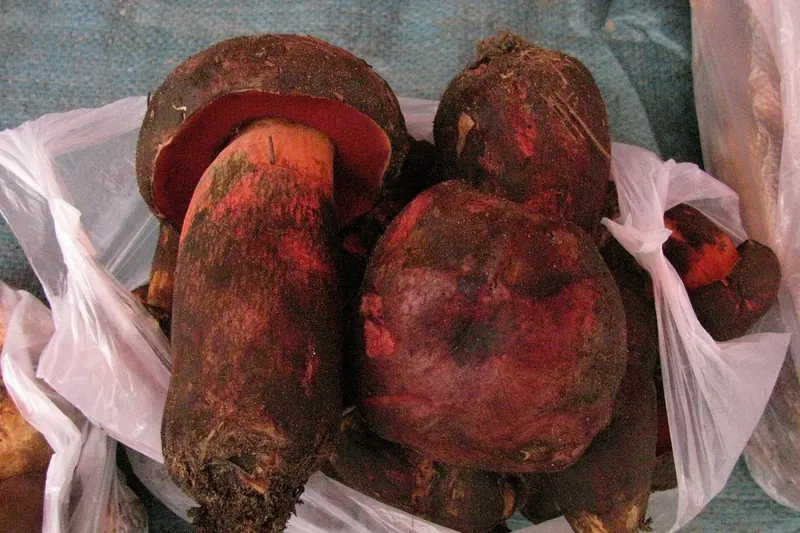
  • A prized wild bolete mushroom foraged in Yunnan's forests

    Wild mushrooms

    Yunnan's forests produce an extraordinary range of wild mushrooms, foraged seasonally and cooked simply — stir-fried, in hotpot, or grilled — a genuine regional speciality unmatched elsewhere in China.

    Where to try it Restaurants specialising in 'wild mushroom hotpot', most abundant and best from summer into early autumn.

  • Baba (Naxi flatbread)

    A Naxi speciality flatbread, savoury or sweet depending on the filling, pan-fried until crisp — a common Lijiang Old Town street snack and breakfast staple.

    Where to try it Street stalls throughout Lijiang Old Town, sold fresh and warm.

  • Rubing and rushan (goat cheese)

    Fresh and dried goat's milk cheese from the Bai minority around Dali, a genuine rarity in a country where dairy plays little role in most regional cuisines, often grilled or fried until the surface crisps.

    Where to try it Dali's old town and local markets, where it is sold both fresh and grilled on skewers.

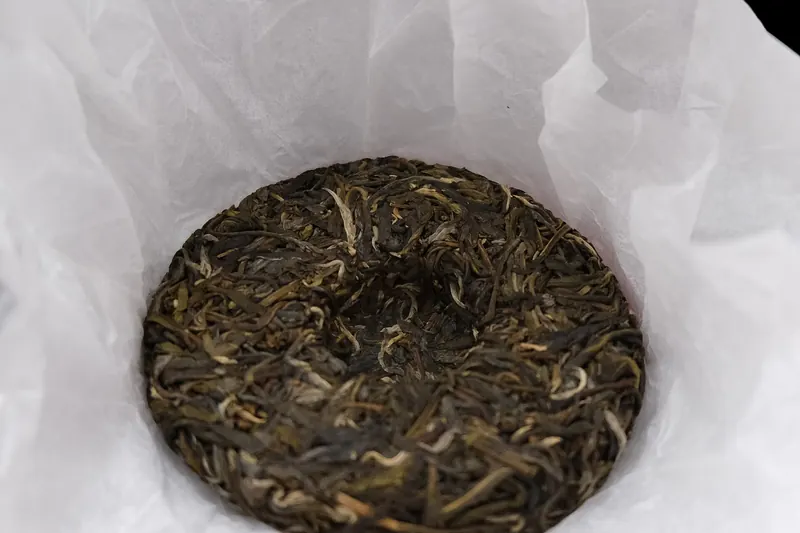
  • A pressed cake of aged Yunnan pu'er tea

    Pu'er tea

    A fermented tea originating in southern Yunnan, aged and pressed into cakes, prized for developing complexity over years or decades — a genuine specialist interest as much as a drink.

    Where to try it Teahouses and specialist tea shops across the region, particularly in Lijiang and Kunming.

  • Yunnan-style ham (Xuanwei ham)

    A cured, air-dried ham from Yunnan's Xuanwei region, similar in concept to Spanish or Italian cured hams, used to flavour soups and stir-fries as much as eaten on its own.

    Where to try it Local restaurants across the region, often listed as an ingredient rather than a standalone dish.

Accommodation

Where to stay in Lijiang & Yunnan

Most visitors base themselves in or near Lijiang Old Town, with Dali as an optional second stop for those with more time.

  • Inside Lijiang Old Town

    Traditional Naxi courtyard guesthouses within the canal lanes themselves, walking distance to everything, and the only way to see the old town before the day-trip crowds arrive.

    Best for: Atmosphere

  • Shuhe Old Town

    A short taxi ride from Lijiang Old Town, with similar canal-and-Naxi-architecture atmosphere and noticeably fewer visitors.

    Best for: A quieter base

  • Dali Old Town

    Its own historic centre and easy access to Erhai Lake, worth a dedicated one or two nights if your itinerary allows it.

    Best for: A second, calmer stop

What a night costs

Hostel dorm
¥40–80 per night
Mid-range guesthouse
¥180–400 per night
Jade Dragon Snow Mountain cable car and park entry
¥300–450
Tiger Leaping Gorge entry
¥65

Transport

Getting to and around Lijiang & Yunnan

Lijiang has its own airport with domestic connections, and the wider region is increasingly reachable by high-speed rail from Kunming, Yunnan's provincial capital.

Getting there

  • Lijiang Sanyi Airport (LJG)

    Domestic connections to Kunming, Chengdu and other major Chinese cities, about 25 km from Lijiang Old Town.

    Most international visitors connect through Kunming or another major hub rather than flying directly.

  • High-speed rail via Kunming

    Kunming connects to the wider national network, with a further high-speed line reaching Lijiang and Dali directly.

    Check current routings, as this connection has expanded significantly in recent years.

  • Domestic flights from Chengdu or Kunming

    A practical way to add Lijiang to a wider Sichuan or Yunnan-focused trip, cutting significant overland travel time.

    Compare against rail options, which are improving but still slower for this specific route.

Getting around

Lijiang Old Town itself is entirely pedestrian; the wider region needs a mix of buses, taxis and organised transport.

  • Walking within Lijiang Old Town

    The old town is car-free and compact, entirely walkable, and best explored without any fixed plan.

    The lanes are a genuine maze — download an offline map or accept getting pleasantly lost.

  • Buses and shared vans to Jade Dragon Snow Mountain

    Regular transport connects Lijiang to the mountain's cable car base station, a straightforward half-day round trip.

    Book cable car tickets in advance in peak season, as visitor numbers are capped daily.

  • Buses to Tiger Leaping Gorge and Dali

    Regular bus services connect Lijiang to both, with Tiger Leaping Gorge a few hours away and Dali a similar distance in the opposite direction.

    Buy tickets a day ahead in peak season from the main Lijiang bus station.

  • Didi and local taxis

    Useful for reaching Shuhe Old Town, Black Dragon Pool Park's far entrance, or other short hops outside the old town's pedestrian zone.

    Have your destination in Chinese characters ready for the driver.

When to go

Best time to visit Lijiang & Yunnan

Yunnan's varied altitude gives it a mild climate for much of the year, but the shoulder seasons offer the clearest mountain views and driest trails.

  • Spring (March–May)

    Best time

    Mild, increasingly green, with good visibility for Jade Dragon Snow Mountain and comfortable hiking conditions at Tiger Leaping Gorge.

  • Summer (June–August)

    Shoulder

    The wettest season, with afternoon rain common, but also when wild mushrooms are most abundant and the countryside is at its greenest.

  • Autumn (September–November)

    Best time

    Widely considered the best season: clear skies, comfortable temperatures and excellent mountain visibility.

  • Winter (December–February)

    Shoulder

    Cold at altitude and around Jade Dragon Snow Mountain, but Lijiang itself stays relatively mild, and the crowds are thinner than any other season.

Worth planning around: The first week of October, when domestic tourism spikes and Lijiang Old Town's lanes become crowded.

Itinerary

Four days in Lijiang and Yunnan

Lijiang's old town, the mountain, the gorge and a taste of Dali — a pace that covers the region's variety without rushing any one piece.

  1. Day1

    Lijiang Old Town

    Settle in and see the town at its quietest and busiest.

    • Morning Arrive and walk the old town before the crowds build.
    • Afternoon Black Dragon Pool Park, weather permitting for the mountain reflection.
    • Evening A Naxi orchestra performance, then dinner in the lanes.
  2. Day2

    Jade Dragon Snow Mountain

    A full day at altitude.

    • Morning Transfer to the mountain and take the cable car up.
    • Afternoon The high viewing platform, moving slowly for the altitude.
    • Evening Back to Lijiang for a quiet dinner.
  3. Day3

    Tiger Leaping Gorge

    A day trip to the gorge.

    • Morning Bus to the gorge and the lower viewpoint.
    • Afternoon Walk as much of the lower trail as time allows.
    • Evening Back to Lijiang, or an overnight in the gorge for those hiking further.
  4. Day4

    Shuhe or Dali

    A quieter old town, then depart.

    • Morning Shuhe Old Town for a calmer counterpoint to Lijiang.
    • Afternoon Onward transport, or a further day trip to Dali if time allows.
    • Evening Depart Lijiang.

Travel tips

Lijiang & Yunnan travel tips

Region-specific practicalities, mostly about altitude, transport timing and the sheer geographic spread of Yunnan.

  • Take altitude seriously at Jade Dragon Snow Mountain — move slowly, stay hydrated, and know that mild headache or breathlessness at the viewing platform is common and not usually dangerous.
  • Book Jade Dragon Snow Mountain cable car tickets in advance in peak season — daily visitor numbers are capped.
  • Stay at least one night inside Lijiang Old Town itself, even if your main hotel is elsewhere, to experience it before the day-trip crowds.
  • The full Tiger Leaping Gorge high trail is a genuine multi-day trek requiring preparation — do not attempt it as a casual add-on without proper planning.
  • Yunnan's distances are larger than they look on a map of one province — Kunming, Lijiang and Dali are each several hours apart, so plan transport time generously.
  • Market days in smaller towns rotate on a schedule rather than running daily — ask locally rather than assuming one will be running.

FAQ

Lijiang & Yunnan: frequently asked questions

How many days do you need in Lijiang and Yunnan?

Four to five. Two days for Lijiang Old Town and Jade Dragon Snow Mountain, one for Tiger Leaping Gorge, and at least one more for Dali or Shuhe if you want a fuller picture of the region. Three days is workable if you skip Dali.

Is Jade Dragon Snow Mountain safe for visitors not used to altitude?

Generally yes, with sensible precautions — move slowly, stay hydrated, and know that mild symptoms like headache or breathlessness are common at the viewing platform's altitude. Anyone with a serious heart or lung condition should consult a doctor before attempting it.

Do I need to hike the full Tiger Leaping Gorge trail?

No. The full high trail is a genuine multi-day trek best done with preparation or a guide, but a shorter walk from the lower gorge viewpoint gives a real sense of the canyon's scale in just a few hours, and suits most visitors on a standard itinerary.

What is the best time of year to visit?

March to May and September to November. Both offer mild temperatures and the clearest mountain visibility. Summer brings rain but also wild mushroom season; winter is cold at altitude but Lijiang itself stays comparatively mild and the crowds thin out considerably.

Should I visit Lijiang or Dali, or both?

Both if time allows — they offer different atmospheres, Lijiang more elaborate and visited, Dali calmer with the added draw of Erhai Lake. If forced to choose one, Lijiang has the stronger single attraction in its Old Town and proximity to Jade Dragon Snow Mountain.

Read next

Related travel articles

Practical

Packing by Season and Trip Type

Most packing advice is a list of things. This is the opposite: the small number of decisions that determine whether your luggage helps or hinders, organised by the kind of trip you are actually taking.

Heritage

UNESCO Sites Worth Planning a Trip Around

A UNESCO listing tells you a place matters; it does not tell you whether it is worth two days and a detour. This is how to read the list usefully — and which sites reward building a trip around them.

Advertisement