Welcome to Shanghai
Shanghai was a fishing and weaving town of no particular significance until foreign powers forced it open as a treaty port in 1842. Within a century it had become the most cosmopolitan city in Asia, a genuine international metropolis of foreign concessions, jazz clubs, gangsters and the tallest buildings on the continent — a period locals still refer to simply as Shanghai's 'golden age'. Then came decades of quiet isolation under the early People's Republic, before the Pudong district across the river was designated a special economic zone in 1990 and transformed, in barely a generation, from farmland into one of the most recognisable skylines on earth.
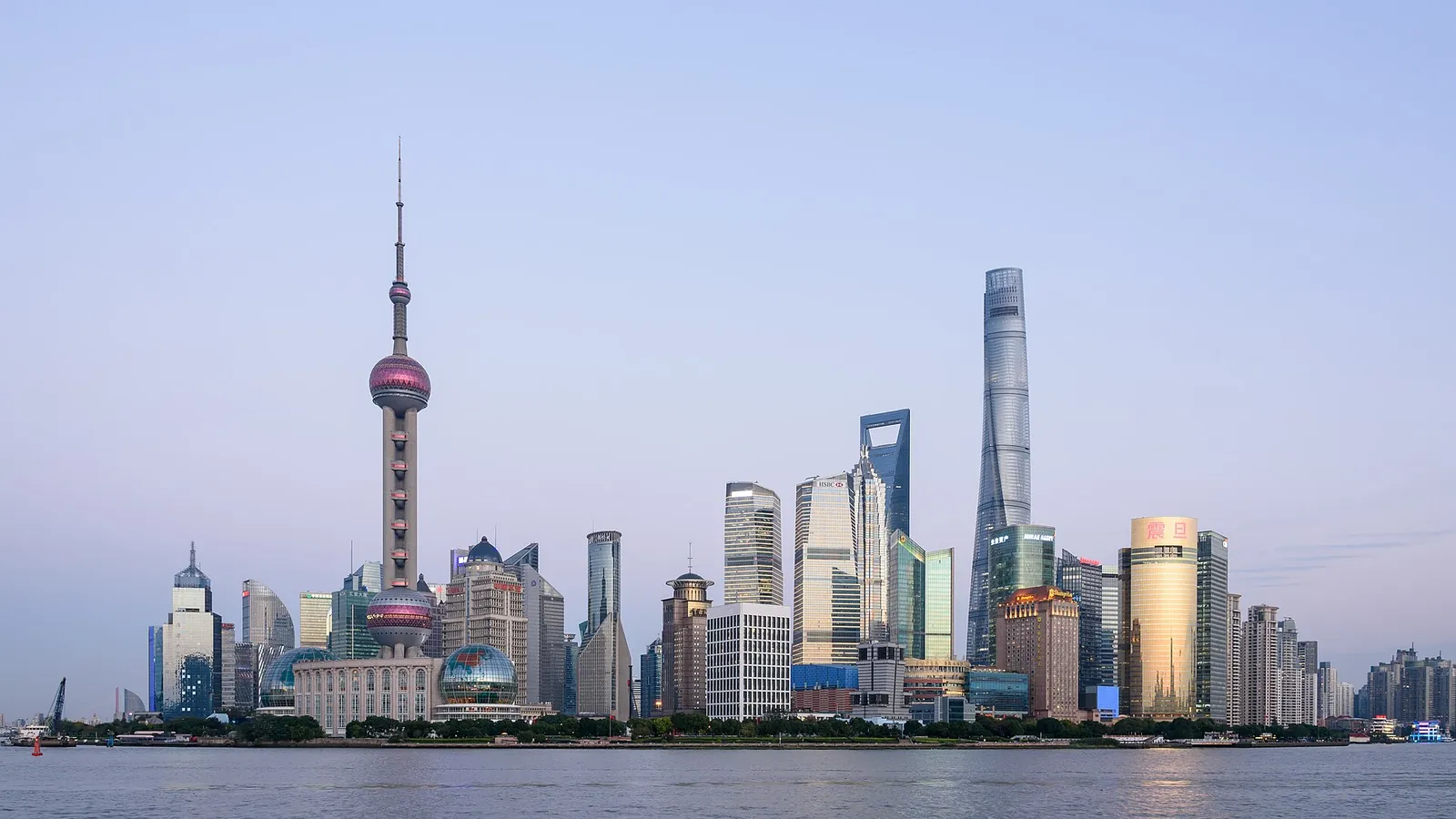
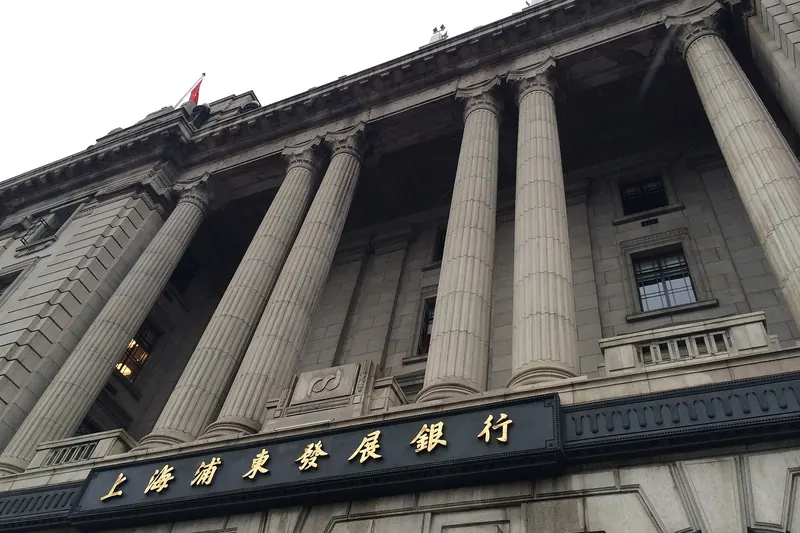
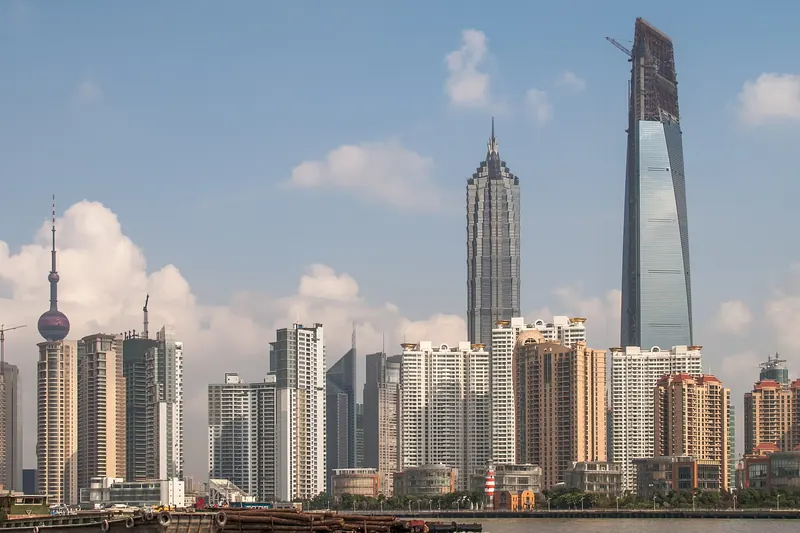
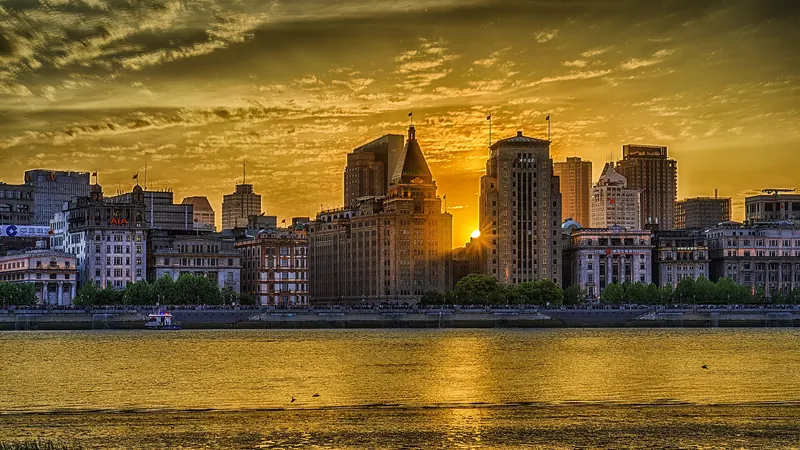
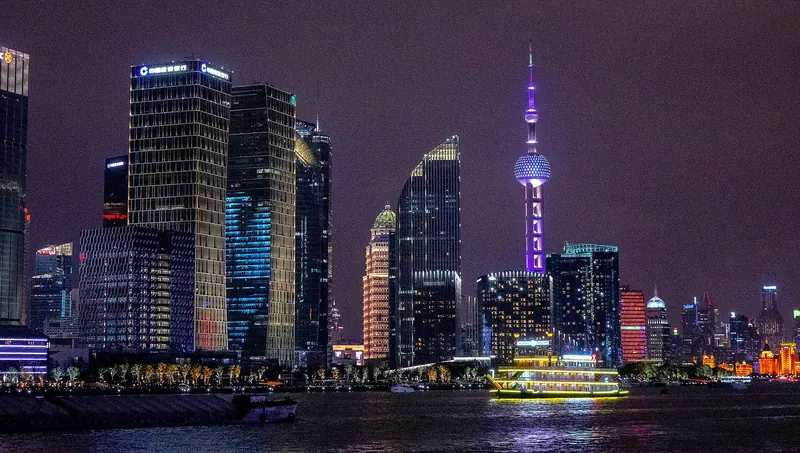
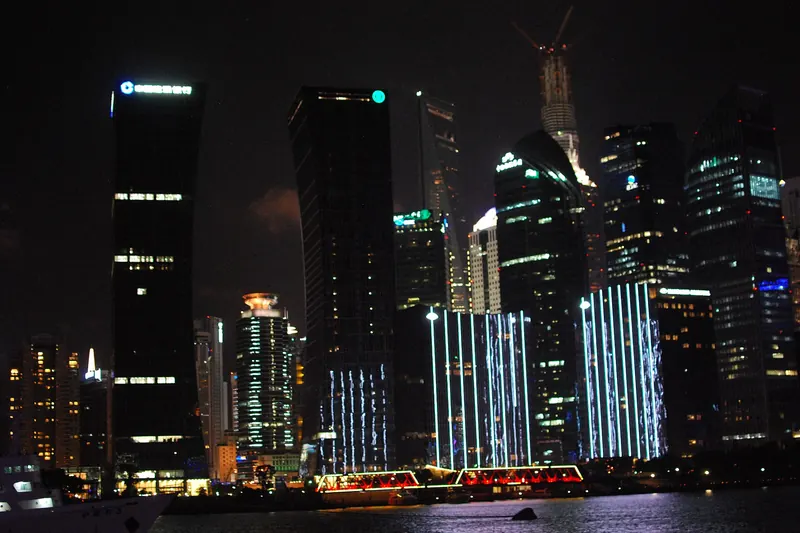
That history left the city with two faces that face each other across the Huangpu River. The Bund is the old face: a kilometre of grand 1920s banking houses in a dozen European styles, built when Shanghai's financial district rivalled London's. Pudong is the new one: the Oriental Pearl Tower, the bottle-opener-shaped Shanghai World Financial Center and the Shanghai Tower, China's tallest building, none of which existed when many residents were born.
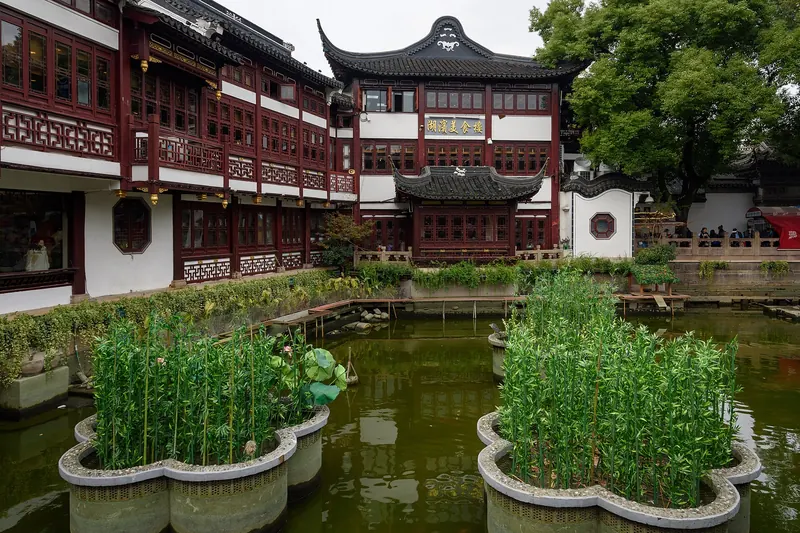
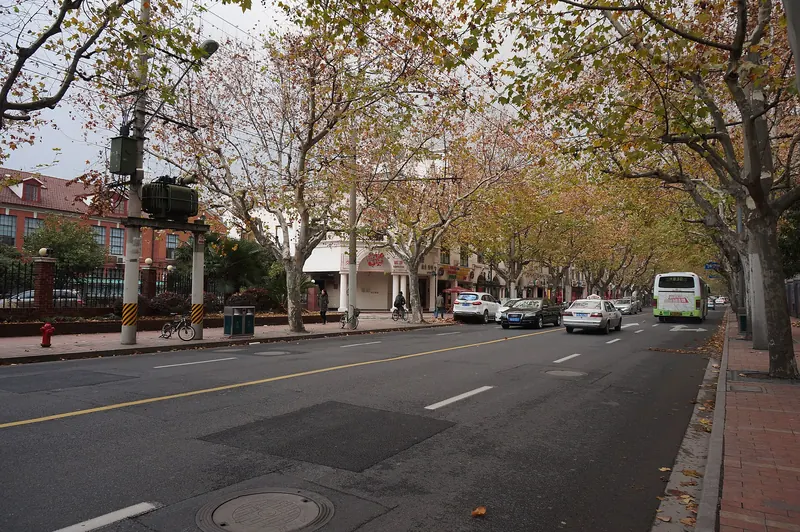
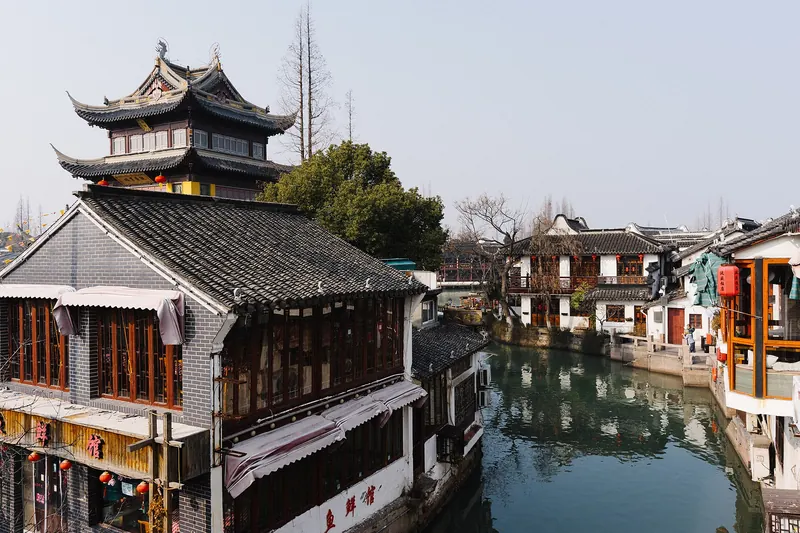
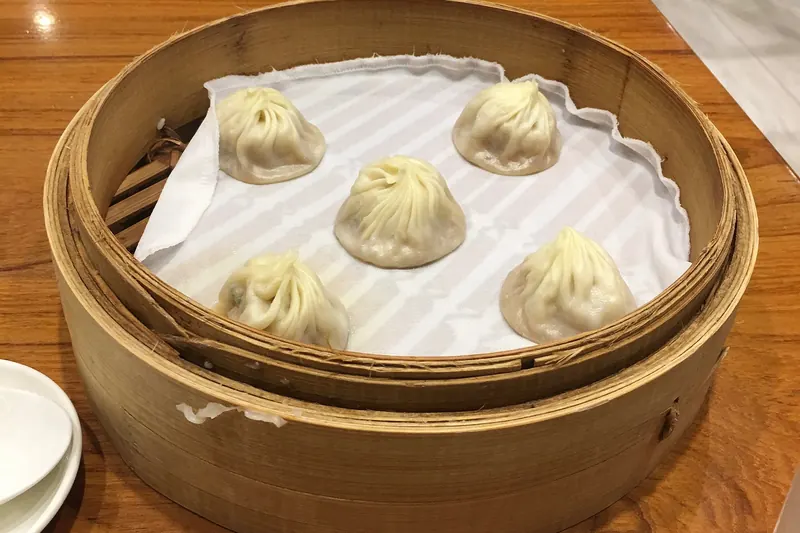
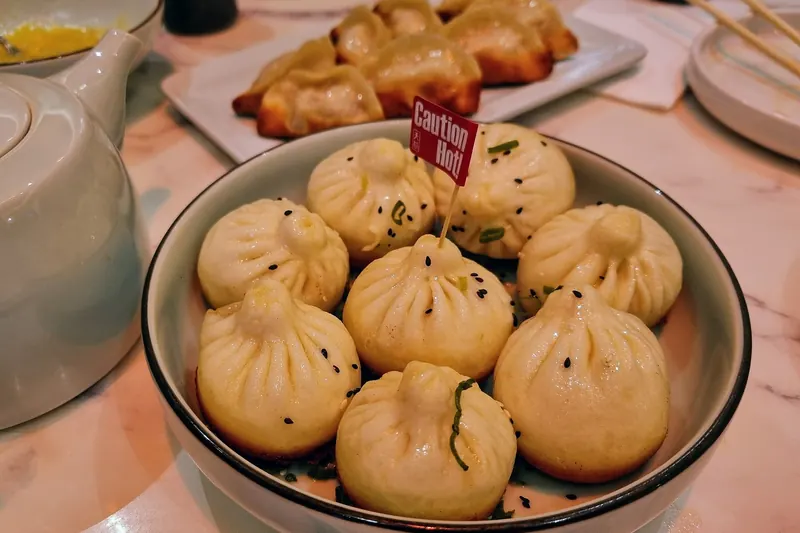
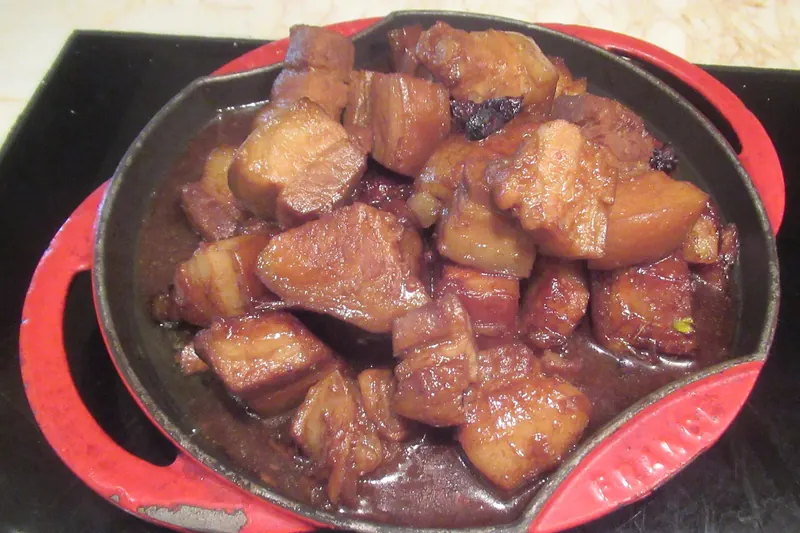
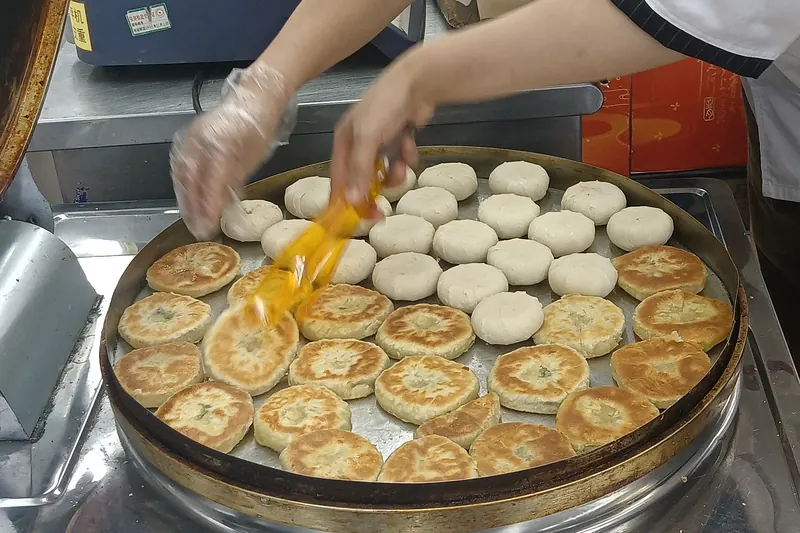
Between the two, and easy to overlook if you only chase the skyline, is a city that still rewards slow walking — the French Concession's plane-tree-lined streets, Yu Garden's Ming-dynasty rockeries hidden behind the old town's tourist stalls, and a food culture, all soup dumplings, scallion pancakes and sweet-savoury Shanghainese cooking, that is completely distinct from the rest of China.
- Major City
- Coast Beaches
- Culture Arts