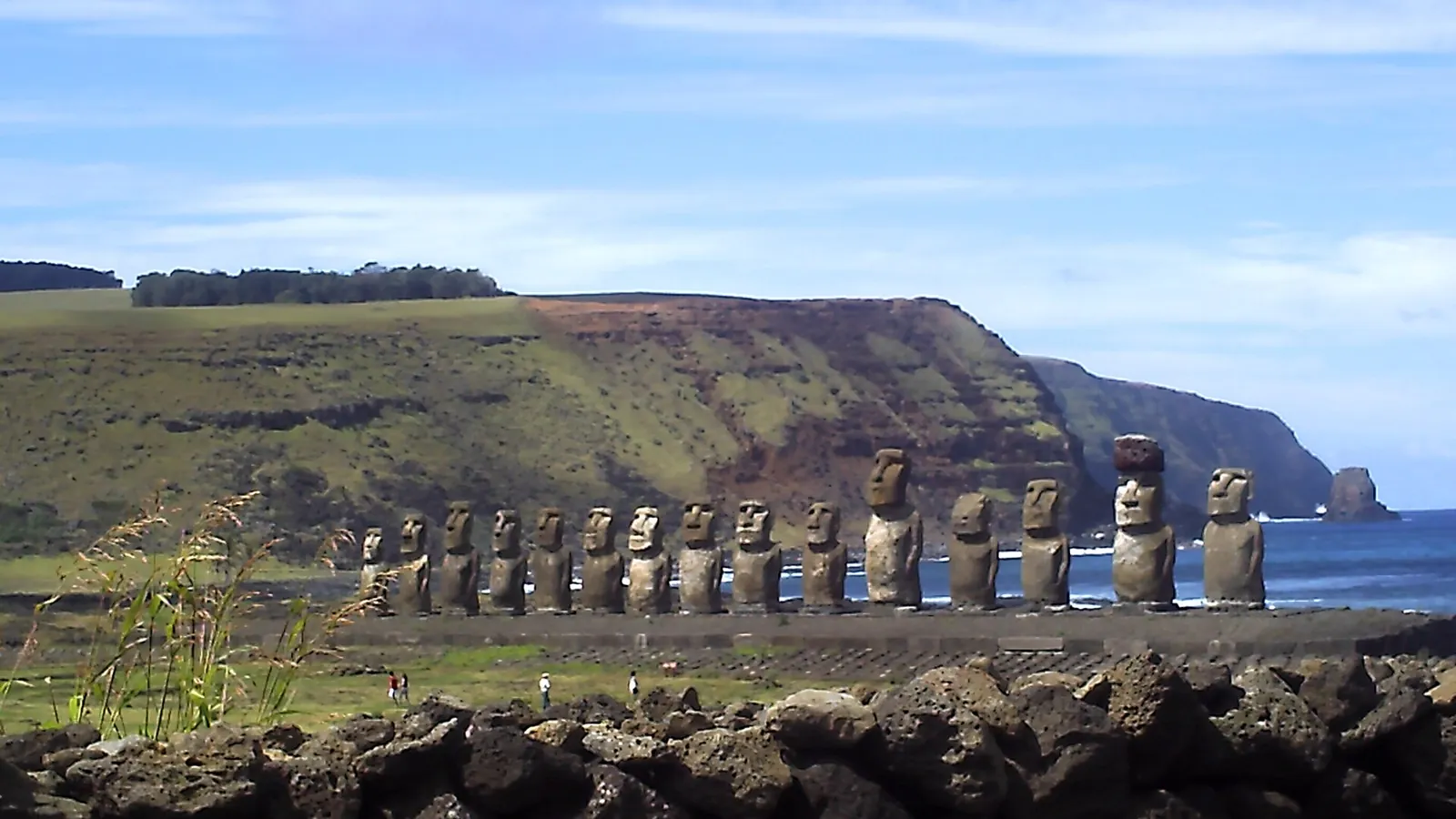
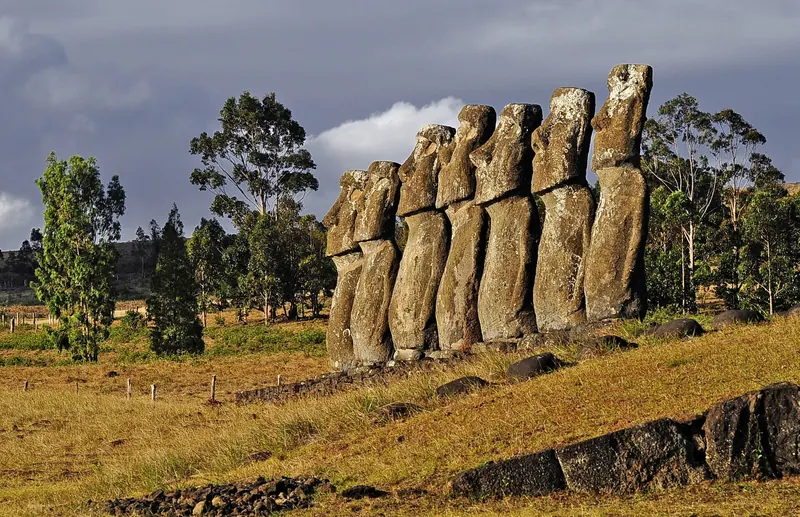
The row of moai at Ahu Tongariki on Easter Island

Valparaiso Region, Pacific Ocean · Chile

Easter Island (Rapa Nui)

A remote Pacific island of giant stone moai statues and Polynesian culture.

  • Best time March-May, September-November
  • Stay 3-4 days
  • Good for History buffs, photographers, adventurers

Photo: Jean-Paul Corlin · CC BY-SA 4.0

Welcome to Easter Island (Rapa Nui)

Rapa Nui, as locals call it, lies some 3,700 km west of Chile and is one of the most isolated inhabited places in the world. Polynesian settlers arrived here around a thousand years ago and carved nearly 900 monumental statues, called moai, from volcanic rock. Most of the island is a UNESCO World Heritage Site within Rapa Nui National Park.

The big sights are the quarry at Rano Raraku, where hundreds of moai lie in various stages of completion, the fifteen restored moai of Ahu Tongariki, the white sand of Anakena beach, and Orongo, a ceremonial village on the rim of a crater, linked to the birdman cult. Hanga Roa, the only town, has restaurants, craft markets and a tiny harbour.

The island is small, about 24 km across, and easy to explore by car, scooter or bike. Most visitors fly in from Santiago, and the island is culturally Polynesian, with the Rapa Nui people and their language, music and tattoo art alive today. Flights and accommodation are expensive, so book early.

  • Island
  • UNESCO Site
  • Archaeology
  • Culture & Arts

Why visit

Why visit Easter Island (Rapa Nui)?

Easter Island is a bucket-list destination of its own kind.

  • Moai

    Hundreds of giant statues.

  • Polynesian culture

    Living traditions.

  • Dramatic landscapes

    Volcanoes and sea cliffs.

  • Remote and quiet

    Far from everywhere.

  • Beaches and snorkelling

    Anakena and clear water.

Main attractions

Top things to see in Easter Island (Rapa Nui)

The main sights are spread around the island.

  1. Ahu Tongariki

    The largest platform, with 15 moai.

    Tip Come at sunrise.

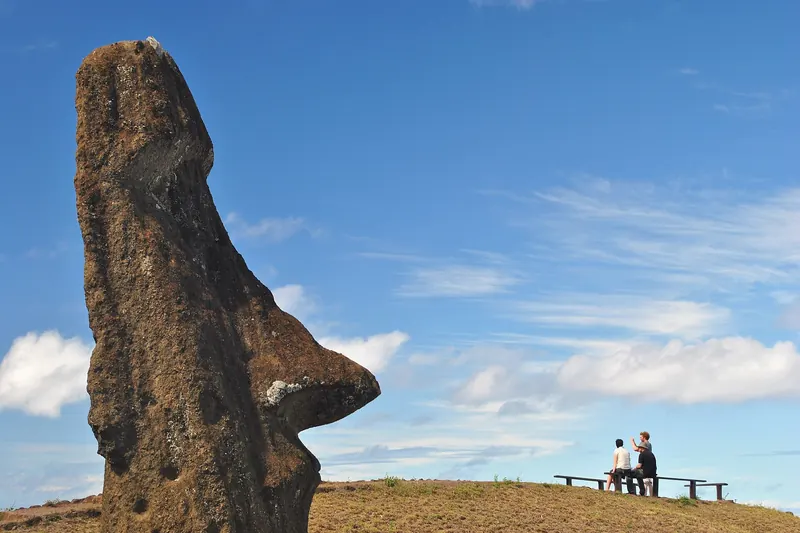
  2. Moai at the Rano Raraku quarry

    Rano Raraku

    The quarry where moai were carved.

    Tip Allow two hours.

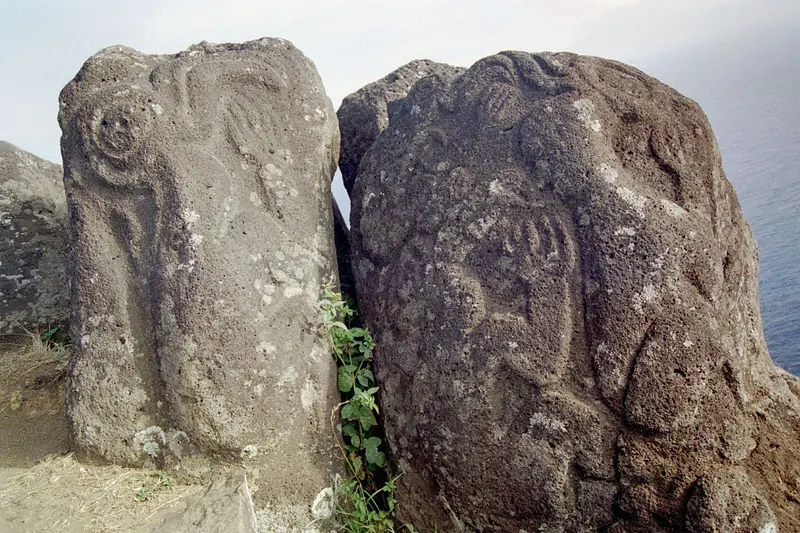
  3. The ceremonial village of Orongo

    Orongo

    A ceremonial village on a crater rim.

    Tip Great views of the sea.

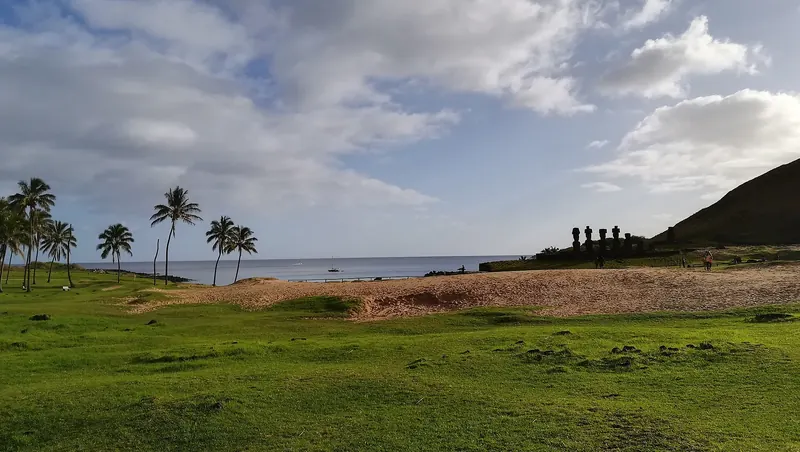
  4. Anakena beach on Easter Island

    Anakena beach

    A white sand beach with moai.

    Tip Swim in the afternoon.

  5. The moai of Ahu Akivi

    Ahu Akivi

    Moai that face the sea.

    Tip Visit on the way.

  6. The town of Hanga Roa on Rapa Nui

    Hanga Roa

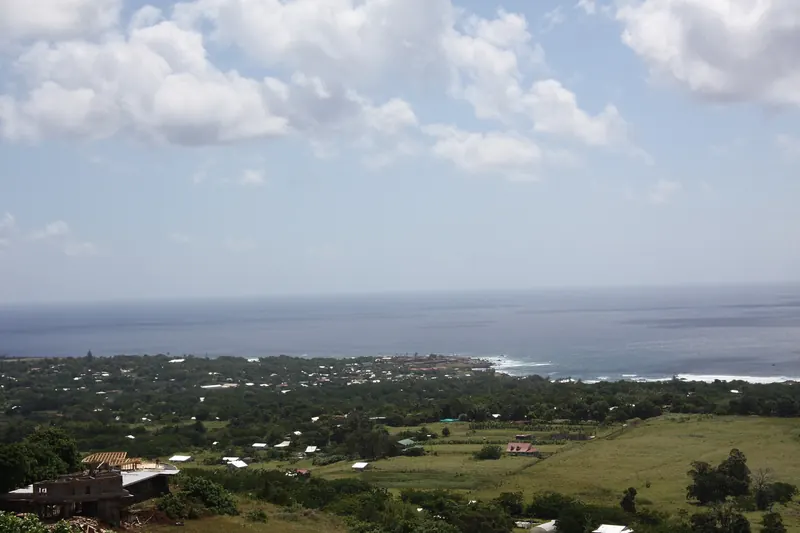
    The island's only town.

    Tip Evening sunset at Ahu Tahai.

Things to do

Best things to do in Easter Island (Rapa Nui)

There is more than moai.

  1. Watch sunrise at Tongariki

    Start before dawn.

    Tip Bring a flashlight.

  2. Explore Rano Raraku

    Walk among the statues.

    Tip Dress for sun.

  3. Snorkel or dive

    Clear Pacific water.

    Tip Book with a local operator.

  4. Hike to Terevaka

    The highest point.

    Tip Wear sturdy shoes.

  5. Attend a cultural show

    Dance and music.

    Tip Book a ticket.

  6. Ride a horse

    Across the island.

    Tip Join a tour.

Local food

What to eat in Easter Island (Rapa Nui)

Food is Pacific-influenced and pricey.

  • Fresh tuna

    Grilled or ceviche.

    Where to try it Restaurants in Hanga Roa.

  • Umu

    Earth-oven feast.

    Where to try it Cultural dinners.

  • Poe

    Banana and pumpkin pudding.

    Where to try it Cafes.

  • Empanadas de atun

    Tuna pastries.

    Where to try it Bakeries.

  • Local fruit

    Pineapples, bananas.

    Where to try it Markets.

Accommodation

Where to stay in Easter Island (Rapa Nui)

Hanga Roa is the only town.

  • Hanga Roa

    Hostels and guesthouses.

    Best for: Convenience

  • Outside town

    Cabins.

    Best for: Quiet

  • Camping

    Basic sites.

    Best for: Budget

  • Luxury lodges

    Resorts.

    Best for: Views

What a night costs

Hostel or guesthouse
US$60-120 per night
Mid-range cabin
US$120-250 per night
Luxury
US$400-900 per night
Park ticket
Around US$80 for non-Chileans (check)

Transport

Getting to and around Easter Island (Rapa Nui)

Flights from Santiago are the main way.

Getting there

  • Fly from Santiago

    About 5.5 hours.

    Limited daily flights.

  • Fly from Tahiti

    Seasonal.

    Check schedules.

  • Book early

    Prices rise.

    Plan months ahead.

Getting around

The island is easy to explore.

  • Rental car

    The easiest option.

    Book ahead.

  • Scooter or bike

    Cheaper.

    Wear a helmet.

  • Tour

    Guided.

    With a local guide.

When to go

Best time to visit Easter Island (Rapa Nui)

Shoulder seasons are mild and less crowded.

  • March-May

    Best time

    Warm and quiet.

  • September-November

    Best time

    Mild and flowering.

  • December-February

    Good

    Hot and busy.

  • June-August

    Quiet

    Cooler and wetter.

Worth planning around: Late winter if you dislike drizzle.

Itinerary

Three days on Easter Island

The essential moai.

  1. Day1

    The south coast

    Moai trail

    • Morning Ahu Tongariki sunrise
    • Afternoon Rano Raraku
    • Evening Sunset at Ahu Tahai
  2. Day2

    Orongo and the north

    Ceremony

    • Morning Orongo
    • Afternoon Anakena beach
    • Evening Cultural show
  3. Day3

    Free day

    Your choice

    • Morning Ahu Akivi
    • Afternoon Hike or snorkel
    • Evening Farewell dinner

Travel tips

Easter Island (Rapa Nui) travel tips

Plan carefully for a remote island.

  • Book flights and lodging early.
  • Buy the national park ticket on arrival.
  • Respect moai and do not climb.
  • Bring cash since cards are not accepted everywhere.
  • Carry sun protection.
  • Hire a guide for context.
  • Pack layers.

FAQ

Easter Island (Rapa Nui): frequently asked questions

How long do I need?

Three to four days.

Is it worth the cost?

For many, yes.

Can I touch the moai?

No.

What is the park ticket?

Required for entry to sites.

When is best?

March to May or September to November.

Do I need a car?

Helpful.

Read next

Related travel articles

Heritage

UNESCO Sites Worth Planning a Trip Around

A UNESCO listing tells you a place matters; it does not tell you whether it is worth two days and a detour. This is how to read the list usefully — and which sites reward building a trip around them.

Where to go

Beyond the Big Names: Places Worth the Detour

The most visited place in a country is rarely its best, and it is almost never its best value. This is a method for finding the destinations that do not make the postcards — and a set of examples from five of the 50 countries on this site.

Advertisement