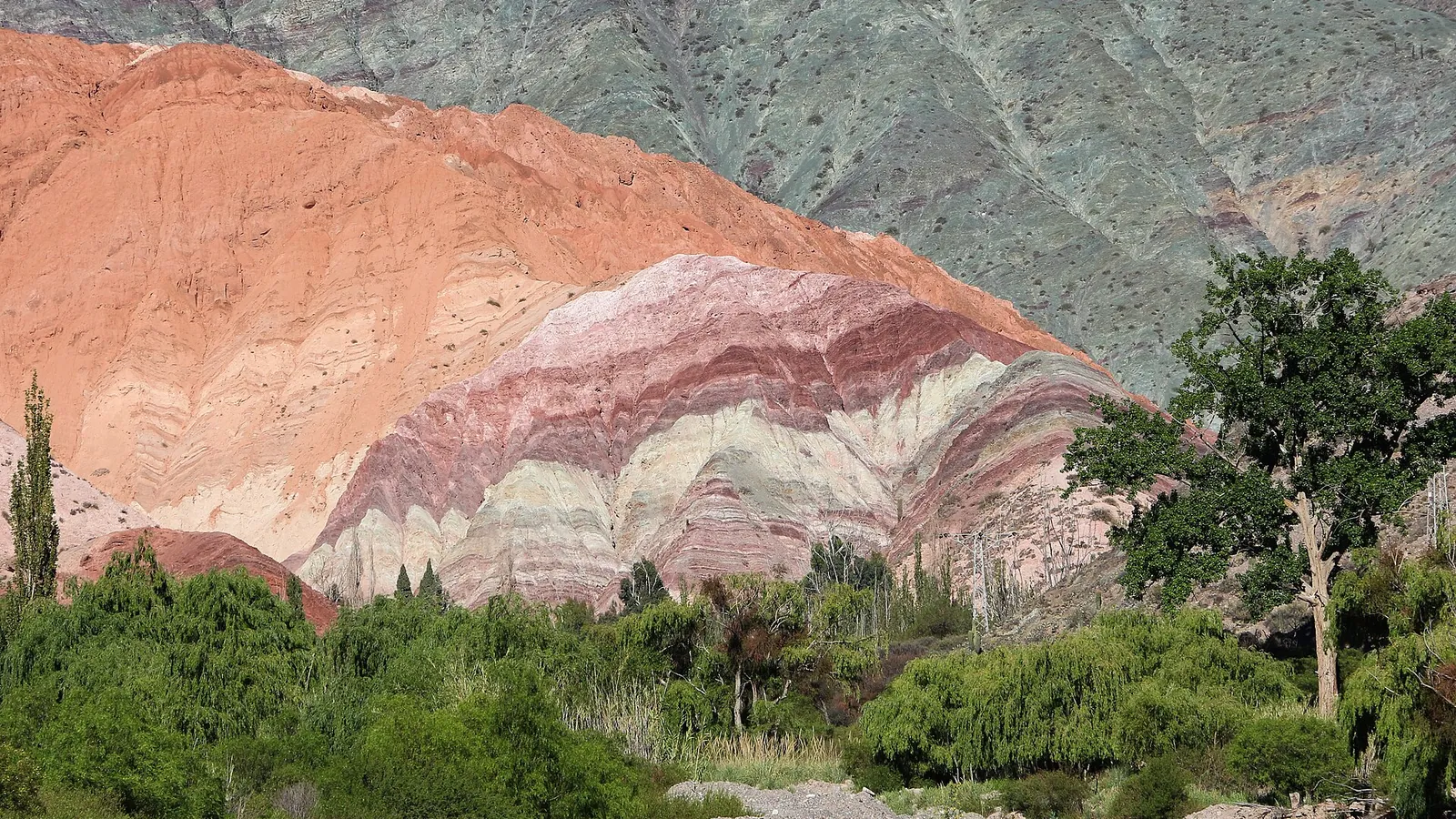
The multicoloured Hill of Seven Colours above the village of Purmamarca in Jujuy

Salta and Jujuy, north-west Argentina · Argentina

Salta, Jujuy and the North-West

A high, dry land of rainbow-coloured canyons, adobe villages, Andean traditions, salt flats and high-altitude vineyards, unlike the rest of Argentina.

  • Best time April–October
  • Stay 5–6 days
  • Good for Landscapes, culture, road trips, wine, photography

Photo: Bernard Gagnon · CC BY-SA 4.0

Welcome to Salta and Jujuy

Argentina's north-west is a different country in feel from Buenos Aires or Patagonia. The region was part of the Inca Empire, and later a major route of Spanish colonial trade to the silver mines of Potosí, and its culture is strongly Andean, with Quechua and Aymara influences in language, food, music and clothing. Landscapes range from lush valleys and cloud forest to high desert and salt flats, and much of it lies above 2,000 metres.

Salta, the regional capital, is an elegant colonial city known as Salta la Linda, Salta the Beautiful, with a pink cathedral, a lively main square and excellent folk music venues, or peñas. From here, roads lead in two directions. South, the Calchaquí Valleys and Cafayate offer red canyons, adobe villages and some of the world's highest vineyards. North, in Jujuy Province, the Quebrada de Humahuaca, a UNESCO-listed valley, has villages such as Purmamarca and Tilcara, layered hills of red, pink and green, and pre-Inca ruins.

The region is best visited by road, with a hire car or a driver, since the sights are spread out and public transport is limited. Altitude is a factor, and the sun is strong. It is one of Argentina's most rewarding regions, with fewer visitors than Patagonia and a warm hospitality.

  • Scenic Region
  • UNESCO Site
  • Culture & Arts
  • Off the Beaten Path

Why visit

Why visit Salta and Jujuy?

The north-west offers landscapes and culture found nowhere else in Argentina.

  • Coloured mountains

    Hills striped in red, orange, green and purple, at Purmamarca, Cafayate and elsewhere.

  • Andean culture

    Weaving, folk music, markets and fiestas rooted in pre-Columbian tradition.

  • High-altitude wine

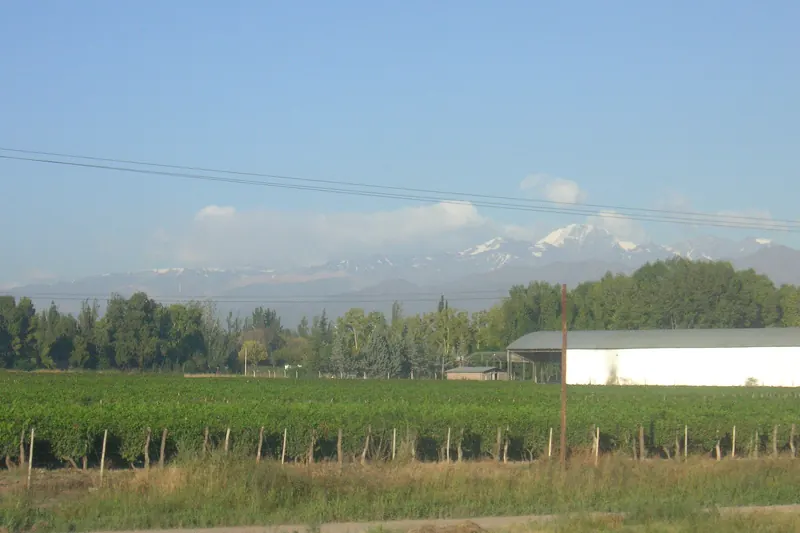
    Torrontés and Malbec from vineyards in Cafayate at 1,700 metres.

  • Empanadas and regional food

    Humitas, tamales, locro and llama, among Argentina's best regional cooking.

  • Epic road trips

    Winding mountain passes, salt flats and desert landscapes.

Main attractions

Top things to see in Salta and Jujuy

Split your time between Salta, the southern valleys and the Quebrada de Humahuaca.

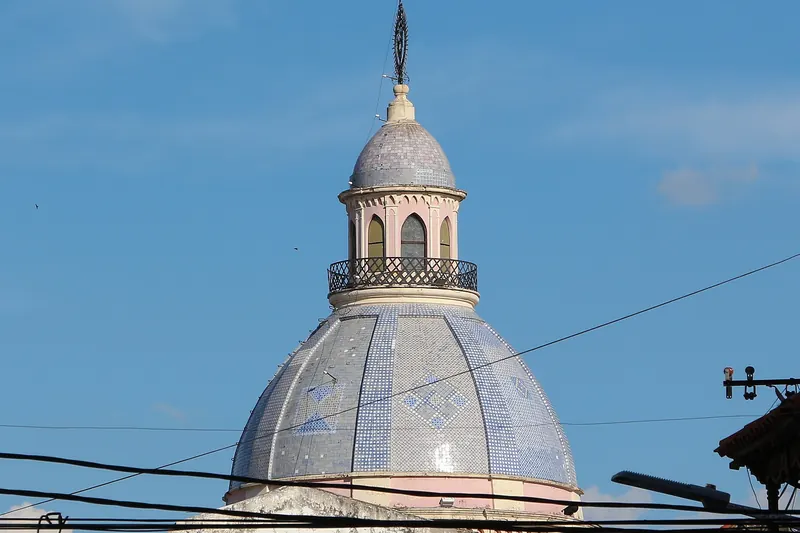
  1. The pink neo-baroque cathedral on the main square of Salta

    Salta city

    A colonial city with a pink cathedral, the Cabildo, lively squares and museums, including the Museum of High Altitude Archaeology. The cable car up Cerro San Bernardo gives a view of the valley.

    Tip Spend an evening in a peña with live folk music.

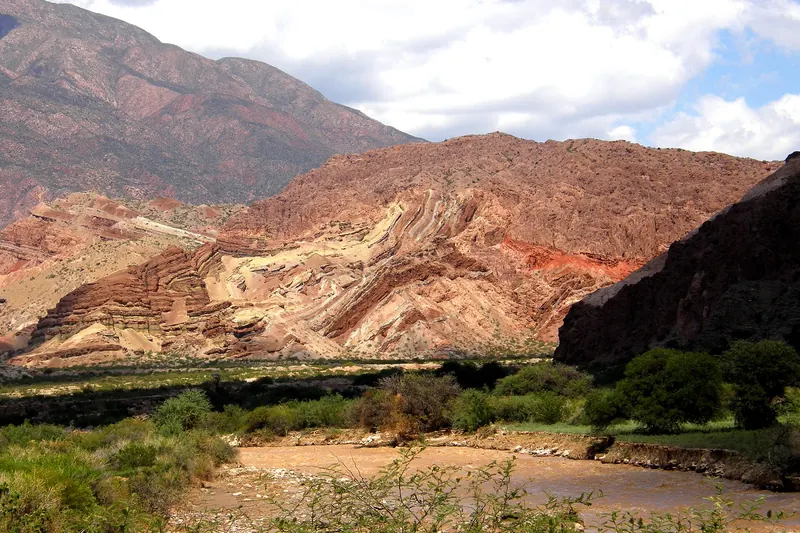
  2. The red rock formations of the Quebrada de las Conchas near Cafayate

    Cafayate and the Quebrada de las Conchas

    A dramatic gorge of red rock, with formations such as the Devil's Throat and the Amphitheatre, on the road to Cafayate, a wine town in the valleys, known for Torrontés.

    Tip Stop at viewpoints, and drive in the afternoon light.

  3. Purmamarca and the Hill of Seven Colours

    A small adobe village at the foot of a striped hill, with a craft market and a 3-km circuit path, the Paseo de los Colorados.

    Tip Go at sunrise or sunset for the best colours.

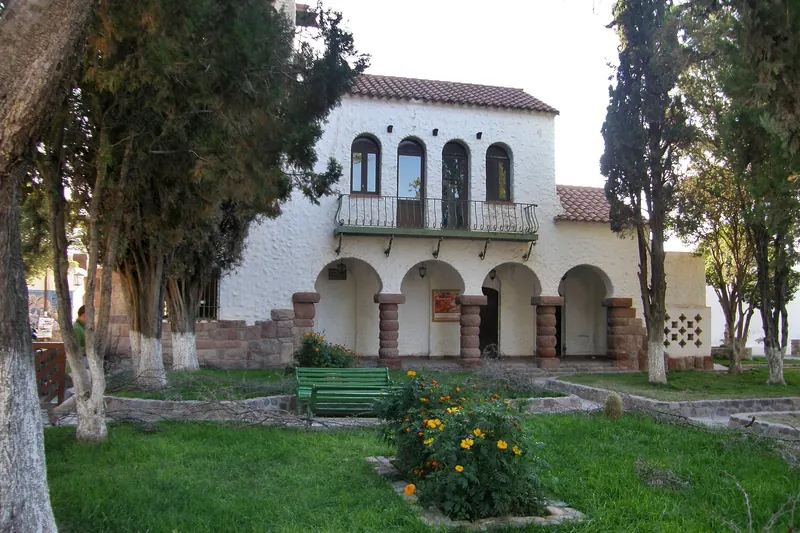
  4. The colonial town hall in Humahuaca on the plaza

    Quebrada de Humahuaca

    A long valley inscribed by UNESCO in 2003, following an ancient route from the Andes to the plains, with villages such as Tilcara, Uquía and Humahuaca, and pre-Inca fortresses.

    Tip Allow a full day or two.

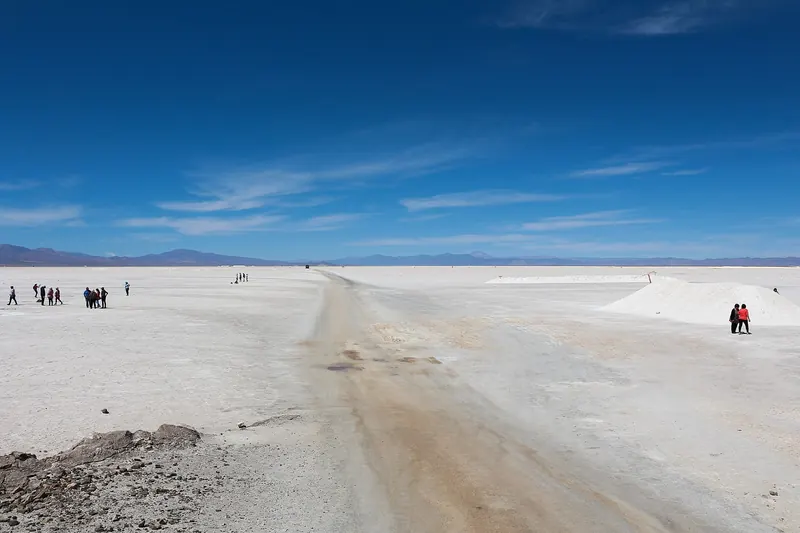
  5. The vast white Salinas Grandes salt flat under a blue sky

    Salinas Grandes

    A vast white salt flat at about 3,450 metres, reached by the high Cuesta de Lipán road, where salt is still harvested by hand.

    Tip Bring sunglasses and sun protection.

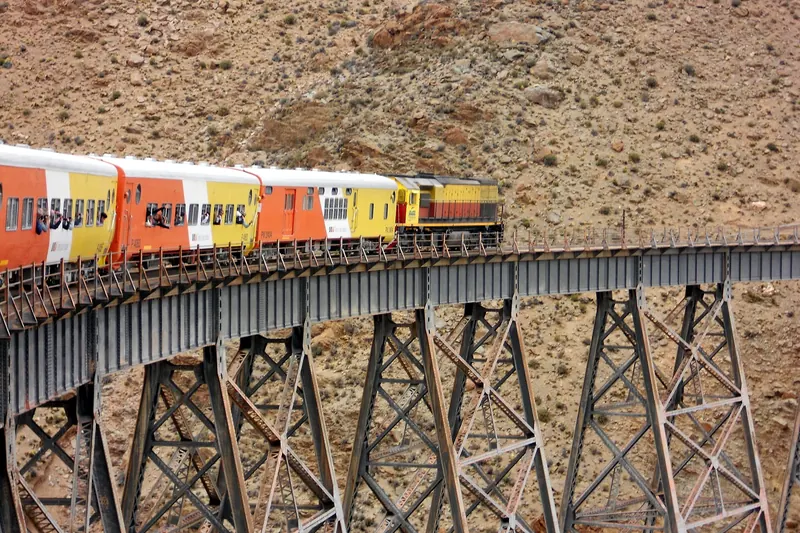
  6. The Train to the Clouds crossing the La Polvorilla viaduct high in the Andes

    The Train to the Clouds

    A famous railway that climbs from Salta to the La Polvorilla viaduct, at over 4,000 metres. Services have been suspended at times, so check whether it is running.

    Tip Check schedules and book ahead.

Things to do

Best things to do in Salta and Jujuy

Driving, walking and eating make up most of the days.

  1. Drive the Quebrada de las Conchas

    Stop at rock formations and viewpoints on the road to Cafayate.

    Tip Go in the morning or late afternoon.

  2. Taste Torrontés in Cafayate

    Visit bodegas, and try the aromatic white wine.

    Tip Book a tour with a driver.

  3. Walk around Purmamarca

    Follow the Paseo de los Colorados at the base of the hill.

    Tip Go early.

  4. Visit Tilcara's pucará

    A restored pre-Inca fortress above the village.

    Tip Bring water and a hat.

  5. Go to a peña

    Live folk music, empanadas and wine in a small venue.

    Tip Go late.

  6. Try coca leaves or tea

    The traditional remedy for altitude sickness.

    Tip Drink water and rest.

Local food

What to eat in Salta and Jujuy

The north-west's cuisine is Andean, with corn, potatoes, quinoa and spicy stews.

  • Empanadas salteñas

    Small, juicy empanadas with beef, onion and spices, baked in clay ovens.

    Where to try it Empanada shops in Salta.

  • Humitas and tamales

    Sweet or savoury corn dishes, wrapped in husks and steamed.

    Where to try it Markets.

  • Locro

    A thick stew of corn, beans and meat, eaten on national holidays.

    Where to try it Traditional restaurants.

  • Llama and goat

    Lean Andean meats, grilled or stewed.

    Where to try it Restaurants in Jujuy.

  • Torrontés

    Aromatic white wine from Cafayate.

    Where to try it Bodegas.

  • Quinoa and Andean grains

    Salads and stews.

    Where to try it Restaurants.

Accommodation

Where to stay in Salta and Jujuy

Stay in Salta, and in small guesthouses in Cafayate and Purmamarca.

  • Salta city

    Hotels and hostels near the main plaza.

    Best for: Restaurants and music

  • Cafayate

    Boutique hotels near the vineyards.

    Best for: Wine

  • Purmamarca and Tilcara

    Guesthouses in adobe houses.

    Best for: Village atmosphere

What a night costs

Budget hostel
US$15–45 per night
Mid-range hotel
US$60–130 per night
Boutique lodge
US$180–400 per night
Meal at a local restaurant
US$8–22 per person

Transport

Getting to and around Salta and Jujuy

Salta is about 1,500 km north-west of Buenos Aires, and reached by air.

Getting there

  • Flight to Salta (SLA)

    Direct flights from Buenos Aires, about 2 hours.

    The airport is 15 minutes from the centre.

  • Flight to Jujuy (JUJ)

    Direct flights from Buenos Aires.

    Useful for the Quebrada.

  • Bus

    Long-distance buses run from Buenos Aires (about 20 hours) and Tucumán.

    Fly instead unless you love buses.

Getting around

A car or driver is the best way to explore, and tours cover the main sights.

  • Hire car

    Gives freedom, though roads can be unpaved and high.

    Check fuel and road conditions.

  • Tours and drivers

    Day trips from Salta and Jujuy.

    Book in advance.

  • Buses

    Local buses link villages.

    Limited, and slow.

When to go

Best time to visit Salta and Jujuy

The north-west has a dry winter and a rainy summer, with heavy afternoon storms from December to March. Altitude makes nights cold.

  • Autumn (April–May)

    Best time

    Dry, warm days, and clear light.

  • Winter (June–August)

    Best time

    Dry and sunny, with cold nights.

  • Spring (September–November)

    Good

    Warming, with clear skies.

  • Summer (December–March)

    Think twice

    Hot and wet, with afternoon storms and landslides.

Worth planning around: January and February, when rain can close roads.

Itinerary

Five days in the north-west

Salta, the southern valleys and the Quebrada de Humahuaca.

  1. Day1

    Salta

    Colonial city.

    • Morning Arrive and see the plaza and cathedral.
    • Afternoon The cable car to San Bernardo.
    • Evening A peña and empanadas.
  2. Day2

    To Cafayate

    Canyons and wine.

    • Morning Drive the Quebrada de las Conchas.
    • Afternoon Arrive in Cafayate and taste wine.
    • Evening Dinner in the town.
  3. Day3

    Back to Salta

    The scenic road.

    • Morning A winery.
    • Afternoon Drive back to Salta.
    • Evening Rest.
  4. Day4

    Purmamarca and Salinas

    Colour and salt.

    • Morning Drive to Purmamarca.
    • Afternoon The Salinas Grandes.
    • Evening Sleep in Purmamarca or Tilcara.
  5. Day5

    Humahuaca

    The Quebrada.

    • Morning Tilcara's pucará.
    • Afternoon Humahuaca and the Cabildo.
    • Evening Return to Salta.

Travel tips

Salta and Jujuy travel tips

The altitude and distances need some planning.

  • Take it easy on arrival, since altitude can cause headaches and fatigue.
  • Drink plenty of water, and avoid alcohol on the first day at altitude.
  • Wear sun protection, since the UV is strong.
  • Bring layers, since nights are cold.
  • Fill your fuel tank often, and check road conditions.
  • Check whether the Train to the Clouds is running.
  • Try coca tea, and buy crafts from local cooperatives.

FAQ

Salta and Jujuy: frequently asked questions

How many days do you need in the north-west?

Five to six days, including Salta, Cafayate and the Quebrada de Humahuaca.

What is the best time to visit?

April to October.

Is altitude a problem?

It can be, particularly at Salinas Grandes and the high passes. Go slowly, drink water and rest.

Do I need a car?

It is the best way to explore, though tours are available.

Is the Train to the Clouds running?

Services have been suspended at times. Check the current status before planning.

Which is better, Salta or Jujuy?

They are complementary. Salta has the city and wine, and Jujuy has the Quebrada de Humahuaca.

Read next

Related travel articles

Where to go

Beyond the Big Names: Places Worth the Detour

The most visited place in a country is rarely its best, and it is almost never its best value. This is a method for finding the destinations that do not make the postcards — and a set of examples from five of the 50 countries on this site.

Heritage

UNESCO Sites Worth Planning a Trip Around

A UNESCO listing tells you a place matters; it does not tell you whether it is worth two days and a detour. This is how to read the list usefully — and which sites reward building a trip around them.

Advertisement