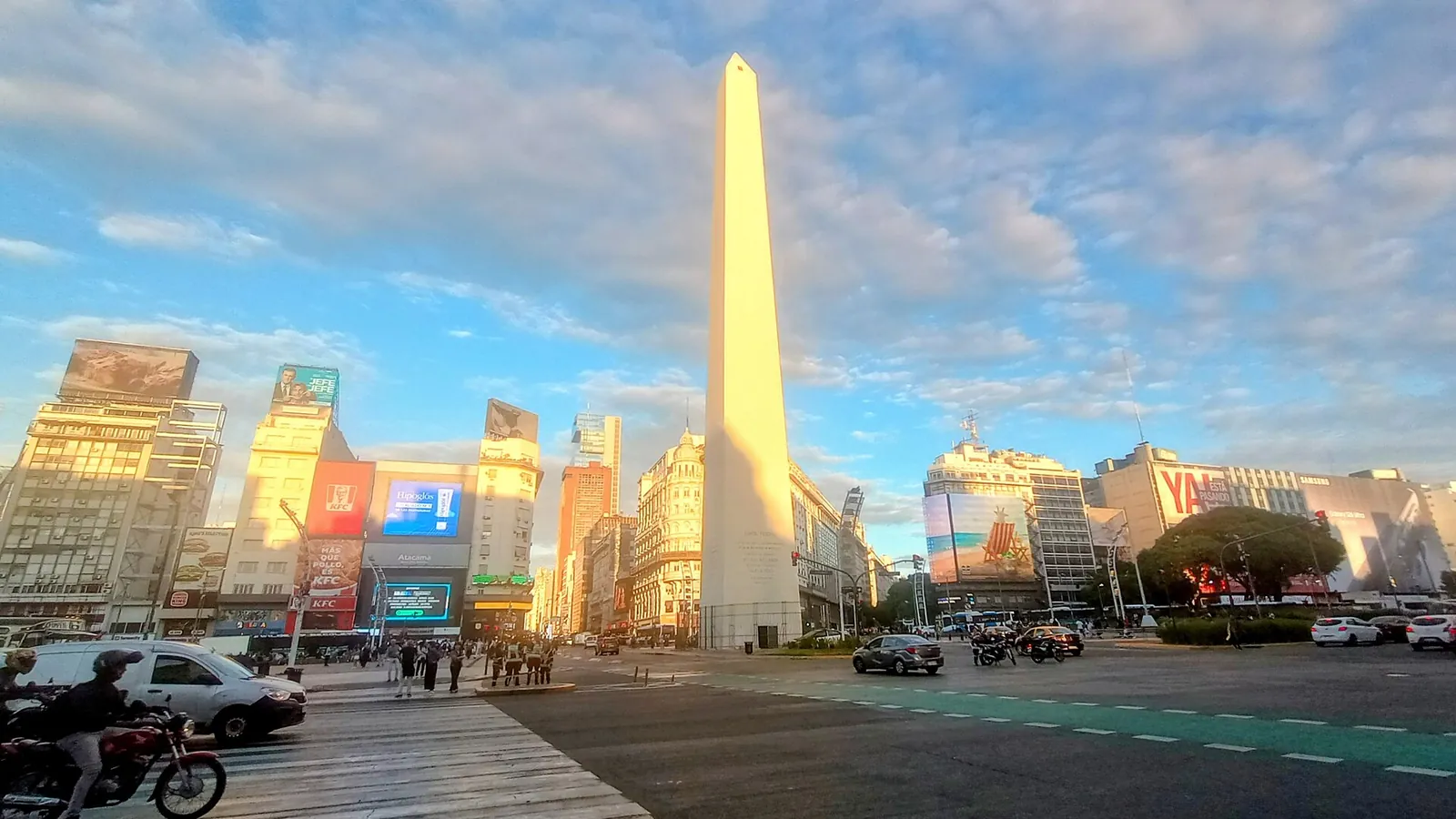
The Obelisco monument in Buenos Aires at sunset with wide avenues around it

Buenos Aires, on the Río de la Plata · Argentina

Buenos Aires

The Paris of South America: grand boulevards, sunlit cafés, tango, bookshops, steakhouses and neighbourhoods each with a distinct personality, staying up until dawn.

  • Best time September–November and March–May
  • Stay 4 days
  • Good for Food, culture, nightlife, walking, shopping

Photo: Dpalma01 · CC BY-SA 4.0

Welcome to Buenos Aires

Buenos Aires was founded in 1536 and refounded in 1580 on the shore of the wide Río de la Plata, and it grew rich in the late 19th and early 20th centuries on the export of beef and grain. Immigration from Italy, Spain and elsewhere shaped its population, and its architecture, with wide boulevards, French-style mansions and Italian-inspired cafés, earned it the name Paris of South America. It remains one of the world's great cultural cities.

The city is a patchwork of barrios, each with its own character: San Telmo, with its cobbled streets and antique markets; La Boca, with its brightly painted houses; Recoleta, with elegant mansions and its famous cemetery; Palermo, a large area of parks, cafés, boutiques and nightlife; and Puerto Madero, a redeveloped dock area of restaurants and modern towers. It is a walkable city, and one of the best in the world for wandering.

Tango is the soul of the city, but so are football, cafés, bookshops, and the parrilla, or steakhouse. Portenos, as the residents are called, live late, eat late and talk with passion, and a visit rewards those who adopt their rhythm. It has economic troubles and periodic strikes, but its energy is unmatched.

  • Capital City
  • Major City
  • Culture & Arts
  • Food & Wine

Why visit

Why visit Buenos Aires?

Buenos Aires is the cultural and culinary capital of South America, and a city of endless variety.

  • Tango and music

    Dance halls, shows, street performers and a thriving live music scene.

  • Superb food

    Steak, empanadas, pasta, dulce de leche and Malbec, in parrillas and cafés.

  • Architecture and history

    Belle Époque mansions, grand plazas and colourful neighbourhoods.

  • Bookshops and cafés

    One of the world's great bookshop cultures, with historic cafés to match.

  • Nightlife

    Bars, clubs and milongas open until dawn.

Main attractions

Top things to see in Buenos Aires

The city is best explored by neighbourhood, with time for cafés in between.

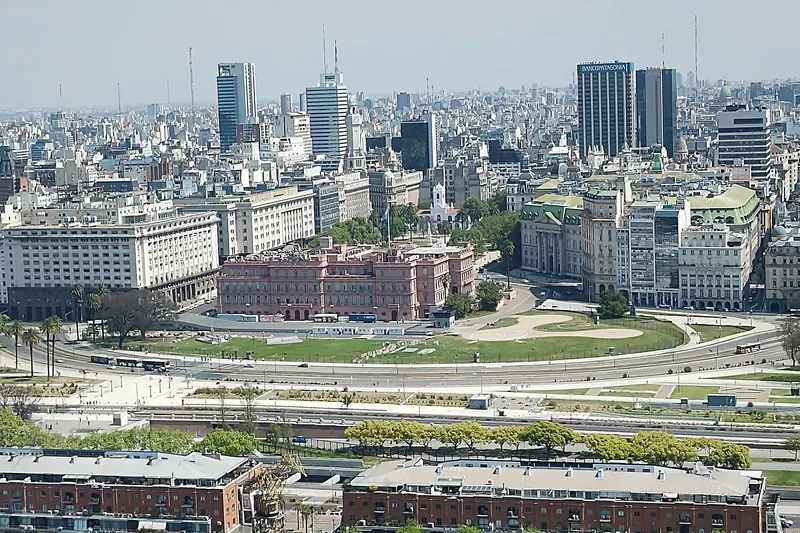
  1. The pink Casa Rosada presidential palace on Plaza de Mayo in Buenos Aires

    Plaza de Mayo and the Casa Rosada

    The historic heart of the city, with the pink Casa Rosada, the Cabildo and the Metropolitan Cathedral. The Mothers of the Plaza de Mayo still march here on Thursday afternoons.

    Tip Visit in the morning, and see the Thursday march.

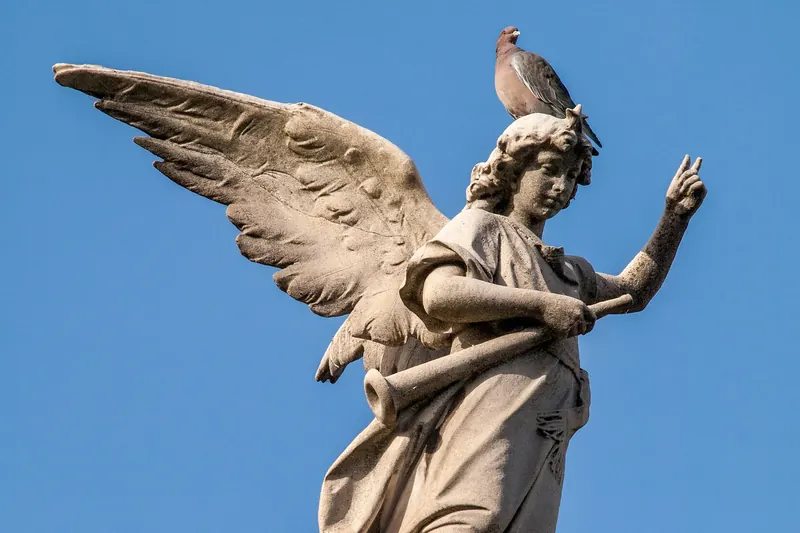
  2. Ornate mausoleums lining the alleys of Recoleta Cemetery in Buenos Aires

    Recoleta Cemetery

    A city of the dead, with ornate mausoleums lining narrow streets, and the family tomb of Eva Perón. It is one of the most atmospheric cemeteries in the world.

    Tip Go in the morning, and look for the cats.

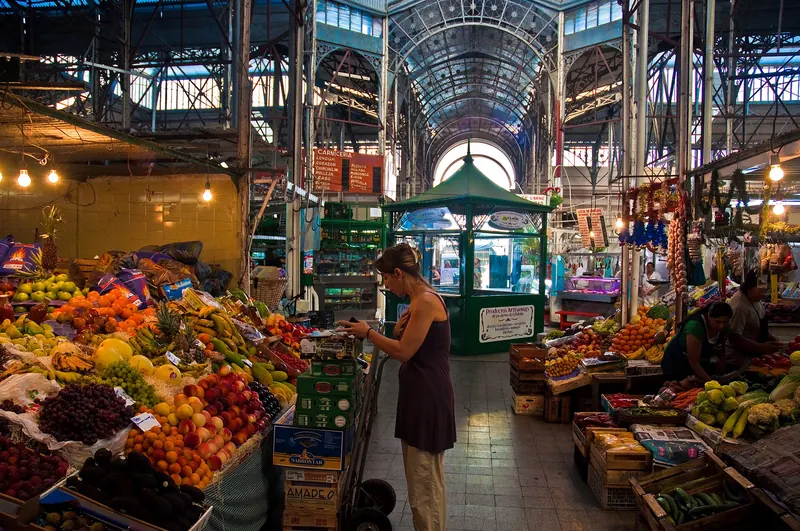
  3. Antique stalls at the San Telmo Sunday market in Buenos Aires

    San Telmo and its Sunday market

    The oldest neighbourhood, with cobbled streets, colonial houses, tango bars and a large market of antiques and crafts on Sundays.

    Tip Go early on a Sunday, and watch your bag.

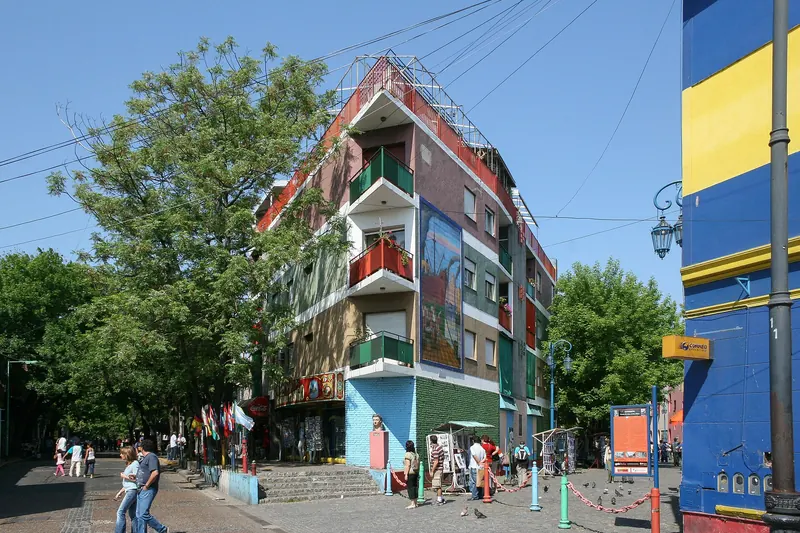
  4. Brightly painted houses on the Caminito street in La Boca

    La Boca and Caminito

    A working-class port district with brightly painted houses, tango dancers and the football stadium La Bombonera. The tourist street, Caminito, is safe by day, but stay within it.

    Tip Take a taxi to and from, and visit by day.

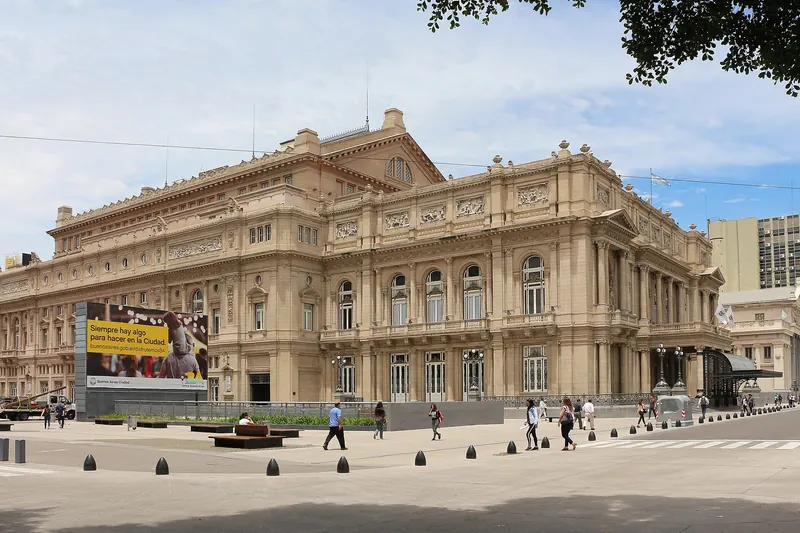
  5. The grand façade of the Teatro Colón opera house in Buenos Aires

    Teatro Colón

    One of the world's great opera houses, opened in 1908, with superb acoustics and a lavish interior. Tours and performances are available.

    Tip Book a tour, or see a show.

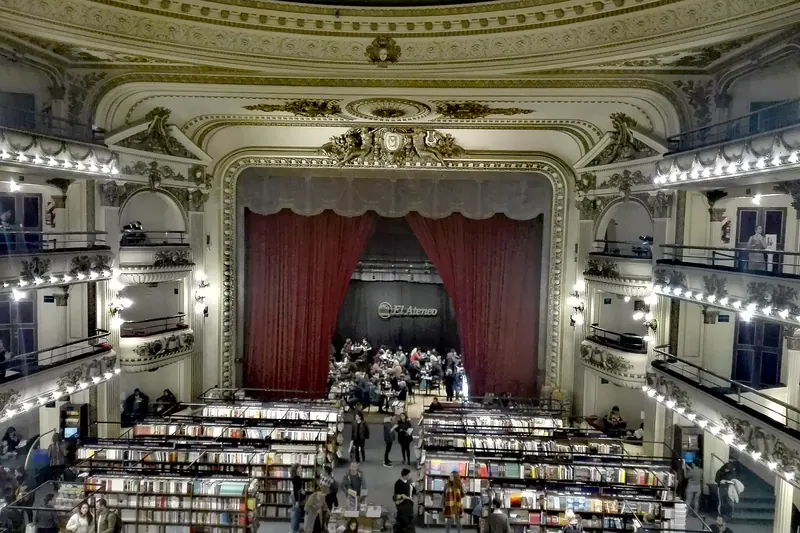
  6. The interior of El Ateneo Grand Splendid, a former theatre turned bookshop

    El Ateneo Grand Splendid

    A former 1919 theatre turned into a spectacular bookshop, with balconies, a painted ceiling and a café on the stage.

    Tip Go on a weekday morning.

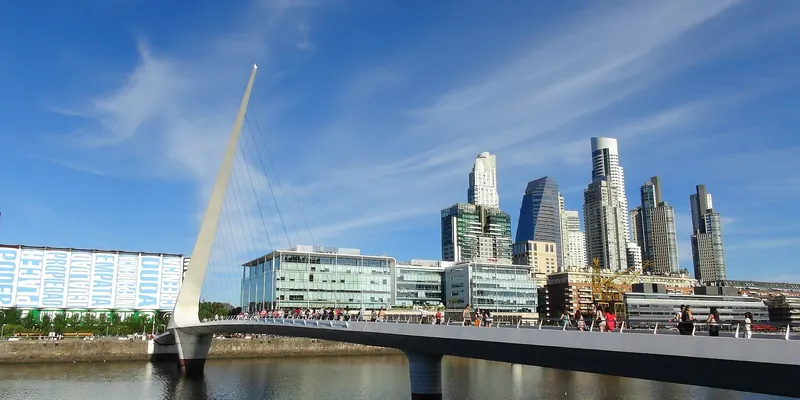
  7. The white Puente de la Mujer pedestrian bridge in Puerto Madero

    Puerto Madero

    The redeveloped docks, with restaurants, the Puente de la Mujer, a pedestrian bridge by Santiago Calatrava, and the Costanera Sur ecological reserve.

    Tip Walk or cycle in the evening.

Things to do

Best things to do in Buenos Aires

Buenos Aires is about strolling, eating and staying up late.

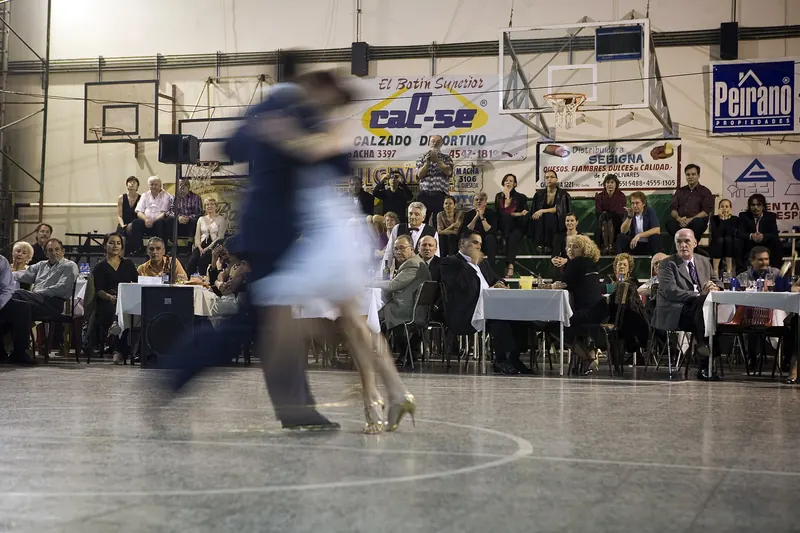
  1. Tango dancers at a milonga in Buenos Aires

    Go to a milonga

    A dance hall where locals dance tango. Many offer a beginner class first.

    Tip Try a class first, and watch the etiquette.

  2. Eat at a parrilla

    Order a mixed grill, provoleta and salad, and share.

    Tip Book a table for 9 or 10pm.

  3. See a football match

    Boca Juniors and River Plate matches are legendary.

    Tip Book through a reputable tour.

  4. Have coffee in a historic café

    Historic cafés such as Café Tortoni, opened in 1858, offer coffee, medialunas and atmosphere.

    Tip Go off-peak to avoid the queue.

  5. Wander Palermo

    Palermo Soho and Palermo Hollywood are full of boutiques, cafés and bars.

    Tip Go on a weekend.

  6. Take a day trip to an estancia

    A day on a ranch near the city, with a barbecue, horse riding and folklore.

    Tip Book in advance.

Local food

What to eat in Buenos Aires

Buenos Aires eats late and well, with beef at the centre, along with Italian-inspired pasta and pizza.

  • Beef at a parrilla

    Bife de chorizo, ojo de bife and vacío, grilled on wood and charcoal.

    Where to try it Parrillas in Palermo and San Telmo.

  • Empanadas

    Baked or fried pastries with beef, cheese or vegetables.

    Where to try it Bakeries and casual restaurants.

  • Medialunas and coffee

    Sweet croissants with a cortado, the classic breakfast.

    Where to try it Cafés everywhere.

  • Pizza and pasta

    Thick pizzas and homemade pasta, from Italian immigrants.

    Where to try it Traditional pizzerias.

  • Dulce de leche

    Milk caramel in pastries, alfajores, ice cream and flan.

    Where to try it Ice-cream shops (heladerías).

  • Malbec and Torrontés

    The country's wines, in bars and restaurants.

    Where to try it Wine bars in Palermo.

Accommodation

Where to stay in Buenos Aires

Choose Palermo for nightlife, Recoleta for elegance and San Telmo for atmosphere.

  • Palermo

    Boutique hotels and apartments.

    Best for: Restaurants and nightlife

  • Recoleta and Retiro

    Grand hotels near museums and parks.

    Best for: Elegance and safety

  • San Telmo and the centre

    Guesthouses and hostels in old houses.

    Best for: History and value

What a night costs

Budget hostel or hotel
US$20–60 per night
Mid-range hotel
US$80–160 per night
Luxury hotel
US$200–500 per night
Meal at a mid-range restaurant
US$15–40 per person

Transport

Getting to and around Buenos Aires

Buenos Aires is Argentina's main international gateway.

Getting there

  • Flight to Ezeiza (EZE)

    Direct flights from North America, Europe and across South America.

    Use a pre-booked transfer or an official taxi.

  • Domestic flights to Aeroparque (AEP)

    Flights to Iguazu, Patagonia, Mendoza, Salta and Bariloche.

    It is close to the centre.

  • Ferry from Uruguay

    Fast ferries from Colonia and Montevideo arrive at the port.

    Book in advance.

Getting around

Use the subte and taxis, and walk in the neighbourhoods.

  • Subte (metro)

    Six lines, cheap and quick, though crowded at peak times.

    Load a SUBE card.

  • Taxis and apps

    Radio taxis, Cabify and Uber operate.

    Use the app, and avoid hailing at night.

  • Walking

    The best way to see the barrios.

    Watch your belongings.

When to go

Best time to visit Buenos Aires

Buenos Aires has a humid subtropical climate, with hot, sticky summers and mild, damp winters.

  • Spring (September–November)

    Best time

    Warm and sunny, with jacaranda blossom.

  • Summer (December–February)

    Think twice

    Hot and humid, and many locals leave town.

  • Autumn (March–May)

    Best time

    Warm, pleasant and clear.

  • Winter (June–August)

    Good

    Cool and damp, but good for culture.

Worth planning around: January and February for the heat.

Itinerary

Four days in Buenos Aires

The historic centre, the barrios, culture and a day out.

  1. Day1

    The centre

    Plazas and palaces.

    • Morning Plaza de Mayo and the Casa Rosada.
    • Afternoon San Telmo.
    • Evening A tango show.
  2. Day2

    Recoleta and Palermo

    Elegance and green.

    • Morning Recoleta Cemetery and the Ateneo.
    • Afternoon Palermo's parks and MALBA.
    • Evening Dinner at a parrilla.
  3. Day3

    La Boca and the port

    Colour and water.

    • Morning Caminito and La Bombonera.
    • Afternoon Puerto Madero.
    • Evening A milonga.
  4. Day4

    Day out

    An estancia or the delta.

    • Morning A day at an estancia, or the Tigre Delta.
    • Afternoon A barbecue.
    • Evening Farewell dinner.

Travel tips

Buenos Aires travel tips

A few tips help you enjoy the city safely.

  • Keep phones and bags out of sight, particularly on buses, the subte and busy streets.
  • Use taxi apps or radio taxis, especially at night.
  • Eat dinner late. Restaurants open at 8 or 9pm.
  • Visit La Boca in the daytime, and stay in the tourist area.
  • Check strike announcements, which can affect transport.
  • Book Teatro Colón tours and popular restaurants in advance.
  • Carry small notes for taxis and tips.

FAQ

Buenos Aires: frequently asked questions

How many days do you need in Buenos Aires?

Three or four days for the highlights, and more for day trips.

Is Buenos Aires safe?

Generally yes, but petty theft is common. Keep valuables hidden and use taxi apps.

What is the best time to visit?

September to November and March to May.

Do I need to see a tango show?

It is a highlight, but choose between a show and a milonga, depending on whether you want a spectacle or an authentic evening.

Is it expensive?

Prices are volatile, and it can be cheaper or dearer than expected. Food and wine are good value.

Can I see Buenos Aires on a stopover?

A day or two lets you see the centre, Recoleta and San Telmo.

Read next

Related travel articles

Food

A Country-by-Country Food Primer

Eating well abroad is mostly a matter of knowing when meals happen, how the menu is structured and which dish belongs to the place you are standing in. This covers all three for the five countries in this guide, plus the signals that separate a restaurant that feeds locals from one that feeds coaches.

Budgeting

What a Week Actually Costs in Five Countries

Most travel budgets fail for the same reason: they estimate the flight and the hotel accurately and then guess at everything else. This is a per-day breakdown for the five countries in this guide at three levels of comfort, plus the costs people consistently forget — tourist tax, ZTL fines, resort fees, tipping and the price of a coffee sitting down.

Advertisement