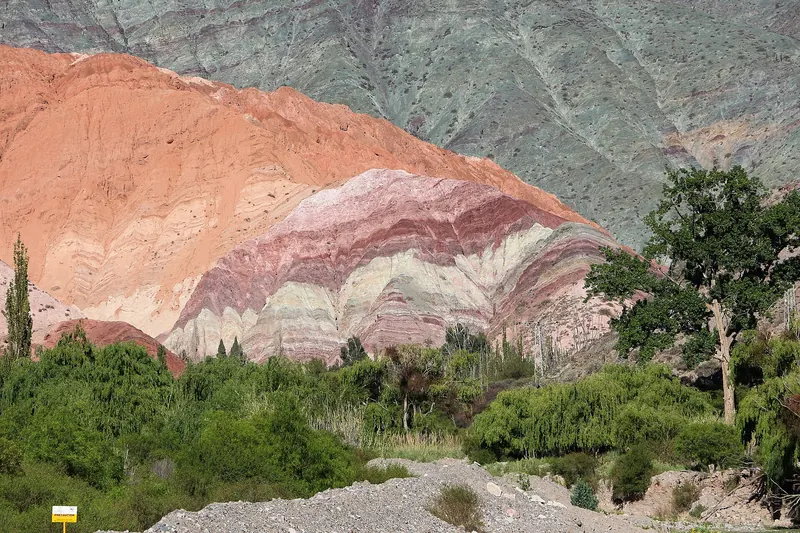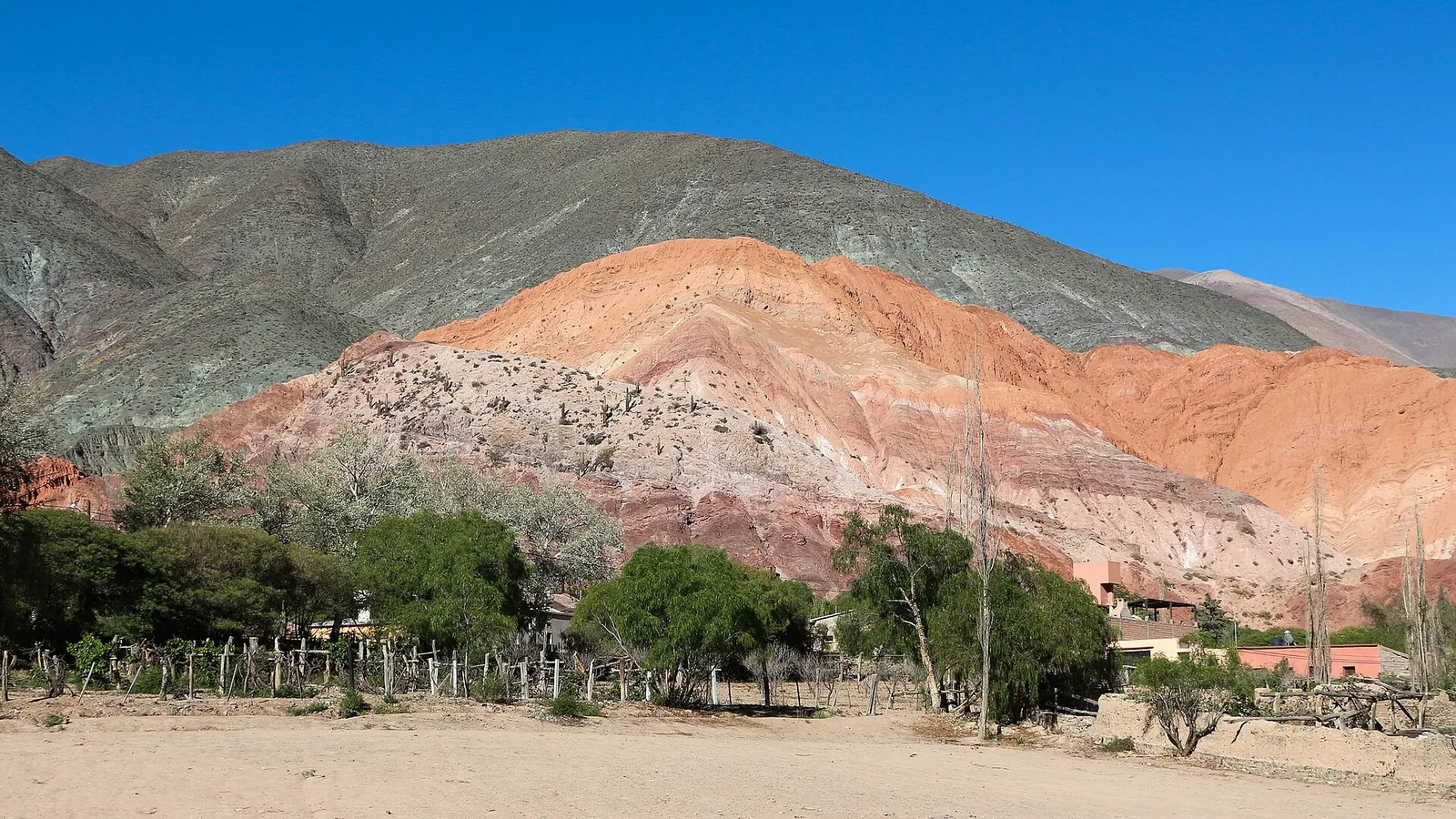
The striped Hill of Seven Colours rising above Purmamarca in the Argentine north-west

Argentina · Travel guide

The Complete Argentina Travel Guide

How the country divides, how to choose between the ten destinations, how to cover enormous distances, and what two weeks can realistically hold.

  • Reading time 14 min read
  • Covers 10 destinations
  • Updated 2026

Photo: Bernard Gagnon · CC BY-SA 4.0

Argentina runs for 3,700 km from the tropics to the sub-Antarctic. This guide covers how the regions divide, how to choose between the ten destinations, how to fly and travel by bus, when to go, what it costs and three routes that work.

How Argentina divides

Argentina's regions could be different countries, and five zones organise most trips.

The capital and the pampas. Buenos Aires is the centre of Argentine life, with cafés, tango and steak. Around it, the flat pampas grasslands are gaucho country.

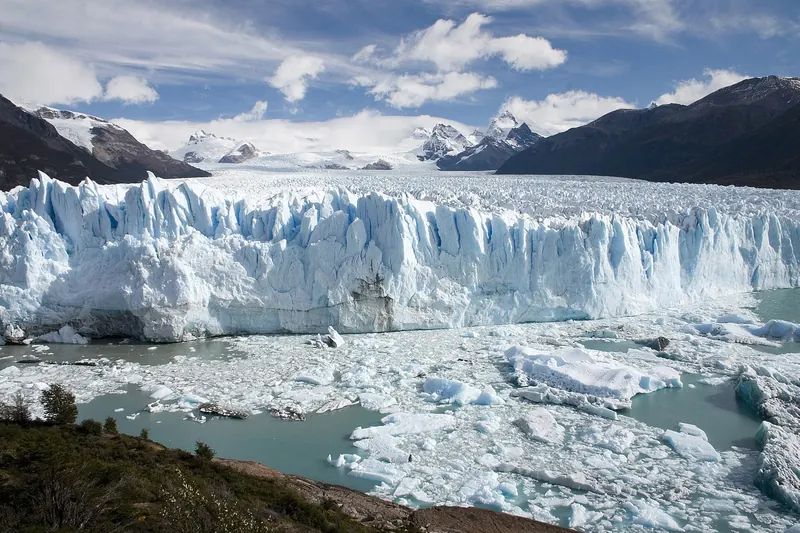
Patagonia. The far south has El Calafate and the Perito Moreno Glacier, El Chaltén and Fitz Roy, Ushuaia at the end of the world and the wildlife coast of Península Valdés.

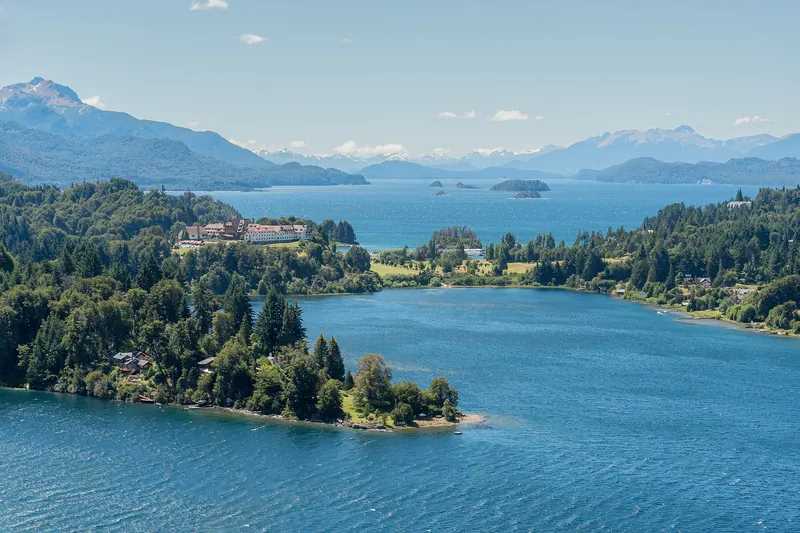
The Lakes District. Bariloche and its neighbours have forested lakes, mountains and ski resorts on the Andean border with Chile.

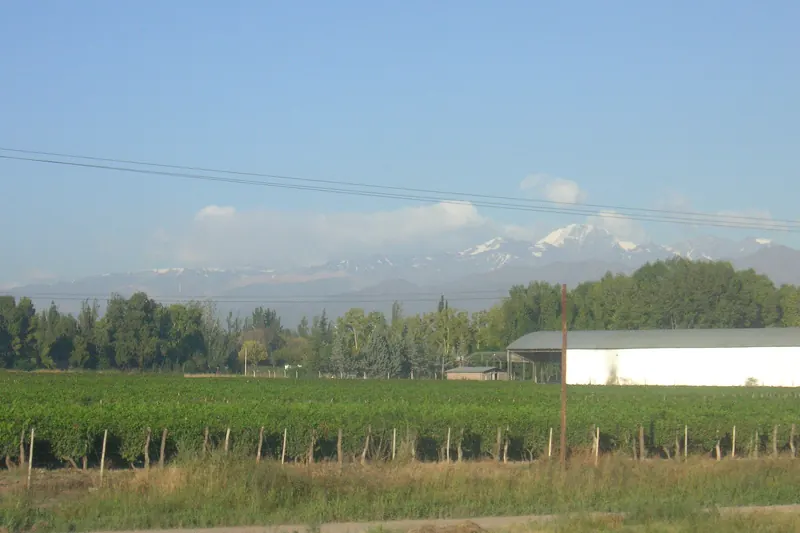
Cuyo. Mendoza is Argentina's wine capital, at the foot of the Andes and Aconcagua.

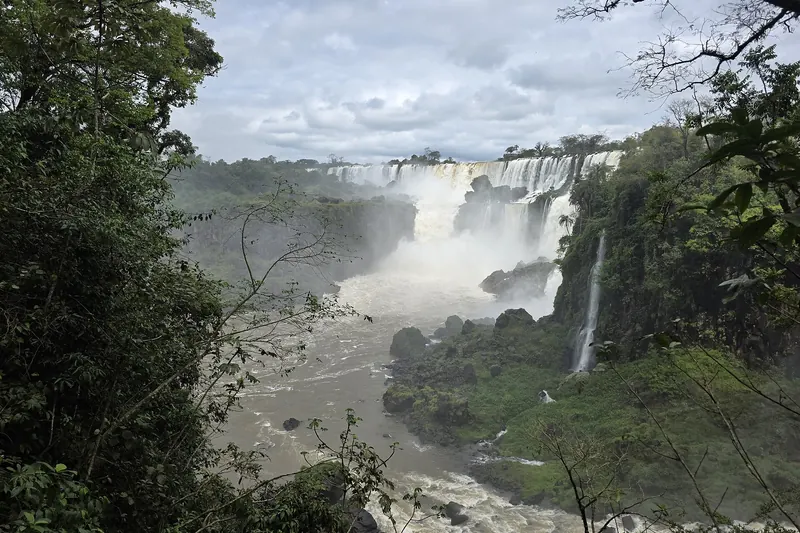
The north. Salta and Jujuy have colourful canyons and Andean culture, and the north-east has Iguazu Falls and the wetlands of Iberá.

Worth knowing: The practical unit is two or three of these regions, joined by flights. Attempting more turns the trip into an exercise in airports.

Choosing between the ten destinations

Covering enormous distances

Argentina is huge. Buenos Aires to Ushuaia is about 3,100 km, and Buenos Aires to Salta about 1,500 km.

Flights. The best way to link regions. Aerolíneas Argentinas, Flybondi and JetSMART fly from Buenos Aires's Aeroparque and Ezeiza airports. Book early for summer.

Long-distance buses. Excellent, with reclining seats, meals and good roads. A night bus from Buenos Aires to Mendoza takes about 14 hours.

Hire cars. Useful in Patagonia, the Lakes District, Mendoza and the north-west, though distances are long and services sparse.

Local transport. Buenos Aires has a metro (subte), buses and taxis. Elsewhere, taxis and local buses are the norm.

Worth knowing: Weather and strikes can disrupt travel, so build in slack. Avoid tight connections in Patagonia.

When to go

Argentina's seasons are the reverse of Europe and North America, and regional climates differ enormously.

December to February is summer, the peak season for Patagonia, with long days and warm weather. Buenos Aires is hot and humid, and many locals go on holiday.

March to May is autumn, with warm days, colour in the Lakes District and the harvest in Mendoza. It is an excellent time for most of the country.

June to August is winter, best for skiing in Bariloche, whales at Valdés and dry, sunny weather in the north-west. Patagonia is cold and many services close.

September to November is spring, with warm weather, blossom in Buenos Aires and good whale watching.

Worth knowing: Patagonia's weather is famously changeable and windy. Bring layers and a windproof jacket at any time of year.

Money, costs and safety

Argentina's economy is volatile, with inflation and changing exchange rates, and prices in US dollars can shift quickly. It is generally cheaper than Western Europe or North America for food and wine, though flights and Patagonian accommodation can be expensive.

Rules about foreign cards, cash dollars and exchange rates have changed repeatedly. Check the latest advice before you go, and carry a mix of cash and cards.

Tip about 10% in restaurants. Meals are late, and portions are large.

Safety is generally good, but petty theft is common in Buenos Aires. Keep phones and bags out of sight, and use taxi apps.

Three routes that work

  1. One week: Buenos Aires and Iguazu

    Four nights in Buenos Aires and two in Iguazu, with a two-hour flight between them.

    Tip Fly into Buenos Aires and out of Iguazu or return.

  2. Ten days: Buenos Aires and Patagonia

    Three nights in Buenos Aires, then El Calafate and El Chaltén, with a return via Calafate.

    Tip Go between November and March.

  3. Two weeks: the classic

    The itinerary on the country page: Buenos Aires, Iguazu, El Calafate, El Chaltén and Bariloche.

    Tip Swap Bariloche for Mendoza if you prefer wine to lakes.

Reference

The 10 destinations in this guide

Every place named above has its own detailed guide — attractions, food, where to stay, how to get around and a suggested day-by-day plan.

Capital CityMajor City

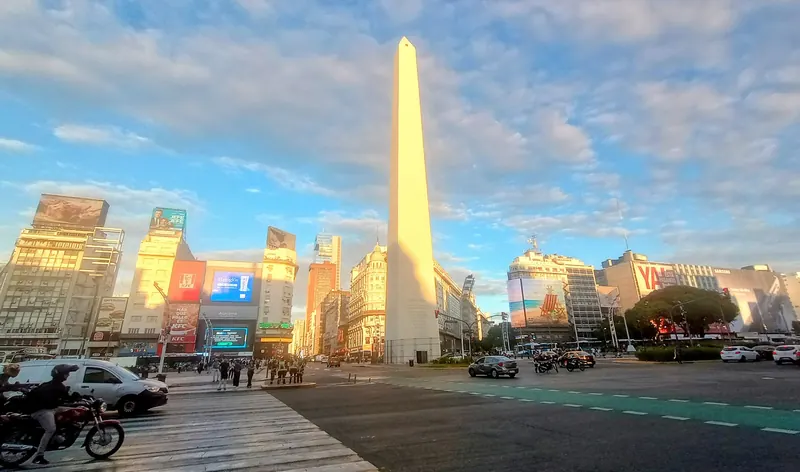
Buenos Aires

Buenos Aires, on the Río de la Plata

Argentina's capital: a city of European architecture and Latin passion, with Plaza de Mayo, Recoleta Cemetery, San Telmo, La Boca, Teatro Colón, tango and some of the best food and nightlife in the Americas.

Don't miss A slow dinner of grilled beef and Malbec in Palermo at 10pm, followed by a milonga where the dancers do not stop until dawn.

Explore Destination — Buenos Aires
MountainsNational Park

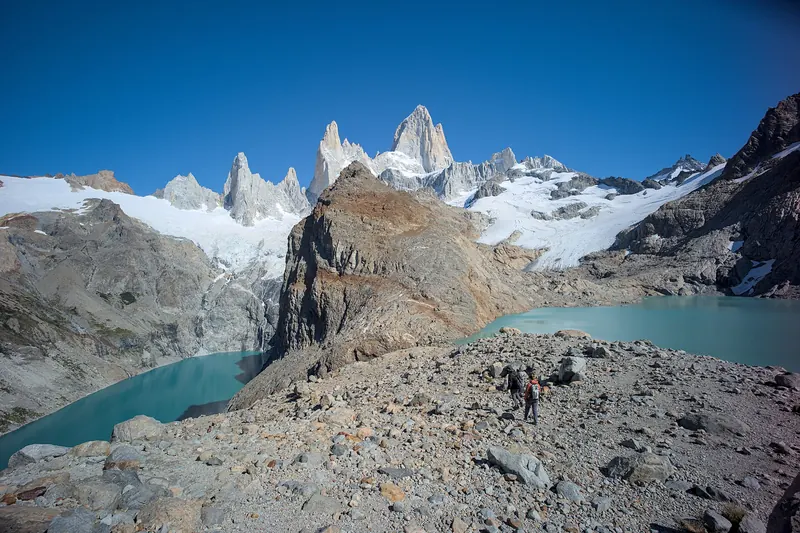
El Chaltén and Fitz Roy

Santa Cruz, southern Patagonia

A hiker's paradise in Los Glaciares National Park, with day walks to Laguna de los Tres and Laguna Torre beneath some of the world's most dramatic granite peaks.

Don't miss Reaching Laguna de los Tres at dawn, as the first light turns the Fitz Roy needles orange above the frozen lagoon.

Explore Destination — El Chaltén and Fitz Roy
Food & WineMountains

Mendoza Wine Country

Mendoza, Cuyo, central Andes

Argentina's premier wine region: Luján de Cuyo, Maipú and the Uco Valley, plus the elegant city of Mendoza, the Andean road to Aconcagua and outdoor adventures.

Don't miss A long lunch with a Malbec in hand on a winery terrace, with the snowy Andes on the horizon.

Explore Destination — Mendoza Wine Country
National ParkCoast & Beaches

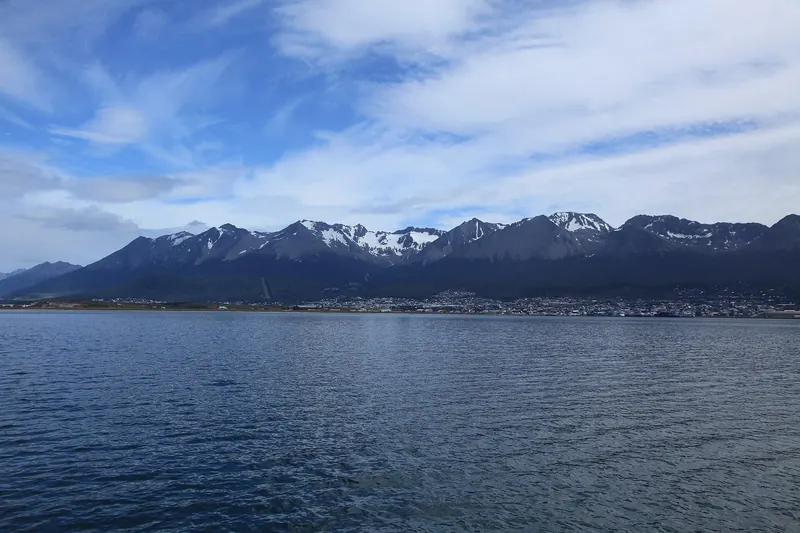
Ushuaia and Tierra del Fuego

Tierra del Fuego, southern tip of Argentina

A port at the end of the world, with Beagle Channel cruises, Tierra del Fuego National Park, the End of the World Train, penguins and the departure point for Antarctic cruises.

Don't miss Sailing the Beagle Channel past sea lions and the red-and-white Les Éclaireurs lighthouse, with the mountains behind.

Explore Destination — Ushuaia and Tierra del Fuego
UNESCO SiteNature & Wildlife

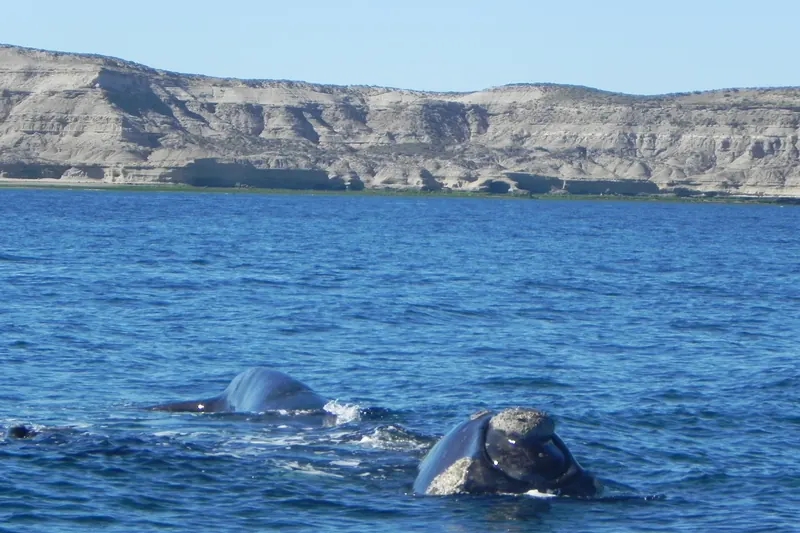
Península Valdés

Chubut, Atlantic coast of Patagonia

One of the best wildlife-watching places in the Americas: whales from June to December, elephant seals, sea lions, penguins, guanacos and, at the right tide, hunting orcas, all in a UNESCO-listed reserve.

Don't miss A southern right whale mother and calf surfacing beside your boat in the calm waters of Golfo Nuevo.

Explore Destination — Península Valdés
Nature & WildlifeNational Park

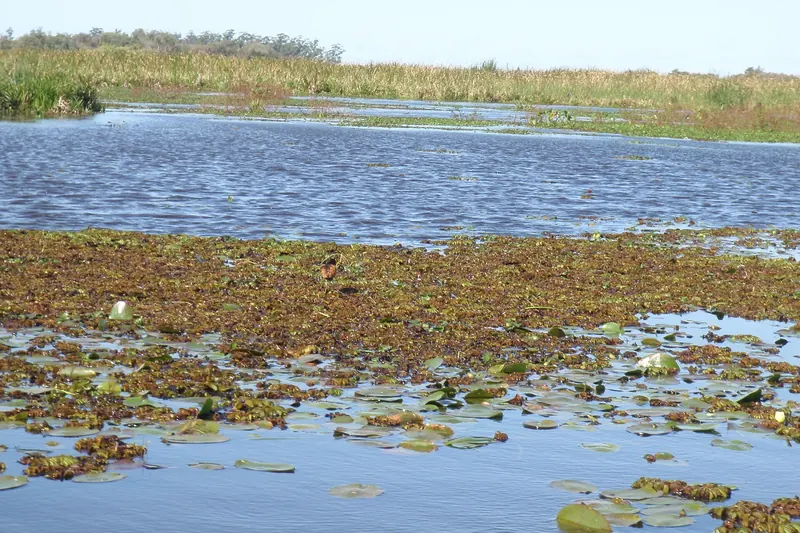
Esteros del Iberá

Corrientes, north-east Argentina

One of South America's largest freshwater wetlands, a remote nature reserve of lagoons and marshes, with boat safaris, walking, horse riding, and a pioneering rewilding project.

Don't miss Drifting in a small boat at dawn among floating islands, with caimans, capybaras and hundreds of birds in every direction.

Explore Destination — Esteros del Iberá

Back to the Argentina country page

FAQ

Planning a trip to Argentina

Can I see Buenos Aires and Patagonia in one trip?

Yes, with flights. Buenos Aires to El Calafate takes about three hours. Ten days is the minimum for Buenos Aires, one part of Patagonia and Iguazu.

Is it better to fly or take the bus?

Fly for the long distances, such as Buenos Aires to Patagonia or Iguazu. Buses are excellent for shorter hops, like Mendoza to Santiago, or El Calafate to El Chaltén.

Should I take a tour or go independently?

Independent travel is easy in Buenos Aires and the main Patagonian towns. Tours are useful for glaciers, wildlife and the north-west, where logistics are trickier.

When should I book?

Flights and hotels for December to February in Patagonia should be booked two to three months ahead. Popular hikes and glacier trips sell out in summer.

Advertisement