Welcome to Auschwitz-Birkenau
Auschwitz-Birkenau was the largest of the Nazi German concentration and extermination camps. Established in 1940 by Germany in occupied Poland, near the town of Oświęcim, it became the main site of the Holocaust: about 1.1 million people were murdered here, roughly one million of them Jews from across Europe, along with Polish prisoners, Roma and Sinti, Soviet prisoners of war and others. The camp was liberated by the Red Army on 27 January 1945.
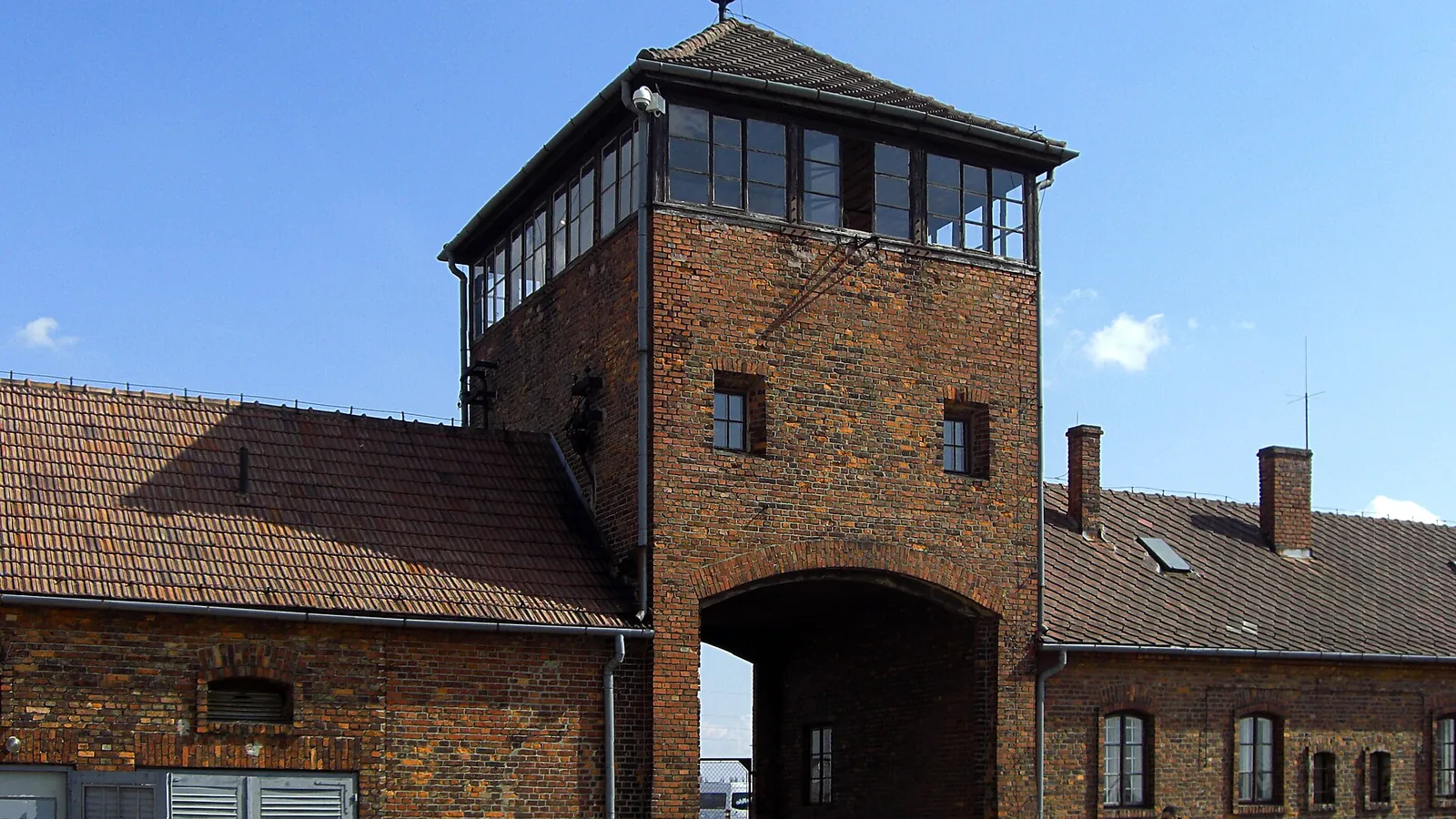
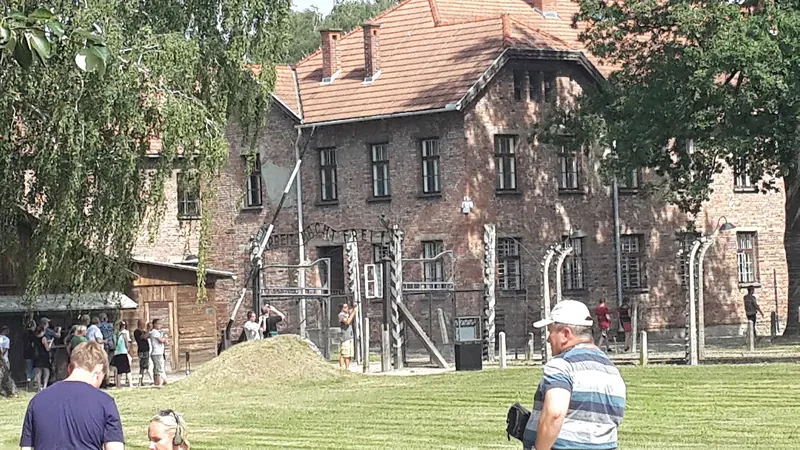
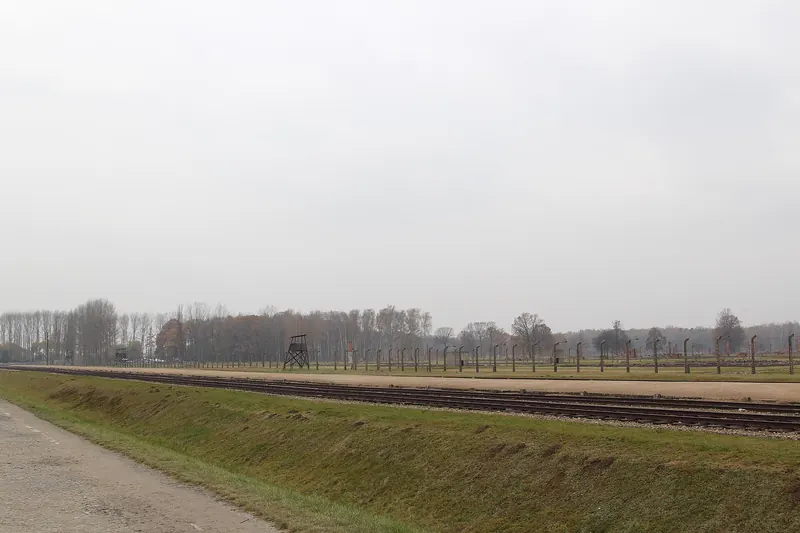
Today the site is the Auschwitz-Birkenau State Museum, a memorial and a UNESCO World Heritage Site. It has two main parts: Auschwitz I, the original camp of brick barracks, with exhibitions in preserved blocks and the gate with the words 'Arbeit macht frei', and Birkenau, 3 km away, a vast site with railway tracks, ruined gas chambers and rows of surviving barracks. Visitors come to bear witness, and to learn.
A visit is emotionally demanding, and it deserves preparation. Entry is by timed ticket and usually with a guided tour, which lasts about 3.5 hours, and it is not suitable for children under 14. It is best treated as a memorial rather than an attraction, with quiet, respect and time afterwards to reflect.
- Historic Site
- UNESCO Site
- Culture & Arts