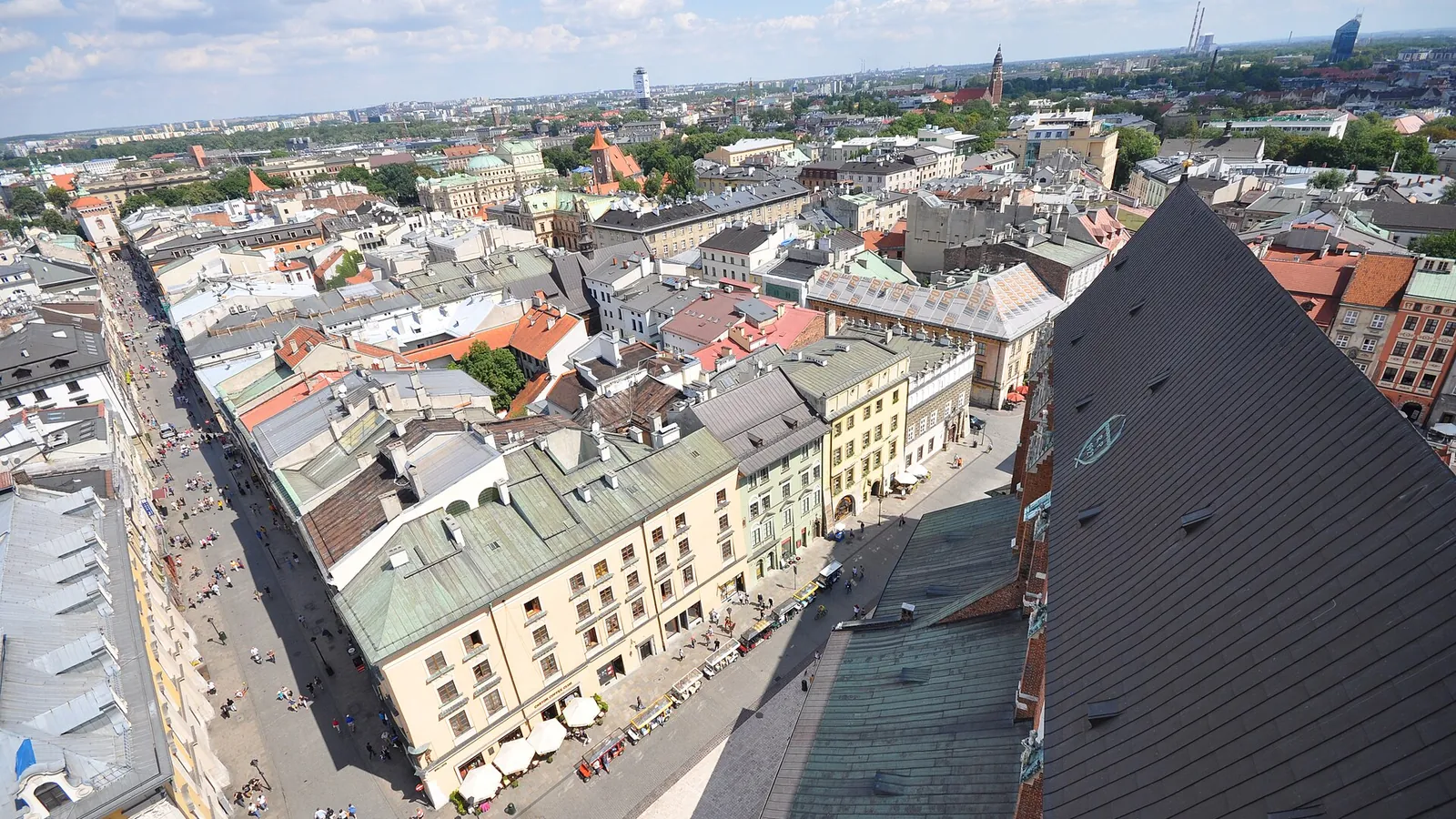
The rooftops and towers of Kraków's Old Town seen from St. Mary's Basilica

Poland · Travel guide

The Complete Poland Travel Guide

How the country divides, how to choose between the ten destinations, how to use its trains, and what two weeks can realistically hold.

  • Reading time 12 min read
  • Covers 10 destinations
  • Updated 2026

Photo: Jorge Láscar from Australia · CC BY 2.0

Poland combines rebuilt medieval cities, mountains, a Baltic coast and profound history at low prices. This guide covers how the regions divide, how to choose between the ten destinations, how to get around, when to go, what it costs and three routes that work.

How Poland divides

Poland is about 700 km across, and it falls into five zones for a visitor.

The south. Kraków is the heart of tourism, with Auschwitz-Birkenau nearby and the Tatras to the south.

The south-west. Wrocław is a lively riverside city of bridges and gnomes.

The centre and west. Warsaw, the capital, and Poznań have rebuilt old towns and a modern energy.

The north. Gdańsk on the Baltic, with Toruń and Malbork Castle nearby.

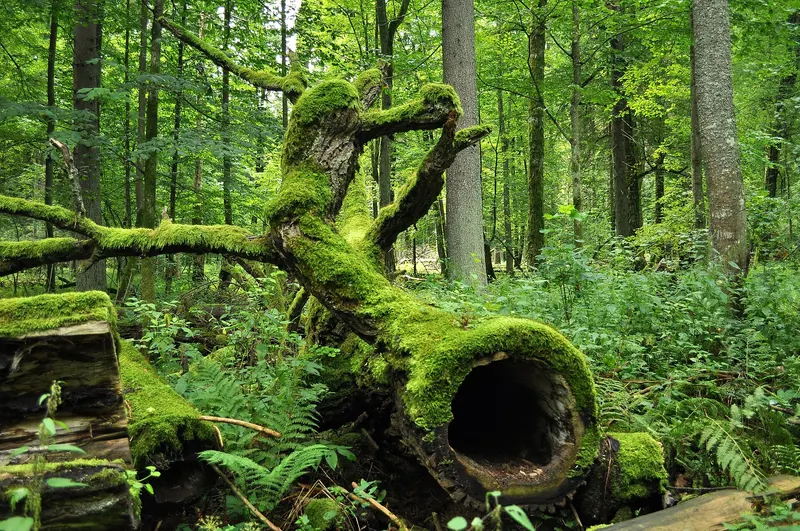
The east. Białowieża preserves an ancient forest and its bison.

Worth knowing: The practical route is a loop, Kraków to Wrocław to Warsaw to Gdańsk, using fast trains.

Choosing between the ten destinations

Getting around

Poland's rail network is good on main lines and cheap.

Express trains. Intercity and EIP trains link Kraków, Warsaw, Gdańsk, Wrocław and Poznań. Reserve in advance.

Regional trains and buses. Serve smaller towns. Buses are best for Zakopane.

Ride-hailing. Uber and Bolt are cheap.

Cars. Useful for Białowieża and the countryside.

Worth knowing: Validate tickets when boarding trams and buses, or risk a fine.

When to go

Poland has four seasons, and the shoulder months are the best value.

April and May are spring, mild and green.

June to August is summer, warm, with festivals, beaches and mountain hikes. Prices peak.

September and October are autumn, golden and calm.

November to March is winter, cold and grey, with Christmas markets and skiing near Zakopane.

Worth knowing: Snow can stay in the Tatras until June.

Money, costs and safety

Poland is very good value. A restaurant meal costs US$8–20, a mid-range hotel US$70–130, and a long-distance train ticket US$10–30.

Cards are widely accepted. Tipping about 10% is normal in restaurants.

Crime is low. Keep an eye out for pickpockets in crowded places.

Shops often close on Sundays, so plan your shopping.

Three routes that work

  1. One week: Kraków and Warsaw

    Four nights in Kraków with a day at Auschwitz, then three in Warsaw.

    Tip Take the express train between them.

  2. Ten days: adding the coast

    The one-week route, then Gdańsk for three nights with a trip to Malbork.

    Tip Book trains early.

  3. Two weeks: the classic

    The itinerary on the country page: Kraków, the Tatras, Wrocław, Poznań, Warsaw, Toruń and Gdańsk.

    Tip Swap Poznań for Białowieża if you love nature.

Reference

The 10 destinations in this guide

Every place named above has its own detailed guide — attractions, food, where to stay, how to get around and a suggested day-by-day plan.

Major CityHistoric Site

Kraków

Lesser Poland, southern Poland

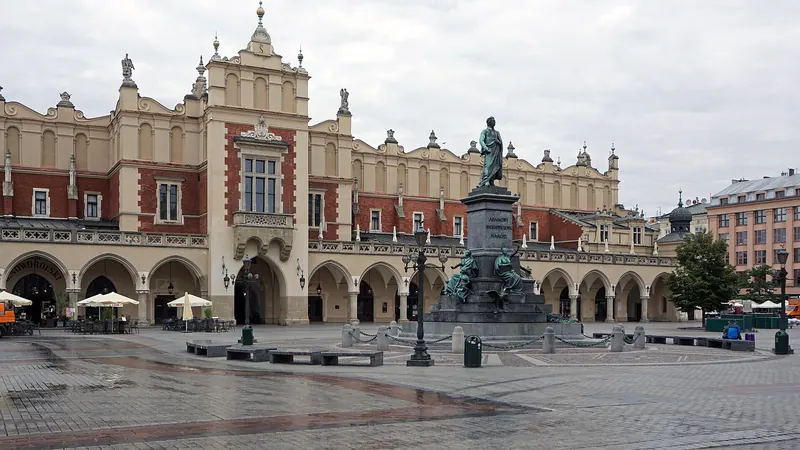
A UNESCO-listed old town with the Main Market Square, Wawel Castle, Kazimierz, Schindler's Factory and easy trips to Wieliczka Salt Mine and Auschwitz.

Don't miss The Main Market Square at dusk, with the trumpeter's call from St. Mary's tower and horse carriages passing the Cloth Hall.

Explore Destination — Kraków
Capital CityMajor City

Warsaw

Masovia, central Poland

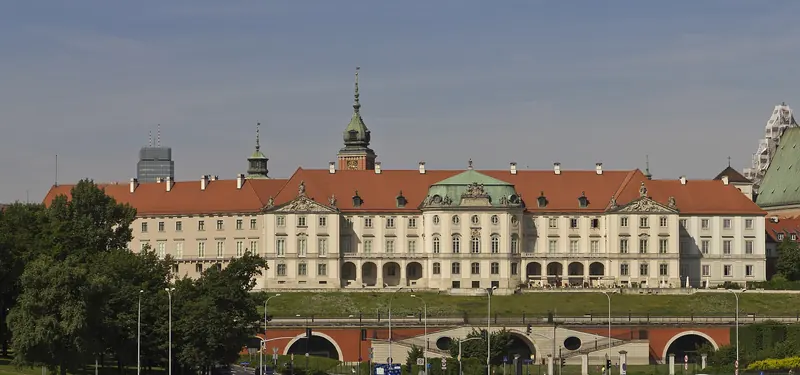
Poland's capital, with the reconstructed Old Town, the Royal Castle, Łazienki Park, the POLIN Museum, the Warsaw Uprising Museum, Palace of Culture and a lively restaurant and bar scene.

Don't miss The Old Town Market Square, meticulously reconstructed after 1945 from paintings and photographs, and now a UNESCO World Heritage Site.

Explore Destination — Warsaw
Major CityHistoric Site

Gdańsk

Pomerania, Baltic coast

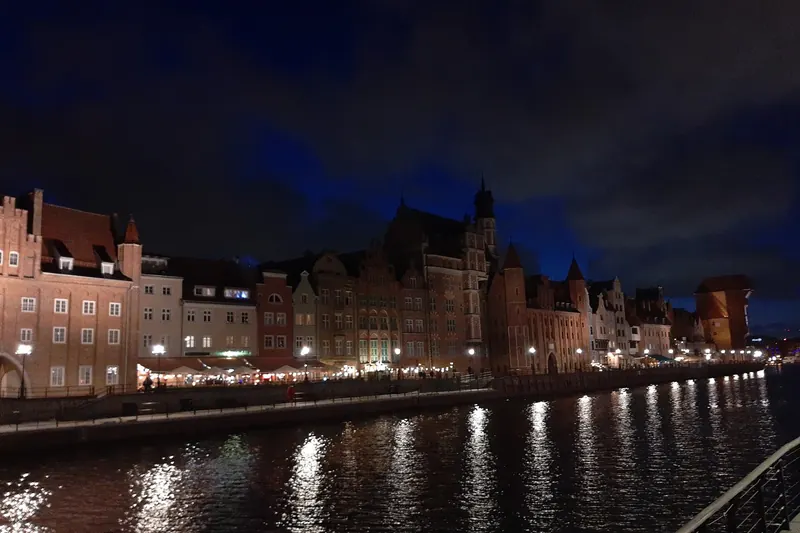
A Baltic port with a reconstructed Main Town, the Neptune Fountain, St. Mary's Church, the Crane, the European Solidarity Centre, the Museum of the Second World War and beaches at Sopot.

Don't miss The Long Market at dusk, with its ornate gables, Neptune's Fountain and the Motława waterfront glowing beyond.

Explore Destination — Gdańsk
Major CityHistoric Site

Wrocław

Lower Silesia, south-western Poland

A lively riverside city with a pastel Market Square, Ostrów Tumski cathedral island, the UNESCO-listed Centennial Hall, the Racławice Panorama and a trail of gnome statues.

Don't miss Hunting for the city's little bronze gnomes across the colourful Market Square.

Explore Destination — Wrocław
MountainsNational Park

Zakopane and the Tatras

Lesser Poland, Tatra Mountains

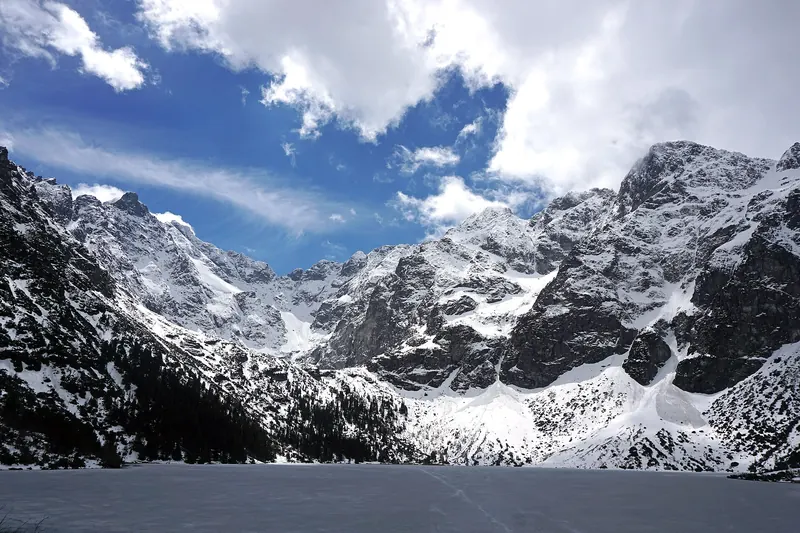
The gateway to the Polish Tatras, with the carved-wood Zakopane style, Morskie Oko lake, the Kasprowy Wierch cable car, Giewont, hiking, skiing and smoked oscypek cheese.

Don't miss Morskie Oko, a glacial lake ringed by granite peaks, reached by an easy walk from the road.

Explore Destination — Zakopane and the Tatras
Historic SiteUNESCO Site

Auschwitz-Birkenau

Lesser Poland, Oświęcim

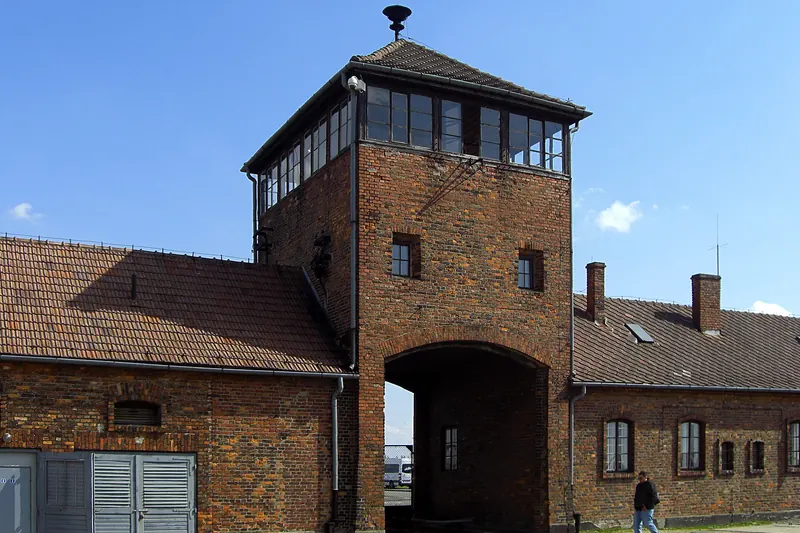
The Auschwitz-Birkenau Memorial and Museum, a UNESCO World Heritage Site near Kraków, where over a million people, most of them Jews, were murdered between 1940 and 1945.

Don't miss Standing at the gate of Birkenau, a place that asks visitors to remember and reflect.

Explore Destination — Auschwitz-Birkenau
Major CityHistoric Site

Poznań

Greater Poland, western Poland

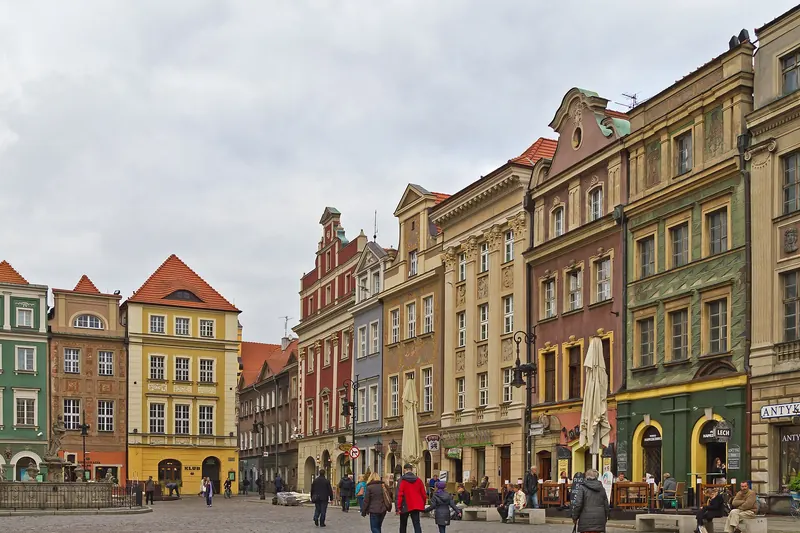
A relaxed western city with a colourful Old Market Square, a Renaissance Town Hall and its famous goats, Ostrów Tumski cathedral, the Croissant Museum and a base for the first Polish capital at Gniezno.

Don't miss The two mechanical goats emerging from the Town Hall clock at noon, to a crowd in the Old Market Square.

Explore Destination — Poznań
Historic SiteUNESCO Site

Toruń

Kuyavia-Pomerania, northern Poland

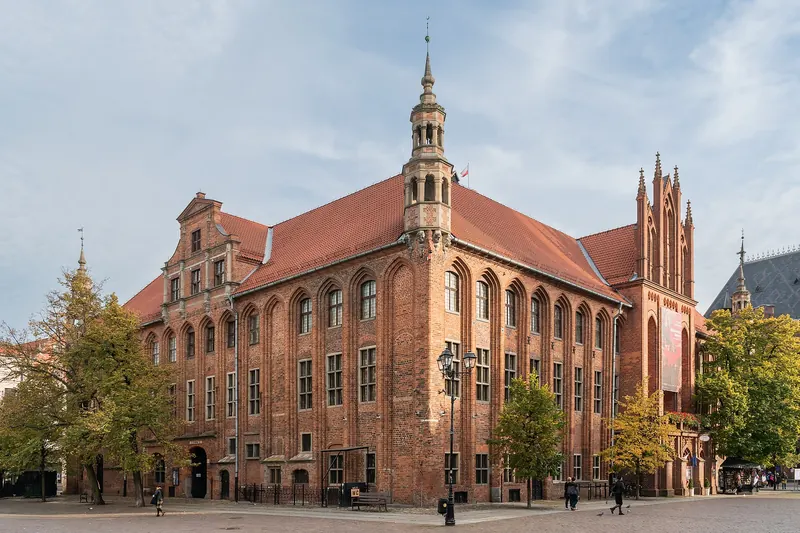
A UNESCO-listed medieval town on the Vistula with a Gothic Old Town Hall, Copernicus's birthplace, brick churches and a gingerbread tradition dating back to the Middle Ages.

Don't miss The Gothic Old Town Hall and the brick skyline across the Vistula at night.

Explore Destination — Toruń
Historic SiteUNESCO Site

Malbork Castle

Pomerania, northern Poland

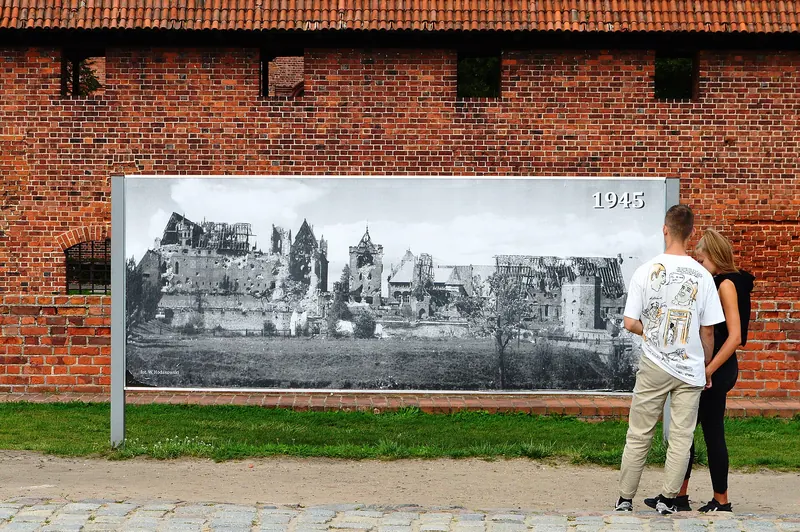
A UNESCO-listed Teutonic castle of red brick, the largest castle in the world by land area, with three sections, a Grand Master's palace, museums and an easy day trip from Gdańsk.

Don't miss The red-brick castle reflected in the Nogat river at sunset, seen from the far bank.

Explore Destination — Malbork Castle

Back to the Poland country page

FAQ

Planning a trip to Poland

Which Polish cities should a first-timer see?

Kraków and Warsaw are the essentials, and Gdańsk adds the Baltic coast. Wrocław and Poznań are excellent if you have more time.

Is it easy to travel by train?

Yes. Express trains link the main cities in two to four hours and are cheap. Book online in advance for the best fares.

How far ahead should I book Auschwitz?

Several weeks in summer. Entry is by timed ticket, and slots sell out.

Is Poland good in winter?

It is cold, but Christmas markets and skiing in the Tatras are big draws, and prices are lower.

Advertisement