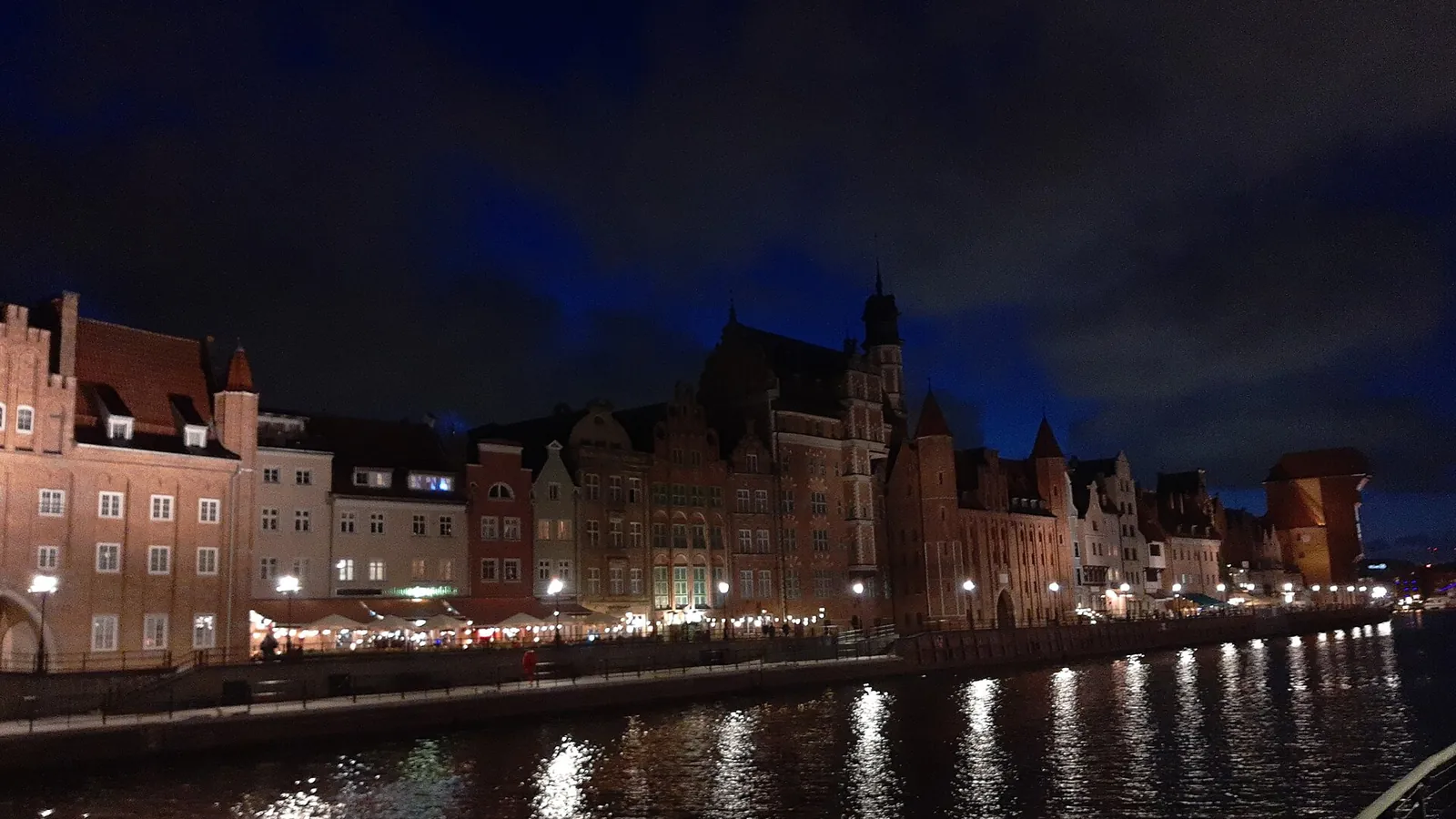
Merchant houses and the medieval port crane along the Motława river in Gdańsk

Pomerania, Baltic coast · Poland

Gdańsk

A rebuilt Hanseatic port of tall merchant houses and amber shops, where the Second World War began and the Solidarity movement toppled communism.

  • Best time June–September
  • Stay 2–3 days
  • Good for History, seafood, beaches, museums, city breaks

Photo: Gerda Arendt · CC0

Welcome to Gdańsk

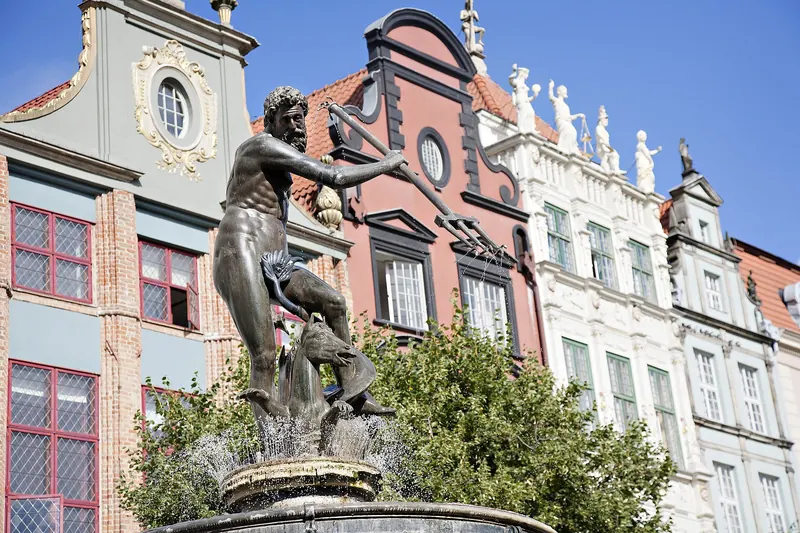
Gdańsk, on the Baltic coast, was for centuries one of the richest ports in northern Europe, a Hanseatic trading city that shipped grain and timber, and grew wealthy on amber. Its Main Town is a display of tall, narrow merchant houses with sculpted gables, and the lively Long Market at its heart, lined with elaborate facades and topped by a Neptune fountain from the 17th century.

The city is also a place where twentieth-century history was made. The first shots of the Second World War were fired at Westerplatte in 1939, and most of the old town was destroyed in 1945 and then rebuilt with great care. In 1980, workers in the Gdańsk Shipyard formed Solidarity, the independent trade union led by Lech Wałęsa that helped bring down communism, and the European Solidarity Centre tells the story.

Away from history, Gdańsk is a relaxed seaside city, with the amber-shop lanes of Mariacka Street, seafood on the waterfront and beaches along the Bay of Gdańsk. Together with Sopot and Gdynia it forms the Tricity. Two or three days lets you cover the old town, the museums and a day at the beach.

  • Major City
  • Historic Site
  • Coast & Beaches
  • Culture & Arts

Why visit

Why visit Gdańsk?

Gdańsk pairs a beautiful old town with some of Europe's most important modern history.

  • A Hanseatic old town

    Tall gabled houses and the Long Market.

  • Solidarity and the war

    Museums and monuments.

  • Amber

    The Baltic gold, sold on Mariacka Street.

  • Beaches

    Sopot and the Baltic.

  • Seafood and craft beer

    A lively food scene.

Main attractions

Top things to see in Gdańsk

The Main Town is compact, and the museums are a short walk or tram ride away.

  1. Neptune's Fountain in the Long Market of Gdańsk

    Long Market and Neptune's Fountain

    The main street of the old town, lined with ornate merchant houses, with the Artus Court and a bronze Neptune in the middle.

    Tip Walk it early or late.

  2. The huge brick St. Mary's Church in Gdańsk

    St. Mary's Church

    One of the largest brick churches in the world, with a tower you can climb for views over the city.

    Tip Climb the 400 steps.

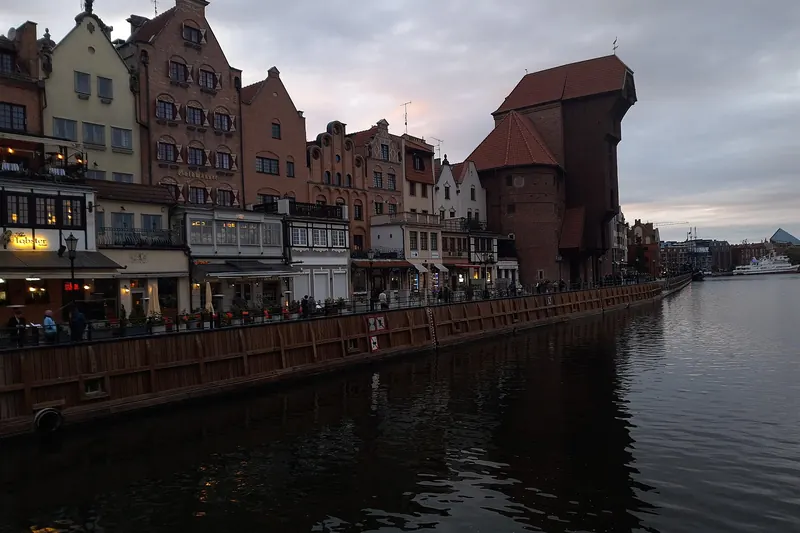
  3. The medieval port crane on the Motława waterfront at evening

    The Motława waterfront and the Crane

    A medieval wooden port crane, the largest in Europe in its day, beside the river promenade with restaurants and boat trips.

    Tip Go at sunset.

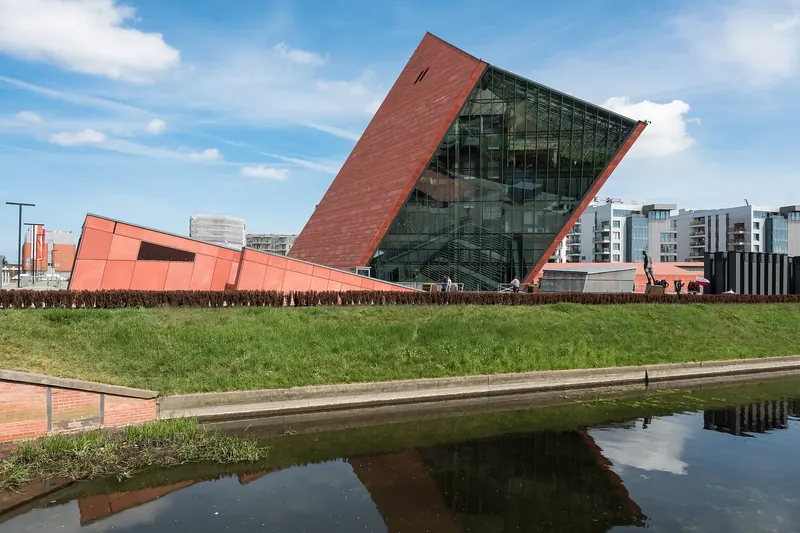
  4. The modern Museum of the Second World War building in Gdańsk

    Museum of the Second World War

    A large, immersive museum on the causes and human cost of the war, in a striking modern building.

    Tip Allow at least three hours.

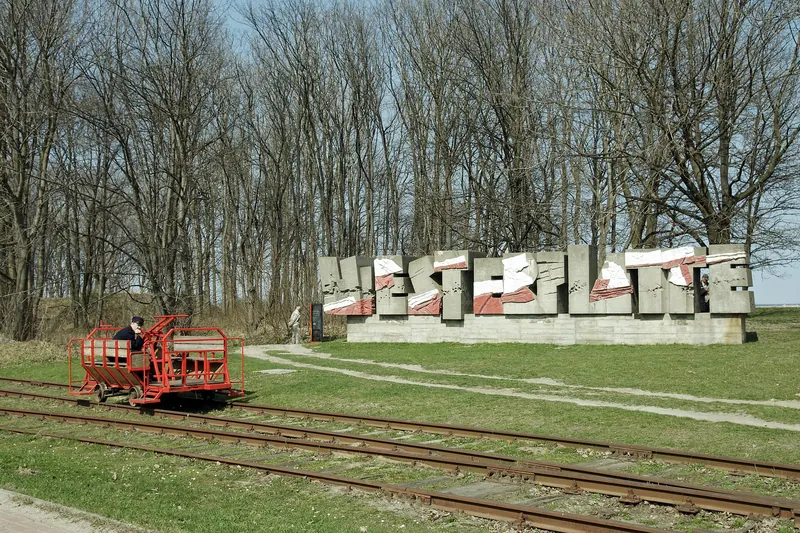
  5. The Westerplatte peninsula monument in Gdańsk

    Westerplatte

    The peninsula where the first shots of the Second World War were fired, with a memorial.

    Tip Take a boat or bus.

  6. European Solidarity Centre

    A museum about the Solidarity movement, beside the shipyard gate.

    Tip Allow two hours.

Things to do

Best things to do in Gdańsk

Gdańsk mixes history and the seaside.

  1. Shop for amber

    Mariacka Street's jewellers.

    Tip Check for authentic amber.

  2. Take a boat trip

    To Westerplatte from the Crane.

    Tip Book in summer.

  3. Visit Sopot

    A resort town with a very long wooden pier.

    Tip Go by SKM train.

  4. Try a seafood dinner

    Baltic herring and cod.

    Tip Book on weekends.

  5. Tour the shipyard

    Learn about Solidarity.

    Tip Join a guide.

  6. Swim in the Baltic

    Beaches from June to August.

    Tip Water is cool.

Local food

What to eat in Gdańsk

Gdańsk's food is Baltic, with fish and amber-coloured spirits.

  • Baltic herring and cod

    Fresh and smoked fish.

    Where to try it Waterfront restaurants.

  • Goldwasser

    A herbal liqueur with gold flakes made in Gdańsk since 1598.

    Where to try it Bars.

  • Pierogi

    Dumplings.

    Where to try it Milk bars.

  • Craft beer

    Local breweries.

    Where to try it Old Town pubs.

  • Kashubian dishes

    Regional cooking.

    Where to try it Restaurants.

Accommodation

Where to stay in Gdańsk

Stay in the Main Town.

  • Main Town

    Hotels and apartments.

    Best for: Sightseeing

  • Granary Island

    Modern hotels.

    Best for: Waterfront

  • Sopot

    Seaside hotels.

    Best for: Beaches

What a night costs

Hostel dorm
US$15–28 per night
Mid-range hotel
US$80–150 per night
Luxury hotel
US$180–350 per night
Seafood meal
US$15–30 per person

Transport

Getting to and around Gdańsk

Gdańsk is on the Baltic coast.

Getting there

  • Train from Warsaw

    About 3 hours.

    Book ahead.

  • Flight

    Many European routes.

    The airport is close.

  • SKM train from Sopot

    A short suburban ride.

    Frequent.

Getting around

The Main Town is walkable.

  • On foot

    The old town.

    Comfortable shoes.

  • Trams and SKM

    To the museums and Sopot.

    Buy tickets.

  • Ride-hailing

    Cheap.

    Bolt or Uber.

When to go

Best time to visit Gdańsk

Gdańsk has a cool maritime climate.

  • Spring (April–May)

    Good

    Mild and quiet.

  • Summer (June–August)

    Best time

    Beach season and the St. Dominic's Fair.

  • Autumn (September–October)

    Good

    Calm and golden.

  • Winter (November–March)

    Quiet

    Cold and grey, with Christmas markets.

Worth planning around: Grey winter days.

Itinerary

Two days in Gdańsk

The old town and the history.

  1. Day1

    The Main Town

    Gables and amber.

    • Morning The Long Market.
    • Afternoon St. Mary's Church and Mariacka Street.
    • Evening The waterfront.
  2. Day2

    History and beach

    War and sea.

    • Morning Museum of the Second World War.
    • Afternoon Solidarity Centre.
    • Evening Sopot pier.

Travel tips

Gdańsk travel tips

A few tips help you plan.

  • Book the WWII museum time slot.
  • Buy authentic amber.
  • Climb St. Mary's for views.
  • Take the SKM to Sopot.
  • Bring a jacket for the sea breeze.
  • Visit in August for the fair.
  • Try the local herring.

FAQ

Gdańsk: frequently asked questions

How many days do you need in Gdańsk?

Two or three.

Is Gdańsk worth visiting?

Yes.

Can I swim?

In summer, though the sea is cool.

What is Gdańsk known for?

Amber, Solidarity and its old town.

How do I get to Sopot?

SKM train in 20 minutes.

Was Gdańsk rebuilt?

Yes, after 1945.

Read next

Related travel articles

Planning

Planning Your First Trip to Europe

Most first European trips go wrong in the same three ways: too many cities, too little time in each, and a route shaped by a cheap flight rather than by geography. Here is how to avoid all three.

Where to go

Choosing a Mediterranean Coast

The Mediterranean coasts in this guide are not interchangeable. Some have sand and some have rock; some are glamorous and some are cheap; two of them are effectively closed for half the year. This is a comparison by the things that decide whether a coastal week works — swimming, crowds, cost, transport and what there is to do when you get out of the water.

Advertisement