Welcome to Wrocław
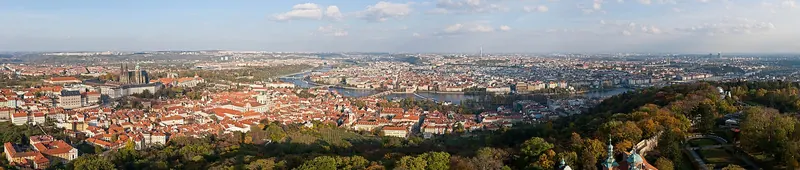
Wrocław is Poland's fourth-largest city, on the Oder river in the south-west, and it has been Bohemian, Austrian, Prussian and German (as Breslau) before becoming Polish after 1945. That layered past shows in its architecture. The Market Square, one of the largest in Poland, is surrounded by pastel gabled houses and a Gothic town hall, and behind it run cobbled streets and canals.
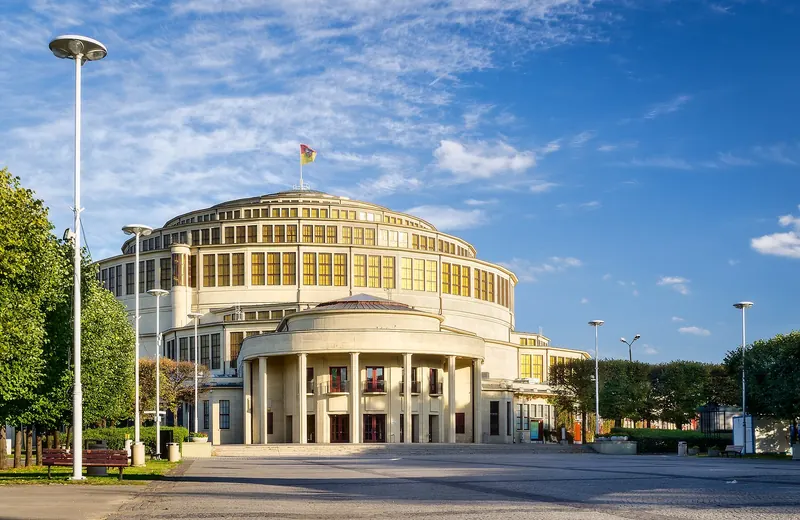
The city is built on islands and riverbanks, with about 100 bridges. Ostrów Tumski, the oldest part, is a quiet island of churches, gas lamps and a cathedral with two tall spires, and a lit-lantern-lighting ceremony each evening. South-east of the centre, the Centennial Hall, a pioneering concrete dome of 1913, is a UNESCO World Heritage Site.
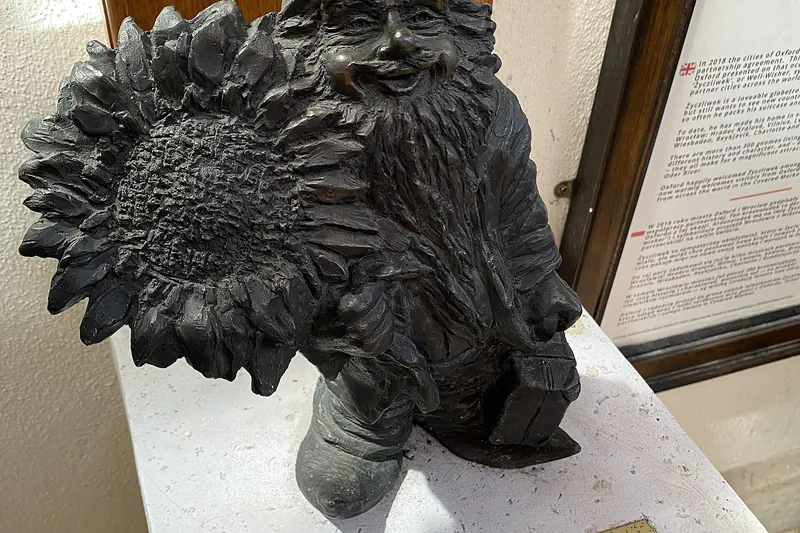
Wrocław is also playful. Hundreds of small bronze gnomes hide around the streets, a legacy of a 1980s anti-communist art protest, and hunting for them is a popular activity. As a university city, it has lively bars, and it was European Capital of Culture in 2016. Two days is enough for the highlights.
- Major City
- Historic Site
- Culture & Arts