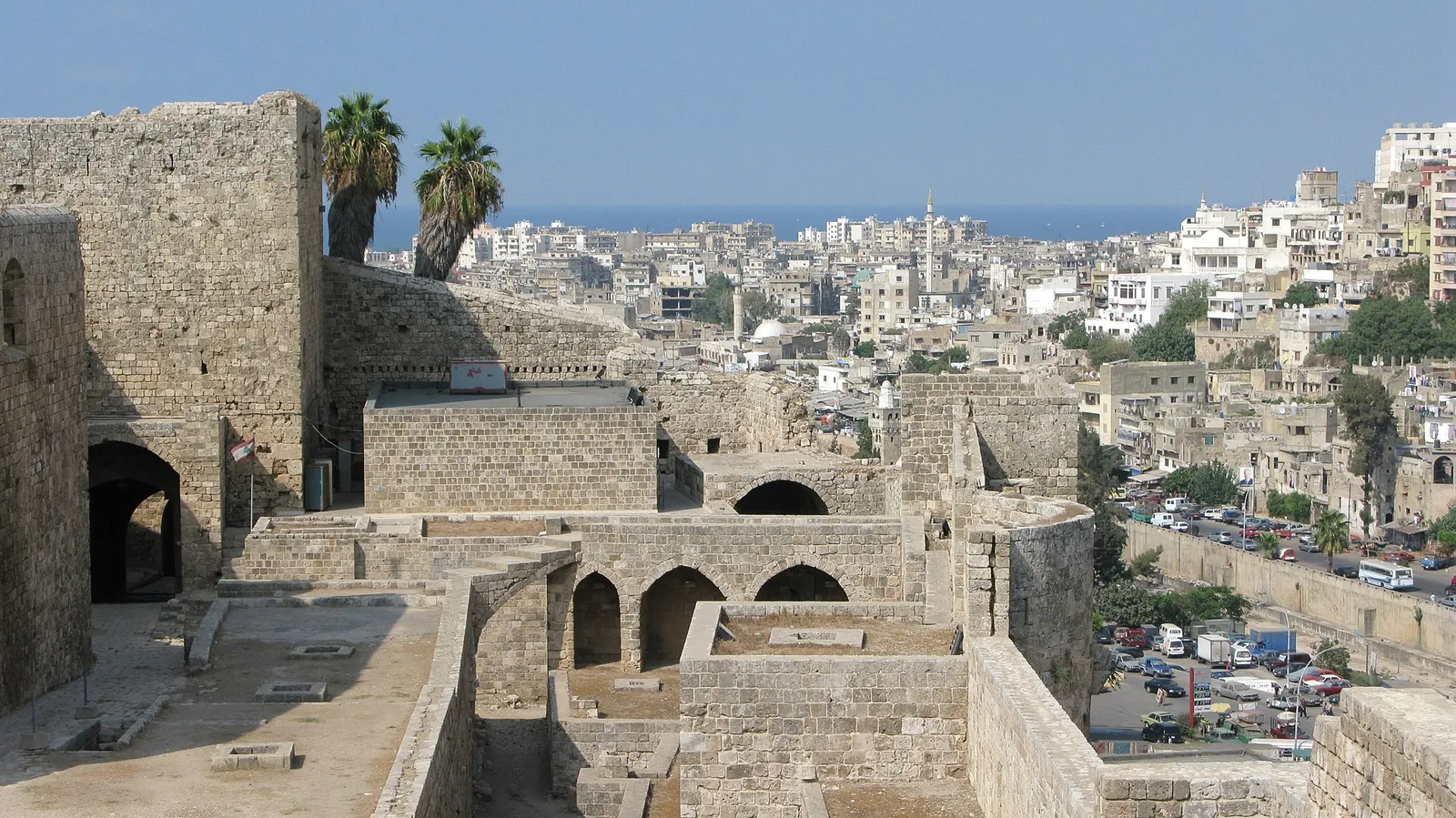
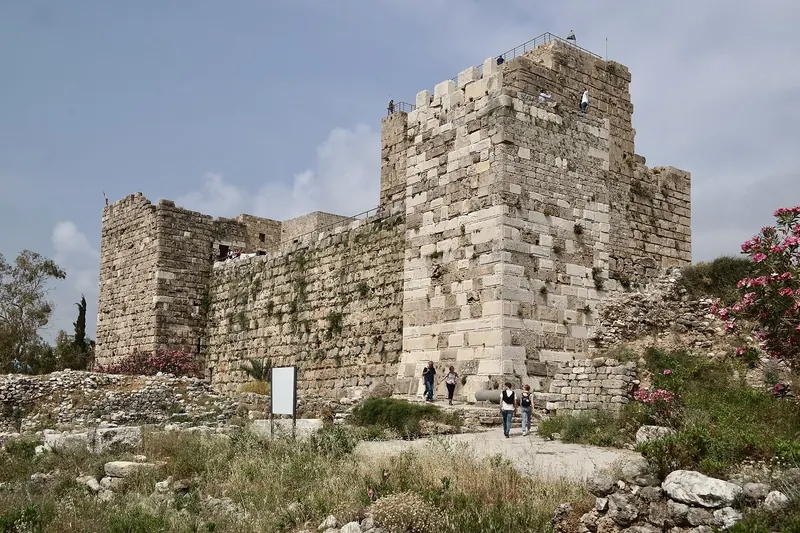
The Crusader citadel of Tripoli rising above the rooftops of the old city

North Governorate, northern coast · Lebanon

Tripoli

Lebanon's second city and its best-preserved medieval one, with a Crusader citadel above a Mamluk old town of mosques, madrasas, hammams, soap khans and sweet shops.

  • Best time April–June and September–November
  • Stay 1 day
  • Good for Medieval architecture, food, old souks, culture

Photo: Vyacheslav Argenberg · CC BY 4.0

Welcome to Tripoli

Tripoli, in Arabic Trablus, lies on the northern coast of Lebanon, about 85 km from Beirut. Its name means 'three cities' in Greek, referring to the three Phoenician settlements that existed here. It was refounded by the Crusaders in the 12th century as the capital of the County of Tripoli, and their citadel, built by Raymond de Saint-Gilles in 1103, still dominates the old town.

In 1289, the Mamluk sultan Qalawun destroyed the Crusader city and rebuilt it a little inland, and for the next two hundred years it was among the great cities of the Mamluk empire. That legacy is what survives: a dense old city of mosques, madrasas, hammams, khans and covered souks, built of the local honey-coloured stone, with elaborate carved doorways and striped masonry. It is one of the most complete Mamluk cities in the Middle East, though its condition varies.

Tripoli is the second-largest city in Lebanon and one of the poorest, and it has a reputation that it does not fully deserve. It was the scene of clashes between neighbourhoods in earlier years, and has suffered from neglect, but visitors who go find a proud, hospitable city with fine architecture and food, and very few tourists. The north has been calmer than the south and the Bekaa, but check your government's advice.

  • Major City
  • Historic Site
  • Food & Wine

Why visit

Why visit Tripoli?

Tripoli is the best place in Lebanon to see a real, working medieval Islamic city.

  • A Mamluk old city

    Dozens of 13th- to 15th-century mosques, madrasas, khans and hammams survive within the old city, many still in use.

  • The Crusader citadel

    One of the largest Crusader castles in the region, on a hill above the town, with a Mamluk and Ottoman overlay.

  • Souks and soap khans

    Covered markets selling spices, sweets, gold and textiles, and Khan al-Saboun, the soap khan, where traditional soap is still sold.

  • The best sweets in Lebanon

    Tripoli's pastry shops, particularly the famous Hallab, have been making sweets for well over a century, and people travel from Beirut for them.

  • A modernist landmark

    Oscar Niemeyer's unfinished Rachid Karami International Fair, from the 1960s, is a remarkable piece of modernist architecture and on Lebanon's tentative World Heritage list.

Main attractions

Top things to see in Tripoli

The old city is compact, and the sights are within walking distance of each other.

  1. The walls and towers of the Citadel of Tripoli

    The Citadel of Raymond de Saint-Gilles

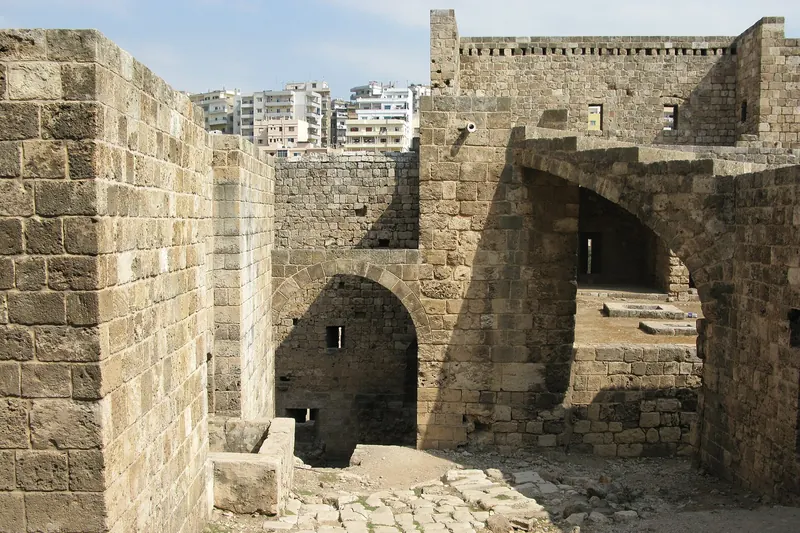
    A large fortress on a hill above the old city, begun by the Crusader count Raymond de Saint-Gilles in 1103 and rebuilt by the Mamluks and Ottomans. It has a series of gates, courtyards, towers and a mosque.

    Tip Go in the morning, and walk around the walls for the views.

  2. The Great Mosque (Mansouri Grand Mosque)

    A 14th-century Mamluk mosque built on a Crusader church, with a large courtyard and a square minaret that was once a bell tower.

    Tip Dress modestly and check visiting hours.

  3. The Mamluk madrasas and mosques

    The Qartawiyya Madrasa, the Taynal Mosque, and dozens of other Mamluk buildings with striped masonry, muqarnas portals and domed interiors.

    Tip Walk the lanes and look up at the stonework.

  4. Hammam al-Jadid and Hammam Ezzedine

    Historic bathhouses of the 14th to 17th centuries, some of which still function, with domed rooms and marble basins.

    Tip Check the hours for men and women.

  5. Khan al-Saboun and the souks

    A 16th-century soap khan and the surrounding souks with soap, spices, textiles and gold. It is the best place to feel the atmosphere of the old city.

    Tip Buy handmade soap.

  6. Khan al-Askar and the old caravanserais

    Several Ottoman-era caravanserais with courtyards and arches, some restored.

    Tip Ask permission before entering courtyards.

  7. The Rachid Karami International Fair

    A huge unfinished modernist complex designed by Oscar Niemeyer in the 1960s, with a dome, a curved experimental theatre and a large hall.

    Tip Check whether access is permitted.

Things to do

Best things to do in Tripoli

Tripoli is a day for wandering and eating.

  1. Walk the old city

    Follow the lanes past mosques, madrasas and khans, and let yourself get lost.

    Tip Go in the morning, and take a guide if you can.

  2. Climb the citadel

    Walk through the towers and courtyards for a view over the city and the sea.

    Tip Go at opening.

  3. Eat sweets at Hallab

    Try knefe, baklava and the city's pastries at one of the famous shops.

    Tip Buy a box to take home.

  4. Visit the soap khan

    See traditional soap-making, and buy olive-oil soap.

    Tip Ask about a tour.

  5. Have a hammam

    A traditional bath and scrub in a historic setting.

    Tip Book in advance.

  6. Combine with the Qadisha Valley

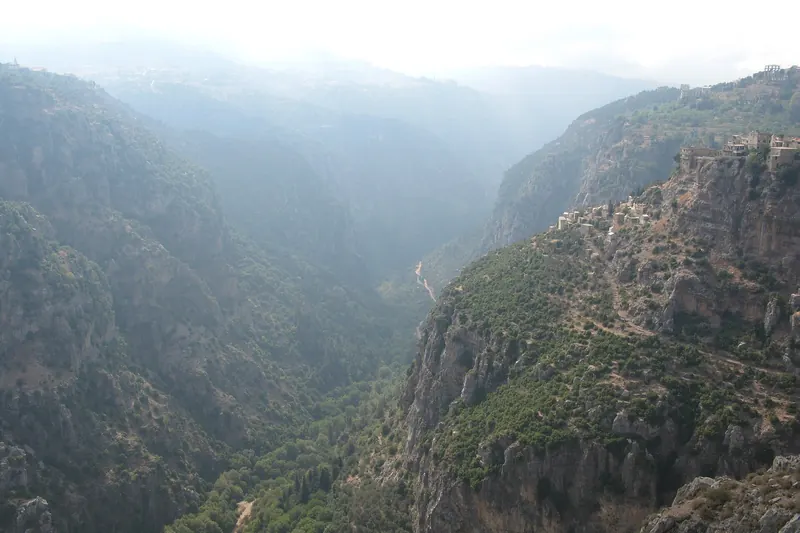
    The Holy Valley and the Cedars are about an hour's drive up the mountain.

    Tip Stay overnight in Bsharri.

Local food

What to eat in Tripoli

Tripoli is the sweets capital of Lebanon, and it also has a strong tradition of savoury food.

  • Tripoli sweets

    Baklava, knefe, ma'amoul and Halawet el Jibn, a cheese and semolina roll filled with cream and served with syrup, made in shops that have been open for generations.

    Where to try it Sweet shops such as Hallab and others in the old city.

  • Knefe in a bun

    Hot knefe served inside a sesame bun, a local breakfast.

    Where to try it Small shops in the old town.

  • Mezze and grills

    Traditional restaurants serve mezze and charcoal grills.

    Where to try it Restaurants in the centre.

  • Fresh seafood

    Grilled fish in the port area of Al Mina.

    Where to try it Restaurants at the harbour.

  • Falafel and sandwiches

    Cheap street food in the souks.

    Where to try it Stalls in the old town.

  • Fresh juice and coffee

    Orange, pomegranate and other juices, and strong coffee.

    Where to try it Cafés in the souks.

Accommodation

Where to stay in Tripoli

Tripoli has few hotels, and most visitors come as a day trip from Beirut or Byblos or stay in the mountains.

  • Al Mina

    A port district with a promenade, restaurants and a few hotels.

    Best for: Seafront and restaurants

  • Old city

    A small number of guesthouses in restored buildings.

    Best for: Atmosphere

  • Beirut, Byblos or Bsharri

    A wider choice within one to two hours.

    Best for: Most visitors

What a night costs

Guesthouse
US$40–80 per night
Mid-range hotel
US$80–130 per night
Citadel entry
A few US dollars
Sweets and coffee
US$5–15

Transport

Getting to and around Tripoli

Tripoli is about 85 km north of Beirut on the coastal highway.

Getting there

  • Private driver or car

    About 1 hour 30 minutes from Beirut without traffic, and longer at rush hour. A driver can combine Byblos or Batroun on the way.

    Avoid rush hour.

  • Bus or service taxi

    Buses and shared taxis run from Beirut's Charles Helou and Dora stations to Tripoli, and are cheap.

    Ask for Trablus.

  • Tour

    Some tours combine Tripoli with Byblos or the Cedars.

    Check the itinerary.

Getting around

The old city is compact and best explored on foot.

  • Walking

    The citadel, mosques, souks and khans are within 15 minutes' walk.

    The lanes are narrow and can be crowded.

  • Taxi

    Taxis take you between the old city, Al Mina and the Niemeyer fair.

    Agree the fare.

  • Local guide

    A guide can take you into places that are hard to find.

    Ask your hotel.

When to go

Best time to visit Tripoli

Tripoli has a Mediterranean climate. Spring and autumn are the best seasons for walking, and winters are wet.

  • Spring (March–May)

    Best time

    Warm and clear.

  • Summer (June–August)

    Shoulder

    Hot and humid, with the souks in shade.

  • Autumn (September–November)

    Best time

    Warm and calm.

  • Winter (December–February)

    Quiet

    Mild and rainy. Sweets taste better in the cold.

Worth planning around: Rainy days for the citadel, and any period of unrest.

Itinerary

One day in Tripoli

The citadel and the old city in the morning, lunch and sweets, and the souks and hammam in the afternoon.

  1. Day1

    Citadel, souks and sweets

    A full day in the old city.

    • Morning The citadel and the Great Mosque.
    • Afternoon Lunch, the soap khan and the souks.
    • Evening Sweets at Hallab, then the drive back.

Travel tips

Tripoli travel tips

Tripoli is friendly and lively, and a few tips help.

  • Read your government's advice. The north has been calmer than the south, but Tripoli has seen unrest in the past.
  • Go with a local guide if you can. It helps you find your way and get into the buildings.
  • Dress modestly. Tripoli is more conservative than Beirut.
  • Ask before photographing people, and avoid military and political sites.
  • Bring cash and buy from local shops.
  • Leave time for sweets, and take a box home.
  • Go in the morning, and return before dark.

FAQ

Tripoli: frequently asked questions

Is Tripoli safe to visit?

The old city and the sights are welcoming to visitors, though Tripoli has seen unrest and clashes in the past, and it is a poor city. The north has been calmer than the south, but conditions can change. Check your government's advice.

What is Tripoli known for?

Its Mamluk old city, its Crusader citadel, its sweets and its soap.

How long do you need in Tripoli?

One day is enough for the citadel, the old city and sweets.

How do I get to Tripoli from Beirut?

By car, driver, bus or shared taxi. It takes about 90 minutes without traffic.

What is the Niemeyer fair?

An unfinished exhibition complex designed by the Brazilian architect Oscar Niemeyer in the 1960s, halted by the civil war. It is a striking example of modernist architecture.

Can I combine Tripoli with other places?

Yes. Byblos and Batroun are on the way from Beirut, and the Qadisha Valley and the Cedars are about an hour's drive up the mountain.

Read next

Related travel articles

Food

A Country-by-Country Food Primer

Eating well abroad is mostly a matter of knowing when meals happen, how the menu is structured and which dish belongs to the place you are standing in. This covers all three for the five countries in this guide, plus the signals that separate a restaurant that feeds locals from one that feeds coaches.

Where to go

Beyond the Big Names: Places Worth the Detour

The most visited place in a country is rarely its best, and it is almost never its best value. This is a method for finding the destinations that do not make the postcards — and a set of examples from five of the 50 countries on this site.

Advertisement