Welcome to the Qadisha Valley and the Cedars
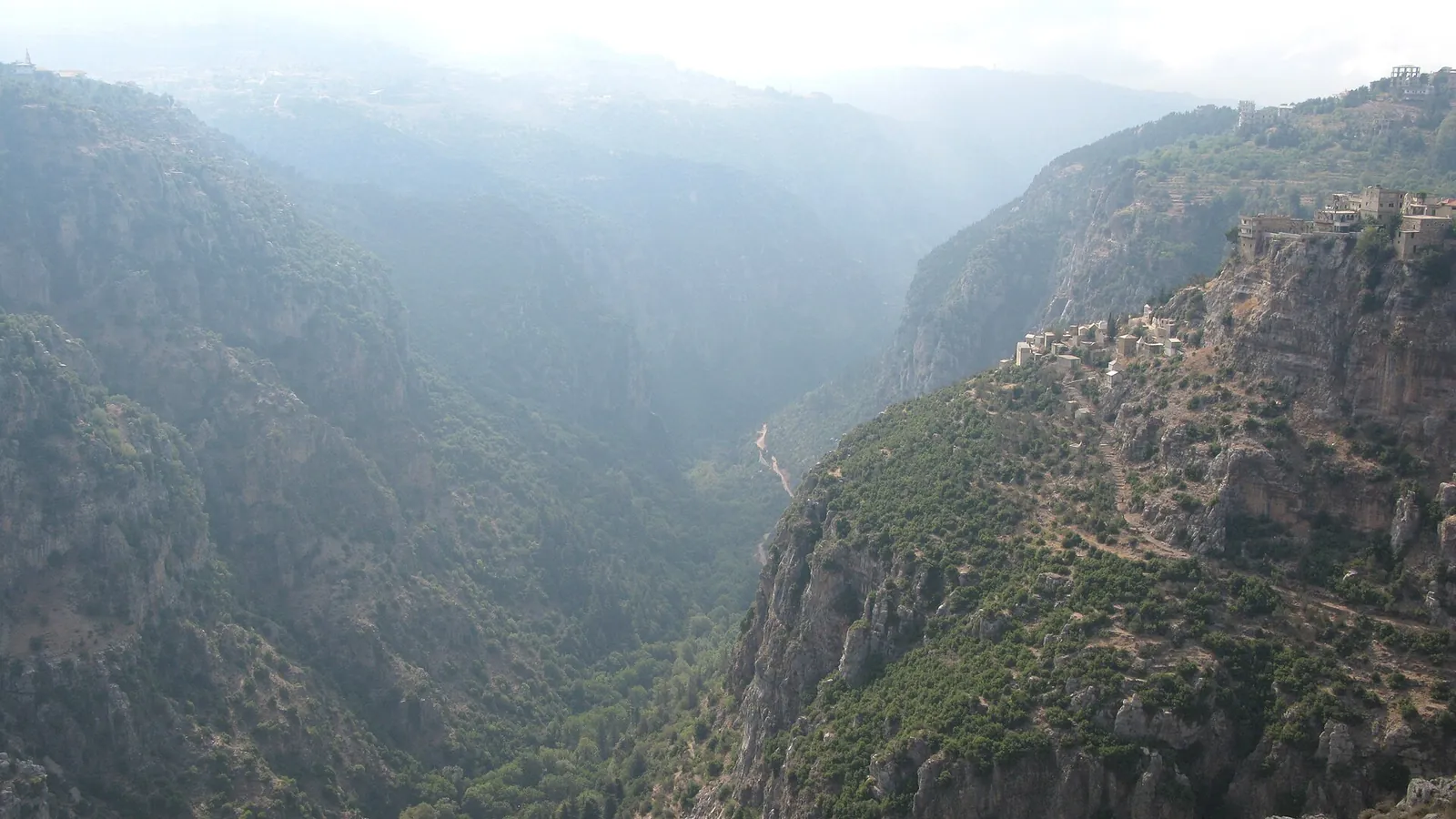
In the mountains of northern Lebanon, the Qadisha River has cut a deep gorge that the Maronite Christians called the Holy Valley, in Aramaic and Arabic Wadi Qadisha. From the early centuries of Christianity, monks and hermits settled in the caves and cliffs, and from the 7th century onwards the valley became a refuge for the Maronite community from persecution. Monasteries, chapels and hermitages were built along its walls, many of them still in use.
At the top of the valley, about 2,000 metres up, is a grove of cedars called the Cedars of God (Arz al-Rab), which contains about 375 trees. Some are estimated to be more than a thousand years old, and a few are said to be older. Cedar wood from Lebanon was traded by the Phoenicians and used by Egyptians and Mesopotamians, and the Bible mentions the trees dozens of times. The tree appears on the Lebanese flag. UNESCO listed the valley and the grove together in 1998.
The nearby town of Bsharri is the birthplace of Kahlil Gibran, the author of The Prophet, and holds a museum that houses his paintings and manuscripts and, in the rock beneath, his tomb. In winter, the Cedars become Lebanon's oldest ski resort. The region is in the north of the country, and has generally been calm compared with the south and the Bekaa, but check your government's advice before you go.
- UNESCO Site
- National Park
- Mountains