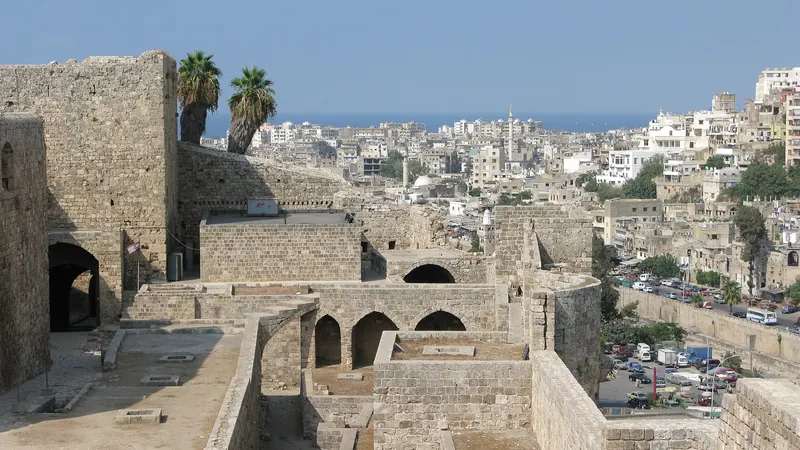
Welcome to Byblos
Byblos, called Jbeil in Arabic and Gebal by the Phoenicians, is a small town 37 km north of Beirut, and one of the oldest continuously inhabited places on Earth, with settlement going back around seven thousand years. It was a great Phoenician trading city, exporting the cedar wood of Lebanon to Egypt and importing papyrus in return, and the Greek word for book, biblos, and so the word Bible, are said to derive from its name.
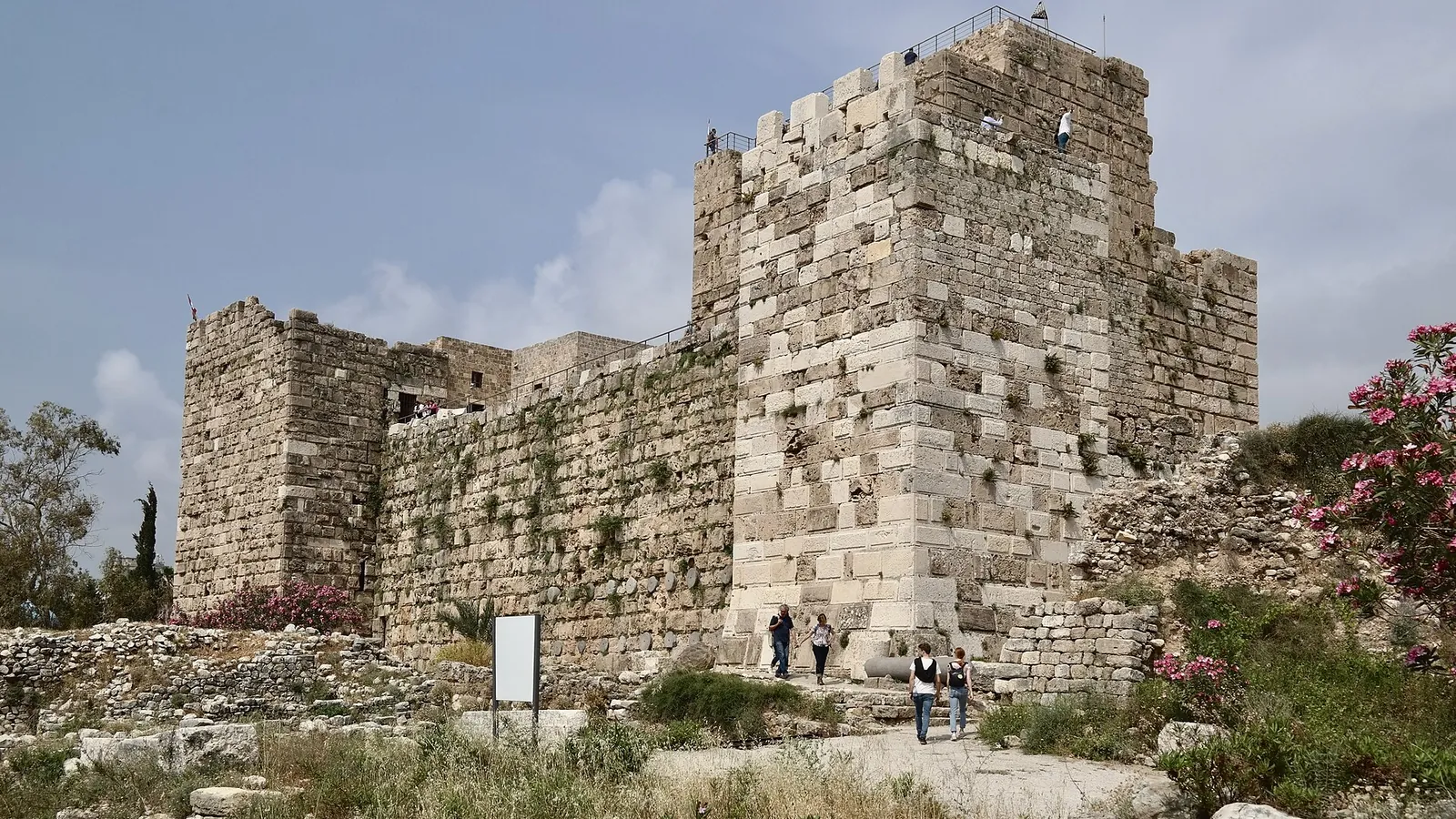
The Phoenicians developed one of the earliest alphabets here, and the sarcophagus of King Ahiram, found in a royal tomb, carries an inscription of about 1000 BCE that is among the oldest examples. The town was later ruled by Assyrians, Persians, Greeks and Romans, and in the 12th century the Crusaders built a castle from the stones of earlier buildings. UNESCO listed the site in 1984.
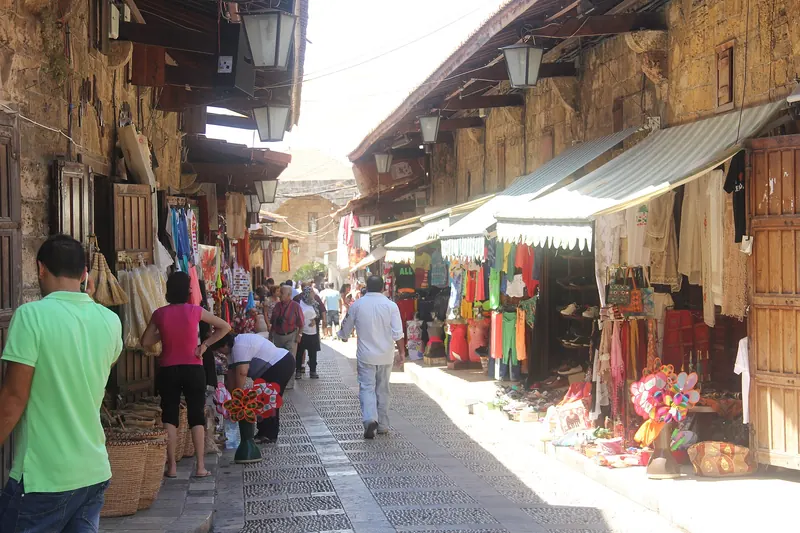
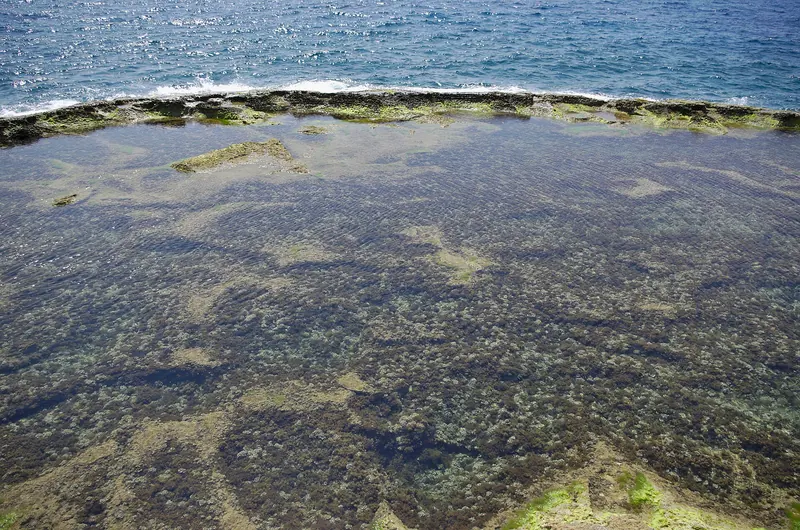
Today, Byblos is a compact and relaxed place, with a small archaeological site, the castle, a restored old souk and a harbour with fishing boats and seafood restaurants. It is very easy to reach from Beirut and works as a day trip or the start of a trip up the coast. It is in a part of the country that has been calm compared with the south and the Bekaa, though you should check your government's advice.
- UNESCO Site
- Archaeology
- Coast & Beaches