Welcome to the Amalfi Coast
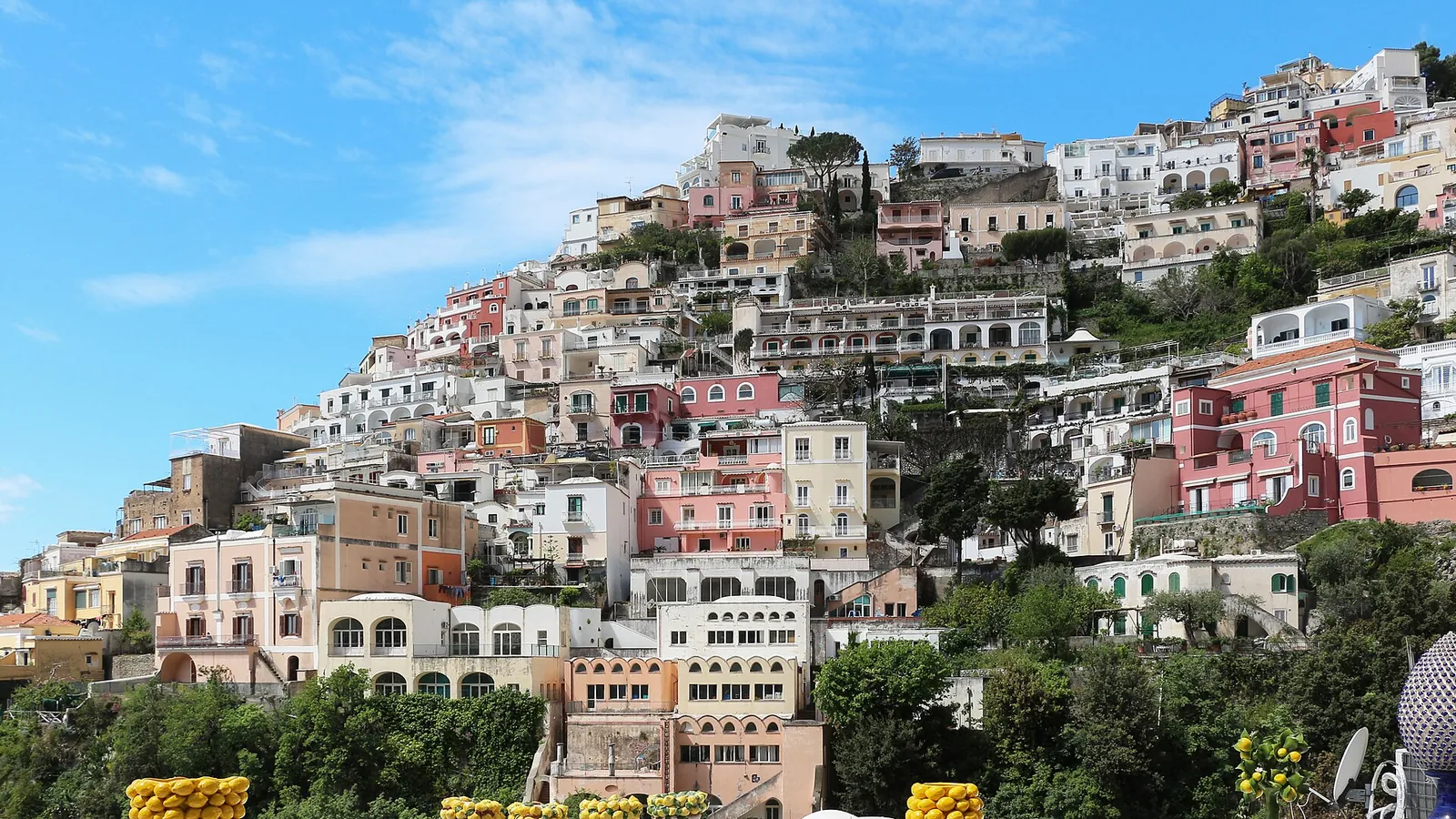
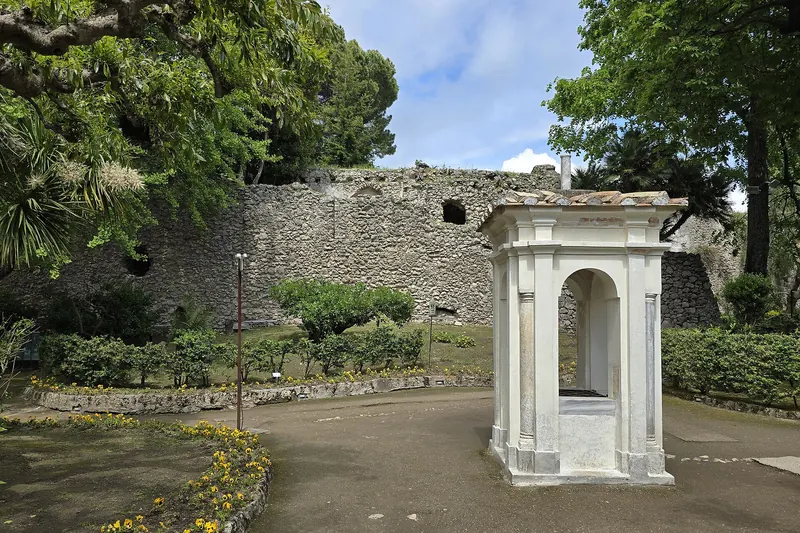
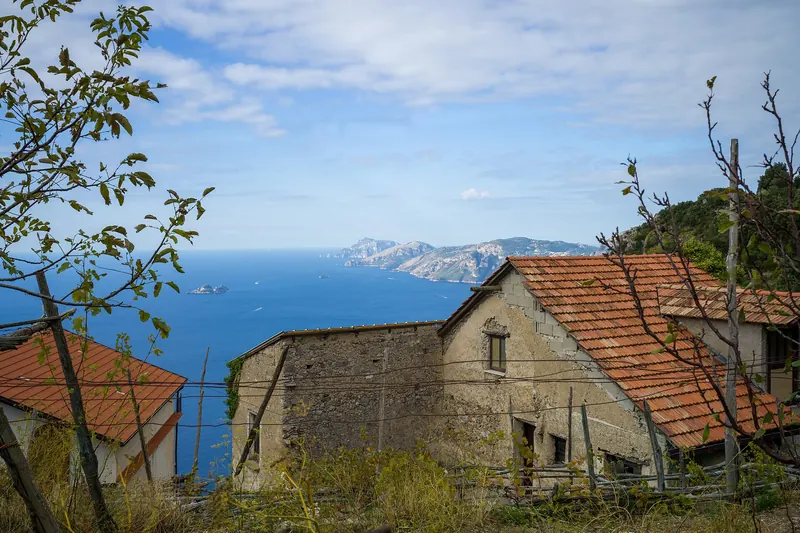
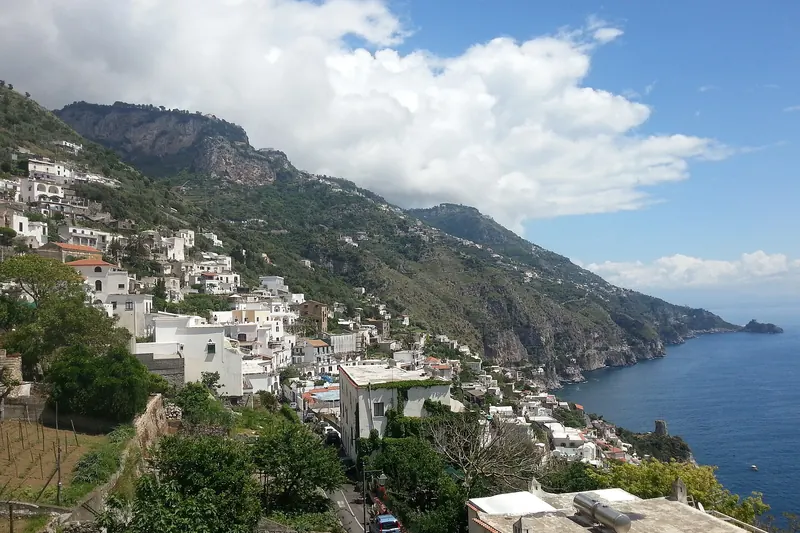
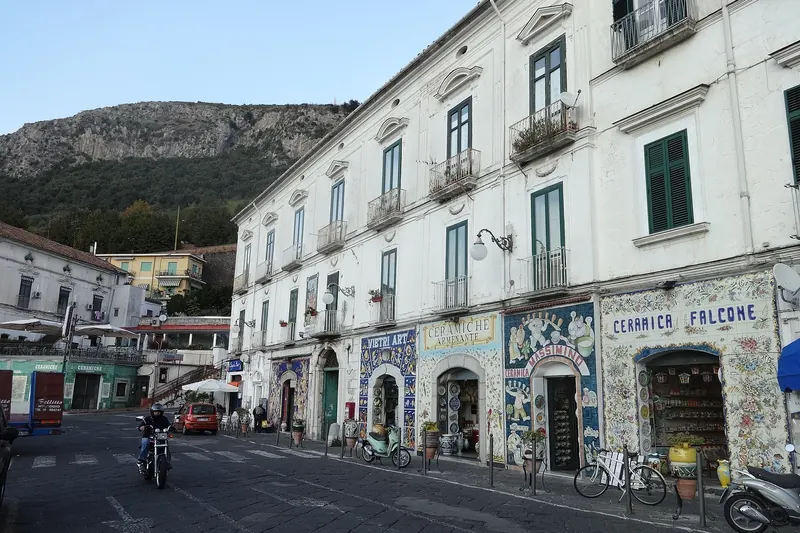
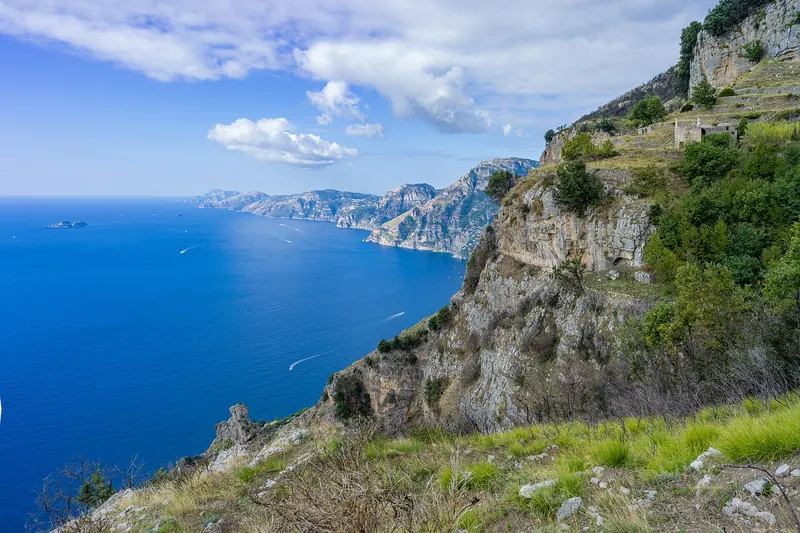
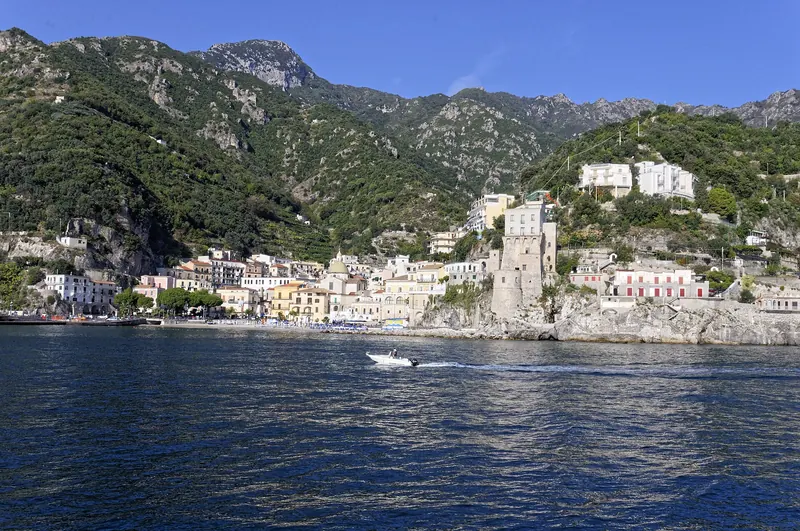
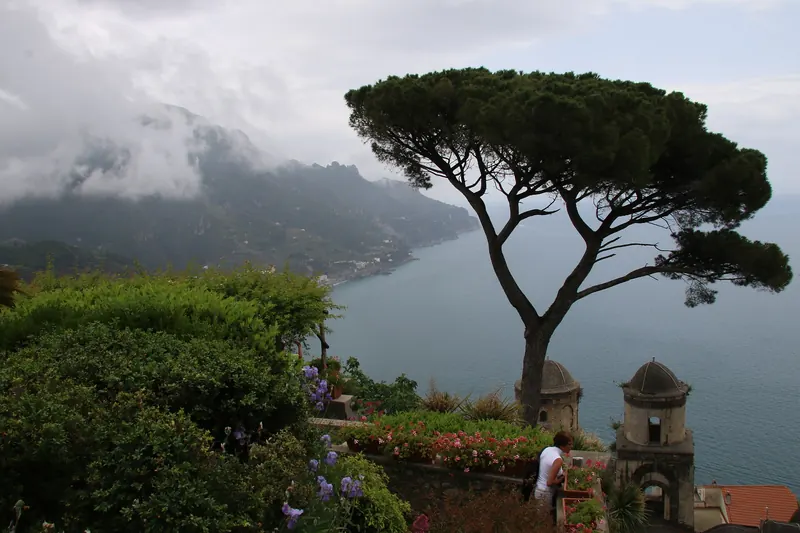
The Amalfi Coast is a fifty-kilometre stretch of the Sorrentine peninsula where the Lattari mountains fall almost vertically into the Tyrrhenian Sea, and where thirteen towns have been built onto that drop anyway. There is essentially no level ground. Positano is a set of pastel houses stacked down a ravine, connected by staircases rather than streets. Atrani, the smallest town in southern Italy, fills a gorge mouth entirely. Ravello sits 350 metres straight above the water on a shelf with two villas and a garden terrace that Wagner used as the model for Klingsor's magic garden.
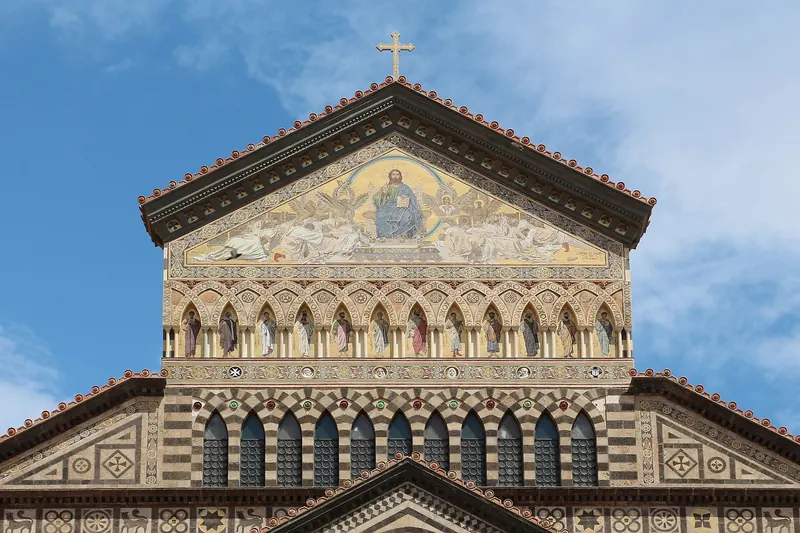
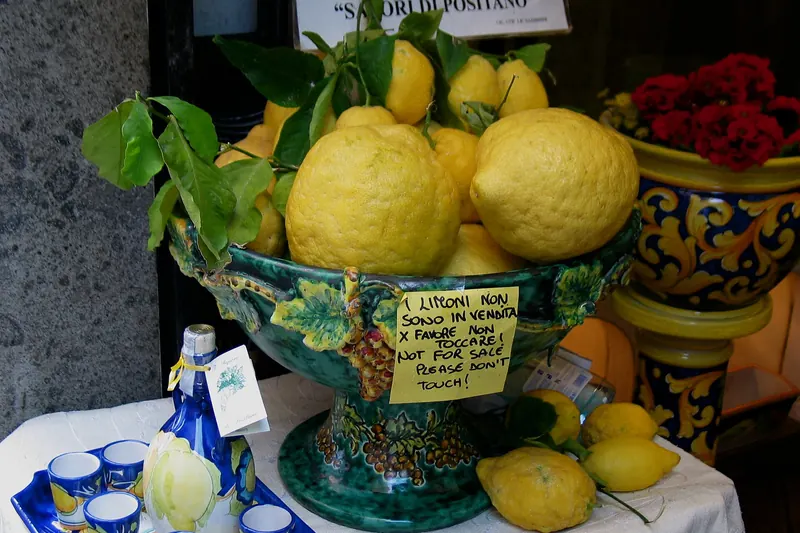
Amalfi itself was one of the four medieval maritime republics, trading with Byzantium and the Arab world when Venice was still a competitor rather than a superpower, and its cathedral shows it — striped Norman-Arab arcading, bronze doors cast in Constantinople in the eleventh century, and a cloister of interlaced pointed arches that looks more North African than Italian. The coast became a UNESCO World Heritage Site in 1997 as a cultural landscape: not for any one building, but for the whole terraced, walled, lemon-planted arrangement of a place people made habitable against the odds.
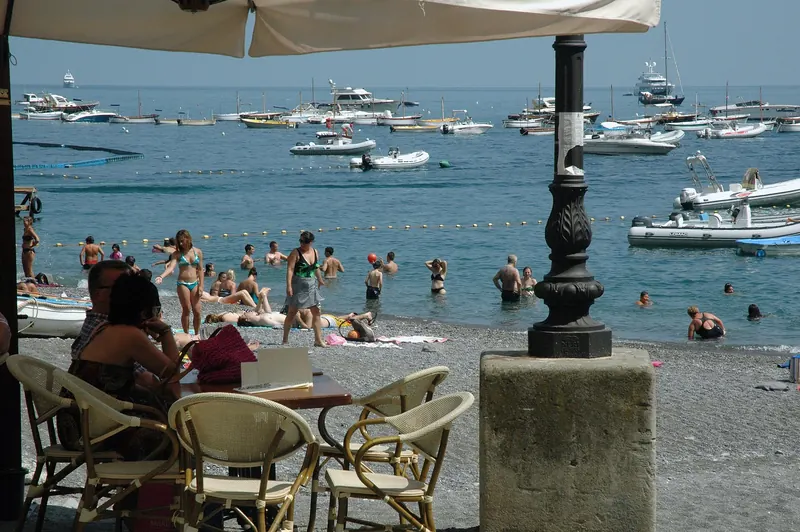
It is also the most oversubscribed coastline in Italy, and how you handle that determines whether the trip works. The SS163 corniche road is a single lane in each direction with hairpins and coaches, and in July and August it can take two hours to cover fifteen kilometres. The answer is to travel by ferry wherever possible, walk the paths above the road, and treat May, June, September and early October as the season rather than high summer.
- Coast & Beaches
- UNESCO Site
- Scenic Region
- Nature & Wildlife