Welcome to Sicily
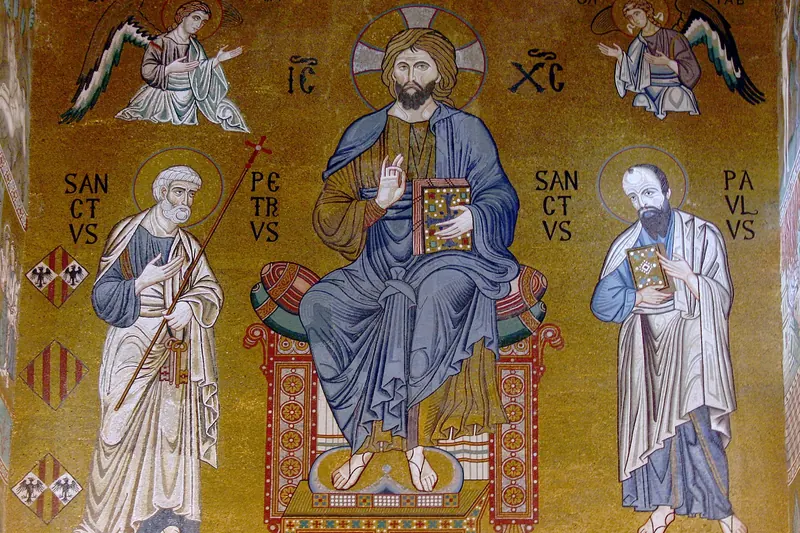
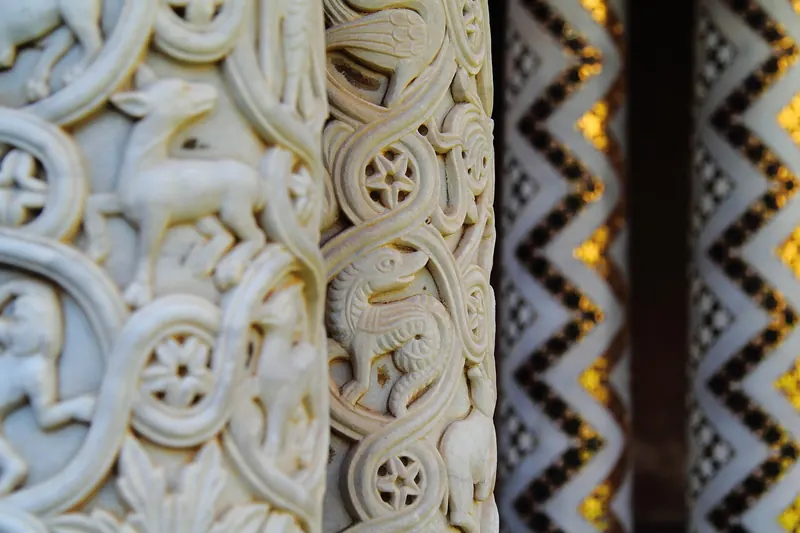
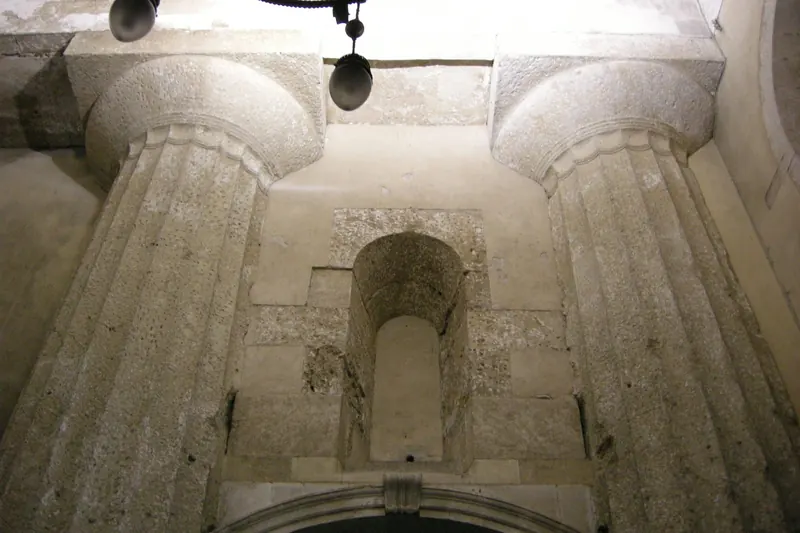
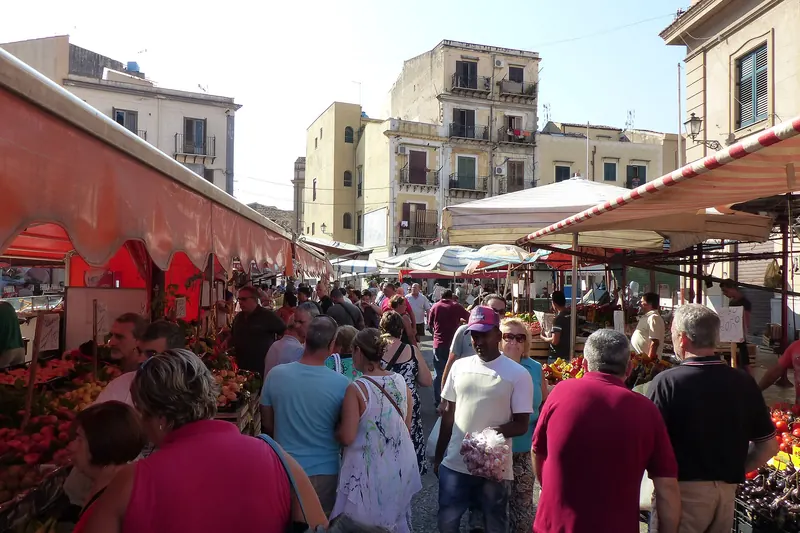
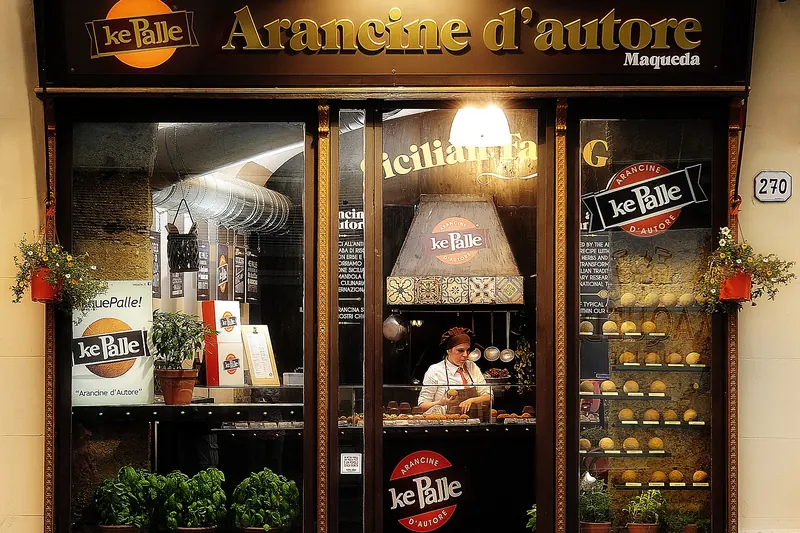
Sicily has been invaded by the Phoenicians, the Greeks, the Carthaginians, the Romans, the Vandals, the Byzantines, the Arabs, the Normans, the Swabians, the French, the Spanish and the Bourbons, and every one of them left something behind. That is the whole point of the island. A Norman king built a chapel in Palermo with Byzantine mosaics on the walls and an Islamic honeycomb ceiling made by Fatimid craftsmen, and nobody at the time thought it odd. The cathedral at Syracuse is a fifth-century-BC Doric temple with the gaps between its columns filled in. The street food in Palermo's markets is closer to Tunis than to Turin.
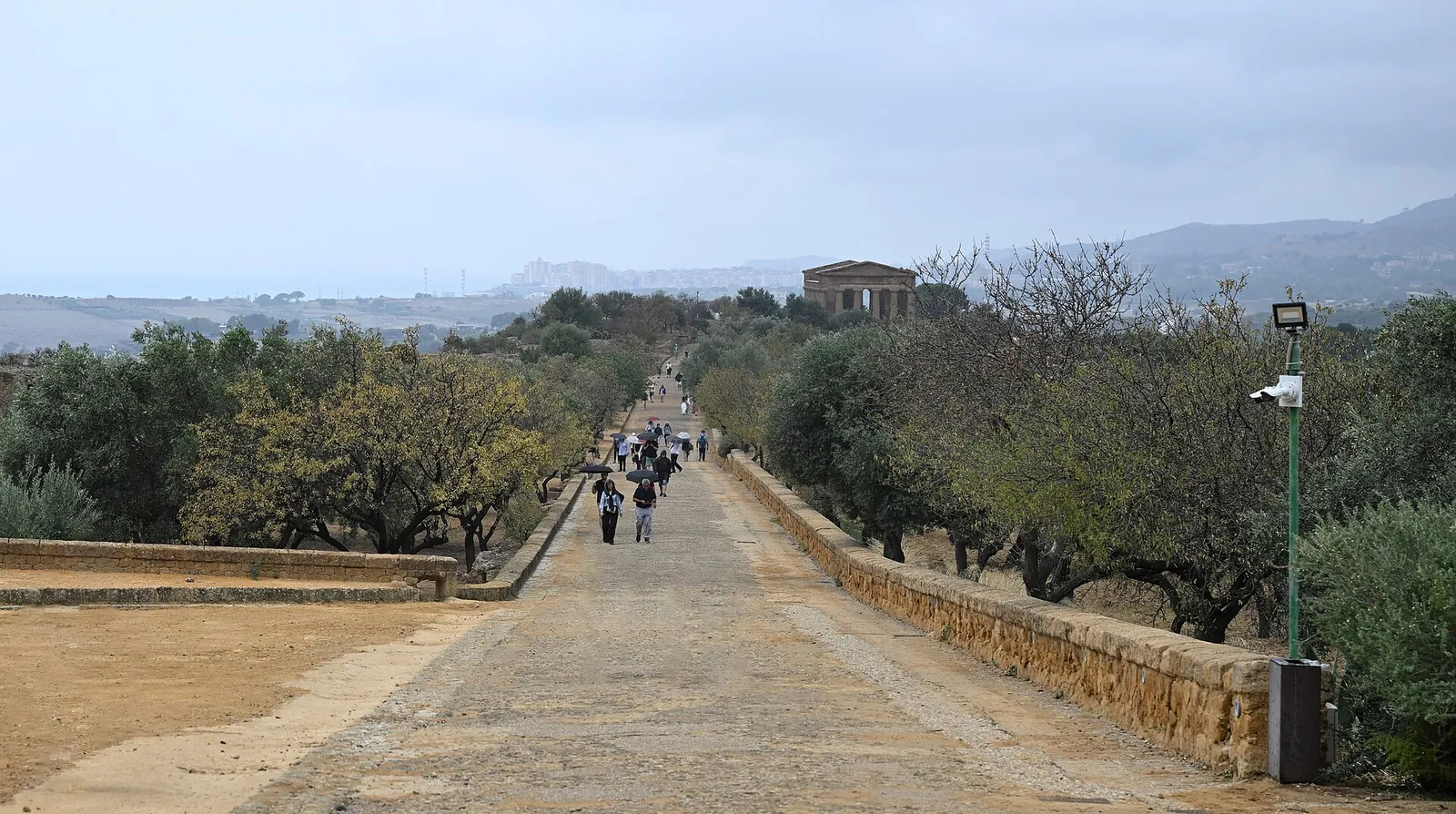
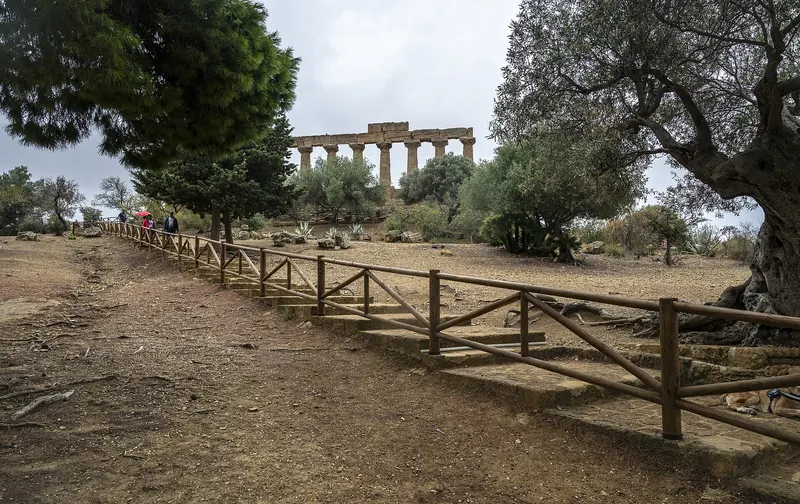
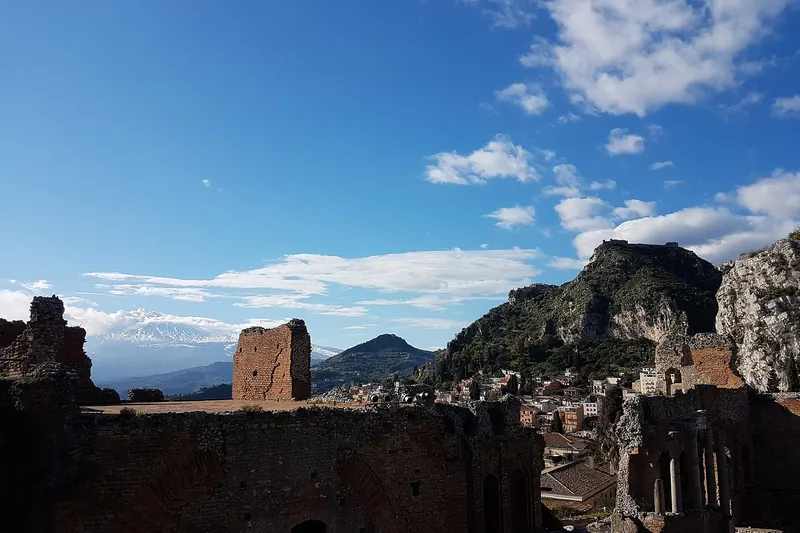
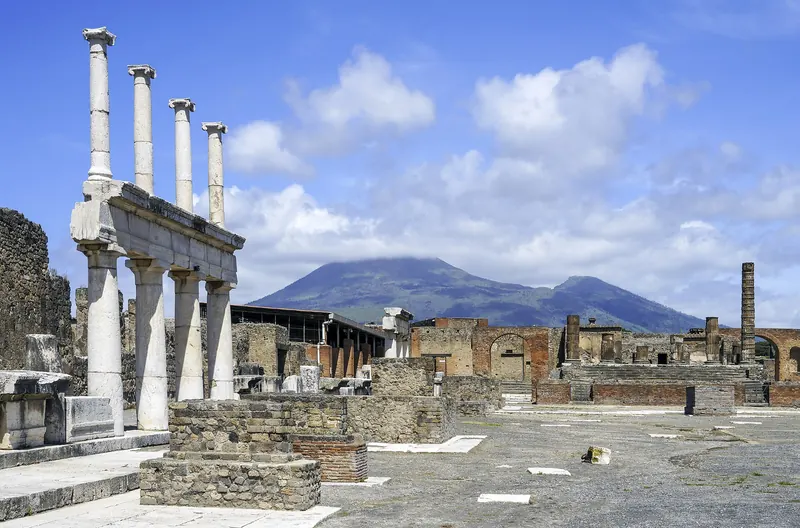
The Greek layer alone would justify the trip. Agrigento's Valley of the Temples has a row of Doric temples along a ridge above the sea, one of them — the Temple of Concordia, built around 440 BC — standing almost complete because it was turned into a church in the sixth century and never abandoned. Syracuse was the greatest city of the Greek west, big enough to defeat Athens, and its theatre is cut into the rock above the town. Segesta's temple stands alone in empty hills. Selinunte is a whole ruined Greek city on the sea.
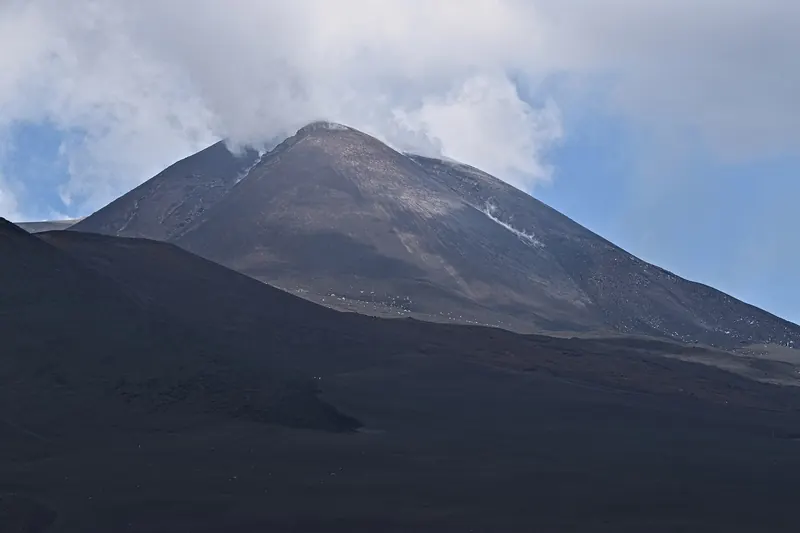
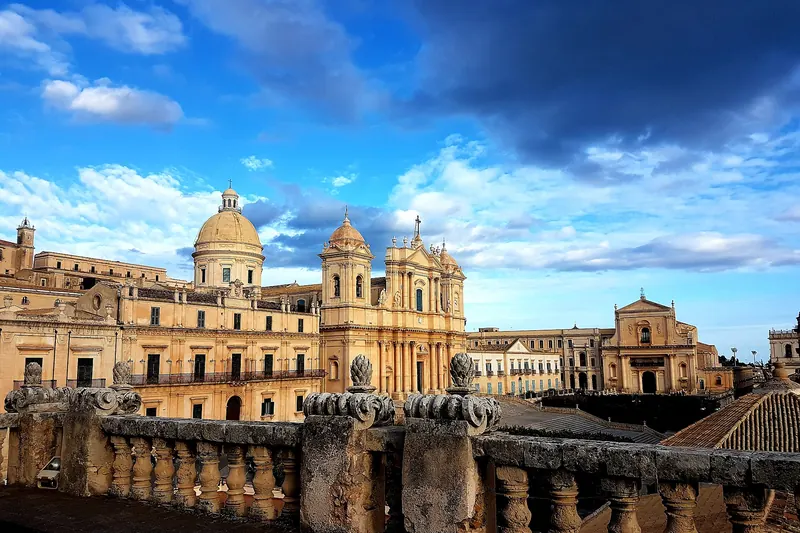
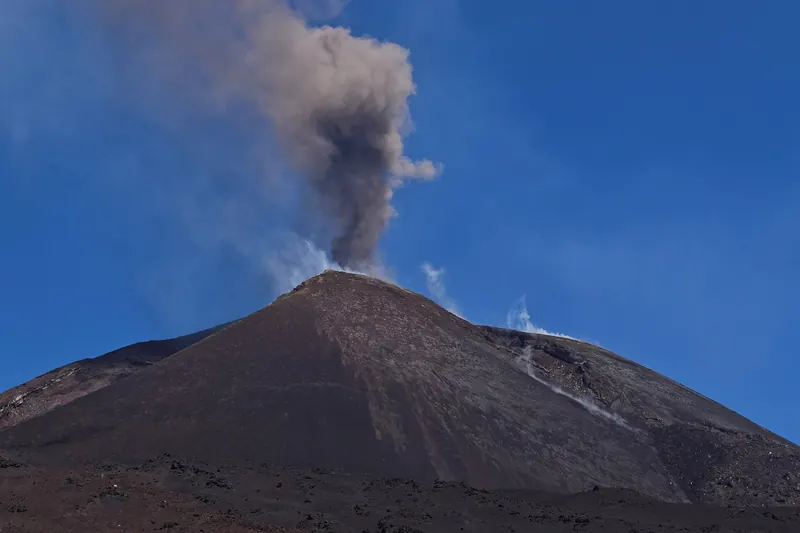
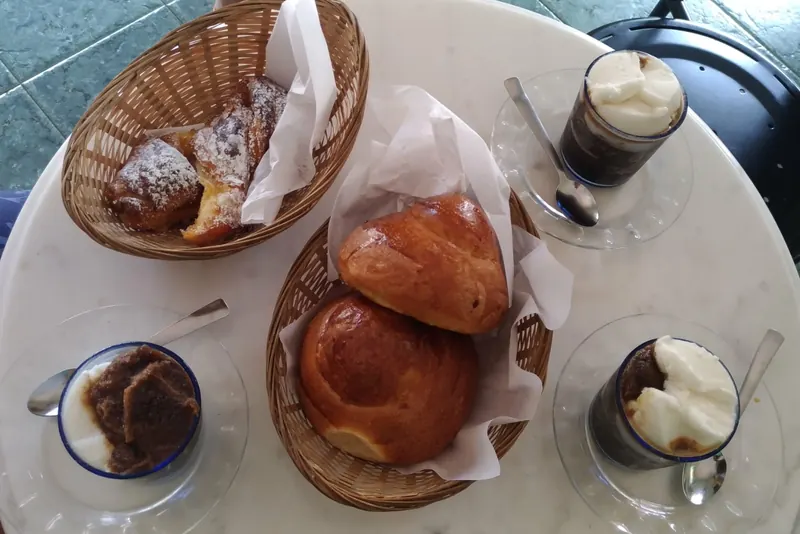
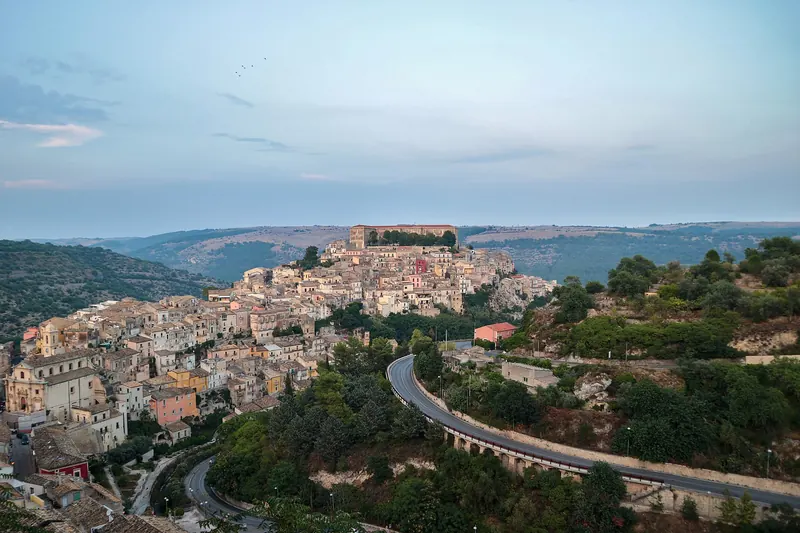
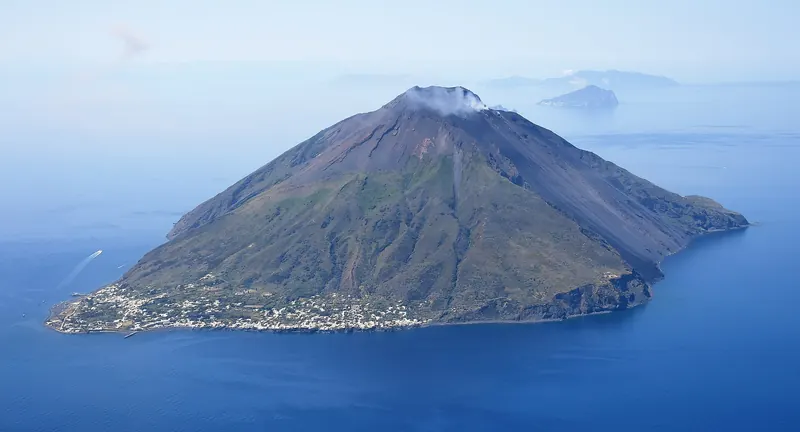
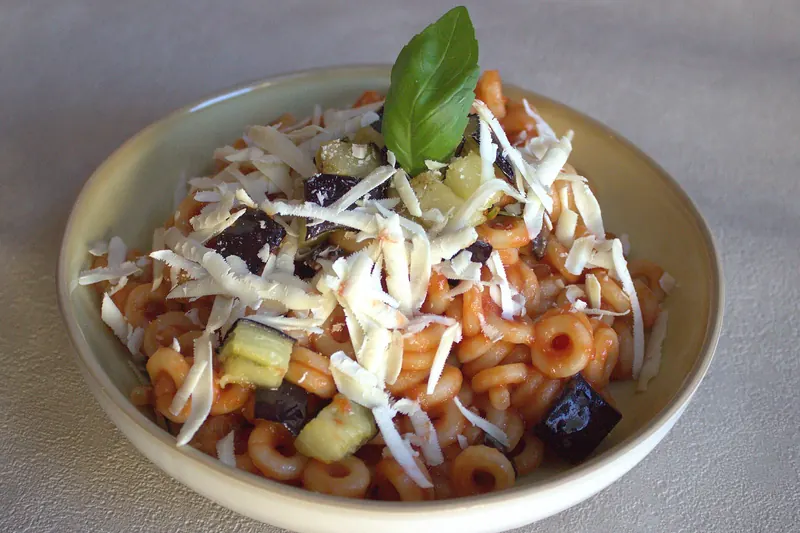
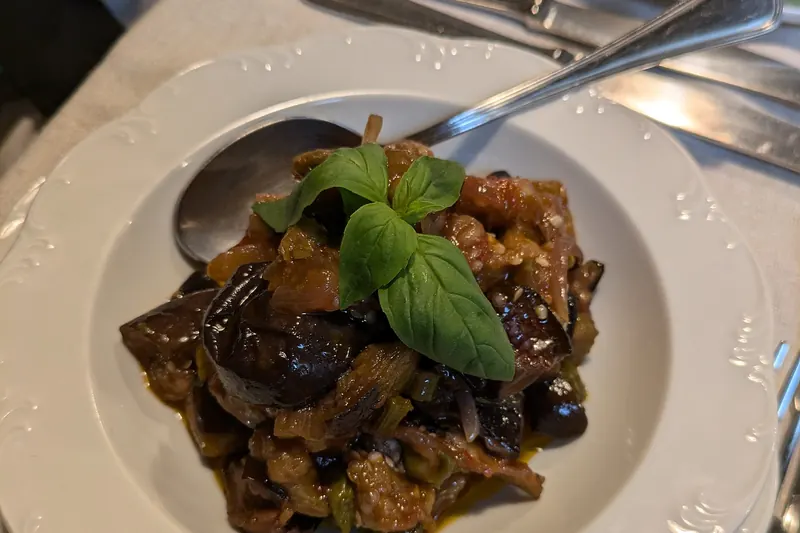
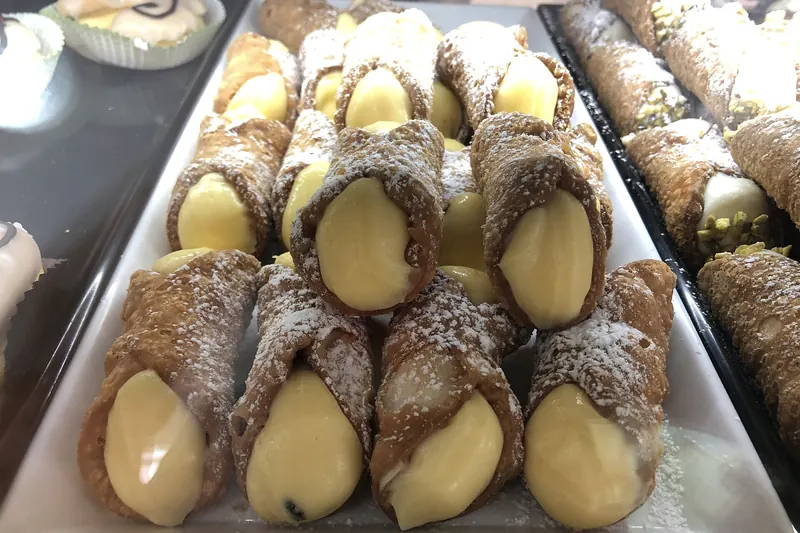
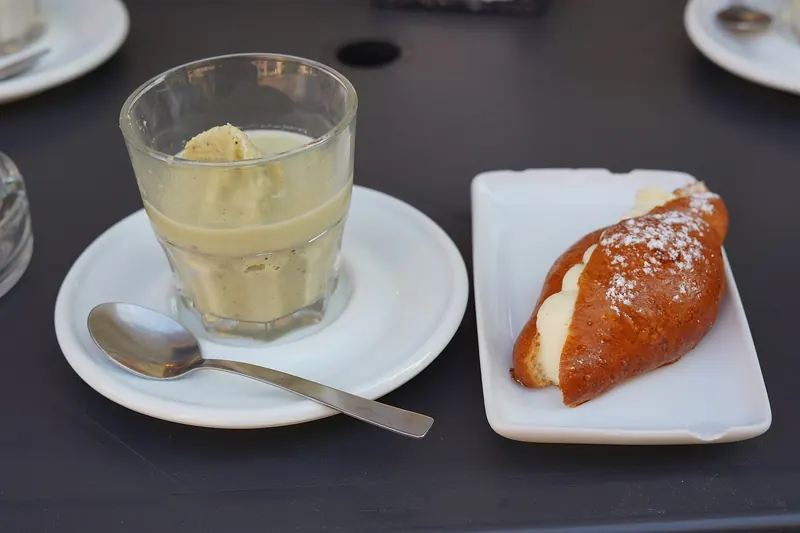
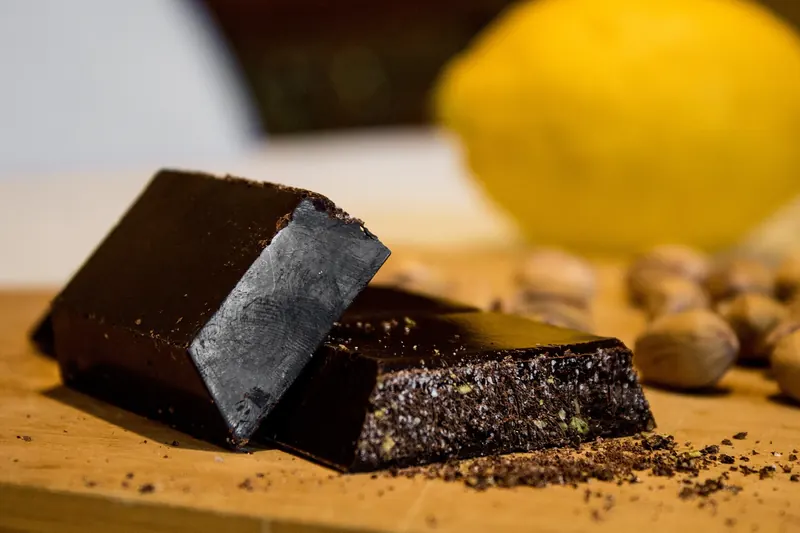
Then there is Etna, which is over three thousand metres, permanently active and visible from half the island; the late-Baroque towns of the Val di Noto, rebuilt in honey-coloured limestone after the earthquake of 1693 and listed by UNESCO for it; and the food, which most Italians will quietly concede is the best in the country. Sicily is roughly the size of Wales, it takes two and a half hours to cross by motorway, and a week is the minimum that does not feel like a raid.
- Island
- Archaeology
- UNESCO Site
- Food & Wine