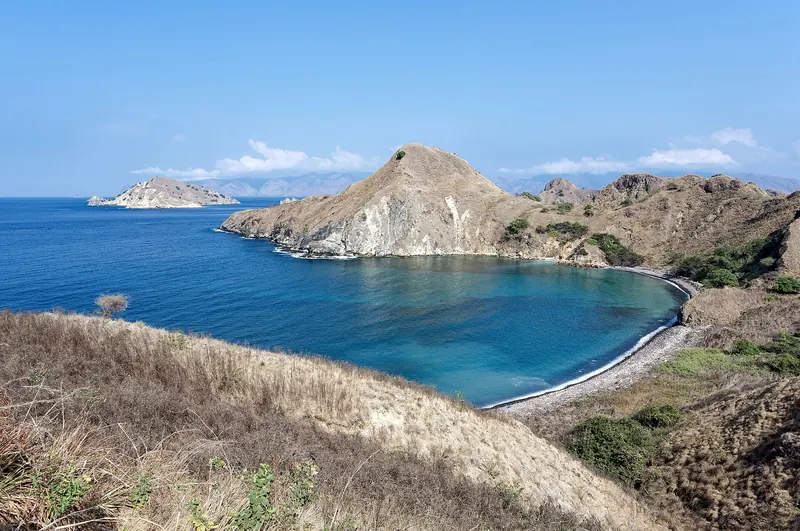
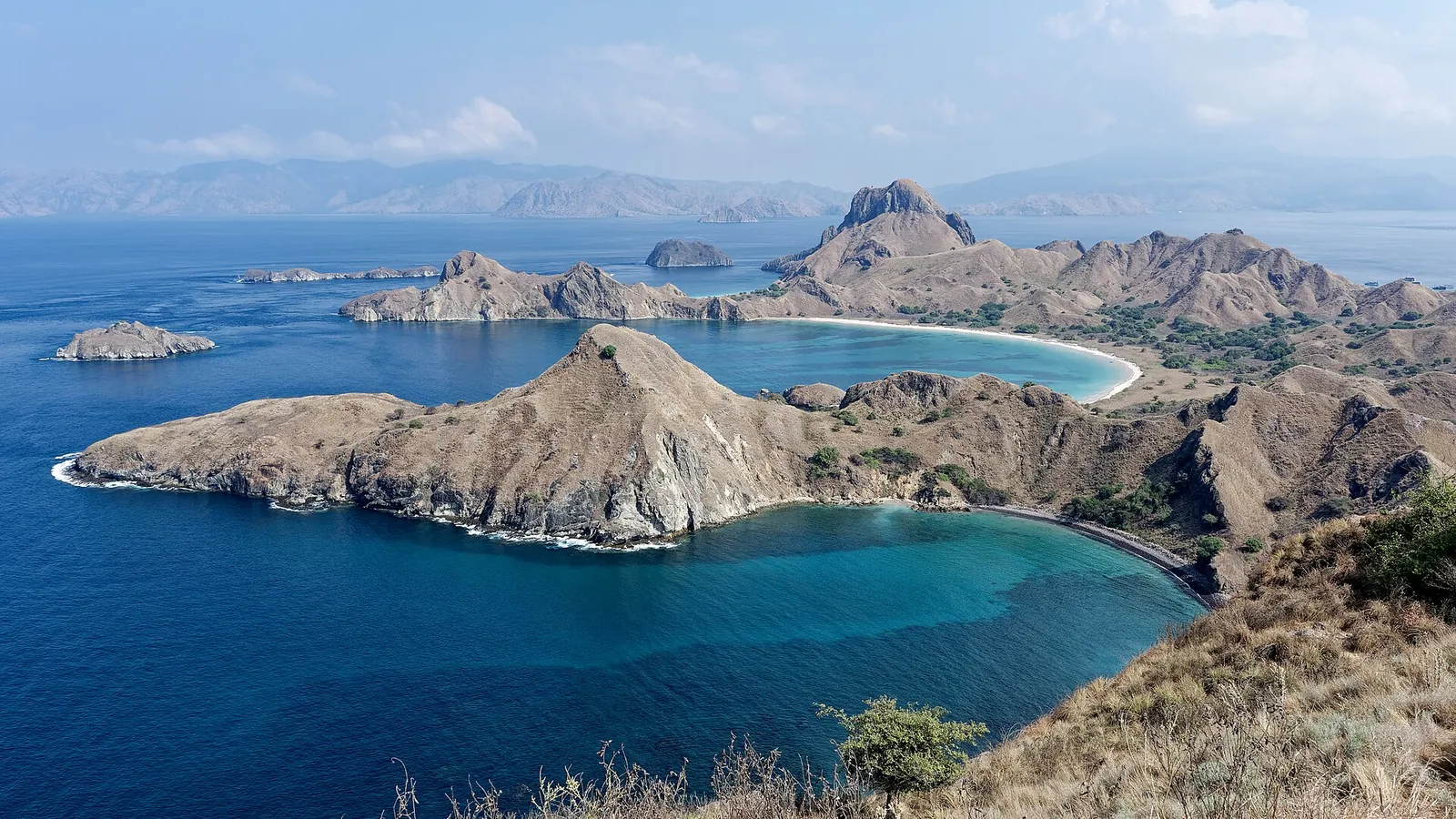
The dramatic multi-bay silhouette of Padar Island in Komodo National Park, Indonesia

Indonesia · Travel guide

The Complete Indonesia Travel Guide

Volcanoes, temples, reefs and dragons across the world's largest archipelago

  • Reading time 12 min read
  • Covers 10 destinations
  • Updated 2026

Photo: Jakub Hałun · CC BY 4.0

How to plan an Indonesia trip: which islands to combine, how to get between them, when to go for dry-season weather, what it costs, and a practical ten-day itinerary.

How Indonesia divides

Indonesia divides into distinct island regions, each with its own character — treating the whole archipelago as one trip is the most common planning mistake.

Bali. Ubud inland and Seminyak and Kuta on the coast — temples, rice terraces, surf and the country's most developed tourist infrastructure.

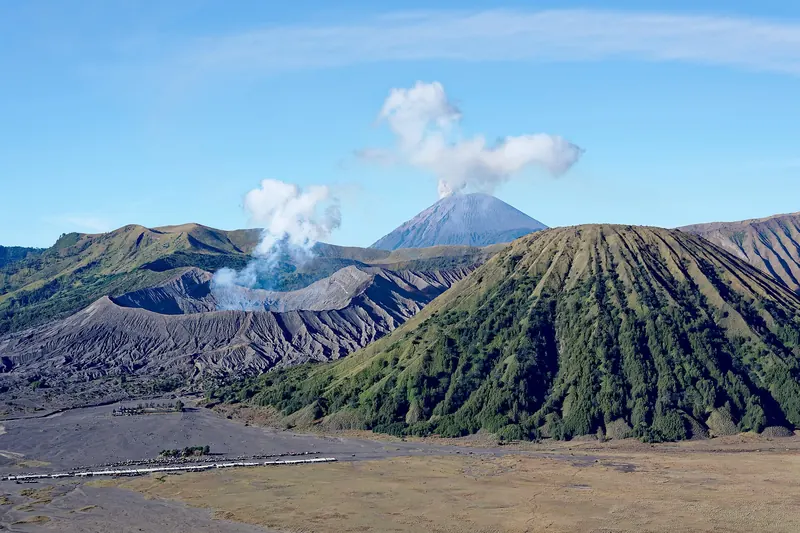
Java. Yogyakarta and Borobudur for ancient temples, Mount Bromo for volcanic drama, and the capital Jakarta and nearby Bandung for city life.

The eastern islands. Komodo and Flores for wild dragons and island-hopping, and Raja Ampat further east for the richest reefs on Earth.

Beyond Java and Bali. Lombok and the Gili Islands for a quieter beach alternative to Bali, and Lake Toba in Sumatra for volcanic lake scenery and Batak culture.

Worth knowing: Most first-time visitors combine Bali with one other region — Java or Komodo — rather than attempting the whole archipelago in one trip.

Choosing between the ten destinations

  • If this is your first trip

    Ubud and Seminyak or Kuta, the classic short Bali route and the most popular for a reason.

  • If you want ancient temples and volcanoes

    Add Yogyakarta and Borobudur and Mount Bromo to a Bali base for real cultural and geological depth.

  • If you want wild Komodo dragons

    Komodo and Flores, the only place on Earth to see these giant lizards in the wild.

  • If you want the best diving on Earth

    Raja Ampat, worth the extra flights for marine biodiversity nowhere else can match.

  • If you want Bali's beaches without the crowds

    Lombok and the Gili Islands, quieter and slower-paced just next door.

  • If you want city life and highland scenery

    Jakarta and Bandung on Java, or Lake Toba in Sumatra for a different side of Indonesia.

Getting around: flights, ferries and one common mistake

Indonesia's islands require real planning to connect — this isn't a country where you can casually drive between regions.

Fly between islands, don't try to drive or ferry everywhere. Domestic flights are affordable and by far the most time-efficient way to connect Bali, Java and the eastern islands.

Don't underestimate island-hopping logistics. A route that looks like a short hop on a map can mean a flight plus a boat plus a long drive — build in buffer days.

Use Gojek or Grab in cities and larger towns. The easiest, most transparent way to get around without haggling over fares.

Book Komodo and Raja Ampat trips well ahead in dry season. Liveaboards and dive trips sell out months ahead in the July–August peak.

Check volcanic activity advisories before Bromo or Ijen treks. Access closes at short notice when activity increases.

Worth knowing: Build at least one buffer day into any itinerary involving Komodo or Raja Ampat — boats and small-plane connections there are more weather-dependent than mainland transport.

When to go

Indonesia's equatorial climate means the dry-versus-wet season split matters more than temperature, which stays warm nearly year-round. Dry season, roughly April to October, is the most reliable window.

Dry season (April–October) brings the most reliable weather for Bromo treks, Komodo boat trips and Raja Ampat diving — also the busiest and most expensive season, especially July and August.

Shoulder months, April and October specifically, offer a good balance of dry-season weather and thinner crowds.

Wet season (November–March) still works well for Bali and Java, with short, heavy daily downpours rather than constant rain, though rougher seas can disrupt boat-dependent trips to Komodo or Raja Ampat.

Ramadan, which shifts each year, sees shorter daytime hours at some restaurants in Muslim-majority Java, though Bali and most tourist infrastructure carry on largely as normal.
Worth knowing: Book Komodo liveaboards and Raja Ampat dive resorts many months ahead for July–August — this is the busiest, most tightly booked window of the year.

Four routes that work

  1. One week: Bali alone

    Ubud and Seminyak or Kuta, the most popular short Indonesia itinerary and complete enough on its own.

    Tip Split your time roughly evenly between Ubud's culture and the coast's beaches for the best balance.

  2. Ten days: Bali and Java

    The itinerary on the Indonesia country page: Seminyak, Ubud, Yogyakarta and Borobudur, and Mount Bromo. A rich first look at both islands.

    Tip Book the Bali-to-Yogyakarta flight and Bromo jeep tour ahead — both get busy in peak season.

  3. Two weeks: add Komodo

    Extend the ten-day route with Komodo National Park for wild dragons and island-hopping by boat, flying in via Labuan Bajo.

    Tip A two or three-night liveaboard covers more of Komodo's islands than day trips alone.

  4. A Raja Ampat add-on for a second trip

    Raja Ampat by liveaboard or dive resort, one of the most biodiverse reef systems anywhere on Earth.

    Tip Fly via Sorong, and book dive trips several months ahead for dry-season visibility.

Reference

The 10 destinations in this guide

Every place named above has its own detailed guide — attractions, food, where to stay, how to get around and a suggested day-by-day plan.

CultureNature & Wildlife

Ubud

Bali

Bali's inland cultural centre, surrounded by rice terraces, ancient temples and a deep-rooted arts and wellness scene.

Don't miss Watching the Tegalalang rice terraces catch the late-afternoon light, their stepped green tiers dropping away down the valley.

Explore Destination — Ubud
BeachesNightlife

Seminyak & Kuta

Bali

Bali's beach and nightlife corridor, mixing surf breaks, sunset beach clubs and easy access to Tanah Lot and Uluwatu's clifftop temples.

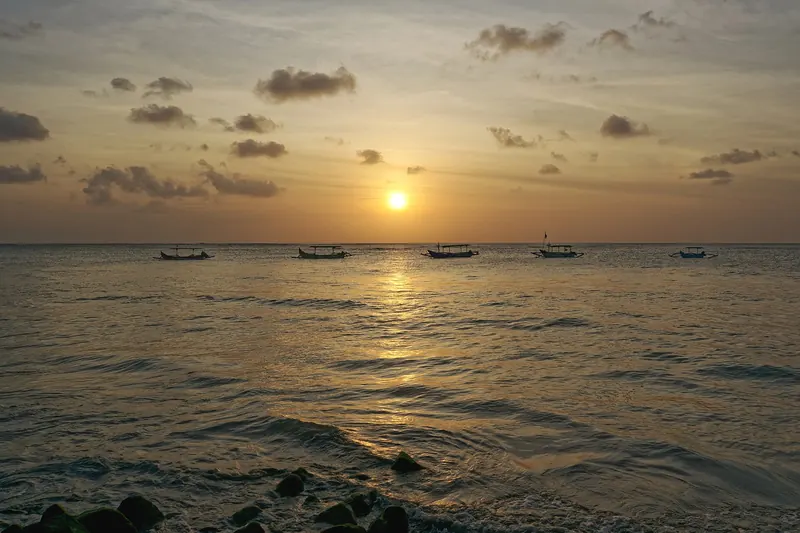
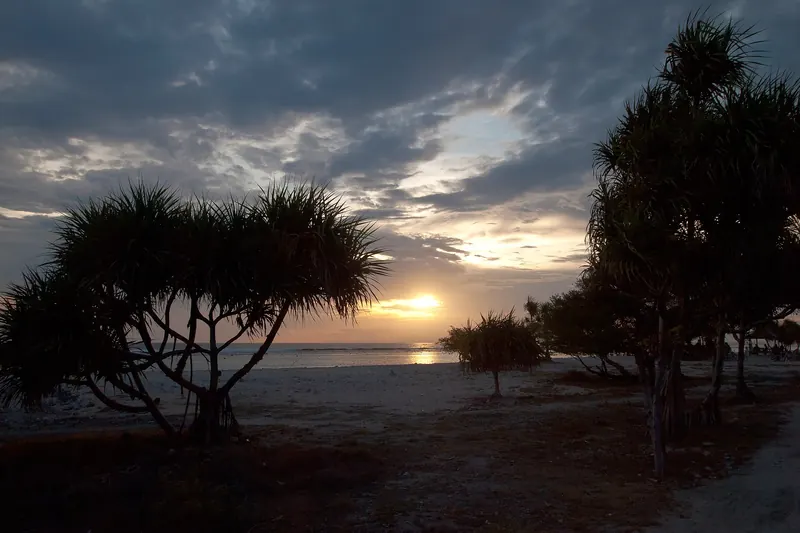
Don't miss Watching the sun drop into the Indian Ocean from a beach club sunlounger, a cocktail in hand and surfers silhouetted against the last light.

Explore Destination — Seminyak & Kuta
CultureTemples

Yogyakarta & Borobudur

Central Java

Java's cultural heart, home to a royal palace, batik and gamelan traditions, and two of Southeast Asia's greatest ancient temples nearby.

Don't miss Watching the sun rise over Borobudur's stone stupas as mist clears from the surrounding volcanoes, the temple's silhouette emerging first.

Explore Destination — Yogyakarta & Borobudur
DivingIsland

Raja Ampat

West Papua

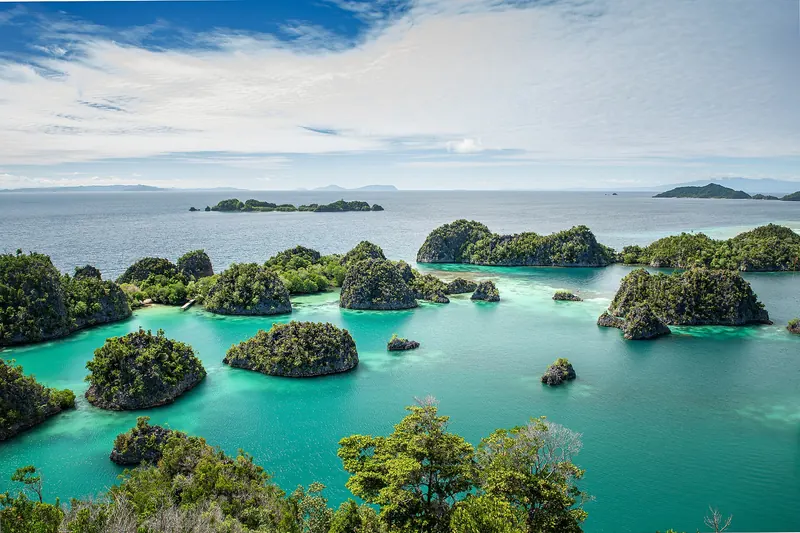
A remote archipelago off West Papua holding the richest marine biodiversity on Earth, its karst islands rising straight out of turquoise water.

Don't miss Looking down from the Piaynemo viewpoint over dozens of jungle-topped karst islands scattered across turquoise water in every direction.

Explore Destination — Raja Ampat
CityCulture

Jakarta

Java

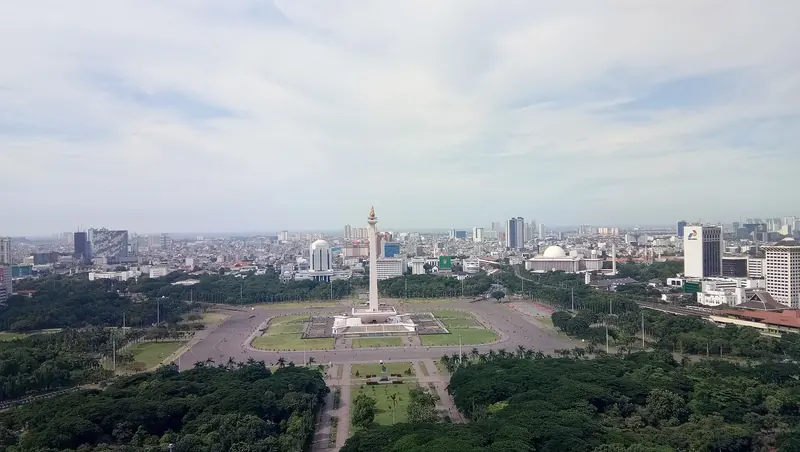
Indonesia's sprawling capital, home to a colonial old town, the country's tallest monument and a serious food scene.

Don't miss Watching the sun set behind Monas from Merdeka Square, the golden flame atop the monument catching the day's last light.

Explore Destination — Jakarta
Nature & WildlifeCulture

Lake Toba

North Sumatra

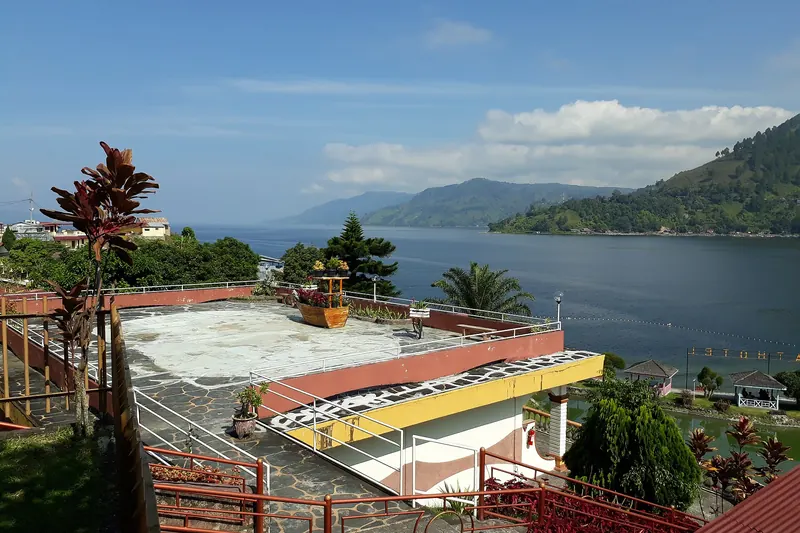
The world's largest volcanic lake, in the highlands of North Sumatra, ringed by the distinct architecture and traditions of the Batak people.

Don't miss Standing on Samosir Island looking back across the water at the caldera walls that ring the entire lake, still hard to believe the whole thing is one volcanic crater.

Explore Destination — Lake Toba
Nature & WildlifeCulture

Bandung

West Java

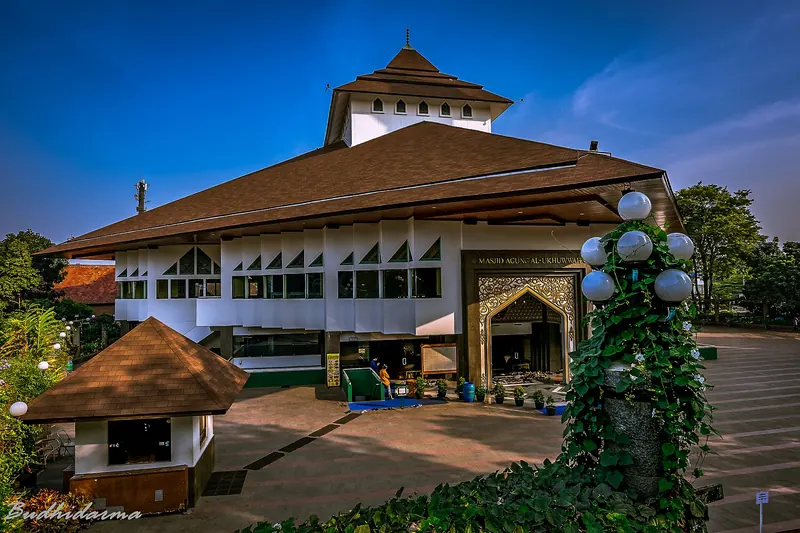
A cool highland city in West Java, ringed by volcanic craters and tea plantations, with some of Indonesia's best regional food.

Don't miss Standing at the rim of Kawah Putih, its pale turquoise lake and bone-white shoreline looking more like another planet than West Java.

Explore Destination — Bandung

Back to the Indonesia country page

FAQ

Planning a trip to Indonesia

How many days do you need in Indonesia?

Ten to fourteen days covers Bali and Java at a reasonable pace, which is the itinerary in this guide. Five to seven days is enough for Bali alone, and still worthwhile on its own.

Is it easy to island-hop in Indonesia?

Yes, with some planning — domestic flights and ferries connect the main islands reliably, though eastern Indonesia (Komodo, Raja Ampat) needs more buffer time than Bali or Java.

Do you need to speak Indonesian?

Not really, in tourist areas — English is widely spoken in Bali and major cities, though a few basic Indonesian phrases go a long way elsewhere.

When should I visit for diving in Raja Ampat?

Roughly October to April for the calmest seas and best visibility, though the peak dry-season window (October–April) can vary by specific dive site — check with operators directly.

Advertisement