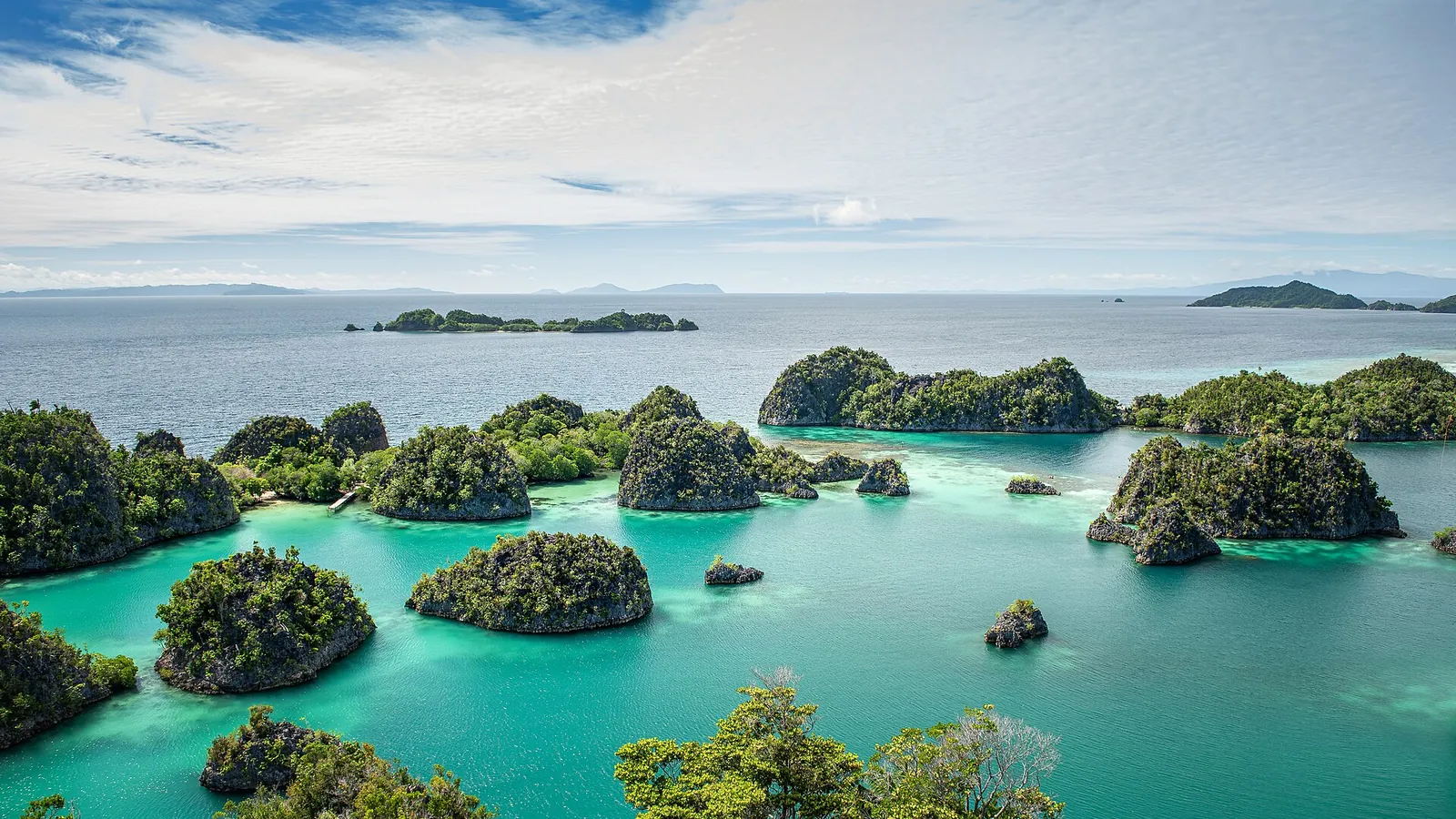
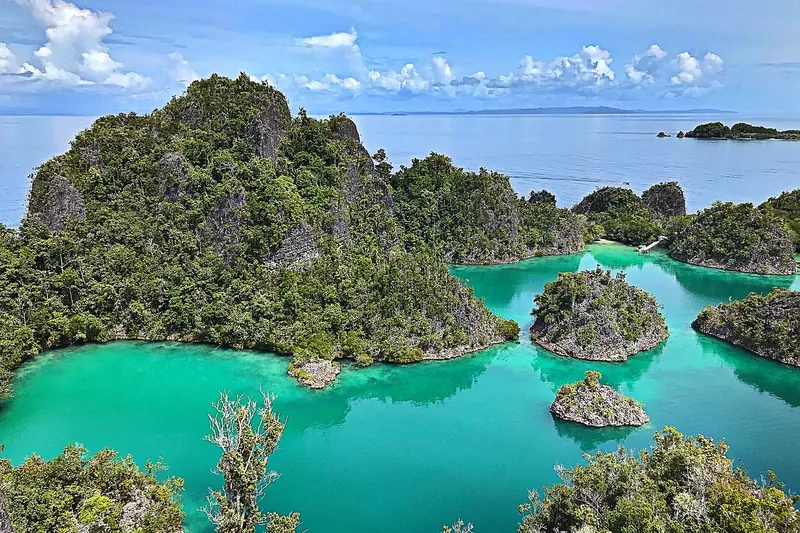
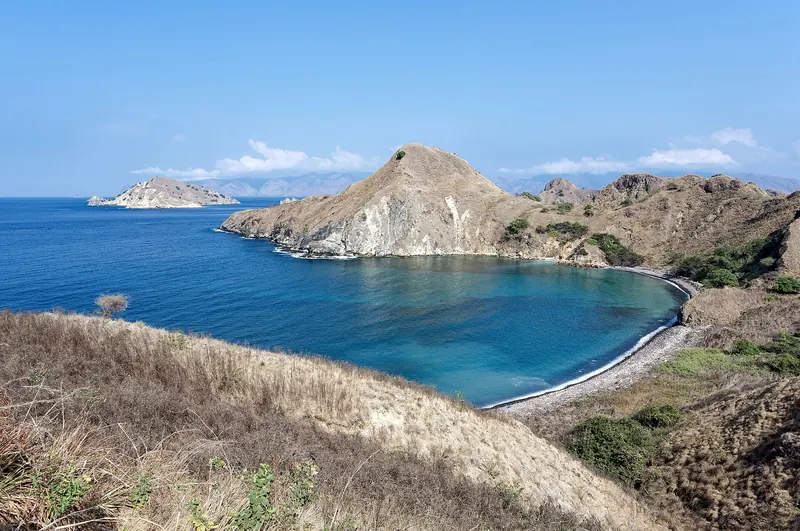
Karst islands seen from the Piaynemo viewpoint in Raja Ampat

West Papua · Indonesia

Raja Ampat

The richest marine biodiversity recorded anywhere on Earth, scattered across karst islands at Indonesia's remote eastern edge.

  • Best time October to April for the calmest seas and best visibility
  • Stay 4-5 days
  • Good for Diving, snorkelling, serious nature and marine life

Photo: Rolandandika · CC BY-SA 4.0

Welcome to Raja Ampat

Raja Ampat is the reward at the far end of an Indonesia trip — a remote archipelago off the coast of West Papua that marine biologists consistently rank as holding the richest coral reef biodiversity recorded anywhere on Earth.

Above the water, it's just as striking: hundreds of small, jungle-topped karst islands rising sheer out of impossibly turquoise water, their silhouettes forming the view most people now picture when they think of Raja Ampat, whether or not they've ever been there.

Reaching it takes real commitment — a flight to Sorong, then a boat to Waisai, then usually another boat to your actual resort or liveaboard — which is exactly why it has stayed this pristine, and why most visitors treat it as the highlight of a longer Indonesia trip rather than a first stop.

  • Diving
  • Island
  • Nature & Wildlife
  • Off the Beaten Path

Why visit

Why visit Raja Ampat?

Raja Ampat's case rests on unmatched marine biodiversity and island scenery found almost nowhere else.

  • It holds the richest reef biodiversity on Earth

    Marine biologists have recorded more coral and fish species here than anywhere else surveyed on the planet.

  • The karst islands are visually unmatched

    Viewpoints like Piaynemo and Wayag look almost unreal, with dozens of jungle-topped islands scattered across turquoise water.

  • It's one of the world's best manta ray destinations

    Reliable cleaning stations bring these giant rays close enough for exceptional snorkelling and diving.

  • It's still remarkably untouched

    Its remoteness has kept development minimal and marine life thriving compared to more accessible reefs.

  • Local communities benefit directly from tourism

    Conservation fees and village-run homestays put tourism revenue directly into protecting the reefs.

Main attractions

Top things to see in Raja Ampat

Raja Ampat's essential sights are spread across a wide area, mostly reached by boat.

  1. Karst islands scattered across turquoise water, seen from Piaynemo

    Piaynemo Viewpoint

    Raja Ampat's most photographed view, a short but steep climb rewarded with dozens of jungle-topped karst islands spreading out below.

    Tip Arrive early morning for the calmest water and clearest light for photos.

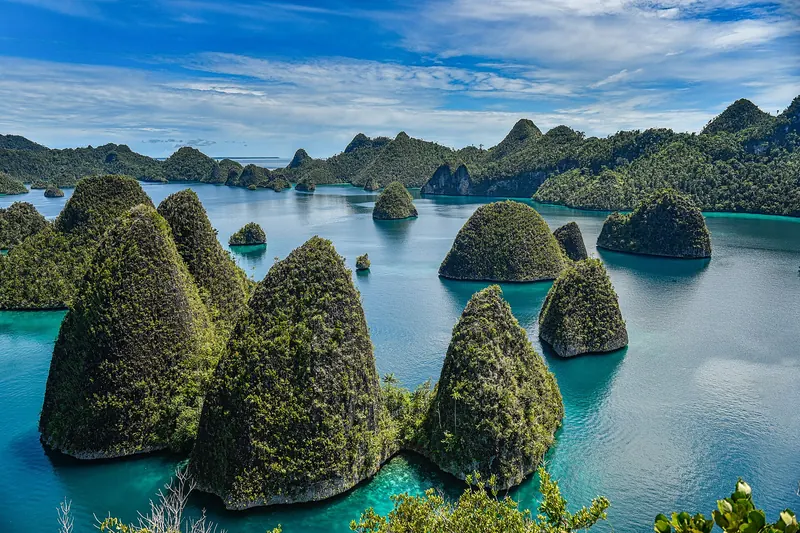
  2. The karst islands of Wayag in northern Raja Ampat

    Wayag Islands

    A more remote, even more dramatic cluster of karst islands further north, often considered Raja Ampat's ultimate viewpoint.

    Tip Reaching Wayag takes a longer boat journey — most visitors see it as part of a multi-day liveaboard.

  3. The karst islands and lagoons of Misool in southern Raja Ampat

    Misool

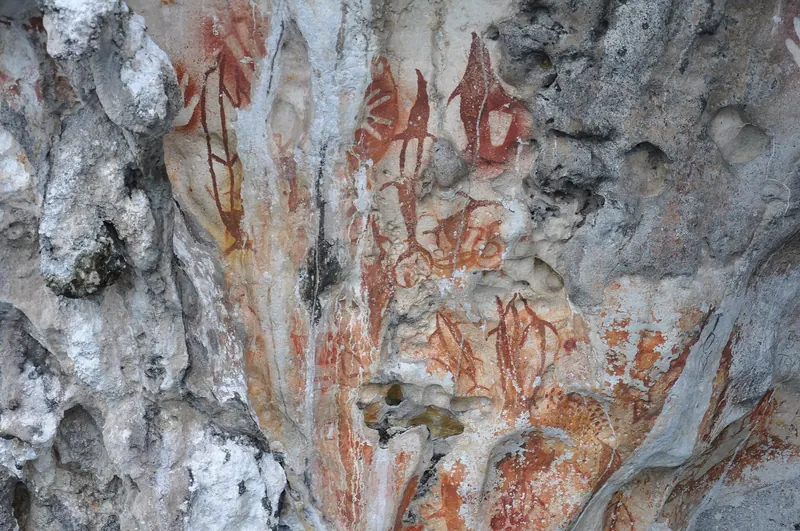
    Raja Ampat's southernmost region, known for exceptional diving and ancient rock art painted on its limestone cliffs.

    Tip Misool's marine reserve has some of the most dramatic fish biomass recovery anywhere in the archipelago.

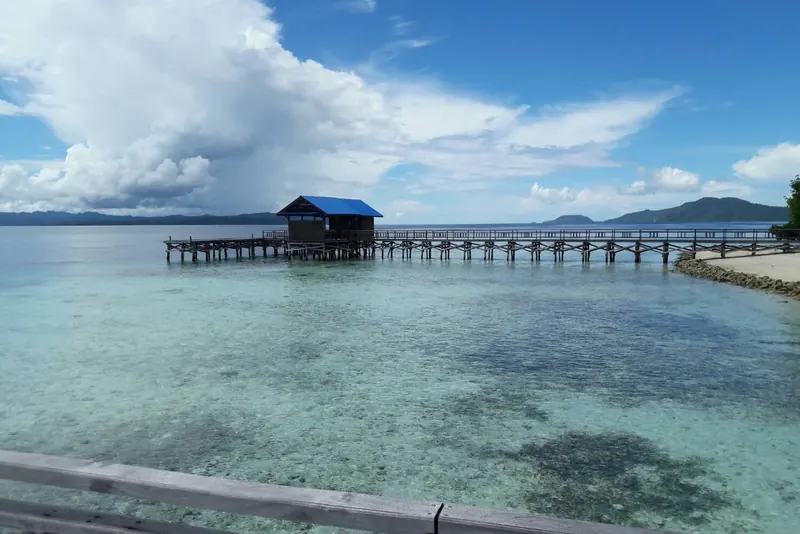
  4. The traditional village of Arborek in Raja Ampat

    Arborek Village

    A small, welcoming traditional village on its own tiny island, known for its jetty reef, one of the easiest great snorkels in the region.

    Tip The village jetty itself is a surprisingly excellent, easy snorkel spot.

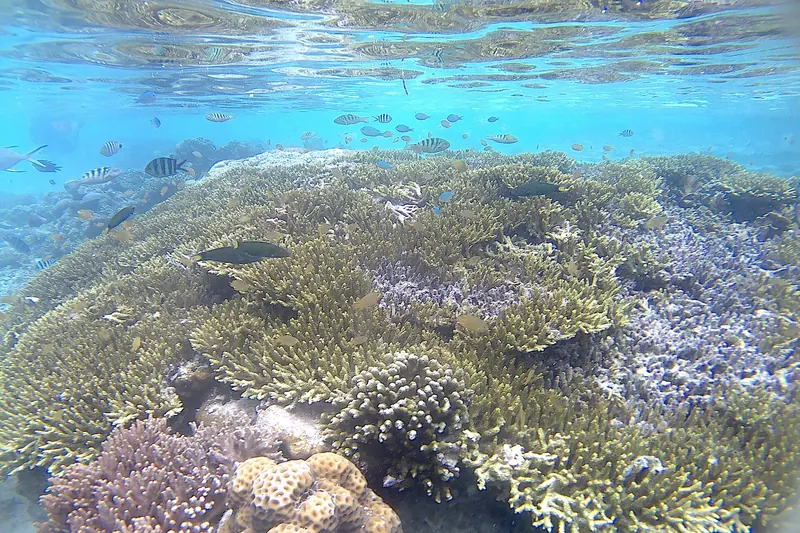
  5. Colourful coral reef in Raja Ampat

    Cape Kri and the coral reefs

    Home to a record-breaking fish count in a single dive, among the most biodiverse single reef sites ever surveyed.

    Tip Strong currents here suit experienced divers best — check conditions with your operator.

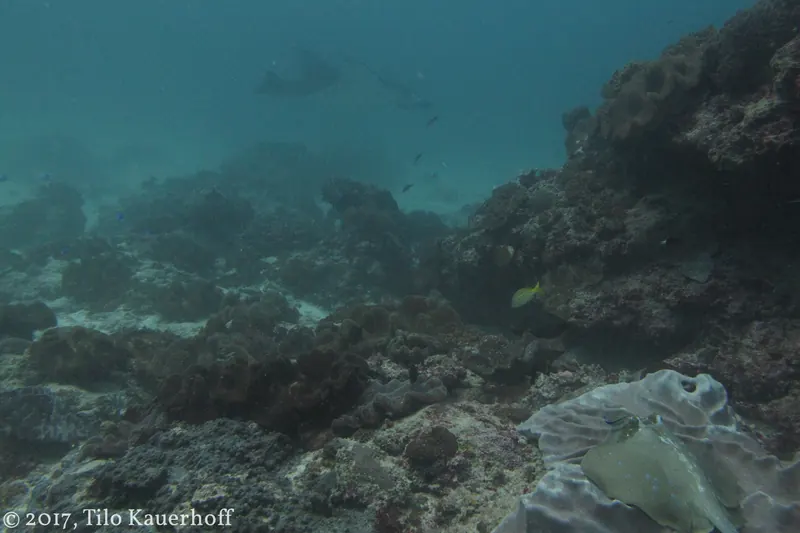
  6. A manta ray at a cleaning station in Raja Ampat

    Manta Sandy

    A reliable manta ray cleaning station, drawing these giant rays close enough for exceptional snorkelling and diving.

    Tip Visit around the tidal window your operator recommends for the best manta activity.

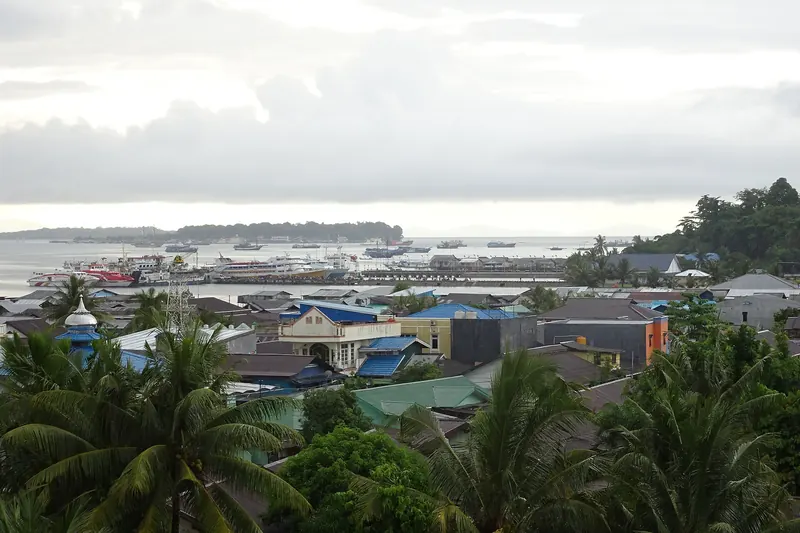
  7. The town of Sorong, gateway to Raja Ampat

    Sorong

    The practical gateway to Raja Ampat, a working Papua port town where most visitors pass through en route to the islands.

    Tip Most visitors spend only a night here at most before continuing on by boat.

Things to do

Best things to do in Raja Ampat

A Raja Ampat trip revolves around the water — diving, snorkelling and boat-based exploring dominate most itineraries.

  1. The wooden viewing platform and stairs at Piaynemo

    Climb to the Piaynemo viewpoint

    An essential Raja Ampat experience, a steep wooden staircase leading up to one of Indonesia's most iconic views.

    Tip The climb takes only 10-15 minutes, though steps can be slippery when wet.

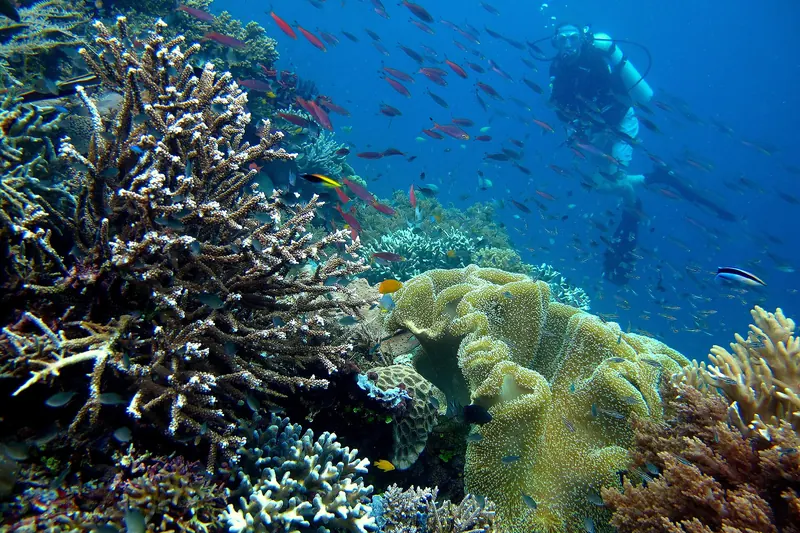
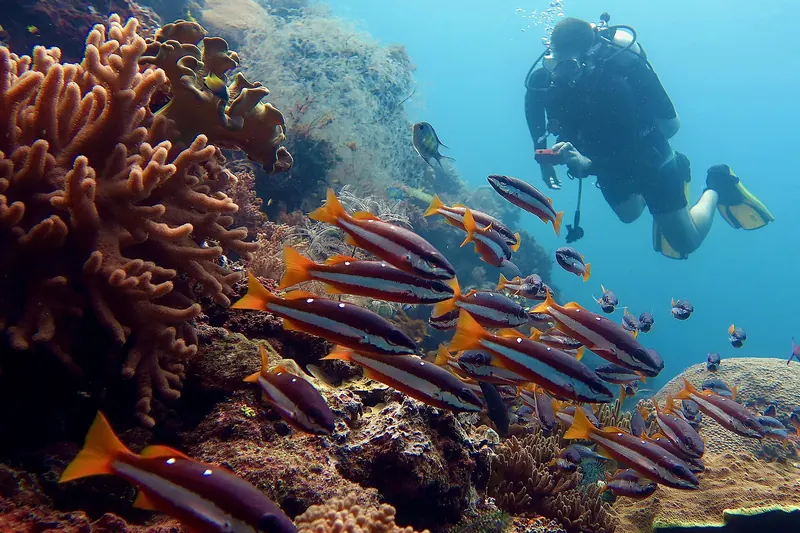
  2. A diver exploring a coral reef in Raja Ampat

    Dive or snorkel Raja Ampat's reefs

    The whole reason most visitors make the journey — reef diversity here regularly exceeds anywhere else surveyed on Earth.

    Tip Bring your own dive gear if particular — rental options are more limited than in Bali.

  3. Ancient rock art paintings on limestone cliffs at Misool

    See ancient rock art at Misool

    A fascinating cultural stop between dives, handprints and figures painted onto limestone cliffs by ancient inhabitants.

    Tip Ask your boat guide to point out the clearest painting sites — they can be easy to miss.

  4. A snorkeller near a manta ray in Raja Ampat

    Snorkel with manta rays

    An unforgettable encounter at the region's manta cleaning stations, where these giant rays circle close to the surface.

    Tip Stay calm and let the mantas approach — chasing them tends to scare them off.

  5. Kayaking through the karst islands of Kabui Bay

    Kayak through Kabui Bay

    A peaceful way to explore the karst islands up close, paddling between limestone formations at your own pace.

    Tip Early morning gives the calmest water for kayaking between the islands.

  6. The traditional village of Arborek, a popular homestay destination

    Stay in a village homestay

    A direct way to support local communities, with simple wooden homestays run by island families across the region.

    Tip Book village homestays through the local tourism cooperative for the most reliable arrangements.

Local food

What to eat in Raja Ampat

Raja Ampat's food is simple and seafood-focused, reflecting its remote island setting far from Indonesia's major food regions.

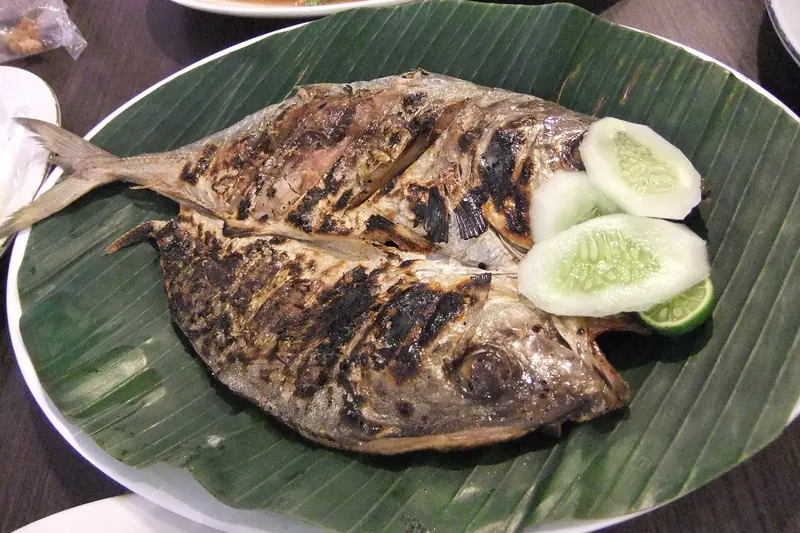
  • Ikan bakar, grilled fish, a staple across eastern Indonesia

    Fresh grilled fish

    The standard meal at homestays and liveaboards alike, whole fish grilled simply and served with rice.

    Where to try it Village homestays and liveaboard boats throughout Raja Ampat.

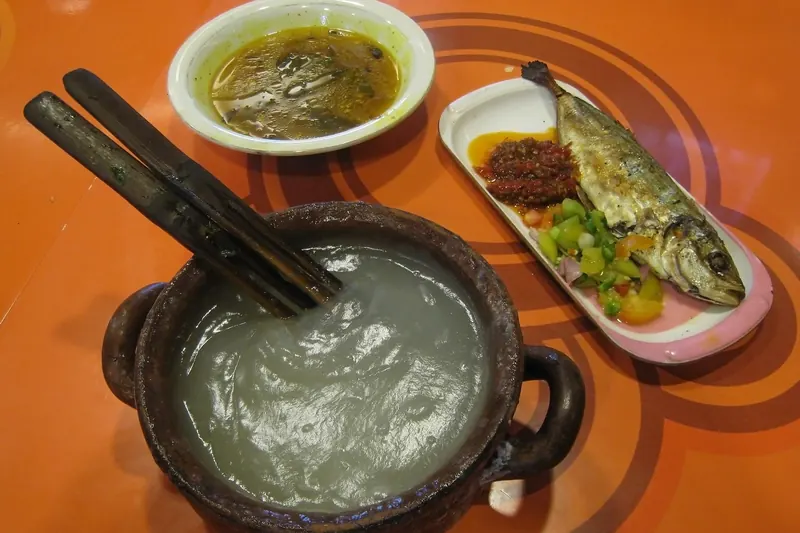
  • Papeda, a sago starch dish, served with yellow fish soup

    Papeda

    A distinctive Papua and Maluku staple, a sticky sago starch porridge eaten with a tangy yellow fish soup.

    Where to try it Traditional warungs in Sorong and Waisai.

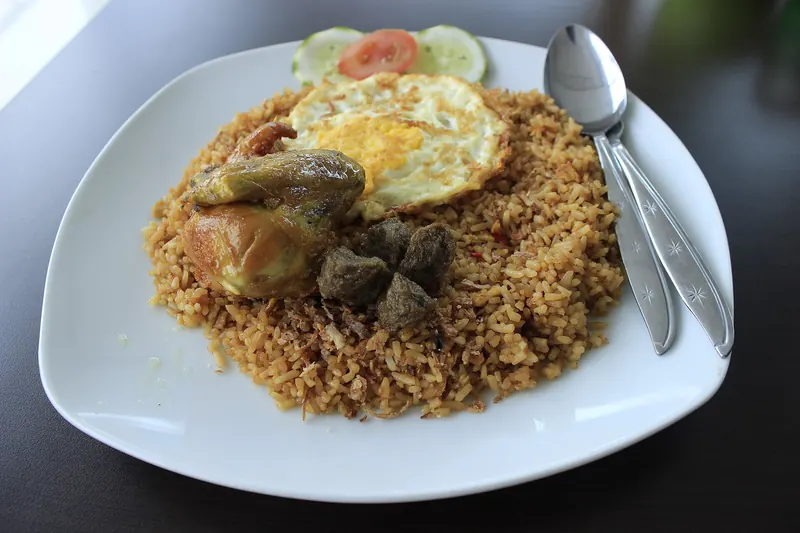
  • A plate of nasi goreng, Indonesian fried rice, topped with a fried egg

    Nasi goreng

    A reliable, widely available option aboard liveaboards and at resort restaurants alike.

    Where to try it Resorts and liveaboard boats throughout the region.

  • Fresh tropical fruit

    Grown locally on the islands, with papaya, banana and coconut common at homestay breakfasts.

    Where to try it Village homestays throughout Raja Ampat.

  • Instant noodles on liveaboards

    A reliable backup meal aboard smaller boats, especially on longer multi-day crossings between dive sites.

    Where to try it Liveaboard boats and smaller day-trip vessels.

  • Papuan coffee

    Grown in the Papua highlands, with a distinct character worth seeking out at Sorong's cafés before heading to the islands.

    Where to try it Cafés in Sorong before departure.

Accommodation

Where to stay in Raja Ampat

Raja Ampat's accommodation ranges from simple village homestays to high-end dive resorts.

  • Village homestays

    Simple wooden bungalows run by local families, found across many of the main islands.

    Best for: Budget-friendly, community-supporting stays

  • Dive resorts

    Higher-end options concentrated on islands like Kri, Mansuar and Waigeo.

    Best for: Serious diving with full facilities

  • Liveaboard boats

    The classic way to see Raja Ampat's more remote reaches, including Wayag and Misool.

    Best for: Covering the most ground and dive sites

What a night costs

Village homestay (with meals)
Rp 300,000–600,000 per night
Dive resort
Rp 2,000,000–6,000,000+ per night
Marine park conservation fee
About Rp 1,000,000 (foreign visitor, valid one year)
Multi-day liveaboard
Rp 15,000,000+ per person

Transport

Getting to and around Raja Ampat

Raja Ampat is one of the most remote destinations in this guide, requiring real commitment to reach.

Getting there

  • Fly to Sorong

    The standard route, with flights from Jakarta, Makassar or other major Indonesian hubs, often via a connection.

    Sorong's Domine Eduard Osok Airport is the region's main gateway.

  • Ferry from Sorong to Waisai

    A straightforward 2-hour public ferry connecting Sorong to Raja Ampat's main town.

    Several daily departures run from Sorong's harbour.

  • Onward boat to your resort or homestay

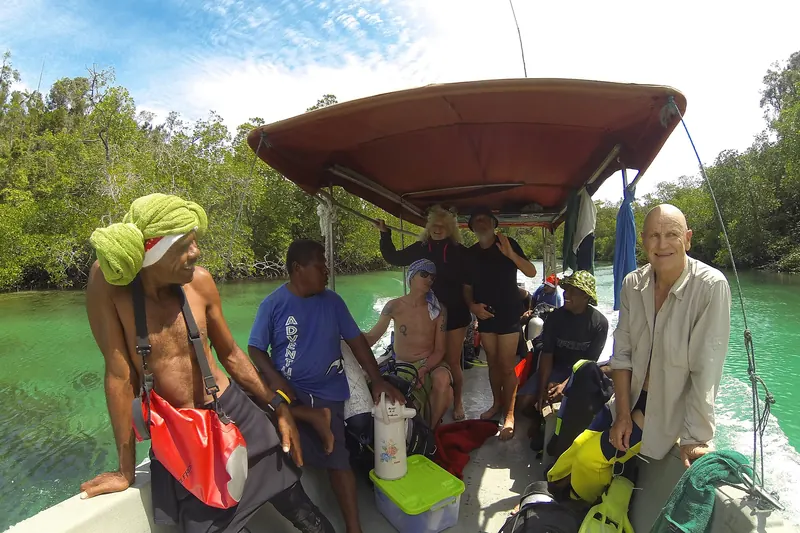
    The final leg for most visitors, arranged directly through your accommodation.

    Boat times vary widely depending on which island you're staying on.

Getting around

Within Raja Ampat, getting around means boats — there are no roads connecting the islands.

  • Resort or homestay boat transfers

    Arranged directly with your accommodation for day trips to nearby snorkel and dive sites.

    Most stays include some transfers as part of a package.

  • Liveaboard boat

    The best way to cover Raja Ampat's more distant highlights like Wayag and Misool.

    Typically booked for a week or more given the distances involved.

  • Chartered speedboat

    A flexible, if pricier, option for visitors wanting to design their own day trips.

    Arranged through your accommodation or a local operator in Waisai.

When to go

Best time to visit Raja Ampat

Raja Ampat's best diving window runs roughly opposite the rest of Indonesia's dry season, since local currents and weather patterns differ this far east.

  • October–April

    Best time

    The calmest seas and clearest water for diving and snorkelling in most parts of the region.

  • May–September

    Good

    Can bring stronger winds and choppier seas, though diving remains possible with a flexible itinerary.

  • Peak season (July–August, December–January)

    Good

    The busiest time at dive resorts, worth booking many months ahead for.

Worth planning around: Check with your specific resort or liveaboard operator before booking — local conditions vary noticeably by exact location within Raja Ampat.

Itinerary

Three days in Raja Ampat

Built around the classic combination of viewpoints, diving and village culture.

  1. Day1

    Arrival and Arborek

    Travelling in and an easy first snorkel.

    • Morning Ferry from Sorong to Waisai, then boat to your accommodation.
    • Afternoon Snorkel at Arborek village's jetty reef.
    • Evening Settle in and rest after a long travel day.
  2. Day2

    Piaynemo and diving

    The iconic viewpoint, then a dive or two.

    • Morning Boat to the Piaynemo viewpoint.
    • Afternoon Diving or snorkelling at a nearby reef site.
    • Evening Dinner at your homestay or resort.
  3. Day3

    Manta Sandy and departure

    A final manta encounter before heading back.

    • Morning Snorkelling or diving at Manta Sandy.
    • Afternoon Boat back to Waisai, then ferry to Sorong.
    • Evening Overnight in Sorong before an onward flight.

Travel tips

Raja Ampat travel tips

Raja Ampat demands more planning than almost anywhere else in this guide — prepare accordingly.

  • Book your marine park conservation card on arrival in Waisai — it's required.
  • Book resorts and liveaboards many months ahead for peak season.
  • Bring cash — ATMs and card payments are extremely limited once you leave Sorong.
  • Pack reef-safe sunscreen and your own basic snorkel gear as backup.
  • Allow a full buffer day either side for flight and ferry connections.
  • Bring a dry bag — boat transfers regularly involve some sea spray.

FAQ

Raja Ampat: frequently asked questions

Is Raja Ampat worth the trip?

Yes, for travellers who can make the time — it holds the richest reef biodiversity recorded anywhere on Earth, and the karst island scenery matches the underwater world.

How do you get to Raja Ampat?

Fly to Sorong, then take a ferry to Waisai, followed by a final boat transfer to your specific accommodation.

Do you need to be a diver to visit Raja Ampat?

No — snorkelling at many of the same sites, including manta cleaning stations, is excellent and requires no certification.

Is Raja Ampat expensive?

More expensive than most of Indonesia, largely due to remote logistics — though village homestays keep budget options realistic.

How many days do you need in Raja Ampat?

Four to five days allows real time in the water without the trip being dominated by travel days getting there and back.

When is the best time to dive in Raja Ampat?

Roughly October to April brings the calmest seas and best visibility, though this varies somewhat by specific site.

Read next

Related travel articles

Where to go

Beyond the Big Names: Places Worth the Detour

The most visited place in a country is rarely its best, and it is almost never its best value. This is a method for finding the destinations that do not make the postcards — and a set of examples from five of the 50 countries on this site.

Heritage

UNESCO Sites Worth Planning a Trip Around

A UNESCO listing tells you a place matters; it does not tell you whether it is worth two days and a detour. This is how to read the list usefully — and which sites reward building a trip around them.

Advertisement