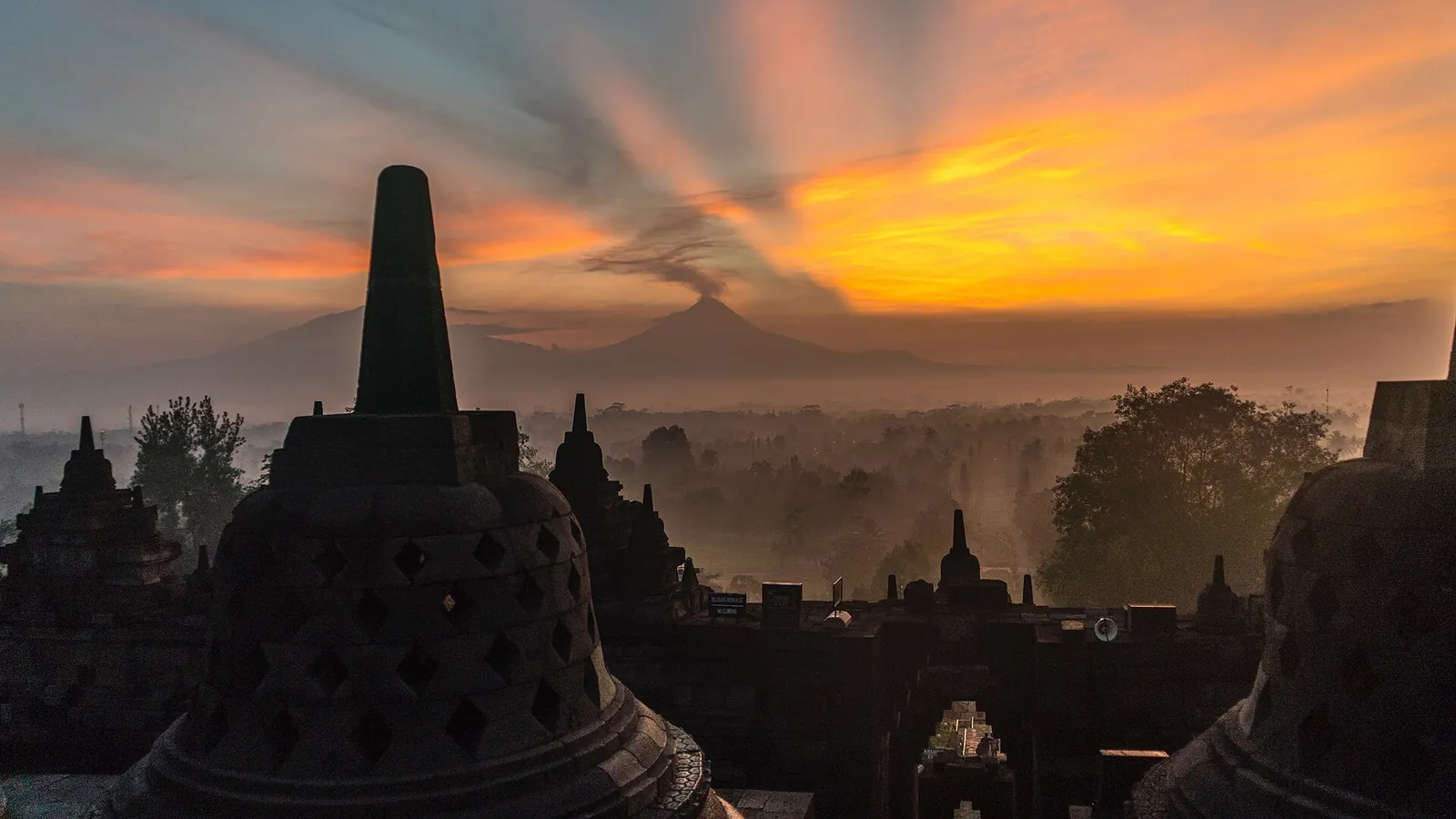
Sunrise over Borobudur temple with a volcano visible in the background

Central Java · Indonesia

Yogyakarta & Borobudur

Java's royal cultural capital, home to the world's largest Buddhist temple and an active volcano looming over it all.

  • Best time April to October for the driest weather and clearest volcano views
  • Stay 3-4 days
  • Good for History, culture, temples and volcano views

Photo: Christopher Michel · CC BY-SA 4.0

Welcome to Yogyakarta & Borobudur

Yogyakarta is Java's cultural and royal capital, a city still centred on a functioning sultan's palace, where batik, gamelan music and traditional dance remain living local practices rather than museum pieces.

It's also the gateway to two of Southeast Asia's greatest ancient monuments — Borobudur, the world's largest Buddhist temple, and Prambanan, Indonesia's grandest Hindu temple complex, both UNESCO World Heritage sites within an easy day trip of the city.

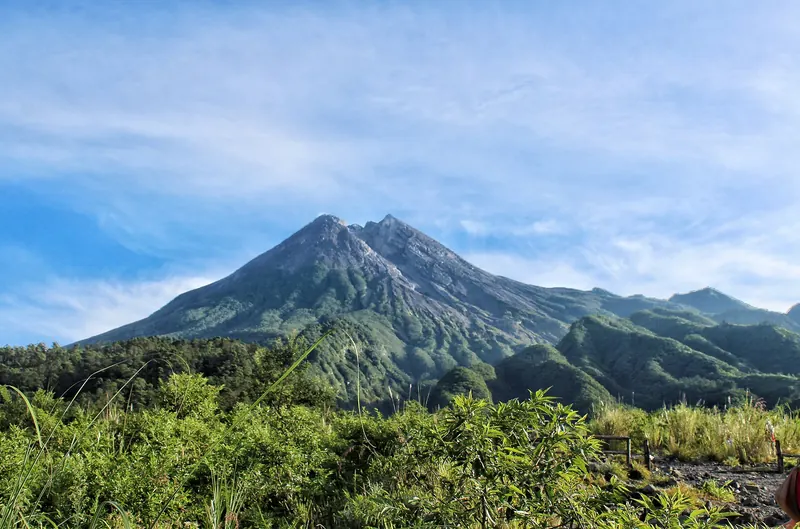
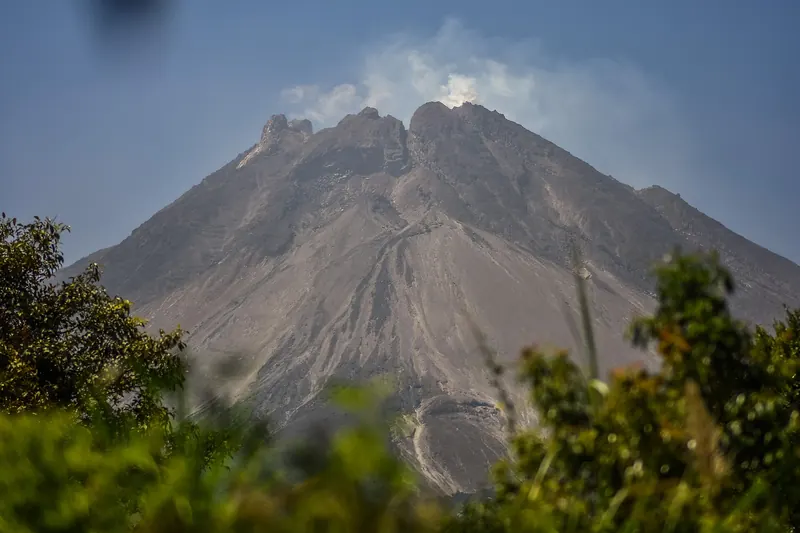
Mount Merapi, one of Indonesia's most active volcanoes, looms over the whole region, visible from Borobudur's upper terraces and close enough for a thrilling jeep tour across its lava-scarred slopes.

  • Culture
  • Temples
  • History
  • Volcanoes

Why visit

Why visit Yogyakarta & Borobudur?

Yogyakarta's case rests on a rare combination of world-class monuments and living royal culture.

  • Borobudur is the world's largest Buddhist temple

    A monumental 9th-century stone monument, its terraces covered in intricate relief carvings and Buddha statues.

  • Prambanan is Indonesia's grandest Hindu temple

    Soaring stone spires dedicated to Shiva, Vishnu and Brahma, among the tallest Hindu temples in Southeast Asia.

  • Yogyakarta's royal culture is still alive

    The Kraton remains a functioning sultan's palace, not a preserved relic, with batik and gamelan still actively practised.

  • Mount Merapi is one of Indonesia's most active volcanoes

    Close enough for a dramatic jeep tour across its lava-scarred slopes, weather and activity permitting.

  • It's one of Java's most affordable major destinations

    Excellent food, culture and history at prices noticeably lower than Bali's tourist areas.

Main attractions

Top things to see in Yogyakarta & Borobudur

Yogyakarta's essential sights combine two world-famous ancient temples with the city's own living royal culture.

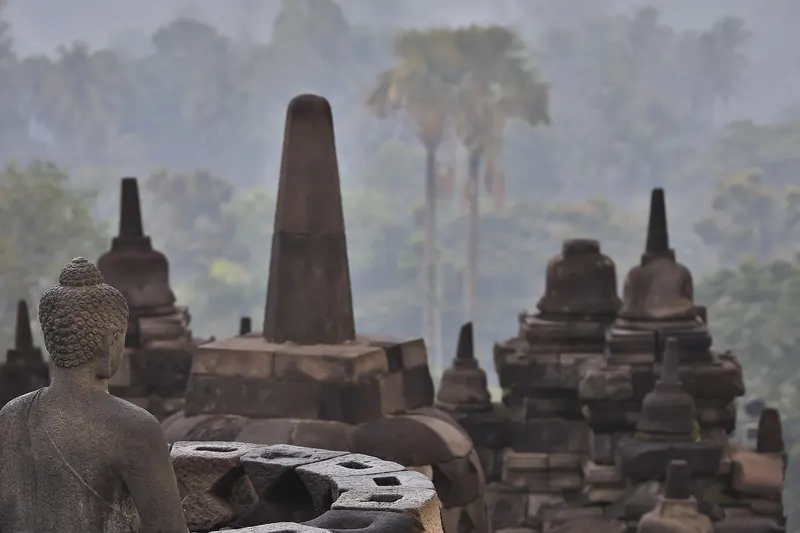
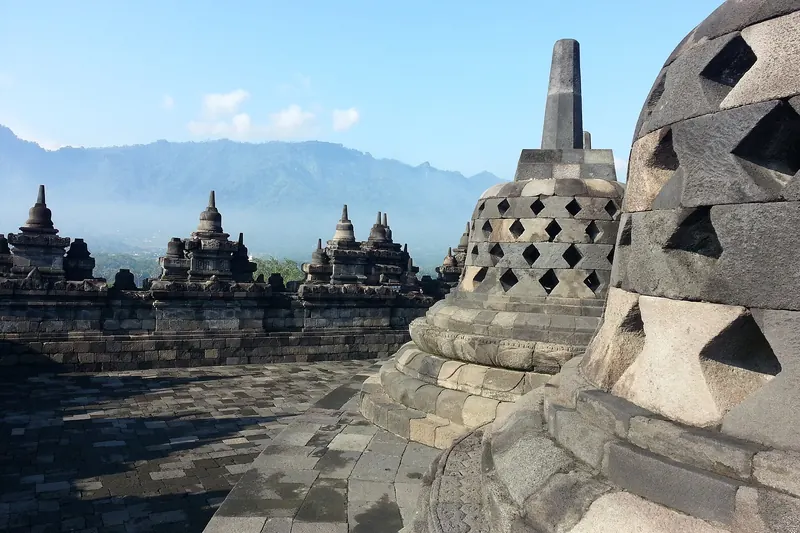
  1. The stone stupas and terraces of Borobudur, the world's largest Buddhist temple

    Borobudur Temple

    The world's largest Buddhist temple, a 9th-century stepped monument covered in thousands of relief carvings and bell-shaped stupas.

    Tip A sunrise entry ticket gets you inside before the day-trip crowds arrive from Yogyakarta.

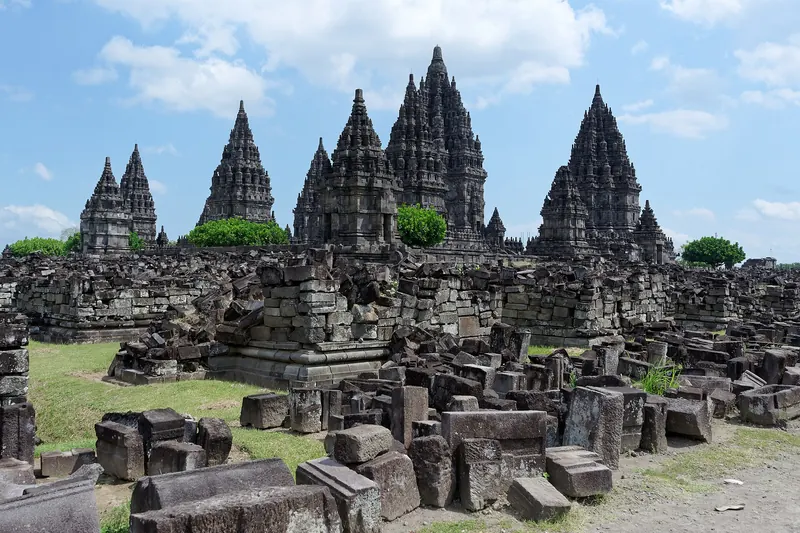
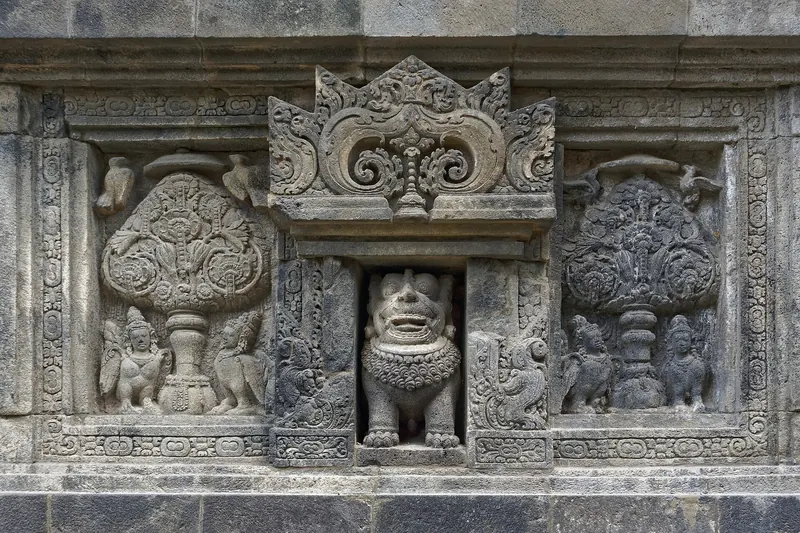
  2. The soaring stone spires of Prambanan, Indonesia's grandest Hindu temple complex

    Prambanan Temple

    Indonesia's largest Hindu temple complex, its tallest spire rising 47 metres, dedicated to Shiva, Vishnu and Brahma.

    Tip Evening brings a dramatic outdoor Ramayana ballet performance with the floodlit temples as a backdrop.

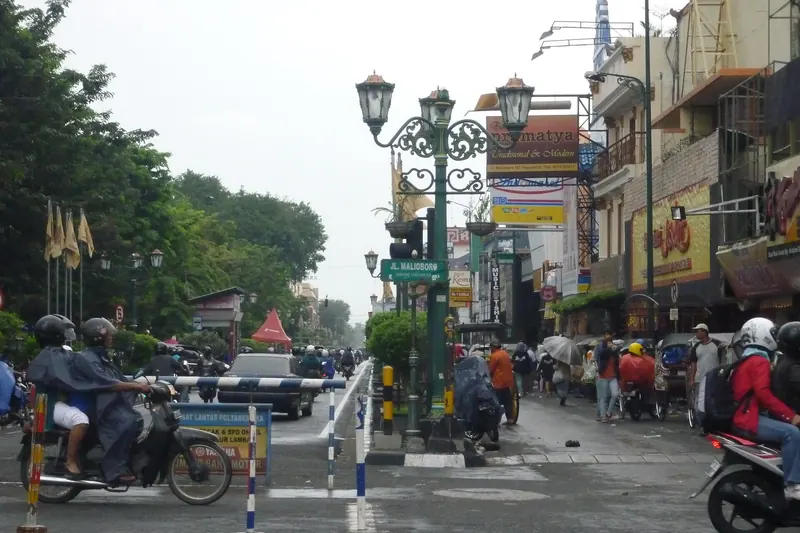
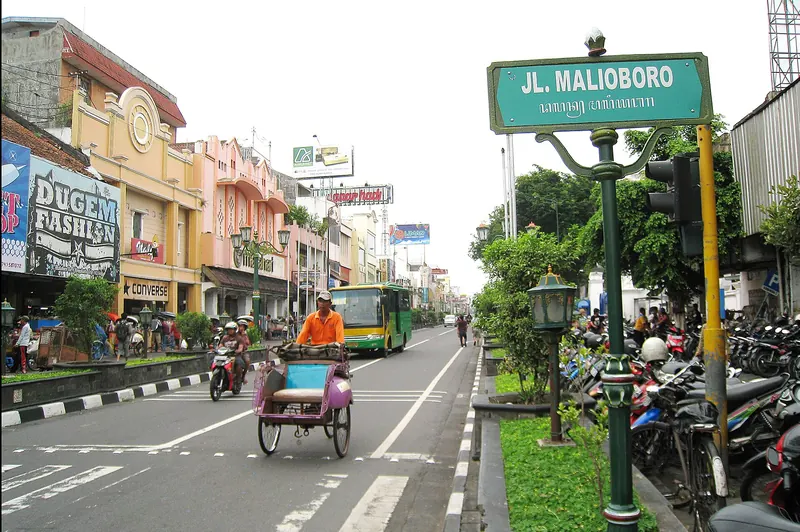
  3. The busy shopping street of Malioboro in central Yogyakarta

    Malioboro Street

    Yogyakarta's bustling main street, lined with street food stalls, batik shops and horse-drawn andong carriages.

    Tip The street comes alive after dark, when food carts and street performers take over the pavement.

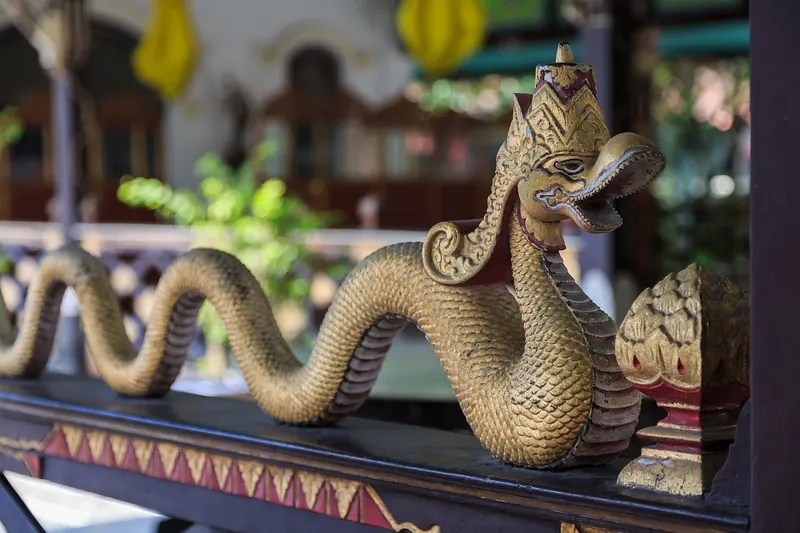
  4. The pavilions of the Kraton, Yogyakarta's royal palace

    Kraton (Sultan's Palace)

    A still-functioning royal palace, home to the Sultan of Yogyakarta, with pavilions hosting gamelan and dance practice most mornings.

    Tip Time your visit for a morning gamelan rehearsal — they're open to visitors and captivating.

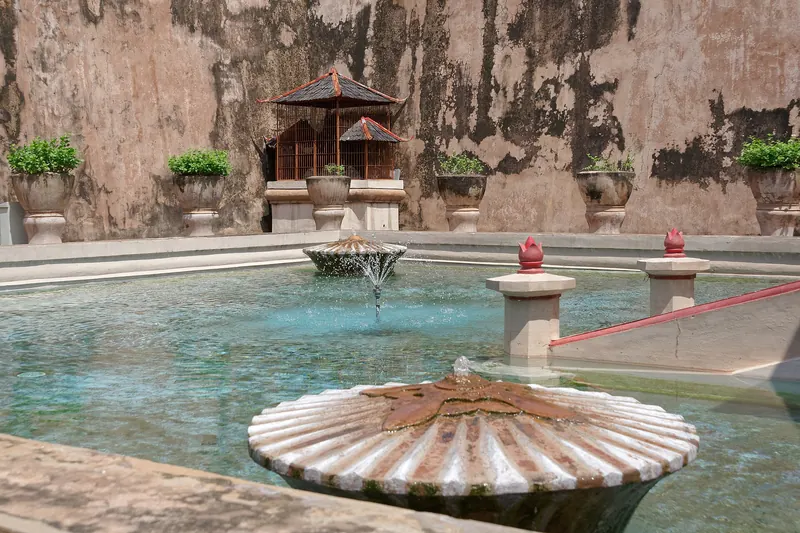
  5. The bathing pools of Taman Sari Water Castle in Yogyakarta

    Taman Sari Water Castle

    An atmospheric 18th-century royal bathing complex, its pools and underground passages built as a retreat for the sultan's court.

    Tip A local guide at the entrance can point out passages and details easy to miss on your own.

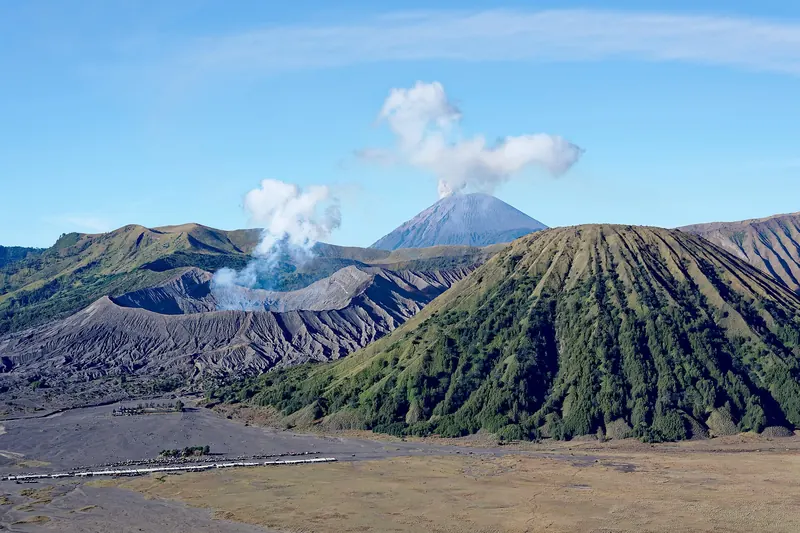
  6. Mount Merapi, one of Indonesia's most active volcanoes, near Yogyakarta

    Mount Merapi

    One of Indonesia's most active volcanoes, its slopes scarred by past eruptions and its summit often trailing a plume of smoke.

    Tip Check current activity advisories before booking any jeep tour or hike toward the summit.

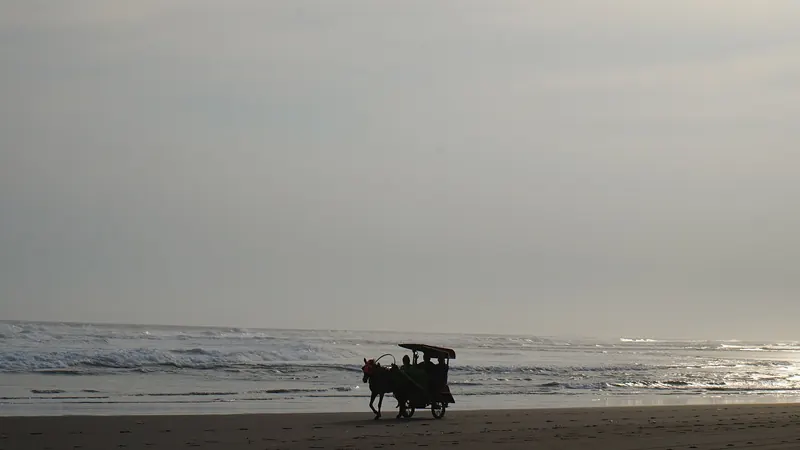
  7. A horse-drawn carriage on the black sand of Parangtritis Beach

    Parangtritis Beach

    A dramatic black sand beach south of the city, tied to local legends of the Queen of the Southern Sea, with strong currents best admired from shore.

    Tip Swimming is discouraged here — the currents are dangerous, so enjoy it from the sand instead.

Things to do

Best things to do in Yogyakarta & Borobudur

Yogyakarta rewards an early start — its best experiences come with sunrise or a full day trip.

  1. Sunrise light over Borobudur temple's stone terraces

    Watch sunrise at Borobudur

    An unforgettable start to the day, watching light spread over the temple's terraces before the general crowds arrive.

    Tip Sunrise tickets sell separately and in limited numbers — book well ahead.

  2. The temple spires of Prambanan against a blue sky

    Explore Prambanan's temple complex

    A full complex of temples and ruins spreads well beyond the main spires — allow real time to explore the wider grounds.

    Tip Combine a Prambanan visit with the evening Ramayana ballet for a full day out.

  3. A jeep tour crossing Mount Merapi's volcanic slopes

    Take a Mount Merapi lava jeep tour

    A thrilling off-road tour across Merapi's lava-scarred slopes, including a small museum showing the volcano's past eruptions.

    Tip Mornings offer the clearest views before afternoon cloud typically rolls in.

  4. Malioboro Street lit up in the evening in Yogyakarta

    Stroll Malioboro Street at night

    A lively evening scene of street food, buskers and shopping, best experienced after the day's heat has passed.

    Tip Try the street-side angkringan food carts for an authentic, cheap dinner.

  5. The historic bathing pools of Taman Sari Water Castle

    Visit Taman Sari's bathing pools

    An atmospheric wander through the sultan's former royal retreat, with underground tunnels connecting several of the pools.

    Tip The surrounding kampong (village) built into the old complex walls is worth a wander too.

  6. Learn batik making

    A hands-on introduction to Java's centuries-old wax-resist dyeing art, taught at workshops throughout the city.

    Tip Look for workshops that let you take your finished batik piece home.

Local food

What to eat in Yogyakarta & Borobudur

Yogyakarta's food centres on distinctively sweet Javanese flavours, a real contrast to Bali or Sumatra's cuisine.

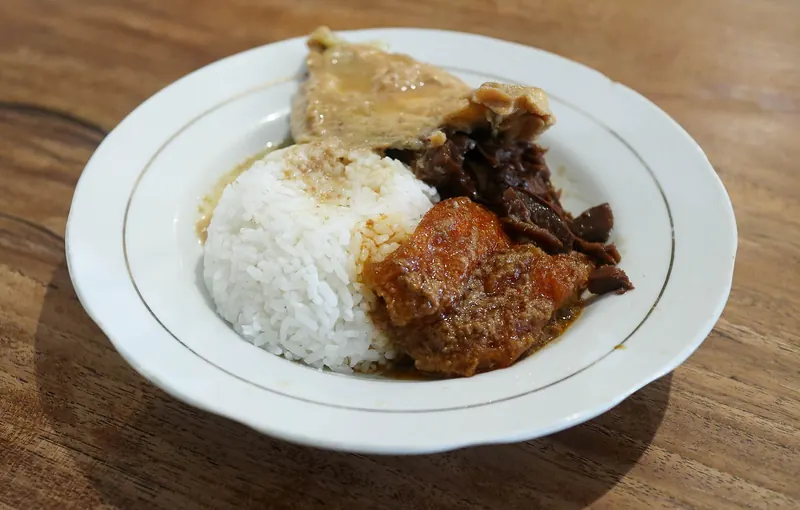
  • Gudeg, Yogyakarta's signature sweet jackfruit stew

    Gudeg

    Yogyakarta's signature dish, young jackfruit slow-cooked in palm sugar and coconut milk until sweet and deeply savoury.

    Where to try it Long-established gudeg restaurants throughout the city, especially around Wijilan.

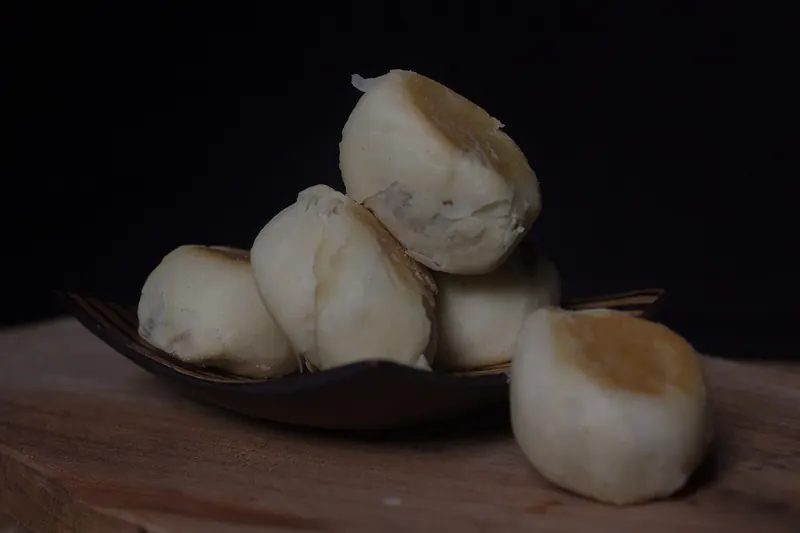
  • Bakpia, Yogyakarta's famous mung bean pastries

    Bakpia

    An iconic Yogyakarta souvenir, small pastries traditionally filled with sweet mung bean paste, now sold in many modern flavours too.

    Where to try it Bakpia shops throughout the Pathuk neighbourhood.

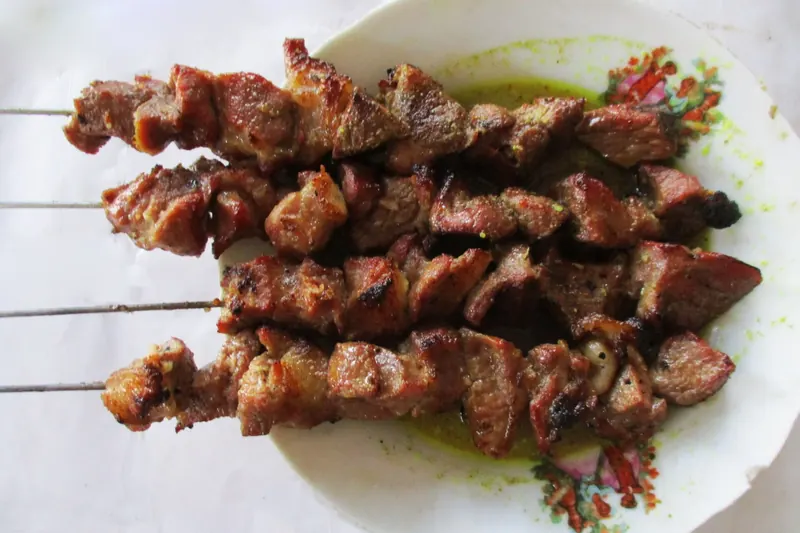
  • Sate klathak, Yogyakarta-style lamb satay grilled on skewers

    Sate klathak

    A distinctive local satay, lamb skewered on actual bicycle spokes rather than bamboo and simply seasoned with salt.

    Where to try it Sate klathak specialists around Jalan Imogiri, south of the city.

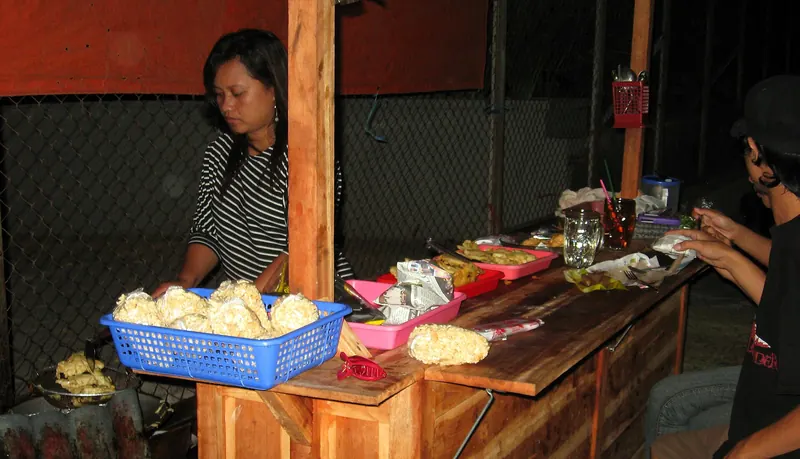
  • A street-side angkringan food cart in Yogyakarta

    Angkringan (nasi kucing)

    An essential Yogyakarta institution, roadside carts serving small rice packets and skewers at very low prices, often late into the night.

    Where to try it Angkringan carts throughout the city, especially near Malioboro and Tugu.

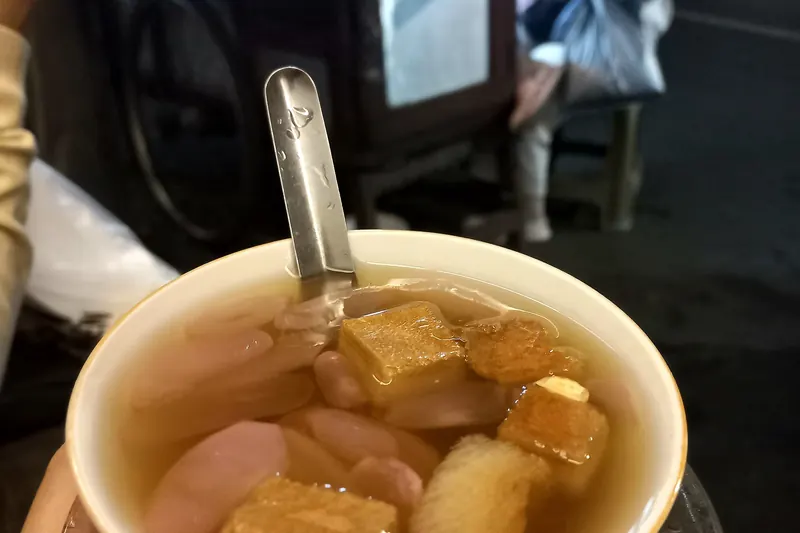
  • A bowl of wedang ronde, a warm ginger drink with rice balls

    Wedang ronde

    A warming ginger drink filled with sticky rice balls, peanuts and sometimes bread, popular on cooler evenings.

    Where to try it Street vendors around Malioboro and the old town.

  • Javanese coffee

    Grown across Central Java's highlands, often served extremely sweet and unfiltered in the traditional local style.

    Where to try it Coffee shops and warungs throughout Yogyakarta.

Accommodation

Where to stay in Yogyakarta & Borobudur

Yogyakarta offers some of Java's best-value accommodation, from budget guesthouses to heritage hotels.

  • Malioboro area

    The city's genuine tourist hub, with the widest choice of hotels and easy access to the old town.

    Best for: Being central and walkable to major sights

  • Near Borobudur

    Small hotels near the temple make catching a sunrise ticket noticeably easier.

    Best for: A genuine early sunrise start without a long drive

What a night costs

Guesthouse (Yogyakarta)
Rp 150,000–350,000 per night
Mid-range hotel
Rp 500,000–1,200,000 per night
Borobudur sunrise ticket
About Rp 500,000 (foreign visitor rate)
Merapi jeep tour
About Rp 450,000–600,000 per jeep

Transport

Getting to and around Yogyakarta & Borobudur

Yogyakarta is well connected to the rest of Indonesia by air and rail.

Getting there

  • Domestic flight

    The fastest way in from Bali, Jakarta or other major cities, landing at Yogyakarta International Airport.

    YIA sits about an hour from the city centre by car.

  • Train from Jakarta or Surabaya

    A comfortable, scenic way to reach Yogyakarta from other Java cities.

    Executive-class trains take about 7-8 hours from Jakarta.

  • Organised tour

    Common as a Bali add-on, bundling flights, a guide and temple entry together.

    Convenient for visitors short on planning time.

Getting around

Yogyakarta's sights spread across the city and well beyond it, making transport planning worthwhile.

  • Ride-hailing apps (Gojek, Grab)

    The easiest way around the city itself, with fixed, transparent pricing.

    Widely used and reliable throughout Yogyakarta.

  • Private driver for temple day trips

    The standard way to visit Borobudur, Prambanan and Merapi, each some distance from the city centre.

    Typically booked through a hotel or driver directly for a fixed daily rate.

  • Becak or andong (pedicab or horse cart)

    A charming, if slow, way to explore the old town and Malioboro area.

    Agree a price before setting off — rates aren't metered.

When to go

Best time to visit Yogyakarta & Borobudur

Dry season brings the clearest Merapi views and most reliable conditions for temple visits and jeep tours.

  • Dry season (April–October)

    Best time

    The clearest skies for Merapi views and the most reliable weather for outdoor temple exploring.

  • Shoulder months (April, October)

    Good

    Good weather odds with somewhat thinner crowds than peak season.

  • Wet season (November–March)

    Good

    Still workable, with short, heavy afternoon downpours and lush green surroundings.

  • Peak season (July–August)

    Good

    The busiest time at Borobudur and Prambanan, worth booking sunrise tickets well ahead for.

Worth planning around: Check current Mount Merapi activity advisories before booking jeep tours — access closes at short notice when activity rises.

Itinerary

Two days in Yogyakarta & Borobudur

Built around the two great temples on day one, the city and volcano on day two.

  1. Day1

    Borobudur and Prambanan

    Sunrise at Borobudur, then Prambanan in the afternoon.

    • Morning Sunrise at Borobudur temple.
    • Afternoon Prambanan's Hindu temple complex.
    • Evening The Ramayana ballet performance at Prambanan, if timed right.
  2. Day2

    The city and Mount Merapi

    The Kraton, Taman Sari and a volcano jeep tour.

    • Morning The Kraton and Taman Sari Water Castle.
    • Afternoon A Mount Merapi lava jeep tour.
    • Evening Dinner and a wander along Malioboro Street.

Travel tips

Yogyakarta & Borobudur travel tips

Practical notes that make a Yogyakarta stay noticeably smoother.

  • Book Borobudur sunrise tickets well ahead — numbers are limited.
  • Dress modestly at the Kraton and temples — shoulders and knees covered.
  • Check Merapi activity advisories before booking a jeep tour.
  • Agree becak and andong fares before setting off.
  • Carry small rupiah notes for angkringan carts and market stalls.
  • Avoid swimming at Parangtritis Beach — the currents are dangerous.

FAQ

Yogyakarta & Borobudur: frequently asked questions

How many days do you need in Yogyakarta?

Two to four days covers Borobudur, Prambanan and the city's own sights at a comfortable pace.

Is Borobudur worth visiting?

Yes — it's the world's largest Buddhist temple and one of Southeast Asia's essential ancient monuments.

How far is Borobudur from Yogyakarta?

About 1 to 1.5 hours by car, making it an easy sunrise day trip from the city.

Can you visit Borobudur and Prambanan in one day?

Yes, though it makes for a long day — many visitors prefer splitting them across two separate outings.

Is Mount Merapi safe to visit?

Generally yes, for the standard jeep tours around its lower slopes, though it's worth checking current activity advisories first.

How does Yogyakarta compare to Bali?

More culturally and historically focused, with world-class temples and living royal traditions, and noticeably cheaper than Bali's tourist areas.

Read next

Related travel articles

Where to go

Beyond the Big Names: Places Worth the Detour

The most visited place in a country is rarely its best, and it is almost never its best value. This is a method for finding the destinations that do not make the postcards — and a set of examples from five of the 50 countries on this site.

Heritage

UNESCO Sites Worth Planning a Trip Around

A UNESCO listing tells you a place matters; it does not tell you whether it is worth two days and a detour. This is how to read the list usefully — and which sites reward building a trip around them.

Advertisement