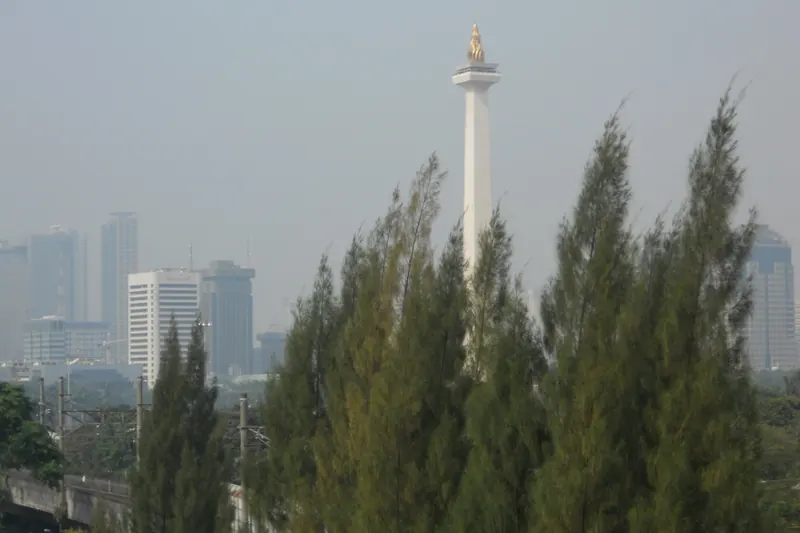
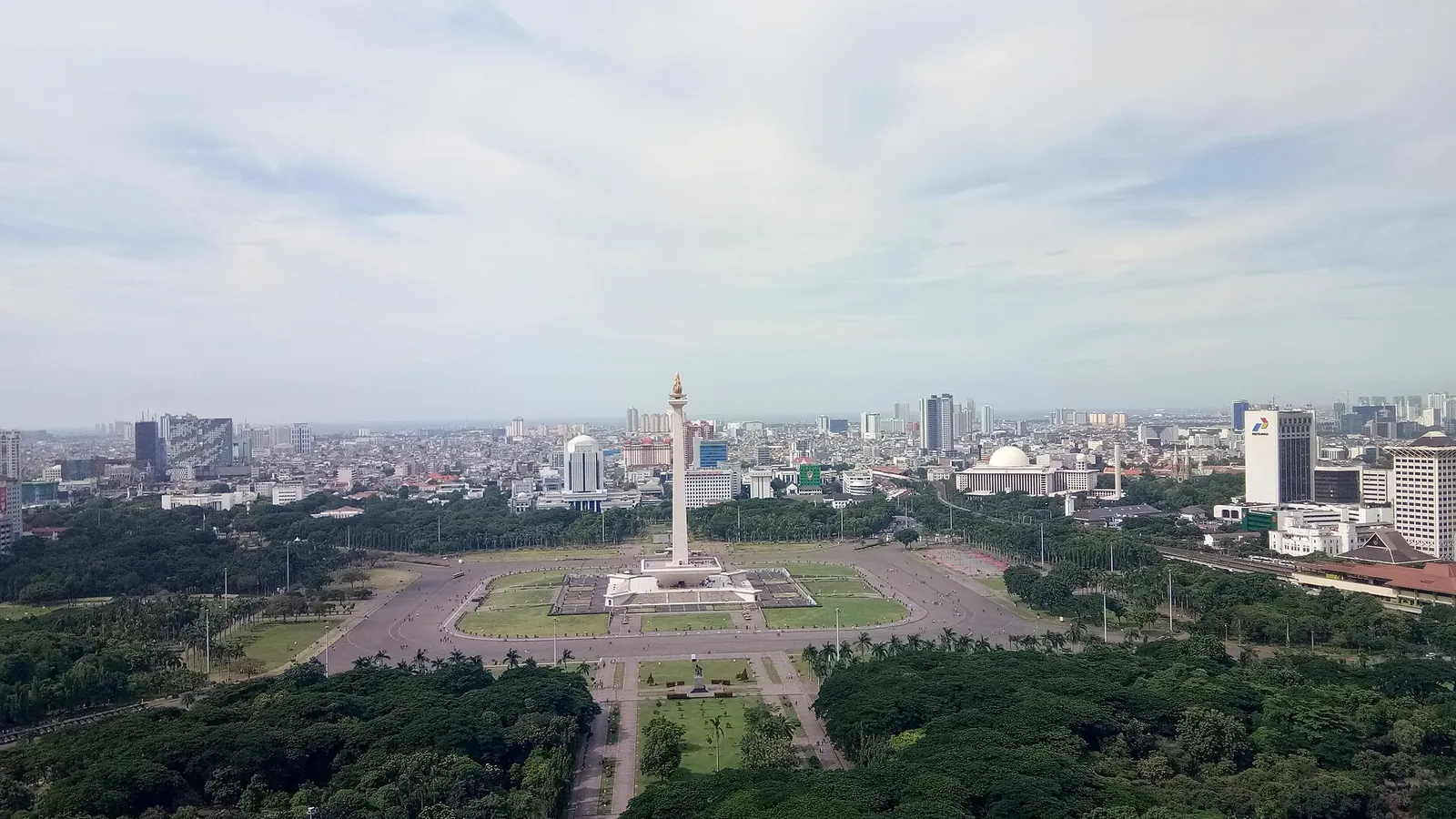
Monas, the National Monument, in central Jakarta

Java · Indonesia

Jakarta

Indonesia's vast, energetic capital, mixing colonial-era old town streets with a national monument, mosques and some of the country's best food.

  • Best time Any season — plan around traffic and rain rather than temperature
  • Stay 2-3 days
  • Good for City life, history, food, a stopover on a wider trip

Photo: Ramayoni · CC BY-SA 4.0

Welcome to Jakarta

Jakarta is Indonesia's vast, energetic capital, a city of over ten million people that rarely tops first-time visitors' itineraries but rewards those who give it a couple of days rather than skipping straight to Bali.

Its history runs deep — Kota Tua, the old town, preserves the core of Batavia, the Dutch colonial trading post that once anchored the entire region's spice trade, while Istiqlal Mosque, Southeast Asia's largest, and the neighbouring Jakarta Cathedral sit as genuine symbols of the country's religious diversity standing side by side.

It's also one of Indonesia's best food cities, a place where Betawi, Chinese-Indonesian, Sundanese and Padang cuisines all sit within a few streets of each other, reflecting the sheer scale of a capital that draws people from every corner of the archipelago.
  • City
  • Culture
  • History
  • Food

Why visit

Why visit Jakarta?

Jakarta's case rests on genuine history, food and scale that most Indonesia itineraries skip past too quickly.

  • Kota Tua preserves old Batavia

    Dutch colonial architecture and cobblestone squares still standing at the heart of the old trading post.

  • Istiqlal Mosque is Southeast Asia's largest

    A monumental modern mosque standing right beside Jakarta Cathedral, a deliberate symbol of religious harmony.

  • It's one of Indonesia's best food cities

    Betawi, Chinese-Indonesian, Padang and Sundanese cuisines all sit within easy reach of each other.

  • It's Indonesia's most convenient international gateway

    Most international flights route through Jakarta, making a stopover here easy to add.

  • It gives real insight into modern Indonesian life

    A working capital city, not a resort town, offering a more complete picture of the country.

Main attractions

Top things to see in Jakarta

Jakarta's essential sights span colonial history, religious landmarks and the city's modern symbol.

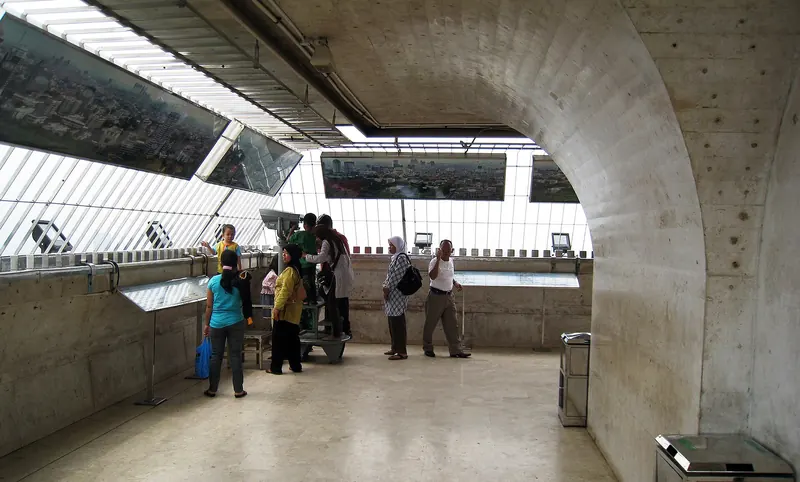
  1. The observation platform atop Monas, Jakarta's National Monument

    Monas (National Monument)

    Jakarta's defining landmark, a 132-metre marble obelisk topped with a gold flame, standing at the centre of Merdeka Square.

    Tip The observation deck near the top gives sweeping, if often hazy, views across the city.

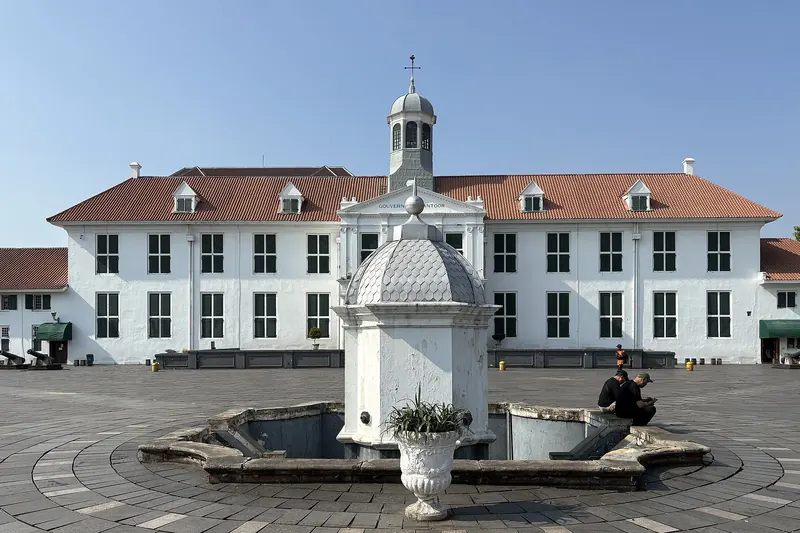
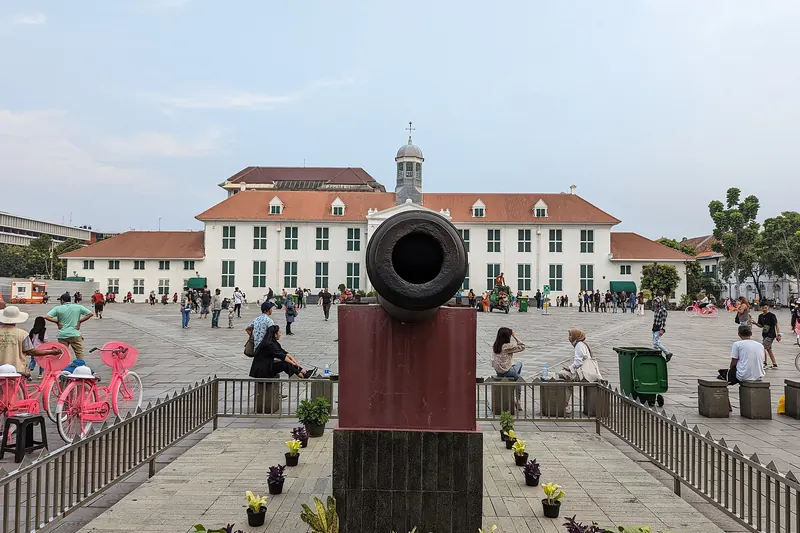
  2. Colonial-era buildings around Fatahillah Square in Jakarta's old town

    Kota Tua (Old Town)

    The historic core of old Batavia, its Dutch colonial buildings, museums and cobbled square offering a rare walkable slice of the city's past.

    Tip Rent a colourful vintage-style bicycle at Fatahillah Square for a fun, if touristy, way to explore.

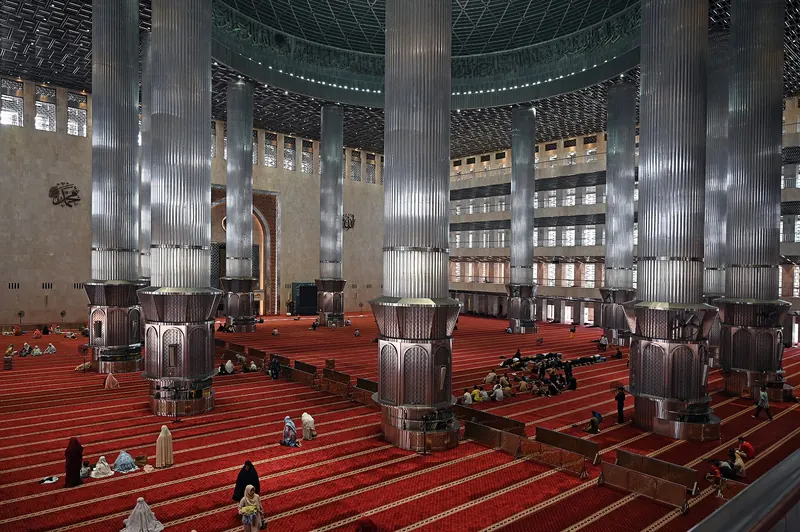
  3. The vast interior prayer hall of Istiqlal Mosque in Jakarta

    Istiqlal Mosque

    Southeast Asia's largest mosque, its vast prayer hall able to hold over 200,000 worshippers.

    Tip Free guided tours are often available for visitors, explaining the mosque's design and history.

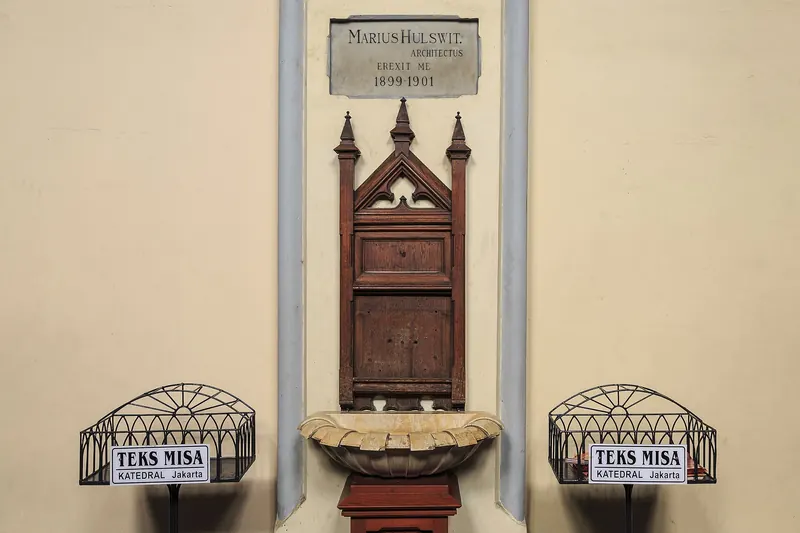
  4. The neo-Gothic spires of Jakarta Cathedral

    Jakarta Cathedral

    A striking neo-Gothic Catholic cathedral standing directly across from Istiqlal Mosque, together a real symbol of Indonesia's religious pluralism.

    Tip Visit both the mosque and cathedral in one outing — they sit close enough to walk between.

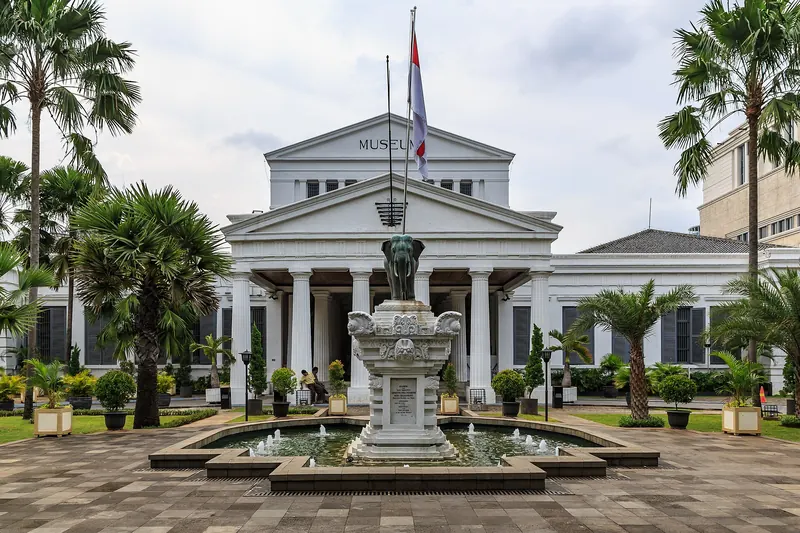
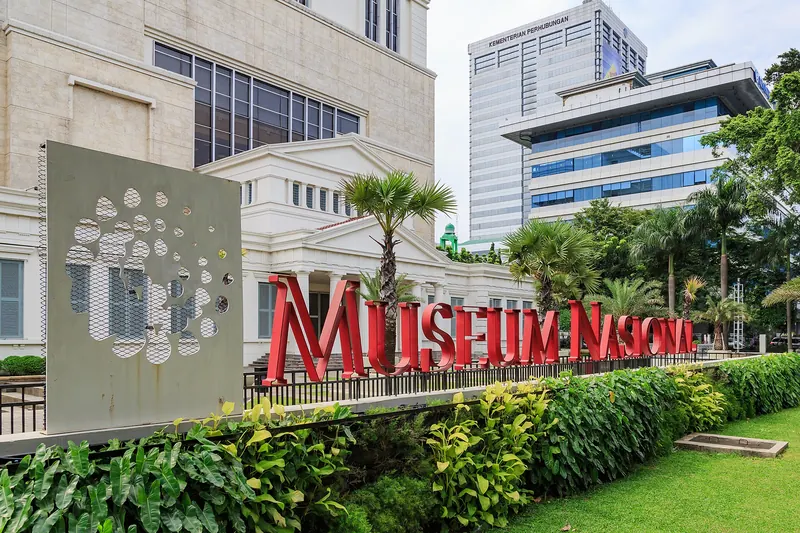
  5. The colonnaded facade of Indonesia's National Museum in Jakarta

    National Museum

    Indonesia's largest and oldest museum, holding an extensive collection spanning the archipelago's archaeology, ethnography and history.

    Tip Allow at least two hours — the collection is far larger than it first appears from outside.

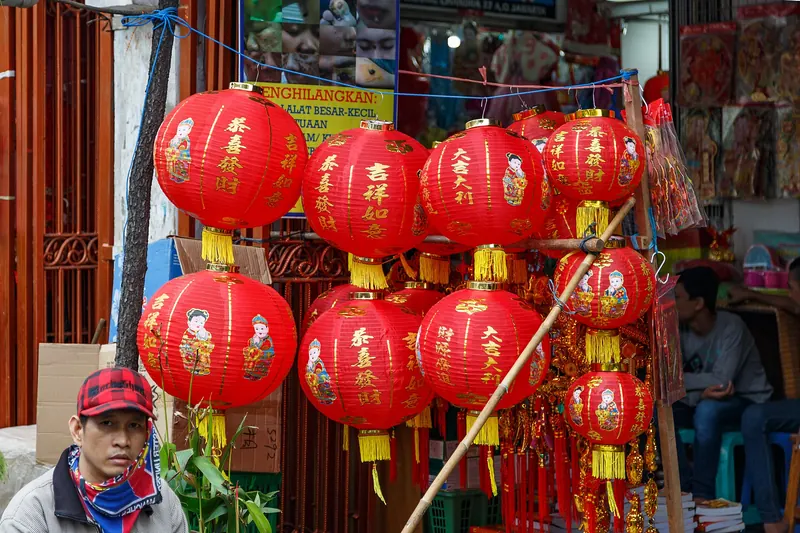
  6. Street stalls in Glodok, Jakarta's Chinatown district

    Glodok (Chinatown)

    Jakarta's historic Chinese quarter, packed with temples, traditional medicine shops and some of the city's best street food.

    Tip Go hungry — Glodok's food stalls are the real highlight of a visit here.

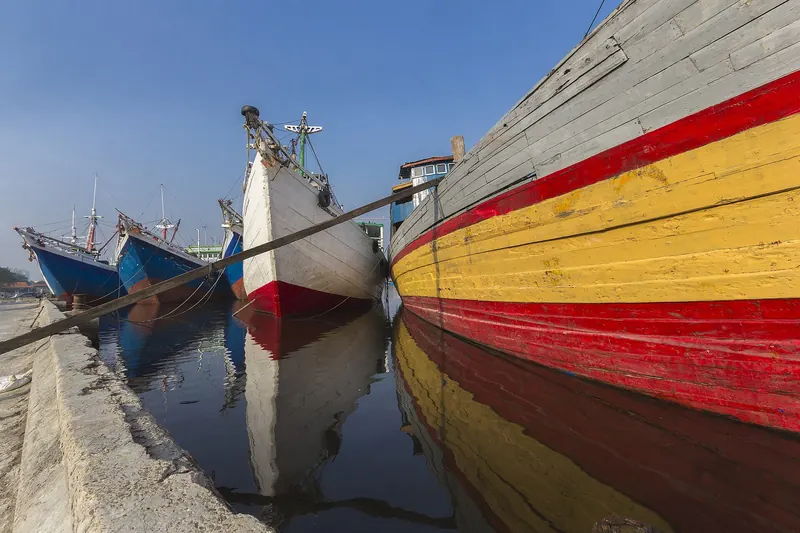
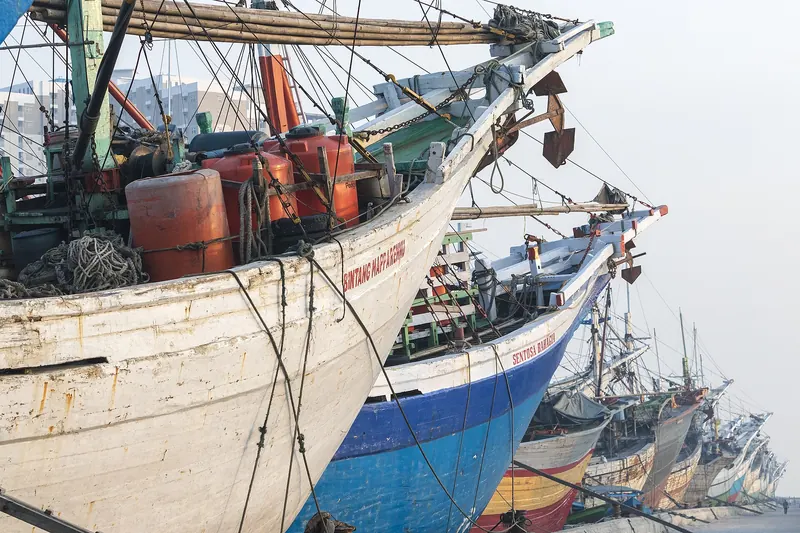
  7. Traditional wooden phinisi schooners docked at Sunda Kelapa harbour

    Sunda Kelapa Harbour

    Jakarta's original old port, still busy with traditional wooden phinisi schooners loading cargo much as they have for generations.

    Tip The working harbour is authentic rather than polished — wear shoes you don't mind getting dusty.

Things to do

Best things to do in Jakarta

Jakarta rewards mixing its historic sights with its equally strong food scene.

  1. Monas, Jakarta's National Monument, seen from nearby Istiqlal Mosque

    Climb Monas for the city view

    An essential Jakarta view, taking in the scale of the city from the monument's observation deck.

    Tip Visit on a clear morning — Jakarta's afternoon haze can noticeably limit visibility.

  2. Colonial buildings around Fatahillah Square in Kota Tua

    Wander Kota Tua's colonial architecture

    A rewarding wander among preserved Dutch colonial buildings, several now housing free or cheap museums.

    Tip Street performers and photographers fill the square, especially on weekend evenings.

  3. Inside the prayer hall of Istiqlal Mosque, Jakarta

    Visit Istiqlal and Jakarta Cathedral together

    A powerful pairing, visiting Southeast Asia's largest mosque and its neighbouring cathedral within the same short outing.

    Tip Dress modestly for the mosque — headscarves are usually available to borrow at the entrance.

  4. Food stalls and hawkers in Jakarta's Glodok Chinatown district

    Explore Glodok's street food

    An essential food crawl through Jakarta's Chinatown, mixing Chinese-Indonesian dishes found almost nowhere else in the country.

    Tip Evening brings out the best selection of stalls, especially around Petak Sembilan.

  5. Wooden phinisi schooners at Sunda Kelapa harbour

    See traditional schooners at Sunda Kelapa

    An unpolished, working glimpse of the old harbour that anchored Batavia's original spice trade.

    Tip Combine with a Kota Tua visit — the harbour is a short becak or taxi ride away.

  6. Exhibits inside Indonesia's National Museum in Jakarta

    See artefacts at the National Museum

    A worthwhile deep dive into Indonesia's archaeology and ethnography, spanning the whole archipelago's cultures.

    Tip The bronze and stone artefact galleries are widely considered the museum's highlight.

Local food

What to eat in Jakarta

Jakarta holds one of Indonesia's best concentrations of regional cuisines, reflecting the capital's diverse population.

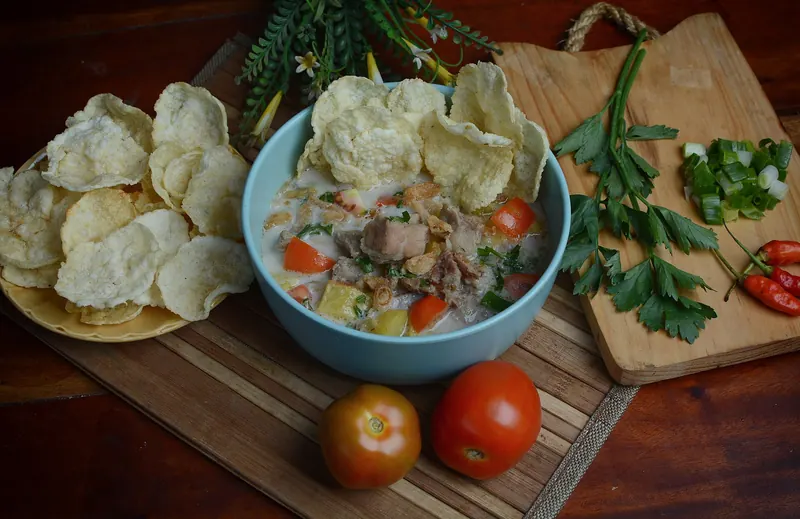
  • Soto Betawi, a rich coconut beef soup from Jakarta

    Soto Betawi

    Jakarta's own beef soup, native to the city's Betawi community, rich with coconut milk and warming spices.

    Where to try it Long-established soto Betawi warungs across the city.

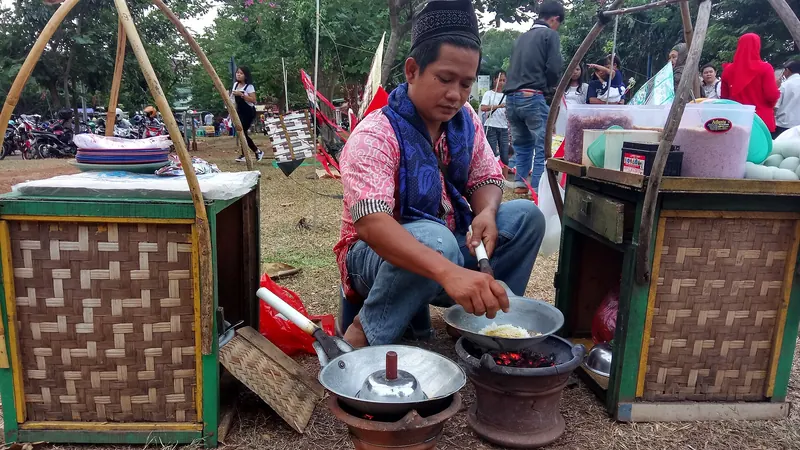
  • Kerak telor, a traditional Betawi spiced omelette

    Kerak telor

    A traditional Betawi street snack, a spiced sticky rice omelette cooked on a charcoal stove and topped with fried shallots.

    Where to try it Street vendors at Kota Tua and around Monas.

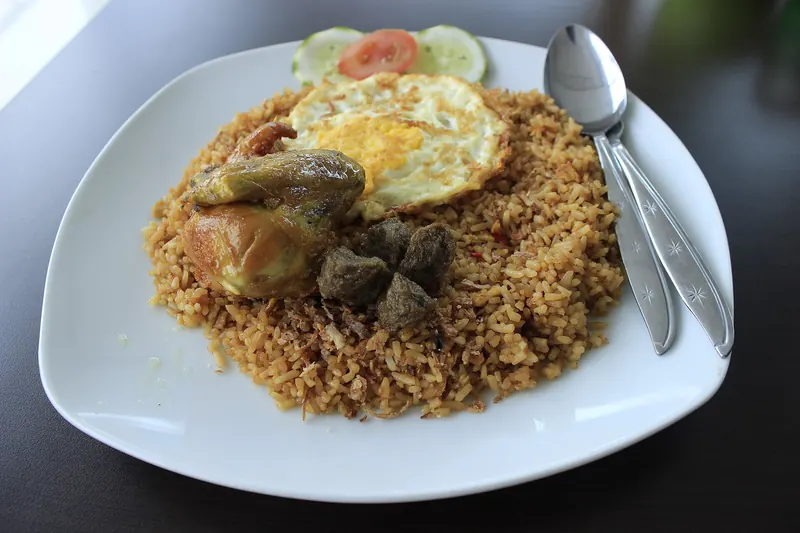
  • A plate of nasi goreng, Indonesian fried rice, topped with a fried egg

    Nasi goreng

    A reliable order anywhere in the city, from street carts to upscale restaurants alike.

    Where to try it Warungs and restaurants throughout Jakarta.

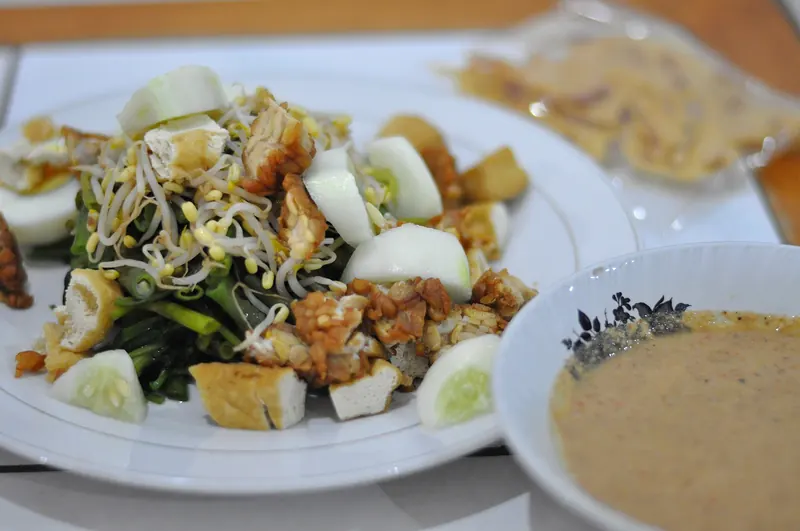
  • A plate of gado-gado, an Indonesian vegetable salad with peanut sauce

    Gado-gado

    A widely available, satisfying option for a lighter meal, found at warungs across the city.

    Where to try it Warungs throughout Jakarta.

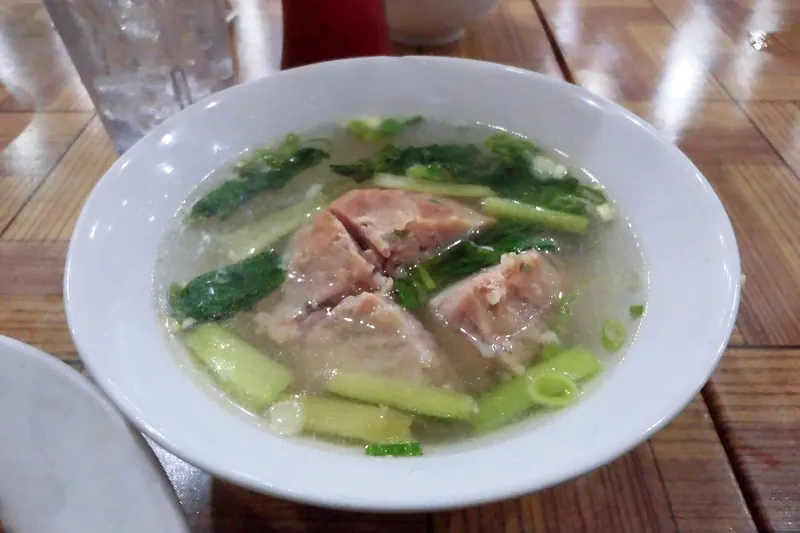
  • A bowl of bakmi, Chinese-Indonesian noodles, with meatballs

    Bakmi (Chinese-Indonesian noodles)

    An essential Glodok specialty, reflecting Jakarta's long-established Chinese-Indonesian community.

    Where to try it Noodle shops throughout Glodok.

  • Es cendol

    A refreshing iced dessert drink of green rice-flour jelly, coconut milk and palm sugar syrup.

    Where to try it Street vendors and dessert stalls throughout the city.

Accommodation

Where to stay in Jakarta

Jakarta offers accommodation at every price point, spread across a sprawling, traffic-heavy city.

  • Central Jakarta (Menteng, Thamrin)

    The city's genuine business and diplomatic core, with a wide hotel selection.

    Best for: Being central and close to Monas and the main sights

  • Kota Tua area

    Fewer hotel options, but puts you right in the historic quarter.

    Best for: Staying close to the old town's history

What a night costs

Guesthouse (Jakarta)
Rp 200,000–450,000 per night
Mid-range hotel
Rp 500,000–1,500,000 per night
Monas entry (including monument climb)
About Rp 20,000
National Museum entry
About Rp 25,000

Transport

Getting to and around Jakarta

Jakarta is Indonesia's main international gateway, with the country's busiest airport.

Getting there

  • International or domestic flight

    Most international routes into Indonesia land at Soekarno-Hatta International.

    The airport sits about an hour from central Jakarta by car, more in heavy traffic.

  • Airport train

    A reliable, traffic-free way into the city centre from the airport.

    Connects directly to Sudirman Baru station in central Jakarta.

  • Train from other Java cities

    A comfortable way to arrive from Bandung, Yogyakarta or Surabaya.

    Executive-class trains connect Jakarta to major Java cities reliably.

Getting around

Jakarta's notorious traffic makes choosing the right transport mode matter more than in most cities.

  • TransJakarta bus or MRT

    The fastest way to avoid the city's infamous gridlock during rush hour.

    The MRT line and TransJakarta's dedicated bus lanes both bypass regular traffic.

  • Ride-hailing apps (Gojek, Grab)

    Convenient for door-to-door trips, though subject to the same traffic as any car.

    Motorbike options (ojek) often move faster than cars in heavy congestion.

  • Taxi

    Widely available, best booked through an app for transparent, metered pricing.

    Avoid unmarked taxis — stick to recognised operators.

When to go

Best time to visit Jakarta

Jakarta's tropical, near-constant warm climate makes season less important here than avoiding the wettest months' flooding risk.

  • Dry season (April–October)

    Best time

    The most reliable weather, with less risk of the flooding that can disrupt the wettest months.

  • Shoulder months (April, October)

    Good

    Comfortable weather with a lower flood risk than deep wet season.

  • Wet season (November–March)

    Good

    Still workable, though heavy rain can occasionally cause localised flooding and traffic disruption.

  • Public holidays

    Good

    Worth avoiding for sightseeing — major sights and roads get noticeably busier.

Worth planning around: Avoid scheduling tight connections around Jakarta's rush hour traffic, which can turn short trips into very long ones.

Itinerary

Two days in Jakarta

Built around the city's monument and colonial old town on day one, food and religious landmarks on day two.

  1. Day1

    Monas and Kota Tua

    The national monument, then the old colonial town.

    • Morning Climb Monas for the city view.
    • Afternoon Wander Kota Tua and the National Museum.
    • Evening Dinner in the old town area.
  2. Day2

    Faith and food

    Istiqlal Mosque, the cathedral, and a Glodok food crawl.

    • Morning Istiqlal Mosque and Jakarta Cathedral.
    • Afternoon Sunda Kelapa harbour.
    • Evening A street food crawl through Glodok.

Travel tips

Jakarta travel tips

Practical notes that make a Jakarta stay noticeably smoother.

  • Plan around Jakarta's traffic — allow far more time than a map suggests, especially at rush hour.
  • Use the MRT or TransJakarta where routes allow, rather than a car in heavy traffic.
  • Dress modestly when visiting Istiqlal Mosque.
  • Carry small rupiah notes for street food stalls and markets.
  • Book airport train tickets or a reliable ride-hailing pickup rather than an unmarked taxi.
  • Check weather and flood advisories before travel in the deep wet season.

FAQ

Jakarta: frequently asked questions

Is Jakarta worth visiting?

Yes, for a couple of days — its history, food and scale offer a real look at modern Indonesian life most Bali-only trips skip entirely.

How many days do you need in Jakarta?

Two to three days covers Monas, Kota Tua and the city's religious landmarks at a comfortable pace.

Is Jakarta's traffic really that bad?

Yes, notoriously so — plan extra time for any road trip, especially during weekday rush hours.

Can you visit Istiqlal Mosque as a non-Muslim visitor?

Yes — the mosque welcomes visitors of all faiths, with modest dress and respectful behaviour expected.

Is Jakarta safe for tourists?

Yes, with the same everyday precautions as any large capital city — petty theft is the main practical concern.

How does Jakarta compare to Bali?

A completely different experience — a working capital city rather than a resort destination, better suited to history and food than beaches.

Read next

Related travel articles

Where to go

Beyond the Big Names: Places Worth the Detour

The most visited place in a country is rarely its best, and it is almost never its best value. This is a method for finding the destinations that do not make the postcards — and a set of examples from five of the 50 countries on this site.

Practical

Packing by Season and Trip Type

Most packing advice is a list of things. This is the opposite: the small number of decisions that determine whether your luggage helps or hinders, organised by the kind of trip you are actually taking.

Advertisement