The stone ghats and temples lining the west bank of the Ganges in Varanasi

Uttar Pradesh, Ganges plain · India

Varanasi

One of the world's oldest living cities: a mile of stone ghats on the Ganges, dawn boat rides, evening fire ceremonies and a maze of lanes leading to temples, silk weavers and tea stalls.

  • Best time October–March
  • Stay 2 days
  • Good for Spiritual culture, photography, boat rides, an intense experience

Photo: Vyacheslav Argenberg · CC BY 4.0

Welcome to Varanasi

Varanasi, also called Benares or Kashi, is on the western bank of the Ganges, and it is one of the oldest continuously inhabited cities in the world. It has been a centre of Hindu learning and pilgrimage for at least 2,500 years, and Hindus believe that to die here and be cremated on the riverbank is to be released from the cycle of rebirth. Pilgrims come from all over India to bathe in the river and to perform rituals for their ancestors.

The heart of the city is the river, lined for about 6 km by more than 80 ghats, stepped embankments where people bathe, pray, exercise, do laundry and cremate the dead. Behind them, narrow lanes twist between temples, shrines, silk shops, sweet stalls and old havelis, so narrow that few vehicles can enter.

Varanasi is intense, and it does not soften itself for visitors. Death and life are in the open, cows and pilgrims share the alleys, and the sights, sounds and smells can be overwhelming. Many travellers find it the most memorable place in India, and others find it too much. Come with an open mind, and respect for the people for whom it is sacred.

  • Historic Site
  • Culture & Arts
  • Off the Beaten Path

Why visit

Why visit Varanasi?

Varanasi is a living place of worship, and one of the most powerful cultural experiences in Asia.

  • The ghats at dawn

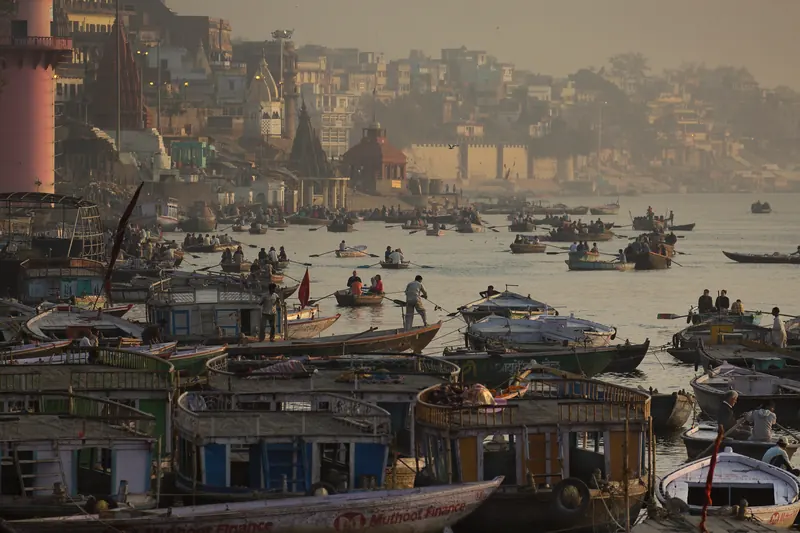
    Boat trips at sunrise, with the light on the river and the ghats filling with pilgrims, are among India's great sights.

  • The Ganga aarti

    An evening fire ceremony with priests, bells, chants and lamps at Dashashwamedh Ghat, drawing thousands.

  • An ancient city of lanes

    Walking the maze of alleys is a journey through a city where old traditions continue.

  • Sarnath

    A short trip to where the Buddha gave his first sermon, with a huge stupa and monastic ruins.

  • Crafts and food

    Banarasi silk brocade, and a distinctive food culture of kachori, lassi and sweets.

Main attractions

Top things to see in Varanasi

The river is the main attraction, and the surrounding lanes, temples and Sarnath fill the days.

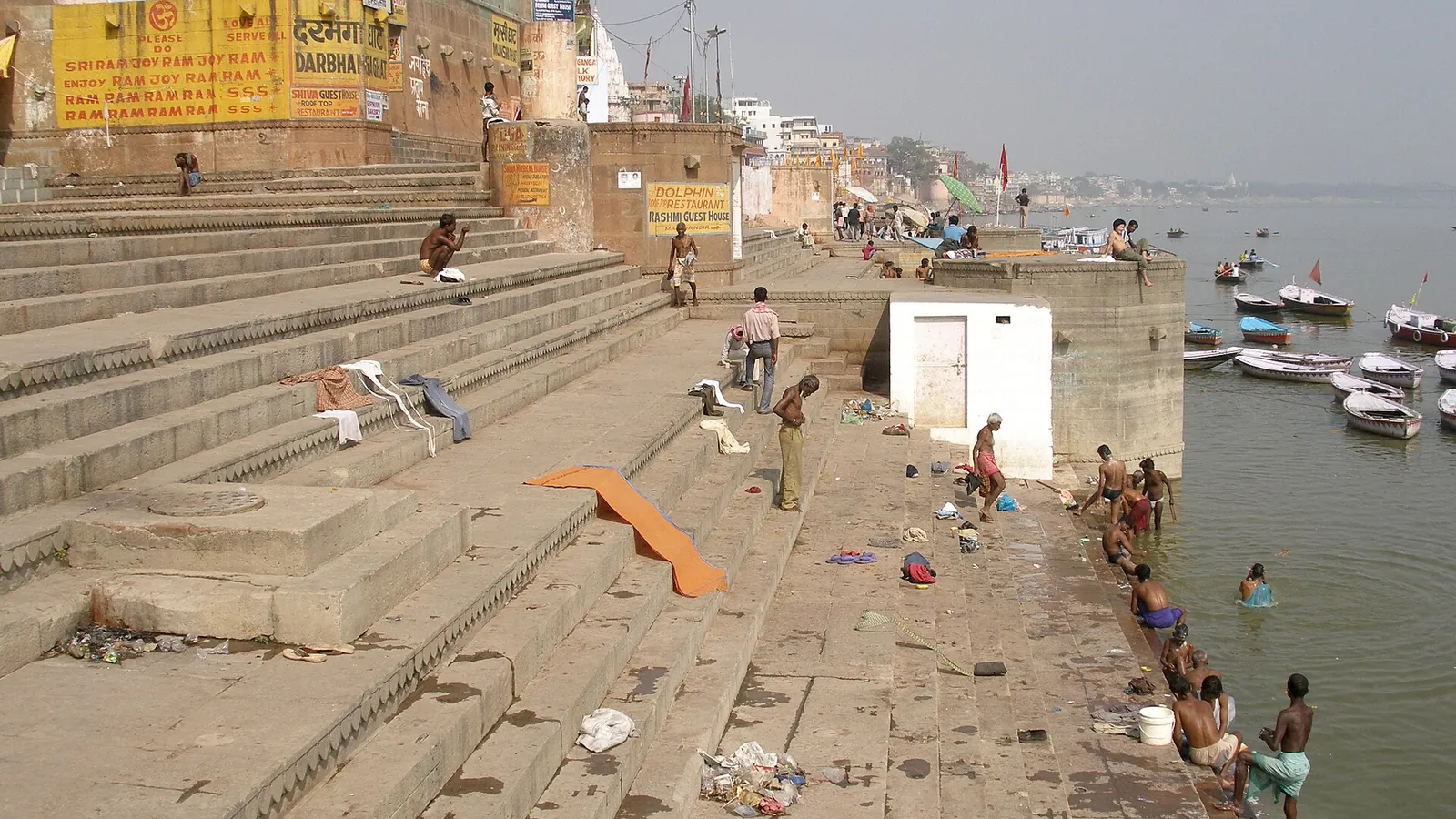
  1. Scindia Ghat on the Ganges in Varanasi early in the morning

    The Ganges ghats

    More than 80 stone stairways to the river, each with its own character and history. Assi Ghat in the south, Dashashwamedh in the centre and Manikarnika, the main cremation ghat, are among the best known.

    Tip Take a rowing boat at sunrise, and walk the ghats in the afternoon.

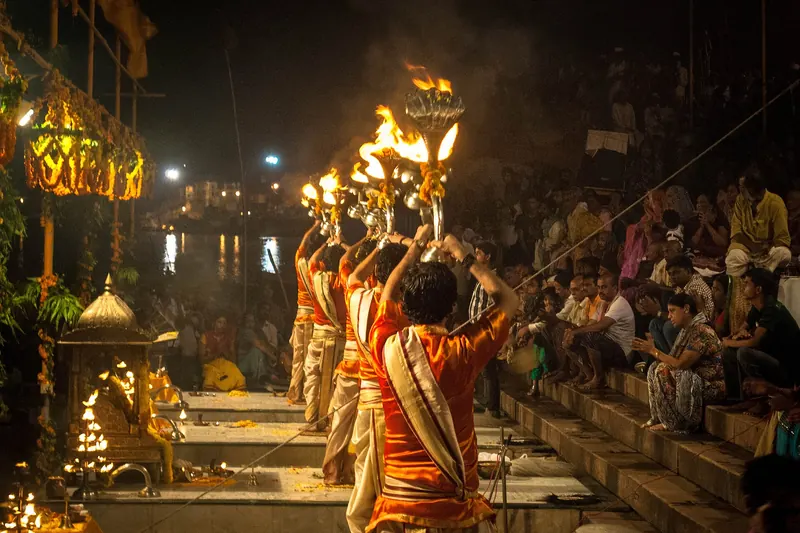
  2. Priests performing the evening Ganga aarti fire ceremony at Dashashwamedh Ghat

    Dashashwamedh Ghat and the Ganga aarti

    The main ghat, where priests perform an elaborate evening ceremony with lamps, incense, drums and chanting, in front of a large crowd, watched from the steps or from boats.

    Tip Arrive early for a good spot, and watch from a boat for the view.

  3. Kashi Vishwanath Temple

    The most sacred Shiva temple in the city, with a gold-covered spire, rebuilt in the 18th century, and a redeveloped corridor that links it to the river. Security is tight, and rules for non-Hindu visitors and photography change.

    Tip Check the current rules and carry ID.

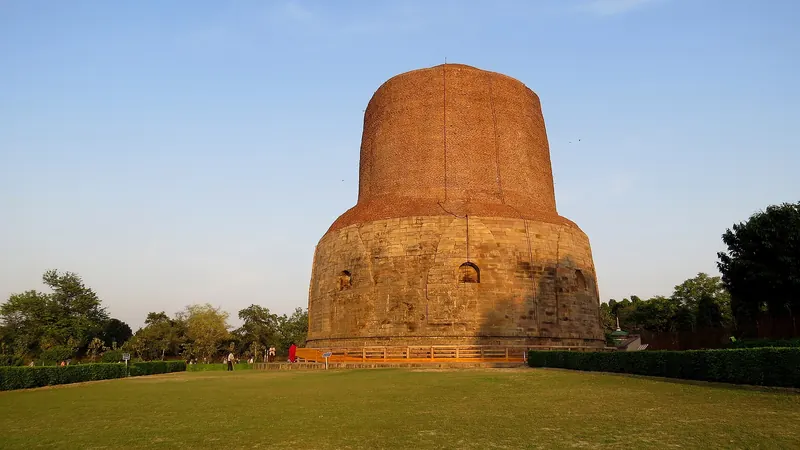
  4. The Dhamek Stupa at Sarnath near Varanasi

    Sarnath

    About 10 km from the city, the deer park where the Buddha preached his first sermon. The Dhamek Stupa, the ruins of monasteries and a museum with the Ashoka lion capital, the origin of India's national emblem, are here.

    Tip Allow half a day, and go in the morning.

  5. The old city lanes

    A labyrinth of narrow lanes between the ghats and the main road, full of shrines, sweet shops, weavers and cows.

    Tip Go with a guide the first time, and keep to the right of mopeds.

  6. Banaras Hindu University

    A large campus founded in 1916, with tree-lined avenues, the Bharat Kala Bhavan museum and the New Vishwanath Temple.

    Tip A quiet break from the ghats.

Things to do

Best things to do in Varanasi

Varanasi is best experienced slowly, and by the river.

  1. Take a sunrise boat ride

    Hire a rowing boat for an hour or two as the sun comes up, seeing the ghats and the ritual bathing from the water.

    Tip Agree the price in advance, and avoid taking photos of cremations.

  2. Watch the Ganga aarti

    See the evening ceremony from the steps or from a boat.

    Tip Watch respectfully, and keep a small bag.

  3. Visit a silk weaver

    Banarasi silk brocades are woven in workshops across the city, and some allow visits.

    Tip Buy directly from a weaver to avoid commissions.

  4. Walk from Assi to Dashashwamedh

    A slow stroll along the riverfront, passing temples, yoga groups and tea stalls.

    Tip Go in the early morning or at sunset.

  5. Try a morning music or yoga class

    Varanasi has a long tradition of classical music, and lessons in sitar, tabla or yoga are available.

    Tip Book through your guesthouse.

  6. Take a day trip to Sarnath

    See the Buddhist ruins and museum.

    Tip Combine with a visit to Ramnagar Fort on the opposite bank.

Local food

What to eat in Varanasi

Varanasi's food is vegetarian and street-based, and most temples and much of the old city do not serve meat.

  • Kachori sabzi

    Crisp fried bread stuffed with spiced lentils and served with a potato curry, a traditional breakfast.

    Where to try it Street stalls in the old city.

  • Banarasi paan

    A betel leaf parcel with sweet or savoury fillings, chewed after meals.

    Where to try it Paan shops across the city.

  • Lassi

    Thick yoghurt drinks in clay cups, sometimes topped with malai and dry fruit.

    Where to try it Blue Lassi and other shops in the old city.

  • Malaiyo

    A frothy, saffron-scented milk foam, a winter delicacy served from carts.

    Where to try it Old city lanes in winter.

  • Chaat and tamatar chaat

    Spicy tomato and potato snacks, for which the city is known.

    Where to try it Kashi Chaat Bhandar and street stalls.

  • Sweets

    Rabri, peda and other milk-based sweets.

    Where to try it Sweet shops near Godowlia.

Accommodation

Where to stay in Varanasi

Staying on or near the ghats puts you in the heart of the action.

  • Along the ghats

    Guesthouses and heritage hotels above the river, often up narrow lanes.

    Best for: River views and atmosphere

  • Assi Ghat area

    A calmer, more traveller-oriented area with restaurants and yoga classes.

    Best for: Cafés and a relaxed feel

  • Cantonment

    Larger hotels away from the river.

    Best for: Comfort and easy access to the station

What a night costs

Budget guesthouse
US$12–35 per night
Mid-range hotel
US$45–110 per night
Heritage or luxury hotel
US$150–350 per night
Meal at a local restaurant
US$3–10 per person

Transport

Getting to and around Varanasi

Varanasi is on the Ganges plain in eastern Uttar Pradesh, well connected by train and air.

Getting there

  • Flight to Varanasi (VNS)

    Direct flights from Delhi, Mumbai, Kolkata and other cities.

    The airport is about 45 minutes from the old city.

  • Train

    Overnight trains from Delhi take about 9 to 12 hours, and faster Vande Bharat services are quicker.

    Book early. Varanasi Junction and Banaras stations serve the city.

  • From Khajuraho or Bodh Gaya

    Long road or rail journeys, best planned as part of an eastern circuit.

    Check schedules.

Getting around

The old city is on foot, with rickshaws and boats on the edges.

  • Walking

    The only way to reach most ghats and alleys.

    Wear good shoes, and mind cows and mopeds.

  • Cycle and auto-rickshaws

    Useful for the larger distances, and to reach the old city.

    Agree the price.

  • Boats

    Rowing boats link the ghats and give the best views.

    Agree the price and time before you board.

When to go

Best time to visit Varanasi

Varanasi has a hot, humid climate with a strong monsoon. Winters are cool and often foggy.

  • Winter (November–February)

    Best time

    Cool and pleasant, though morning fog can delay flights and trains.

  • Spring (March–April)

    Good

    Warm, with Holi and Mahashivratri celebrations.

  • Summer (May–June)

    Think twice

    Extremely hot, often above 42°C.

  • Monsoon (July–September)

    Quiet

    The river rises, covering many ghats, and boat trips are limited.

Worth planning around: May and June for the heat, and monsoon flooding. Diwali and Dev Deepawali (in November) bring huge crowds and are spectacular.

Itinerary

Two days in Varanasi

The ghats and the old city, then Sarnath.

  1. Day1

    The river

    Ghats and the aarti.

    • Morning A sunrise boat ride.
    • Afternoon The old city lanes and silk weavers.
    • Evening The Ganga aarti at Dashashwamedh Ghat.
  2. Day2

    Sarnath and the university

    Buddhist heritage.

    • Morning Sarnath and its museum.
    • Afternoon Banaras Hindu University.
    • Evening A last walk along the ghats.

Travel tips

Varanasi travel tips

Varanasi rewards care and respect.

  • Take a sunrise boat ride, and agree the price and the length beforehand.
  • Do not photograph cremations, and keep a respectful distance at the burning ghats. Ignore anyone who offers to take you there for a donation.
  • Wear modest clothes, and remove shoes at temples.
  • Be wary of touts and unofficial guides who offer scams, such as a false 'donation' for wood.
  • Use bottled water. The Ganges is sacred, but it is heavily polluted, and you should not bathe in it or drink it.
  • Take a small torch for the dark lanes at night.
  • Book well ahead for festivals such as Dev Deepawali.

FAQ

Varanasi: frequently asked questions

Is Varanasi worth visiting?

Yes, for those who can handle its intensity. It is one of the most moving and unforgettable places in India.

Can tourists watch the cremations?

It is possible to see the burning ghats from a distance, but photography is not allowed, and many families find it intrusive. Be discreet, and do not follow touts.

Is it safe to swim in the Ganges?

Not for visitors. The river is heavily polluted, and it is safest to watch from the shore or a boat.

How many days do you need in Varanasi?

Two days is enough for the main experiences, including the sunrise boat, the aarti and Sarnath.

What is the best time to visit?

October to March. Dev Deepawali in November is spectacular but crowded.

Is Varanasi safe for solo women?

Many do go, but the lanes can be crowded and intense. Dress modestly, avoid dark alleys at night and choose reputable guesthouses.

Read next

Related travel articles

Heritage

UNESCO Sites Worth Planning a Trip Around

A UNESCO listing tells you a place matters; it does not tell you whether it is worth two days and a detour. This is how to read the list usefully — and which sites reward building a trip around them.

Where to go

Beyond the Big Names: Places Worth the Detour

The most visited place in a country is rarely its best, and it is almost never its best value. This is a method for finding the destinations that do not make the postcards — and a set of examples from five of the 50 countries on this site.

Advertisement