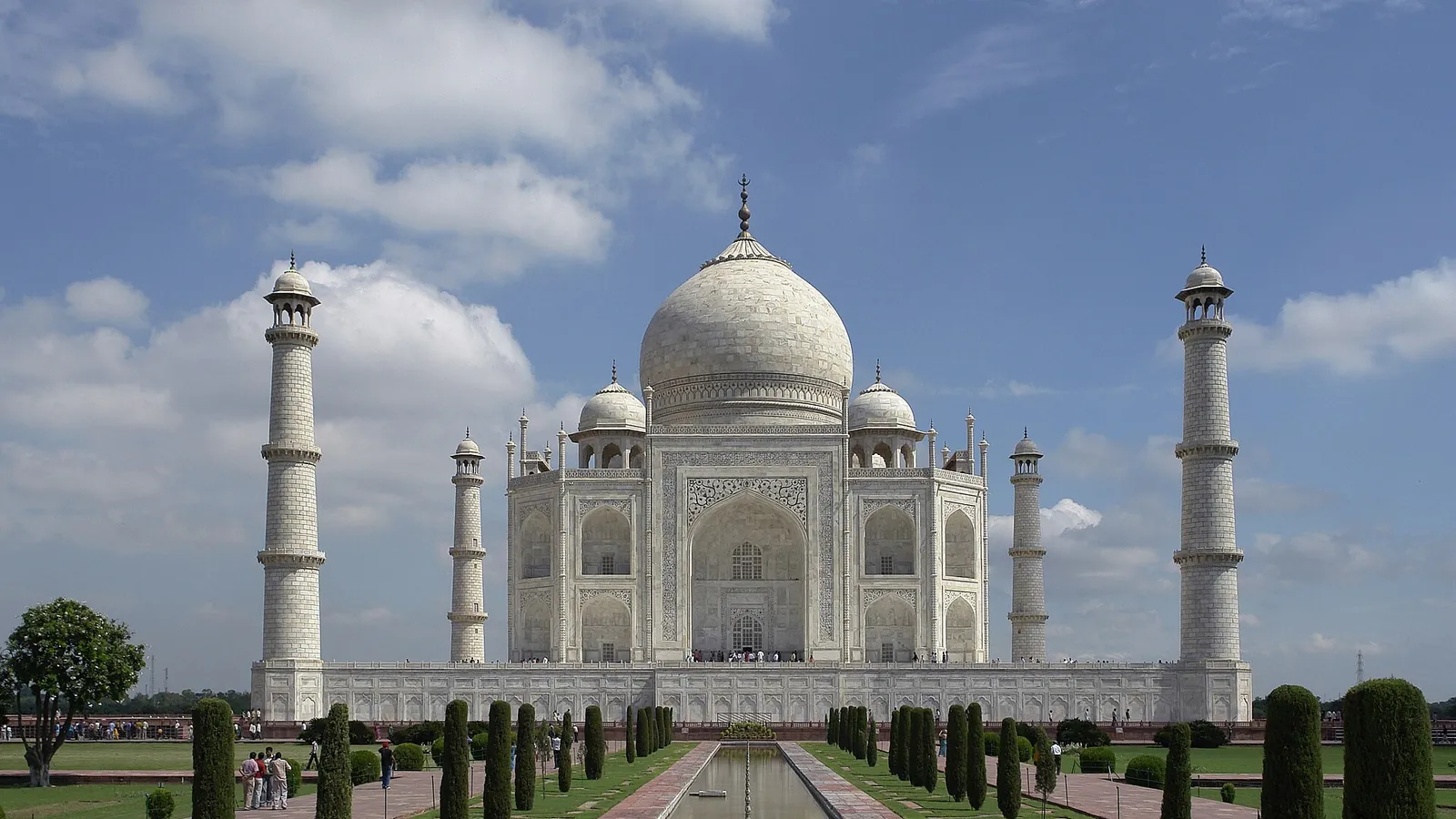
The Taj Mahal in Agra with its white marble dome and minarets reflected in the pool

Uttar Pradesh, northern India · India

Agra

The Mughal capital where the Taj Mahal rises above the Yamuna river, with a great red fort, a garden tomb and a ghost city all within a day's reach.

  • Best time October–March
  • Stay 1–2 days
  • Good for Mughal history, architecture, photography, a first visit to India

Photo: Yann; edited by King of Hearts · CC BY-SA 4.0

Welcome to Agra

Agra was the capital of the Mughal Empire under Akbar, Jahangir and, for a time, Shah Jahan, and it sits on the banks of the Yamuna river about 200 km south of Delhi. The empire's greatest monuments were built here in the 16th and 17th centuries, when its emperors ruled much of the subcontinent from red sandstone forts and gardens laid out beside the river.

The Taj Mahal is the reason most people come. Shah Jahan commissioned it after the death of his wife Mumtaz Mahal in 1631, and it was built over about two decades, with the main tomb completed around 1643 and the surrounding complex by the early 1650s. Its symmetry, its white marble and its inlaid stone decoration make it one of the most recognised buildings in the world, and it holds up to the familiarity.

Agra is also a busy, chaotic and sometimes exhausting city, with more hassle than most. Many visitors treat it as a one-night stop, but there is more to see than the Taj: the huge Agra Fort, the delicate tomb of Itimad-ud-Daulah, the gardens across the river at Mehtab Bagh and the abandoned Mughal city of Fatehpur Sikri, an hour to the west.

  • UNESCO Site
  • Historic Site
  • Culture & Arts
  • Major City

Why visit

Why visit Agra?

Agra holds India's most famous monument and two other UNESCO sites, all within easy reach of Delhi.

  • The Taj Mahal

    An icon that surpasses its reputation, and one of the great buildings of the world.

  • Agra Fort

    A vast red sandstone fortress-palace, where Shah Jahan was later held prisoner within sight of the Taj.

  • Fatehpur Sikri

    Akbar's short-lived capital, preserved almost intact, is an hour away by road.

  • Mughal craftsmanship

    Marble inlay work, known as pietra dura, is still practised in workshops in Agra.

  • Easy from Delhi

    Fast trains and a good expressway make it straightforward to reach.

Main attractions

Top things to see in Agra

The Taj is the highlight, but plan time for the fort and the quieter monuments too.

  1. The Taj Mahal reflected in still water at the edge of the Yamuna river

    The Taj Mahal

    A white marble mausoleum set on a raised platform with four minarets and a large garden of channels and pools. The details of inlaid stone and calligraphy reward close viewing, and the changing light is a large part of the experience.

    Tip Go at opening time, buy tickets online and remember it is closed on Fridays.

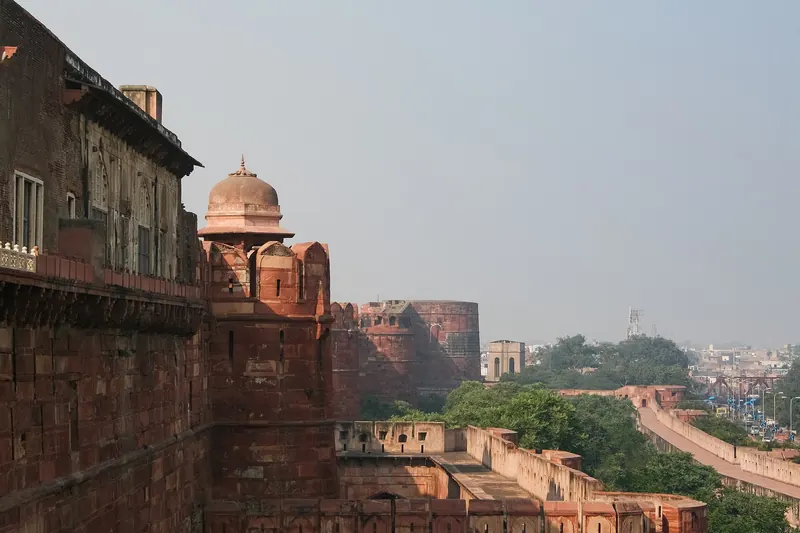
  2. The massive red sandstone walls of Agra Fort

    Agra Fort

    A walled fortress of red sandstone and marble, begun by Akbar in the 1560s and extended by his successors, with audience halls, mosques and palaces. Shah Jahan spent his last years here, looking across the river to the Taj.

    Tip Allow two hours, and go in the late afternoon for softer light.

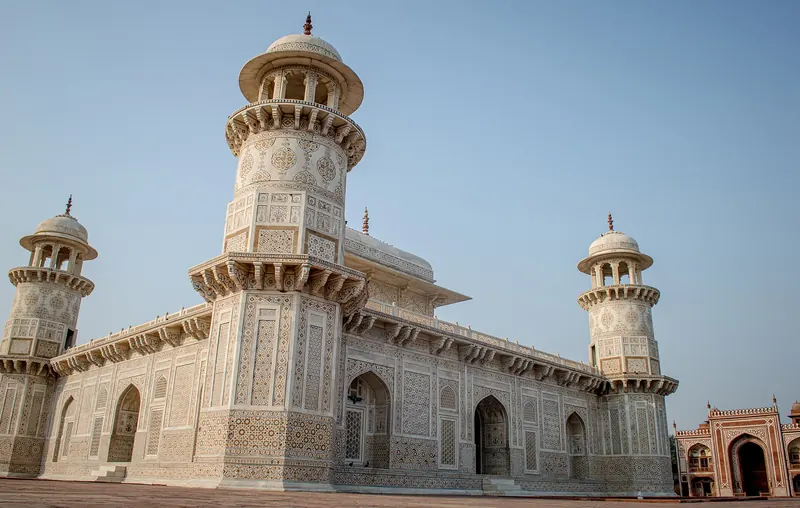
  3. The delicately inlaid marble tomb of Itimad-ud-Daulah in Agra

    Itimad-ud-Daulah's Tomb

    A small marble tomb from the 1620s, sometimes called the Baby Taj, covered in delicate inlay work. It is a forerunner of the Taj Mahal and far quieter.

    Tip Combine with Mehtab Bagh on the same side of the river.

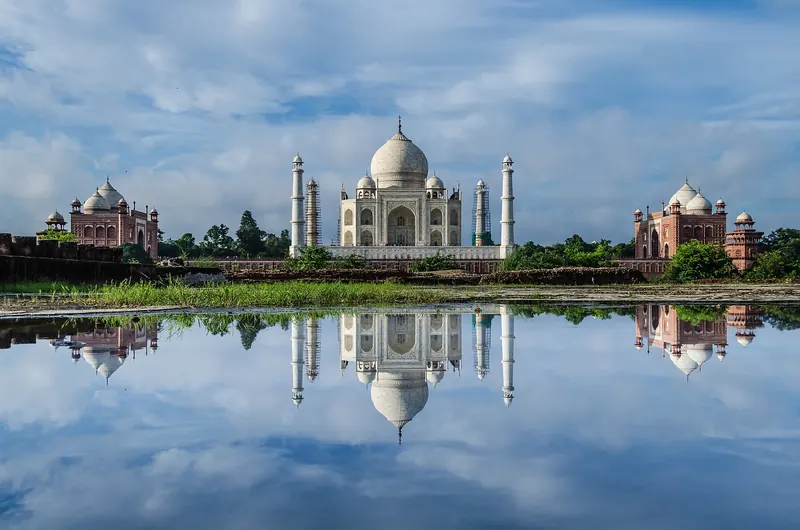
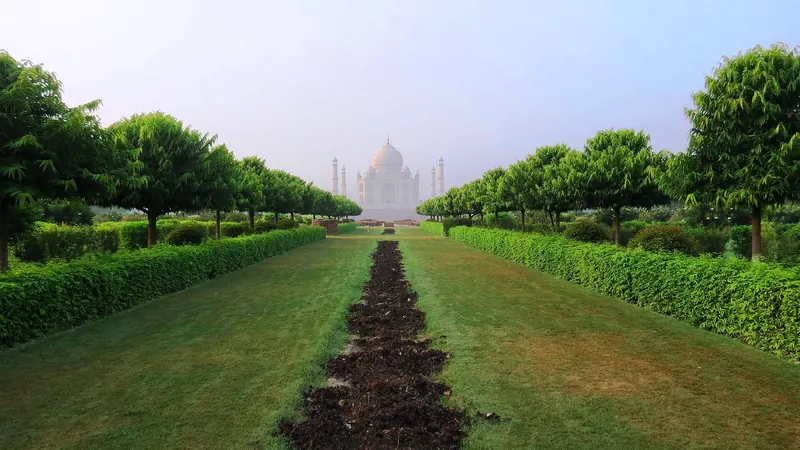
  4. The Taj Mahal seen from the Mehtab Bagh gardens across the river

    Mehtab Bagh

    A garden on the opposite bank of the Yamuna, aligned with the Taj Mahal, which gives a view of the monument at sunset without the crowds.

    Tip Go about an hour before sunset.

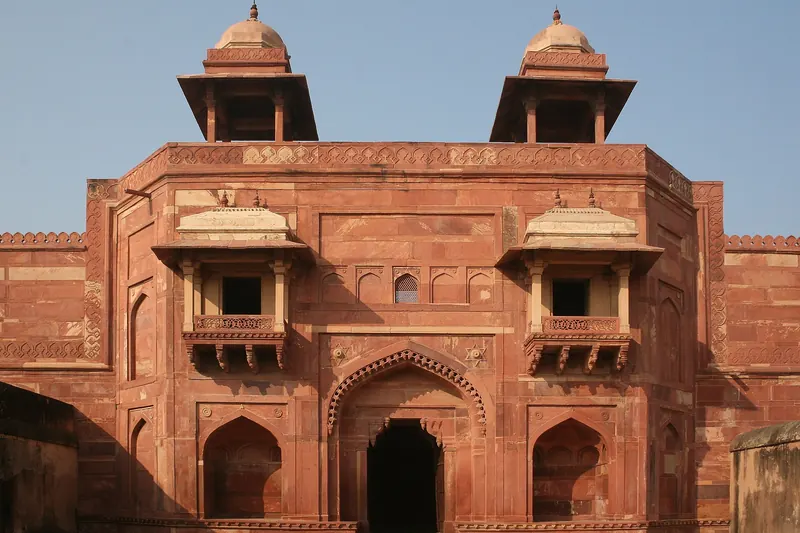
  5. Red sandstone buildings of the abandoned Mughal city of Fatehpur Sikri

    Fatehpur Sikri

    Akbar's capital, built from 1571 and abandoned about 14 years later, probably because of water shortages. The palaces, courtyards and the great mosque survive in red sandstone, giving a vivid picture of a Mughal court.

    Tip Hire an official guide at the gate, and go in the morning.

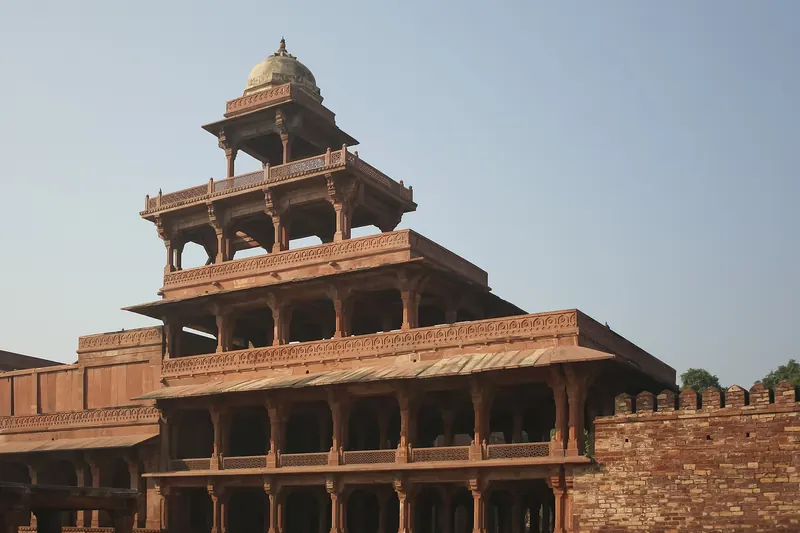
  6. The five-storey Panch Mahal pavilion at Fatehpur Sikri

    The Panch Mahal

    A five-storey pavilion at Fatehpur Sikri, with open columned floors, from which court ladies could enjoy the breeze.

    Tip Best seen with a guide who explains the layout.

Things to do

Best things to do in Agra

Beyond the monuments, Agra is a place to eat, shop for marble and watch the river.

  1. See the Taj Mahal at sunrise

    Arrive at the gate before opening, and see the marble change colour as the light rises.

    Tip Bring only a small bag, as security rules are strict.

  2. Watch the sunset from Mehtab Bagh

    See the Taj glow against the evening sky, with the river in the foreground.

    Tip Combine with Itimad-ud-Daulah.

  3. Visit a marble inlay workshop

    Craftsmen descended from the Taj's builders still work with tiny cut stones in marble, and you can watch them work.

    Tip Ask your guide to choose a reputable one, and be prepared to say no politely.

  4. Explore Fatehpur Sikri

    See the emperor's palaces, the Jama Masjid and the Buland Darwaza gate in a day trip on the way to Jaipur.

    Tip Avoid the midday heat.

  5. Try Agra's street food

    Petha, a translucent sweet made of ash gourd, and bedai with spicy potato curry are local specialities.

    Tip Buy petha at a well-known shop near the old city.

  6. Walk the old bazaars

    The Kinari Bazaar and Sadar Bazaar are packed with jewellery, leather and textiles.

    Tip Bargain firmly, and keep valuables close.

Local food

What to eat in Agra

Agra's cooking is Mughlai, with rich sauces, kebabs and sweets, and a few local specialities.

  • Petha

    A soft, translucent sweet of ash gourd, in plain, flavoured and dry versions, and Agra's signature.

    Where to try it Sweet shops across the city.

  • Bedai and jalebi

    A deep-fried bread served with spicy potato curry, followed by hot syrupy jalebi, a local breakfast.

    Where to try it Street stalls in the mornings.

  • Mughlai curries and kebabs

    Rich meat curries, korma and slow-cooked dishes, with naan and rumali roti.

    Where to try it Restaurants near the Taj and in Sadar Bazaar.

  • Chaat

    Crisp, tangy snacks of fried dough, potato, yoghurt and chutney.

    Where to try it Street stalls in the old city.

  • Lassi and chai

    Thick yoghurt drinks and sweet tea, best in the afternoon.

    Where to try it Stalls near the bazaars.

Accommodation

Where to stay in Agra

Most visitors stay in the Taj Ganj area, close to the Taj Mahal, or in the more spacious Fatehabad Road.

  • Taj Ganj

    Budget guesthouses and rooftop cafés within walking distance of the east gate, where you can see the Taj from your terrace.

    Best for: Walking to the Taj

  • Fatehabad Road

    Mid-range and luxury hotels with pools, 10 to 15 minutes from the Taj.

    Best for: Comfort and facilities

  • Cantonment

    Older hotels near the railway station.

    Best for: Quiet and space

What a night costs

Budget guesthouse
US$15–40 per night
Mid-range hotel
US$50–110 per night
Luxury hotel
US$180–500 per night
Meal at a local restaurant
US$4–12 per person

Transport

Getting to and around Agra

Agra is about 200 km south of Delhi, and the trains and expressway make it an easy trip.

Getting there

  • Fast train from Delhi

    The Gatimaan Express and Vande Bharat services take about two hours from Delhi. Other trains take three to four hours.

    Book on IRCTC ahead of time, and choose a fast air-conditioned service.

  • Private car

    About 3 to 4 hours from Delhi on the Yamuna Expressway.

    A convenient option for combining Agra with Jaipur.

  • Onward to Jaipur

    About 4 to 5 hours by road, with a stop at Fatehpur Sikri.

    Book a driver for the day.

Getting around

The Taj Mahal area has restrictions on motor vehicles, and other sights are spread out.

  • Electric rickshaw and tuk-tuk

    Cheap and practical for the sights, and used to approach the Taj.

    Agree the fare in advance.

  • Taxi or ride-hailing

    App cabs work in Agra, and taxis can be hired by the day.

    A day rental is efficient for the fort and Fatehpur Sikri.

  • Walking

    Taj Ganj is walkable, and the streets are lively.

    Watch for traffic and animals.

When to go

Best time to visit Agra

Agra has a hot semi-arid climate, with a very hot summer, monsoon in July to September and cold, foggy winters.

  • Winter (November–February)

    Best time

    Cool and pleasant by day, chilly at night. Morning fog can hide the Taj at sunrise.

  • Spring (March–April)

    Good

    Warm to hot, and increasingly uncomfortable by April.

  • Summer (May–June)

    Think twice

    Extremely hot, often above 42°C.

  • Monsoon (July–September)

    Quiet

    Humid with heavy showers, and fewer visitors. The Taj looks lovely when washed by rain.

Worth planning around: May and June. Winter fog can delay trains and hide the Taj at dawn.

Itinerary

Two days in Agra

The major sights over a night, with a sunrise at the Taj on the second day.

  1. Day1

    The fort and the river

    Fort and sunset.

    • Morning Arrive by train and check in.
    • Afternoon Agra Fort and Itimad-ud-Daulah.
    • Evening Sunset at Mehtab Bagh.
  2. Day2

    The Taj and Fatehpur Sikri

    The monument and a ghost city.

    • Morning The Taj Mahal at opening time.
    • Afternoon Fatehpur Sikri on the way to Jaipur.
    • Evening Arrive in Jaipur.

Travel tips

Agra travel tips

Agra has more touts than most places, and a few habits help.

  • Buy Taj tickets online, and note that it is closed on Fridays.
  • Arrive at the gate before opening. Queues build by 8am.
  • Bring only essentials to the Taj. Food, tripods and large bags are not allowed.
  • Ignore unofficial guides who approach you outside stations and hotels. Book through your hotel or the tourist office.
  • Do not be pressured into shopping stops by drivers or guides. It is fine to decline.
  • Wear comfortable shoes, as you may need to remove them or use shoe covers near the tomb.
  • Avoid the extreme heat by starting early.

FAQ

Agra: frequently asked questions

How many days do you need in Agra?

One night is the minimum, so that you can see the Taj at sunrise. Two days lets you add Agra Fort and Fatehpur Sikri at a slower pace.

Is the Taj Mahal worth it?

Yes. It is crowded and touristy, but its beauty is genuine, and it repays an early visit.

When is the Taj Mahal closed?

On Fridays for general visitors. Check current opening times and ticket rules before your visit.

Can I visit Agra as a day trip from Delhi?

Yes, by fast train or car, though it is a long day. An overnight stay is more relaxed.

Is Agra safe?

Generally yes, but touts, scams and overcharging are common. Use official guides and prepaid taxis.

What is the best time to visit the Taj?

Sunrise, in the winter months. Sunset from Mehtab Bagh is a good alternative.

Read next

Related travel articles

Heritage

UNESCO Sites Worth Planning a Trip Around

A UNESCO listing tells you a place matters; it does not tell you whether it is worth two days and a detour. This is how to read the list usefully — and which sites reward building a trip around them.

Food

A Country-by-Country Food Primer

Eating well abroad is mostly a matter of knowing when meals happen, how the menu is structured and which dish belongs to the place you are standing in. This covers all three for the five countries in this guide, plus the signals that separate a restaurant that feeds locals from one that feeds coaches.

Advertisement