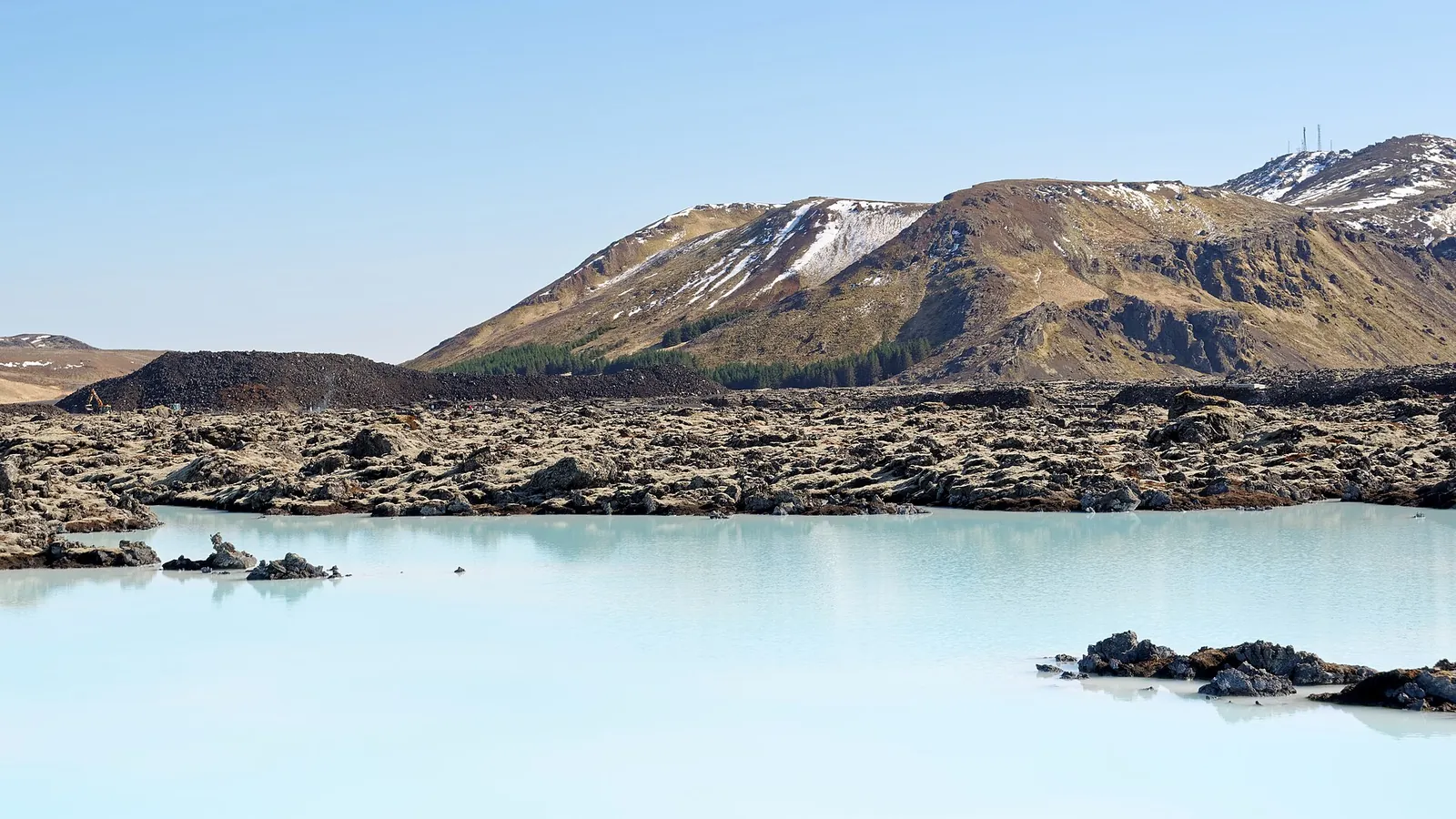
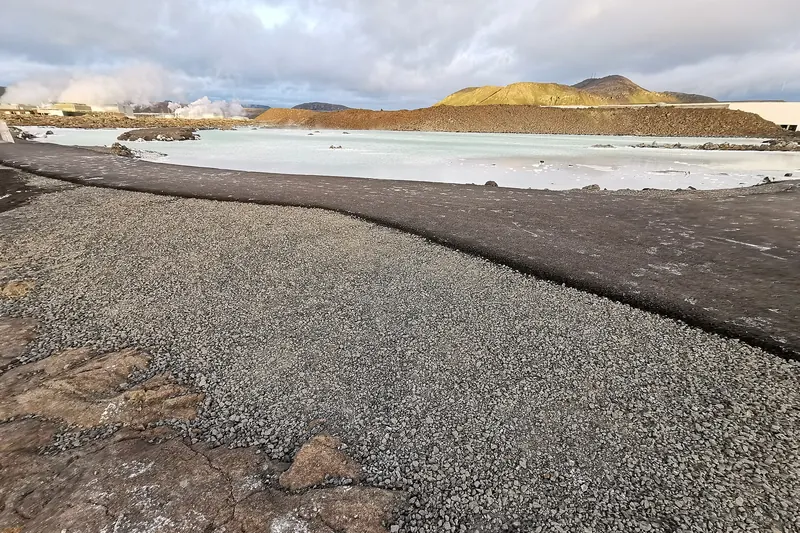
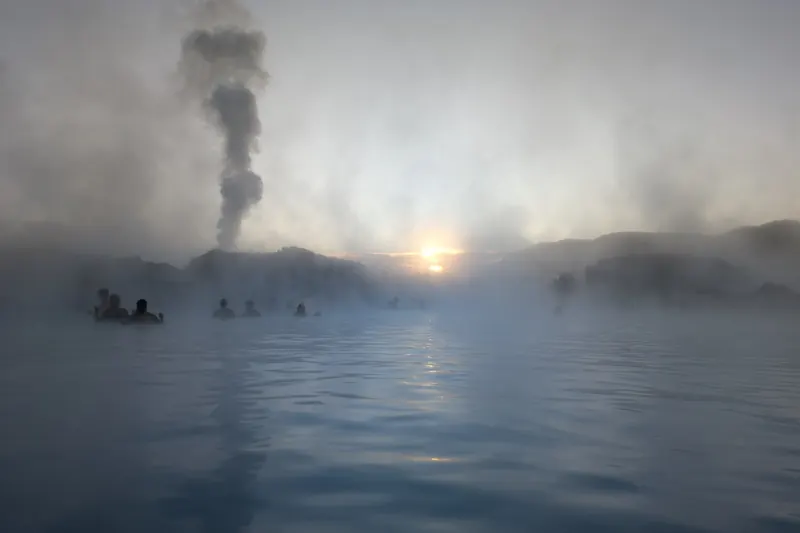
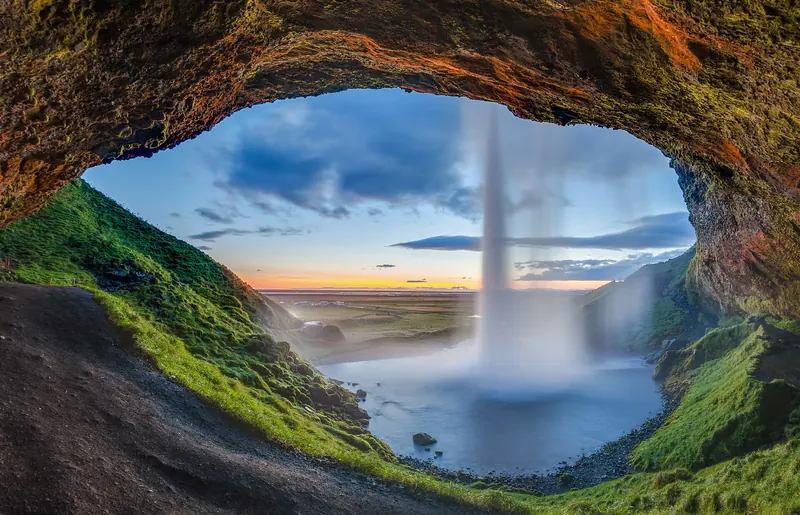
The Blue Lagoon's milky-blue geothermal water with Mount Þorbjörn behind it

Reykjanes Peninsula, Southwest Iceland · Iceland

Blue Lagoon & the Reykjanes Peninsula

Iceland's most famous geothermal spa, surrounded by a raw volcanic peninsula that has been actively rearranging itself since 2021.

  • Best time Any season — though check for volcanic activity advisories first
  • Stay Half a day to 1 day
  • Good for Arrival or departure day, geothermal spas, geology

Photo: Jakub Hałun · CC BY-SA 4.0

Welcome to Blue Lagoon & the Reykjanes Peninsula

The Reykjanes Peninsula is where most visitors' trip to Iceland actually begins and ends, since Keflavík International Airport sits right on it — and it happens to also hold the country's single most famous attraction, the Blue Lagoon, a milky-blue geothermal spa fed by a nearby power plant.

Beyond the lagoon, Reykjanes is one of the most volcanically active places in Iceland: a series of eruptions near Fagradalsfjall and Sundhnúkagígar since 2021 has put this peninsula on the news repeatedly, and its stark lava fields, steaming vents and bubbling mudpots make that activity easy to see firsthand.

It's a compact place — small enough to fold into a single half-day between a flight and a hotel check-in, but rewarding enough that some travellers give it a full day of its own, mixing the spa with the raw geothermal and volcanic landscape around it.

  • Geothermal
  • Day Trip
  • Nature & Wildlife
  • Relaxation

Why visit

Why visit Blue Lagoon & the Reykjanes Peninsula?

The Reykjanes Peninsula's case rests on convenience and raw geology in roughly equal measure.

  • The Blue Lagoon is one of the most photographed spas on Earth

    A milky-blue geothermal lagoon with an in-water bar, silica mud masks and views out over black lava fields.

  • It's the easiest big Icelandic sight to combine with a flight

    Minutes from Keflavík airport, making it a natural first or last stop for almost every visitor.

  • The peninsula is one of Iceland's most volcanically active zones right now

    Repeated eruptions since 2021 have reshaped parts of the landscape within living memory.

  • It's rich in geothermal features beyond the lagoon

    Gunnuhver's steaming mudpots and the Krýsuvík-Seltún field are both dramatic, uncrowded alternatives.

  • The Bridge Between Two Continents is a rare novelty

    One of very few places on Earth where you can walk directly over the boundary between two tectonic plates.

Main attractions

Top things to see in Blue Lagoon & the Reykjanes Peninsula

Reykjanes packs a striking range of geothermal and volcanic sights into a small, easily looped area.

  1. Bathers in the milky-blue water of the Blue Lagoon geothermal spa

    The Blue Lagoon

    Iceland's most famous single attraction, a warm, silica-rich lagoon fed by the adjacent Svartsengi geothermal plant, ringed by black lava rock.

    Tip Book your entry slot well ahead — it sells out, especially around flight times.

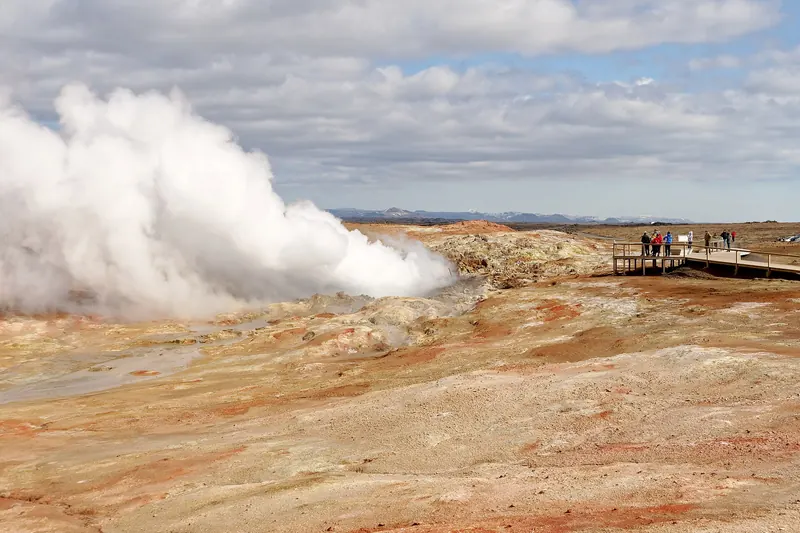
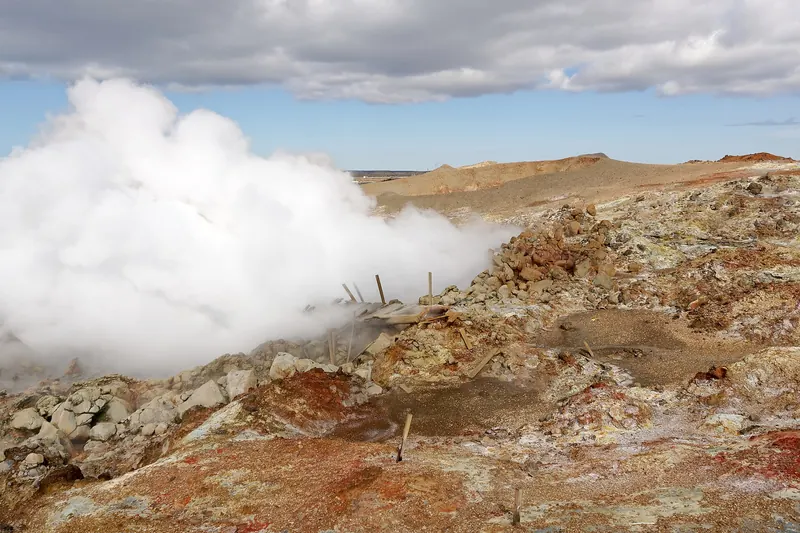
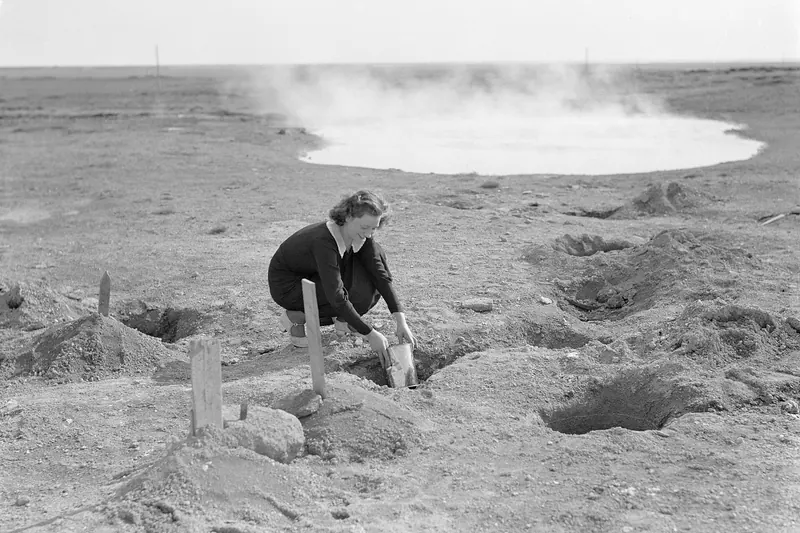
  2. Steaming mudpots and vents at the Gunnuhver geothermal area

    Gunnuhver Hot Springs

    Iceland's largest mudpot, named for a vengeful ghost local legend says was lured into it, surrounded by hissing steam vents on a boardwalk trail.

    Tip Stay on the boardwalk — the ground nearby is unstable and dangerously hot.

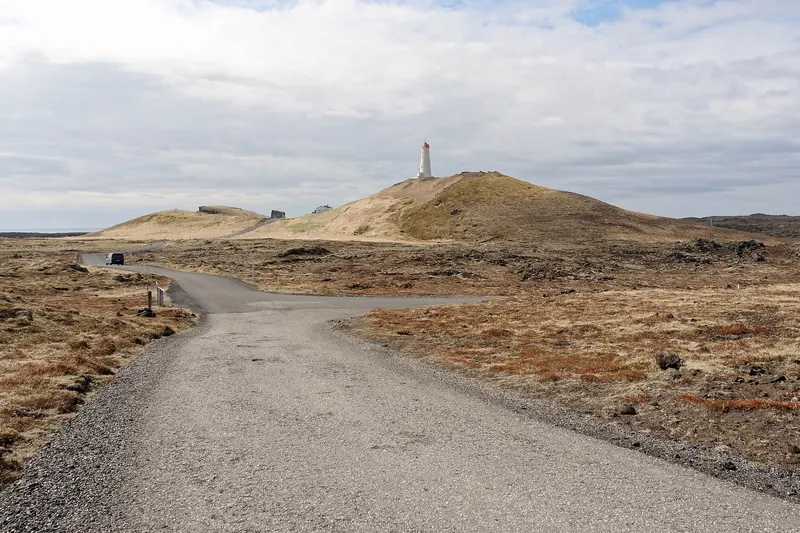
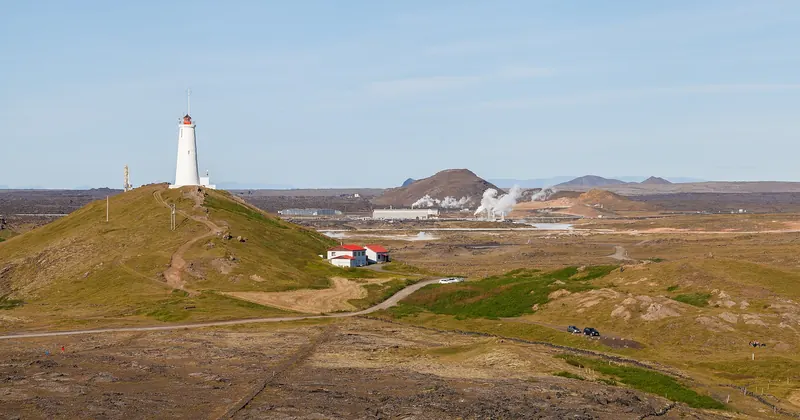
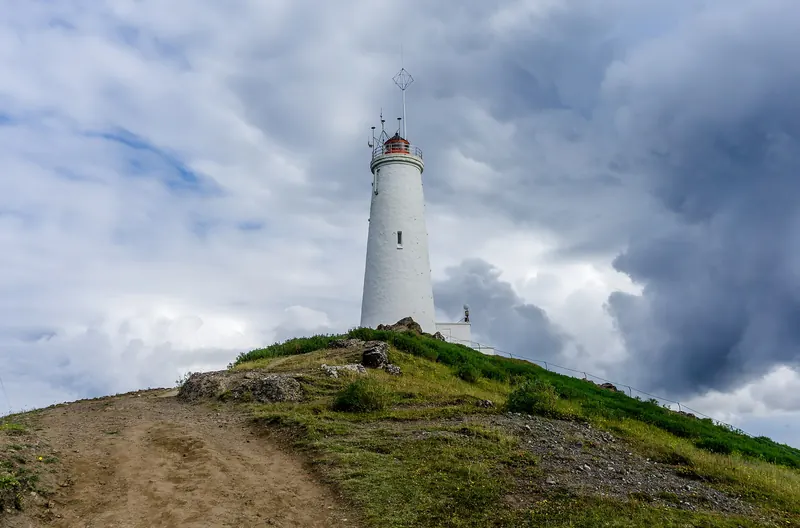
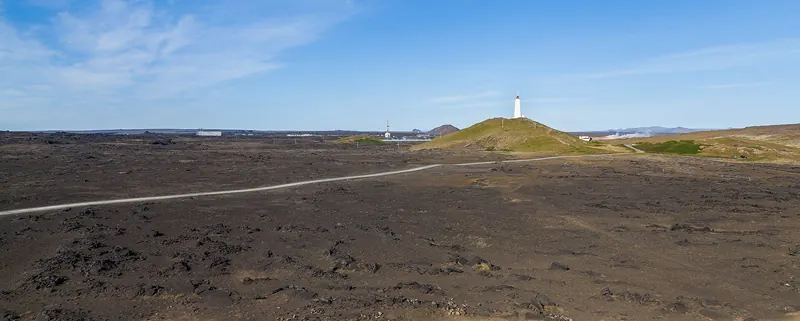
  3. Reykjanesviti, Iceland's oldest lighthouse, on a coastal hill

    Reykjanesviti Lighthouse

    Iceland's oldest lighthouse, standing on a hill above dramatic sea cliffs at the peninsula's windswept southwestern tip.

    Tip The surrounding cliffs are worth a short walk beyond the lighthouse itself for the coastal views.

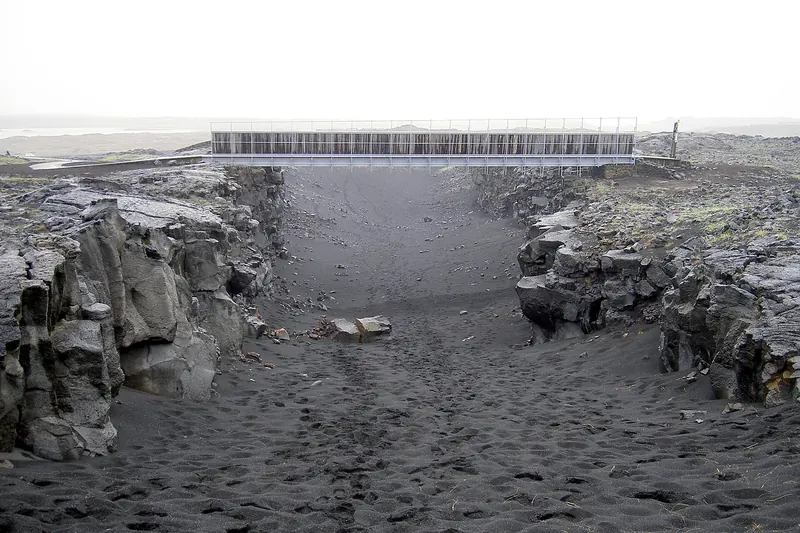
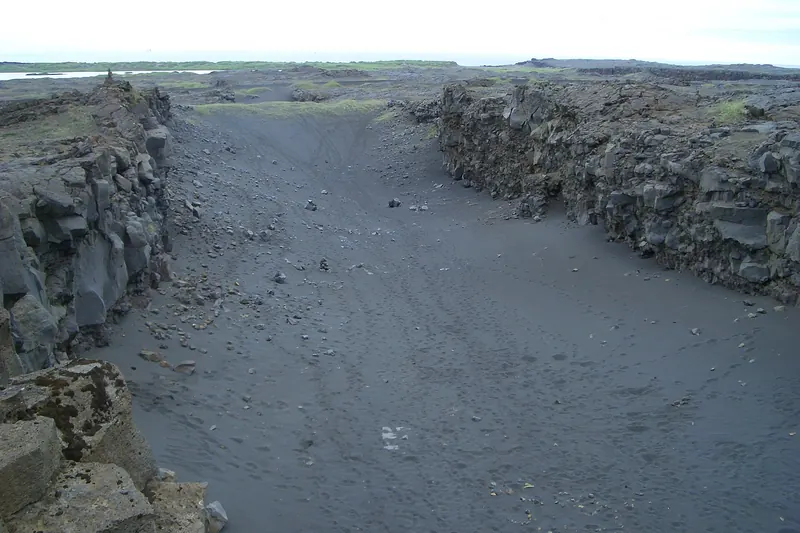
  4. A small footbridge over a rift symbolising the border of two tectonic plates

    Bridge Between Two Continents

    A symbolic footbridge over a narrow rift, marketed as spanning the North American and Eurasian tectonic plates.

    Tip It's a quick five-minute stop — worth it for the novelty rather than the scenery alone.

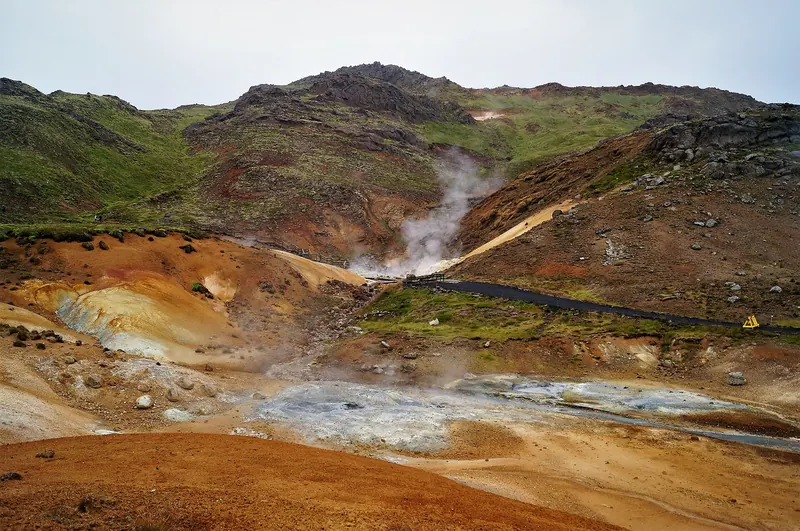
  5. Colourful mineral-stained ground and steam vents at the Seltún geothermal field

    Krýsuvík-Seltún Geothermal Area

    A vivid geothermal field of boiling mudpots and mineral-stained yellow and orange ground, far quieter than the Blue Lagoon.

    Tip The boardwalk loop takes only 20-30 minutes and needs no special gear.

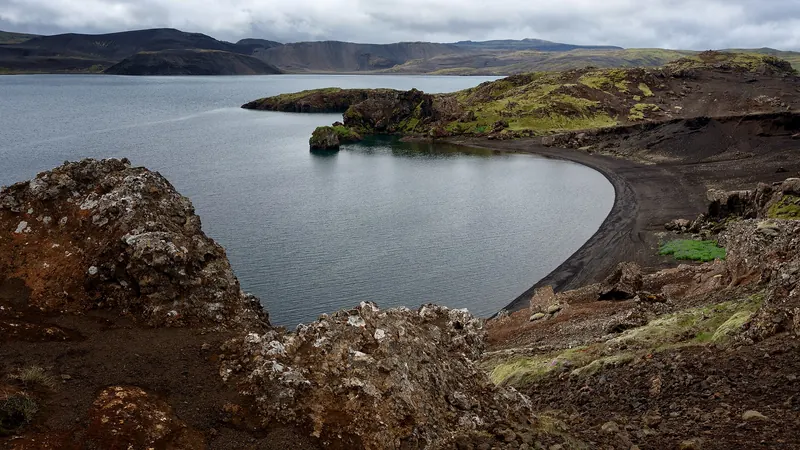
  6. Lake Kleifarvatn surrounded by dark volcanic hills

    Lake Kleifarvatn

    Iceland's largest lake on the peninsula, a stark, often mirror-calm body of water ringed by dark volcanic hills, with no streams feeding or draining it visibly.

    Tip The roadside pull-offs along its shore are good, quiet spots for photos.

  7. Dramatic sea cliffs and black sand at Valahnúkur near Reykjanesviti

    Valahnúkur Sea Cliffs

    Dramatic basalt sea cliffs near the lighthouse, facing directly into the North Atlantic with crashing surf below.

    Tip Keep well back from the cliff edge — the wind here can be strong and unpredictable.

Things to do

Best things to do in Blue Lagoon & the Reykjanes Peninsula

Reykjanes rewards a mix of relaxing and exploring, since the spa and the raw landscape around it are such different experiences.

  1. Sunrise light over the Blue Lagoon's geothermal water

    Soak in the Blue Lagoon

    The signature Reykjanes experience — warm, mineral-rich water, a swim-up bar and a silica mask, all with a backdrop of black lava.

    Tip An early or late slot gives you softer light and a quieter lagoon.

  2. The rift between two tectonic plates near the Bridge Between Two Continents

    Stand on two tectonic plates at once

    A fun, quick novelty stop, walking the short bridge that symbolically links the North American and Eurasian plates.

    Tip Combine it with the nearby lighthouse and sea cliffs for one efficient stop.

  3. Steam rising from Gunnuhver's boiling mudpots

    Watch Gunnuhver's mudpots steam

    A visceral, sulphur-scented reminder of what powers the Blue Lagoon just down the road — boiling mud and roaring steam vents.

    Tip Midday light shows the steam plumes best against the sky.

  4. The Reykjanesvegur hiking trail near Reykjanesviti lighthouse

    Hike the Reykjanesvegur trail past the lighthouse

    A rewarding stretch of Iceland's long-distance Reykjavegur trail, tracing the coast past the lighthouse and sea cliffs.

    Tip Even a short 20-30 minute stretch of the trail gives excellent coastal views.

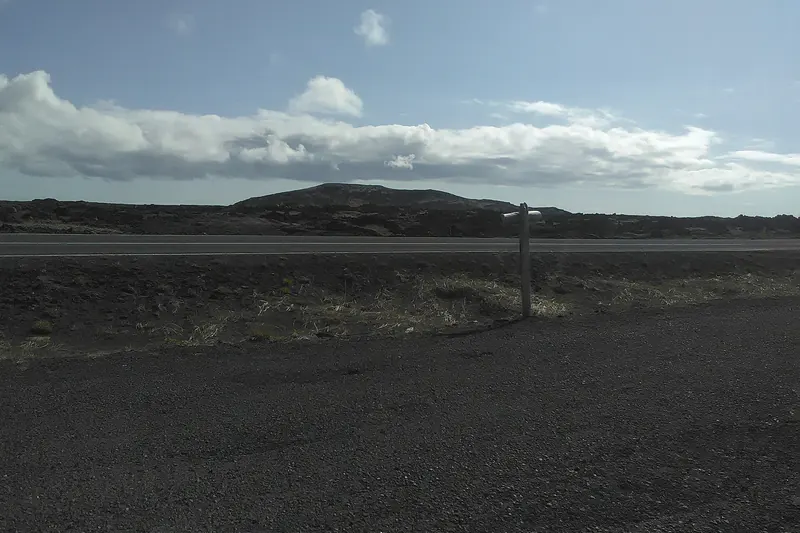
  5. Weathered volcanic lava terrain on the Reykjanes Peninsula

    Explore the peninsula's fresh lava fields

    Much of the peninsula is raw, mossy or bare lava rock, some of it from eruptions within the last few years.

    Tip Stick to marked paths — recent lava fields can hide unstable ground.

  6. Seabirds along the cliffs near Reykjanesviti

    Spot seabirds at the sea cliffs

    The cliffs near Reykjanesviti host nesting seabirds in season, with the surf below adding real drama.

    Tip Binoculars help — the birds nest well down the cliff face.

Local food

What to eat in Blue Lagoon & the Reykjanes Peninsula

Reykjanes is light on standalone dining beyond the Blue Lagoon's own restaurants and a handful of good spots in nearby Grindavík and Keflavík.

  • A bowl of plokkfiskur fish stew

    Fresh Icelandic seafood

    Excellent near the coast, since Grindavík is a working fishing town and the catch rarely travels far.

    Where to try it Restaurants in Grindavík and Keflavík.

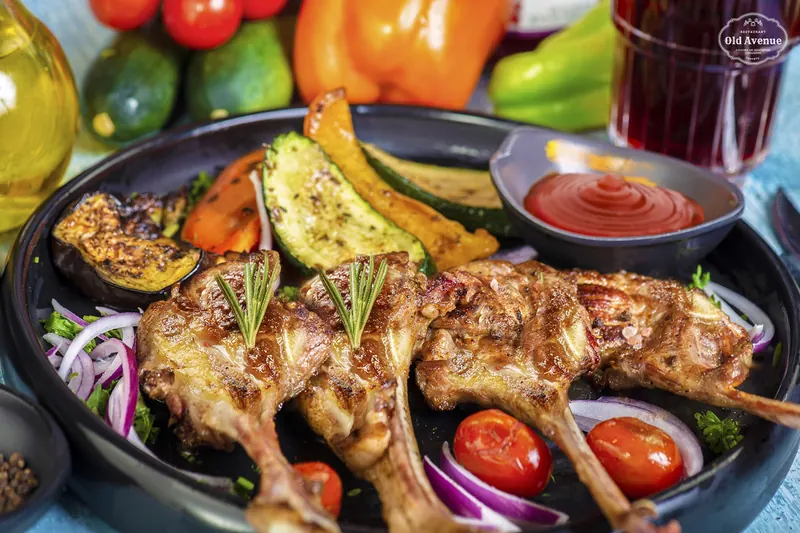
  • A roast lamb dish

    Icelandic lamb

    Widely available at restaurants near the airport and the Blue Lagoon itself.

    Where to try it The Blue Lagoon's Lava Restaurant and hotels in Keflavík.

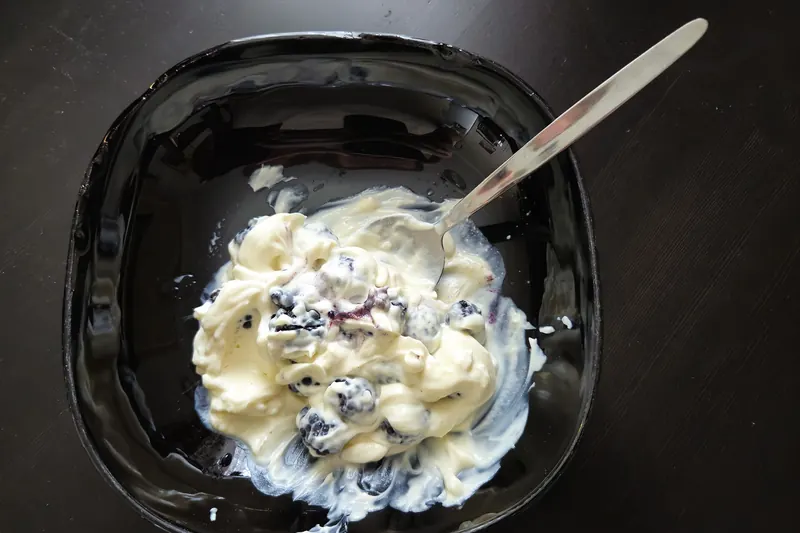
  • A bowl of skyr topped with berries

    Skyr

    An easy, healthy breakfast or snack option at any petrol station or supermarket near the airport.

    Where to try it Supermarkets and cafés in Keflavík and Reykjanesbær.

  • An Icelandic hot dog

    Icelandic hot dog

    A quick, cheap classic for a last meal before a flight or a first one off the plane.

    Where to try it Petrol station cafés around Keflavík.

  • A loaf of traditional Icelandic rye bread

    Rúgbrauð

    A traditional dark rye bread, often served with smoked or pickled fish at breakfast buffets.

    Where to try it Hotel breakfasts around Keflavík and Grindavík.

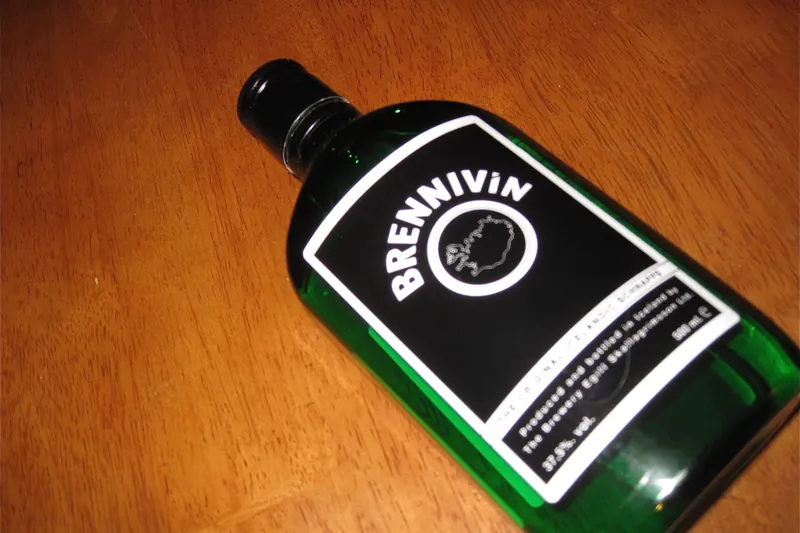
  • A bottle of Brennivín, Iceland's signature schnapps

    Brennivín

    Iceland's famous caraway-flavoured schnapps, a fitting first or last drink of an Icelandic trip.

    Where to try it Bars in Keflavík or the Blue Lagoon's own bars.

Accommodation

Where to stay in Blue Lagoon & the Reykjanes Peninsula

Most visitors stay near Reykjanes only on their arrival or departure night, given how close it sits to the airport.

  • The Blue Lagoon's own hotels

    The Retreat and Silica hotels offer direct or private lagoon access.

    Best for: A genuine splurge night bookending a flight

  • Keflavík or Reykjanesbær

    Close to both the airport and the Blue Lagoon, with far lower rates.

    Best for: Practical, budget-friendly airport nights

  • Reykjavik

    Only 45 minutes from the peninsula, and the standard base for most itineraries.

    Best for: Combining Reykjanes with a wider Iceland trip

What a night costs

Blue Lagoon standard entry
About ISK 9,000–13,000
Blue Lagoon Retreat entry
About ISK 40,000+
Airport-area hotel
ISK 20,000–35,000 per night
Rental car for the day
About ISK 10,000–15,000

Transport

Getting to and around Blue Lagoon & the Reykjanes Peninsula

Reykjanes is the first and last part of Iceland almost every visitor sees, given the airport's location.

Getting there

  • Rental car from the airport

    The simplest option — the Blue Lagoon is about 20 minutes from Keflavík and 45 from Reykjavik.

    Route 41 and 43 connect the airport, the lagoon and Reykjavik directly.

  • Airport transfer bus

    Frequent shuttle buses run between Keflavík, the Blue Lagoon and Reykjavik.

    Many transfer companies allow a Blue Lagoon stopover built into the airport transfer.

  • Organised day tour

    Convenient if combining Reykjanes with the Golden Circle or South Coast in one day.

    Most tours run from Reykjavik with hotel pickup included.

Getting around

The peninsula's sights are spread along a couple of main roads, easy to link in one loop.

  • Rental car

    The most flexible way to link the lagoon, Gunnuhver and the lighthouse in one trip.

    Roads 425 and 426 connect most of the peninsula's main sights.

  • Organised tours

    Cover the main stops for visitors without a car, often bundled with an airport transfer.

    Half-day tours typically include the lagoon plus one or two other stops.

  • On foot at each stop

    All the peninsula's individual sights are short, well-marked walks from their car parks.

    None require more than 20-30 minutes on foot.

When to go

Best time to visit Blue Lagoon & the Reykjanes Peninsula

The Blue Lagoon operates year-round, and Reykjanes's paved roads stay open in most weather, but recent eruptions have periodically closed parts of the peninsula.

  • Summer (June–August)

    Best time

    Long daylight and easy access, the most convenient season for combining stops.

  • Winter (November–February)

    Good

    Atmospheric for a lagoon soak, with a chance of the northern lights overhead.

  • Autumn (September–October)

    Good

    Quieter, with mild weather still holding on most days.

  • Spring (March–May)

    Good

    Comfortable and increasingly bright as the days lengthen.

Worth planning around: Check current volcanic activity advisories before visiting — eruptions since 2021 have periodically closed roads and even the lagoon itself.

Itinerary

Half a day on the Reykjanes Peninsula

Built around a lagoon soak plus the peninsula's geothermal highlights, timed around a flight.

  1. Day1

    Lagoon and lava

    The Blue Lagoon plus Reykjanes's raw geothermal landscape.

    • Morning Gunnuhver Hot Springs and the Bridge Between Two Continents.
    • Afternoon Reykjanesviti Lighthouse and the Valahnúkur sea cliffs.
    • Evening A relaxed soak at the Blue Lagoon before heading to the airport or Reykjavik.

Travel tips

Blue Lagoon & the Reykjanes Peninsula travel tips

A handful of practical notes make a Reykjanes stop go far more smoothly.

  • Book your Blue Lagoon entry slot well in advance — it regularly sells out.
  • Check for current volcanic activity or road closure advisories before setting out.
  • Store your bags at the lagoon's lockers if visiting straight off a flight.
  • Bring your own reusable water bottle — tap water across Iceland is excellent.
  • Pack flip-flops for the rough lava-rock ground around the lagoon's pool deck.
  • Allow a realistic 3-4 hours at the Blue Lagoon alone if you want the full spa experience.

FAQ

Blue Lagoon & the Reykjanes Peninsula: frequently asked questions

Is the Blue Lagoon worth it?

Yes, for most visitors — it's a relaxing, easy stop directly on the way to or from the airport, even if it is touristy.

How far is the Blue Lagoon from Keflavík airport?

About 20 minutes by car, making it one of the easiest big sights to fit around a flight.

Do you need to book the Blue Lagoon in advance?

Yes — entry is capped and slots regularly sell out, especially around midday and flight times.

Is Reykjanes affected by volcanic eruptions?

Yes — the peninsula has seen repeated eruptions since 2021, so it's worth checking current advisories before visiting.

Can you visit Reykjanes without a car?

Yes — shuttle buses and organised tours connect the airport, the Blue Lagoon and Reykjavik regularly.

How much time do you need on the Reykjanes Peninsula?

Half a day covers the Blue Lagoon plus one or two other stops; a full day allows the whole geothermal loop at an easy pace.

Read next

Related travel articles

Where to go

Beyond the Big Names: Places Worth the Detour

The most visited place in a country is rarely its best, and it is almost never its best value. This is a method for finding the destinations that do not make the postcards — and a set of examples from five of the 50 countries on this site.

Practical

Packing by Season and Trip Type

Most packing advice is a list of things. This is the opposite: the small number of decisions that determine whether your luggage helps or hinders, organised by the kind of trip you are actually taking.

Advertisement