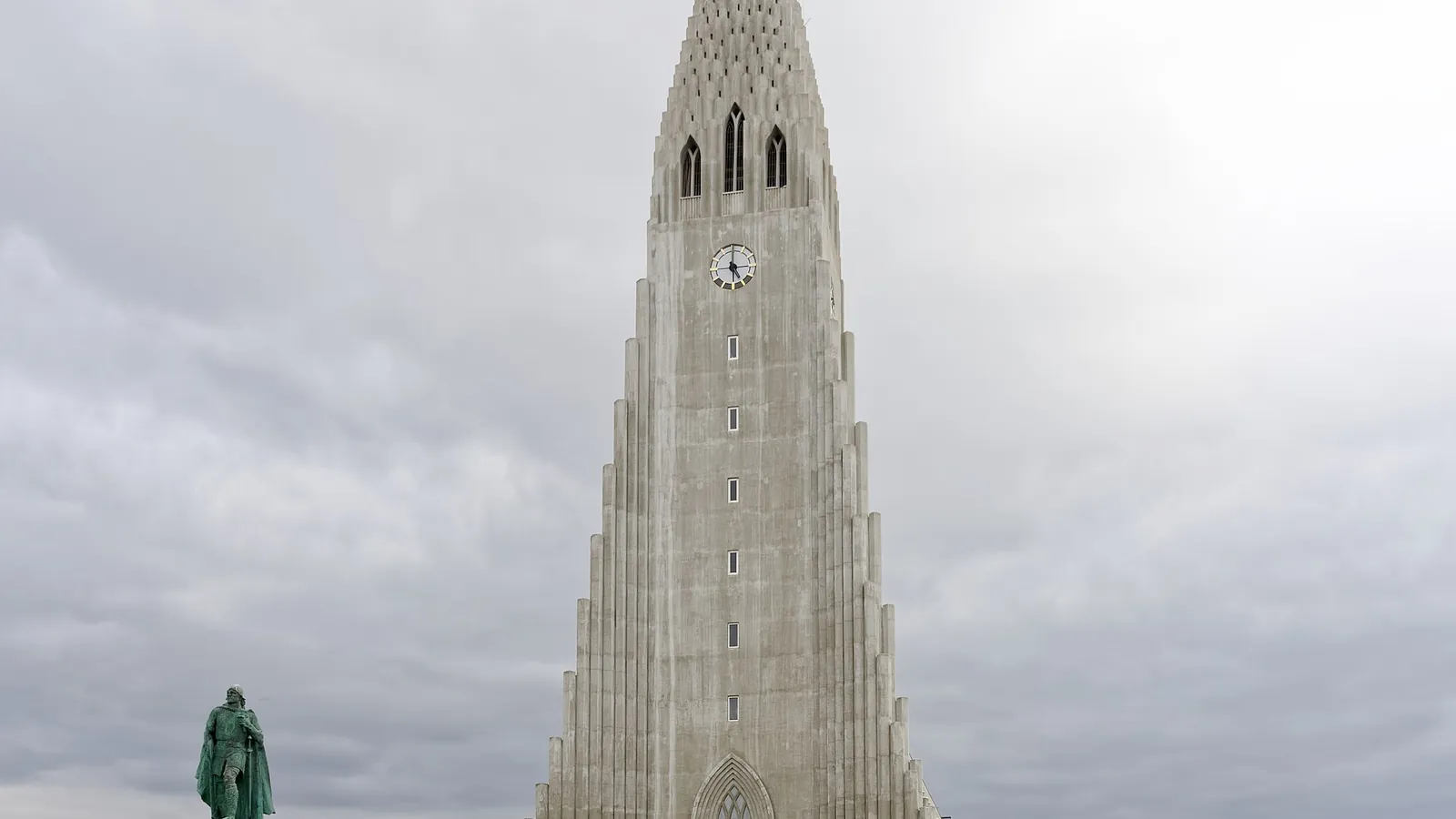
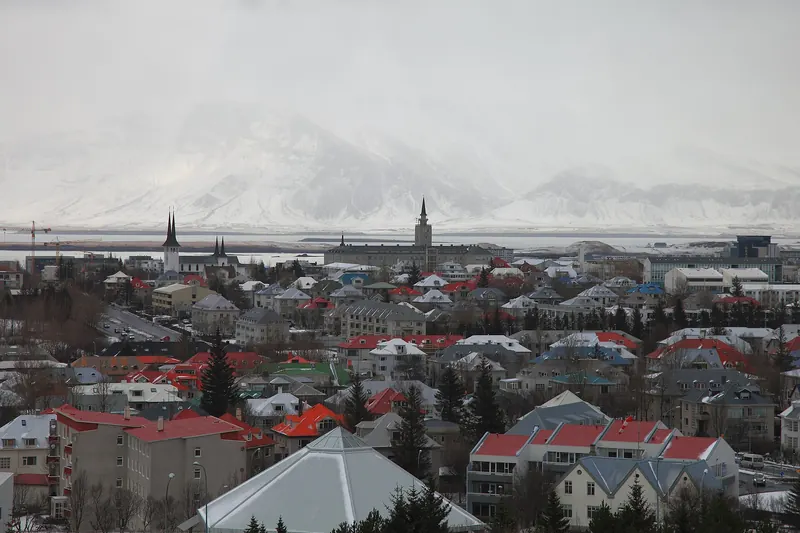
Hallgrímskirkja, Reykjavik's landmark church, rising above the city

Capital Region · Iceland

Reykjavik

The world's northernmost capital, small enough to walk end to end, and the genuine base for almost every Iceland trip.

  • Best time June–August for long daylight, or February–March for the northern lights
  • Stay 2 days
  • Good for A walkable capital base, whale watching, geothermal culture

Photo: Jakub Hałun · CC BY-SA 4.0

Welcome to Reykjavik

Reykjavik is the world's northernmost capital of a sovereign state, and it wears that fact lightly — a small, colourful, low-rise city of corrugated-metal houses in bright paint, built around a working harbour that still lands fish daily alongside the whale-watching boats.

It holds well over half of Iceland's entire population within its wider metropolitan area, yet the centre itself is compact enough to cover on foot in a single afternoon, with Hallgrímskirkja's distinctive tower serving as a landmark visible from almost anywhere in the old town.

For nearly every visitor, Reykjavik is also the start and end point of a wider Iceland trip — the base for the Golden Circle, the launch point for whale watching and northern lights tours, and the place to eat well and soak in a geothermal pool before or after days on the Ring Road.

  • Capital City
  • Major City
  • Culture & Arts
  • Coast & Beaches

Why visit

Why visit Reykjavik?

Reykjavik's case rests on being a charming, walkable capital that also happens to be the natural gateway to the rest of Iceland.

  • It's small enough to explore entirely on foot

    The old town, harbour and main shopping street all sit within a compact, easily walkable area.

  • The geothermal pool culture is a real local institution

    Neighbourhood pools are a daily ritual for locals, not just a tourist activity.

  • Whale watching from the city itself is excellent

    Boats depart directly from the old harbour, with good sighting odds much of the year.

  • The food scene is disproportionate to the city's size

    From fine dining to the city's famous hot dog stand, Reykjavik's food culture punches well above its population.

  • It's the natural base for the rest of the country

    The Golden Circle, South Coast and northern lights tours all operate conveniently from here.

Main attractions

Top things to see in Reykjavik

Reykjavik's essential sights span its harbourfront, its landmark church and its compact, walkable old town.

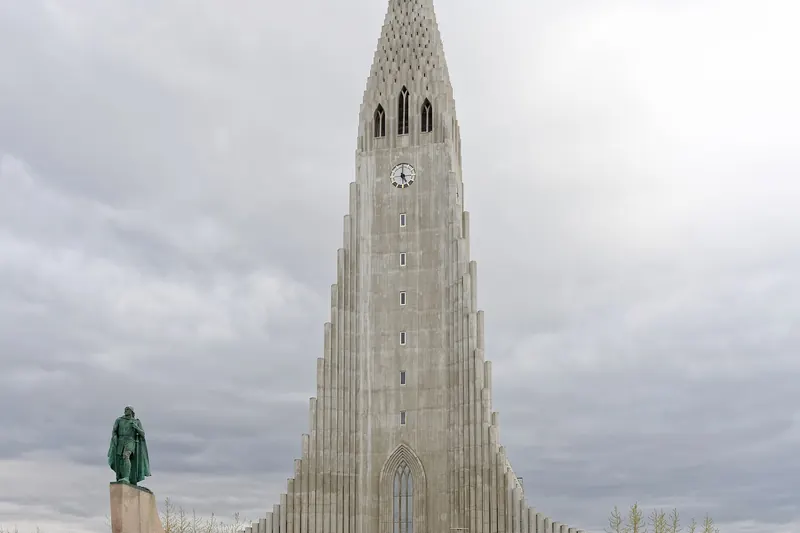
  1. Hallgrímskirkja's distinctive basalt-column-inspired facade

    Hallgrímskirkja

    Iceland's largest church and tallest building for decades, its facade inspired by the basalt columns found across the country's volcanic landscape.

    Tip Take the lift up the 74-metre tower for the best view over the city's coloured rooftops.

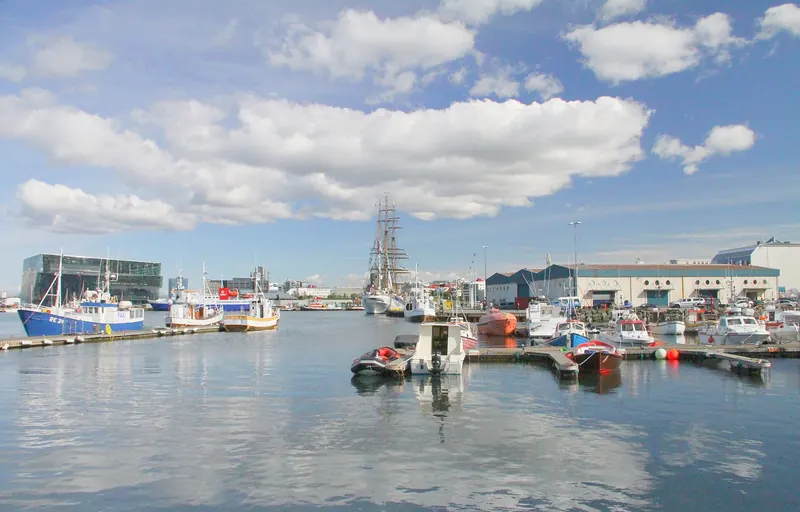
  2. Boats moored at Reykjavik's old harbour

    The Old Harbour

    A working harbour that doubles as the departure point for whale-watching and puffin tours, lined with seafood restaurants and the Maritime Museum.

    Tip Book a whale-watching trip for the best chance of sightings, departing directly from here.

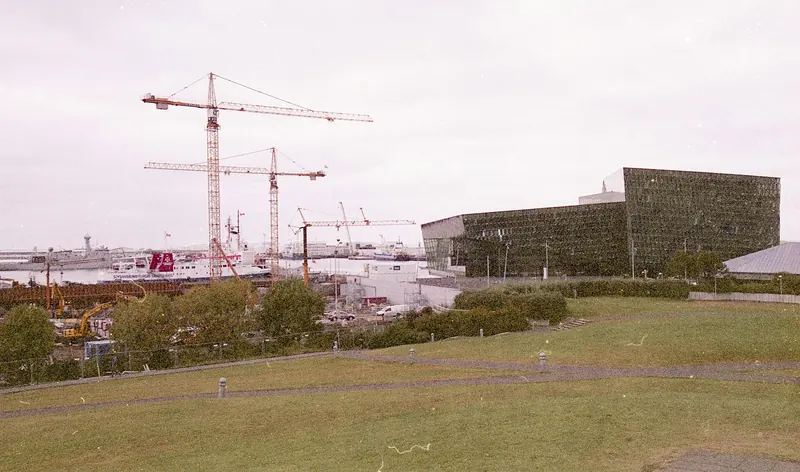
  3. Harpa Concert Hall's geometric glass facade on Reykjavik's waterfront

    Harpa Concert Hall

    A striking geometric glass facade inspired by Iceland's basalt coastline, home to the Icelandic Symphony Orchestra and Opera.

    Tip The facade is spectacular lit up after dark — walk past even without a ticket to a performance.

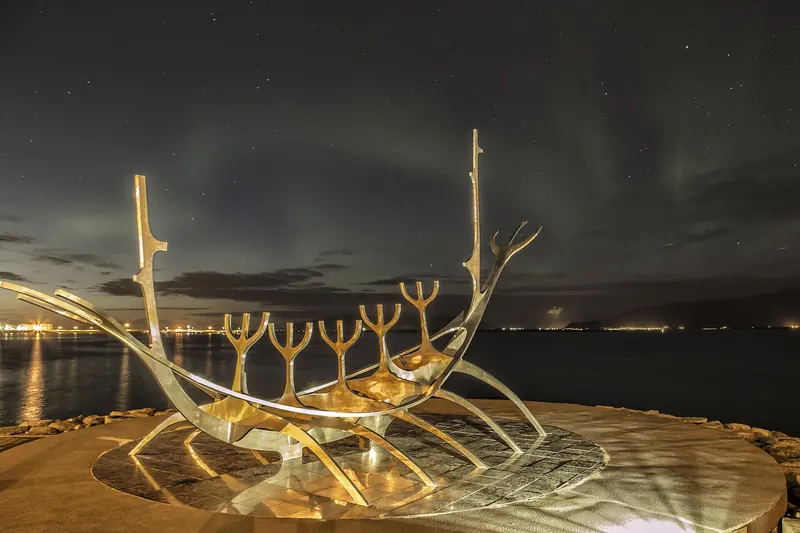
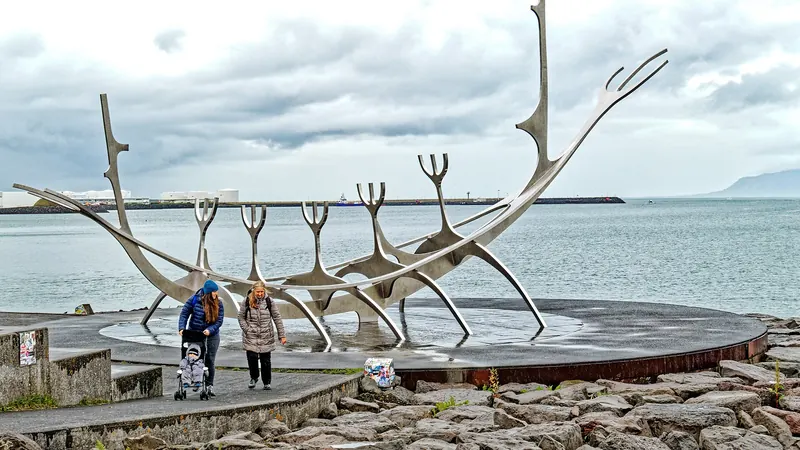
  4. The Sun Voyager sculpture on Reykjavik's waterfront

    The Sun Voyager

    A striking steel sculpture resembling a Viking longship, framing the mountains across the bay — an ode to the sun, not a literal ship.

    Tip Sunset or a clear night with the northern lights make this the most photogenic spot in the city.

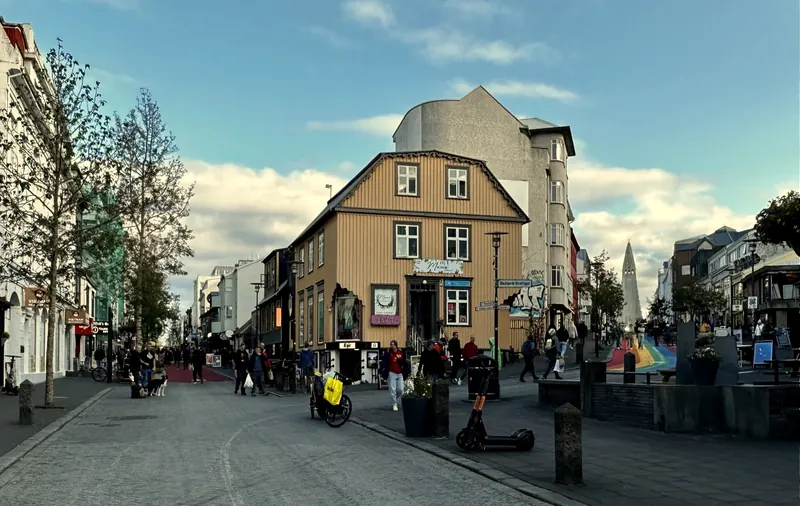
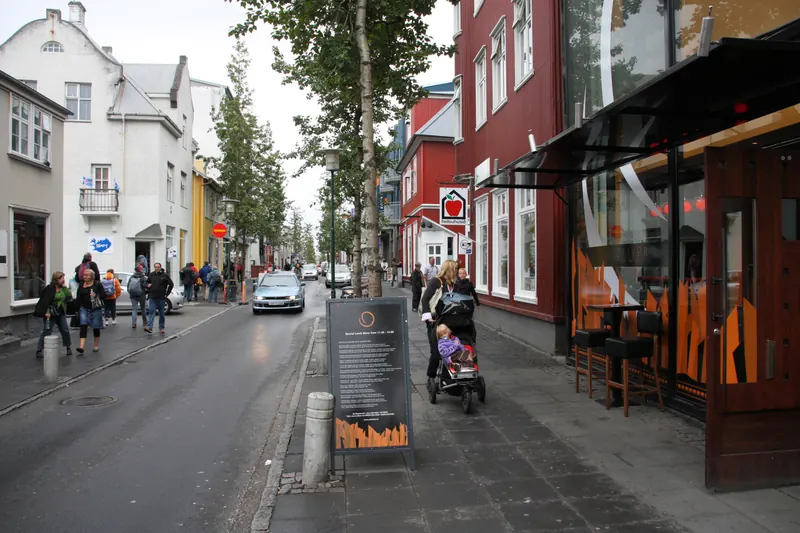
  5. Shops and cafés along Reykjavik's main street, Laugavegur

    Laugavegur

    The genuine heart of Reykjavik's shopping and café culture, its side street Skólavörðustígur running straight up toward Hallgrímskirkja.

    Tip Skólavörðustígur's colourful facades are one of the most photographed streets in the city.

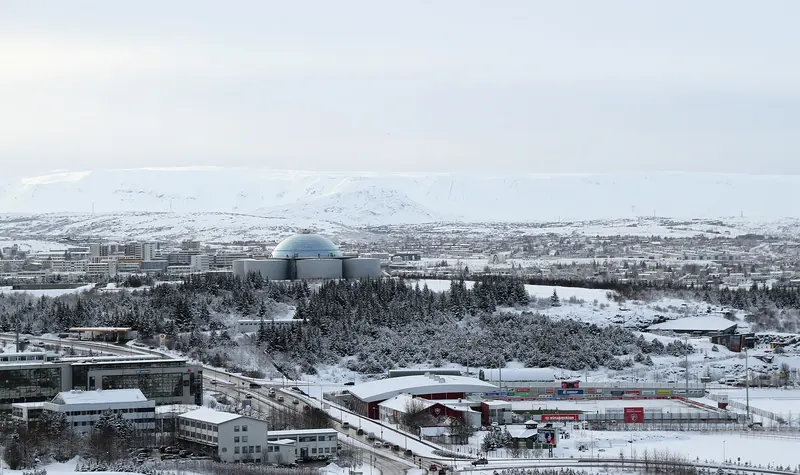
  6. Perlan's glass dome observation deck above Reykjavik

    Perlan

    A distinctive glass-domed building atop the city's hot water tanks, its observation deck and ice cave exhibit offering sweeping views.

    Tip The indoor ice cave exhibit is a good preview if you won't make it to a real glacier.

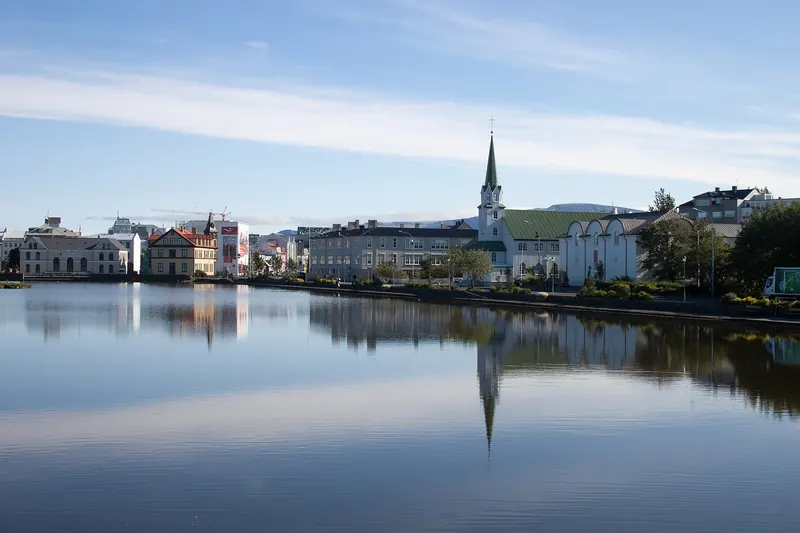
  7. Tjörnin, the pond at the heart of central Reykjavik

    Tjörnin and the City Pond

    A peaceful pond right at the centre of the city, home to a wide variety of birdlife and bordered by City Hall and the National Gallery.

    Tip A pleasant, quiet loop walk between the old town's main sights.

Things to do

Best things to do in Reykjavik

Reykjavik rewards a slow, walkable pace, with the harbour and geothermal pools as its defining local rituals.

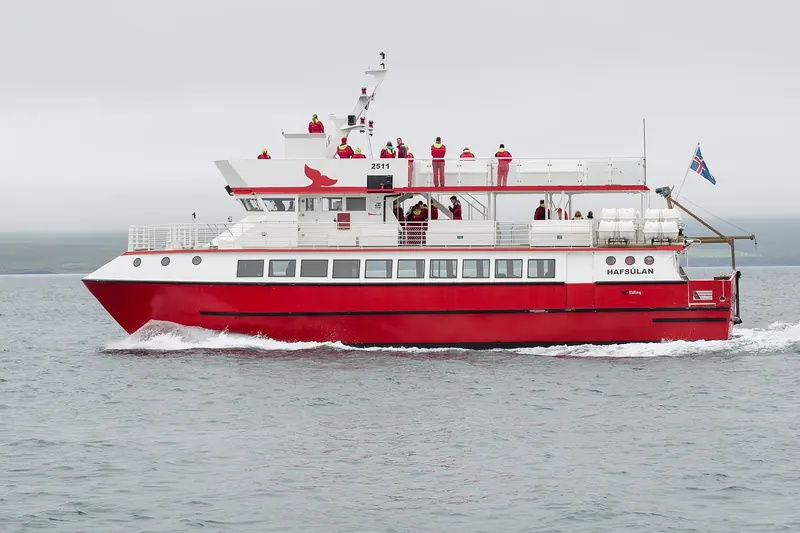
  1. A whale-watching boat departing Reykjavik's old harbour

    Go whale watching from the old harbour

    Boats depart directly from the city centre, with good odds of minke whales, dolphins and, in season, humpbacks.

    Tip Dress warmer than you think necessary — the boat deck is cold even in summer.

  2. Soak in a local geothermal pool

    Laugardalslaug and Sundhöllin are where locals actually go, far cheaper and just as authentic as the tourist-focused lagoons outside town.

    Tip A proper pre-swim shower is mandatory and strictly enforced — don't skip it.

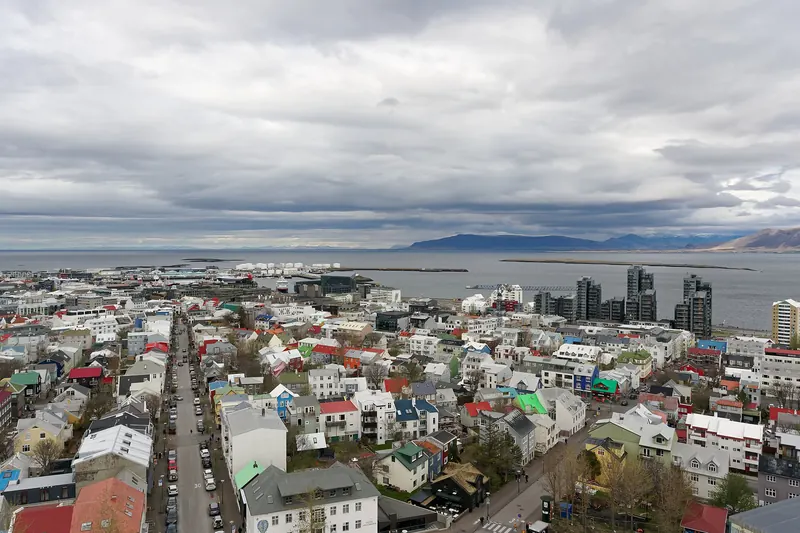
  3. The view over Reykjavik's rooftops from Hallgrímskirkja's tower

    Climb Hallgrímskirkja's tower

    A quick lift ride up delivers the best view in the city, the coloured rooftops spreading out toward the bay and mountains.

    Tip Quieter first thing in the morning, before tour groups arrive.

  4. Shopping along Laugavegur, Reykjavik's main street

    Explore Laugavegur's shops and cafés

    An easy afternoon of independent shops, design stores and coffee, running the length of the old town.

    Tip Duck up Skólavörðustígur partway along for the best photo of the colourful side street.

  5. The Sun Voyager sculpture on the Reykjavik waterfront

    See the Sun Voyager at sunset

    A short, worthwhile walk along the waterfront path, particularly rewarding around sunset or under the northern lights.

    Tip The walk continues pleasantly further along the shore toward Harpa.

  6. The view from Perlan's observation deck over Reykjavik

    Visit Perlan's observation deck

    A quick way to get your bearings over the whole city, plus an indoor ice cave and planetarium show.

    Tip Worth combining with a coffee at the revolving restaurant if the weather's poor for outdoor sightseeing.

Local food

What to eat in Reykjavik

Reykjavik's food scene is disproportionate to the city's size, from a famous hot dog stand to serious New Nordic dining.

  • An Icelandic hot dog topped with onions and sauces

    Icelandic hot dog

    Bæjarins Beztu Pylsur, the country's most famous hot dog stand, has served the same lamb-and-pork sausage since 1937.

    Where to try it Bæjarins Beztu Pylsur, downtown near the old harbour.

  • A bowl of plokkfiskur fish stew

    Fresh seafood

    Landed daily at the old harbour, and served everywhere from casual plokkfiskur stew to serious tasting menus.

    Where to try it Harbour-side restaurants around the old harbour and Grandi district.

  • A bowl of skyr topped with berries

    Skyr

    A daily staple for locals, thick and protein-rich, sold everywhere from supermarkets to café breakfast menus.

    Where to try it Cafés and supermarkets citywide.

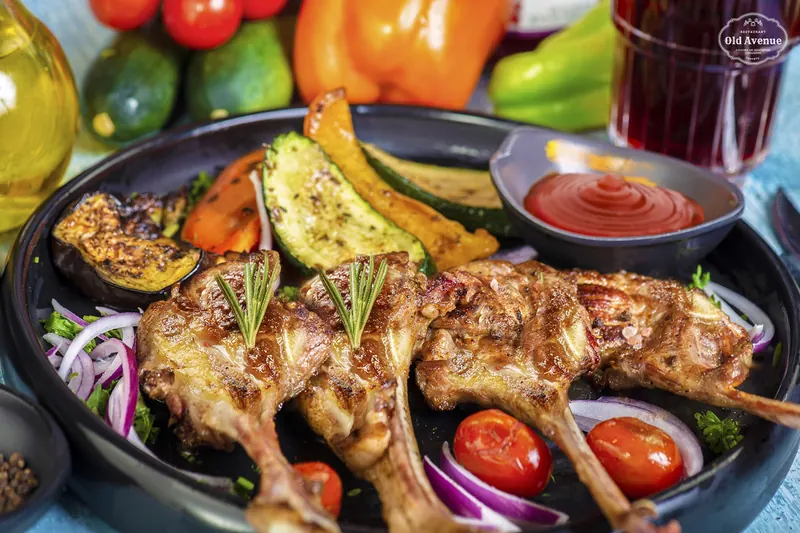
  • A roast lamb dish

    Icelandic lamb

    Free-range and grass-fed, a staple of Reykjavik's restaurant menus at every price point.

    Where to try it Restaurants citywide, from casual bistros to fine dining.

  • A loaf of traditional Icelandic rye bread

    Rúgbrauð

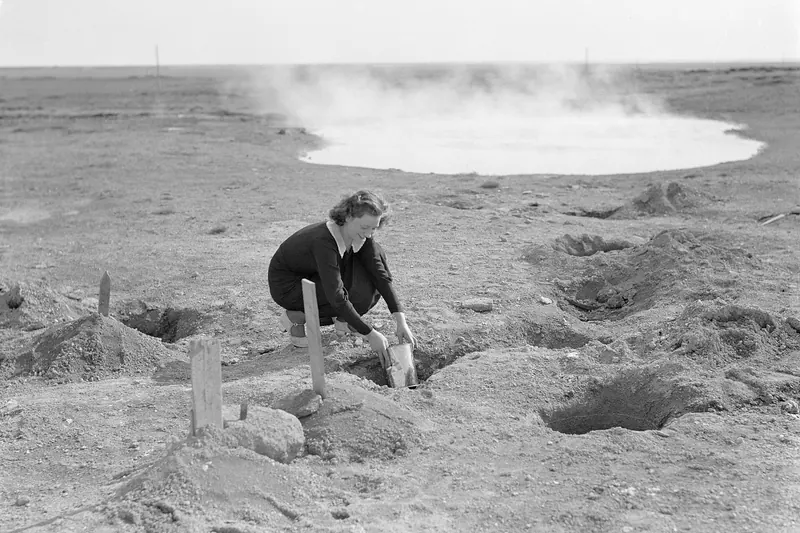
    A dense, faintly sweet dark rye bread, traditionally geothermally baked, sold at bakeries across the city.

    Where to try it Bakeries citywide, particularly good with smoked fish.

  • A bottle of Brennivín, Iceland's traditional spirit

    Brennivín

    A potent caraway schnapps nicknamed 'Black Death,' worth trying at least once in a proper Reykjavik bar.

    Where to try it Bars citywide, and the Vínbúðin liquor store to take a bottle home.

Accommodation

Where to stay in Reykjavik

Central Reykjavik is small enough that almost any downtown base works well on foot.

  • Old town / downtown

    The most convenient base, close to Laugavegur, Hallgrímskirkja and the old harbour.

    Best for: Walking distance to everything, including the harbour

  • Harbour district (Grandi)

    A short walk from downtown, popular for its converted warehouse restaurants and museums.

    Best for: A quieter, slightly more local feel

What a night costs

Budget guesthouse
ISK 18,000–28,000 per night
Mid-range hotel
ISK 35,000–55,000 per night
Whale watching tour
About ISK 12,000–15,000
Geothermal pool entry
About ISK 1,500–2,000

Transport

Getting to and around Reykjavik

Reykjavik is reached via Keflavík International Airport, about 45 minutes from the city centre.

Getting there

  • Airport transfer bus

    Flybus and similar services run frequently from Keflavík, the standard way to reach the city without a car.

    Booking ahead online is cheaper than paying on arrival.

  • Rental car

    Available at Keflavík Airport, useful if starting a Ring Road trip immediately.

    Not necessary for the city itself, which is walkable.

  • Domestic flights

    Reykjavik Domestic Airport, in the city itself, connects to Akureyri and other regional towns.

    A quick way to reach North Iceland without the full drive.

Getting around

Central Reykjavik is walkable, with a car needed mainly for day trips beyond the city.

  • Walking

    The old town, harbour and Laugavegur are all within a compact, easily walkable area.

    Most visitors need no other transport within the city itself.

  • Strætó city buses

    A reliable network covering the wider city, useful for reaching Laugardalslaug pool or the suburbs.

    A Klapp card covers fares across the network.

  • Rental car or organised tours

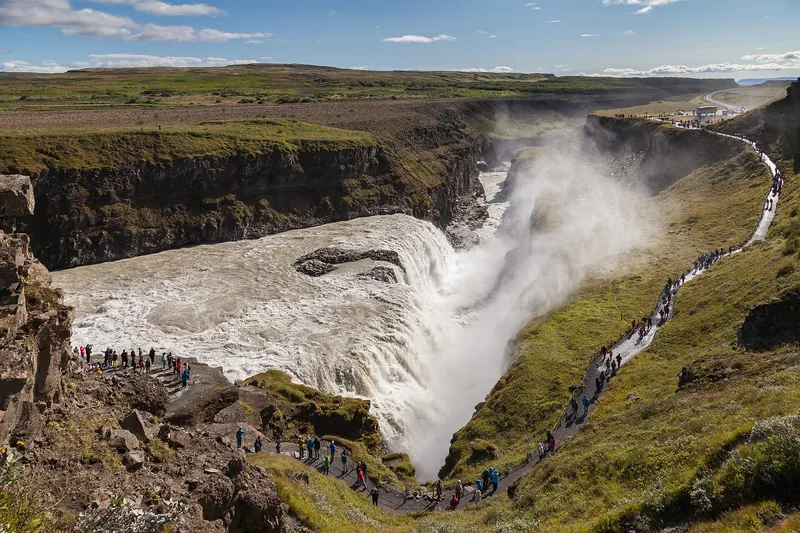
    Necessary for day trips to the Golden Circle or South Coast from the city.

    Numerous tour operators run day trips for visitors without a car.

When to go

Best time to visit Reykjavik

Reykjavik works year-round, since most of its sights are indoors or short outdoor walks.

  • Summer (June–August)

    Best time

    Near-endless daylight and the mildest weather, also the busiest season.

  • Autumn (September–October)

    Good

    Quieter, with the aurora becoming visible again as nights darken.

  • Winter (November–February)

    Good

    Short days but good aurora odds, with a cosy indoor café culture to retreat to.

  • Spring (March–May)

    Good

    Increasingly long days and thinner crowds than summer.

Worth planning around: Nothing strongly — Reykjavik works in any season, with the choice mainly about daylight and northern lights odds rather than comfort.

Itinerary

Two days in Reykjavik

The old town and harbour on the first day, whale watching and the wider city on the second.

  1. Day1

    The old town

    Hallgrímskirkja, Laugavegur and the harbour.

    • Morning Hallgrímskirkja's tower and the old town's streets.
    • Afternoon Laugavegur's shops and cafés, then the Sun Voyager.
    • Evening Dinner near the old harbour.
  2. Day2

    The harbour and beyond

    Whale watching and a wider city view.

    • Morning A whale-watching tour from the old harbour.
    • Afternoon Perlan's observation deck and ice cave exhibit.
    • Evening A soak at a local geothermal pool.

Travel tips

Reykjavik travel tips

Practical notes on booking, weather and pools that make a real difference to a Reykjavik visit.

  • Book whale watching and northern lights tours ahead, especially in peak summer or winter weeks.
  • Shower thoroughly before any pool — it's mandatory, not optional, and staff do check.
  • Pack proper layers even in summer — Reykjavik's weather changes fast.
  • Use Reykjavik as a base for Golden Circle and South Coast day trips if you don't want to drive.
  • Check the aurora forecast on clear winter nights — you can see it from the city outskirts.
  • Book restaurants ahead for dinner in peak season — Reykjavik's best kitchens fill up.

FAQ

Reykjavik: frequently asked questions

How many days do you need in Reykjavik?

Two days covers the old town, harbour and a whale-watching trip comfortably. Most visitors then use the city as a base for the Golden Circle and South Coast.

Is Reykjavik worth visiting on its own?

Yes, for two or three days — but it's also the natural base for the rest of Iceland, and few visitors stop at the city alone.

Can you see the northern lights from Reykjavik?

Yes, on clear nights roughly September to April, though moving slightly outside the city centre improves visibility away from streetlights.

Do you need a car in Reykjavik?

Not for the city itself, which is walkable. A car or organised tour becomes necessary for day trips like the Golden Circle.

Is whale watching worth it from Reykjavik?

Yes, good odds much of the year, with minke whales and dolphins common and humpbacks frequent in summer.

What is the best geothermal pool in Reykjavik?

Laugardalslaug is the largest and most popular with locals; Sundhöllin, the city's oldest pool, is smaller and more central.

Read next

Related travel articles

Where to go

Beyond the Big Names: Places Worth the Detour

The most visited place in a country is rarely its best, and it is almost never its best value. This is a method for finding the destinations that do not make the postcards — and a set of examples from five of the 50 countries on this site.

Practical

Packing by Season and Trip Type

Most packing advice is a list of things. This is the opposite: the small number of decisions that determine whether your luggage helps or hinders, organised by the kind of trip you are actually taking.

Advertisement