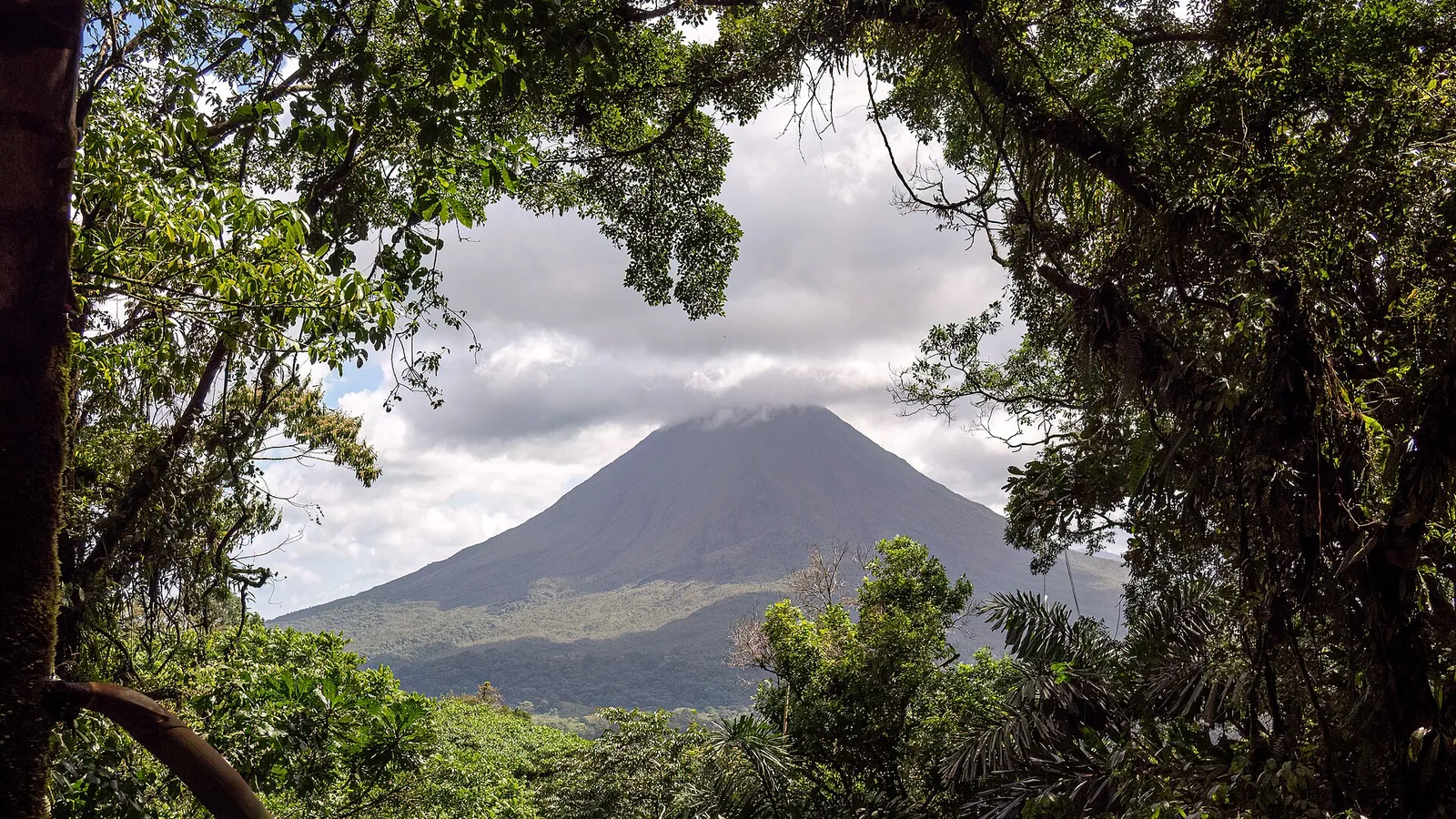
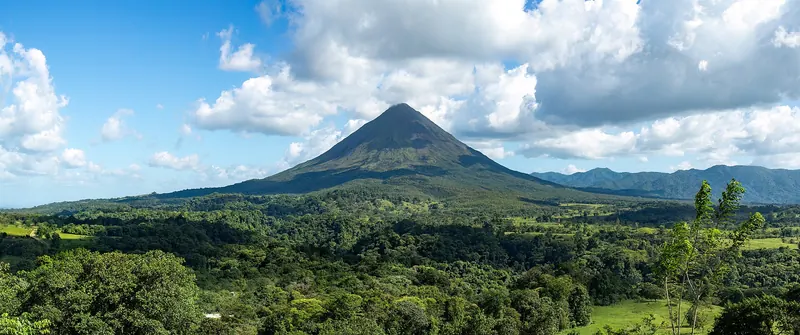
Arenal Volcano rising above green rainforest

Costa Rica · Travel guide

The Complete Costa Rica Travel Guide

How the country divides into volcanoes, cloud forests, Pacific and Caribbean coasts, how to choose between the ten destinations, when to go, what it costs and three routes that work.

  • Reading time 12 min read
  • Covers 10 destinations
  • Updated 2026

Photo: Rhododendrites · CC BY-SA 4.0

Costa Rica packs volcanoes, rainforest, wildlife and two coastlines into a country the size of a small US state. This guide explains how the regions divide, how to choose between the ten destinations, how to travel, when to go, what it costs and three routes that work.

How Costa Rica divides

Costa Rica is small, and a visitor can think of it in four zones.

The Central Valley. San Jose is the capital and gateway, with volcanoes and coffee farms nearby.

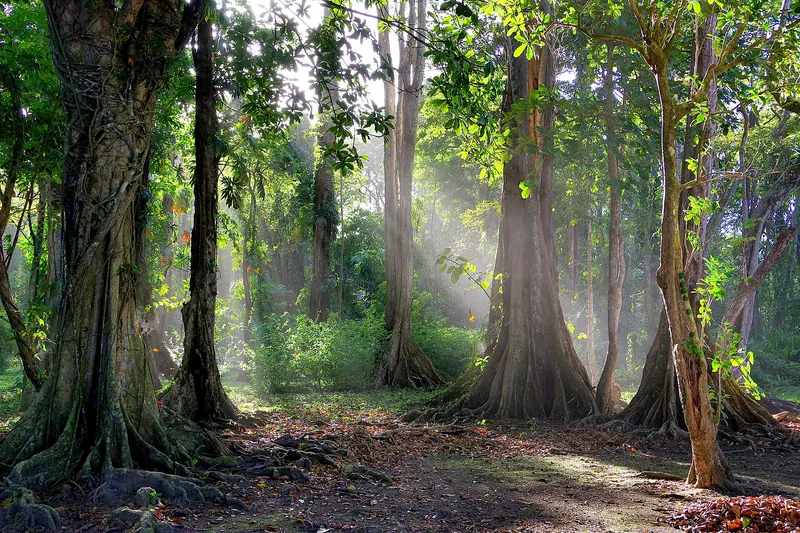
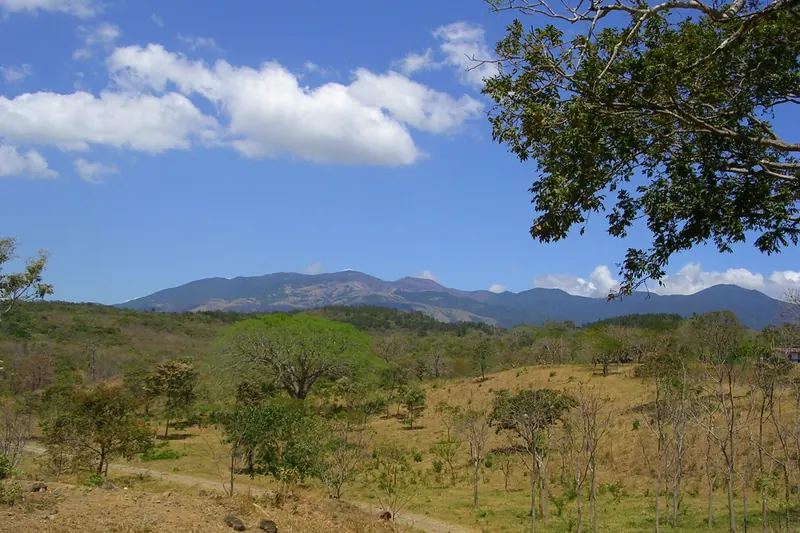
The northern lowlands and highlands. Arenal, Monteverde and Rincon de la Vieja offer volcanoes, hot springs and cloud forest.

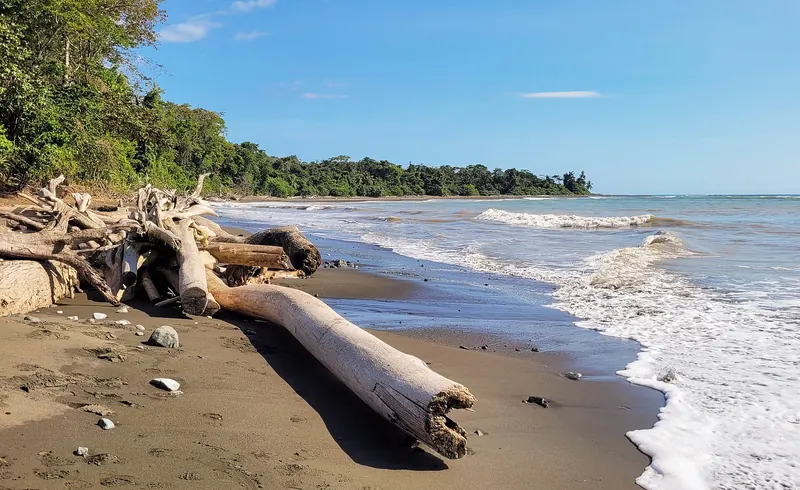
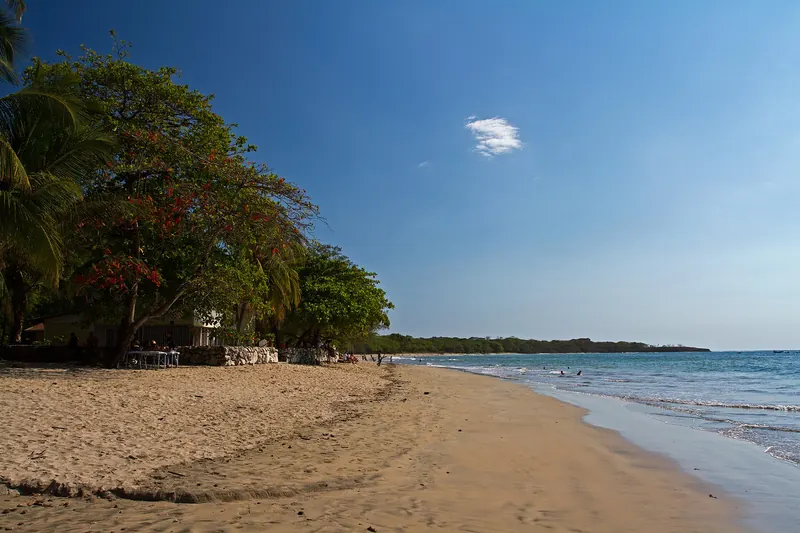
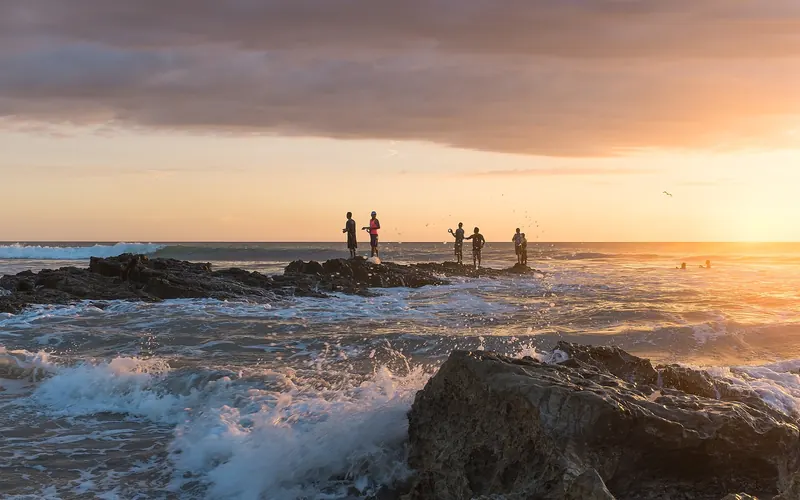
The Pacific coast. Tamarindo, Santa Teresa, Manuel Antonio and Corcovado run from the sunny north to the wild south.

The Caribbean coast. Tortuguero and Puerto Viejo and Cahuita have canals, turtles and Afro-Caribbean culture.

Worth knowing: Most first trips combine one volcano or cloud forest area with one beach area.

Choosing between the ten destinations

  • If you have one week

    [[san-jose

  • If you love wildlife

    [[tortuguero

  • If you love beaches and surf

    [[tamarindo-guanacaste

  • If you love adventure

    [[arenal-la-fortuna

  • If you love culture and coffee

    [[san-jose

  • If you want remote nature

    [[corcovado-osa-peninsula

Getting around

Roads are improving but can be slow and winding. A drive of 100 km can take three hours.

Private shuttles link the main tourist hubs and are a good alternative to renting a car.

Public buses cover the whole country cheaply and are slow. Domestic flights with Sansa link San Jose with several beach towns.

Boat transfers are needed for Tortuguero and some remote lodges. Ferries cross the Gulf of Nicoya.

Worth knowing: A 4x4 is useful for Monteverde, the Osa Peninsula and the Nicoya coast.

When to go

The dry season, December to April, is sunny on the Pacific side and the busiest time. Book ahead for Christmas and Easter.

May to November is the green season. Mornings are often sunny, with rain in the afternoon, and prices drop.

The Caribbean side has a different pattern, with the driest weather in February to April and September to October.

Turtles nest at Tortuguero from March to October, and humpback whales visit the Pacific coast from July to October and December to March.

Worth knowing: Check the microclimate of each area, since Costa Rica varies a lot.

Money, costs and safety

Costa Rica is more expensive than neighbouring countries. A budget traveller can manage on US$50-80 a day, a mid-range traveller on US$120-200 and a comfortable one on US$250 and up.

National park fees, tours and transport add up, so plan a budget for activities.

Cards are widely accepted, and US dollars are often taken. The local currency is the colon.

Take care of valuables, avoid leaving belongings in rental cars, and swim only at beaches with lifeguards or calm water.

Three routes that work

  1. One week: volcano and beach

    Two nights in [[san-jose

    Tip San Jose]] and [[arenal-la-fortuna

  2. Ten days: add cloud forest

    One week route plus two nights in [[monteverde

    Tip Monteverde]].

  3. Two weeks: the grand tour

    The itinerary on the country page, covering the Caribbean, volcanoes and the Pacific coast.

    Tip Add [[corcovado-osa-peninsula

Reference

The 10 destinations in this guide

Every place named above has its own detailed guide — attractions, food, where to stay, how to get around and a suggested day-by-day plan.

Nature & WildlifeNational Park

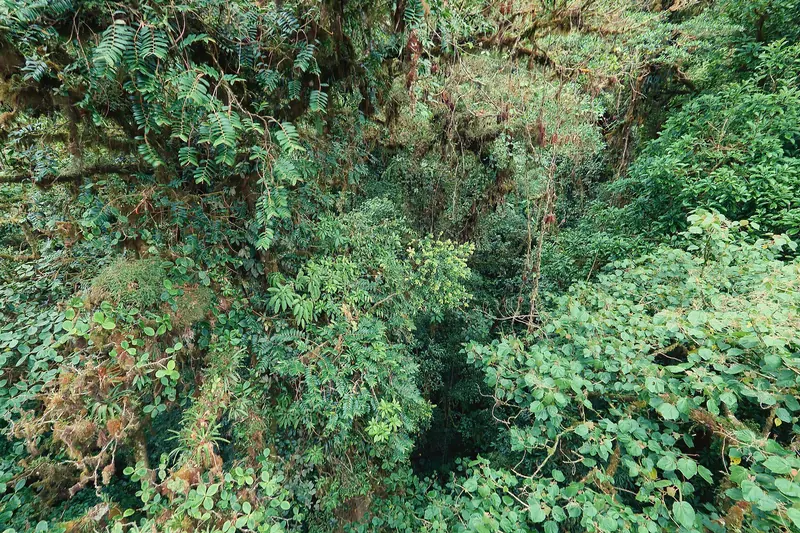
Monteverde

Puntarenas Province, Tilaran Mountains

A high-altitude cloud forest community with biodiversity reserves, canopy walks, ziplines, night walks and coffee farms.

Don't miss Walking a hanging bridge through the clouds and spotting a resplendent quetzal.

Explore Destination — Monteverde
National ParkCoast & Beaches

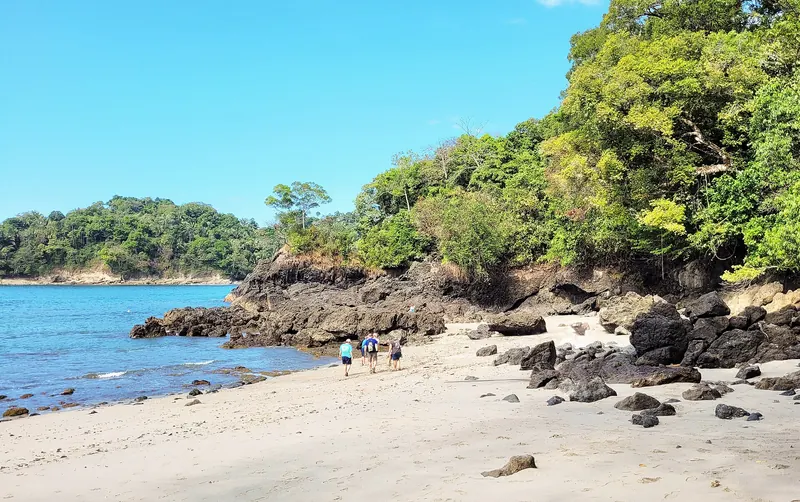
Manuel Antonio

Puntarenas Province, central Pacific coast

Costa Rica's most visited park, with beaches, forest trails, wildlife, rafting nearby and views from the hills of Quepos.

Don't miss Spotting a sloth overhead, then swimming at a hidden beach.

Explore Destination — Manuel Antonio
National ParkNature & Wildlife

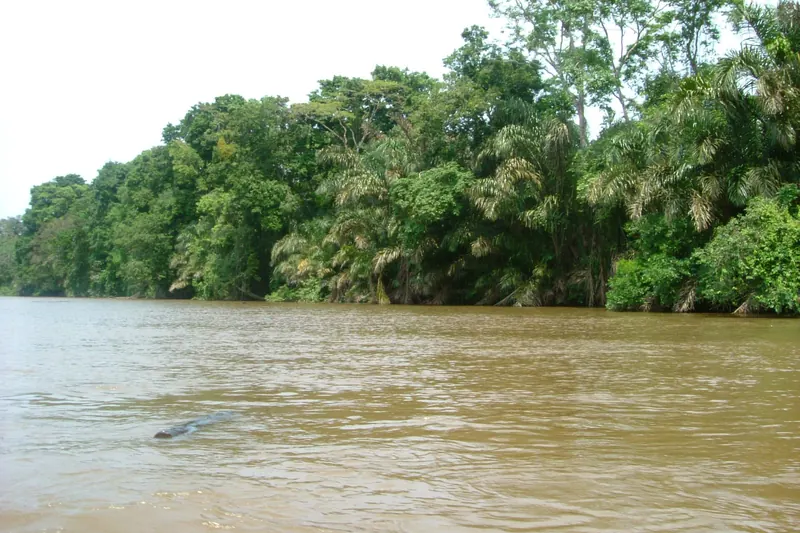
Tortuguero

Limon Province, northern Caribbean coast

A remote Caribbean national park of rainforest canals, turtle nesting beaches, caimans, monkeys and birdlife.

Don't miss Watching a green turtle haul itself ashore to nest at night.

Explore Destination — Tortuguero
Capital CityMajor City

San Jose

San Jose Province, Central Valley

Costa Rica's capital and transport hub, with the National Theatre, gold museum, central market and day trips to volcanoes and coffee farms.

Don't miss Sipping coffee at a market, then visiting the gold museum under the National Theatre's dome.

Explore Destination — San Jose

Back to the Costa Rica country page

FAQ

Planning a trip to Costa Rica

Is Costa Rica expensive?

It is the priciest country in Central America, but a budget traveller can manage on US$50-80 a day with hostels, local sodas and buses.

When is the best time to visit?

December to April is the dry season and the most popular. May to November is the green season, with cheaper prices and quieter sites.

Do I need to rent a car?

It gives flexibility, but shuttles and buses link the main tourist areas. Roads can be rough, so choose a 4x4 for remote areas.

Is Costa Rica safe?

Generally yes, though petty theft is common in tourist areas. Take care in San Jose at night and in the sea, where rip currents are strong.

Advertisement