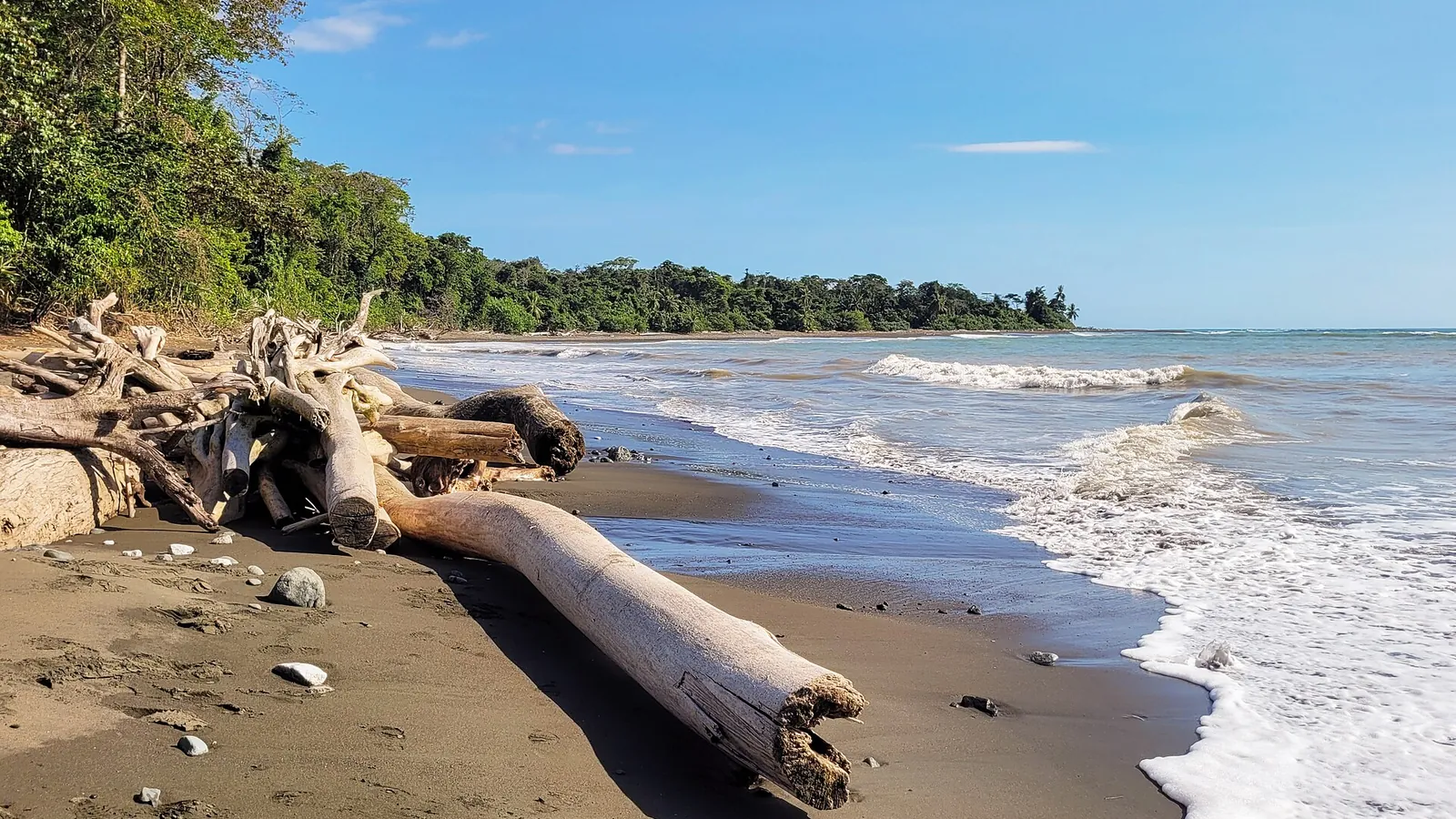
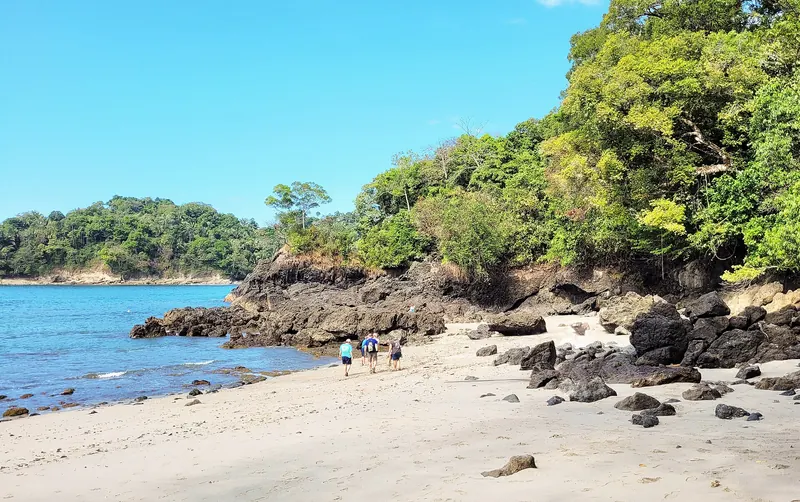
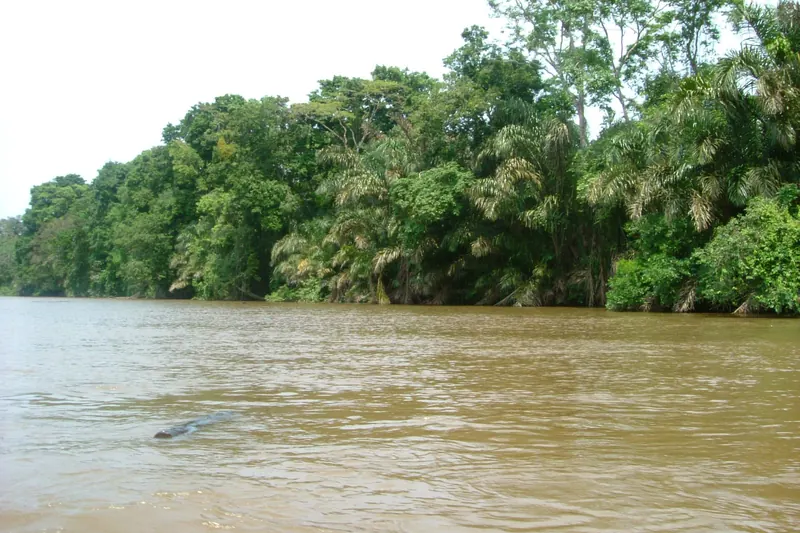
The coast of Corcovado National Park

Puntarenas Province, southern Pacific coast · Costa Rica

Corcovado and the Osa Peninsula

The most biologically intense place on Earth, a wild rainforest peninsula of tapirs, macaws and jaguars.

  • Best time December-April
  • Stay 3-5 days
  • Good for Wildlife lovers, hikers, adventurers

Photo: Bernard Gagnon · CC0

Welcome to Corcovado and the Osa Peninsula

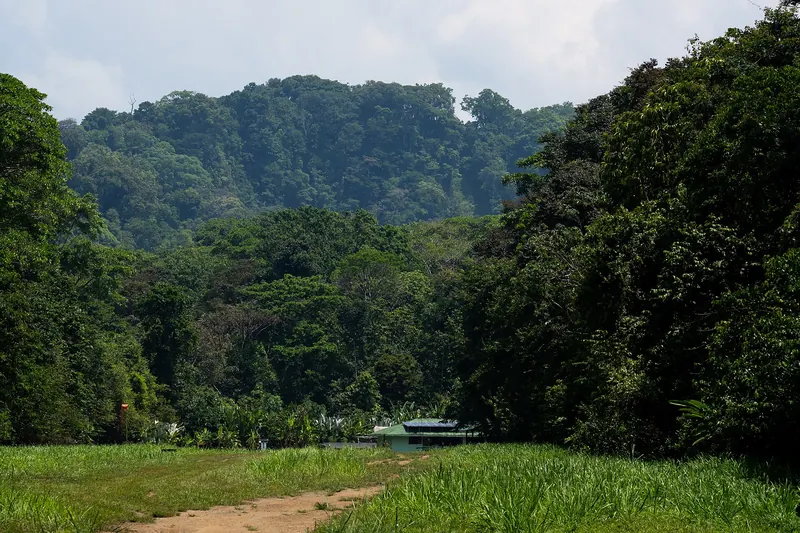
The Osa Peninsula, in the southwest of Costa Rica, is wild, remote and astonishingly rich. National Geographic once called it the most biologically intense place on Earth, and Corcovado National Park protects a large block of Pacific lowland rainforest where jaguars, tapirs, scarlet macaws, four species of monkeys and thousands of insects live.

The park is not easy to visit. A guide is required, trails are hot and muddy, and accommodation inside is limited to ranger stations such as Sirena. Many visitors choose day trips from Drake Bay by boat, while multi-day treks take you to the heart of the forest. Puerto Jimenez, on the Golfo Dulce side, is the other main gateway.

Elsewhere on the peninsula, you can go whale watching, kayaking and snorkelling, and relax in eco-lodges on remote beaches. It is more expensive and less comfortable than other parts of Costa Rica, but the wildlife experience is among the best in Central America.

  • National Park
  • Nature & Wildlife
  • Coast & Beaches
  • Off the Beaten Path

Why visit

Why visit Corcovado and the Osa Peninsula?

Corcovado is Costa Rica's wildest corner.

  • Biodiversity

    Among the richest on Earth.

  • Remote beaches

    Few visitors.

  • Guided treks

    Real jungle immersion.

  • Marine life

    Whales and dolphins.

  • Eco-lodges

    Stay in the rainforest.

Main attractions

Top things to see in Corcovado and the Osa Peninsula

The park and the coast are the main draw.

  1. The Sirena ranger station in Corcovado

    Sirena Station

    The ranger station deep in the park.

    Tip Book far ahead.

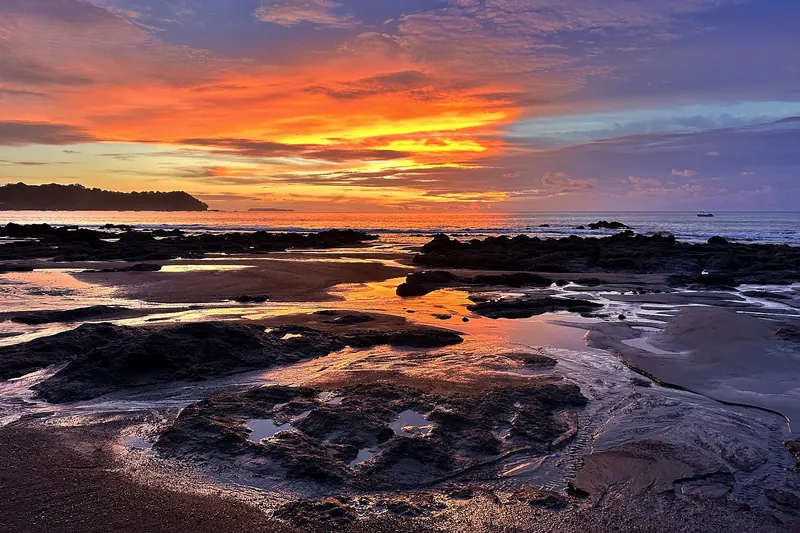
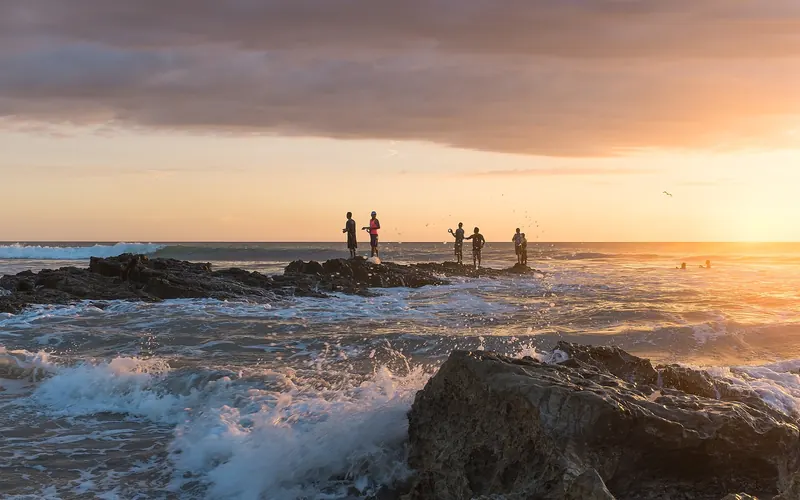
  2. Sunset over Drake Bay

    Drake Bay

    A bay with boat trips and lodges.

    Tip Gateway for day trips.

  3. Puerto Jimenez

    The other gateway town.

    Tip Entry for La Leona trail.

  4. Cano Island

    Snorkelling and diving.

    Tip Boat from Drake Bay.

  5. Golfo Dulce

    Calm gulf with dolphins.

    Tip Kayak trips.

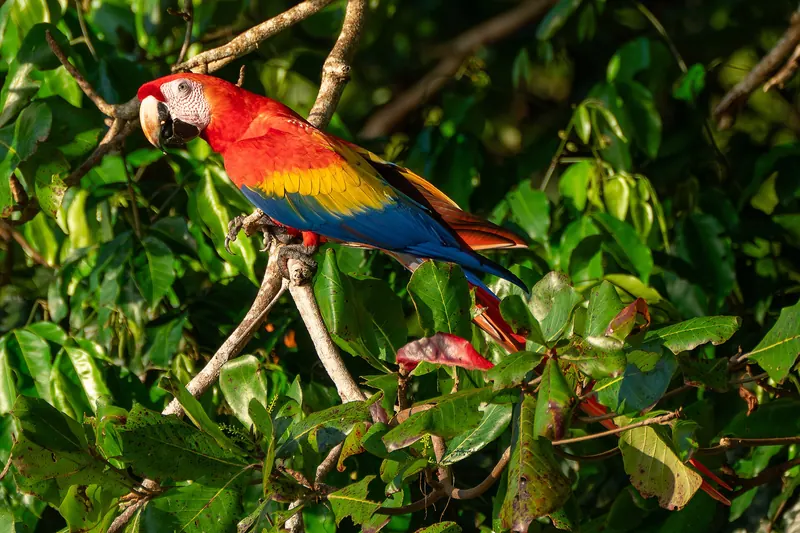
  6. Scarlet macaws near a beach on the Pacific coast

    Beaches

    Remote sand and surf.

    Tip Watch for rip currents.

Things to do

Best things to do in Corcovado and the Osa Peninsula

Guided activities fill the days.

  1. Hike to Sirena

    A multi-day trek.

    Tip Book a guide.

  2. Take a boat to the park

    A day trip.

    Tip Leave at dawn.

  3. Snorkel at Cano Island

    Colourful reefs.

    Tip Calm seas.

  4. Spot scarlet macaws

    At dawn and dusk.

    Tip Bring binoculars.

  5. Watch whales

    Humpbacks migrate.

    Tip Seasonal.

  6. Kayak the Gulf

    Mangroves and dolphins.

    Tip Go early.

Local food

What to eat in Corcovado and the Osa Peninsula

Food is simple and fresh.

  • Fresh fish

    Local catch.

    Where to try it Lodges.

  • Casado

    Plate of the day.

    Where to try it Local sodas.

  • Tropical fruit

    Pineapple, papaya.

    Where to try it Roadside.

  • Gallo pinto

    Rice and beans.

    Where to try it Breakfast.

  • Coconut water

    Cold.

    Where to try it Beach stands.

Accommodation

Where to stay in Corcovado and the Osa Peninsula

Eco-lodges dominate.

  • Drake Bay

    Remote coast.

    Best for: Lodges

  • Puerto Jimenez

    Guesthouses.

    Best for: Value

  • Carate

    Basic lodges.

    Best for: Remote

  • Inside park

    Ranger stations.

    Best for: Adventure

What a night costs

Guesthouse
US$35-70 per night
Mid-range lodge
US$120-250 per night
Eco-lodge
US$300-600 per night
Park entry
Around US$15 plus guide (check)

Transport

Getting to and around Corcovado and the Osa Peninsula

Corcovado is remote.

Getting there

  • Fly

    From San Jose to Drake Bay or Puerto Jimenez.

    About 1 hour.

  • Drive

    About 6 to 8 hours.

    Rough roads.

  • Boat

    From Sierpe to Drake Bay.

    About 1 hour.

Getting around

Boats and walking.

  • Boat

    To Drake Bay and parks.

    Included in tours.

  • Hiking

    In the park.

    With a guide.

  • Taxi

    In Puerto Jimenez.

    Cheap.

When to go

Best time to visit Corcovado and the Osa Peninsula

The dry season makes trekking easier.

  • December-April

    Best time

    Dry and hiking-friendly.

  • May-June

    Good

    Green.

  • July-October

    Quiet

    Heavy rain.

  • November

    Think twice

    Wettest.

Worth planning around: October and November, when rains are heaviest.

Itinerary

Four days in Corcovado

Jungle immersion.

  1. Day1

    Arrival

    Drake Bay

    • Morning Fly or boat in
    • Afternoon Beach walk
    • Evening Night walk
  2. Day2

    Corcovado

    Sirena

    • Morning Boat to the park
    • Afternoon Guided hike
    • Evening Return
  3. Day3

    Marine

    Cano Island

    • Morning Snorkel
    • Afternoon Rest
    • Evening Sunset
  4. Day4

    Departure

    Beach

    • Morning Morning walk
    • Afternoon Transfer
    • Evening Travel

Travel tips

Corcovado and the Osa Peninsula travel tips

Tips for remote Osa.

  • Book guides and lodges ahead.
  • Bring insect repellent.
  • Pack light waterproof clothing.
  • Carry cash.
  • Drink bottled water.
  • Respect wildlife.
  • Be physically prepared.

FAQ

Corcovado and the Osa Peninsula: frequently asked questions

Do I need a guide?

Yes in the park.

Will I see jaguars?

Very unlikely.

How long do I need?

Three to five days.

Is it expensive?

Yes.

When is best?

December to April.

Is it safe?

Yes with a guide.

Read next

Related travel articles

Heritage

UNESCO Sites Worth Planning a Trip Around

A UNESCO listing tells you a place matters; it does not tell you whether it is worth two days and a detour. This is how to read the list usefully — and which sites reward building a trip around them.

Where to go

Beyond the Big Names: Places Worth the Detour

The most visited place in a country is rarely its best, and it is almost never its best value. This is a method for finding the destinations that do not make the postcards — and a set of examples from five of the 50 countries on this site.

Advertisement