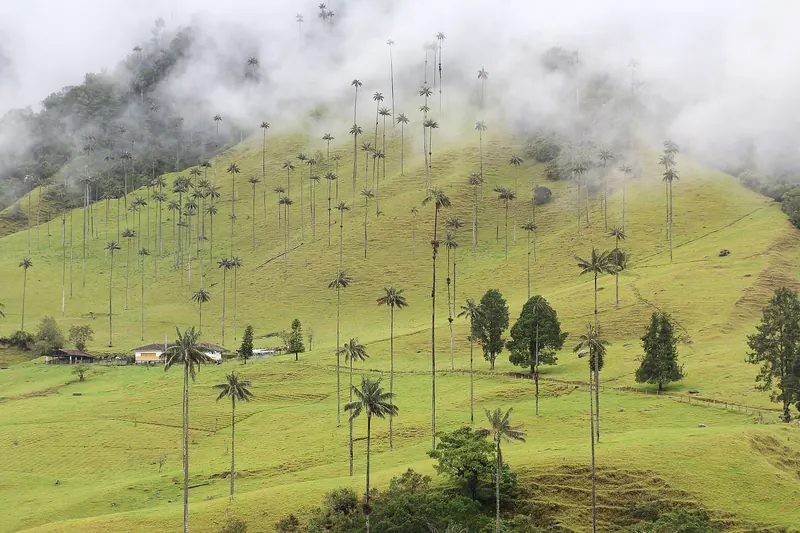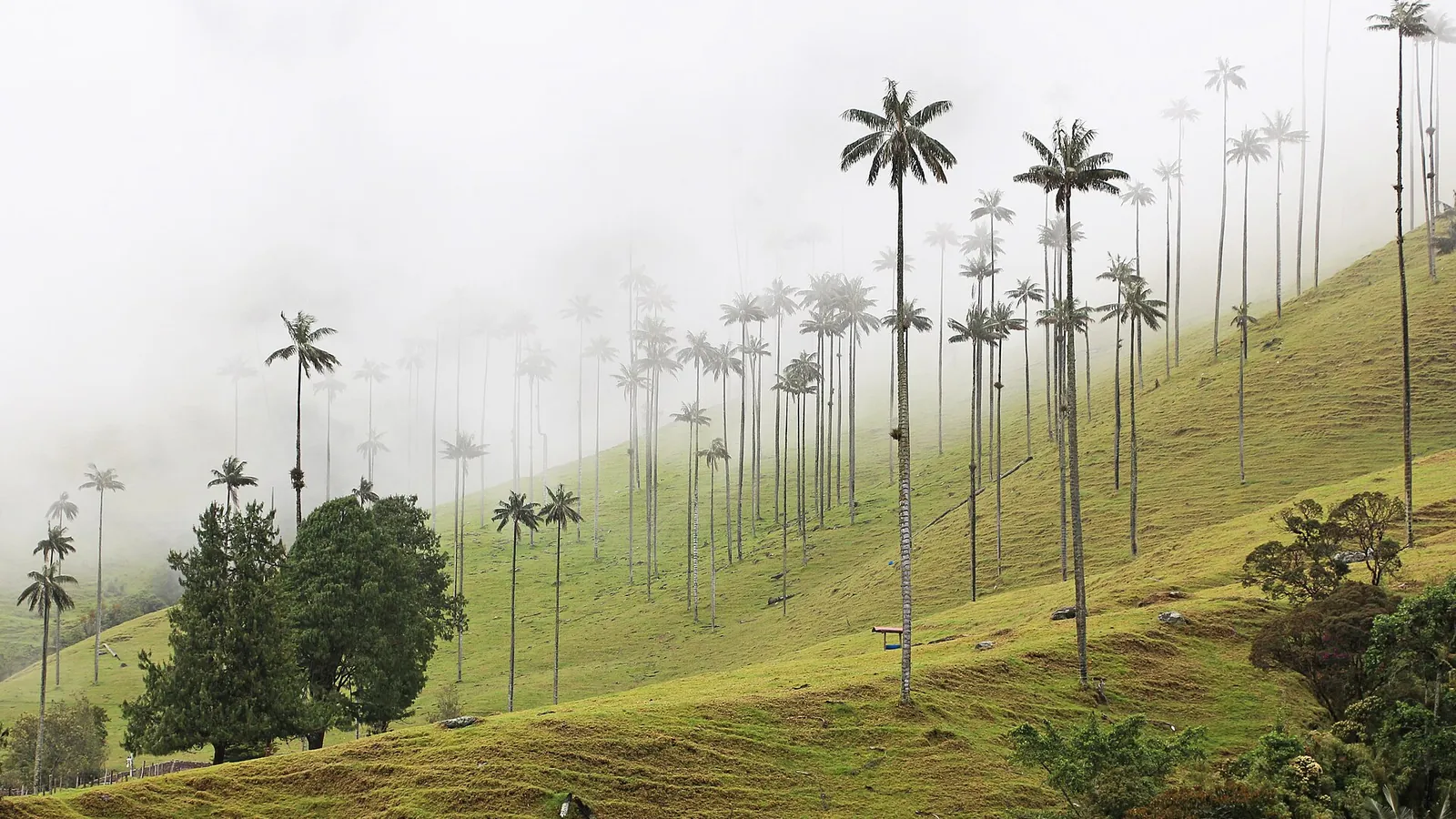
Tall wax palms rising from green hills in the Cocora Valley

Colombia · Travel guide

The Complete Colombia Travel Guide

How the country divides, how to choose between the ten destinations, how to fly, bus and stay safe, and what two weeks can realistically hold.

  • Reading time 13 min read
  • Covers 10 destinations
  • Updated 2026

Photo: Bernard Gagnon · CC BY-SA 4.0

Colombia combines Caribbean beaches, Andean cities, coffee hills and colonial villages with warm people and good value. This guide covers how the regions divide, how to choose between the ten destinations, how to get around safely, when to go, what it costs and three routes that work.

How Colombia divides

Colombia is about 1,600 km from north to south, and it has roughly five zones for a visitor.

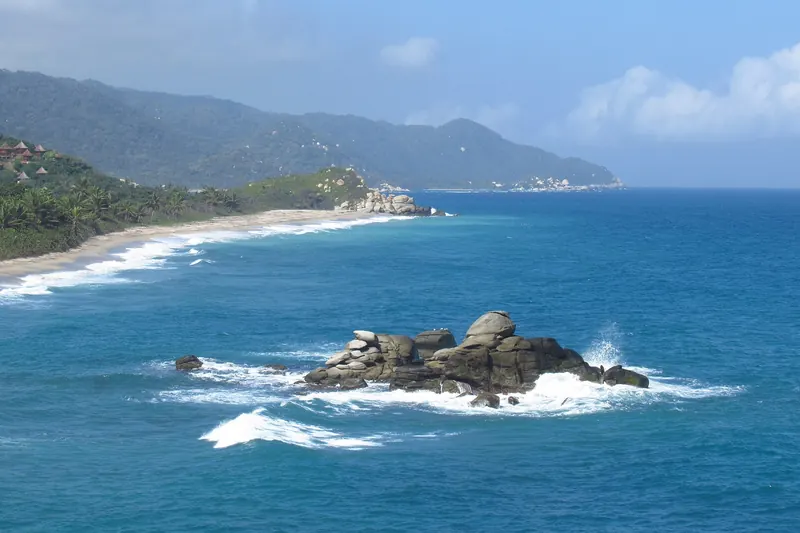
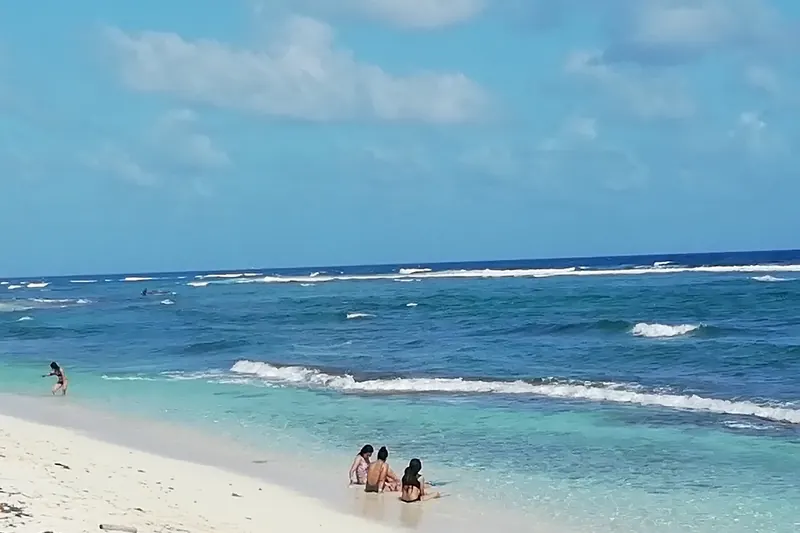
The Caribbean coast. Cartagena is the main gateway, with Tayrona and Santa Marta to the east and San Andrés out at sea.

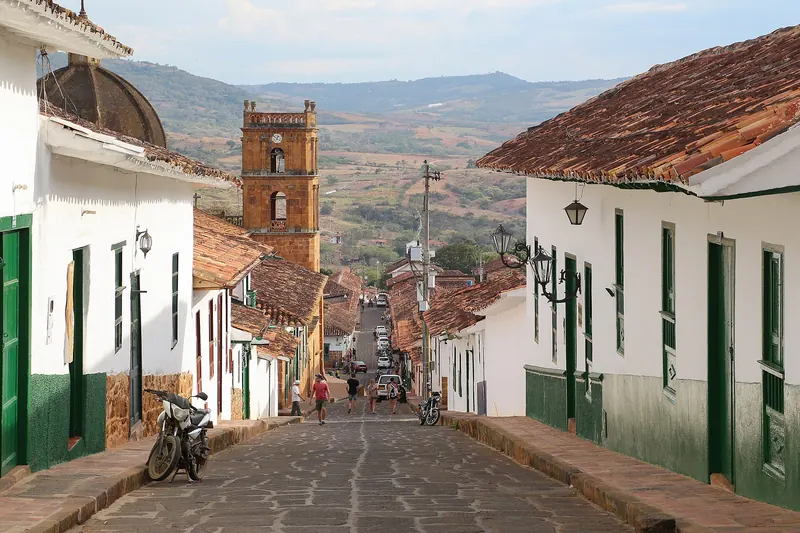
The Andes around Bogotá. Bogotá is the capital, with Villa de Leyva and Barichara as colonial villages.

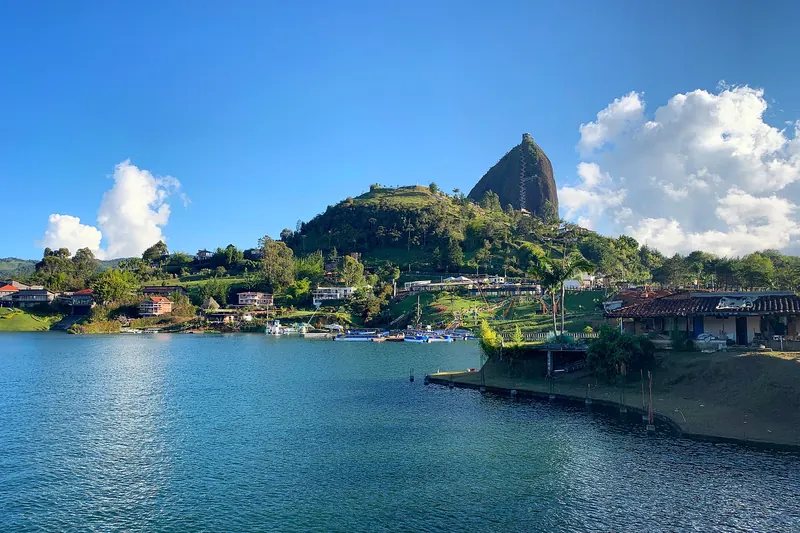
Antioquia. Medellín and Guatapé have spring-like weather and lakes.

The Coffee Axis. Salento and Cocora are the centre of coffee country.

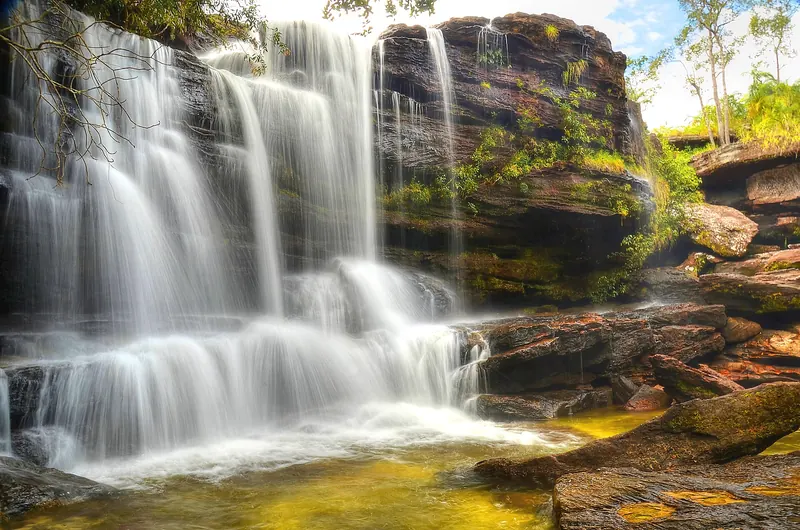
The Llanos and Amazon. Caño Cristales is a remote river of colours.

Worth knowing: The practical unit is two or three of these, linked by cheap flights. Bogotá, Medellín and Pereira are all one hour apart.

Choosing between the ten destinations

Getting around safely

Colombia is easy to navigate by air, and slower by land.

Flights. Fly between Bogotá, Medellín, Cartagena, Santa Marta and Pereira. Fares are low if booked early.

Buses. Comfortable but slow in the mountains. Travel by day.

Ride-hailing. Uber, InDrive and Cabify are safer and cheaper than street taxis in cities.

Local transport. Colectivos serve towns such as Salento, and jeeps take you to trailheads.

Worth knowing: Do not use your phone in the street, and keep bags close on buses.

When to go

Colombia's climate depends on altitude and region, and there are two rainy seasons in the Andes.

December to March is the main dry season in the Andes and Caribbean, and the best window for most trips.

April and May are wetter, with afternoon showers in the Andes.

June to August is a second drier spell in the Andes, and the best months for Villa de Leyva and Caño Cristales (from late June).

September to November is the wettest period in much of the country.

Worth knowing: The Caribbean coast is hot year-round, and Bogotá is cool year-round.

Money, costs and safety

Colombia is good value. A restaurant meal costs US$5–15, a mid-range hotel US$50–100, and an internal flight US$40–100.

Cards are accepted in cities. Carry cash for small towns and colectivos.

Safety takes common sense. Use ride-hailing apps, avoid displaying valuables, and never leave drinks unattended.

Check current government advice for remote regions and border areas.

Three routes that work

  1. One week: Bogotá and Cartagena

    Three nights in Bogotá with a day at Villa de Leyva, then four in Cartagena.

    Tip Fly between them, about 1.5 hours.

  2. Ten days: adding coffee country

    Three nights in Bogotá, three in Medellín with Guatapé, and three in Salento.

    Tip Fly from Medellín to Pereira.

  3. Two weeks: the classic

    The itinerary on the country page: Bogotá, Villa de Leyva, Medellín, Guatapé, the Coffee Region, Cartagena and Tayrona.

    Tip Swap Tayrona for San Andrés if you prefer a Caribbean island.

Reference

The 10 destinations in this guide

Every place named above has its own detailed guide — attractions, food, where to stay, how to get around and a suggested day-by-day plan.

Historic SiteUNESCO Site

Cartagena

Bolívar, Caribbean coast

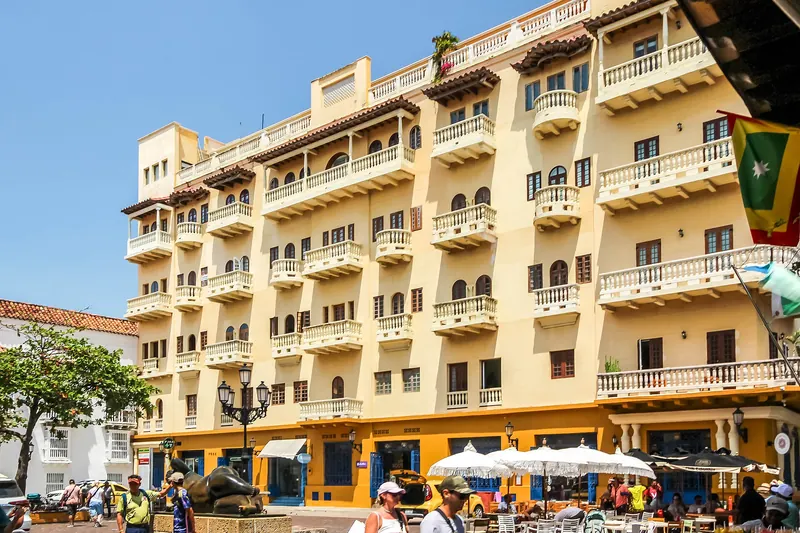
A colourful walled port city with the Clock Tower, San Felipe fortress, Getsemaní's street art, Caribbean seafood, nightlife and boat trips to the Rosario Islands.

Don't miss Watching the sun set from the old city walls with a cold drink as the plazas fill with music.

Explore Destination — Cartagena
Capital CityMajor City

Bogotá

Cundinamarca, Andean highlands

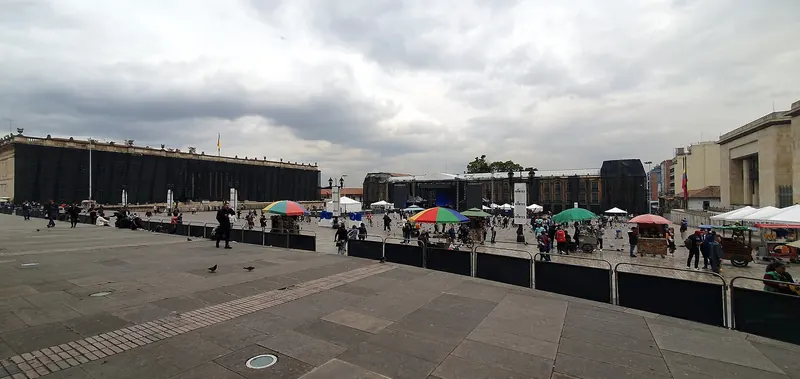
Colombia's capital at 2,640 metres, with La Candelaria's colonial streets, the Gold and Botero museums, Monserrate, street art, restaurants and the Zipaquirá Salt Cathedral.

Don't miss Riding the cable car to the Monserrate sanctuary for a view over the vast city.

Explore Destination — Bogotá
Major CityCulture & Arts

Medellín

Antioquia, Aburrá Valley

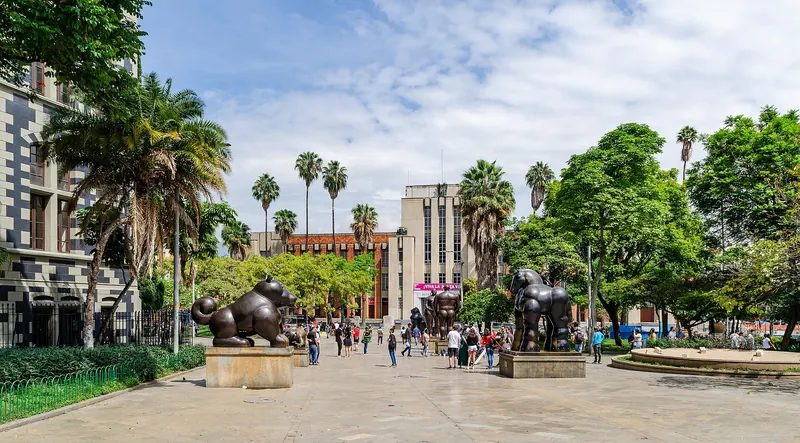
Colombia's innovation city, with Comuna 13's street art and escalators, Plaza Botero, Metrocable rides, Parque Arví, El Poblado's restaurants and a mild climate all year.

Don't miss Riding the Metrocable up to the hillside neighbourhoods, with the whole valley spread out below.

Explore Destination — Medellín
National ParkCoast & Beaches

Tayrona and Santa Marta

Magdalena, Caribbean coast

Tayrona National Park's hidden beaches and forest trails, the colonial port of Santa Marta, the cloud forest village of Minca and the multi-day trek to Ciudad Perdida.

Don't miss Reaching Cabo San Juan, a palm-fringed beach with a hammock hut on a rocky point, after a walk through the jungle.

Explore Destination — Tayrona and Santa Marta
Historic SiteCulture & Arts

Villa de Leyva

Boyacá, Andean highlands

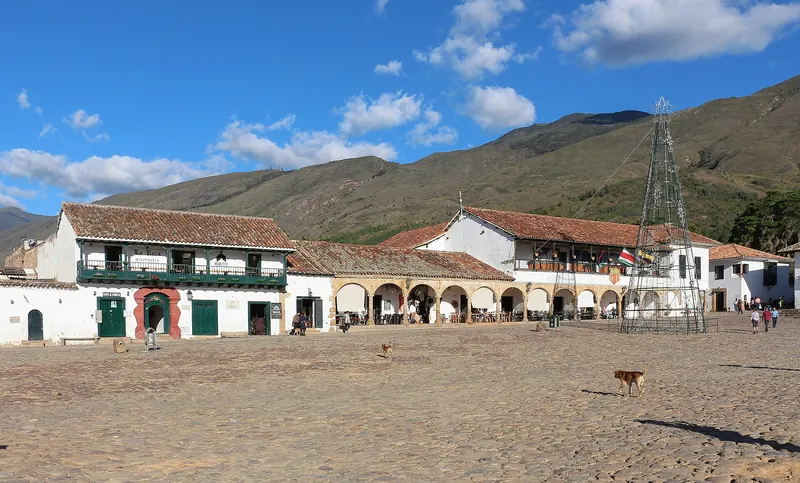
A perfectly preserved colonial town three hours from Bogotá, with the huge Plaza Mayor, whitewashed streets, Iguaque hikes, waterfalls, fossils and wineries.

Don't miss Standing in the vast Plaza Mayor, a cobbled square the size of several football pitches, with the town's white walls and red roofs around it.

Explore Destination — Villa de Leyva
Historic SiteCulture & Arts

Barichara

Santander, north-east Andes

A beautifully preserved colonial town of white walls and terracotta roofs, with a stone cathedral, artisan workshops, the Camino Real hike to Guane and outdoor sports in nearby San Gil.

Don't miss Walking the old stone Camino Real trail from Barichara to the village of Guane.

Explore Destination — Barichara
IslandCoast & Beaches

San Andrés

San Andrés y Providencia, western Caribbean

A small coral island 775 km from the Colombian mainland, with Johnny Cay, Rocky Cay, snorkelling, scuba diving, the Hoyo Soplador blowhole and Raizal Creole culture.

Don't miss Floating in the shallow, seven-shades-of-blue water off Johnny Cay.

Explore Destination — San Andrés
Nature & WildlifeNational Park

Caño Cristales

Meta, Serranía de la Macarena

A remote river in the Serranía de la Macarena whose rocks and aquatic plants turn vivid colours during the rainy-to-dry transition, reached only by flight and guided tours.

Don't miss Wading beside a rock pool where red aquatic plants glow beneath crystal-clear water.

Explore Destination — Caño Cristales

Back to the Colombia country page

FAQ

Planning a trip to Colombia

Should I fly or take buses?

Fly between regions, since domestic flights are cheap and roads are winding. Use buses for shorter hops such as Bogotá to Villa de Leyva or Medellín to Guatapé.

Is it safe to travel independently?

Yes on the main tourist routes, with precautions. Use ride-hailing apps, avoid the street at night with valuables, and follow local advice.

How do I handle the altitude?

Bogotá is at 2,640 metres. Drink water, go easy on the first day and limit alcohol. Medellín and the coast are lower.

When should I book?

Book Tayrona and Ciudad Perdida several weeks ahead, and Cartagena hotels far ahead for December and January.

Advertisement