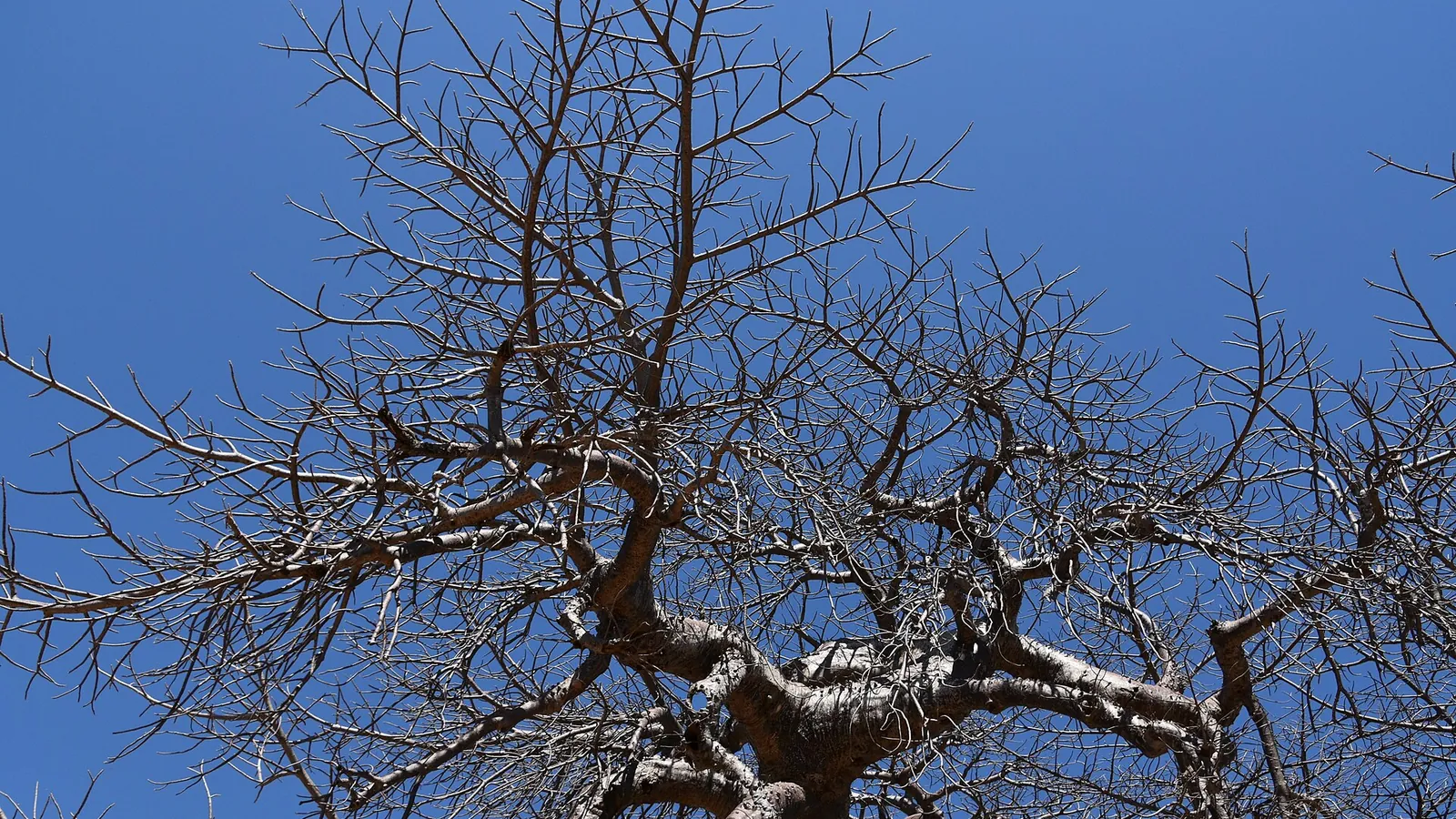
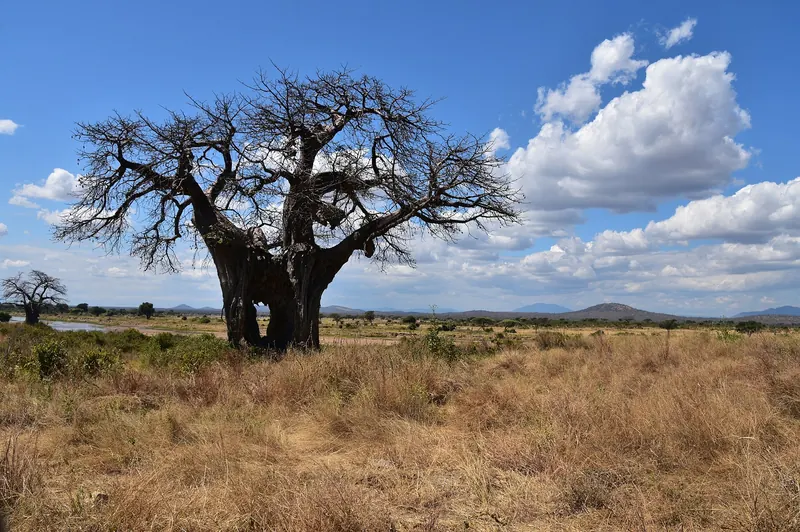
A giant baobab tree in Ruaha National Park

Iringa Region, southern Tanzania · Tanzania

Ruaha National Park

Tanzania's largest park, a rugged baobab wilderness of lions, kudu and elephants with few visitors.

  • Best time June-October
  • Stay 3-4 days
  • Good for Wildlife purists, repeat safari-goers

Photo: Richard Mortel from Riyadh, Saudi Arabia · CC BY 2.0

Welcome to Ruaha National Park

Ruaha is Tanzania's largest national park and one of the least visited. The landscape is rugged, with rolling bush, baobab-studded hills and the Great Ruaha River, which brings life to the dry country.

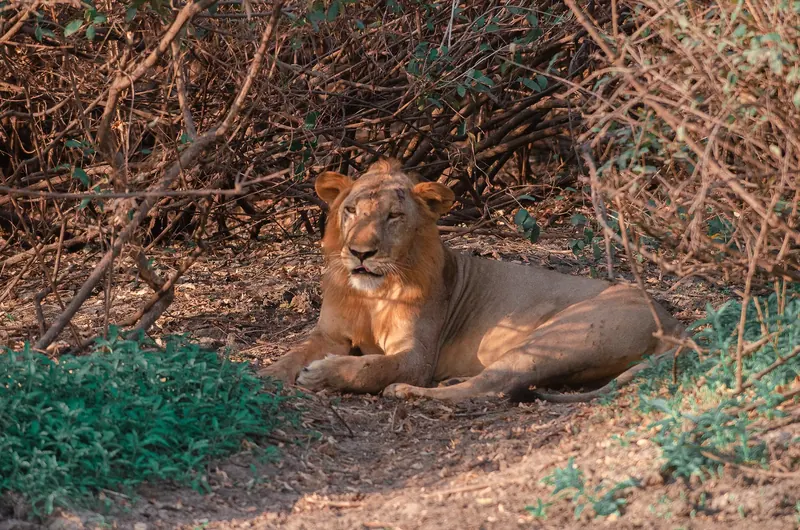
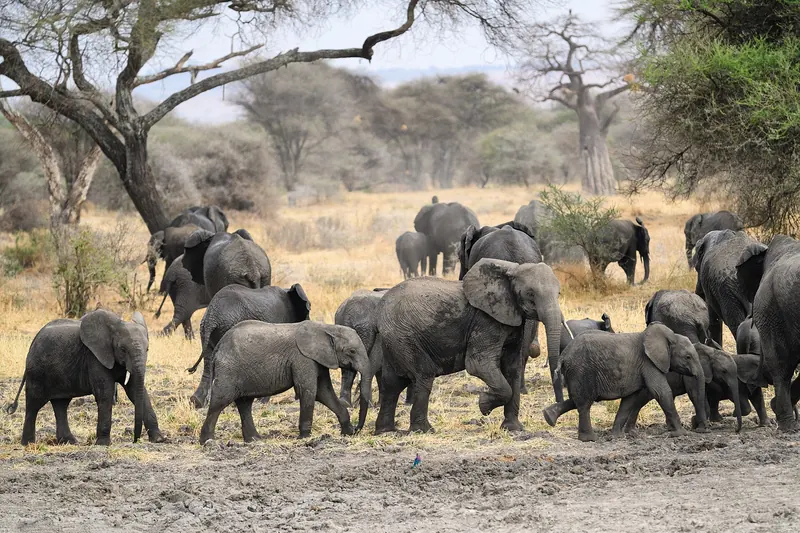
The park sits where southern and eastern African ecosystems meet, so it holds antelope that are hard to find in the north, such as greater kudu, sable and roan, along with large prides of lions, leopards, cheetahs, wild dogs and big elephant herds. In the dry season, animals concentrate along the river, giving great viewing from the camps.

There are few camps and fewer vehicles, so the feel is remote and private. Most visitors fly in from Dar es Salaam or the Serengeti circuit. The remoteness and cost make it a destination for repeat safari-goers, but it rewards the effort.

  • National Park
  • Nature & Wildlife
  • Off the Beaten Path

Why visit

Why visit Ruaha National Park?

Ruaha is wildlife without the crowds.

  • Big lion prides

    Some of the largest in Africa.

  • Rare antelope

    Kudu, sable and roan.

  • Baobab scenery

    A distinctive landscape.

  • Few vehicles

    Near-private game drives.

  • River viewing

    Concentrated wildlife in the dry season.

Main attractions

Top things to see in Ruaha National Park

The river and the bush are the main sights.

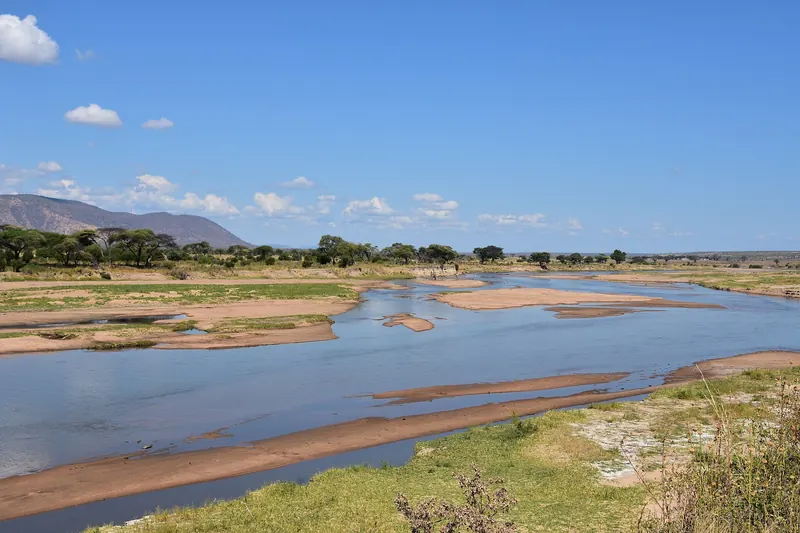
  1. The Ruaha River in Ruaha National Park

    Great Ruaha River

    The park's lifeline, with elephants, hippos and crocodiles.

    Tip Visit in the dry season.

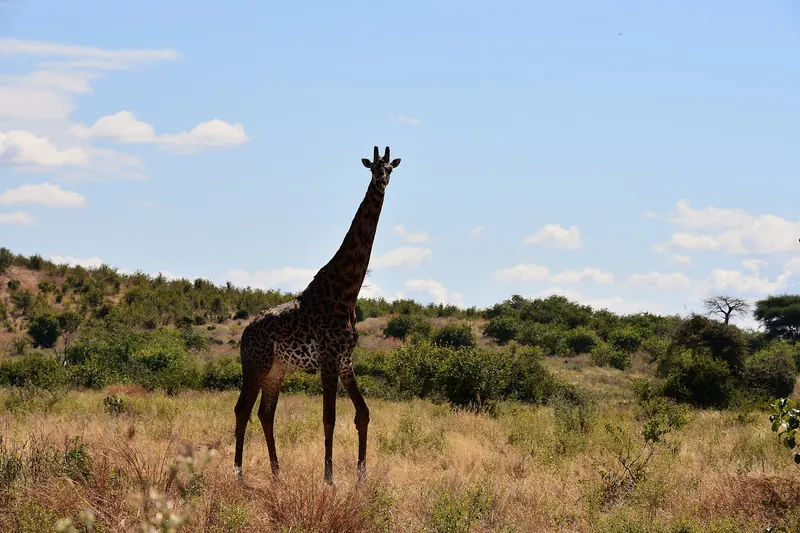
  2. A giraffe in Ruaha National Park

    Msembe area

    The main hub with lodges.

    Tip Start your drives here.

  3. A baobab tree in Ruaha National Park

    Baobab hills

    Landscapes dotted with giant trees.

    Tip Photograph at sunset.

  4. Mwagusi Sand River

    A seasonal river where animals dig for water.

    Tip Look for elephants.

  5. Kudu and roan country

    Rare antelope in the woodland.

    Tip Take a specialist guide.

  6. Walking safari

    Led by a ranger.

    Tip Ask your camp.

Things to do

Best things to do in Ruaha National Park

Expect long bush days and few other people.

  1. Search for lion prides

    Early game drives.

    Tip Be patient.

  2. See rare antelope

    Look for kudu and sable.

    Tip Bring a guidebook.

  3. Walk in the bush

    With an armed ranger.

    Tip Wear neutral colours.

  4. Do a night drive

    Where permitted.

    Tip See leopards and genets.

  5. Fly-camp

    Sleep in the bush.

    Tip Special arrangement.

  6. Watch the river

    From the camp deck.

    Tip Evening sundowners.

Local food

What to eat in Ruaha National Park

Food is camp-prepared and simple.

  • Ugali

    Maize porridge.

    Where to try it Camp meals.

  • Grilled meat

    Nyama choma style.

    Where to try it Camp dinners.

  • Chapati

    Flatbread.

    Where to try it Breakfast.

  • Pilau

    Spiced rice.

    Where to try it Lunch.

  • Fresh bread

    Camp baked.

    Where to try it Morning.

Accommodation

Where to stay in Ruaha National Park

Stay in small camps near the river.

  • Msembe area

    Camps close to the airstrip.

    Best for: Convenience

  • Riverside camps

    Camps on the Great Ruaha.

    Best for: Wildlife

  • Mwagusi

    Camps in the sand river area.

    Best for: Remote

  • Iringa

    Hotels in the town.

    Best for: Gateway

What a night costs

Mid-range camp
US$250-450 per person per night
Luxury camp
US$500-900 per person per night
Fly-camp
US$200-400 per person per night
Park fees
Around US$50-60 per person per day (check)

Transport

Getting to and around Ruaha National Park

Most visitors fly in.

Getting there

  • Fly from Dar es Salaam

    About 1.5 hours.

    Fastest.

  • Drive from Iringa

    About 2 to 3 hours.

    Rough roads.

  • Fly from Arusha

    By charter.

    Expensive.

Getting around

Vehicles and walking.

  • Safari vehicle

    With a driver-guide.

    Included.

  • Walking

    With a ranger.

    Short walks.

  • Flights

    Between camps.

    Light aircraft.

When to go

Best time to visit Ruaha National Park

The dry season concentrates wildlife around the river.

  • June-October

    Best time

    Dry, with animals around the river.

  • November-December

    Good

    Short rains.

  • January-March

    Good

    Green, quiet.

  • April-May

    Think twice

    Long rains, many camps closed.

Worth planning around: April and May, when roads are difficult.

Itinerary

Three days in Ruaha

A remote safari.

  1. Day1

    Arrival

    Flight

    • Morning Fly to Msembe
    • Afternoon Afternoon game drive
    • Evening Dinner at camp
  2. Day2

    Full day

    River and bush

    • Morning Dawn drive
    • Afternoon Walk
    • Evening Evening drive
  3. Day3

    Final morning

    Last drive

    • Morning Early drive
    • Afternoon Flight out
    • Evening Travel

Travel tips

Ruaha National Park travel tips

Remote parks need preparation.

  • Book camps early.
  • Carry malaria precautions.
  • Pack for dust and sun.
  • Bring binoculars.
  • Use soft bags for flights.
  • Respect distance from wildlife.
  • Check camp open dates.

FAQ

Ruaha National Park: frequently asked questions

Why Ruaha?

Fewer vehicles and wild country.

Is it better than the Serengeti?

Different, quieter.

Can I drive?

Yes but rough.

Best months?

June to October.

Are walks safe?

With a ranger.

How long do I need?

Three to four days.

Read next

Related travel articles

Heritage

UNESCO Sites Worth Planning a Trip Around

A UNESCO listing tells you a place matters; it does not tell you whether it is worth two days and a detour. This is how to read the list usefully — and which sites reward building a trip around them.

Where to go

Beyond the Big Names: Places Worth the Detour

The most visited place in a country is rarely its best, and it is almost never its best value. This is a method for finding the destinations that do not make the postcards — and a set of examples from five of the 50 countries on this site.

Advertisement