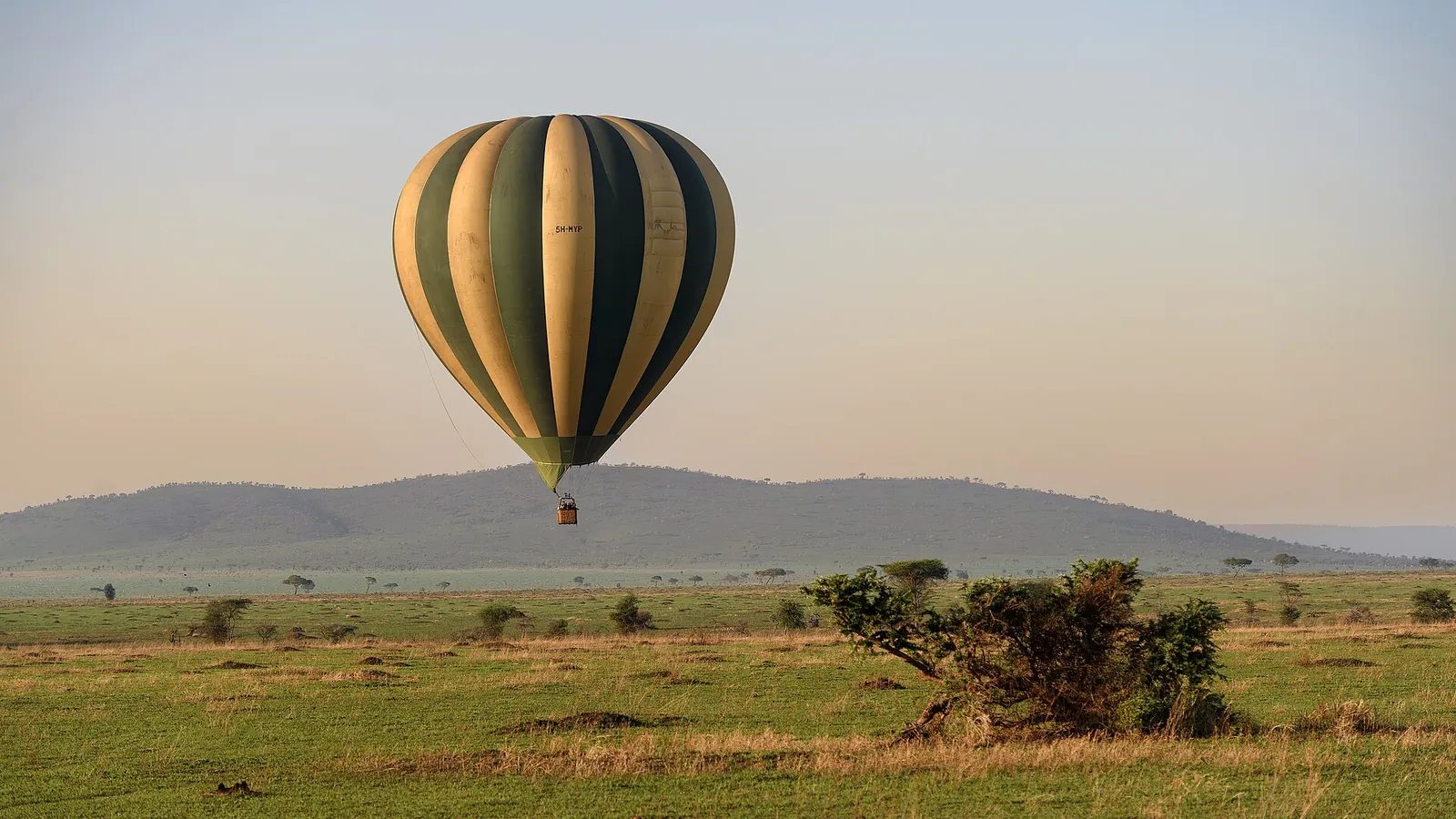
A hot-air balloon rising over the Serengeti plains at dawn

Mara and Simiyu regions, northern Tanzania · Tanzania

Serengeti National Park

Endless golden plains, the greatest wildlife spectacle on Earth and some of the best lion and leopard viewing in Africa.

  • Best time June-October
  • Stay 3-5 days
  • Good for Safari, photography, honeymoons

Photo: Eric Kilby · CC BY-SA 2.0

Welcome to Serengeti National Park

The Serengeti is Tanzania's oldest and most famous national park, a World Heritage Site covering a vast ecosystem of open grassland, kopjes (rocky outcrops), riverine forest and woodland. The name comes from the Maasai word for "endless plains", and standing on them at dawn it is easy to see why.

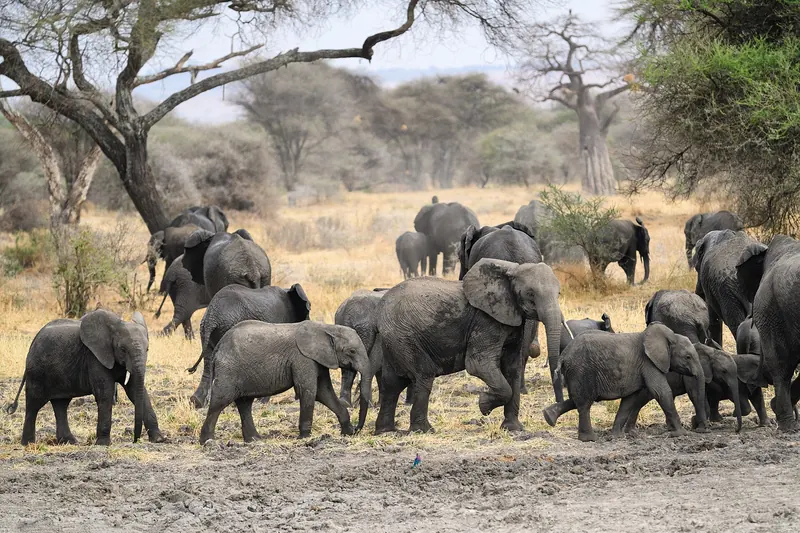
The park is best known for the Great Migration, in which around 1.5 million wildebeest, along with hundreds of thousands of zebra and gazelle, travel in a loop through the ecosystem in search of fresh grass. Calving takes place on the southern plains in January to March, the herds head north through the western corridor and the centre, and the dramatic Mara River crossings in the north usually happen between July and October. Even outside the migration the park holds one of the densest populations of lions, leopards, cheetahs and elephants in Africa.

Safaris here are done in 4x4 vehicles with pop-up roofs, with game drives at dawn and late afternoon. Seronera in the centre is the most reliable base year-round, while the northern Kogatende area and the western corridor follow the herds. Budget time and money for a stay of at least three to four nights, since distances are long and the best viewing is early and late in the day.

  • National Park
  • Nature & Wildlife
  • UNESCO Site
  • Scenic Region

Why visit

Why visit Serengeti National Park?

The Serengeti offers wildlife viewing on a scale few places can match.

  • The Great Migration

    One of the largest animal movements on Earth.

  • Big cats

    Lions, leopards and cheetahs are easy to find.

  • Space and light

    Open horizons and huge skies.

  • Balloon safaris

    Float over the plains at sunrise.

  • Choice of camps

    From mobile tented camps to luxury lodges.

Main attractions

Top things to see in Serengeti National Park

The park is divided into regions, and where you go depends on the season.

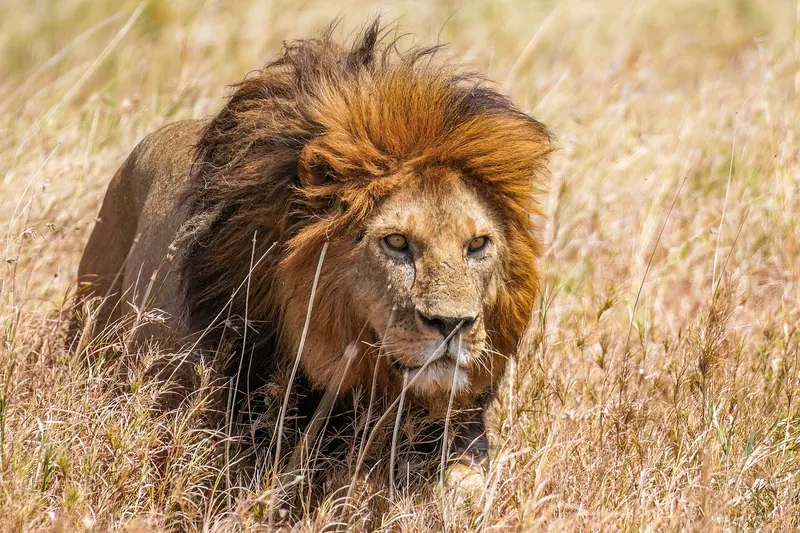
  1. A male lion prowling in the Serengeti

    Seronera Valley

    The central hub, with permanent water and the best year-round predator viewing, especially leopards in the riverine trees.

    Tip Go out before breakfast, when cats are still active.

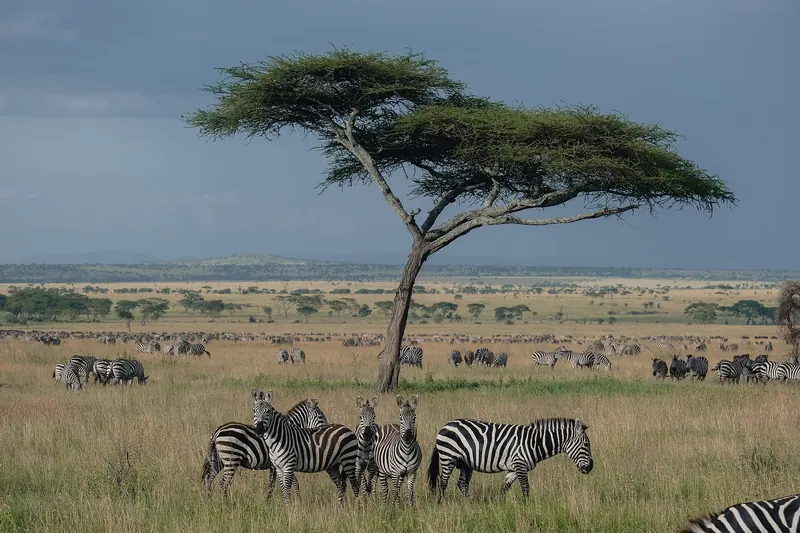
  2. Zebras beside an acacia tree on the Serengeti plains

    Southern plains (Ndutu area)

    Calving grounds of the wildebeest, from about January to March, with predators on the hunt.

    Tip Book early, since camps are small and in demand.

  3. Western Corridor (Grumeti)

    Crocodile-filled river crossings in May to July as the herds move north.

    Tip Crossing timing varies from year to year.

  4. Kogatende and the Mara River

    Dramatic river crossings, usually July to October, in the far north.

    Tip Allow several nights and patience for the crossing.

  5. Moru Kopjes

    Granite outcrops with rock paintings and Maasai history, and rare black rhino.

    Tip Combine with a picnic lunch.

  6. Retina Hippo Pool

    A pool packed with hippos, a short walk from the vehicle with a ranger.

    Tip Keep a safe distance.

Things to do

Best things to do in Serengeti National Park

Safari days are built around early starts and long drives.

  1. Take a sunrise game drive

    Leave camp before dawn when predators are active.

    Tip Pack a layer, since mornings are cold.

  2. Float in a hot-air balloon

    A silent flight over the plains, followed by a bush breakfast.

    Tip Book ahead, as flights can be cancelled in bad weather.

  3. Watch a river crossing

    In the north, wait at the Mara River for the herds to cross.

    Tip Bring patience and a packed lunch.

  4. Join a walking safari

    With an armed ranger in permitted areas.

    Tip Wear neutral colours.

  5. Visit a Maasai village

    Learn about pastoral life and buy crafts.

    Tip Choose a community-run visit.

  6. Photograph at the kopjes

    Lions rest on granite outcrops at midday.

    Tip Use a bean bag for steady shots.

Local food

What to eat in Serengeti National Park

Food on safari is usually prepared by the camp or lodge.

  • Ugali with stew

    Maize porridge served with beef or beans.

    Where to try it Lodges and local eateries in Arusha.

  • Nyama choma

    Grilled meat, popular across Tanzania.

    Where to try it Roadside stops on the way.

  • Chapati

    Flat bread served with most meals.

    Where to try it Camps and market stalls.

  • Mandazi

    Light fried dough, ideal with tea.

    Where to try it Breakfast tables.

  • Bush breakfast

    A cooked breakfast on the plains.

    Where to try it Balloon safari operators.

Accommodation

Where to stay in Serengeti National Park

Where you stay shapes your safari, from tented camps to lodges.

  • Seronera area

    Central lodges and tented camps.

    Best for: Year-round game

  • Northern Serengeti

    Camps near the Mara River.

    Best for: The river crossings

  • Mobile camps

    Seasonal tents that move with the migration.

    Best for: Following the herds

  • Ndutu

    Camps on the edge of the park.

    Best for: Calving season

What a night costs

Camping safari
US$250-400 per person per day
Mid-range lodge
US$400-700 per person per day
Luxury camp
US$800-1,500+ per person per day
Park fees
Around US$80-90 per person per day, plus concession fees

Transport

Getting to and around Serengeti National Park

Most visitors fly to the park or drive from Arusha.

Getting there

  • Fly from Arusha

    About 1 to 1.5 hours to Seronera, with charter and scheduled flights.

    The easiest option, saves a long drive.

  • Drive from Arusha

    About 8 to 9 hours via Ngorongoro.

    Often combined with the crater on the way.

  • Scheduled flights

    Small aircraft link Arusha with several airstrips.

    Baggage limits apply, with soft bags only.

Getting around

You will use a safari vehicle, almost always with a driver-guide.

  • Safari vehicle

    Open-top 4x4 with a driver-guide.

    Included in a safari package.

  • Charter flight

    Between airstrips for long distances.

    Saves hours of driving.

  • On foot

    Only with a ranger, in designated areas.

    Walks are a special add-on.

When to go

Best time to visit Serengeti National Park

The dry season from June to October is the classic time for river crossings and easier game viewing.

  • January-March

    Good

    Calving season on the southern plains, with predators and green grass.

  • June-October

    Best time

    Dry weather, migration in the north and top wildlife viewing.

  • April-May

    Quiet

    Long rains, lower prices and fewer vehicles.

  • November-December

    Good

    Short rains, herds moving south and lush landscapes.

Worth planning around: April and May, when rains can make roads difficult.

Itinerary

Four days in the Serengeti

A short safari built around the central plains.

  1. Day1

    Seronera

    Settling in

    • Morning Arrive by air and head out on a game drive
    • Afternoon Afternoon drive along the Seronera River
    • Evening Sundowner at camp
  2. Day2

    Predator day

    Cats and kopjes

    • Morning Early drive in search of leopards
    • Afternoon Rest at camp
    • Evening Late drive to the kopjes
  3. Day3

    Balloon and plains

    Sunrise from above

    • Morning Hot-air balloon and bush breakfast
    • Afternoon Midday rest
    • Evening Afternoon game drive
  4. Day4

    North or south

    Following the herds

    • Morning Move on to the migration area
    • Afternoon Game drive en route
    • Evening Final evening at camp

Travel tips

Serengeti National Park travel tips

A few tips make safari life easier.

  • Book well ahead for July to October and for calving season.
  • Pack neutral clothing and layers, since dawn is cold.
  • Bring binoculars and a camera with a long lens.
  • Use soft bags for light-aircraft flights.
  • Tip your guide and camp staff.
  • Choose operators with experienced guides.
  • Never leave the vehicle except where permitted.

FAQ

Serengeti National Park: frequently asked questions

How long should I stay?

At least three to four nights.

When is the Great Migration?

It moves through the year, with river crossings usually in the north from July to October.

Can I self-drive?

Yes, but a driver-guide greatly improves sightings.

Is it safe?

Yes, with guides and common-sense rules.

Is a balloon safari worth it?

For many, it is a highlight, though pricey.

How much are park fees?

Daily fees are high for non-residents and are included in packages.

Read next

Related travel articles

Heritage

UNESCO Sites Worth Planning a Trip Around

A UNESCO listing tells you a place matters; it does not tell you whether it is worth two days and a detour. This is how to read the list usefully — and which sites reward building a trip around them.

Where to go

Beyond the Big Names: Places Worth the Detour

The most visited place in a country is rarely its best, and it is almost never its best value. This is a method for finding the destinations that do not make the postcards — and a set of examples from five of the 50 countries on this site.

Advertisement