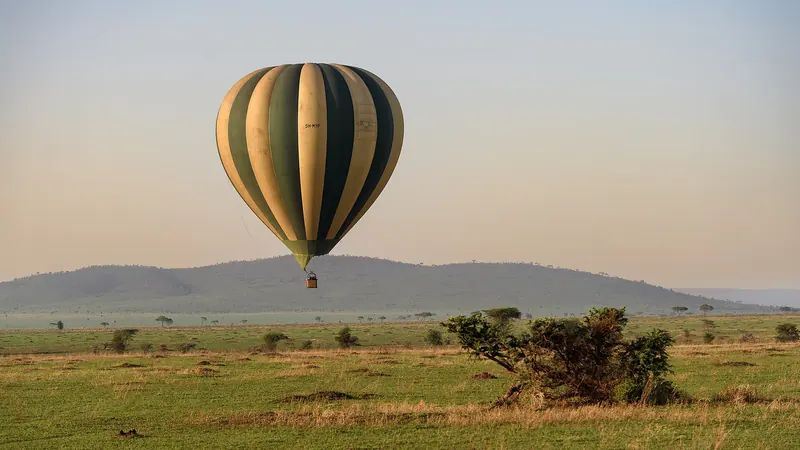
A scene in Nyerere National Park

Morogoro and Lindi regions, southern Tanzania · Tanzania

Nyerere National Park (Selous)

Boat safaris, walking safaris and wild dogs in the Rufiji River wilderness.

  • Best time June-October
  • Stay 2-4 days
  • Good for Safari fans, walkers, repeat visitors

Photo: Erasmus Kamugisha · CC BY-SA 4.0

Welcome to Nyerere National Park (Selous)

Nyerere National Park was carved from the northern part of the former Selous Game Reserve, one of the largest protected areas in Africa. The Rufiji River winds through it, feeding lakes, channels and floodplains where hippos, crocodiles and huge numbers of birds gather.

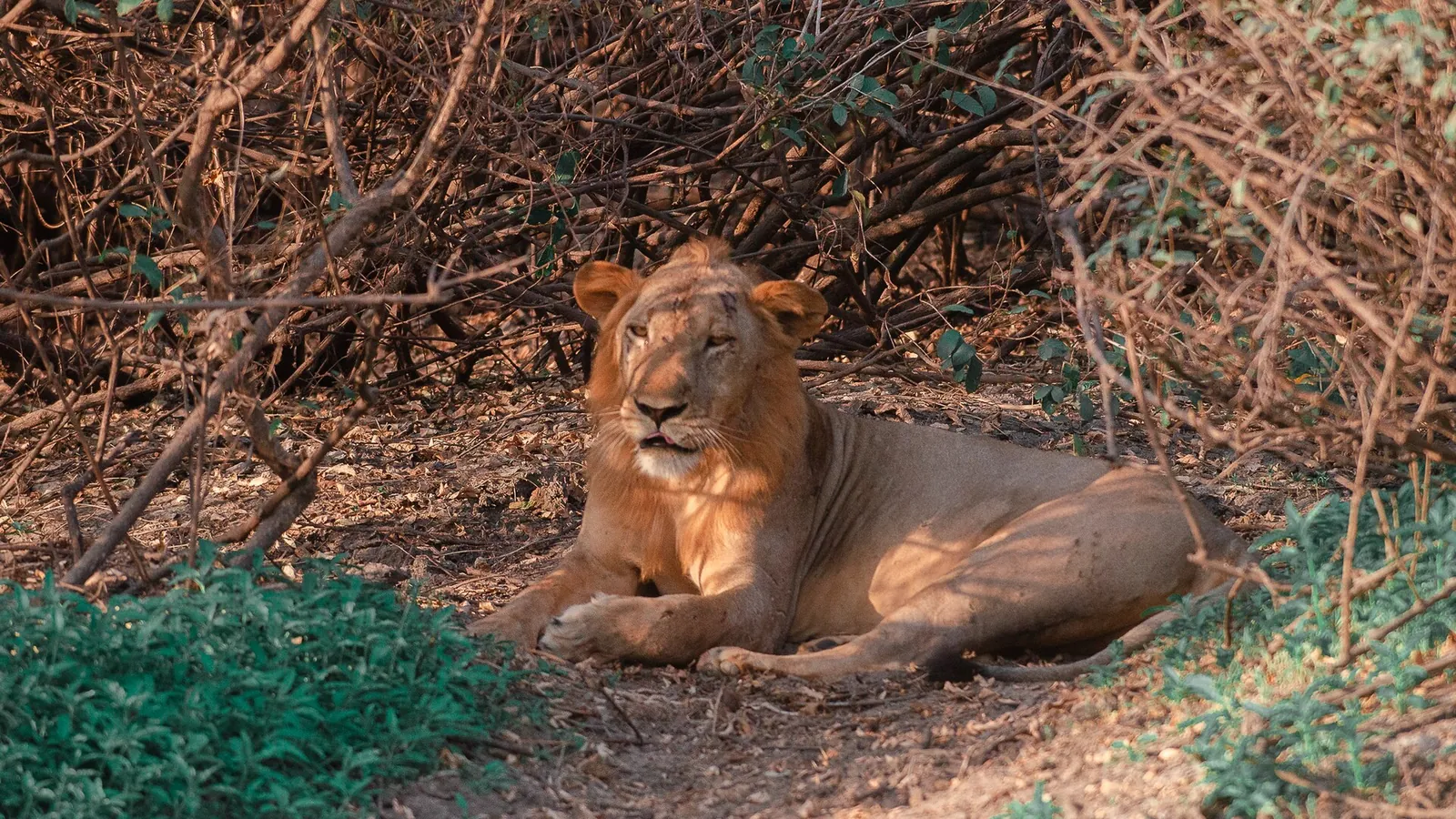
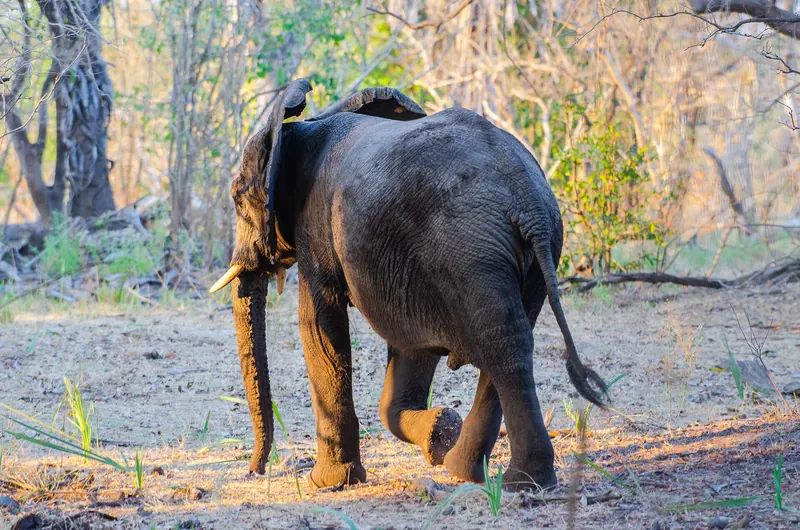
What sets Nyerere apart is the variety of safari styles. In addition to normal game drives, camps offer boat safaris on Lake Tagalala and the Rufiji, and guided walking safaris with armed rangers, which are not allowed in most other Tanzanian parks. The park is one of the best places in the country to see African wild dogs, along with lions, elephants, giraffes and buffalo.

It is easily reached by a short flight from Dar es Salaam, making it a good add-on for a beach holiday on Zanzibar. Most camps are small, and visitor numbers are low, giving a more private experience than the northern circuit.

  • National Park
  • Nature & Wildlife
  • UNESCO Site
  • Off the Beaten Path

Why visit

Why visit Nyerere National Park (Selous)?

Nyerere is a wilder, quieter alternative to the northern parks.

  • Boat safaris

    Float among hippos and crocodiles.

  • Walking safaris

    Experience the bush on foot.

  • Wild dogs

    One of the best places to see them.

  • Few visitors

    A private experience.

  • Easy flight from Dar

    A quick add-on.

Main attractions

Top things to see in Nyerere National Park (Selous)

Activities here centre on the river and lakes.

  1. The Rufiji River landscape in Nyerere National Park

    Rufiji River

    Hippos, crocodiles and riverbirds.

    Tip Take a sunset boat trip.

  2. Lake Tagalala

    A lake with elephants and waterbirds.

    Tip Great for boat safaris.

  3. Walking safari

    Led by an armed ranger.

    Tip Wear neutral colours.

  4. Wild dog packs

    Often seen in the dry season.

    Tip Ask guides for den sites.

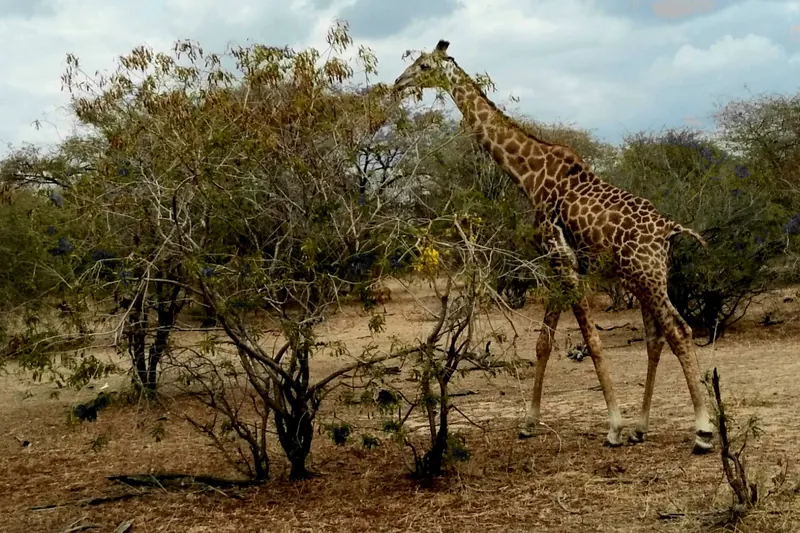
  5. A giraffe in Nyerere National Park

    Game drive circuits

    Lions, giraffes and buffalo.

    Tip Go early.

  6. Fly-camping

    Sleep in a simple tent in the bush.

    Tip Ask your operator.

Things to do

Best things to do in Nyerere National Park (Selous)

Mix drives with boat and walking activities.

  1. Boat safari

    On the Rufiji.

    Tip Bring a hat.

  2. Walking safari

    With a ranger.

    Tip Listen carefully.

  3. Game drive

    At dawn.

    Tip Binoculars help.

  4. Fishing trip

    Catch-and-release.

    Tip Ask your camp.

  5. Bush dinner

    Under the stars.

    Tip A camp highlight.

  6. Visit a village

    Learn about local life.

    Tip Ask your camp.

Local food

What to eat in Nyerere National Park (Selous)

Meals are mostly camp-prepared.

  • Fresh fish

    Rufiji catch.

    Where to try it Camp dinners.

  • Ugali

    Maize porridge.

    Where to try it Local meals.

  • Chapati

    Flatbread.

    Where to try it Camp breakfast.

  • Mandazi

    Fried dough.

    Where to try it Tea time.

  • Pilau

    Spiced rice.

    Where to try it Lunch.

Accommodation

Where to stay in Nyerere National Park (Selous)

Camps are the way to stay.

  • Riverside camps

    Camps on the Rufiji.

    Best for: Boat safaris

  • Lake Tagalala

    Camps near the lake.

    Best for: Birds

  • Eco-lodges

    Smaller lodges.

    Best for: Value

  • Fly-camp

    Basic bush tents.

    Best for: Adventure

What a night costs

Budget camp
US$150-250 per person per night
Mid-range camp
US$300-500 per person per night
Luxury camp
US$600-1,000+ per person per night
Park fees
Around US$50-60 per person per day (check)

Transport

Getting to and around Nyerere National Park (Selous)

Most guests fly in from Dar es Salaam or Zanzibar.

Getting there

  • Fly from Dar es Salaam

    About 45 minutes.

    Fastest.

  • Drive from Dar

    About 5 to 6 hours.

    Long but scenic.

  • Fly from Zanzibar

    About 1 hour.

    Easy beach-safari combo.

Getting around

You will move by vehicle, boat or on foot.

  • Safari vehicle

    With a driver-guide.

    Included.

  • Boat

    On the river.

    Included in activities.

  • On foot

    With a ranger.

    Short walks.

When to go

Best time to visit Nyerere National Park (Selous)

The dry season gives the best wildlife viewing around the river and lakes.

  • June-October

    Best time

    Dry and easy wildlife viewing.

  • November-December

    Good

    Short rains.

  • January-February

    Good

    Green and hot.

  • March-May

    Think twice

    Long rains, many camps close.

Worth planning around: March to May, when most camps close.

Itinerary

Three days in Nyerere

A river-based stay.

  1. Day1

    Arrival

    Flight in

    • Morning Fly from Dar
    • Afternoon Afternoon game drive
    • Evening Sundowner
  2. Day2

    River day

    Boats and birds

    • Morning Boat safari
    • Afternoon Rest
    • Evening Evening drive
  3. Day3

    Walking

    On foot

    • Morning Morning walk
    • Afternoon Lunch
    • Evening Flight out

Travel tips

Nyerere National Park (Selous) travel tips

A few tips for southern safaris.

  • Book camps early, since they are small.
  • Check which camps are open in the rains.
  • Pack light for small aircraft.
  • Bring insect repellent.
  • Wear neutral clothing.
  • Ask about wild dog sightings.
  • Respect ranger instructions.

FAQ

Nyerere National Park (Selous): frequently asked questions

Is it worth a visit?

Yes for boat and walking safaris.

How is it different from the Serengeti?

Fewer people, more variety of activities.

Can I self-drive?

Not recommended.

Is malaria a concern?

Yes, take advice.

When is best?

June to October.

How long do I need?

Two to four days.

Read next

Related travel articles

Heritage

UNESCO Sites Worth Planning a Trip Around

A UNESCO listing tells you a place matters; it does not tell you whether it is worth two days and a detour. This is how to read the list usefully — and which sites reward building a trip around them.

Where to go

Beyond the Big Names: Places Worth the Detour

The most visited place in a country is rarely its best, and it is almost never its best value. This is a method for finding the destinations that do not make the postcards — and a set of examples from five of the 50 countries on this site.

Advertisement