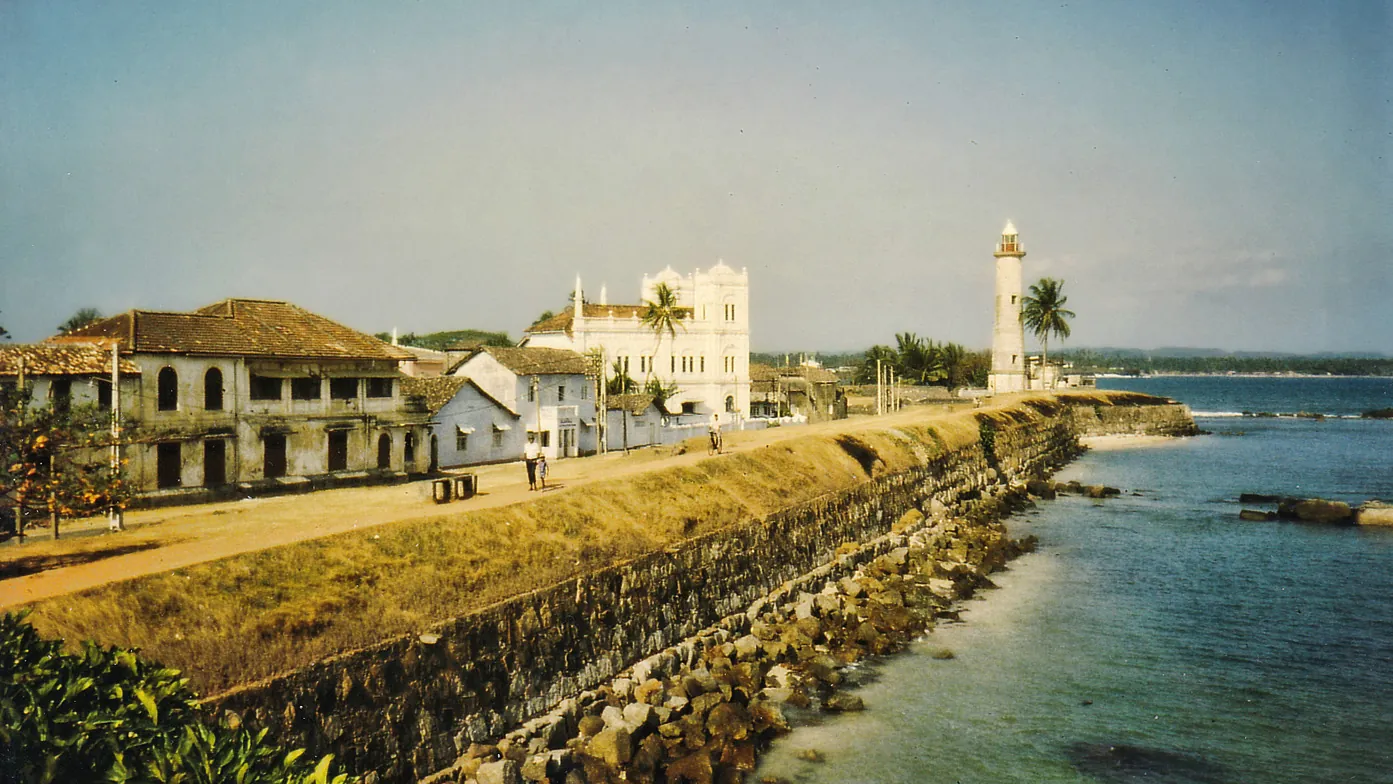
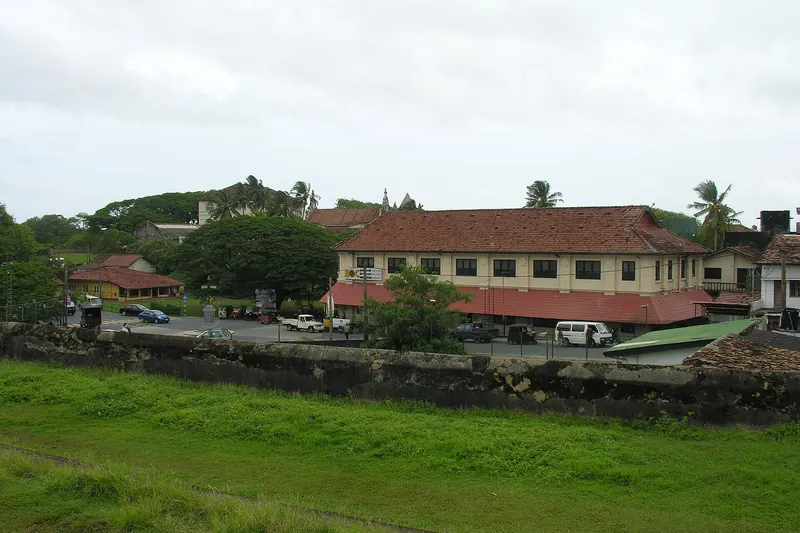
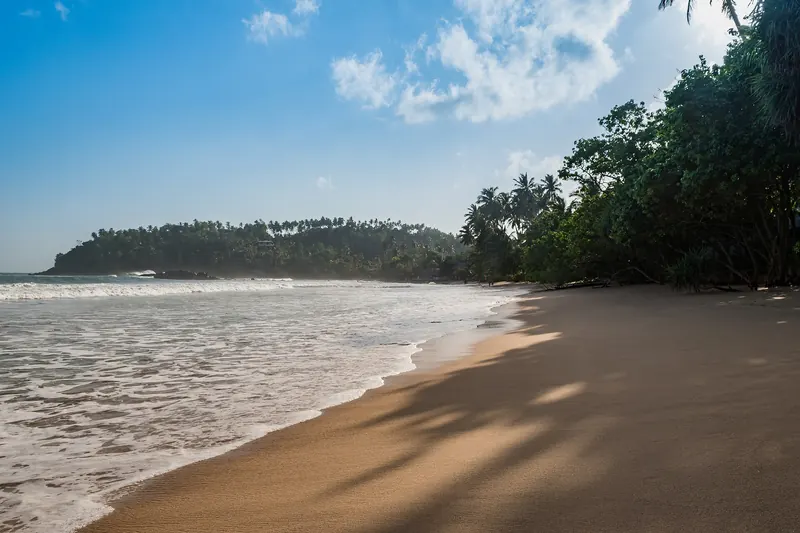
The ramparts and white lighthouse of Galle Fort

Southern Province · Sri Lanka

Galle

A Dutch-era fortified town on a rocky headland, with ramparts, a lighthouse, boutique shops and cafés in a living UNESCO fort.

  • Best time December–March
  • Stay 2 days
  • Good for Couples, history, shopping, south coast trips

Photo: Jan Kranendonk (https://www.jankranendonk.nl) · CC BY-SA 4.0

Welcome to Galle

Galle is a city on the south-west coast, and its historic heart, the Galle Fort, is one of the best-preserved colonial sea fortresses in Asia. The Portuguese built the first fort in 1588, and the Dutch took the town in 1640 and constructed the massive stone ramparts and bastions visible today. It is a UNESCO World Heritage Site, and unlike many such sites, it is a living town, with shops, schools, mosques, churches and families inside the walls.

The fort covers about 52 hectares, and a walk along the ramparts, about 2.5 km, takes in the lighthouse, the Old Gate, the Clock Tower and sea views. Inside, streets are lined with Dutch-colonial houses, some converted into boutique hotels, antique shops, galleries and cafés. Landmarks include the Dutch Reformed Church of 1755, the Meeran Mosque and the National Museum.

The 2004 tsunami hit Galle hard, but the fort's thick walls protected the old town. Beyond the walls, the south coast has beaches such as Unawatuna and Jungle Beach, and a stilt fishermen coastline at Koggala. Two days is a good stay, ideally with sunset on the ramparts.

  • UNESCO Site
  • Historic Site
  • Coast & Beaches
  • Culture & Arts

Why visit

Why visit Galle?

Galle is Sri Lanka's most charming colonial town.

  • A living fort

    UNESCO-listed with residents.

  • The ramparts

    A sunset walk.

  • Boutiques and cafés

    In Dutch houses.

  • Beaches nearby

    Unawatuna and Jungle Beach.

  • Easy access

    Expressway from Colombo.

Main attractions

Top things to see in Galle

The fort is small and walkable.

  1. The Dutch ramparts and streets of Galle Fort

    Galle Fort ramparts

    A 2.5-km walk along the top of the walls, with views of the sea and town.

    Tip Go at sunset.

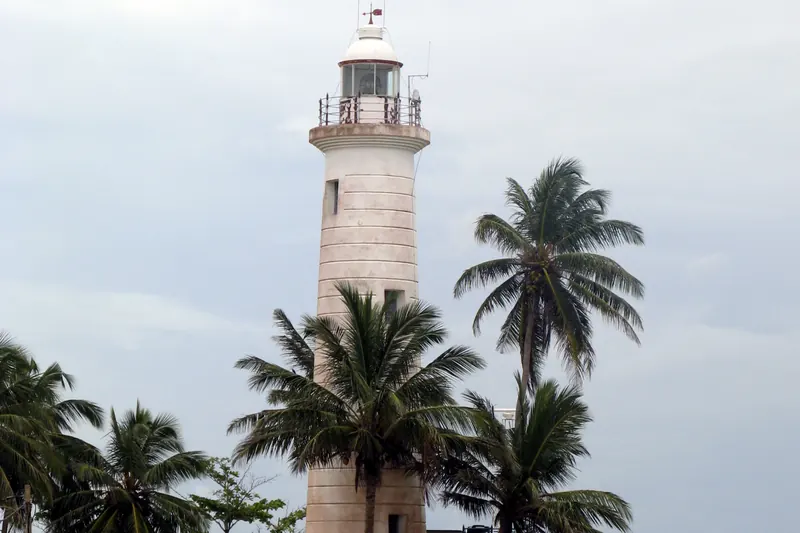
  2. The white lighthouse at the tip of Galle Fort

    The Lighthouse

    A white lighthouse at the southern point of the fort, a photo favourite.

    Tip Best in late afternoon.

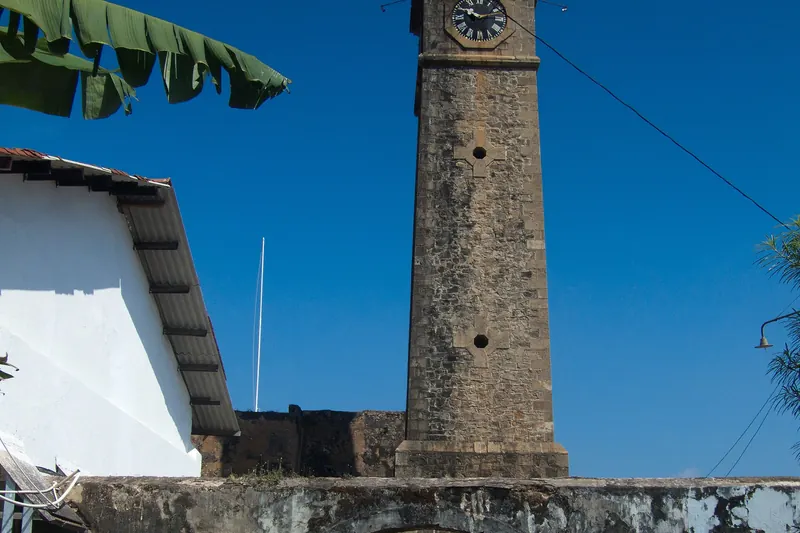
  3. The old clock tower in Galle Fort

    The Old Clock Tower

    A clock tower built in 1883 in the fort.

    Tip Photograph in the morning.

  4. Dutch Reformed Church

    A church built in 1755 with tombstones on the floor.

    Tip Free to enter.

  5. Meeran Mosque

    A white mosque near the lighthouse.

    Tip Dress modestly.

  6. Unawatuna Beach

    A curved beach 5 km from the fort.

    Tip Take a tuk-tuk.

Things to do

Best things to do in Galle

Galle is for strolling and shopping.

  1. Walk the ramparts

    Complete loop.

    Tip Go at sunset.

  2. Shop for crafts

    Lace, jewellery and antiques.

    Tip Bargain politely.

  3. Sip coffee in a Dutch house

    Cafés.

    Tip Try local roasters.

  4. Visit Unawatuna

    A beach day.

    Tip Swim carefully.

  5. Take a stilt fisherman photo

    At Koggala.

    Tip Tip fishermen fairly.

  6. Visit a turtle hatchery

    Along the coast.

    Tip Check ethical practices.

Local food

What to eat in Galle

Galle's food is coastal.

  • Crab curry

    A Sri Lankan classic.

    Where to try it Fort restaurants.

  • Fish curry

    Local catch.

    Where to try it Guesthouses.

  • Hoppers

    Egg hoppers.

    Where to try it Cafés.

  • Wood-apple juice

    Local fruit.

    Where to try it Stalls.

  • Lamprais

    Dutch Burgher rice parcel.

    Where to try it Restaurants.

Accommodation

Where to stay in Galle

Stay in the fort.

  • Inside the fort

    Boutique hotels.

    Best for: Atmosphere

  • Unawatuna

    Guesthouses.

    Best for: Beaches

  • Outside Galle

    Simple stays.

    Best for: Budget

What a night costs

Guesthouse
US$20–45 per night
Mid-range hotel
US$70–150 per night
Boutique fort hotel
US$150–350 per night
Meal
US$4–15 per person

Transport

Getting to and around Galle

Galle is on the coastal railway and expressway.

Getting there

  • Expressway from Colombo

    About 1.5 to 2 hours by car.

    The fastest.

  • Train from Colombo

    About 2.5 to 3 hours along the coast.

    Scenic.

  • Bus

    About 2 to 2.5 hours.

    Frequent.

Getting around

The fort is compact.

  • On foot

    In the fort.

    Comfortable shoes.

  • Tuk-tuk

    To beaches.

    Agree fares.

  • Train

    Along the coast.

    Cheap.

When to go

Best time to visit Galle

The south-west is best in the north-east monsoon season.

  • December–March

    Best time

    Dry, sunny.

  • April–May

    Quiet

    Hot.

  • June–September

    Think twice

    Monsoon rain, rough seas.

  • October–November

    Think twice

    Inter-monsoon storms.

Worth planning around: The southwest monsoon.

Itinerary

Two days in Galle

The fort and the beach.

  1. Day1

    The fort

    Ramparts and lanes.

    • Morning Walk the ramparts.
    • Afternoon Shops and cafés.
    • Evening Sunset at the lighthouse.
  2. Day2

    The coast

    Beach.

    • Morning Unawatuna.
    • Afternoon Koggala.
    • Evening Depart.

Travel tips

Galle travel tips

A few tips help you plan.

  • Go at sunset.
  • Stay in the fort.
  • Bring a hat.
  • Try the local crab.
  • Bargain politely.
  • Watch for rip currents.
  • Use the expressway.

FAQ

Galle: frequently asked questions

How many days in Galle?

Two.

Is Galle Fort a UNESCO site?

Yes.

How far from Colombo?

About two hours.

Is it touristy?

Somewhat, but charming.

When to go?

December to March.

Can I swim?

At Unawatuna, with care.

Read next

Related travel articles

Heritage

UNESCO Sites Worth Planning a Trip Around

A UNESCO listing tells you a place matters; it does not tell you whether it is worth two days and a detour. This is how to read the list usefully — and which sites reward building a trip around them.

Where to go

Choosing a Mediterranean Coast

The Mediterranean coasts in this guide are not interchangeable. Some have sand and some have rock; some are glamorous and some are cheap; two of them are effectively closed for half the year. This is a comparison by the things that decide whether a coastal week works — swimming, crowds, cost, transport and what there is to do when you get out of the water.

Advertisement