Welcome to Polonnaruwa
Polonnaruwa succeeded Anuradhapura as the capital of Sri Lanka in the 11th century, first under the Chola invaders and then under the great Sinhalese kings Vijayabahu I and Parakramabahu I. In the 12th century, Parakramabahu created a magnificent city and the vast Parakrama Samudra, the Sea of Parakrama, a giant reservoir that irrigated the surrounding land. The city was abandoned in the 13th century, and its ruins are now a UNESCO World Heritage Site.
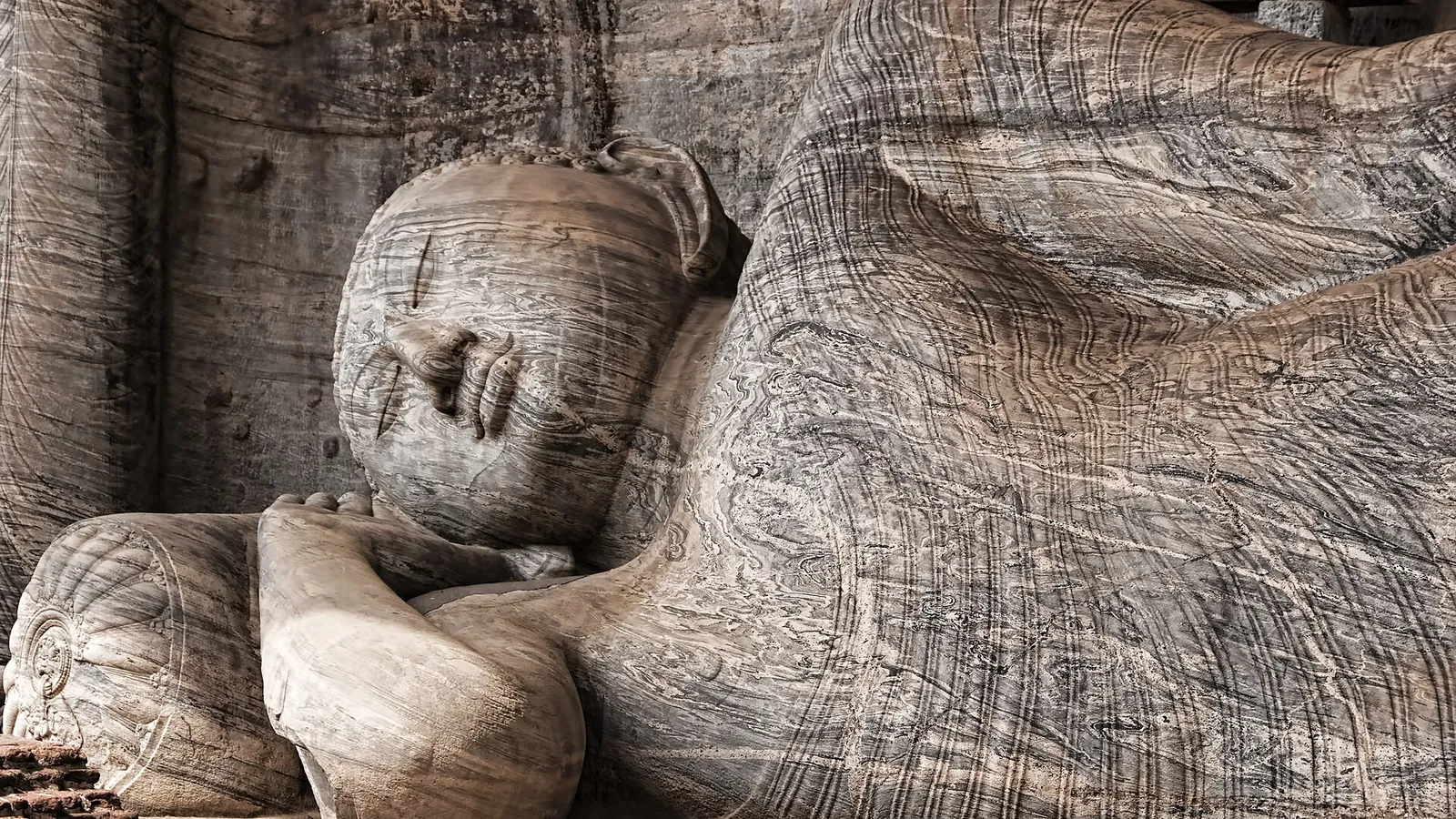
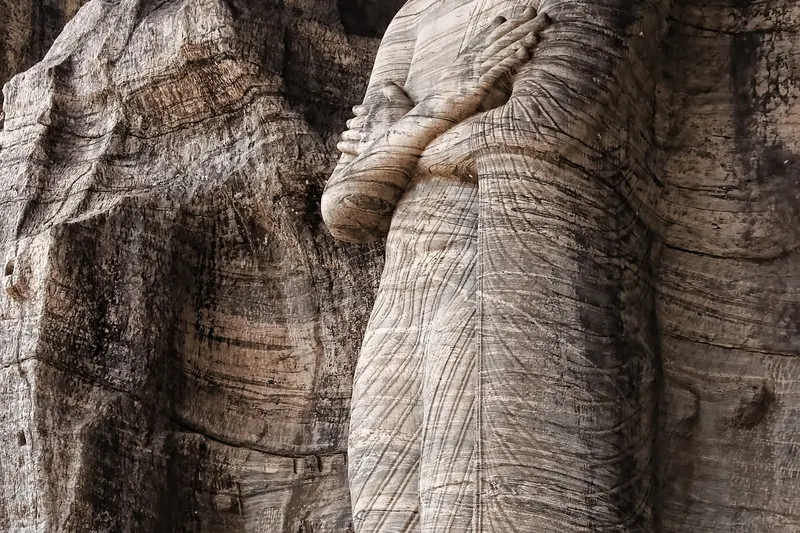
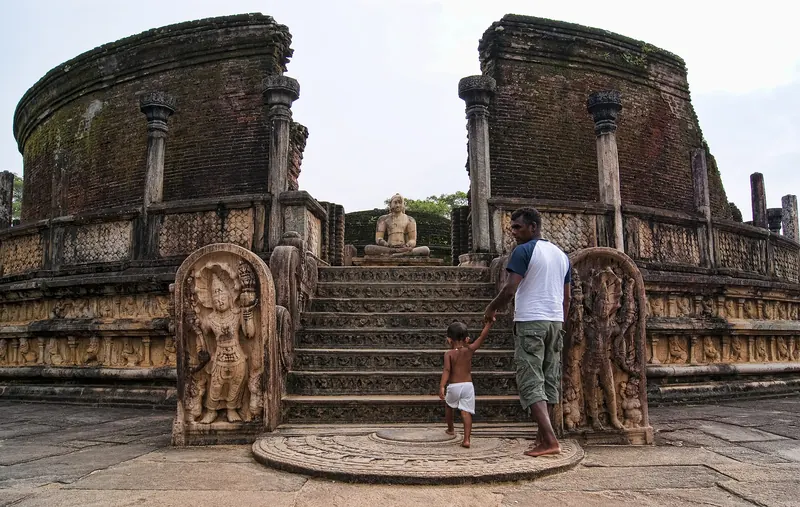
Compared with Anuradhapura, Polonnaruwa is compact and easier to explore. The Quadrangle is a raised terrace with the Vatadage, a circular relic house with carved moonstones and Buddha statues, and other shrines. The Royal Palace once had seven storeys. And the Gal Vihara, a group of four Buddha images carved from a single granite rock face, including a 14-metre reclining Buddha, is considered the finest example of Sinhalese rock carving.
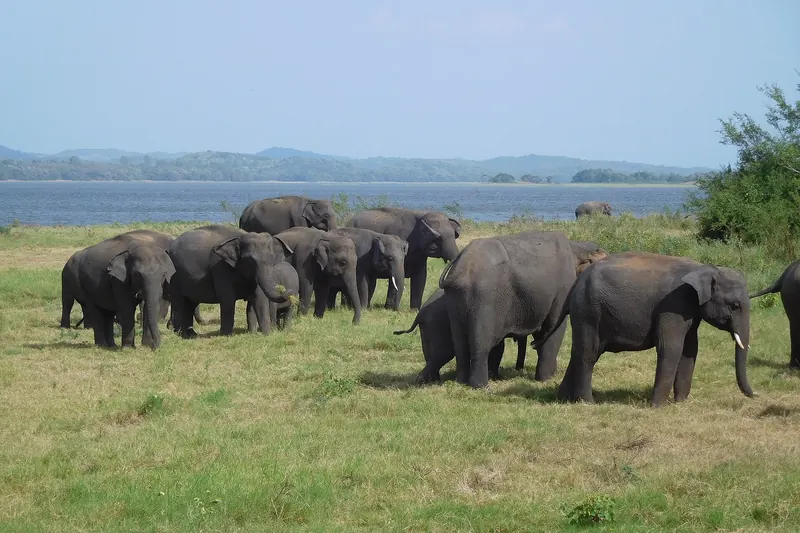
The best way to see the site is by bicycle, early in the morning. Just outside, Minneriya and Kaudulla national parks host 'The Gathering', when hundreds of wild elephants gather at the reservoir in the dry season, from July to October. A day at Polonnaruwa, combined with an afternoon safari, is an excellent day.
- UNESCO Site
- Archaeology
- Historic Site
- Nature & Wildlife