Welcome to Córdoba
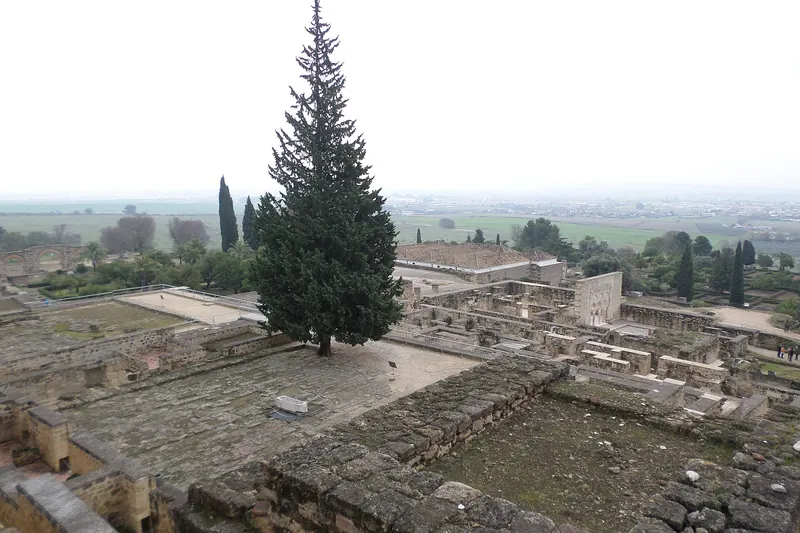
In the 10th century Córdoba was the capital of a caliphate that covered most of the Iberian peninsula, and by most estimates the largest city in Western Europe — perhaps 400,000 people at a time when Paris had 20,000. It had street lighting, running water, paved roads and a library said to hold 400,000 volumes. Almost none of that survives. What survives is the mosque.
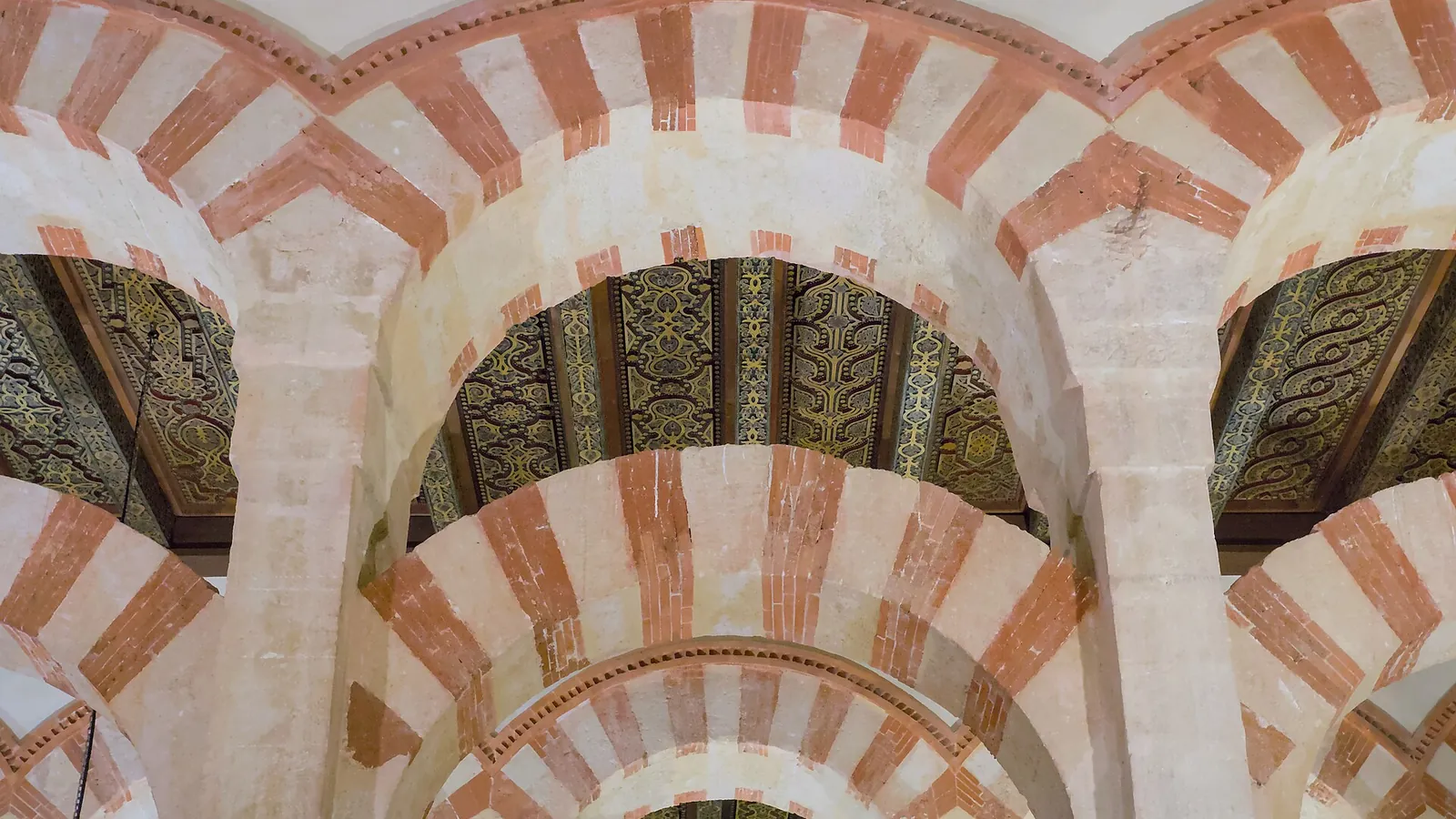
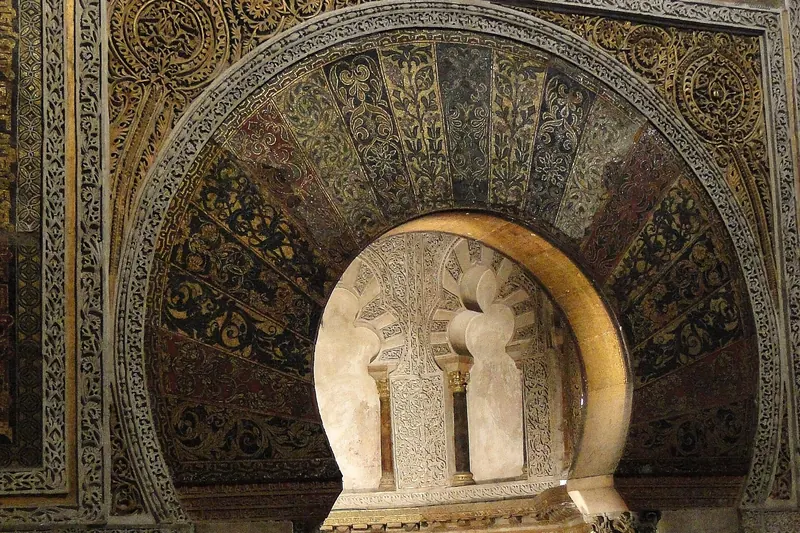
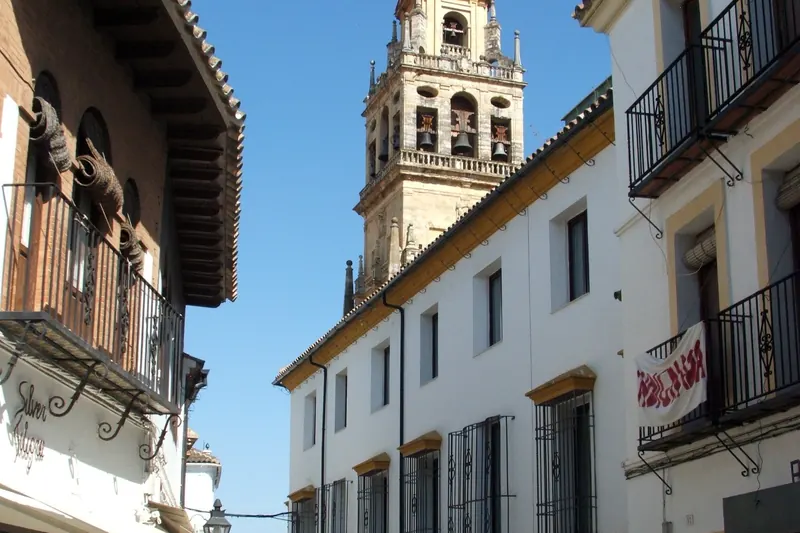
The Mezquita is one of the great buildings of the world and it does not photograph in a way that prepares you. You walk in from an orange-tree courtyard into a low, dim hall of 856 columns supporting a double tier of red-and-white striped arches, receding in every direction with no visual centre. It was built and extended over two hundred years, and after the reconquest a Renaissance cathedral was constructed inside it — which sounds like vandalism and produces one of the strangest and most affecting interiors anywhere.
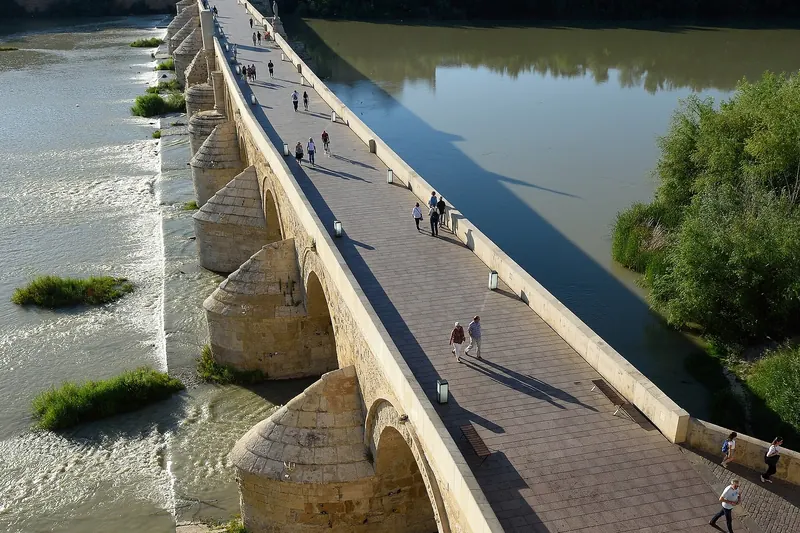
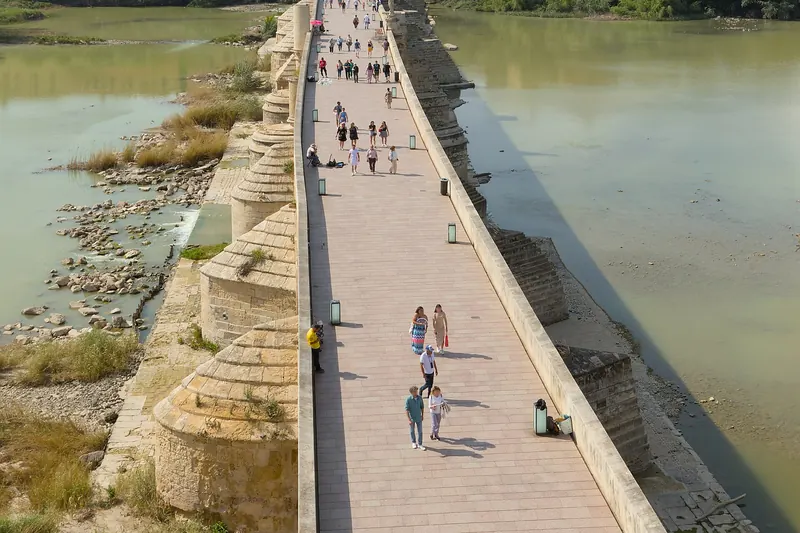
The city around it is small, walkable and considerably quieter than Seville or Granada. Most visitors treat Córdoba as a day trip from Seville, 45 minutes away by high-speed train, and see the Mezquita in the middle of the day with everyone else. An overnight changes it entirely — the Judería empties, the Roman bridge lights up, and the city becomes one of the most pleasant in Andalusia.
- UNESCO Site
- Historic Site
- Off the Beaten Path
- Culture & Arts