Spain is a country of seventeen autonomous communities with different languages, climates, food and architecture, and understanding four broad blocs makes trip planning much easier.
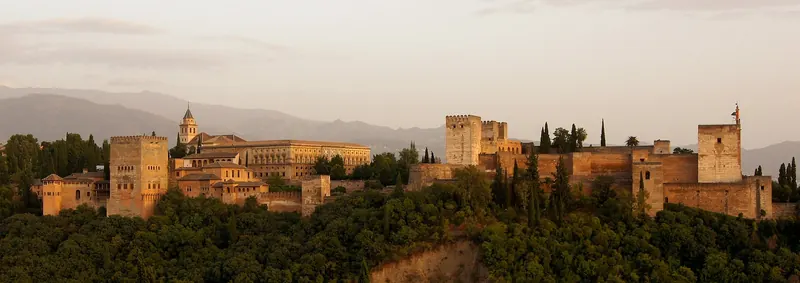
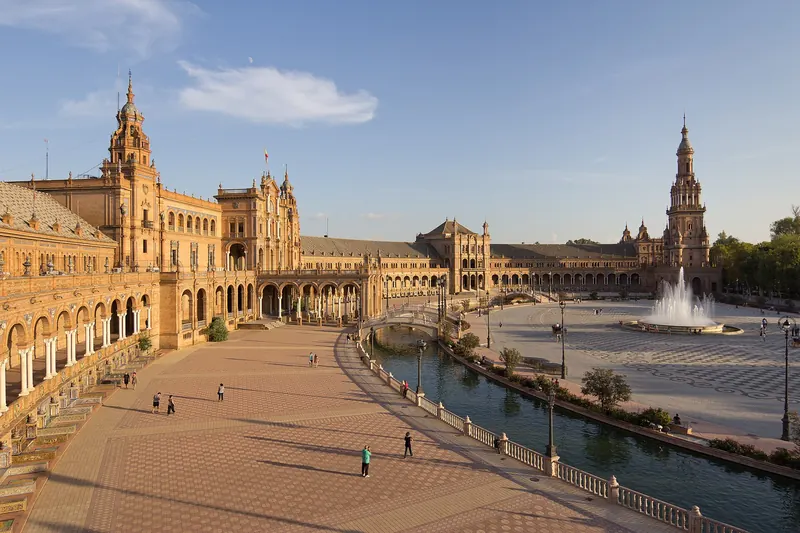
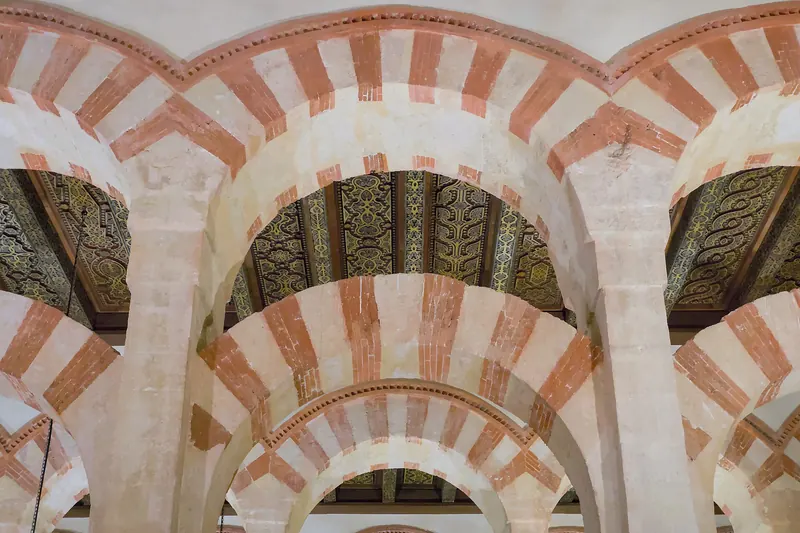
The south — Andalusia. Eight centuries of Islamic rule left the Alhambra, the Mezquita and the Alcázar of Seville, the three greatest monuments in Spain. It is dry, hot, and the home of flamenco, tapas and sherry. This is what most people picture when they picture Spain, and the three great cities sit within two hours of one another.
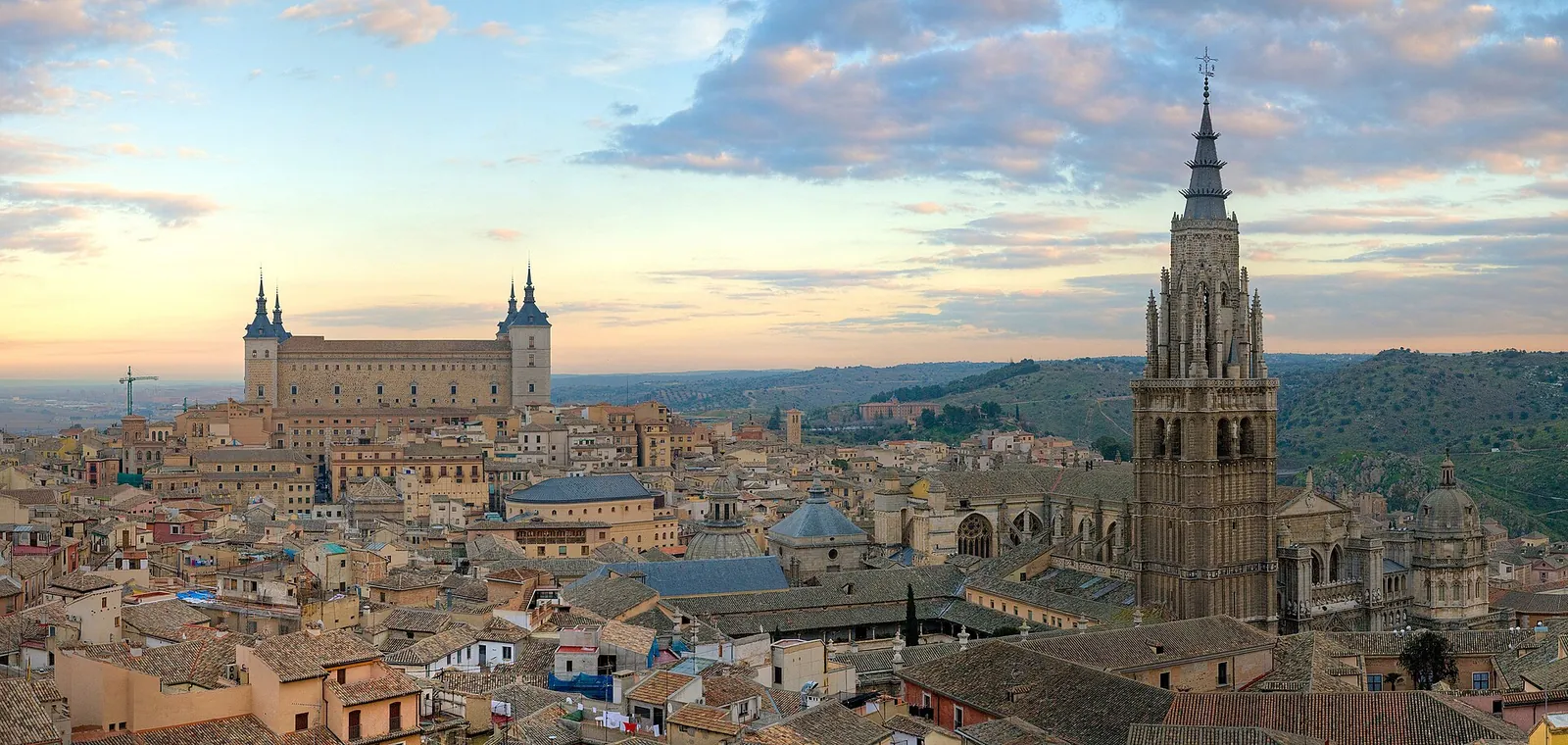
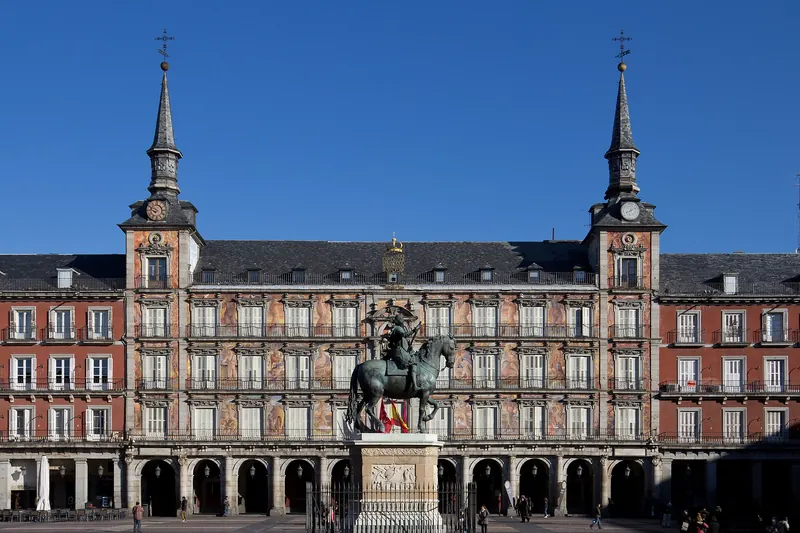
The centre — Madrid and Castile. A high plateau at 650 m with cold winters and fierce summers, holding the capital, the Prado, and a ring of small historic cities — Toledo, Segovia, Ávila, Salamanca — that are among the best day trips in Europe. Madrid is the hub of the entire rail network, which makes it the natural pivot for a longer trip.
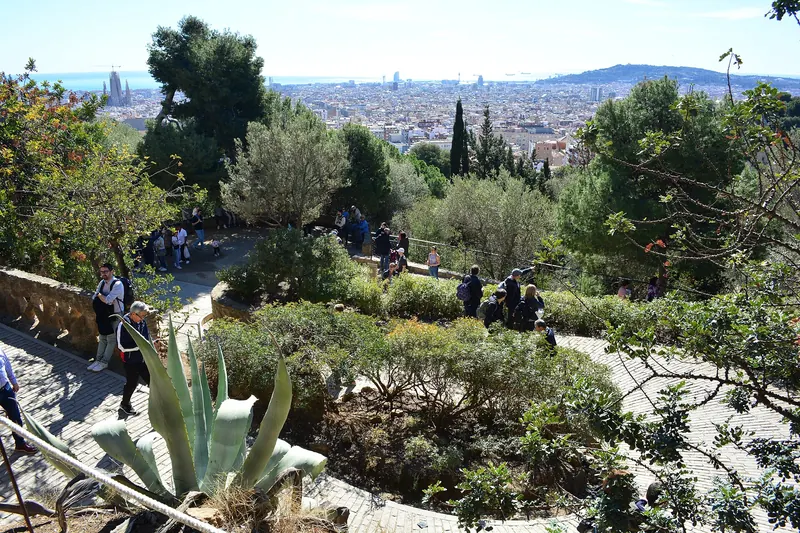
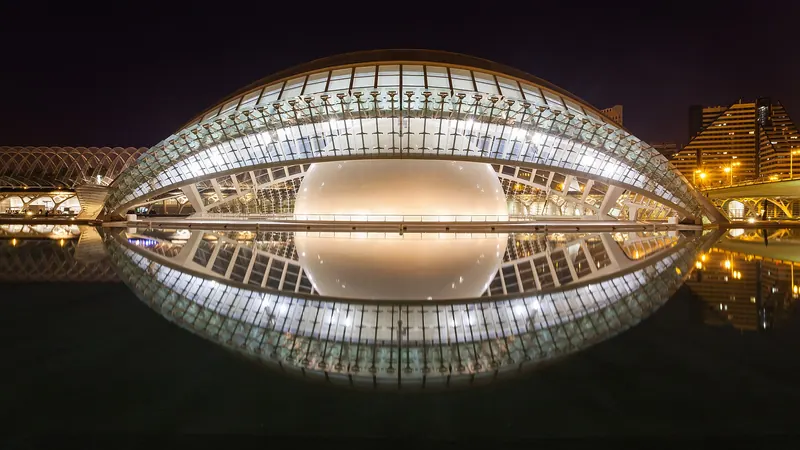
The east — Catalonia and the Mediterranean. Barcelona, Valencia and the coast, with their own language in Catalonia and Valencia, Gaudí's architecture, paella, and the closest thing Spain has to a beach-and-city combination.
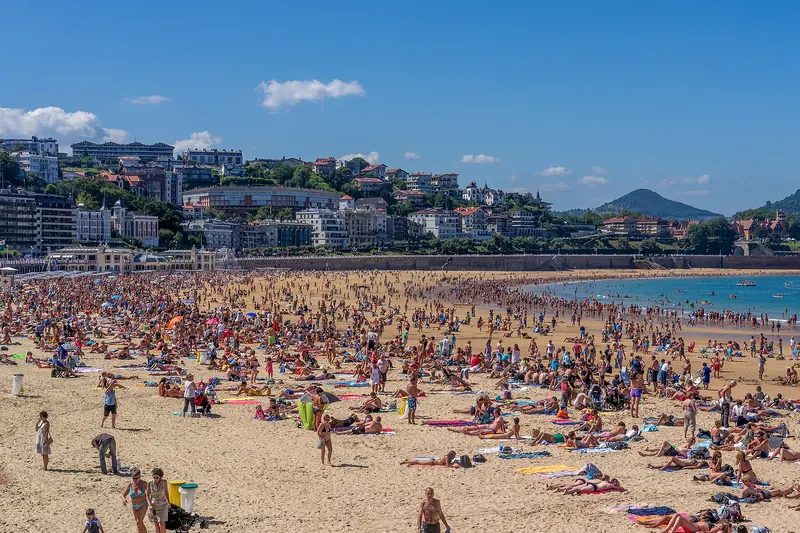
The north — Green Spain. The Basque Country, Cantabria, Asturias and Galicia along the Atlantic: wet, green, mountainous and cool, with the best food in the country and almost no international visitors. This is the Spain that surprises people most.