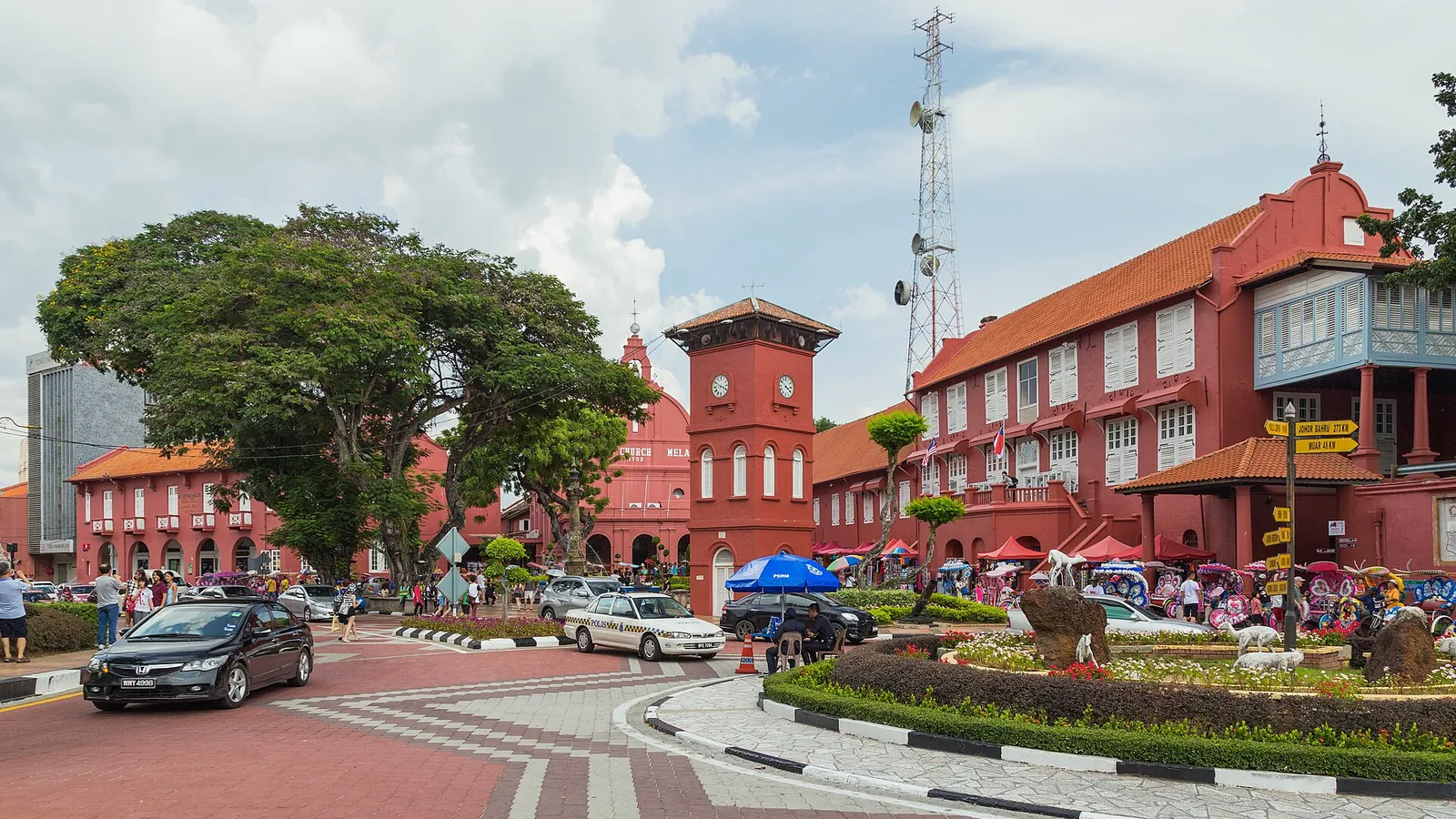
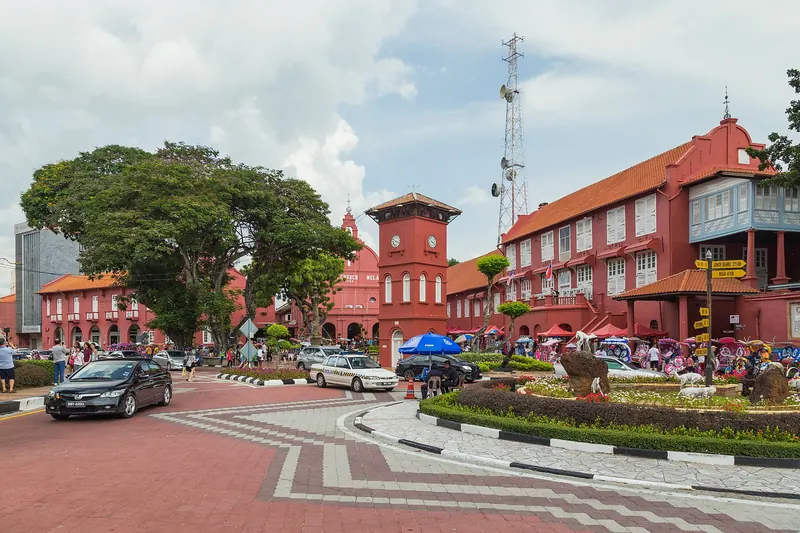
Dutch Square in Malacca

Malacca · Malaysia

Malacca

A UNESCO-listed trading port shaped by Malay, Portuguese, Dutch and British rule, and the birthplace of Peranakan Nyonya culture.

  • Best time December to February for the driest weather
  • Stay 1-2 days
  • Good for History, heritage architecture, a short trip from Kuala Lumpur

Photo: Marcin Konsek · CC BY-SA 4.0

Welcome to Malacca

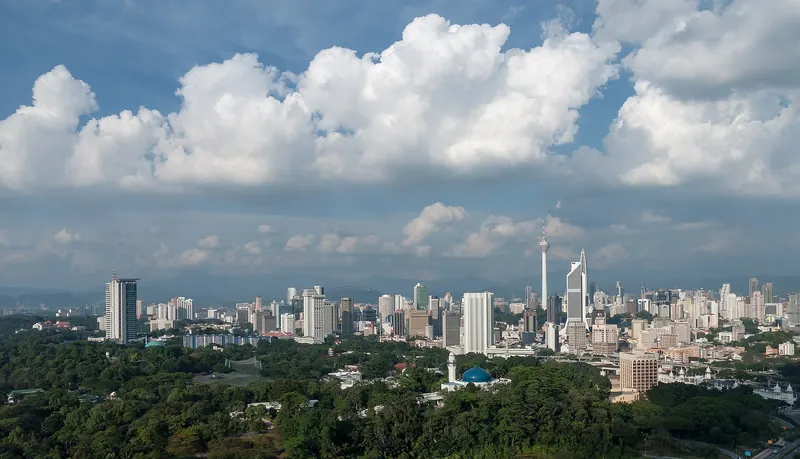
Malacca sits on the Strait of Malacca south of Kuala Lumpur, a trading port whose control passed between Malay sultans, the Portuguese, Dutch and British over five centuries, leaving a layered old town behind.

That history shows up everywhere — Portuguese fort ruins, a red Dutch colonial square, British-era buildings and Peranakan Nyonya shophouses all sit within walking distance of each other.

Close enough to Kuala Lumpur for an easy day trip but rewarding an overnight stay, Malacca is usually paired with the capital at the start or end of a Peninsular Malaysia itinerary.

  • Heritage
  • Culture
  • Food
  • City

Why visit

Why visit Malacca?

Malacca's case rests on dense layered history within a compact, walkable old town.

  • Few Malaysian cities carry this much layered history

    Malay, Portuguese, Dutch and British rule all left visible marks within a few city blocks.

  • It's the birthplace of Peranakan Nyonya culture

    A distinct Chinese-Malay fusion culture, cuisine and architecture that originated here.

  • Jonker Street comes alive on weekends

    A night market transforms the old town's main street into a lively food and shopping strip.

  • It's an easy trip from Kuala Lumpur

    Close enough for a day trip, though an overnight stay lets the old town breathe properly.

  • The old town is compact and walkable

    Most major sights sit within a short walk of the Malacca River.

Main attractions

Top things to see in Malacca

Malacca's essential sights sit almost entirely within a short walk of the river and Dutch Square.

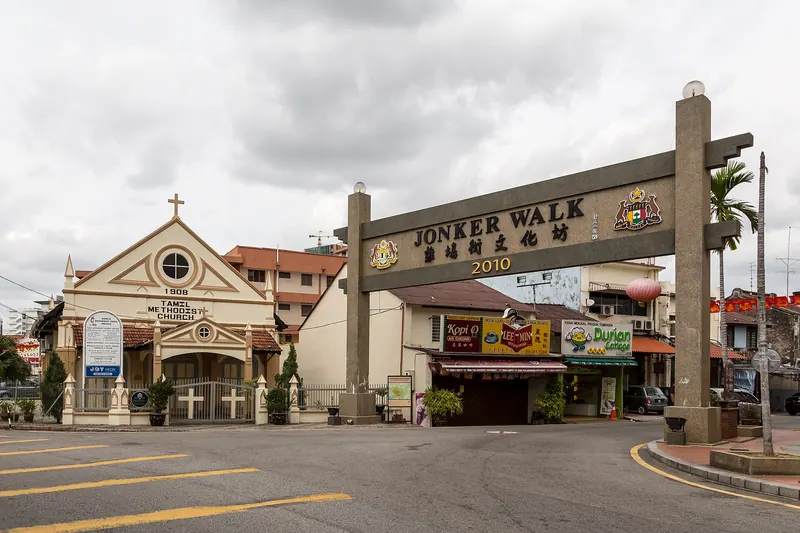
  1. Jonker Street in Malacca

    Jonker Street

    The old town's main heritage street, lined with antique shops, cafés and Peranakan-influenced architecture.

    Tip Visit Friday or Saturday night, when the street closes to traffic for the weekend night market.

  2. The red Dutch colonial buildings of Dutch Square, Malacca

    Dutch Square and Stadthuys

    A cluster of red-painted 17th-century Dutch colonial buildings, among Malacca's most photographed sights.

    Tip The red buildings photograph best in late afternoon light, before sunset crowds arrive.

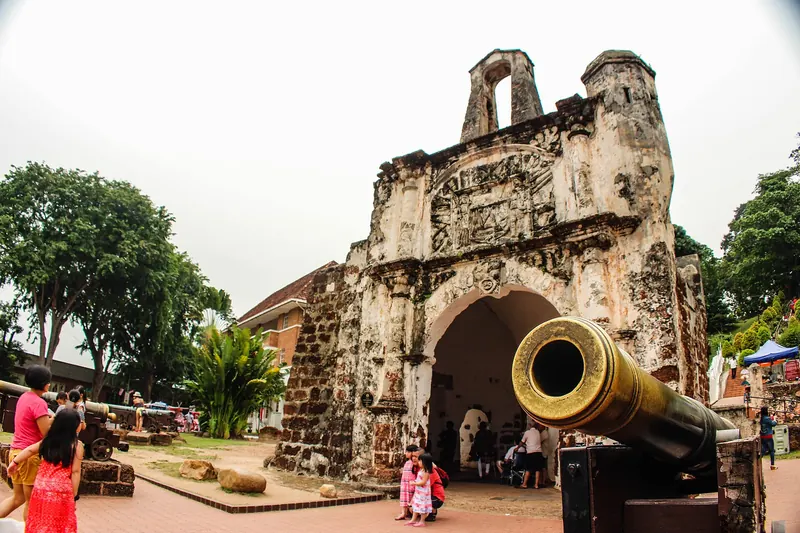
  3. A Famosa, the remains of a Portuguese fortress in Malacca

    A Famosa

    The surviving gate of a Portuguese fortress built in 1511, among Southeast Asia's oldest European architectural remains.

    Tip A modest ruin on its own — combine with the nearby St Paul's Hill for context.

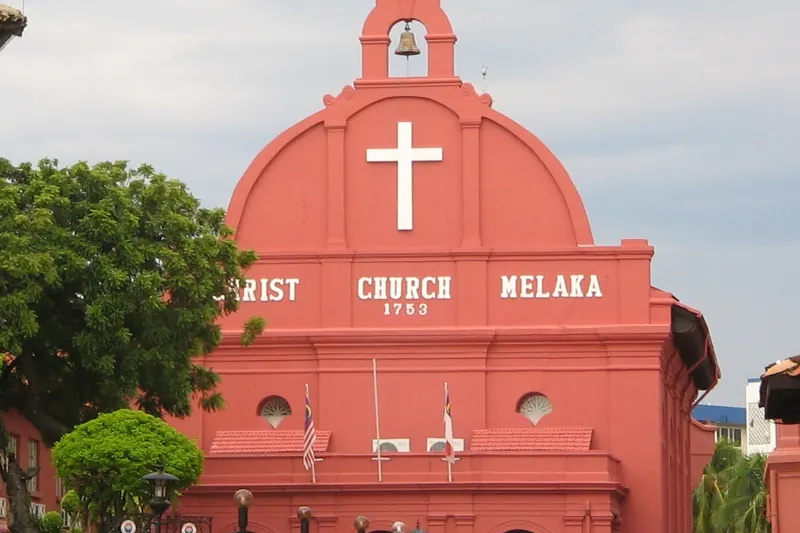
  4. Christ Church, a red Dutch colonial church in Malacca

    Christ Church Melaka

    An 18th-century Dutch Reformed church, its red facade anchoring Dutch Square alongside the Stadthuys.

    Tip Still an active church — dress and behave respectfully if visiting during a service.

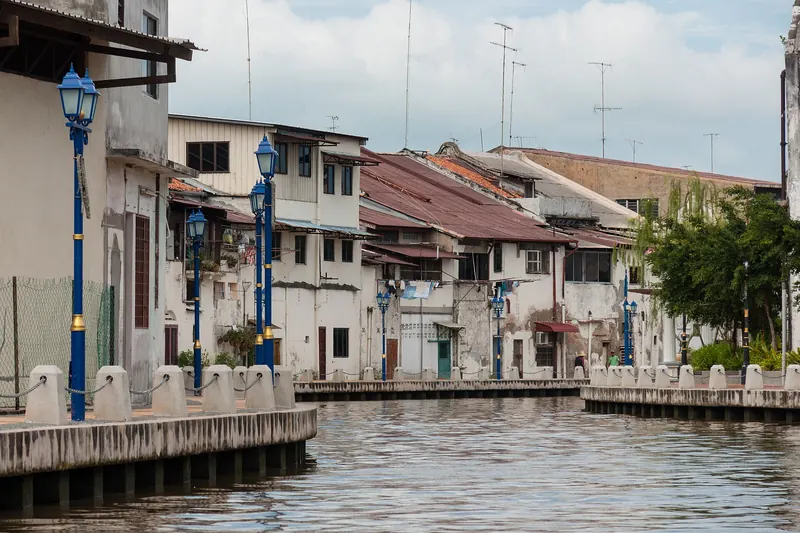
  5. Colourful houses along the Malacca River

    The Malacca River

    A riverside promenade lined with murals and colourful buildings, especially striking after dark.

    Tip An evening river cruise gives a different, relaxed perspective on the old town.

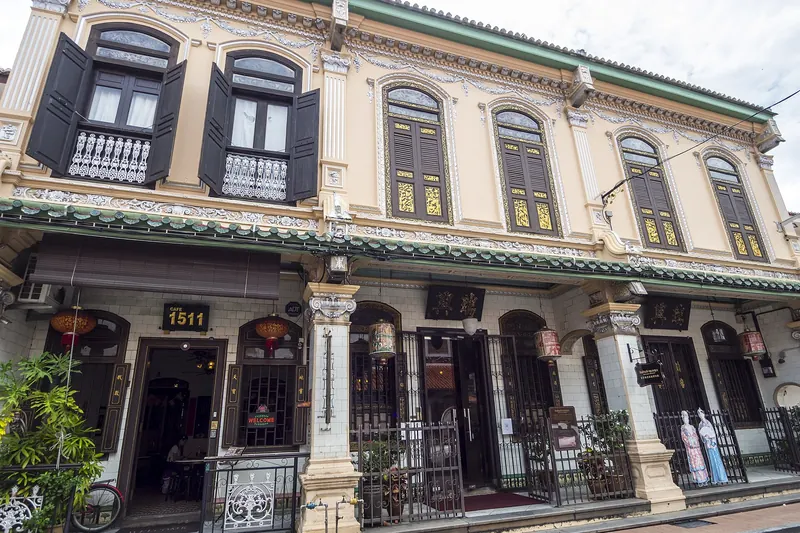
  6. The Baba & Nyonya Heritage Museum in Malacca

    Baba & Nyonya Heritage Museum

    A preserved 19th-century Peranakan townhouse, its interior furnished exactly as a wealthy Baba Nyonya family would have lived.

    Tip Guided tours run regularly and add real depth to the visit — well worth timing your visit around one.

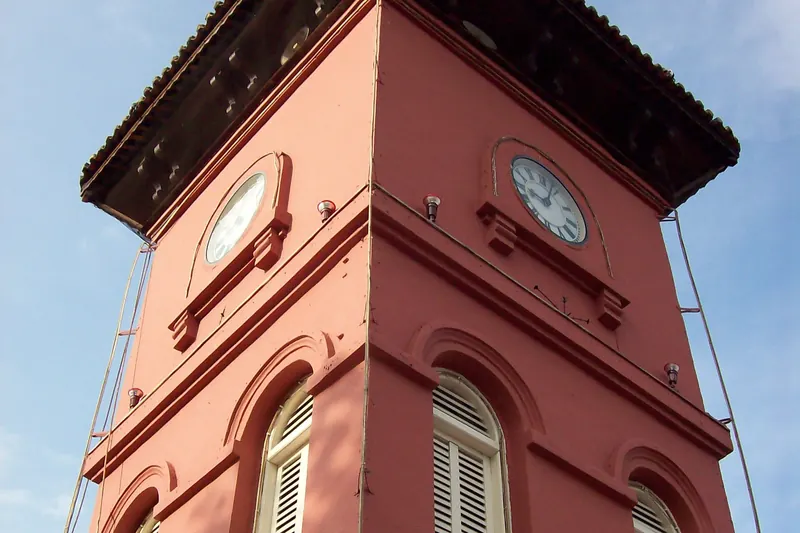
  7. The clock tower in Malacca's old town

    The Malacca Clock Tower

    A small colonial-era clock tower near Dutch Square, a minor but frequently photographed old town landmark.

    Tip Easy to combine with Dutch Square and Christ Church in the same short walk.

Things to do

Best things to do in Malacca

Malacca rewards an evening as much as a day, with Jonker Street's night market as the highlight for many visitors.

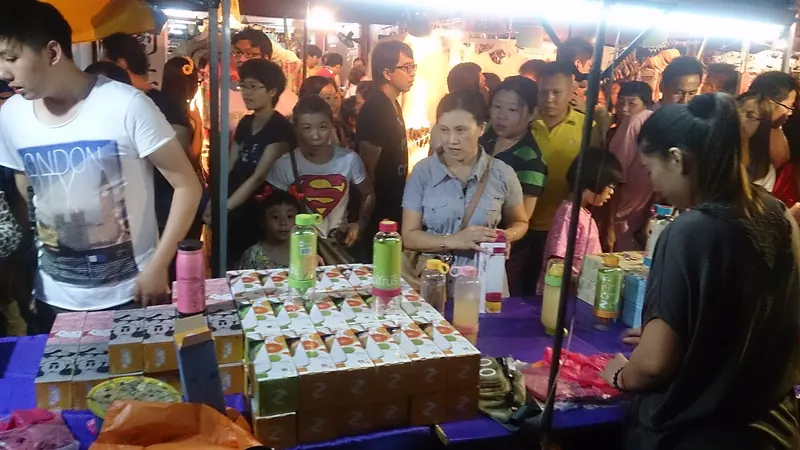
  1. Jonker Street's weekend night market in Malacca

    Walk Jonker Street's weekend night market

    Stalls selling food, antiques and souvenirs fill the street every Friday and Saturday night.

    Tip Go hungry — the food stalls here are as much the draw as the shopping.

  2. Take an evening Malacca River cruise

    A relaxed boat trip past riverside murals and colourful old buildings, particularly pretty after dark.

    Tip Cruises depart regularly from jetties near Dutch Square — no advance booking usually needed.

  3. Tour the Baba & Nyonya Heritage Museum

    A guided walk through a preserved Peranakan townhouse, revealing the culture's distinct blend of Chinese and Malay traditions.

    Tip Photography is often restricted inside — check current rules before your visit.

  4. Explore Dutch Square and St Paul's Hill

    The short climb up St Paul's Hill past A Famosa's ruins rewards with city and strait views.

    Tip Combine both in one visit — they sit right next to each other.

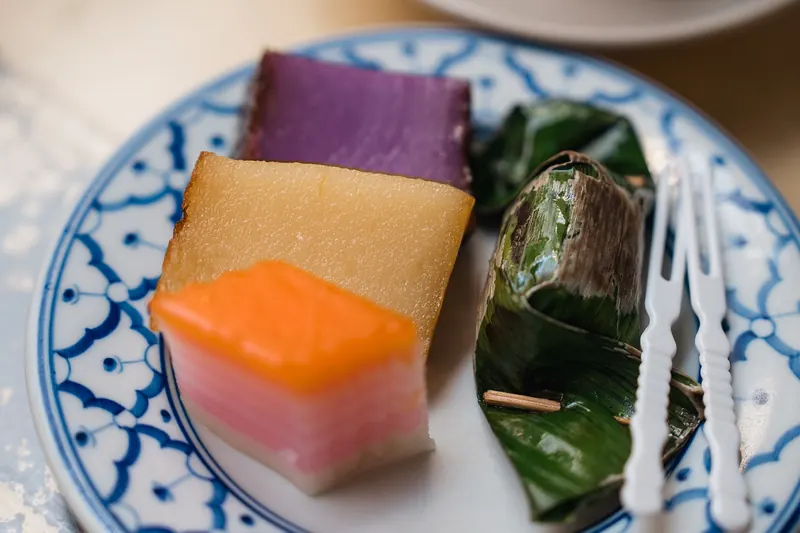
  5. Traditional Nyonya kuih, Peranakan sweets

    Try Peranakan Nyonya cuisine

    A distinct fusion cuisine born in Malacca, blending Chinese ingredients with Malay spices and techniques.

    Tip Nyonya kuih (bite-sized sweets) make an excellent, easy-to-share afternoon snack.

  6. Wander the old town's side streets

    Away from Jonker Street's main strip, quieter lanes hold temples, mosques and shophouses worth a slower look.

    Tip Harmony Street nearby holds a mosque, temple and church within a few hundred metres of each other.

Local food

What to eat in Malacca

Malacca's food reflects its Peranakan Nyonya heritage above all, a genuine fusion of Chinese and Malay cooking born in this city.

  • Nyonya laksa

    A rich, coconut-based laksa distinct from Penang's sour version, reflecting Malacca's Peranakan cooking style.

    Where to try it Peranakan restaurants throughout the old town.

  • Chicken rice balls

    A Malacca specialty, chicken rice formed into balls rather than served loose, a local twist on the wider Malaysian dish.

    Where to try it Specialist restaurants around Jonker Street.

  • Colourful Nyonya kuih, bite-sized Peranakan sweets

    Nyonya kuih

    Bite-sized, often brightly coloured sweets made from glutinous rice, coconut and palm sugar.

    Where to try it Bakeries and stalls throughout the old town, especially around Jonker Street.

  • Satay celup

    A Malacca invention, skewered meat, seafood and vegetables cooked at the table in a shared pot of satay sauce.

    Where to try it Specialist satay celup restaurants around the old town.

  • Cendol

    A shaved-ice dessert with green rice-flour jelly and palm sugar syrup, a popular way to cool down.

    Where to try it Dessert stalls throughout the old town.

  • Portuguese-influenced seafood

    A legacy of Malacca's Portuguese Eurasian community, found in the Portuguese Settlement area.

    Where to try it Restaurants in and around the Portuguese Settlement, a short ride from the old town.

Accommodation

Where to stay in Malacca

Malacca's old town holds a good range of heritage hotels and guesthouses, mostly within easy walking distance of Jonker Street.

  • The Jonker Street heritage area

    Converted shophouse hotels and guesthouses right in the heart of the old town.

    Best for: Walking distance to all the main sights

  • Riverside near Dutch Square

    A short walk from Jonker Street with a quieter, more spread-out feel.

    Best for: River views and easy access to the main colonial sights

What a night costs

Guesthouse room
RM70–130 per night
Heritage boutique hotel
RM180–350 per night
Hawker meal
RM8–15 per person
Restaurant dinner
RM30–60 per person

Transport

Getting to and around Malacca

Malacca is reached easily by road from Kuala Lumpur, with no train service to the old town itself.

Getting there

  • Long-distance coach from Kuala Lumpur

    The standard option, taking around 2 hours.

    Frequent departures from Kuala Lumpur's main bus terminals.

  • Private transfer or rental car

    A flexible alternative, also around 2 hours by expressway.

    Useful if combining Malacca with other stops along the way.

  • Organised day tour

    A convenient option for visitors short on time.

    Typically includes transport and a guided walk through the main sights.

Getting around

Malacca's old town is compact and walkable, with other transport rarely needed within it.

  • On foot

    The best way to explore Jonker Street, Dutch Square and the surrounding old town.

    Most sights sit within a 15-20 minute walk of each other.

  • Trishaw

    A touristy but fun way to see the old town, decorated trishaws pedalled by local drivers.

    Agree a price before setting off — rates aren't fixed.

  • Ride-hailing apps

    Useful for reaching the Portuguese Settlement or your hotel outside the old town.

    Cheap and reliable for short hops beyond walking distance.

When to go

Best time to visit Malacca

Malacca follows the same west coast pattern as Kuala Lumpur, hot and humid year-round with modest seasonal variation.

  • December–February

    Best time

    Generally the driest and most comfortable months for walking the old town.

  • March–September

    Good

    Warm with a moderate chance of short afternoon showers.

  • October–November

    Good

    The wettest stretch of the year.

  • Weekends year-round

    Good

    Jonker Street's night market runs Friday and Saturday nights regardless of season.

Worth planning around: Nothing strongly, though visiting on a Friday or Saturday makes the most of Jonker Street's night market.

Itinerary

One day in Malacca

Built as a focused day trip, ideally timed to include a Friday or Saturday night.

  1. Day1

    The old town in full

    A single, full day covering the essential sights.

    • Morning Explore A Famosa, St Paul's Hill and Dutch Square.
    • Afternoon Visit the Baba & Nyonya Heritage Museum and wander Jonker Street.
    • Evening Jonker Street's night market and dinner, or an evening river cruise.

Travel tips

Malacca travel tips

Practical notes that make a Malacca visit noticeably smoother.

  • Visit on a Friday or Saturday to catch Jonker Street's weekend night market.
  • Stay overnight rather than rushing a day trip if your schedule allows it.
  • Wear comfortable shoes — the old town is best explored on foot.
  • Try Peranakan Nyonya food specifically, since it originated in Malacca.
  • Agree a trishaw price before setting off, since rates aren't fixed.
  • Carry cash for smaller stalls, especially at the night market.

FAQ

Malacca: frequently asked questions

How many days do you need in Malacca?

One to two days covers the old town comfortably, ideally including a Friday or Saturday night for Jonker Street's market.

Can you day-trip to Malacca from Kuala Lumpur?

Yes, easily — it's about 2 hours each way, though an overnight stay lets you catch the evening atmosphere.

What is Malacca best known for?

Its layered colonial history and Peranakan Nyonya culture, both visible throughout the old town.

Is Malacca walkable?

Yes, very much so — the old town's main sights all sit within a short walk of each other.

What food should you try in Malacca?

Peranakan Nyonya dishes like Nyonya laksa, satay celup and Nyonya kuih, all closely tied to the city.

Is Malacca safe?

Yes, generally — a safe city, with normal precautions around belongings in crowded market areas.

Read next

Related travel articles

Food

A Country-by-Country Food Primer

Eating well abroad is mostly a matter of knowing when meals happen, how the menu is structured and which dish belongs to the place you are standing in. This covers all three for the five countries in this guide, plus the signals that separate a restaurant that feeds locals from one that feeds coaches.

Where to go

Beyond the Big Names: Places Worth the Detour

The most visited place in a country is rarely its best, and it is almost never its best value. This is a method for finding the destinations that do not make the postcards — and a set of examples from five of the 50 countries on this site.

Advertisement