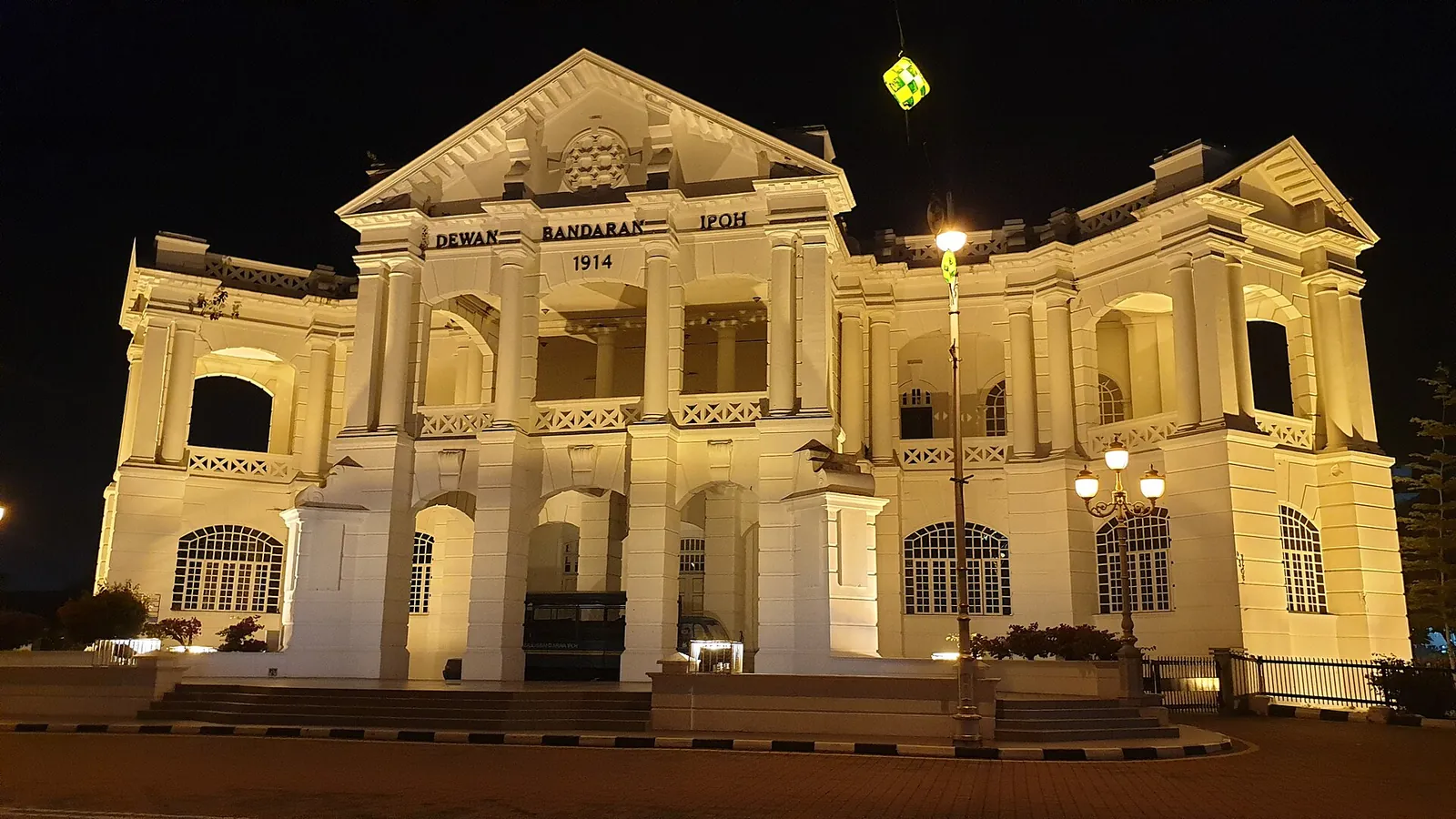
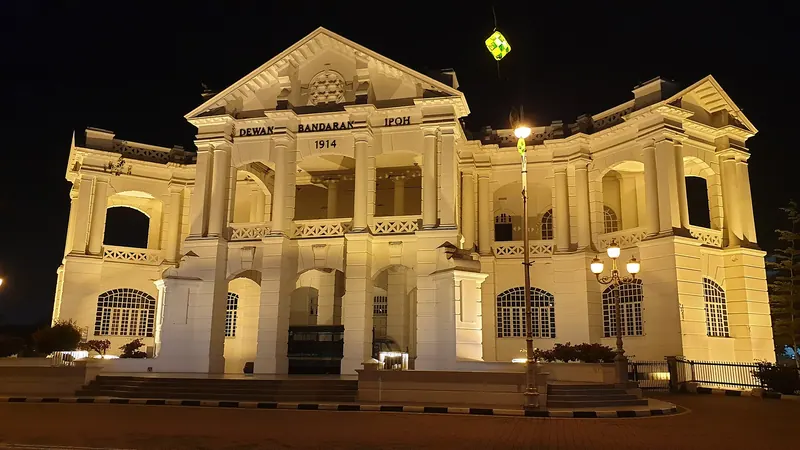
The old town hall in Ipoh

Perak · Malaysia

Ipoh

A former tin-mining boomtown between Kuala Lumpur and Penang, known for limestone cave temples and an excellent food scene.

  • Best time December to February for the driest weather
  • Stay 1-2 days
  • Good for Food, heritage architecture, an easy stop between Kuala Lumpur and Penang

Photo: Michael · Public domain

Welcome to Ipoh

Ipoh grew wealthy on tin mining in the late 19th and early 20th centuries, and its old town still carries the grand colonial-era buildings that boom financed.

Limestone hills surrounding the city hide cave temples built directly into the rock, a distinctive Ipoh sight found nowhere else on a typical Peninsular Malaysia route.

Food has become the city's other major draw, with Ipoh white coffee, bean sprout chicken and other specialties drawing day-trippers from Kuala Lumpur and Penang alike.

  • Heritage
  • Food
  • Culture
  • City

Why visit

Why visit Ipoh?

Ipoh's case rests on cave temples found nowhere else nearby, a well-preserved old town, and food that regularly gets named among Malaysia's best.

  • Its cave temples are distinctive

    Limestone hills around the city hold temples built directly into natural caverns.

  • The old town is a well-preserved tin-boom relic

    Grand early 20th-century buildings, still standing rather than replaced by newer development.

  • The food scene punches well above the city's size

    Ipoh white coffee and bean sprout chicken are specifically associated with the city.

  • It sits conveniently between Kuala Lumpur and Penang

    An easy stop on the KTM ETS rail corridor, needing no detour.

  • It's noticeably less crowded than Penang

    A similar heritage-and-food combination with a fraction of the visitor numbers.

Main attractions

Top things to see in Ipoh

Ipoh's essential sights combine its old town streets with cave temples in the surrounding limestone hills.

  1. Ipoh's colonial-era old town hall

    Ipoh's old town

    Grand early 20th-century buildings financed by the tin boom, including the city's landmark railway station and town hall.

    Tip A free heritage walking trail map is available from the tourist information centre.

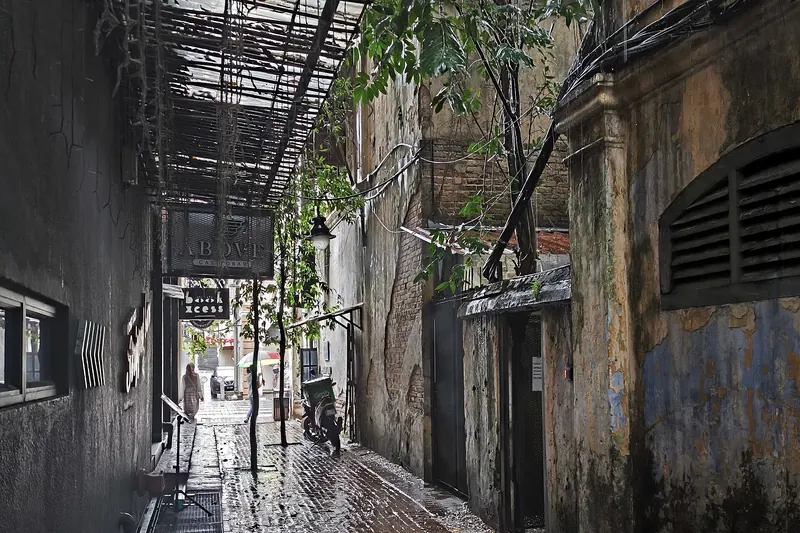
  2. Concubine Lane, a historic alley in Ipoh's old town

    Concubine Lane

    A narrow, colourfully decorated alley dating to the tin-boom era, now filled with food and souvenir stalls.

    Tip Visit in late afternoon or evening when the lanterns are lit and the alley is at its most atmospheric.

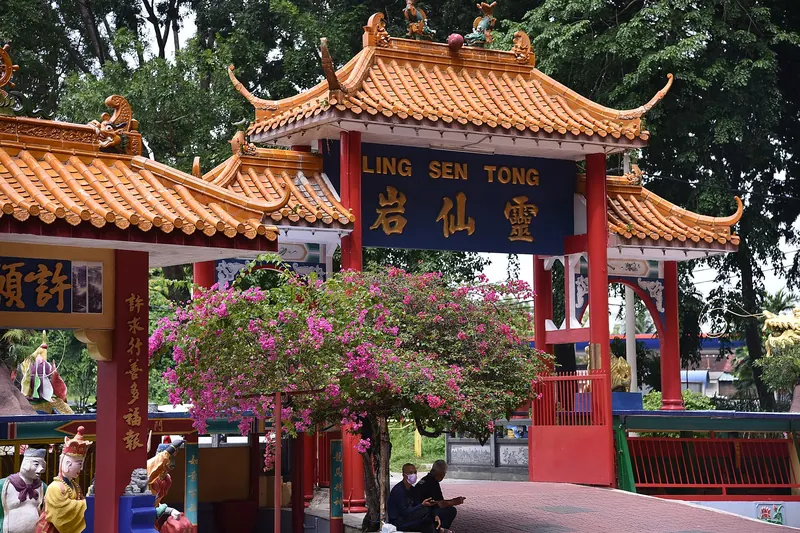
  3. The colourful entrance to Ling Sen Tong cave temple in Ipoh

    Ling Sen Tong cave temple

    One of several Taoist cave temples built into Ipoh's limestone hills, its brightly painted statues and dragons filling the cavern.

    Tip Ipoh has several cave temples — Ling Sen Tong, Perak Tong and Kek Lok Tong are all worth comparing if time allows.

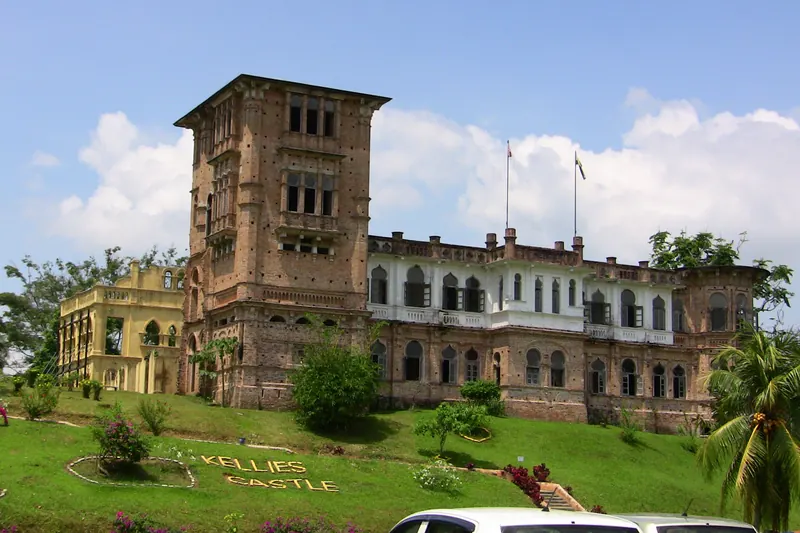
  4. Kellie's Castle, an unfinished colonial-era mansion near Ipoh

    Kellie's Castle

    An unfinished, faintly eerie colonial-era mansion outside the city, abandoned after its owner died before completion.

    Tip A short drive from central Ipoh — combine with the nearby Kinta Nature Park if time allows.

  5. Ipoh Railway Station

    A grand colonial-era building nicknamed the "Taj Mahal of Ipoh" for its domed white architecture.

    Tip Still a working station — an easy stop if arriving or departing by train.

  6. Perak Cave Temple

    A large cave temple complex with Buddhist murals and statues, plus a steep climb to a hilltop viewpoint.

    Tip The climb to the top rewards with wide views over Ipoh and the surrounding limestone hills.

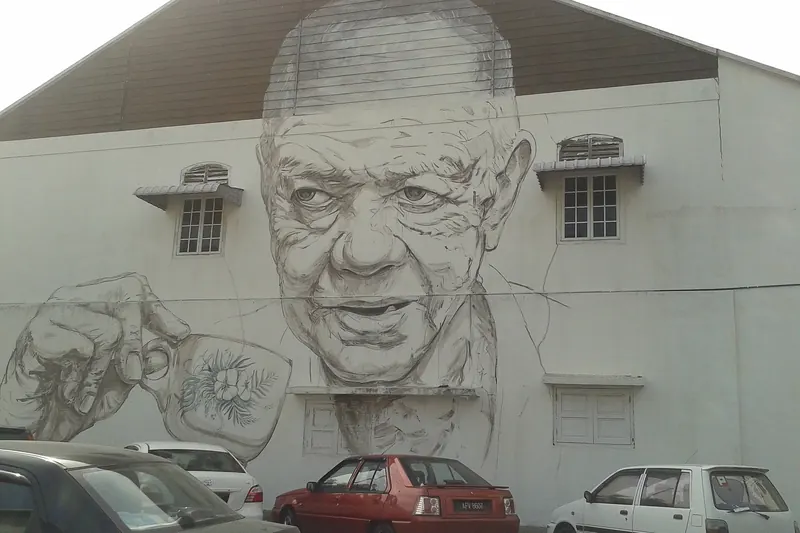
  7. Ipoh's street art

    Murals scattered through the old town, part of a wider wave of Malaysian city street art following Penang's lead.

    Tip Look for pieces around Lorong Panglima and other old town side streets.

Things to do

Best things to do in Ipoh

Ipoh rewards a food-focused pace, mixing old town wandering with visits to its limestone cave temples.

  1. Wander Concubine Lane and the old town

    A slow walk through Ipoh's heritage core turns up colonial buildings, street art and food stalls in equal measure.

    Tip Combine with nearby Panglima Lane, another historic alley just around the corner.

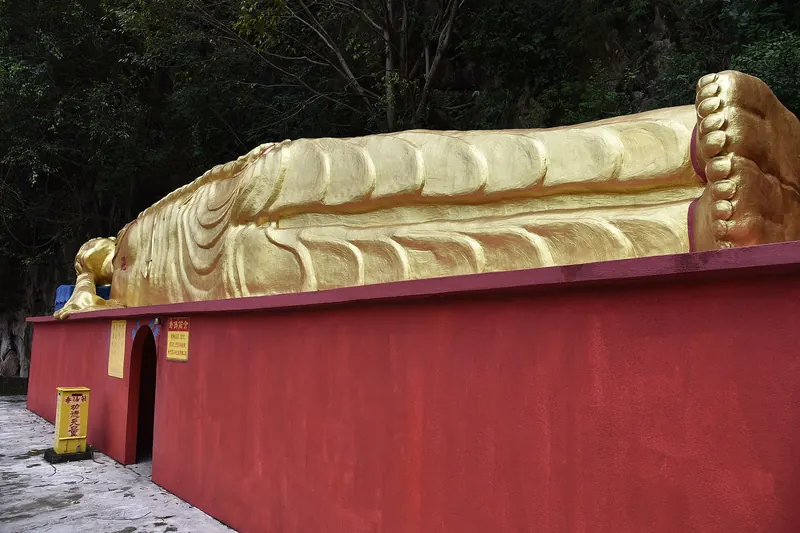
  2. A reclining Buddha at a cave temple in Ipoh

    Visit two or three of Ipoh's cave temples

    Each cave temple has its own character — comparing a couple gives a fuller sense of the city's limestone geography.

    Tip A car or taxi makes visiting more than one temple in a day much easier.

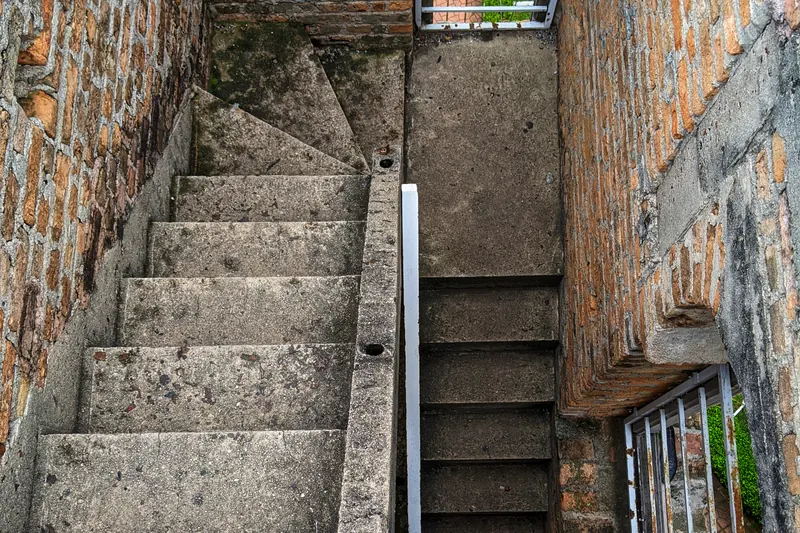
  3. The interior stairs of Kellie's Castle near Ipoh

    Explore Kellie's Castle

    The mansion's unfinished, slightly haunted atmosphere makes for an unusual stop just outside the city.

    Tip Guided tours add helpful context to the building's unusual, unfinished history.

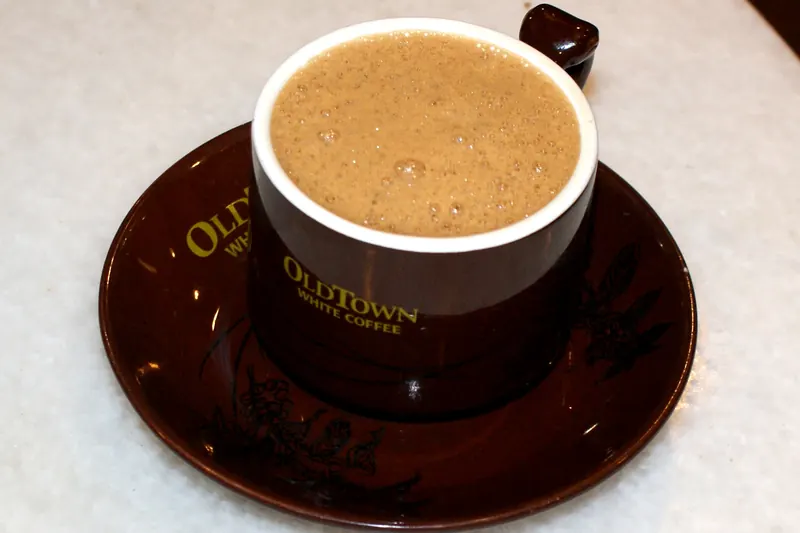
  4. Ipoh white coffee served at a local café

    Try Ipoh white coffee

    A distinctive local coffee style, beans roasted with margarine for a smoother, less bitter flavour.

    Tip Old-school kopitiams serve it best — look for a busy, long-running spot rather than a modern café.

  5. Look for Ipoh's street art murals

    Scattered through the old town's side streets, a newer addition to the heritage architecture around them.

    Tip No fixed map exists — half the fun is stumbling across pieces while wandering.

  6. Eat a proper Ipoh food crawl

    Bean sprout chicken, hor fun and other Ipoh specialties are best tackled across several stops, not one big meal.

    Tip Go for lunch — some of Ipoh's best-known food stalls close by early afternoon.

Local food

What to eat in Ipoh

Ipoh's food reputation rivals much larger Malaysian cities, with several dishes specifically associated with the city.

  • Ipoh white coffee, a local coffee specialty

    Ipoh white coffee

    Coffee beans roasted with margarine rather than sugar, giving a smoother, less bitter cup than typical kopi.

    Where to try it Old-school kopitiams throughout the old town.

  • Bean sprout chicken (Ipoh chicken rice)

    Poached chicken served with Ipoh's famously crunchy bean sprouts, said to grow better here thanks to the local water.

    Where to try it Specialist restaurants throughout Ipoh, particularly in the old town.

  • Ipoh hor fun

    Flat rice noodles in a light broth topped with shredded chicken and prawns, a defining local noodle dish.

    Where to try it Noodle stalls and restaurants throughout the city.

  • Salted chicken

    Whole chicken wrapped and roasted in salt, a traditional dish still served at several long-running Ipoh restaurants.

    Where to try it Specialist restaurants around the old town, often requiring advance order.

  • Tau fu fa (soft tofu pudding)

    A silky, lightly sweetened tofu dessert, a popular way to cool down after a food crawl.

    Where to try it Dessert stalls throughout the old town.

  • Kaya toast

    Toasted bread with coconut jam and butter, a classic kopitiam breakfast pairing for white coffee.

    Where to try it Kopitiams throughout Ipoh's old town.

Accommodation

Where to stay in Ipoh

Ipoh's accommodation is generally good value, with a growing number of boutique hotels in restored old town shophouses.

  • Ipoh old town

    The most atmospheric base, with restored shophouse hotels alongside budget guesthouses.

    Best for: Walking distance to Concubine Lane and the main heritage sights

  • New town (near the railway station)

    A short ride from the old town, with more modern hotel options.

    Best for: A wider range of hotels and easy transport connections

What a night costs

Guesthouse room
RM50–100 per night
Boutique heritage hotel
RM150–280 per night
Hawker meal
RM6–12 per person
White coffee and kaya toast
RM6–10 per person

Transport

Getting to and around Ipoh

Ipoh sits directly on the KTM ETS rail corridor between Kuala Lumpur and Penang, making it an easy stop rather than a detour.

Getting there

  • KTM ETS train

    The most convenient option, roughly 2 hours from Kuala Lumpur or under 1.5 hours from Penang's Butterworth station.

    Arrives centrally at Ipoh's historic railway station.

  • Long-distance coach

    A budget-friendly alternative from Kuala Lumpur, Penang or the Cameron Highlands.

    Slightly slower than the train but often cheaper.

  • Rental car

    Convenient for combining Ipoh with Kellie's Castle and the Cameron Highlands.

    Ipoh sits roughly halfway between Kuala Lumpur and the highlands by road.

Getting around

Ipoh's old town is walkable, with a car or taxi useful for cave temples and Kellie's Castle outside the centre.

  • On foot

    The best way to explore the old town, Concubine Lane and nearby street art.

    Most heritage sights sit within a compact, flat area.

  • Ride-hailing apps

    Useful for reaching cave temples or Kellie's Castle outside the centre.

    Cheap and widely available throughout the city.

  • Rental car

    Convenient if visiting multiple cave temples or continuing on to the Cameron Highlands.

    Parking is generally easy to find outside the old town's busiest hours.

When to go

Best time to visit Ipoh

Ipoh follows the same west coast pattern as Kuala Lumpur and Penang, with modest seasonal variation.

  • December–February

    Best time

    Generally the driest and most comfortable months for old town walking.

  • March–September

    Good

    Warm with a moderate chance of short afternoon showers.

  • October–November

    Good

    The wettest stretch of the year.

  • Any season

    Good

    Ipoh works well year-round as a stop on the KTM ETS corridor, regardless of season.

Worth planning around: Nothing strongly — Ipoh works as a year-round stop, with October and November simply the wettest months.

Itinerary

One day in Ipoh

Built as a focused day trip, easily extended to an overnight stay for a fuller food crawl.

  1. Day1

    Old town and cave temples

    A single, full day covering Ipoh's essentials.

    • Morning Explore the old town, Concubine Lane and the railway station.
    • Afternoon Visit a cave temple or Kellie's Castle outside the centre.
    • Evening A food crawl through the old town, ending with white coffee.

Travel tips

Ipoh travel tips

Practical notes that make an Ipoh visit noticeably smoother.

  • Time your visit for lunch — some of the best-known food stalls close by early afternoon.
  • Take the KTM ETS train if travelling from Kuala Lumpur or Penang — it's faster and more comfortable than the road.
  • Visit Concubine Lane in the late afternoon or evening when its lanterns are lit.
  • Arrange a car or taxi if visiting more than one cave temple in a day.
  • Try Ipoh white coffee at an old-school kopitiam rather than a modern café.
  • Combine Kellie's Castle with a stop at the Cameron Highlands if travelling onward that way.

FAQ

Ipoh: frequently asked questions

How many days do you need in Ipoh?

One to two days covers the old town, a cave temple and a proper food crawl comfortably.

How do you get from Kuala Lumpur to Ipoh?

By KTM ETS train, taking around 2 hours, or by coach or car in a similar timeframe.

What is Ipoh known for?

Limestone cave temples, a well-preserved tin-boom old town, and a food scene built around white coffee and bean sprout chicken.

Is Ipoh worth visiting compared to Penang?

Yes, for a different reason — a similar heritage-and-food combination with noticeably fewer visitors.

Can you visit Ipoh as a day trip?

Yes, easily from Kuala Lumpur or Penang by train, though an overnight stay allows a fuller food crawl.

Is Ipoh safe?

Yes, generally — a safe, easygoing city with normal precautions around belongings in busy areas.

Read next

Related travel articles

Food

A Country-by-Country Food Primer

Eating well abroad is mostly a matter of knowing when meals happen, how the menu is structured and which dish belongs to the place you are standing in. This covers all three for the five countries in this guide, plus the signals that separate a restaurant that feeds locals from one that feeds coaches.

Where to go

Beyond the Big Names: Places Worth the Detour

The most visited place in a country is rarely its best, and it is almost never its best value. This is a method for finding the destinations that do not make the postcards — and a set of examples from five of the 50 countries on this site.

Advertisement