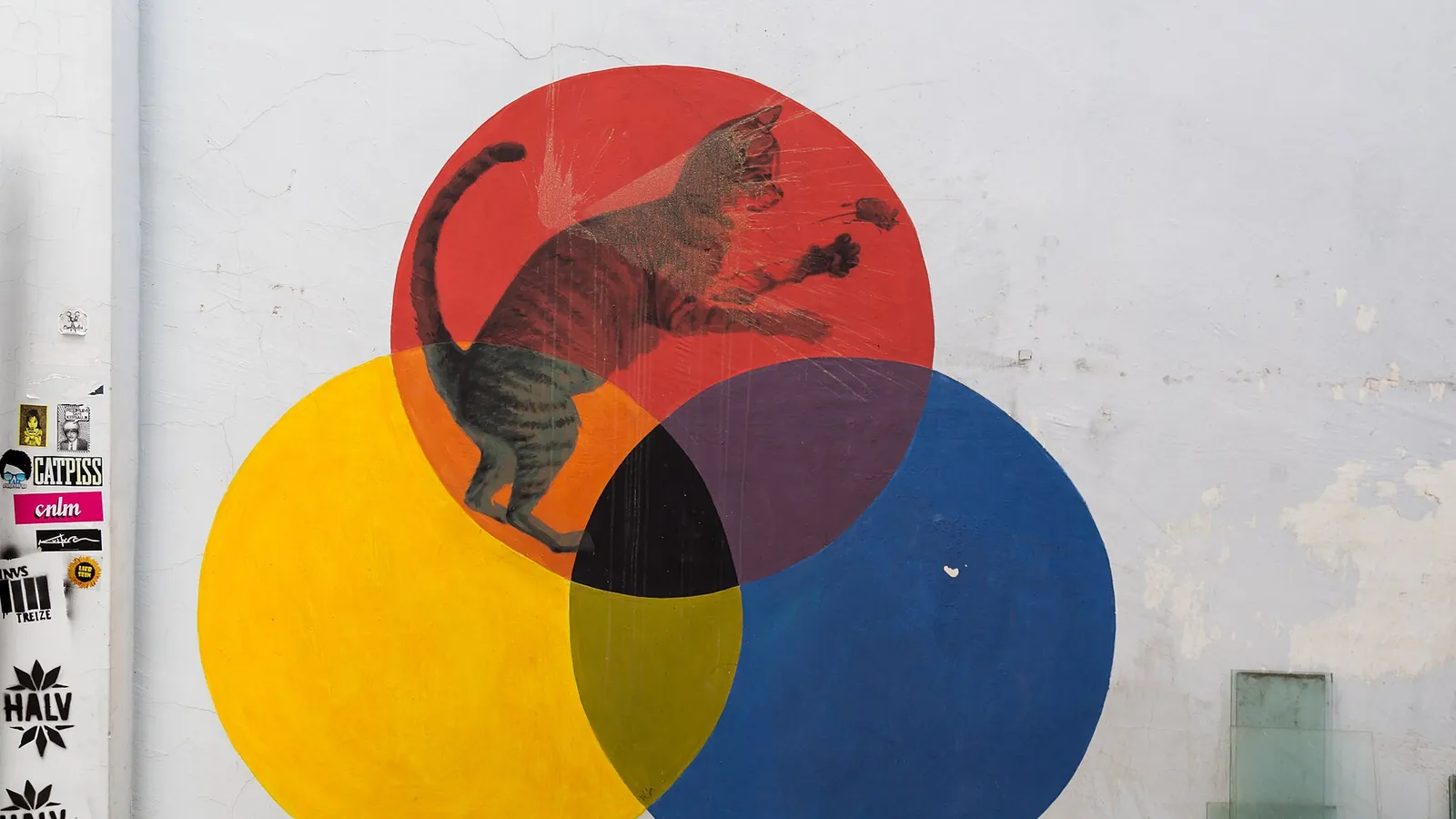
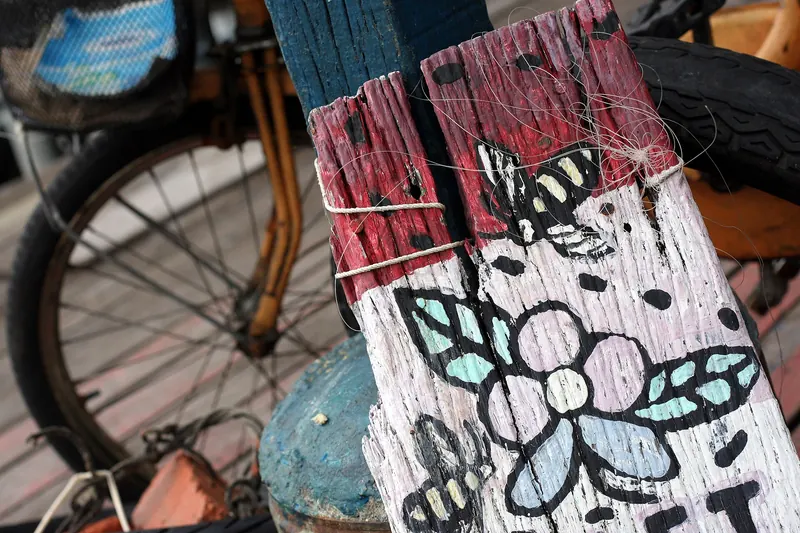
Street art on a wall in George Town, Penang

Penang · Malaysia

Penang

A UNESCO-listed port city where street art, colonial shophouses and Malaysia's best hawker food fill a compact, walkable old town.

  • Best time December to February for the driest weather
  • Stay 2-3 days
  • Good for Food, heritage architecture, walkable sightseeing

Photo: CEphoto, Uwe Aranas · CC BY-SA 3.0

Welcome to Penang

Penang is an island off Peninsular Malaysia's northwest coast, its capital George Town a UNESCO World Heritage Site built on more than two centuries of trade between Malay, Chinese, Indian and European communities.

The old town rewards slow wandering more than almost anywhere else in Malaysia, its narrow streets mixing shophouses, temples, mosques and street art into a few square kilometres that are easy to cover on foot.

Food is the other reason people come — Penang's hawker culture is widely considered Malaysia's best, with dishes like char kway teow and assam laksa closely associated with the island itself.

  • Heritage
  • Food
  • Culture
  • City

Why visit

Why visit Penang?

Penang's appeal rests on the combination of heritage streets, real multicultural depth and a food scene that draws visitors on its own merits.

  • George Town is a genuine UNESCO World Heritage old town

    Colonial-era streets and shophouses preserved rather than replaced, still lived in rather than museum pieces.

  • The street art is scattered, not concentrated

    Murals and wire sculptures reward slow exploration rather than a single photo stop.

  • The food scene is arguably Malaysia's best

    Char kway teow, assam laksa and countless other dishes are closely tied to Penang specifically.

  • It's walkable

    The old town is compact enough to explore almost entirely on foot, unusual for a Malaysian city.

  • Penang Hill offers an easy escape from the heat

    A short funicular ride up to noticeably cooler air and wide island views.

Main attractions

Top things to see in Penang

Penang's essential sights sit mostly within George Town's old town, with Kek Lok Si Temple and Penang Hill a short trip beyond it.

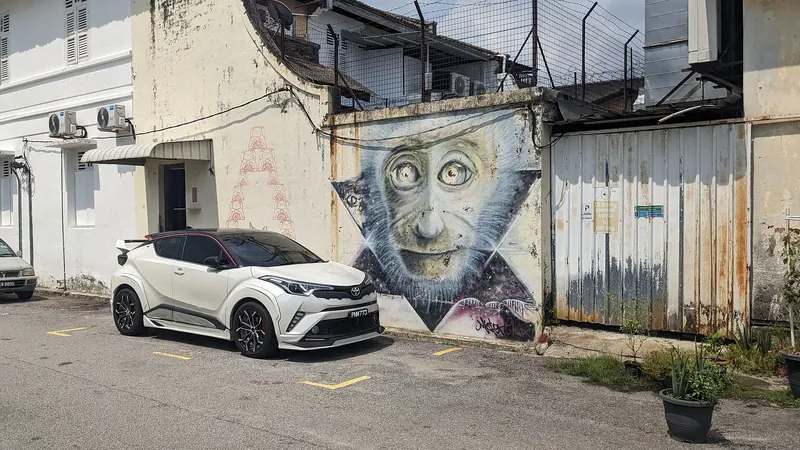
  1. A street art mural in George Town, Penang

    George Town's street art

    Murals and wire-frame sculptures scattered across the old town, many referencing local life and history.

    Tip Pick up a free street art map from a visitor centre to track down the best-known pieces without wandering aimlessly.

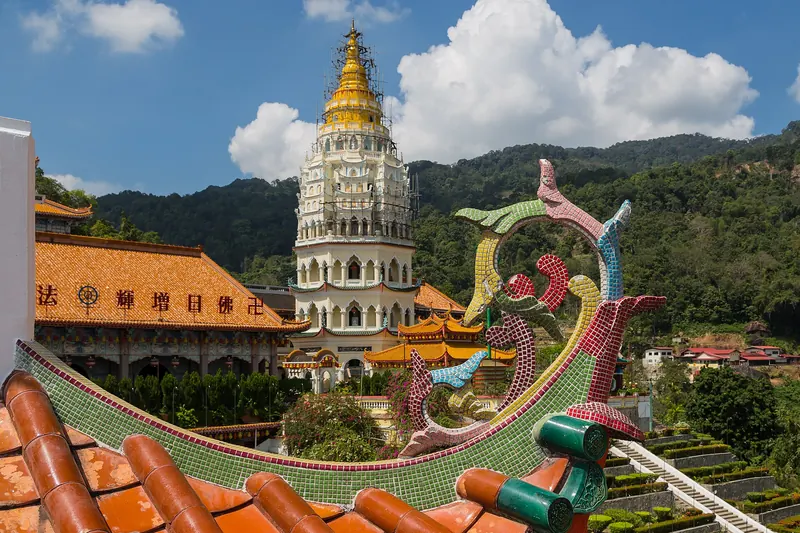
  2. Kek Lok Si Temple in Penang

    Kek Lok Si Temple

    One of Southeast Asia's largest Buddhist temples, its multi-tiered pagoda and giant Kuan Yin statue visible from across the island.

    Tip Visit on a weekday morning to avoid the busiest crowds, especially around Chinese New Year.

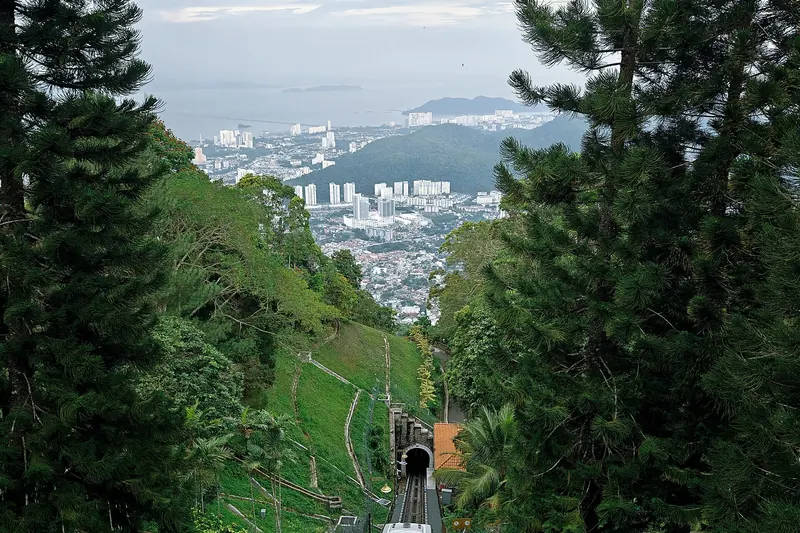
  3. The view from Penang Hill

    Penang Hill

    A funicular railway climbs to noticeably cooler air and views over George Town and the strait beyond.

    Tip Go in late afternoon for sunset, but book tickets ahead — queues build fast on clear days.

  4. Heritage shophouses on Armenian Street, George Town

    Armenian Street's heritage buildings

    One of George Town's best-preserved heritage streets, lined with shophouses, galleries and cafés.

    Tip Come early morning for photos before the street fills with visitors.

  5. Chew Jetty, one of George Town's clan jetties

    Chew Jetty

    A wooden stilt village built by one Chinese clan over a century ago, still inhabited and now also open to visitors.

    Tip Be respectful of the fact that people live here — it's a community, not a theme park.

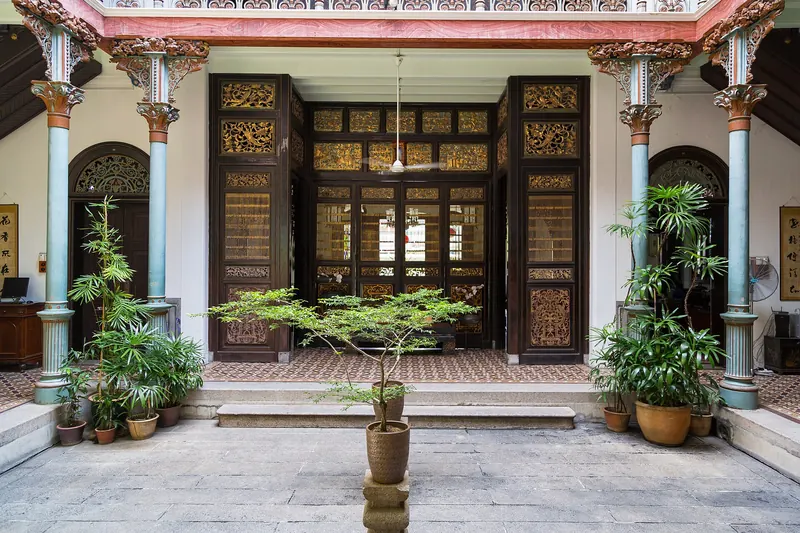
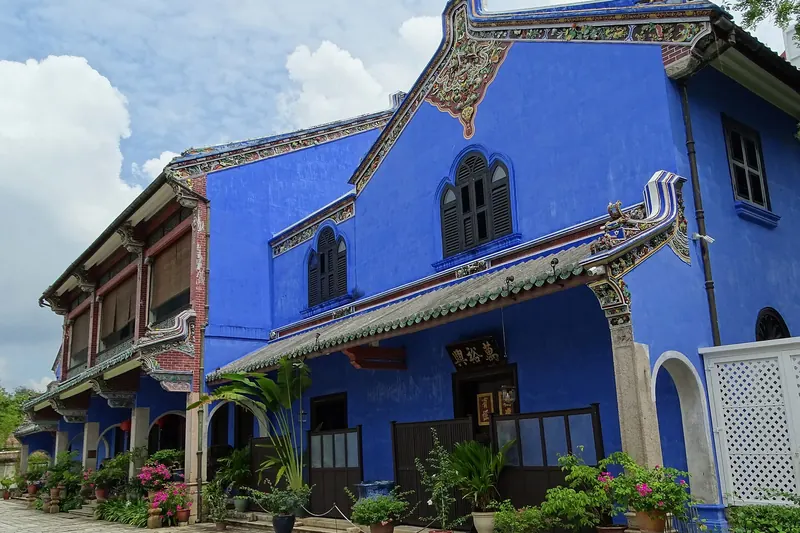
  6. The Blue Mansion in George Town, Penang

    Cheong Fatt Tze Mansion (the Blue Mansion)

    An indigo-painted 19th-century courtyard mansion, restored and now open for guided tours.

    Tip Guided tours run at set times daily and are the only way to see the interior.

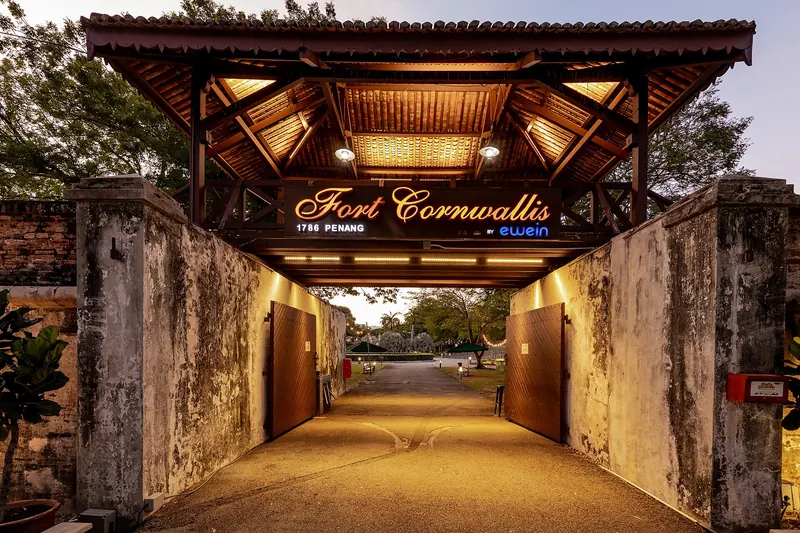
  7. Fort Cornwallis in George Town, Penang

    Fort Cornwallis

    A star-shaped colonial fort marking the spot where the British first landed on Penang in 1786.

    Tip A modest sight on its own, best combined with a walk along the nearby waterfront esplanade.

Things to do

Best things to do in Penang

Penang rewards slow, food-focused wandering as much as any single sight, with Penang Hill as an easy half-day escape.

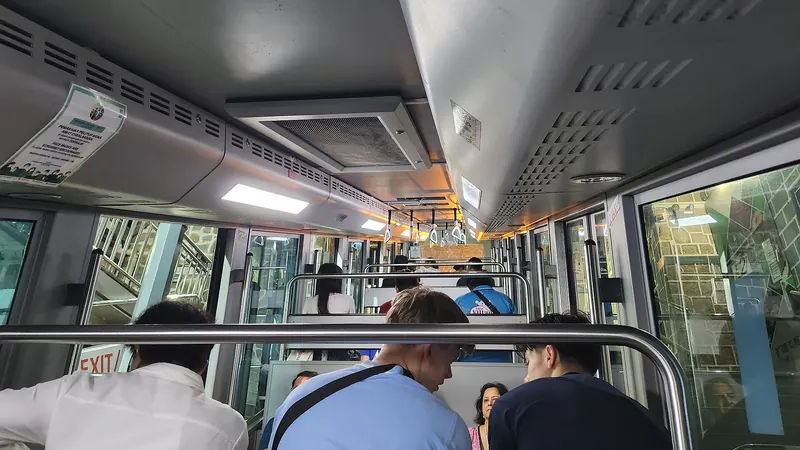
  1. The Penang Hill funicular railway

    Ride the Penang Hill funicular

    One of the steepest funicular railways in the world, climbing over 800 metres in a few minutes.

    Tip Book tickets online ahead to skip the queue at the base station.

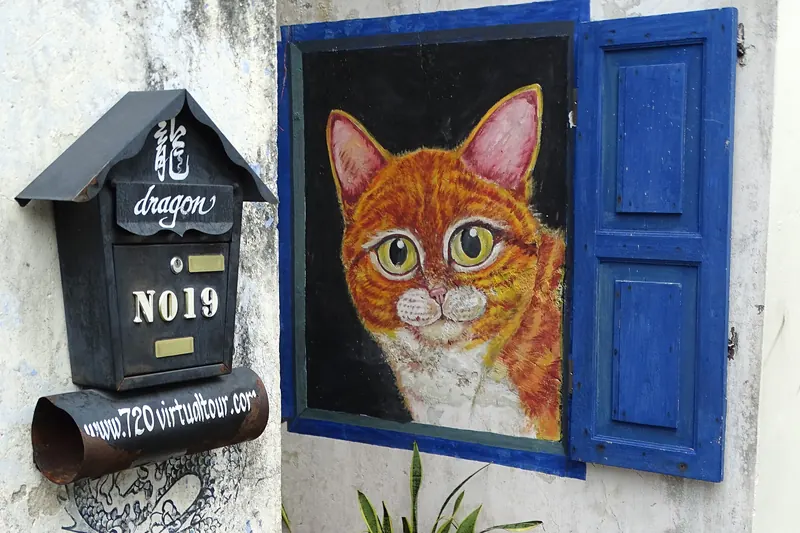
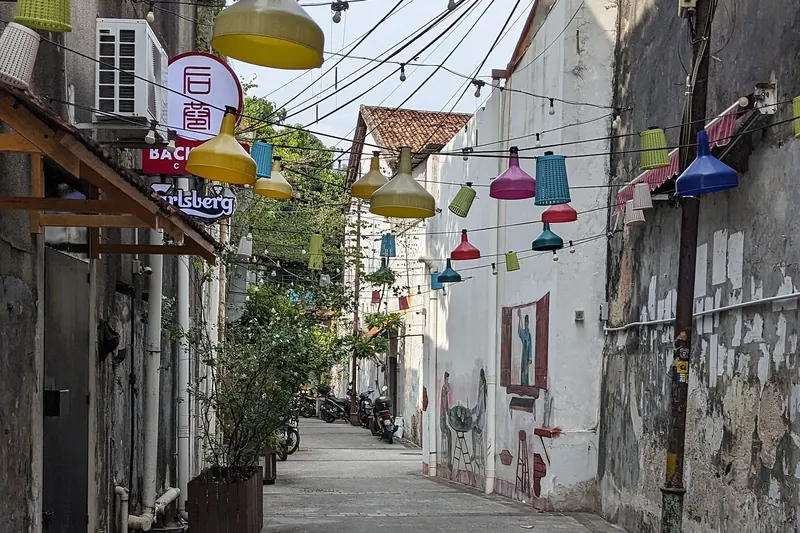
  2. A laneway with street art in George Town

    Follow the street art trail through George Town

    A self-guided walk through the old town's lanes turns up murals, wire art and heritage architecture in equal measure.

    Tip Go early morning or late afternoon — midday heat makes extended walking uncomfortable.

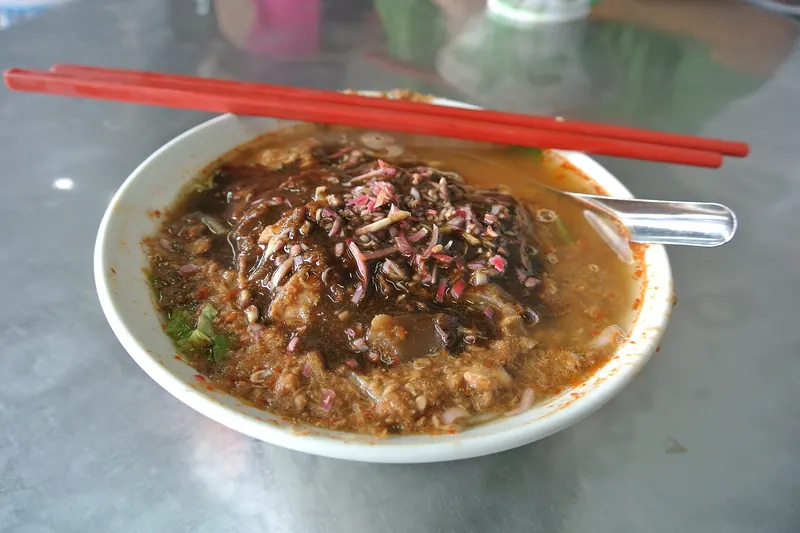
  3. Assam laksa, a Penang specialty

    Eat your way through a hawker food crawl

    Penang's hawker centres and street stalls are the main event for many visitors, not a side activity.

    Tip Order small portions from several stalls rather than filling up at the first one.

  4. The interior courtyard of the Blue Mansion

    Tour the Blue Mansion

    A guided tour reveals feng shui-informed architecture and the mansion's restoration story in detail.

    Tip Arrive a little before the tour time — spots are limited and it can sell out on busy days.

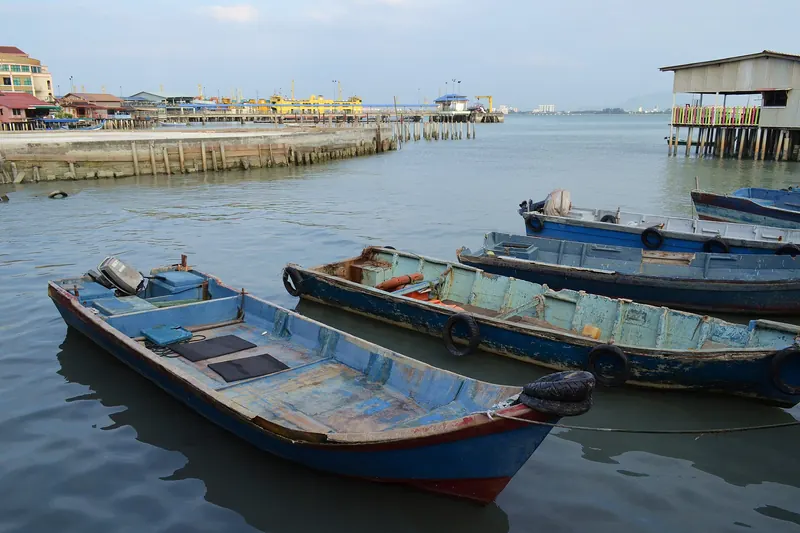
  5. A view along one of Penang's clan jetties

    Visit the clan jetties

    Several wooden stilt villages along the waterfront, each built and still inhabited by a different Chinese clan.

    Tip Chew Jetty is the largest and most visited; the smaller jetties are quieter and equally worth a look.

  6. Try Penang's night market food

    Rotating night markets set up across the island, drawing locals as much as visitors.

    Tip Ask your accommodation which pasar malam is running nearby that week — locations rotate.

Local food

What to eat in Penang

Penang's hawker food is widely considered Malaysia's best, with several dishes closely tied to the island itself.

  • Assam laksa, Penang's sour fish-based noodle soup

    Assam laksa

    A sour, spicy fish-based noodle soup considered Penang's signature dish above all others.

    Where to try it Hawker stalls throughout George Town, especially around Air Itam.

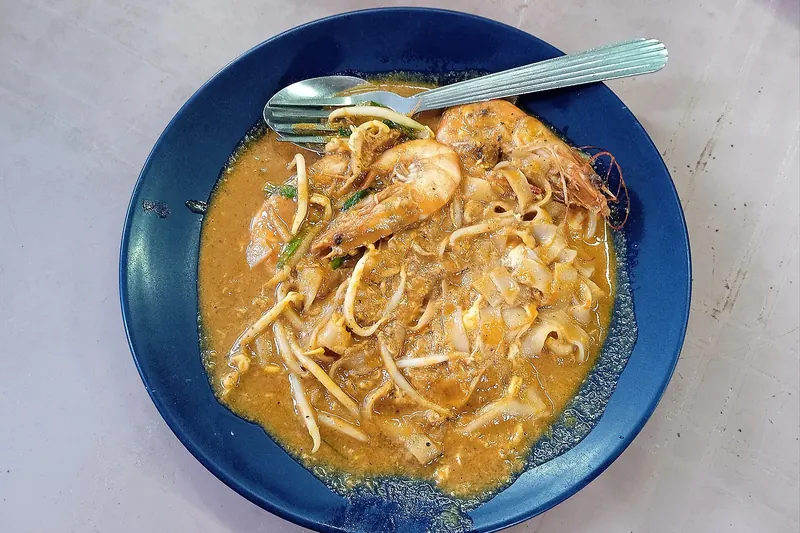
  • Char kway teow, stir-fried flat rice noodles

    Char kway teow

    Flat rice noodles stir-fried over high heat with prawns, egg and Chinese sausage, a Penang specialty.

    Where to try it Hawker centres throughout the island.

  • Nasi kandar

    A Penang-born rice dish, steamed rice served with a choice of curries ladled over the top.

    Where to try it Nasi kandar restaurants throughout George Town, many open 24 hours.

  • Cendol

    A shaved-ice dessert with green rice-flour jelly, coconut milk and palm sugar syrup.

    Where to try it Dessert stalls and hawker centres across the island.

  • Hokkien mee

    A rich prawn-based noodle soup, Penang's version notably different from the dish of the same name elsewhere in Malaysia.

    Where to try it Hawker stalls throughout George Town.

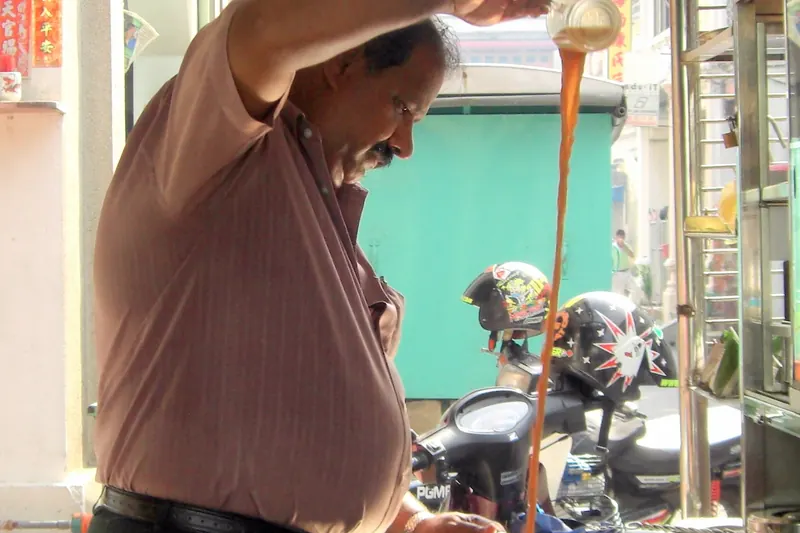
  • Teh tarik being poured, showing its characteristic foam

    Teh tarik

    Sweet, frothy pulled tea, a fitting accompaniment to a Penang hawker meal.

    Where to try it Kopitiams and hawker centres across the island.

Accommodation

Where to stay in Penang

George Town's heritage zone holds most of the best-located accommodation, from budget guesthouses to converted shophouse hotels.

  • George Town's heritage core

    Boutique hotels in converted shophouses alongside budget guesthouses.

    Best for: Walking distance to the main sights and street art

  • Batu Ferringhi

    A quieter, resort-focused stretch on the island's north coast.

    Best for: Beach resorts a short drive from the old town

What a night costs

Guesthouse room
RM60–120 per night
Boutique heritage hotel
RM200–450 per night
Hawker meal
RM6–12 per person
Restaurant dinner
RM35–70 per person

Transport

Getting to and around Penang

Penang is reached easily by air or by train and road from Kuala Lumpur.

Getting there

  • Fly into Penang International Airport

    The fastest option, with frequent domestic flights from Kuala Lumpur.

    The airport sits on the island, about 30 minutes from George Town.

  • Take the KTM ETS train to Butterworth

    A comfortable rail option from Kuala Lumpur or Ipoh.

    A short ferry or bridge crossing connects Butterworth to Penang island.

  • Long-distance coach

    A budget-friendly option from most major Peninsular cities.

    Buses typically cross directly onto the island via the Penang Bridge.

Getting around

George Town's old town is walkable, with other transport needed mainly for Penang Hill or the beaches.

  • On foot

    The best way to explore George Town's heritage core and street art.

    Most major sights sit within a compact, flat area.

  • Ride-hailing apps

    Useful for reaching Kek Lok Si Temple, Penang Hill's base station, or Batu Ferringhi.

    Cheap and widely used across the island.

  • Rapid Penang buses

    A budget option covering the island more broadly.

    Less convenient than ride-hailing for visitors on a short trip.

When to go

Best time to visit Penang

Penang follows the west coast's monsoon pattern, with the turn-of-the-year months generally driest.

  • December–February

    Best time

    Generally the driest and most comfortable months to explore on foot.

  • March–May

    Good

    Warm with a moderate chance of afternoon showers.

  • June–September

    Good

    The southwest monsoon brings more rain, usually as short afternoon downpours.

  • October–November

    Good

    The wettest stretch of the year for the island.

Worth planning around: Nothing strongly — Penang works year-round, with October and November simply the wettest months.

Itinerary

Two days in Penang

Built around George Town's old town, with Penang Hill and Kek Lok Si as a half-day extension.

  1. Day1

    George Town's old town

    Street art, heritage streets and hawker food.

    • Morning Walk the street art trail through George Town's lanes.
    • Afternoon Explore Armenian Street and the Blue Mansion.
    • Evening A hawker food crawl through the old town.
  2. Day2

    Penang Hill and Kek Lok Si

    A half-day trip beyond the old town, followed by the clan jetties.

    • Morning Ride the funicular up Penang Hill.
    • Afternoon Visit Kek Lok Si Temple.
    • Evening Sunset at the clan jetties, followed by dinner.

Travel tips

Penang travel tips

Practical notes that make a Penang visit noticeably smoother.

  • Wear comfortable shoes — George Town's heritage streets are made for walking, not driving.
  • Book Penang Hill tickets online ahead, especially for sunset.
  • Carry small ringgit notes for hawker stalls and markets.
  • Start sightseeing early to avoid the worst of the midday heat.
  • Be respectful at the clan jetties — people live there.
  • Try dishes from all three communities, not just the Chinese hawker food Penang is best known for.

FAQ

Penang: frequently asked questions

How many days do you need in Penang?

Two to three days covers George Town's old town, Penang Hill and Kek Lok Si Temple comfortably.

Is Penang walkable?

Yes, very much so — George Town's heritage core is compact and best explored almost entirely on foot.

What is Penang's most famous dish?

Assam laksa is usually considered Penang's signature dish, alongside char kway teow.

Is Penang expensive?

No, generally affordable, with hawker meals and guesthouses both reasonably priced.

How do you get from Kuala Lumpur to Penang?

By domestic flight, or by KTM ETS train to Butterworth followed by a short crossing to the island.

Is Penang safe?

Yes, generally — a safe destination, with normal precautions around belongings in busy markets.

Read next

Related travel articles

Food

A Country-by-Country Food Primer

Eating well abroad is mostly a matter of knowing when meals happen, how the menu is structured and which dish belongs to the place you are standing in. This covers all three for the five countries in this guide, plus the signals that separate a restaurant that feeds locals from one that feeds coaches.

Where to go

Beyond the Big Names: Places Worth the Detour

The most visited place in a country is rarely its best, and it is almost never its best value. This is a method for finding the destinations that do not make the postcards — and a set of examples from five of the 50 countries on this site.

Advertisement